

Kiln Tower for the Brickworks Museum : Museum & Industrial Architecture by Boltshauser Architekten
An experimental prestressed rammed-earth tower in Cham reactivates brickmaking heritage while advancing sustainable construction and contemporary material research.


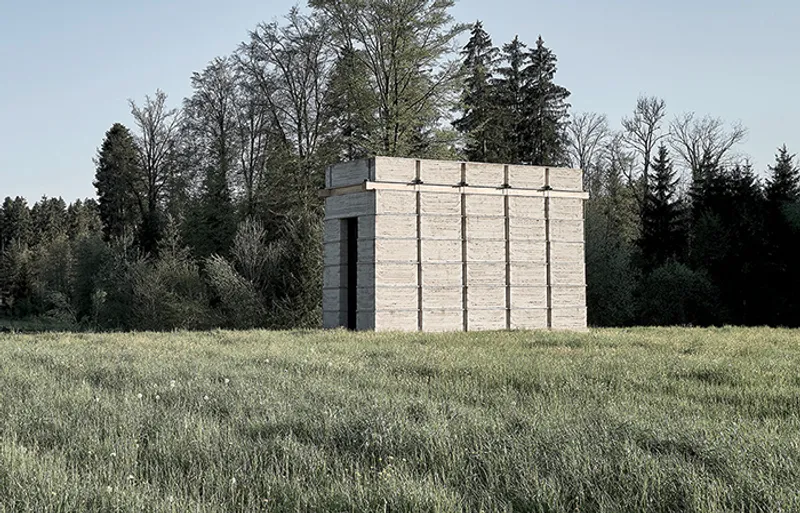
The Kiln Tower for the Brickworks Museum, designed by Boltshauser Architekten, stands as an experimental and didactic structure within one of Switzerland’s most significant industrial heritage sites. Located in Cham, the project extends the life of the country’s only intact handmade brickworks in the German-speaking region, while simultaneously advancing contemporary research into earth construction.
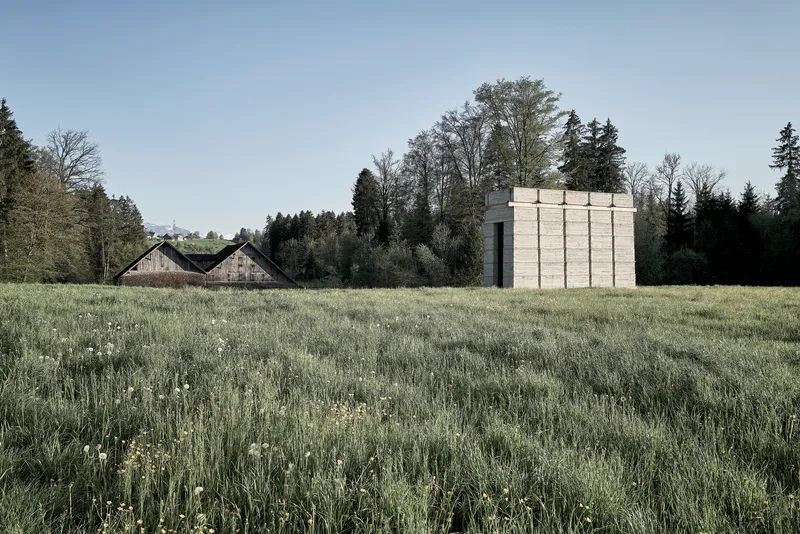
Rather than reproducing historical forms, the tower reinterprets the logic of brick production through material innovation, making the building itself an exhibit—one that bridges craft, engineering, and sustainability.
An Architectural Addition to a Historic Ensemble
The Brickworks Museum complex comprises a timber drying shed, a historic kiln no longer in operation, the biotope of a former clay pit, residential buildings, and a museum structure replacing a burned-down barn. Within this listed ensemble, the new kiln tower establishes a vertical landmark, carefully positioned to complement the existing fabric without overpowering it.
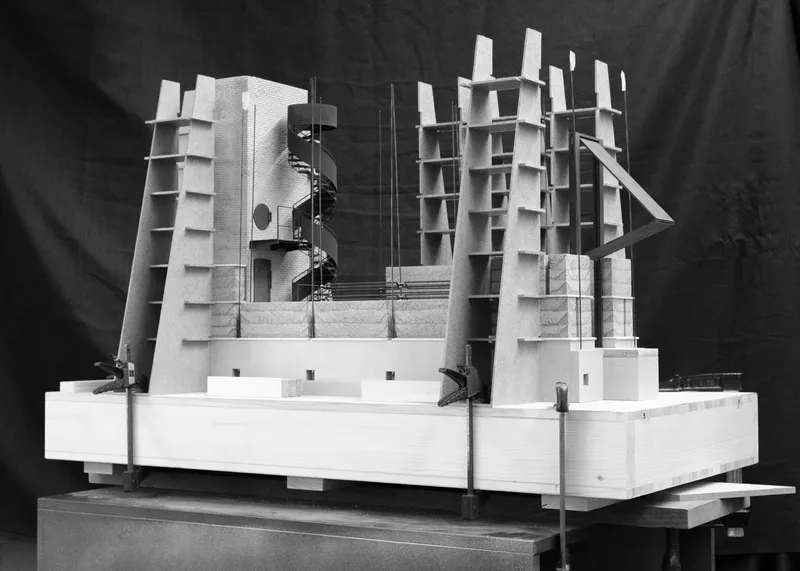
Originally conceived during a design studio at TU Munich, the project evolved from a full-scale mock-up developed at the Sitterwerk. The realized structure is the world’s first prestressed rammed-earth building, marking a decisive step forward in earthen construction.
Earth as Structure, Earth as Exhibit
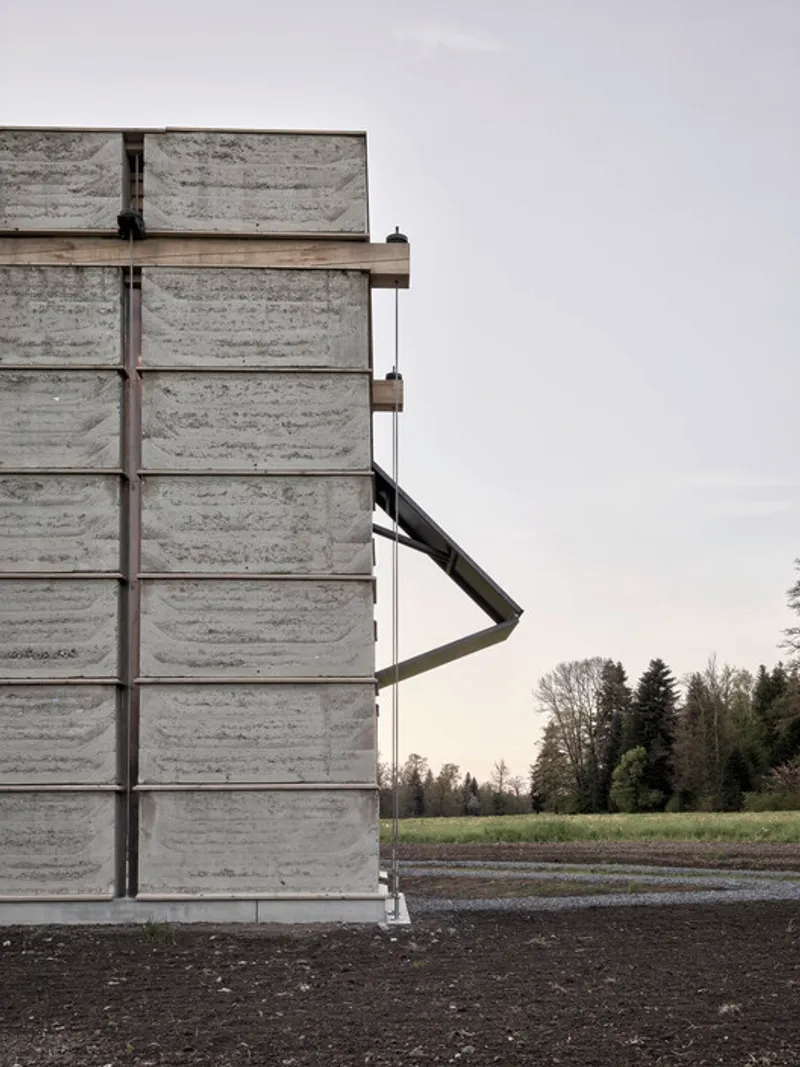
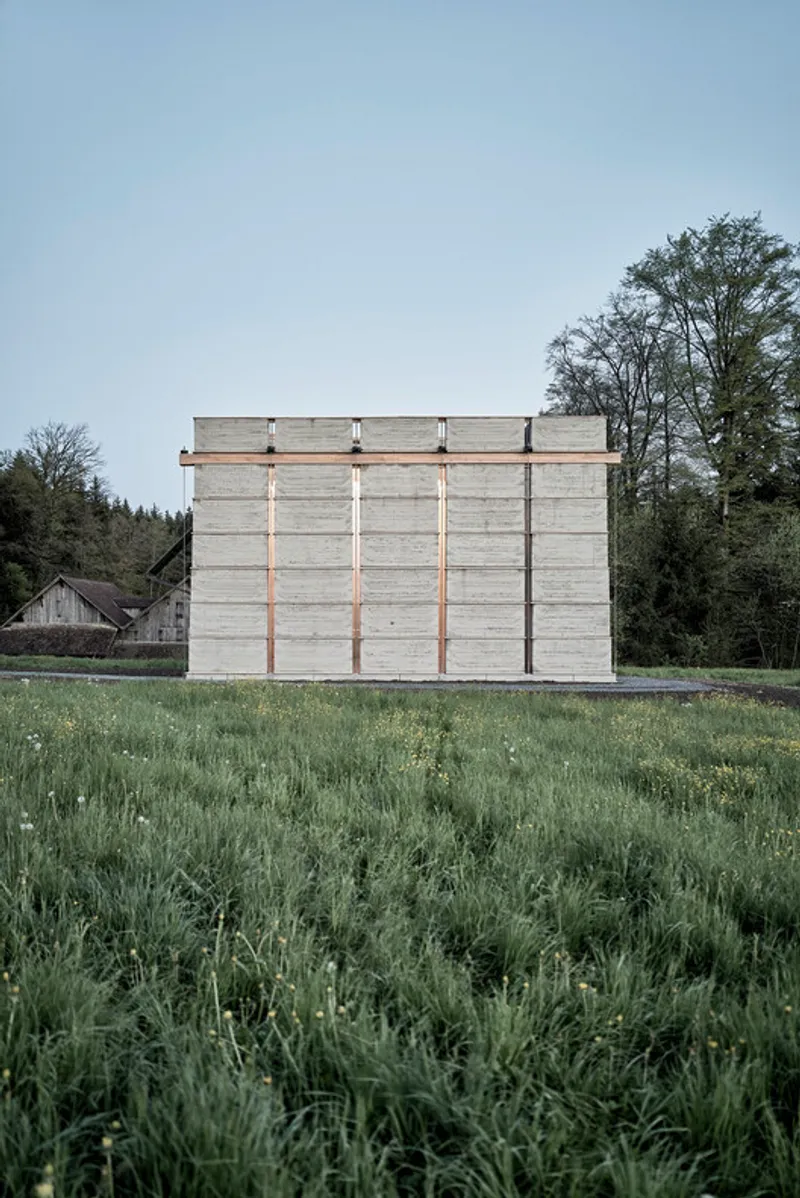
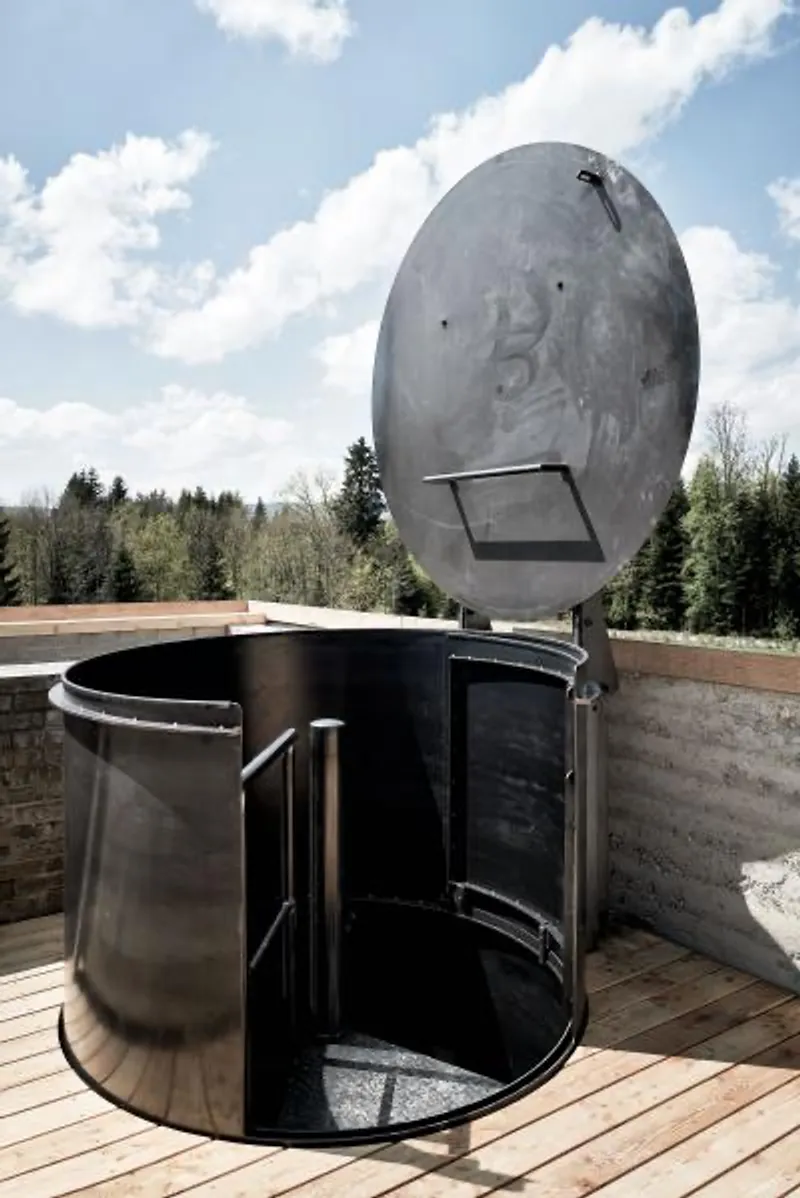
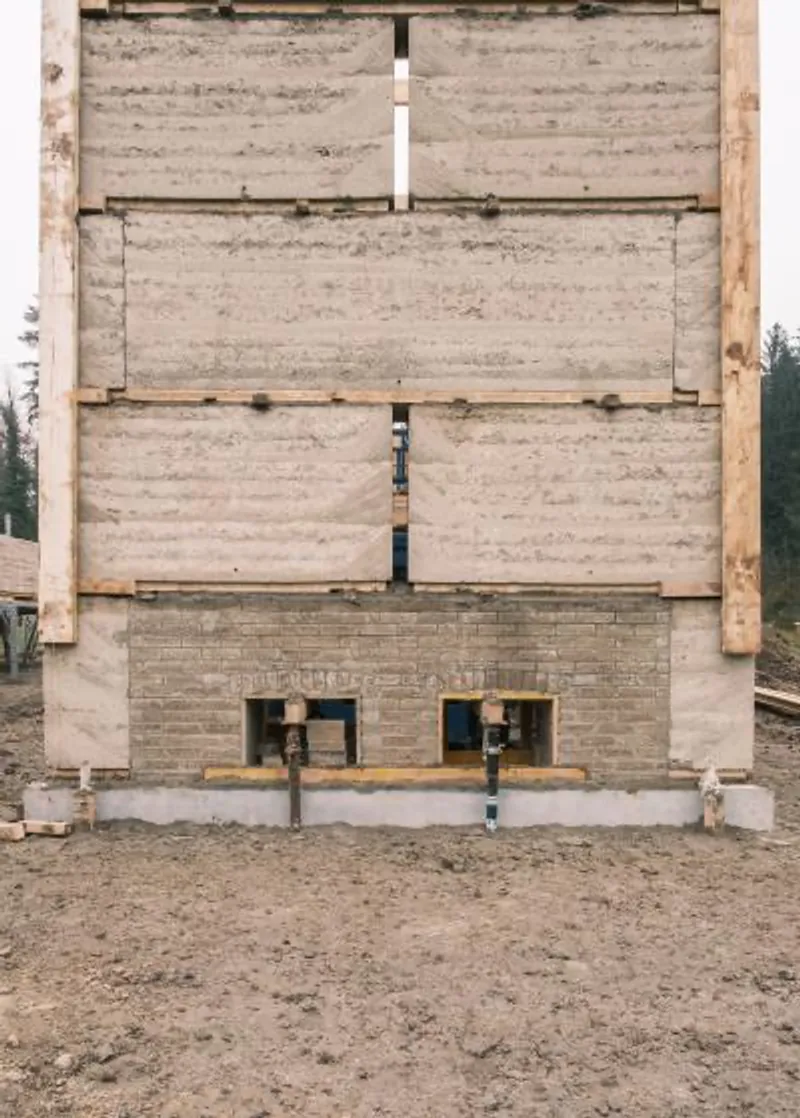
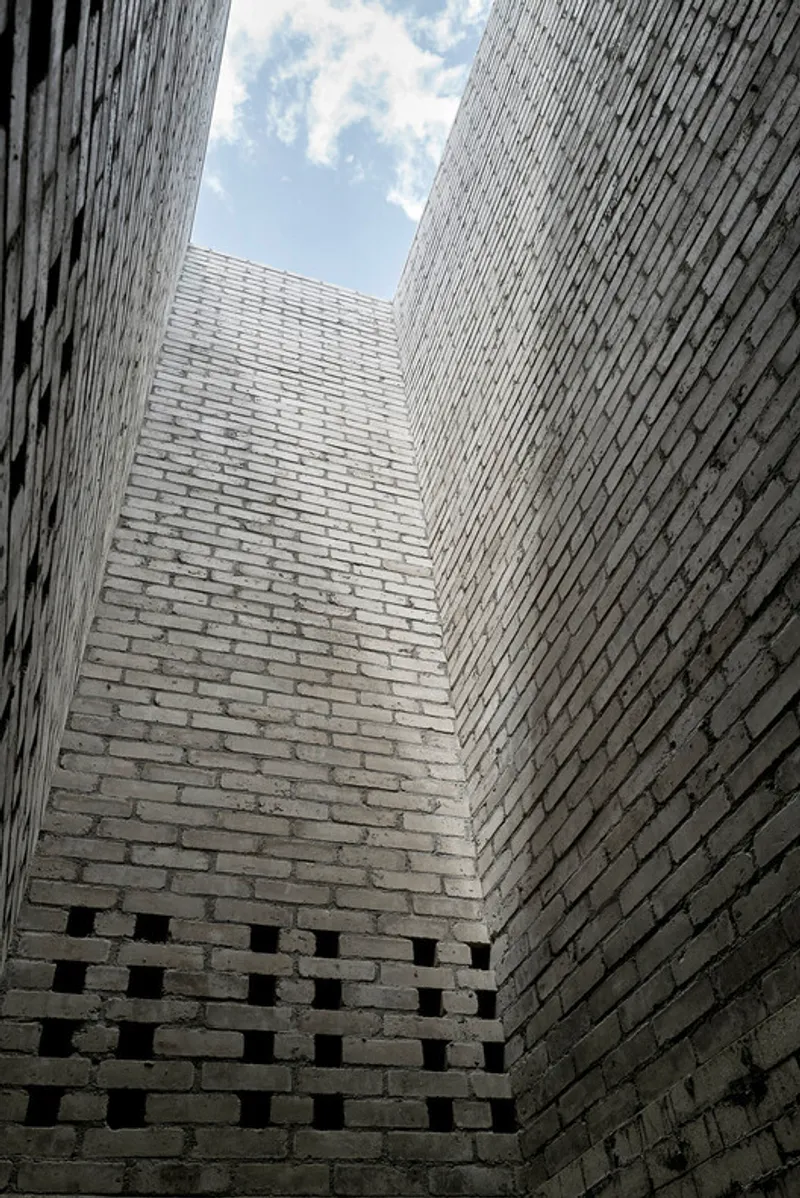
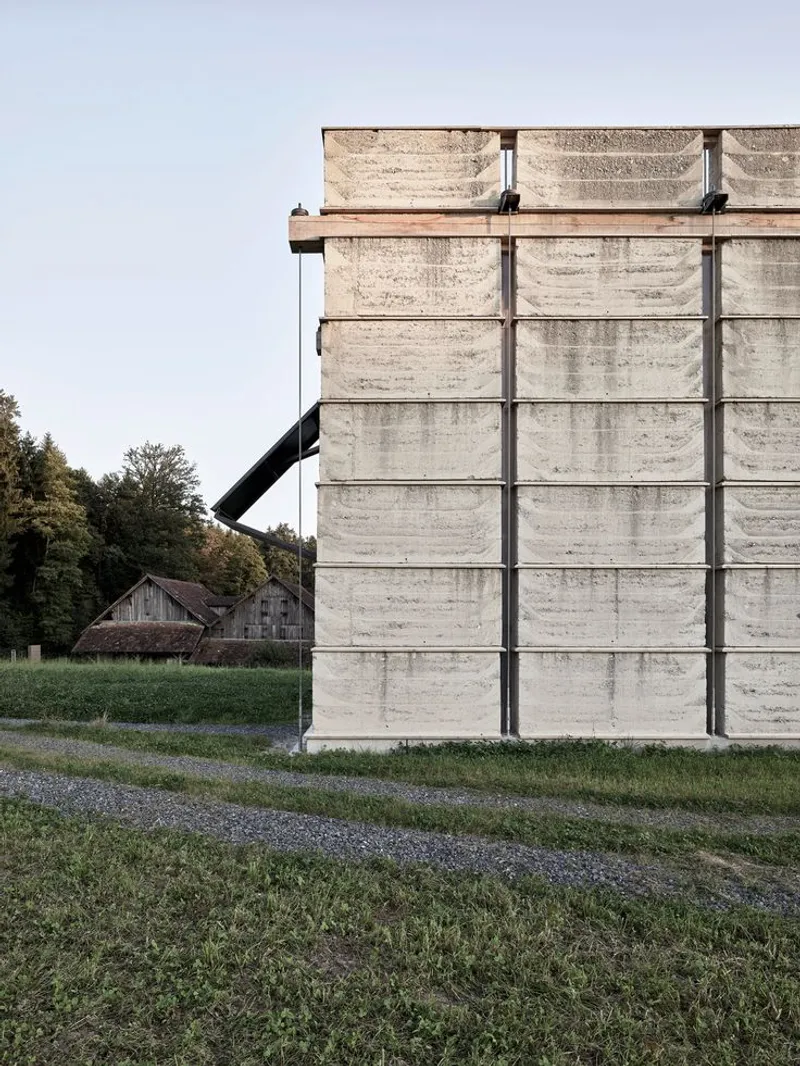
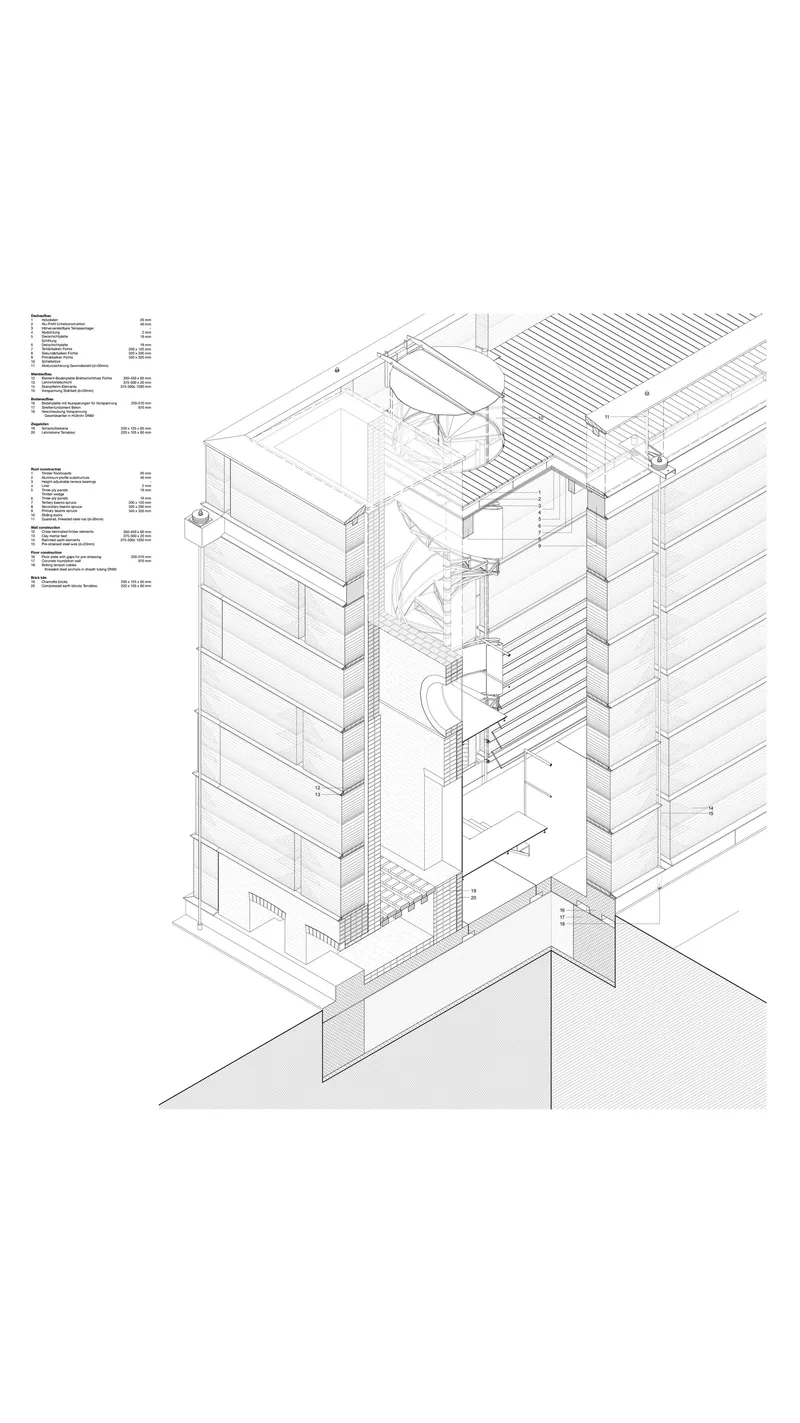
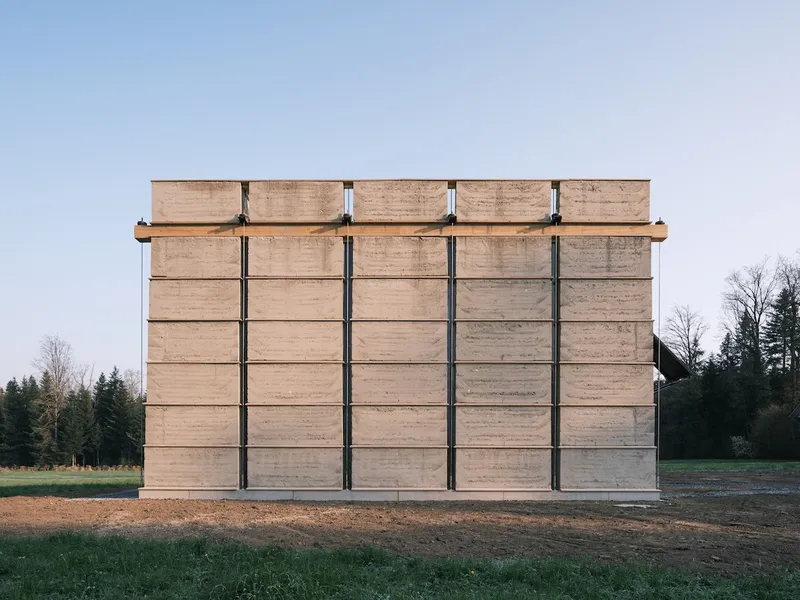
Unlike conventional brick architecture, the kiln tower presents clay in its unfired state, celebrating earth as a primary construction material. The rammed-earth walls are assembled from prefabricated elements, whose joints remain visible rather than concealed. These seams, crossed by exposed prestressing bars, become a defining architectural feature—revealing the building’s method of assembly and structural logic.
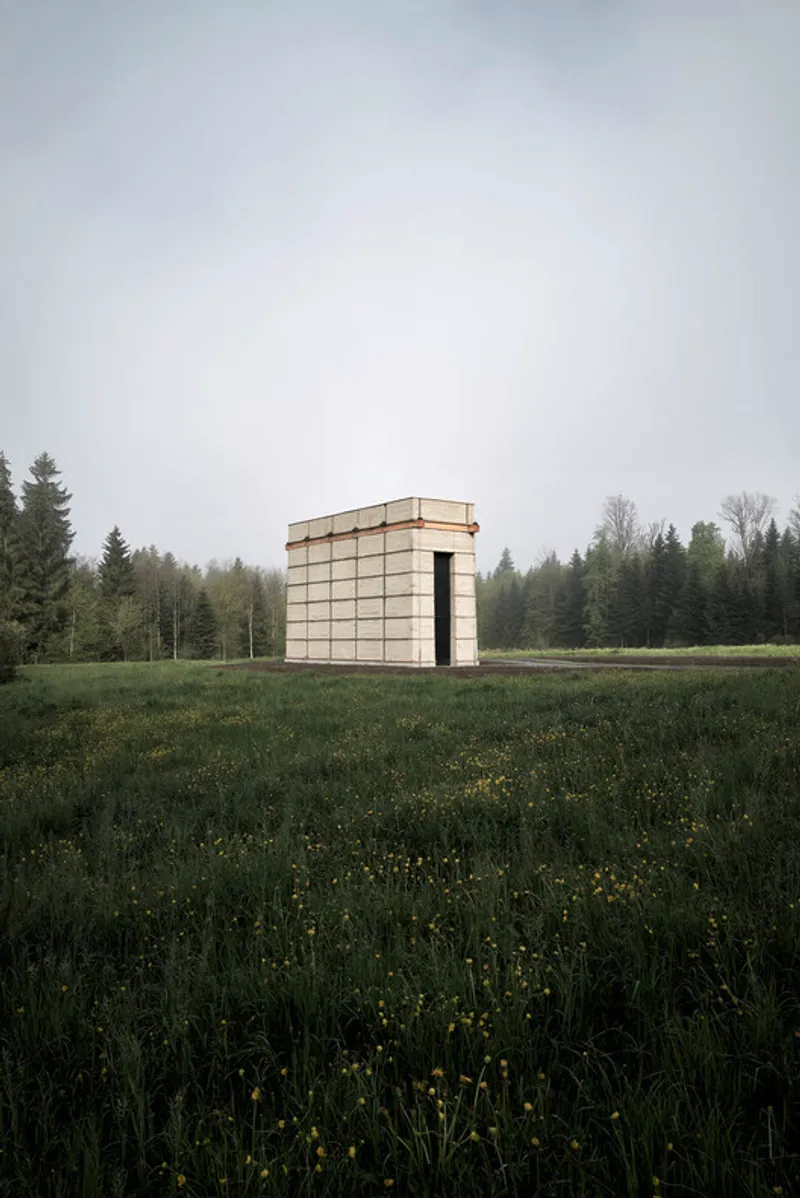
The result is a powerful contrast between the mass and solidity of earth and the lightness of tensile steel, transforming structural necessity into architectural expression.
Prestressing as Innovation
A key innovation of the project lies in its prestressing system, which dramatically increases the structural capacity of rammed earth. Earth excels under compression but performs poorly under tension; by introducing steel tension rods, the building achieves enhanced stability and resistance to seismic forces.
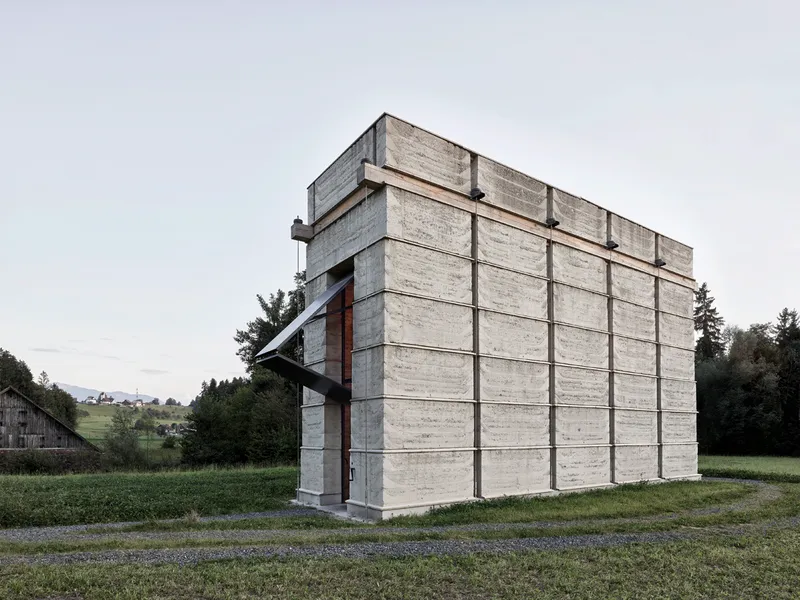
This hybrid system demonstrates how traditional materials can be reactivated through contemporary engineering. Timber base plates are integrated directly into the wall structure, protected by carefully detailed weather drips that prevent erosion while clearly articulating the joint between elements.
Spatial Experience and Program
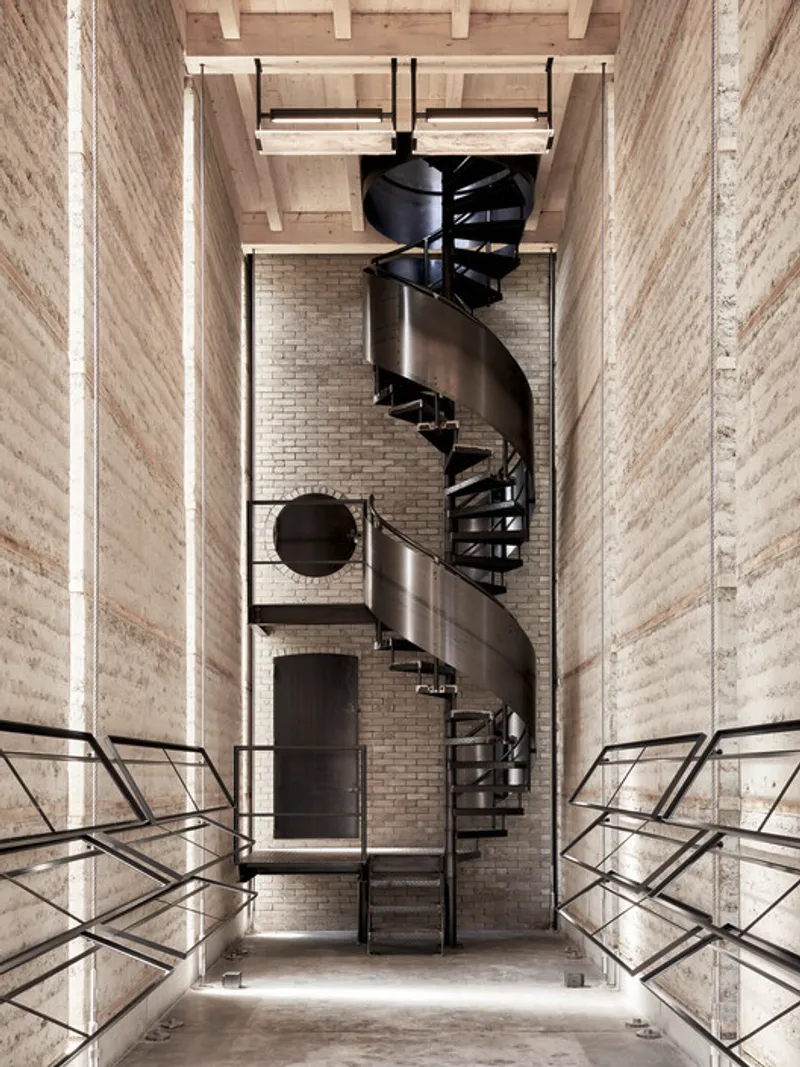
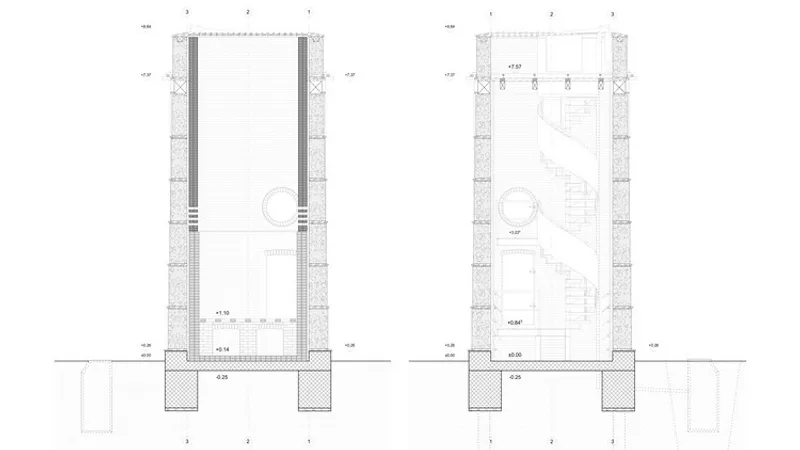
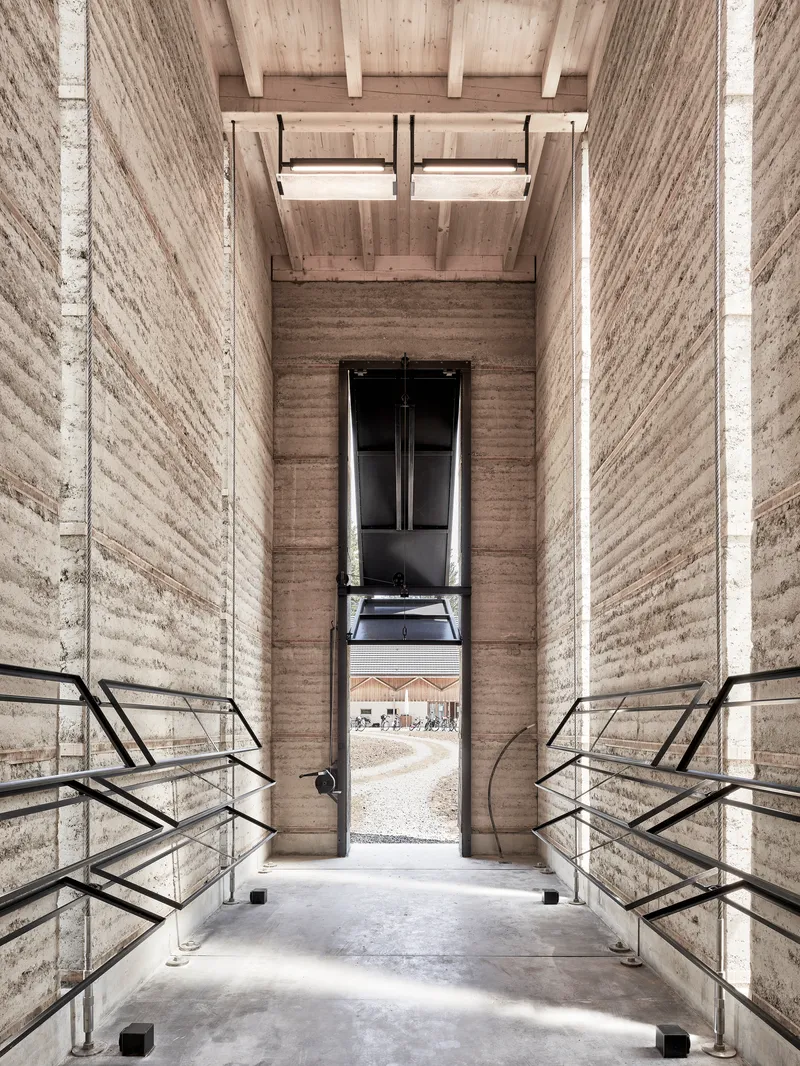
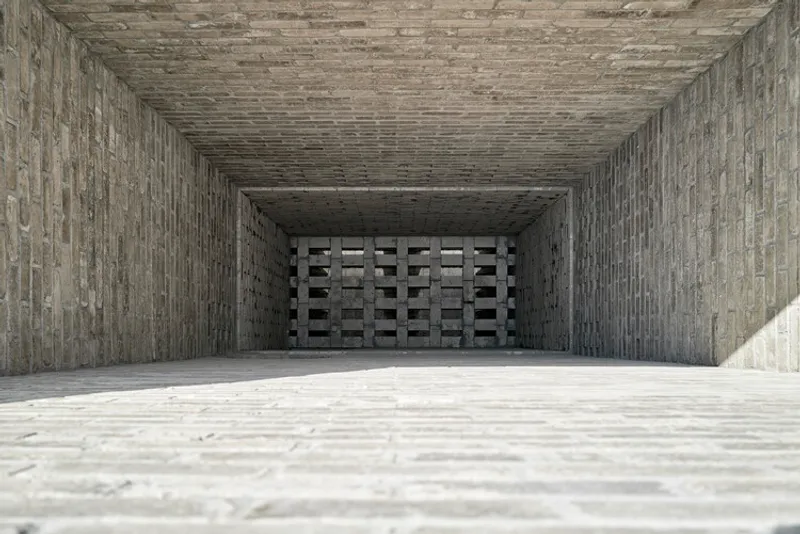
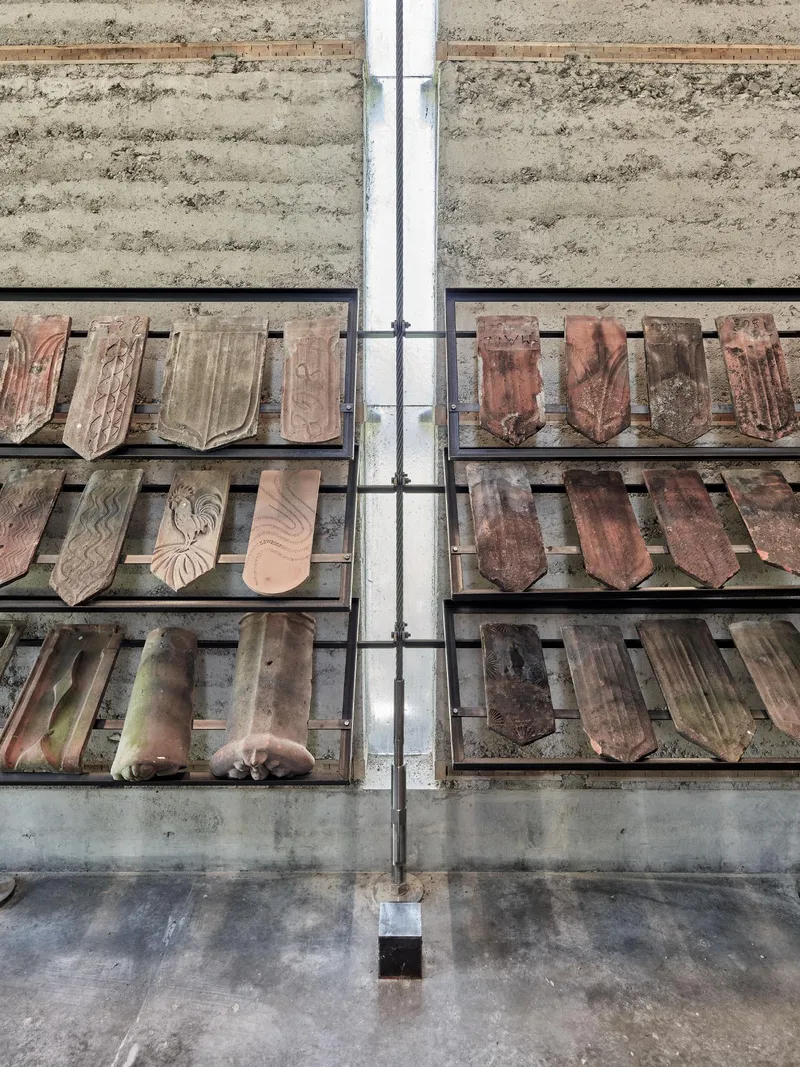
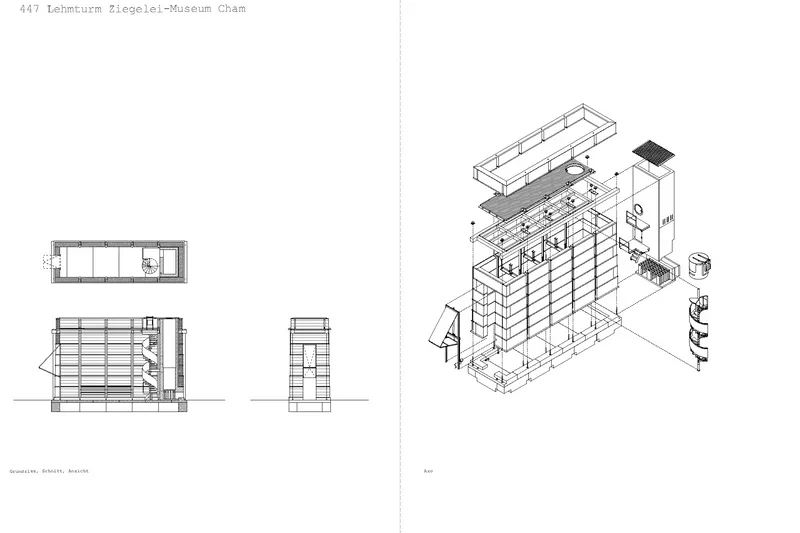
Inside the tower, the exhibition room and kiln are capped by a solid timber ceiling, reinforcing the sense of weight and enclosure. Narrow light slits at the wall joints admit daylight, allowing visitors to perceive the full thickness and texture of the rammed-earth walls. Steel frames attached to the prestressing elements support exhibition panels, ensuring flexibility without additional structural intervention.
A steel spiral staircase leads upward to an approximately eight-meter-high viewing platform. From this elevated point, visitors gain a comprehensive overview of the historic brickworks landscape, reinforcing the educational mission of the museum.
Sustainability Through Material Research
Beyond its architectural presence, the kiln tower functions as a research prototype. The project is scientifically monitored to better understand the long-term behavior of prestressed rammed earth. This research addresses a critical environmental challenge: Switzerland excavates more than sixty million tons of earth annually, most of which is discarded.
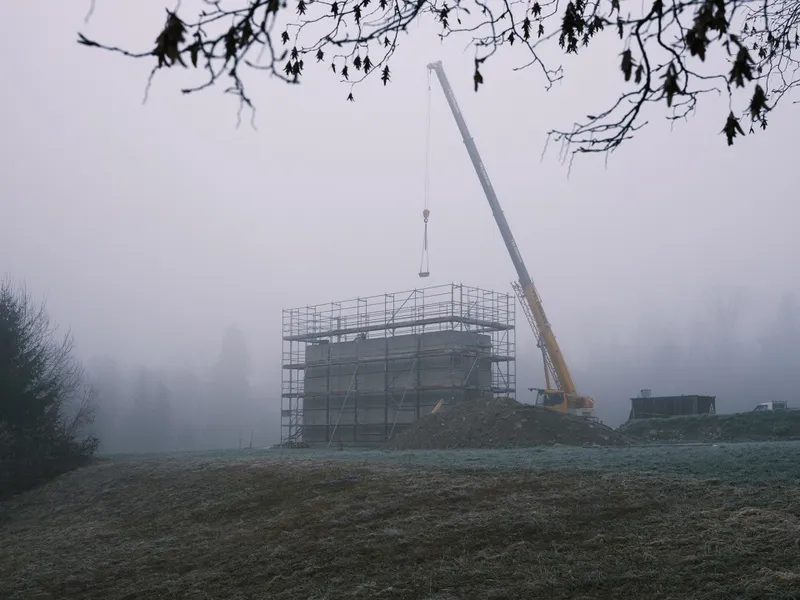
By repurposing this abundant material for construction, projects like the kiln tower offer a viable alternative to energy-intensive materials such as concrete and fired brick. Compared to conventional building methods, rammed-earth construction can reduce embodied energy by up to forty percent, positioning earth as a key material in the transition toward more sustainable architecture.
A Contemporary Monument to Making
The Kiln Tower for the Brickworks Museum is both infrastructure and manifesto. It honors the site’s industrial heritage while pointing toward a future in which architecture reengages with local materials, visible construction processes, and ecological responsibility. In doing so, it transforms a modest 60-square-meter structure into a globally significant contribution to architectural discourse.
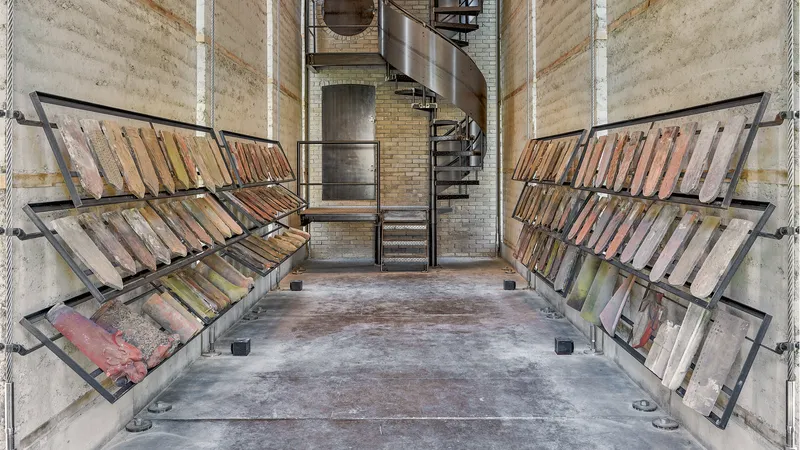
All the Photographs are works of Kuster Frey



Popular Articles
Popular articles from the community

EW PARK: Sustainable Architecture Reimagines the Future of Urban Parking
EW PARK reimagines city parking as a modular wooden tower combining automation, solar energy, electric mobility, and adaptable urban design.

AL-JANNAH: Sustainable Architecture and Permaculture for Afghan Widows
AL-JANNAH uses sustainable architecture and permaculture to create resilient oasis of housing, learning, work and renewal for Afghan widows.

Co-Life: Senior Housing Design That Reconnects Older Adults With the City
Co-Life reimagines senior housing design through healing gardens, shared streets, workshops, and a sustainable community across generations.

The Earth Pod: 3D Printed Homes for Resilient Refugee Communities
The Earth Pod reimagines refugee housing through 3D printed homes made from clay, combining resilience, self-sufficiency, and rapid shelter.

Similar Reads
You might also enjoy these articles


Hodi-Mandai Geram
Project Function: Preservation and revitalization of the Intangible heritage and socio-spatial identity of the Hodi by Housing, Cultural Memory Center, Sacred Grove, landscape, local tourism economy


Olio Towers: A Mid-Rise for Performers That Fuses Housing, Rehearsal, and Stage
Located blocks from Houston's Theater District, this modular tower stacks living units around a central performance atrium.

Oasis: Modular Green Housing Carved into Dhaka's Urban Fabric
A shortlisted Plugin Housing entry reclaims unauthorized settlements in Dhaka with stepped concrete volumes, green roofs, and ventilation-driven design.

Black Hole: A Floating Megastructure for the Post-Physical Era
Emiliano Mazzarotto envisions a spherical, self-scaling arena where e-sports, digital hotels, and holographic stadiums replace traditional public space.


Explore Adobe Brick Making Competitions
Discover active competitions in this discipline



Challenge to reimagine the Iron Throne


Photograph architecture without architects


Illustrate the lost glory of Angkor Wat - Render Challenge


Design challenge to reuse E-waste
Comments (0)
Please login or sign up to add comments
No comments yet. Be the first to comment!