

Kornversuchsspeicher Extension by AFF Architekten – Revitalizing Berlin’s Historic Grain Warehouse
Historic Berlin granary transformed by AFF Architekten into modern mixed-use space, blending preserved brick façades with contemporary rooftop extension and interiors.


The Kornversuchsspeicher Extension in Berlin, designed by AFF Architekten, is a striking example of adaptive reuse architecture that bridges over a century of history with contemporary urban needs. Originally constructed in 1897–1898 at the former Lehrter freight station, this listed historic granary holds the distinction of being Berlin’s first warehouse to experiment with grain storage technologies. Built in response to the city’s rapid population growth in the late 19th century, the facility played a pivotal role in shaping modern storage and distribution methods.
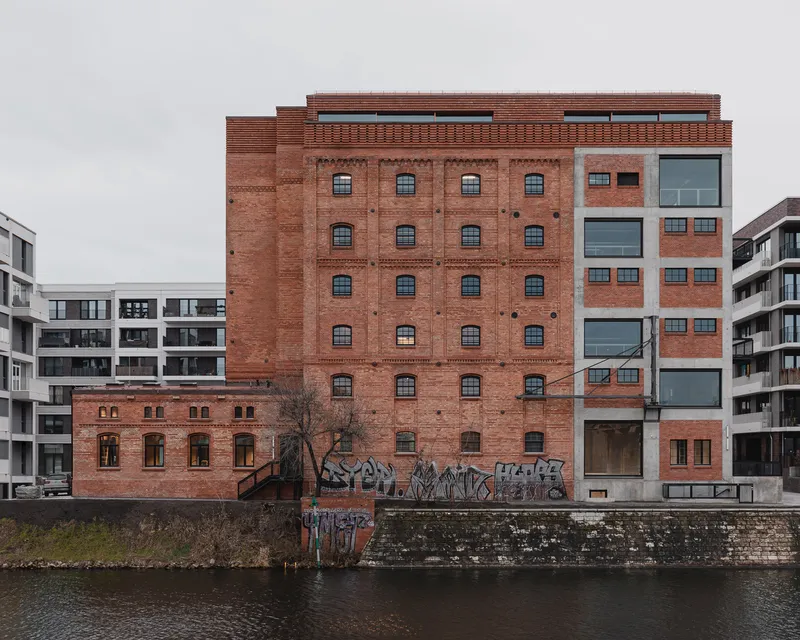
From Grain Storage Innovation to Industrial Heritage
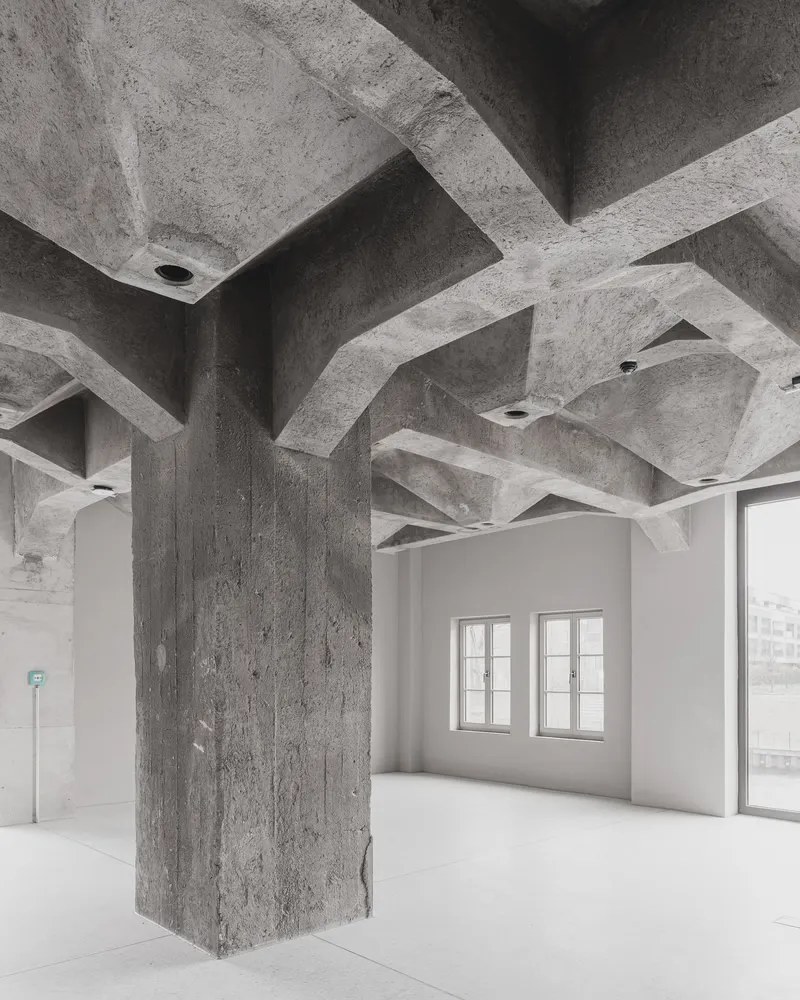
In 1916, a major extension was added to the Kornversuchsspeicher, specifically for comparing silo and bulk storage systems while testing state-of-the-art grain handling machinery. This update introduced a reinforced concrete skeleton—a pioneering material choice at the time—and incorporated distinctive trichet storage ceilings that defined the building’s industrial character.
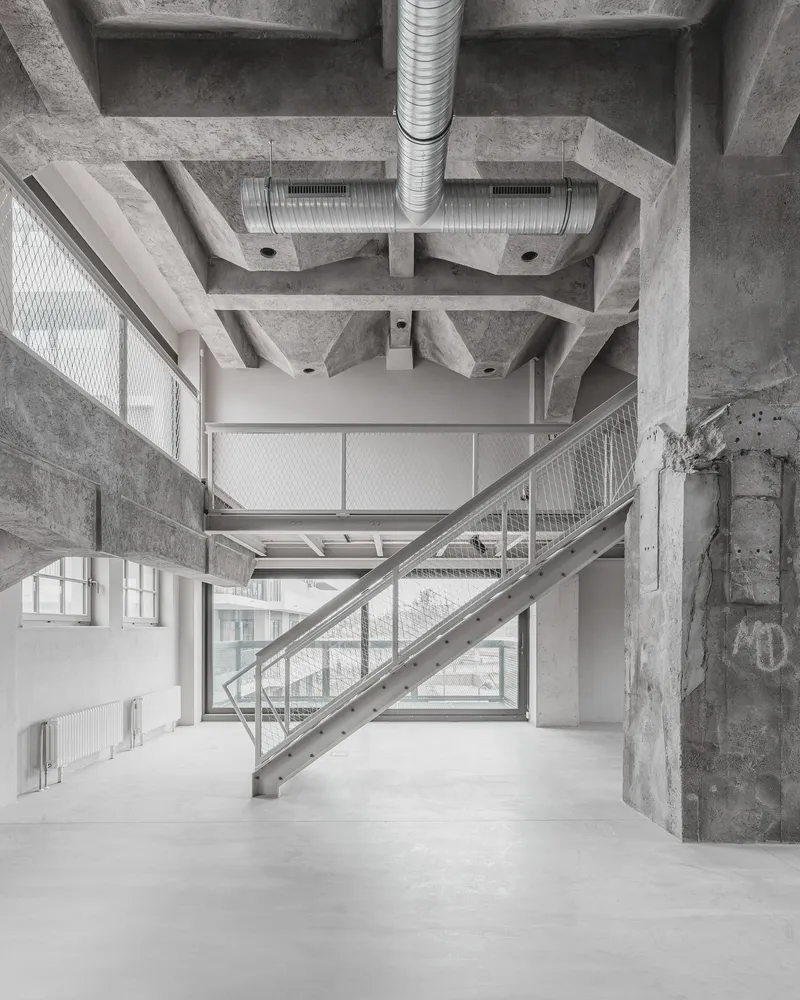
A Sensitive Conversion for the 21st Century
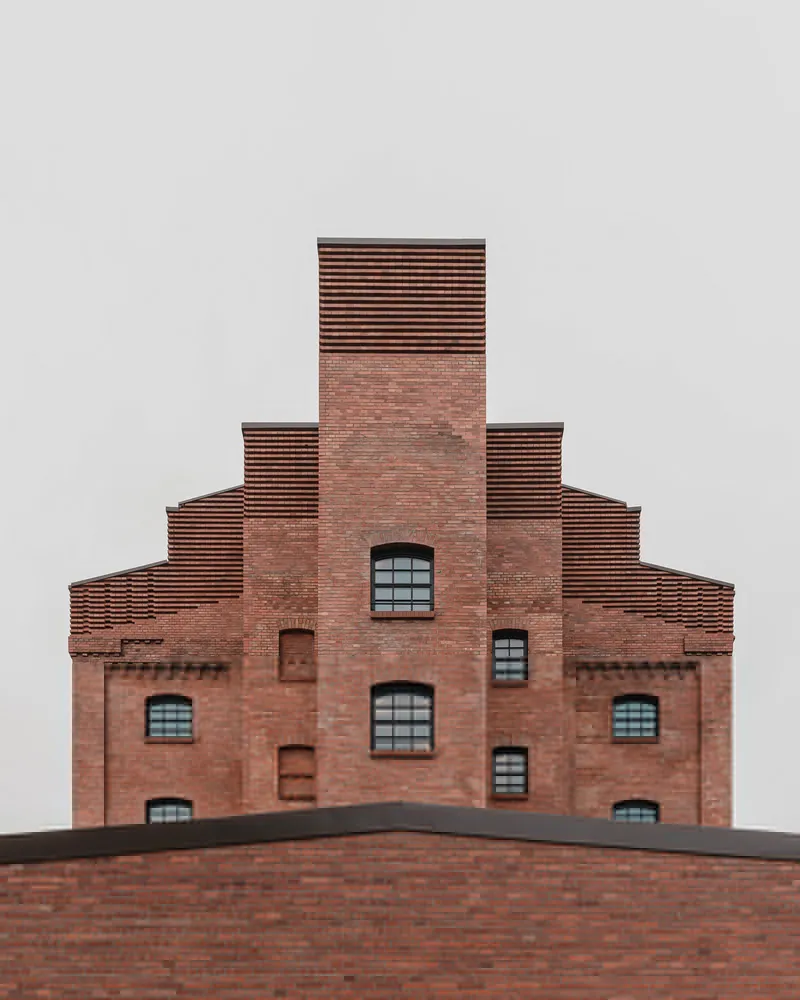
The recent 3,588 m² transformation, completed in 2023, reflects a masterful balance between heritage conservation and modern functionality. AFF Architekten undertook a partial dismantling of the existing concrete support structures and introduced select structural interventions that open up interior volumes while preserving historical integrity. The most visible addition is the rooftop extension, which integrates harmoniously into the original industrial silhouette without overpowering its historic masonry façade.
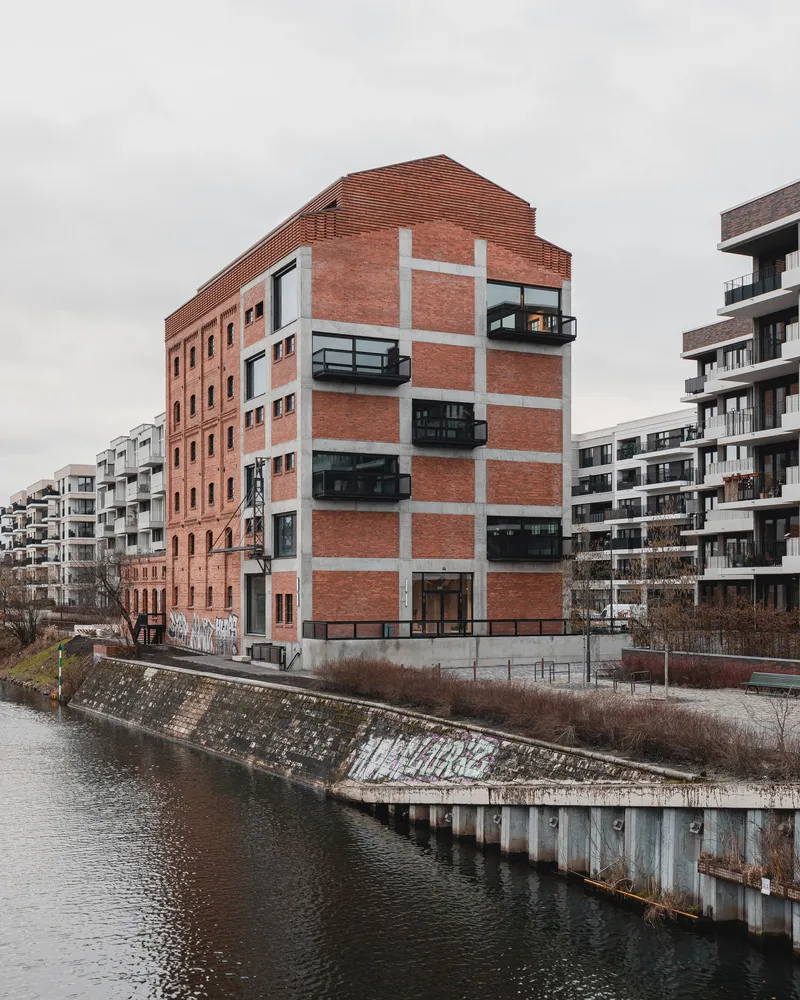
Spatial Interventions and Design Approach
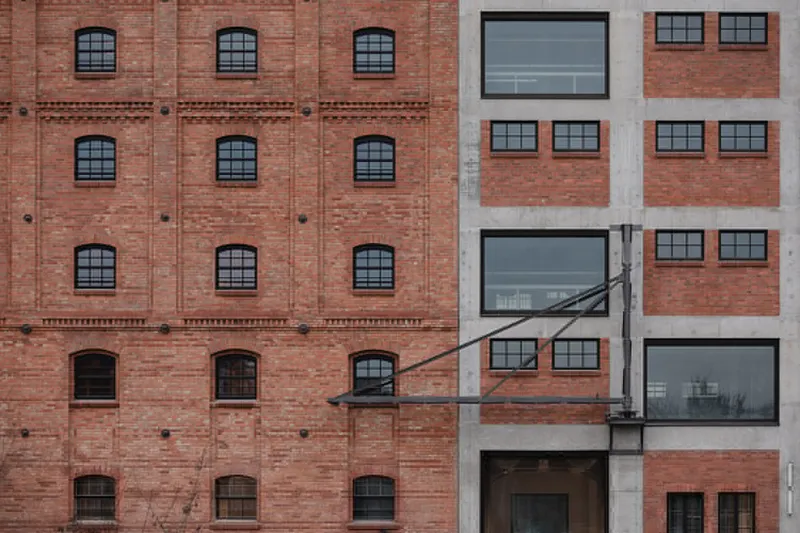
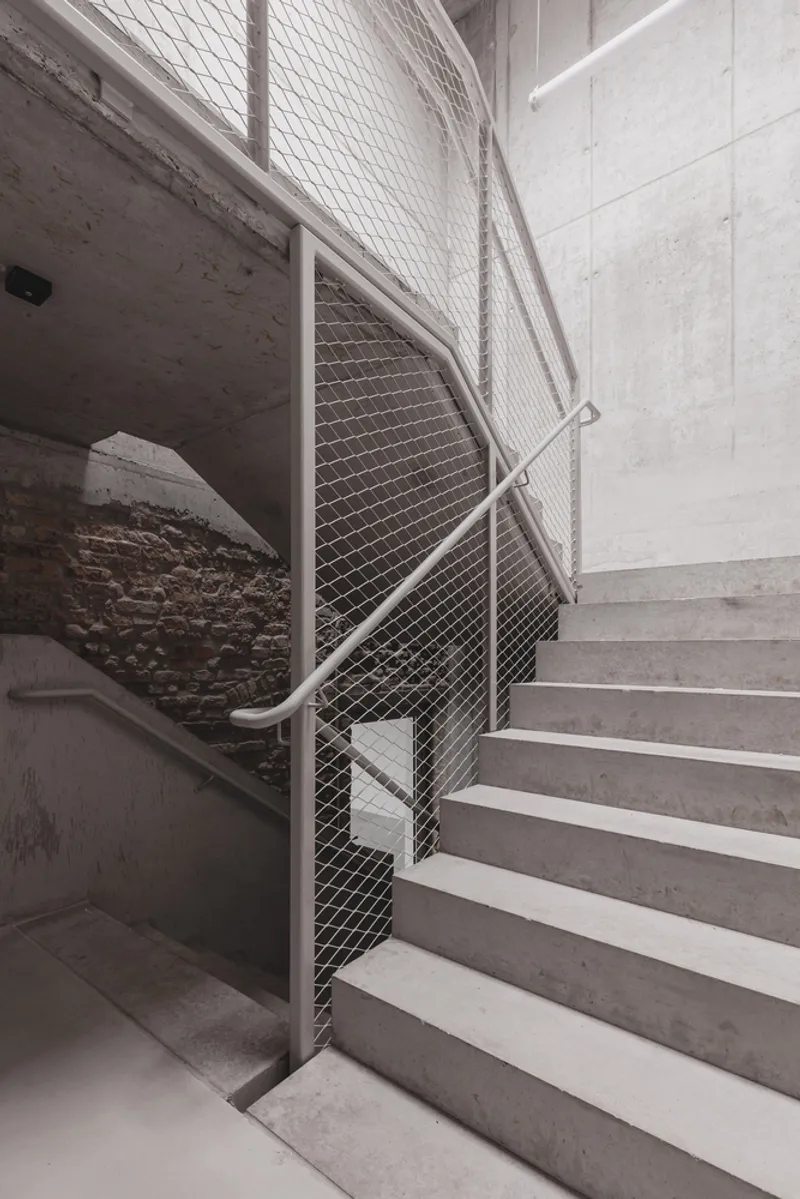
The design team approached the project with surgical precision, creating a sequence of space-defining interventions that respect the protected building while enabling contemporary use. Original brick façades and rhythmic window patterns remain central to the building’s identity, complemented by modern insertions that enhance daylight penetration, circulation flow, and spatial flexibility.
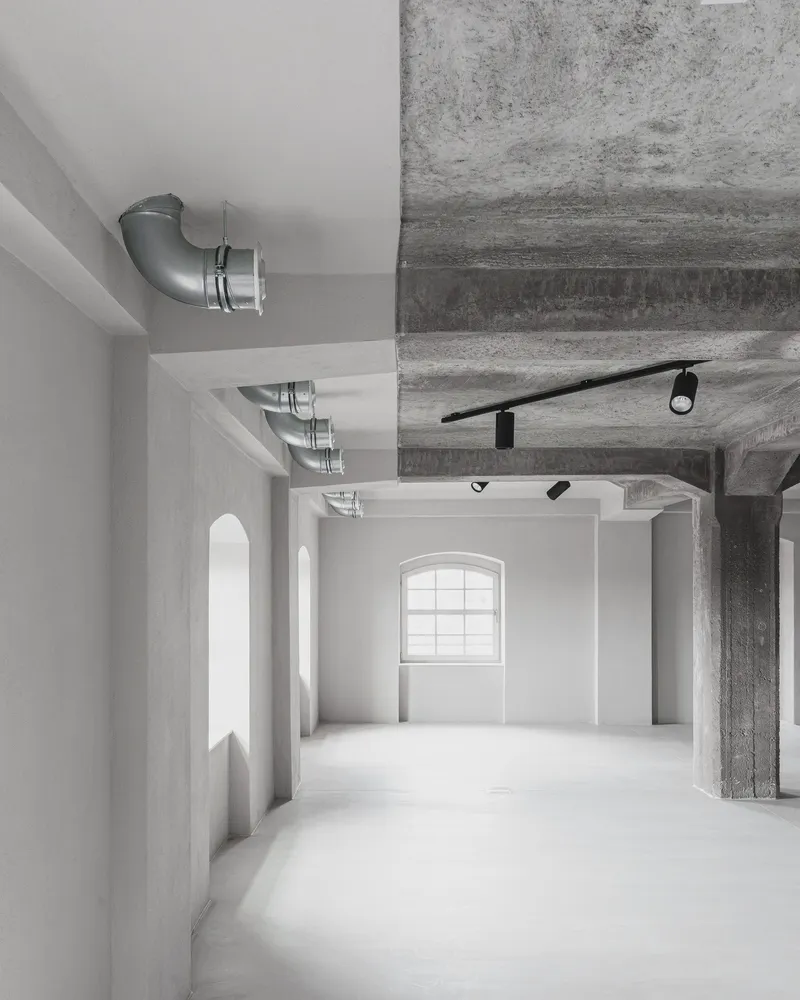
Internally, exposed structural elements—such as columns, beams, and arches—were retained and highlighted to showcase the building’s industrial heritage. The careful interplay between historic textures and modern finishes creates a spatial narrative where Berlin’s industrial past meets its dynamic present.
Collaboration and Technical Expertise
The project brought together a team of specialized consultants, including capattistaubach urbane landschaften for landscape design, Passau Ingenieure GmbH for mechanical engineering, and ISKP Ingenieure for structural engineering, with Zechbau GmbH as the general contractor. Their combined expertise ensured that every intervention aligned with both heritage protection standards and contemporary building performance requirements.
Kornversuchsspeicher’s Role in Berlin’s Urban Fabric
Today, the Kornversuchsspeicher Extension stands as more than just a restored warehouse—it’s a model for sustainable urban transformation, showing how historic industrial buildings can be reimagined for modern public, office, and mixed-use programs. Located in a rapidly evolving area of Berlin, the project underscores the value of preserving architectural memory while embracing innovation.
All photographs are works of
Tjark Spille


Popular Articles
Popular articles from the community

Extended Shell: Retrofitting Kolkata's Balconies as Living Urban Thresholds
A modular retrofit system recovers the social and environmental intelligence of Kolkata's historic verandas for contemporary Park Street residents.
Faces of the Soviet Avant-Garde: Turning Moscow's Street Names into an Open-Air Museum
A network of sculptural installations across a Moscow residential district transforms forgotten architect names into spatial encounters with cultural memor
Opera by the Sea Estonia: Three Shells Dissolving Architecture into Tallinn's Coastline
A winning opera house proposal replaces monumental form with interconnected shells that blur the boundary between building, park and Baltic Sea.
Temporary Home for Dogs: A Reversed Zoo Rethinks Animal Shelter Architecture
In Bucharest, a sinuous corridor and freed landscape flip the logic of containment, designing a shelter that works to make itself unnecessary.

Similar Reads
You might also enjoy these articles


Hodi-Mandai Geram
Project Function: Preservation and revitalization of the Intangible heritage and socio-spatial identity of the Hodi by Housing, Cultural Memory Center, Sacred Grove, landscape, local tourism economy


Olio Towers: A Mid-Rise for Performers That Fuses Housing, Rehearsal, and Stage
Located blocks from Houston's Theater District, this modular tower stacks living units around a central performance atrium.

Oasis: Modular Green Housing Carved into Dhaka's Urban Fabric
A shortlisted Plugin Housing entry reclaims unauthorized settlements in Dhaka with stepped concrete volumes, green roofs, and ventilation-driven design.

Black Hole: A Floating Megastructure for the Post-Physical Era
Emiliano Mazzarotto envisions a spherical, self-scaling arena where e-sports, digital hotels, and holographic stadiums replace traditional public space.

Explore B19 Architekten Bda – Weimar Competitions
Discover active competitions in this discipline

Challenge to reimagine the Iron Throne

Photograph architecture without architects

Illustrate the lost glory of Angkor Wat - Render Challenge

Design challenge to reuse E-waste
Comments (0)
Please login or sign up to add comments
No comments yet. Be the first to comment!