

Koto Niwa Cabin: Redefining Modular Cabin Architecture for Sustainable Living
A deep dive into Koto’s Niwa Cabin, redefining sustainable modular cabin architecture through craftsmanship, flexibility, and nature integration.


The Koto Niwa Cabin stands as a groundbreaking example of modular cabin architecture, blending sustainability, precision craftsmanship, and timeless design. Created by Koto, a studio known for its fusion of Scandinavian and Japanese philosophies, the Niwa collection marks a bold evolution in the world of prefabricated architecture.
Thoughtful Design Inspired by Nature
The Niwa Cabin was born from Koto’s vision of creating adaptable, nature-connected spaces, even in the most remote environments. With the demand for Koto’s signature modular aesthetic growing, the team saw an opportunity to rethink prefabricated design by prioritizing ease of transport, efficiency, and environmental sensitivity without compromising architectural integrity.
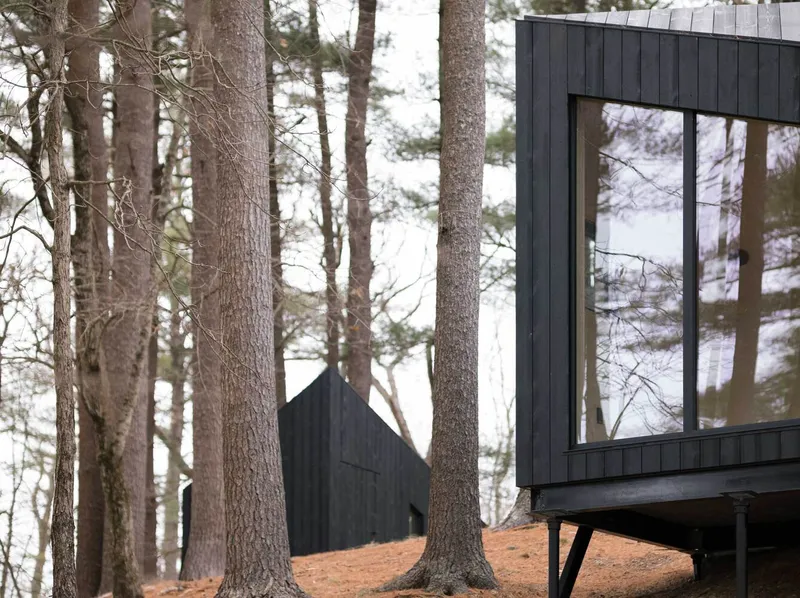
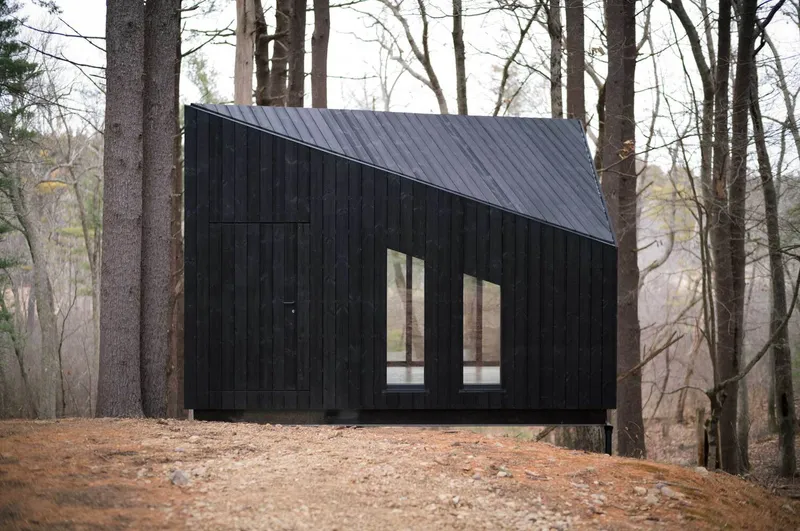
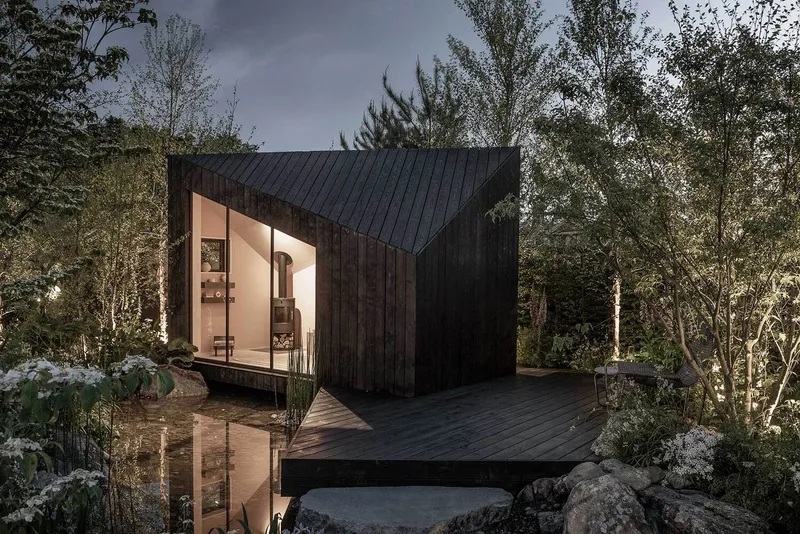
Drawing inspiration from the simplicity and serenity of Scandinavian and Japanese traditions, the Niwa Cabin becomes more than just a structure—it is a tranquil sanctuary. Its sculptural form, clean lines, and minimalistic detailing invite inhabitants to slow down and experience nature with a sense of calm and clarity.
Seamless Integration with the Landscape
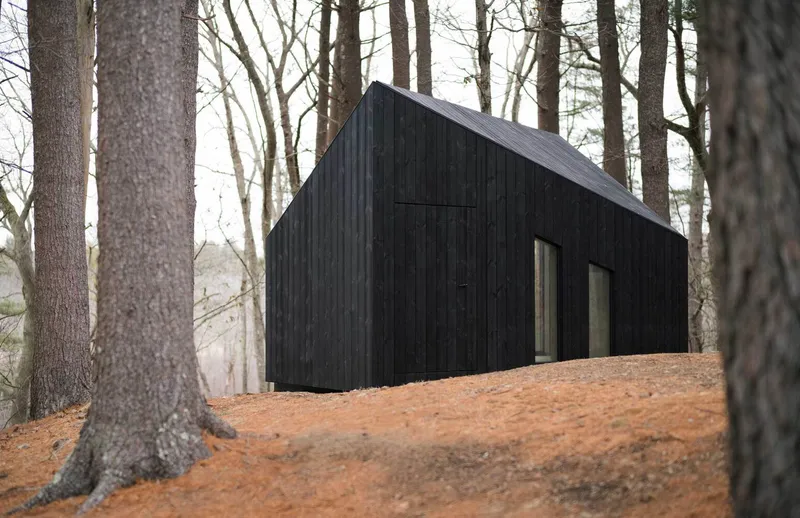
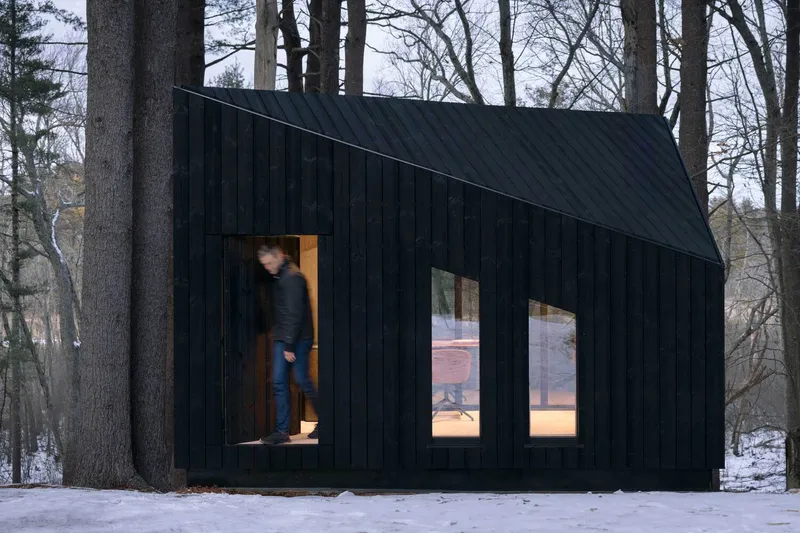
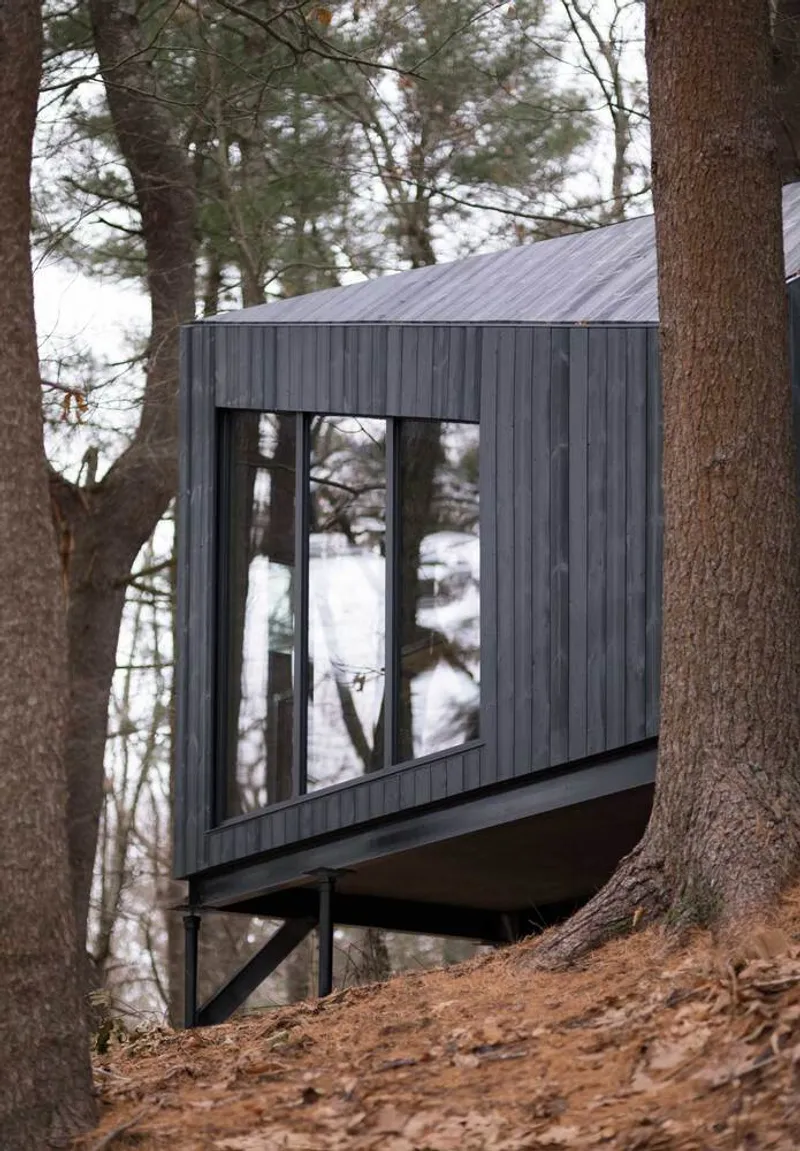
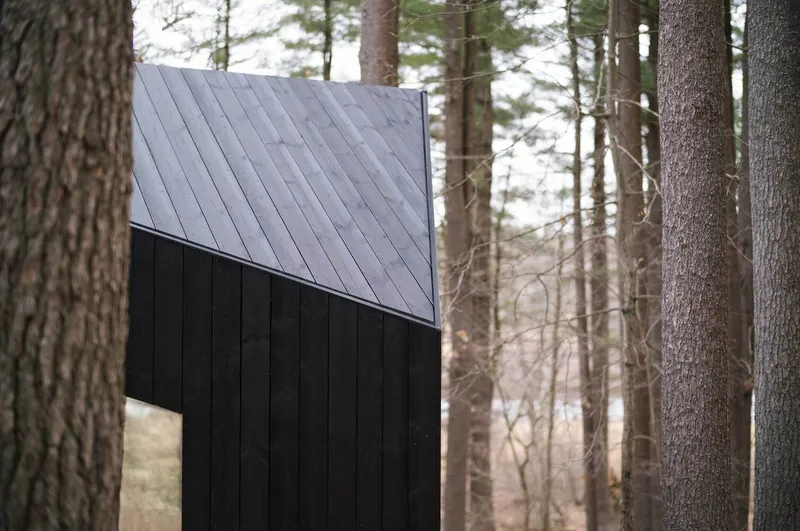
The first installation of the Niwa Cabin in Boston perfectly embodies its design intent. Delivered inside a shipping container and assembled on-site, the cabin was placed with great sensitivity to its woodland surroundings. Perched on a gentle slope overlooking a pine forest, the cabin engages in an intimate dialogue with its environment, offering sweeping views while maintaining a light footprint on the land.
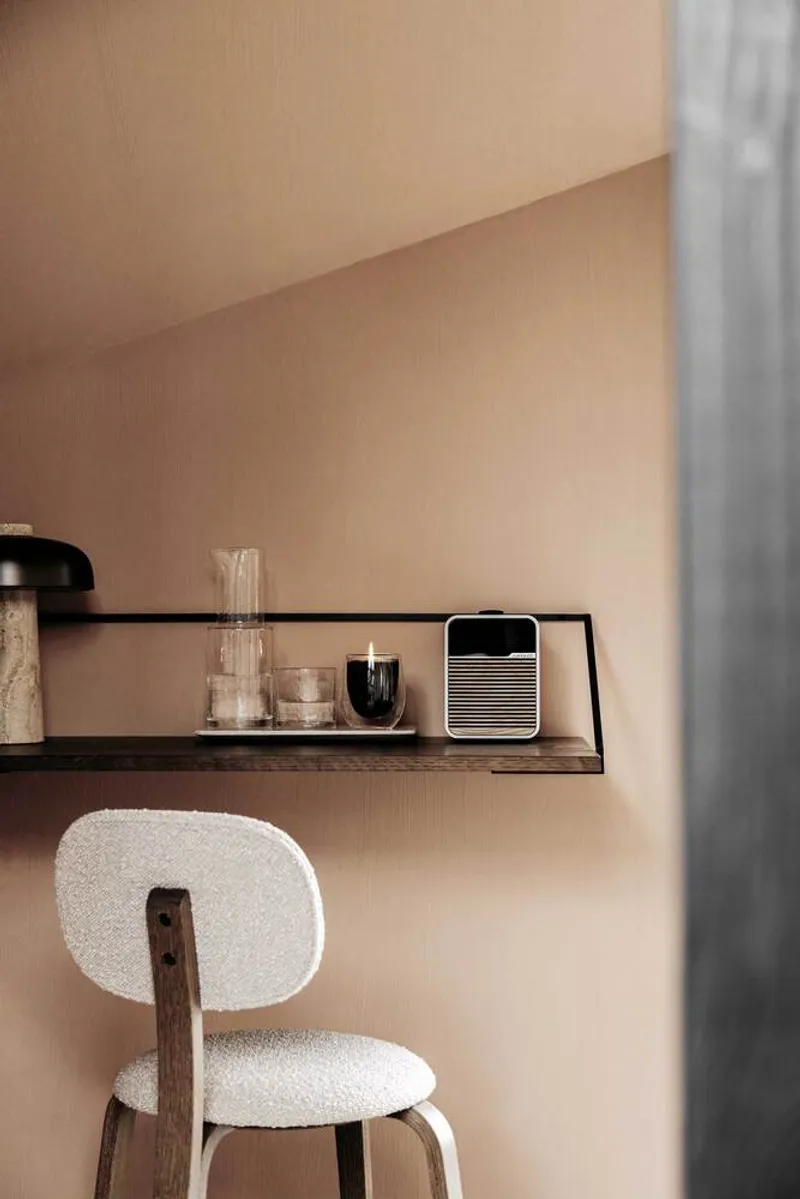
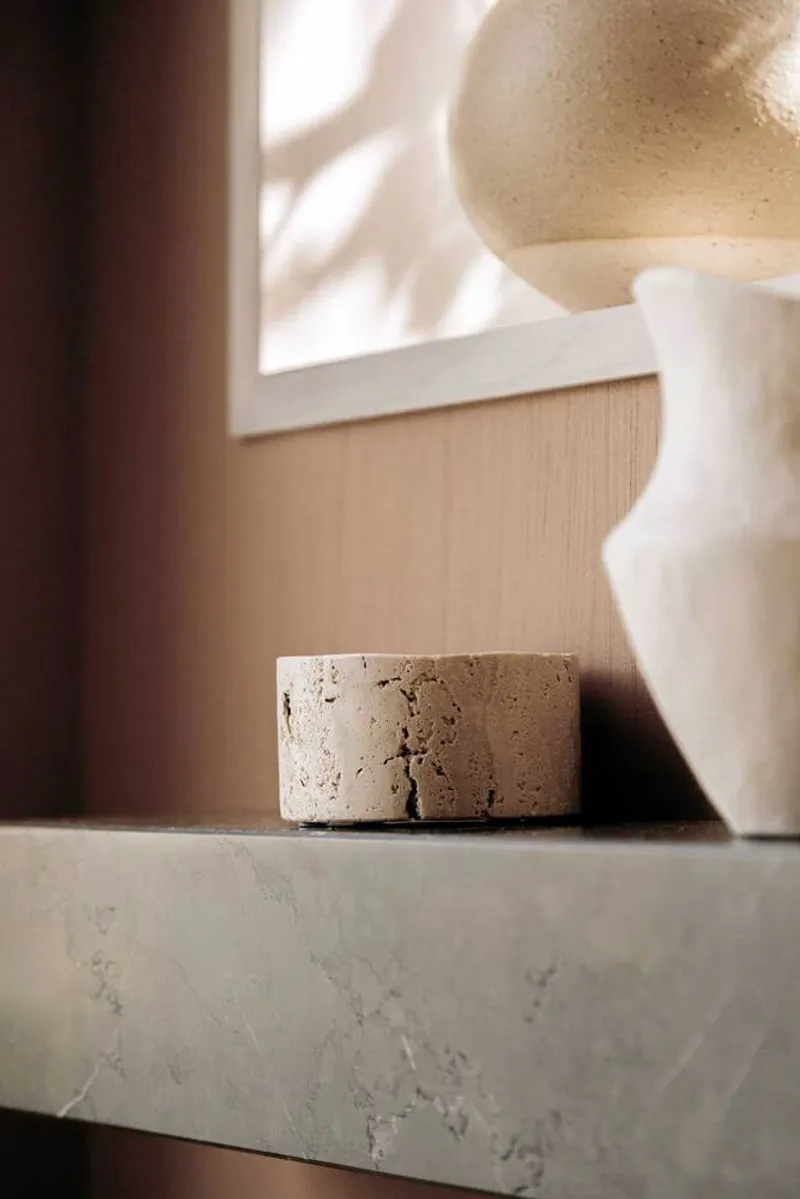
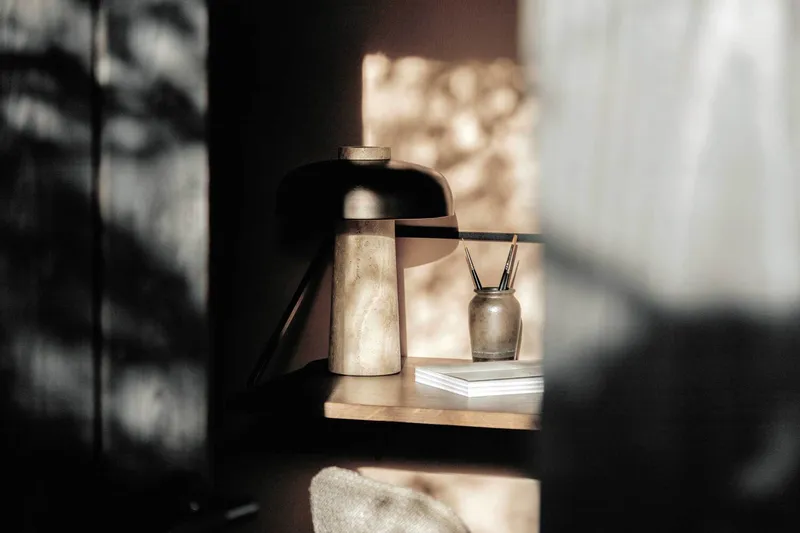
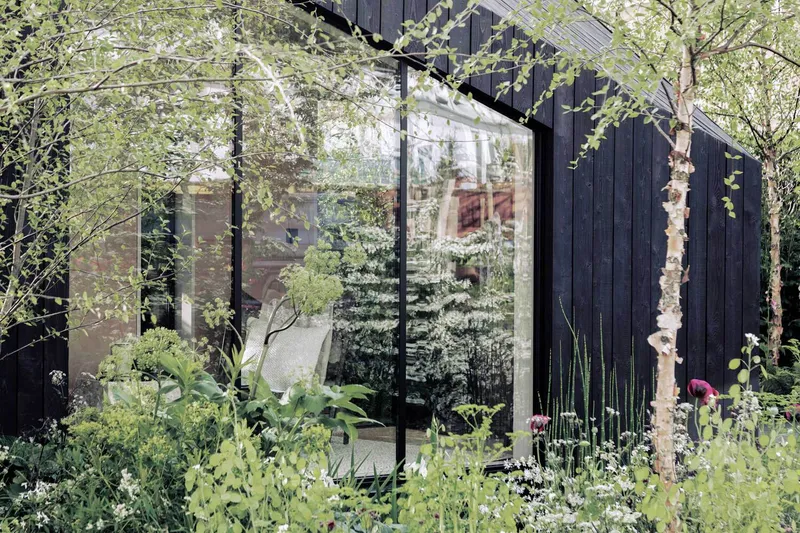
The modular configuration allows each Niwa unit to serve as a creative workspace, guest retreat, or personal hideaway. Despite their independence, these units maintain a strong visual and spatial connection to the landscape, enhancing the experience of living in harmony with nature.
Sustainable Materiality and Craftsmanship
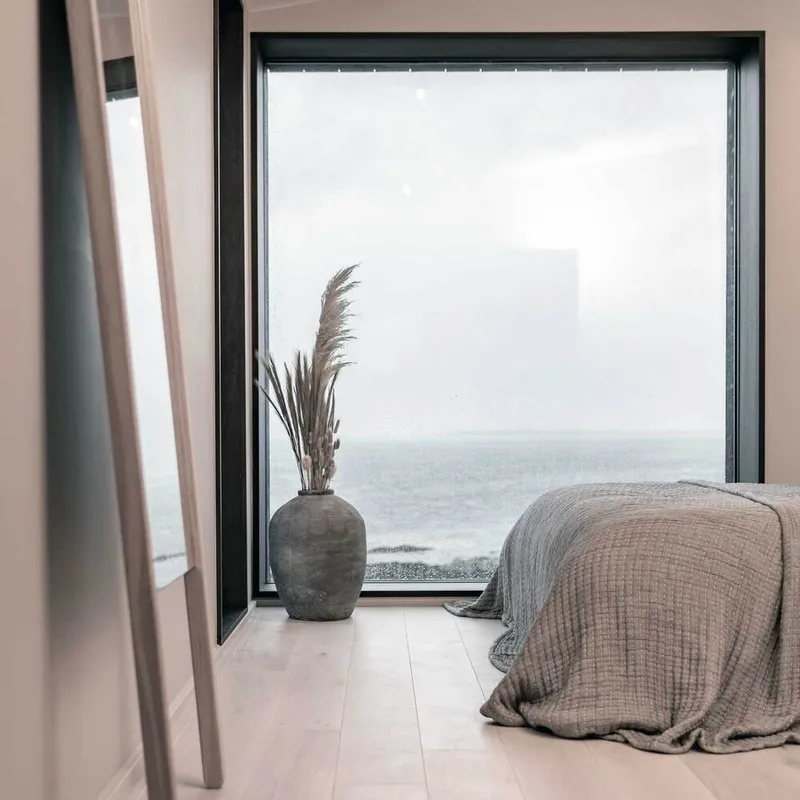
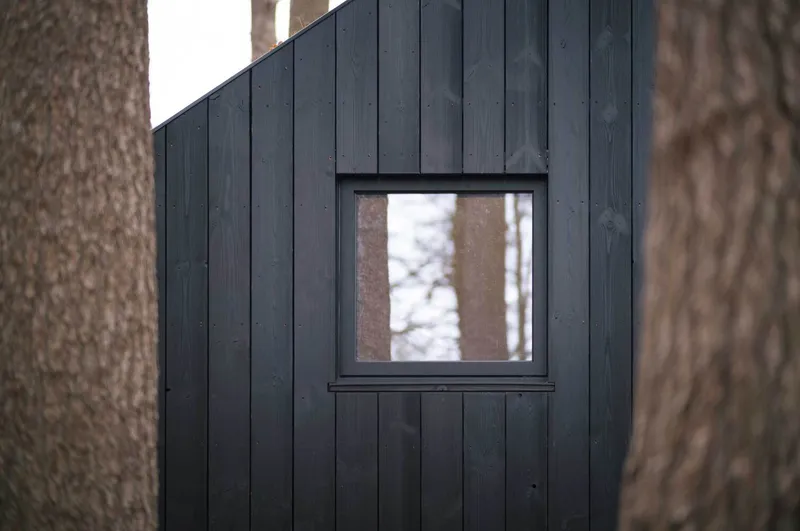
At the heart of the Niwa Cabin lies a deep commitment to sustainability. Koto employs FSC-certified timber and thermally modified cladding, ensuring both durability and a beautiful weathering process over time. Expanses of glazing bring natural light deep into the interiors, dissolving the boundaries between indoors and outdoors.
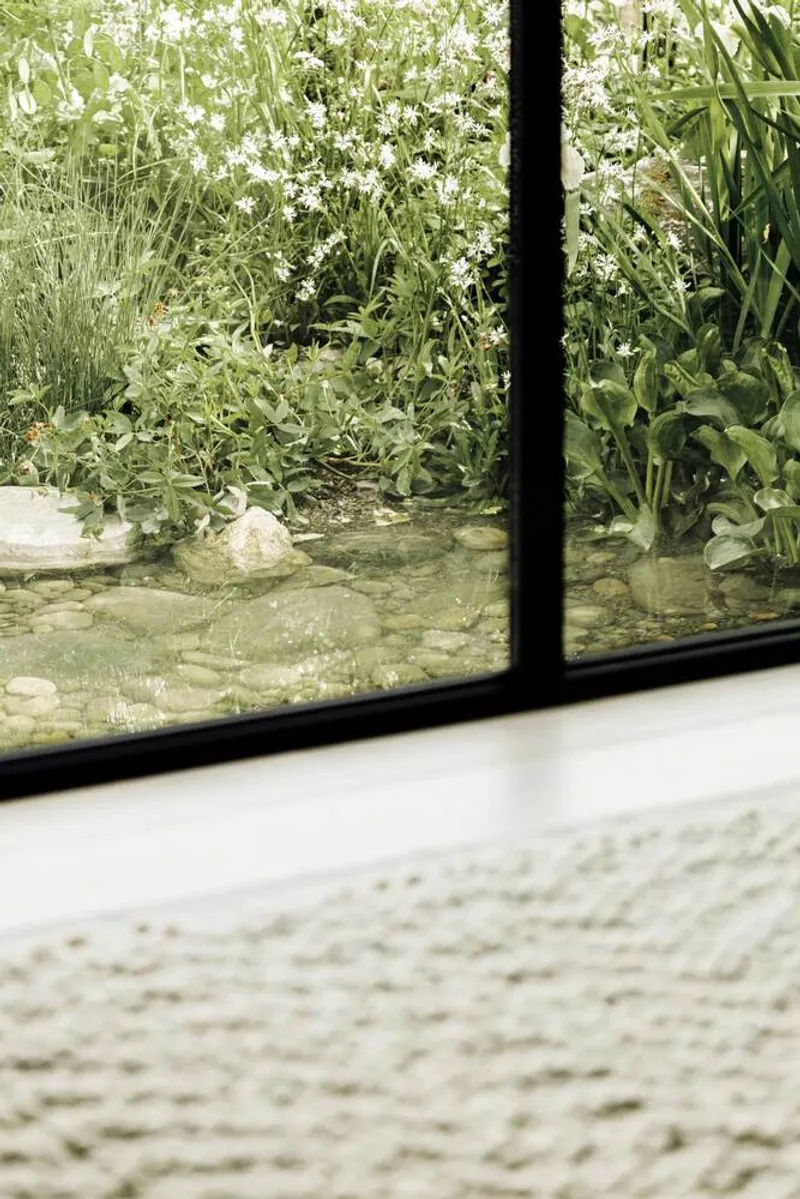
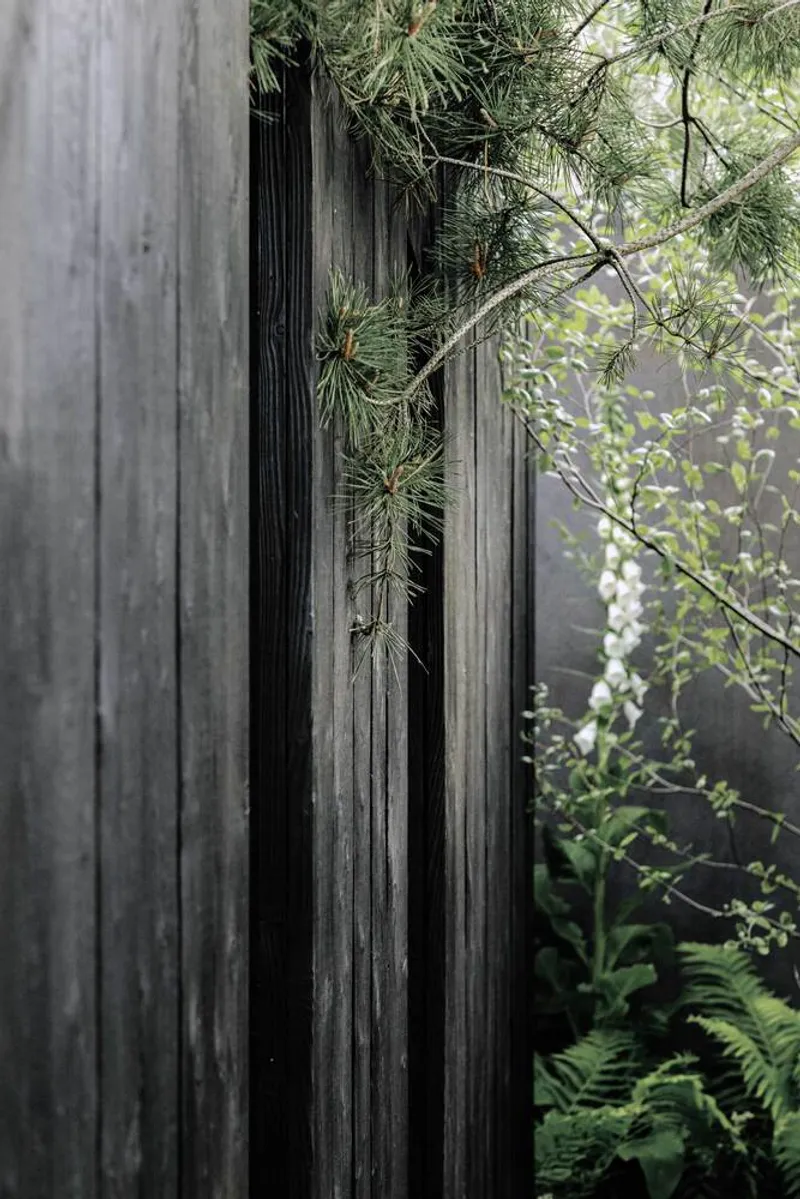
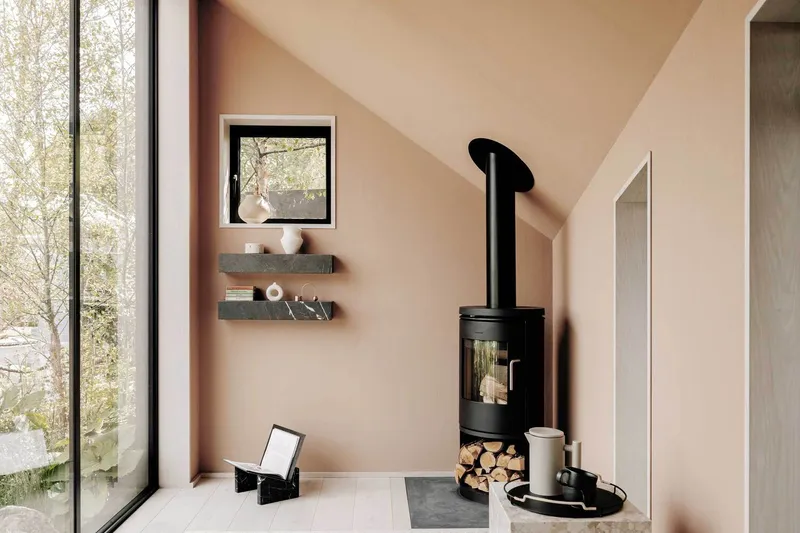
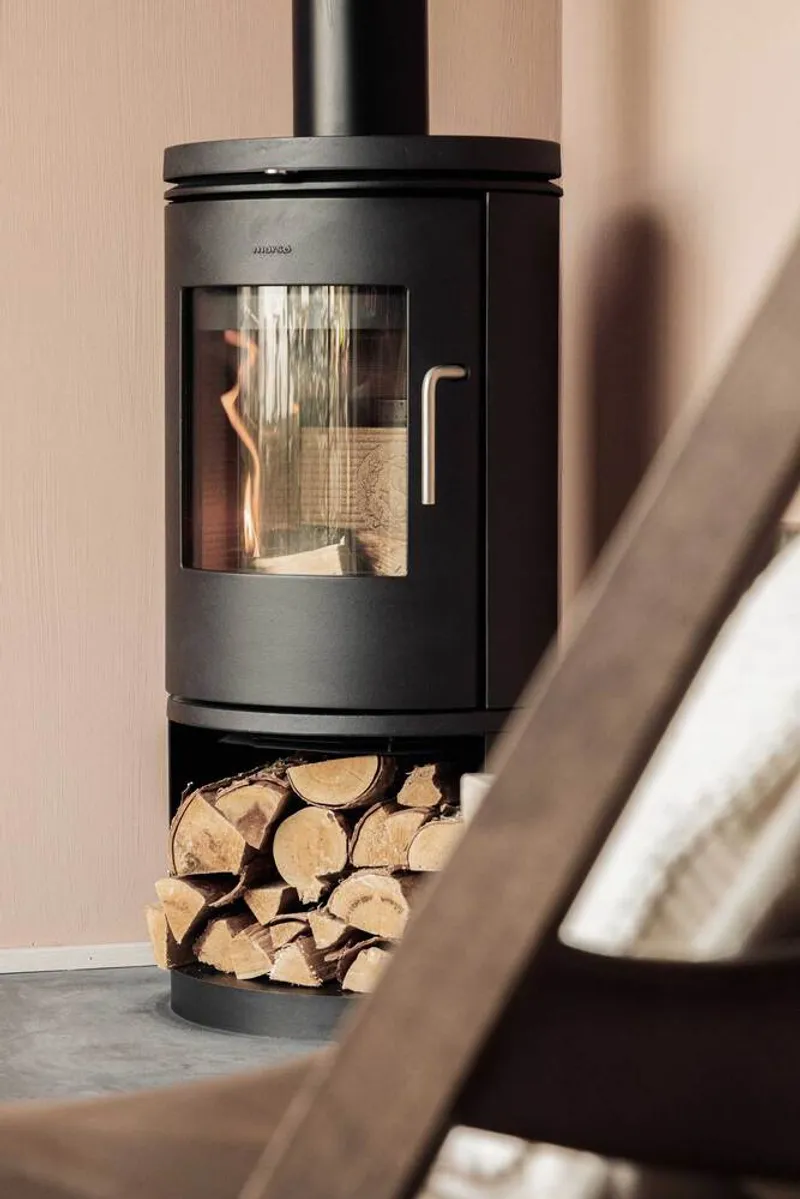
Inside, the cabin is designed as a warm and inviting refuge. A soft, tactile material palette and curated finishes create an atmosphere of comfort and calm, while optional furniture packs allow each cabin to be tailored to its setting and the needs of its occupants.
Innovation in Modular Prefabrication
One of the most striking features of the Niwa Cabin is its flatpack system, which revolutionizes the delivery and installation process. By arriving in a panelized form, the cabin can be shipped efficiently and assembled rapidly without heavy machinery or invasive construction methods. This innovation makes it ideal for delicate landscapes, remote getaways, and even urban backyards where conventional building approaches might be impractical.
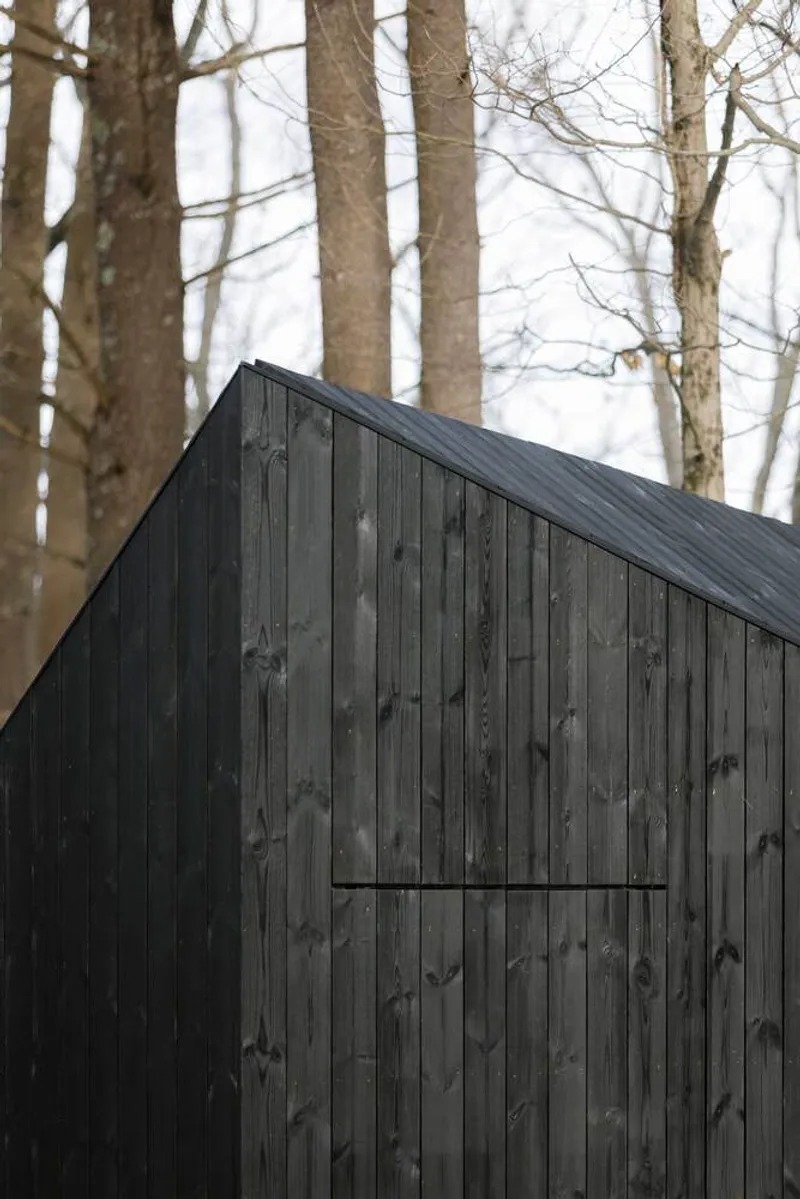
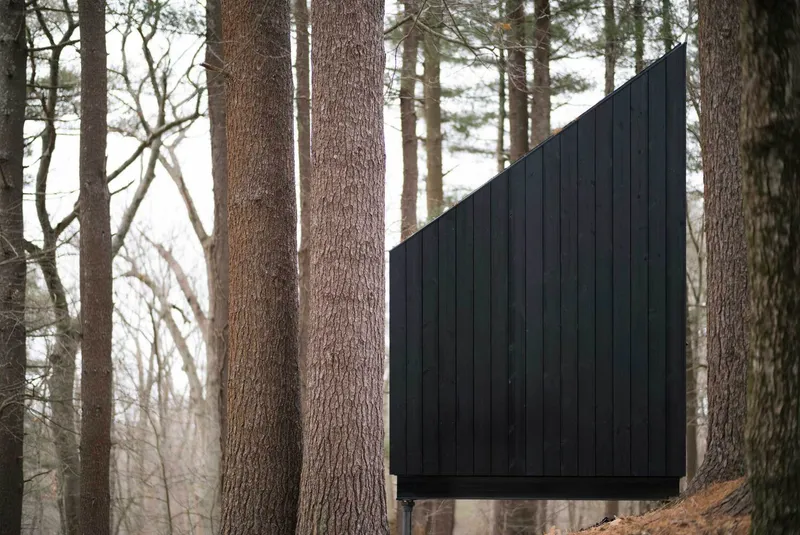
Every component is designed for lightweight precision, ensuring that multiple units can be delivered and built with minimal disruption. This flexibility extends the cabin’s potential uses, whether as a compact studio, a guest house, an off-grid retreat, or part of a larger hospitality or wellness project.
A Vision for Sustainable Living
The Niwa Cabin represents Koto’s larger ambition to make sustainable modular cabin architecture more accessible across the globe. With its range of configurations and thoughtful detailing, Niwa allows homeowners, developers, and resort operators to embrace minimal, nature-centered living without sacrificing beauty or comfort.
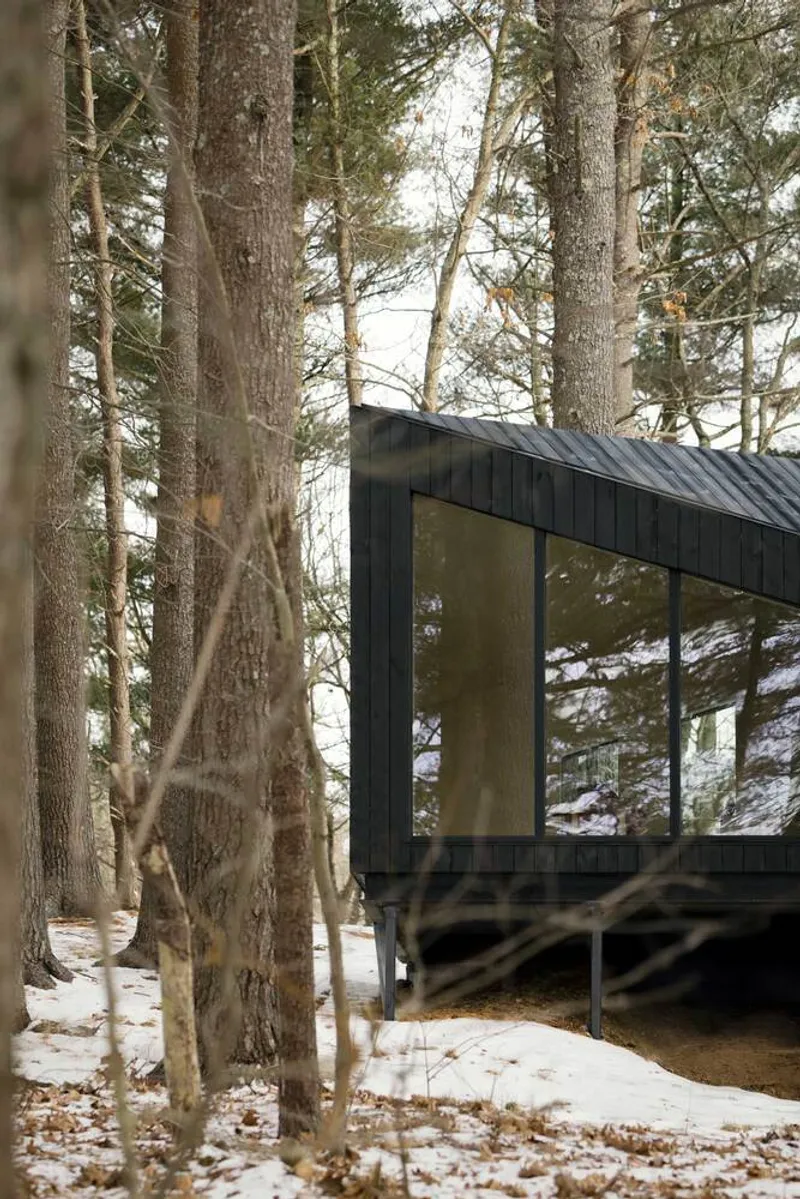
Whether nestled deep in a forest, overlooking a windswept coastline, or tucked into an urban garden, the Niwa Cabin invites its inhabitants to reconnect with nature and embrace the serenity of minimalist design. As Koto continues its global expansion, Niwa signals an exciting future where high-quality prefabricated architecture can enhance lives wherever it’s needed most.
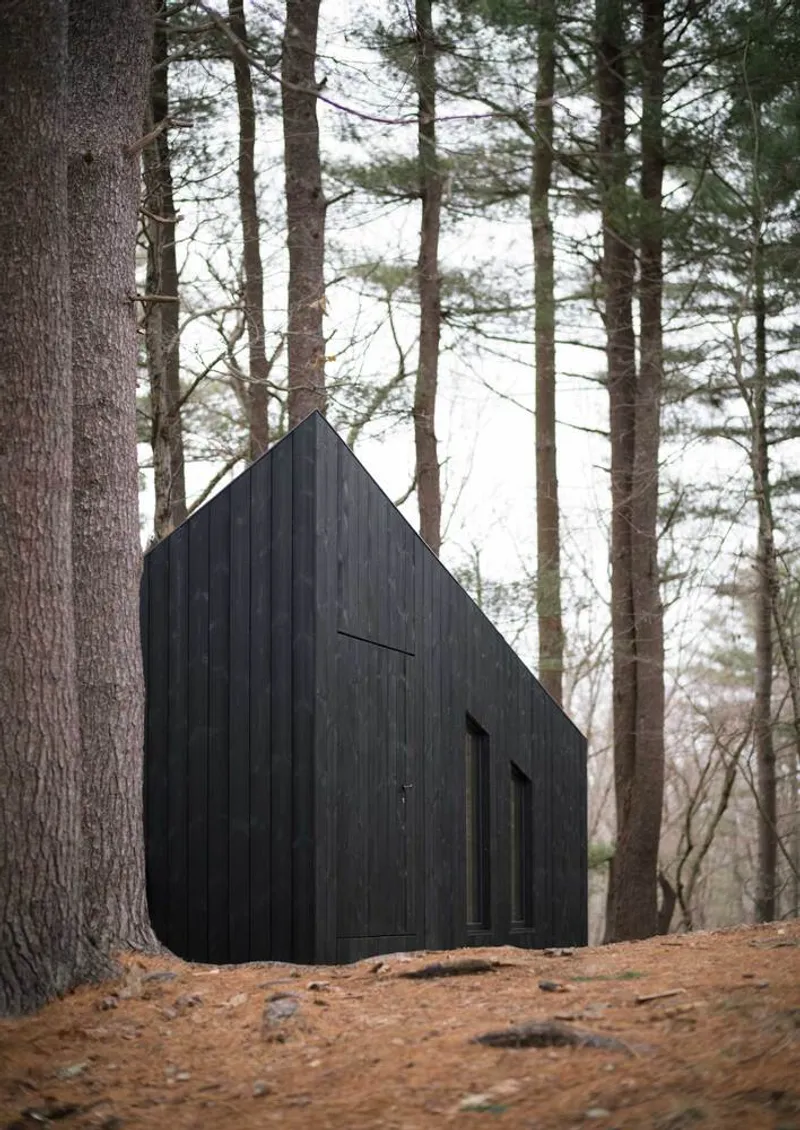
All the photographs are works of Edvinas Bruzas, Joanna Kossak, Simon Bevan, Olco Studios


Popular Articles
Popular articles from the community


The Amber Palace Opera: A Geological Fiction Surfaces on Tallinn's Baltic Waterfront
Pierre Brillard reimagines a Baltic legend as a public landscape, opera house, and waterfront promenade rooted in Tallinn's coastal identity.

Singing Woman: An Opera House That Performs Before the Curtain Rises
Ovidiu Cristian Pavel's conceptual opera house translates Estonia's choral identity into a sculpted waterfront landmark facing the Baltic Sea.


David Ortega Stacks a Two-Story Mexico City Penthouse Around a Steel Stair and a Pergola-Shaded Roof Terrace
In Colonia Roma, a 300 m² penthouse uses oak joinery, a planted steel stair and a slatted roof pergola to make a new-build apartment feel like a house.

graciastudio Turns a Viewless Tijuana Lot Inward Around a Courtyard of Concrete, Timber and Trees
In Tijuana, Jorge Gracia's GA2 House stacks a timber-clad private floor over exposed concrete and replaces a missing view with a planted interior patio.

Similar Reads
You might also enjoy these articles

Juan García Correa, John González and Claudia Rueda Sink a Circular Amphitheater into a Manizales Engineering Building
On the La Nubia campus in Manizales, Colombia, the S1 Building folds labs and offices into a hillside of ramped lawns that double as a campus route.

Arealis Brasil Wraps a São Paulo Office for Everis's Creative Arm Around a Glowing Curved Counter
In Brooklin Paulista, a 300 m² office for the creative agency Chazz uses timber, metal mesh and ribbed green glass to blur workspace and pub.

LT2A and OPEN Architectes Thread a Brick and Glass High School Through a Wooded Belgian Campus
In Braine-l'Alleud, a 3,000 m² wing for Collège Cardinal Mercier pairs pale brick with a glazed colonnade, deferring to a small chapel and a dense wood.

Atelier Diving Bell Stitches a Hangzhou Food Court Together with a Louvered Steel Canopy
In Hangzhou's Liangzhu Culture Village, a 1,400 m² food court renewal uses canopies, tree benches and props to turn a passage into a place.

Explore Architecture Competitions
Discover active competitions in this discipline

Challenge to reimagine the Iron Throne

Photograph architecture without architects

Illustrate the lost glory of Angkor Wat - Render Challenge

Design challenge to reuse E-waste
Comments (0)
Please login or sign up to add comments
No comments yet. Be the first to comment!