

Lagoon House by Troyano Arquitetura: Sustainable Living by the Water in Osório, Brazil
Lagoon House by Troyano Arquitetura blends sustainable design, brick construction, and lagoon views into a compact, eco-friendly Brazilian residence.


Lagoon House, designed by Troyano Arquitetura in 2023, is a refined example of contemporary Brazilian residential architecture that harmonizes with nature. Located on the edge of a tranquil lagoon in Osório, Rio Grande do Sul, the project was created for a couple of university professors seeking a modest, functional, and environmentally responsive home. With a built area of 1,227 ft², the house combines bioclimatic design strategies, sustainable materials, and a deep connection to its natural surroundings.

A Minimalist Program Rooted in Functionality
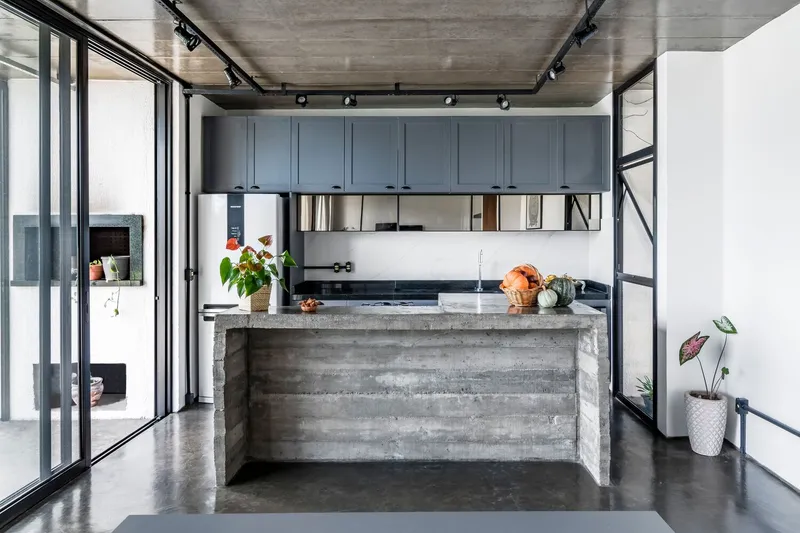
The home’s program is simple yet thoughtful. It comprises a social area integrating the kitchen, dining, and living spaces, along with a social bathroom and a master suite. By opting for a single-story layout, the architects maximized the sense of openness while keeping the home’s scale intimate and efficient.

Connection to the Lagoon and Landscape
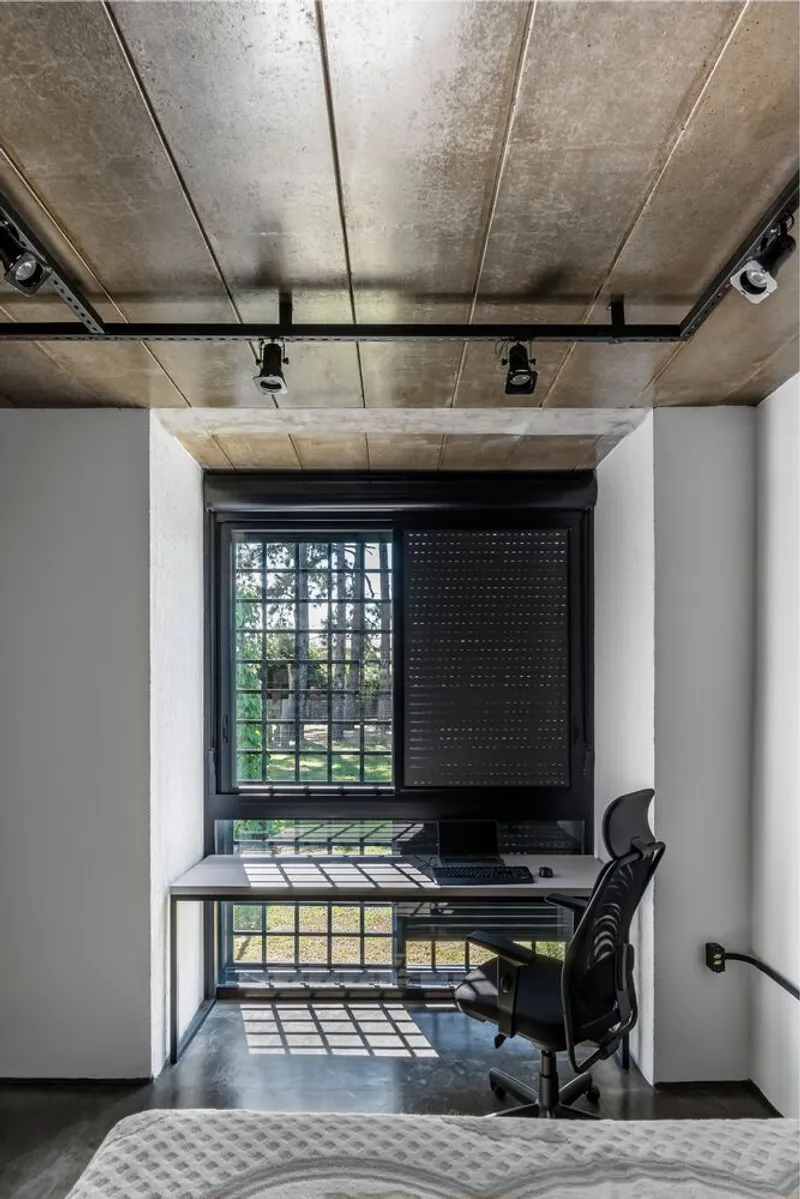
A defining feature of the design is the home’s orientation towards the lagoon. Large sliding doors and windows open the interiors onto a generous veranda, blurring the line between inside and outside. This creates visual and physical integration with the lagoon, making water and landscape a constant backdrop to daily life.
The master suite, positioned at the front of the plot facing north, offers privacy and direct views of the natural surroundings, while the social area stretches across the site, framing expansive lagoon vistas.

Sustainable Bioclimatic Strategies
The Lagoon House demonstrates how architecture and sustainability can work hand in hand. Key bioclimatic strategies include:
- Cross Ventilation: Achieved through carefully placed openings that ensure fresh airflow throughout the house.
- Thermal Inertia: Double solid-brick walls improve insulation, regulating indoor temperatures in both hot summers and cold winters.
- Solar Energy: An exposed walkable slab doubles as a technical roof, housing solar panels that supply energy for water heating and pool systems.


Material Authenticity and Structural Honesty
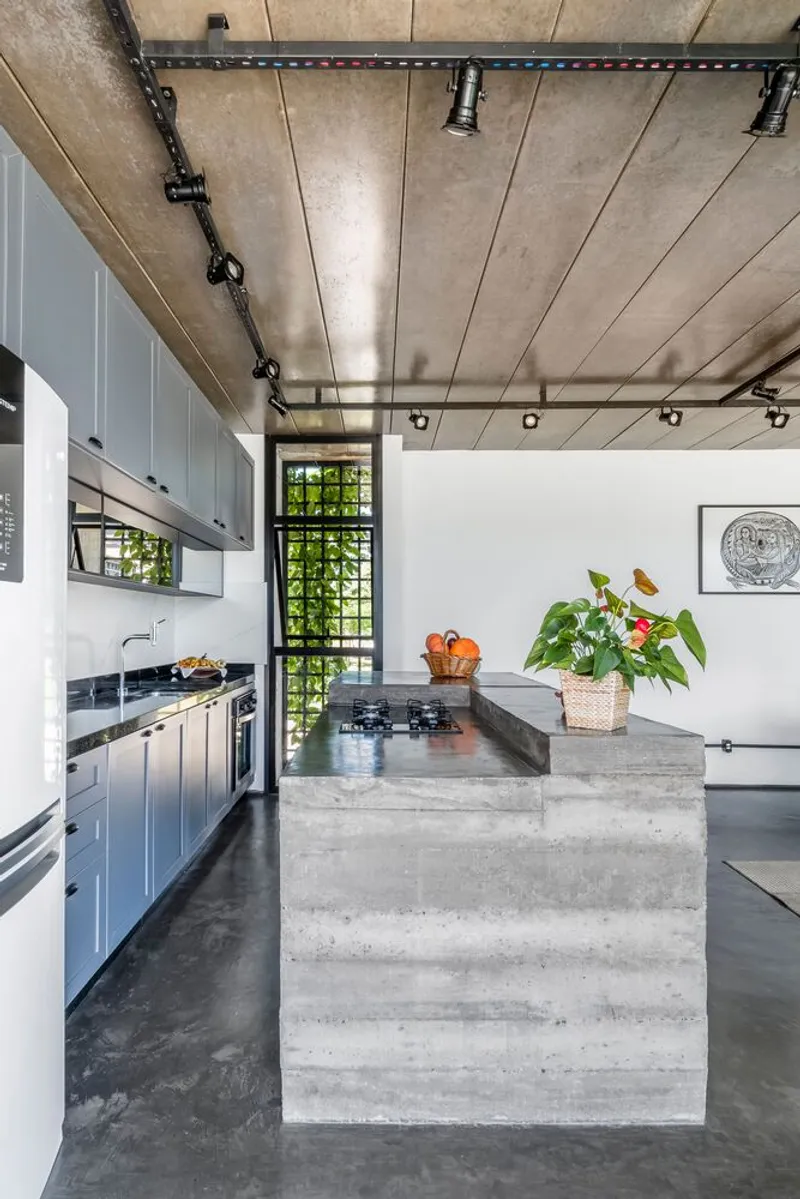
The construction celebrates raw and authentic materials. Locally abundant solid brick forms the structural walls, while exposed panel slabs, beams, and concrete finishes highlight the building’s honesty and simplicity.
- Exposed Concrete Countertops: Custom-cast in the kitchen and bathrooms for durability and minimalism.
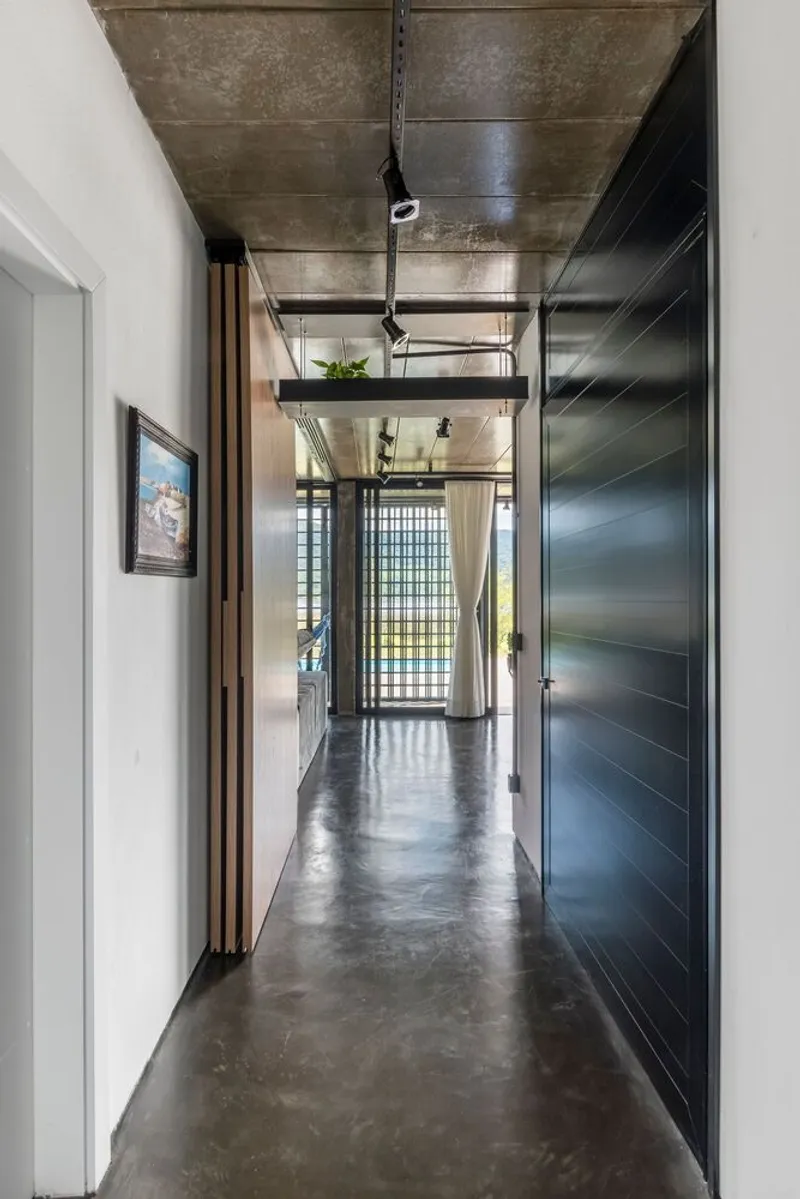
- Burnt Cement Floors: Flow seamlessly from the interiors to the veranda, enhancing continuity.
- Exposed Electrical Systems: Highlighting a practical, industrial aesthetic.
- Plastered Finishes and Exposed Bricks: Balancing warmth with visual clarity.
The design refrains from unnecessary coverings, allowing the construction system and materials to speak for themselves.

A House That Blends Tradition and Innovation
Lagoon House is more than a residence—it is a model for sustainable architecture in Brazil, drawing from regional traditions like brick construction while integrating renewable energy technologies. By aligning design with climate, materials, and site context, Troyano Arquitetura has created a timeless, low-maintenance home deeply rooted in its environment.

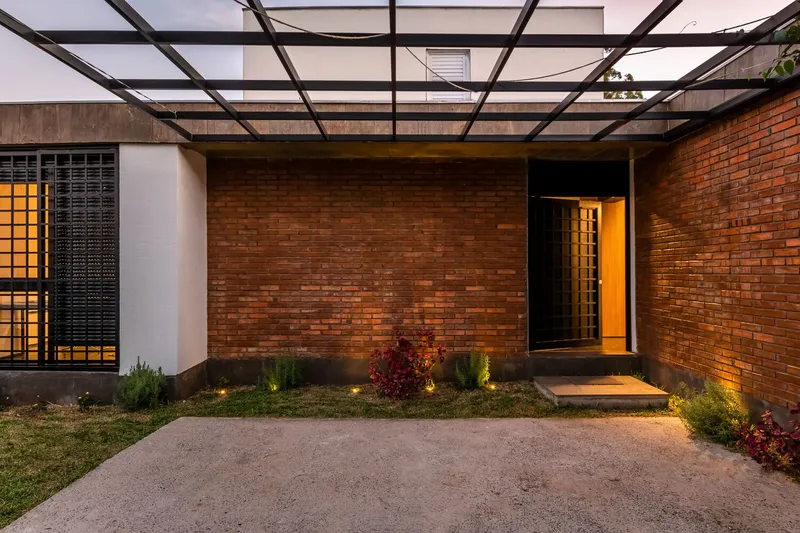
All Photographs are works of Efreu Quintana




Popular Articles
Popular articles from the community


Co-life: Sustainable Architecture for Age-Friendly Community Living
Co-life reimagines sustainable architecture for seniors through courtyards, rammed earth, shared gardens, and spaces designed for belonging.

Co-Life: Senior Housing Design That Reconnects Older Adults With the City
Co-Life reimagines senior housing design through healing gardens, shared streets, workshops, and a sustainable community across generations.

The Earth Pod: 3D Printed Homes for Resilient Refugee Communities
The Earth Pod reimagines refugee housing through 3D printed homes made from clay, combining resilience, self-sufficiency, and rapid shelter.

The Ocean Hive: Sustainable Architecture for a Self-Sufficient Civilization at Sea
The Ocean Hive imagines sustainable architecture at sea, where modular habitats, algae, wave power and ocean waste sustain a growing colony.


Similar Reads
You might also enjoy these articles


Hodi-Mandai Geram
Project Function: Preservation and revitalization of the Intangible heritage and socio-spatial identity of the Hodi by Housing, Cultural Memory Center, Sacred Grove, landscape, local tourism economy


Olio Towers: A Mid-Rise for Performers That Fuses Housing, Rehearsal, and Stage
Located blocks from Houston's Theater District, this modular tower stacks living units around a central performance atrium.

Oasis: Modular Green Housing Carved into Dhaka's Urban Fabric
A shortlisted Plugin Housing entry reclaims unauthorized settlements in Dhaka with stepped concrete volumes, green roofs, and ventilation-driven design.

Black Hole: A Floating Megastructure for the Post-Physical Era
Emiliano Mazzarotto envisions a spherical, self-scaling arena where e-sports, digital hotels, and holographic stadiums replace traditional public space.

Explore Sustainable Living Competitions
Discover active competitions in this discipline



Challenge to reimagine the Iron Throne


Photograph architecture without architects


Illustrate the lost glory of Angkor Wat - Render Challenge


Design challenge to reuse E-waste
Comments (0)
Please login or sign up to add comments
No comments yet. Be the first to comment!