
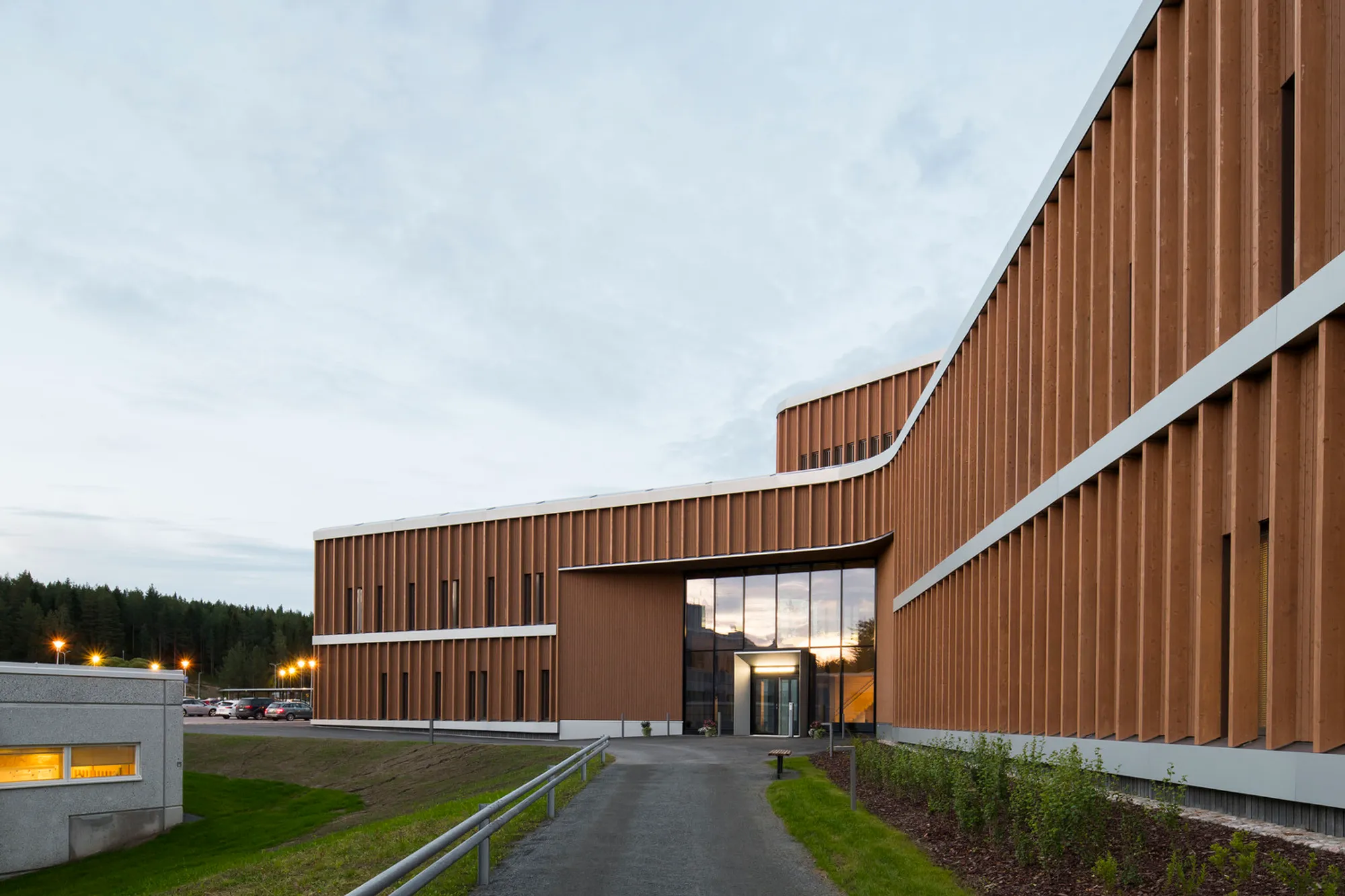
Lapland Central Hospital Extension by Verstas Architects: A Landmark in Healing Architecture in Hospitals
A transformative hospital extension in Lapland integrates healing architecture, natural light, and modular design to enhance patient-centered care.


Reimagining Healthcare through Architecture in the Heart of Lapland
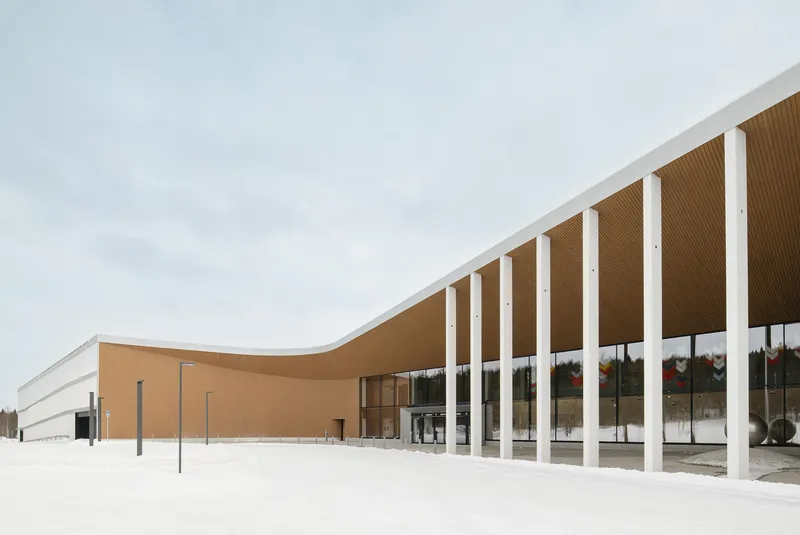
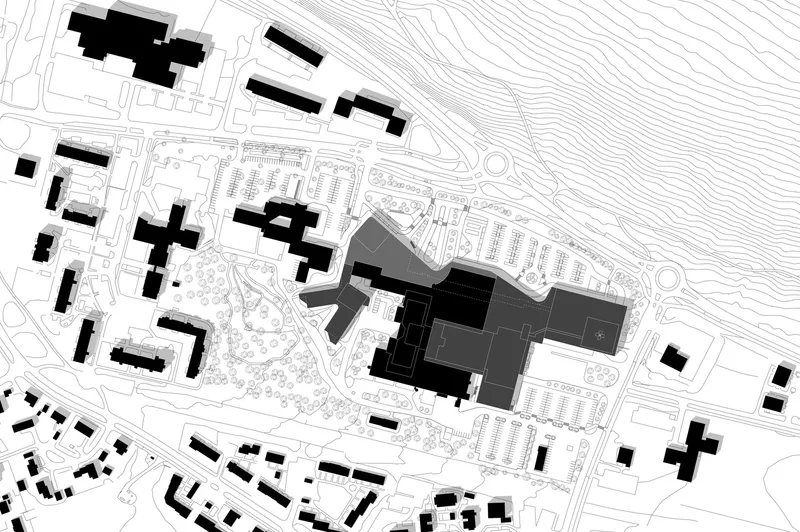
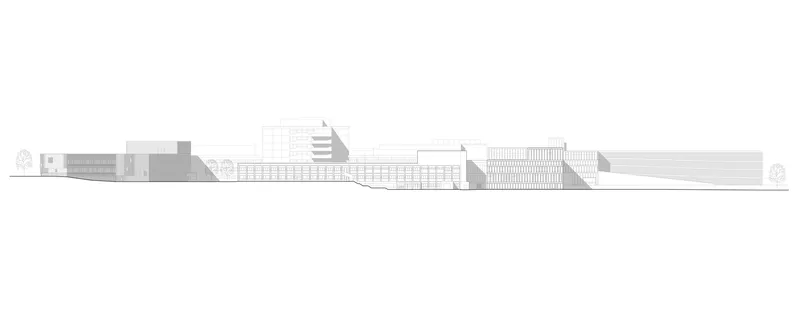
Located in Rovaniemi, Finland, the newly completed Lapland Central Hospital Extension by Verstas Architects is a transformative project that embodies the principles of healing architecture in hospitals. The 52,000-square-meter extension doubles the capacity of the existing 1980s hospital, originally designed by Finnish hospital architect Reino Koivula, while repositioning the institution as a forward-thinking, patient-centered healthcare campus rooted in the Arctic landscape.
Creating a Human-Centered and Efficient Hospital Campus
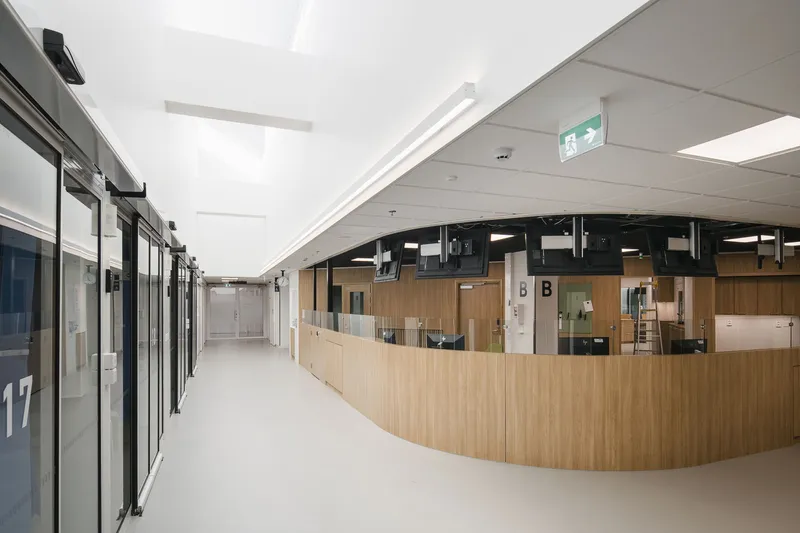
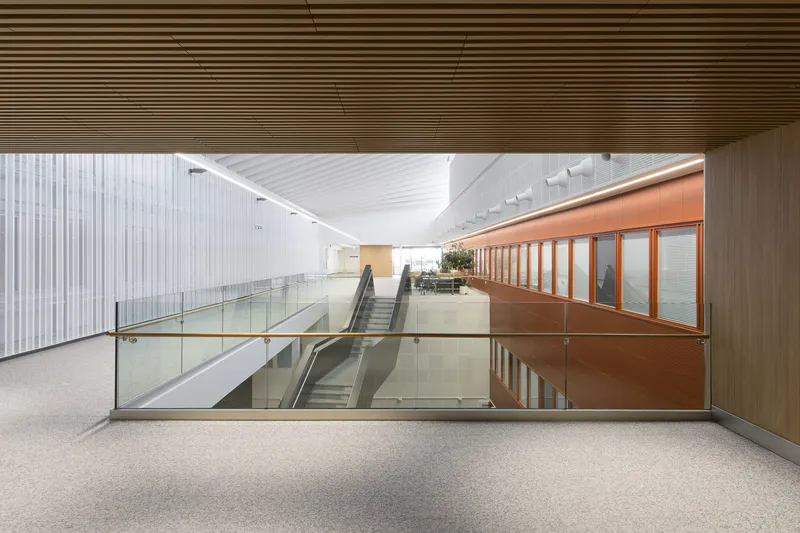
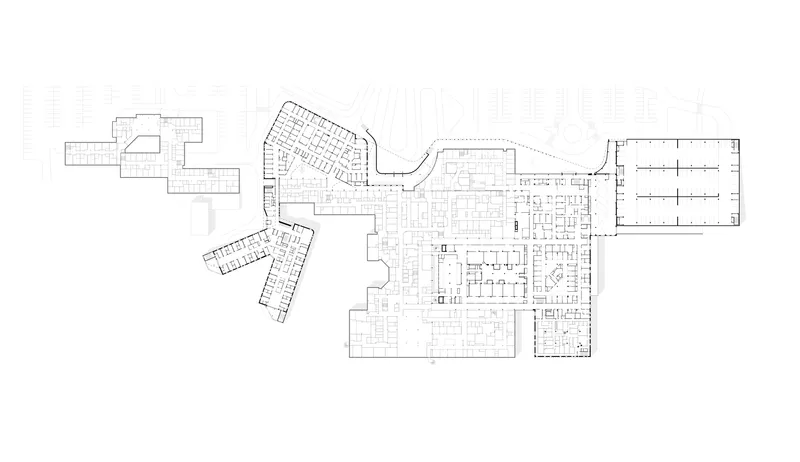
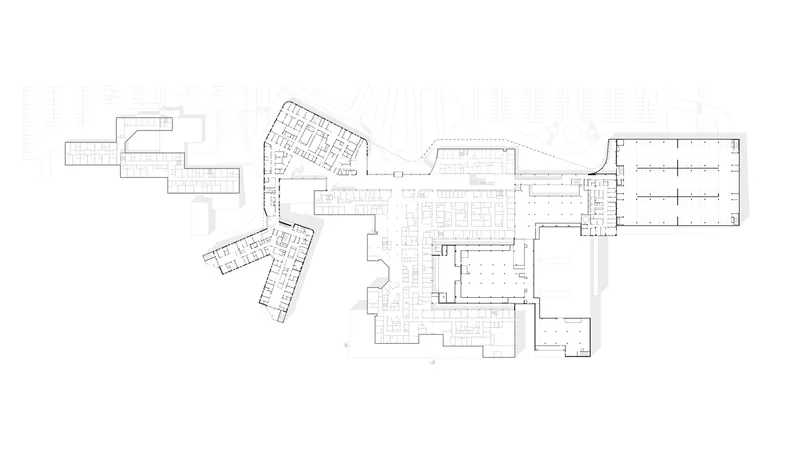
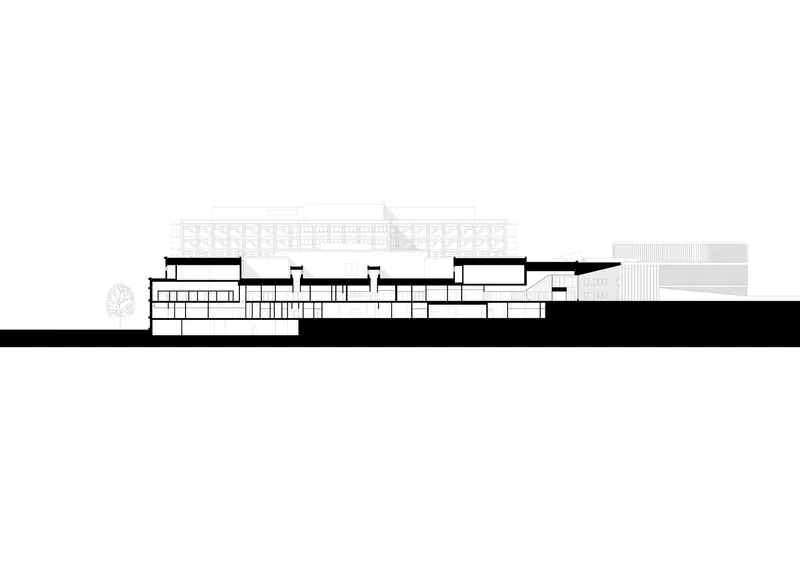
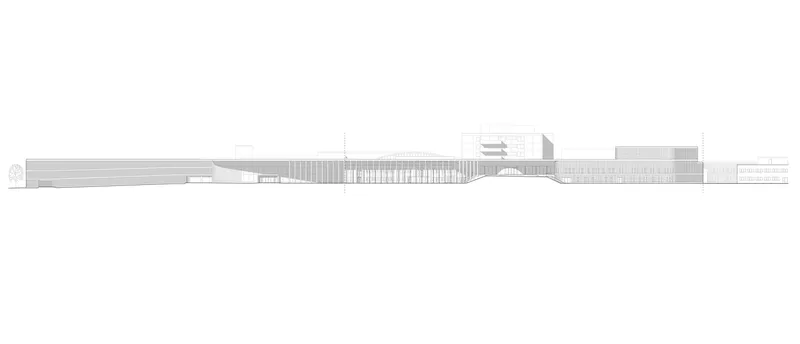
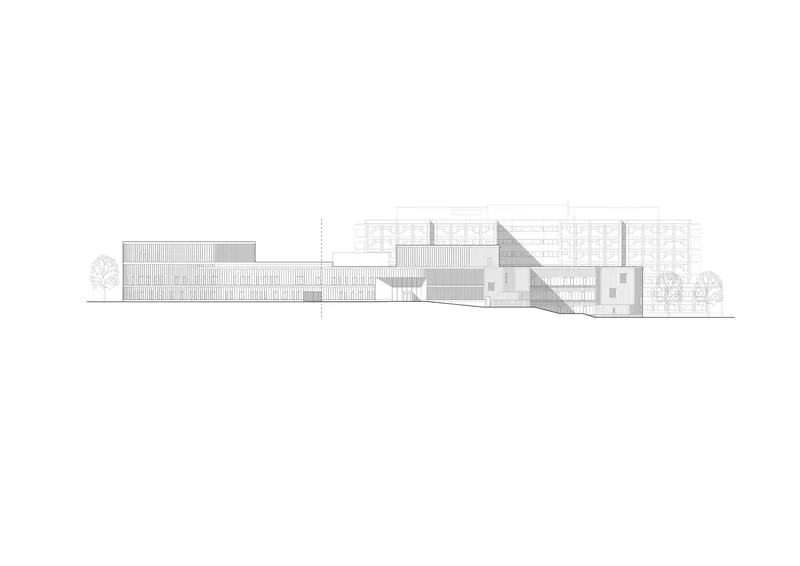
The architectural strategy for the extension goes beyond expanding clinical services. It establishes a unified, efficient hospital campus where emergency care, observation wards, surgical suites, psychiatric units, and support services operate in synergy. The new east-west oriented internal connection serves as the spatial and operational backbone of the hospital, enhancing navigation and connectivity across the entire site.
By integrating disparate functions into a cohesive system, Verstas Architects have redefined what healing architecture in hospitals can achieve—enhancing user experience, improving operational flow, and prioritizing patient dignity and well-being.
A Dialogue with Nature: Lapland as Design Inspiration
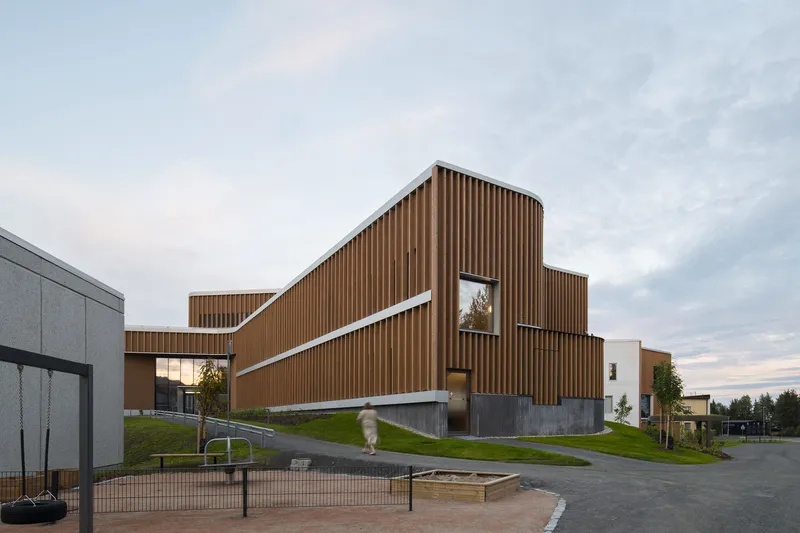
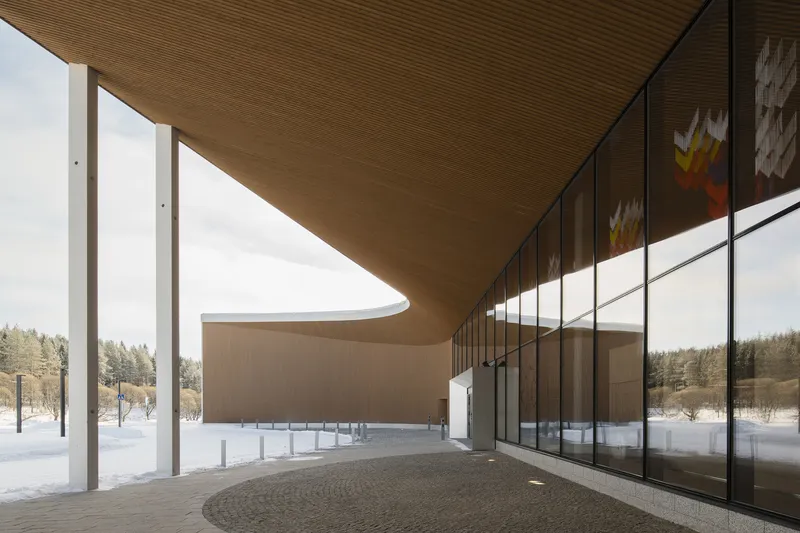
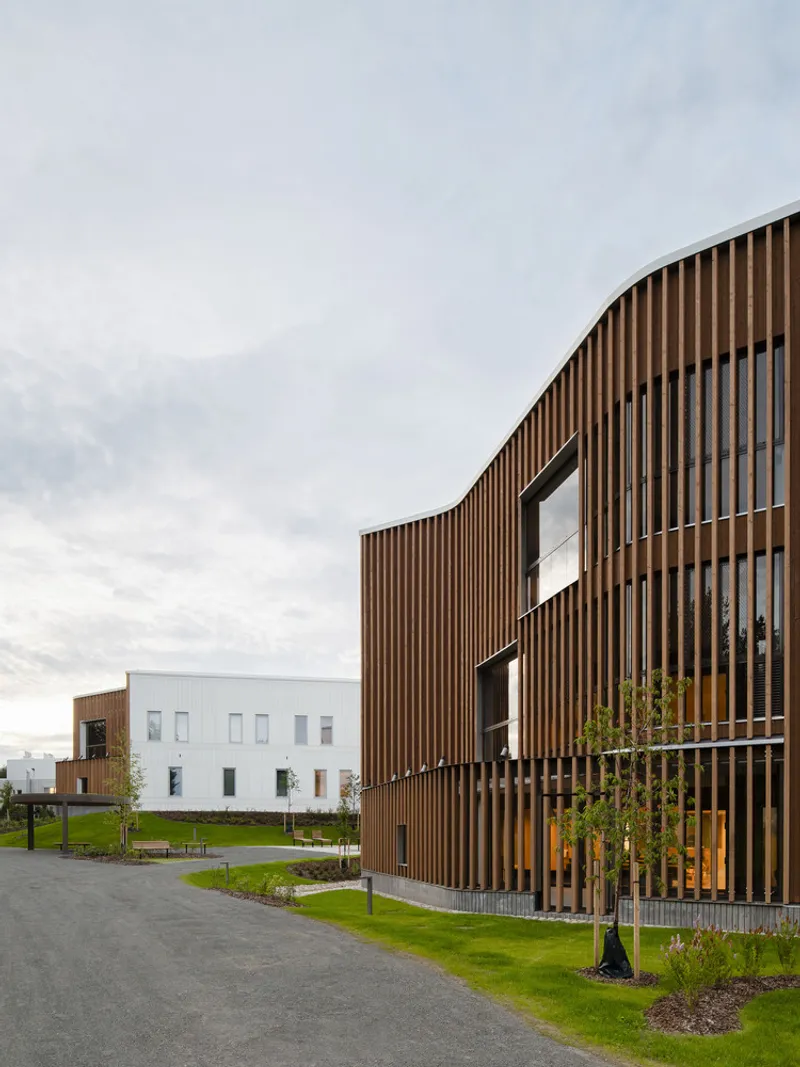
One of the most distinctive features of this hospital extension is its response to the surrounding Lapland landscape. The psychiatric ward is positioned to the west of the campus, with its patient rooms and therapy yards opening onto a forest edge. This direct interaction with nature is part of a broader architectural ethos that sees landscape not just as a visual amenity but as an active agent in healing.
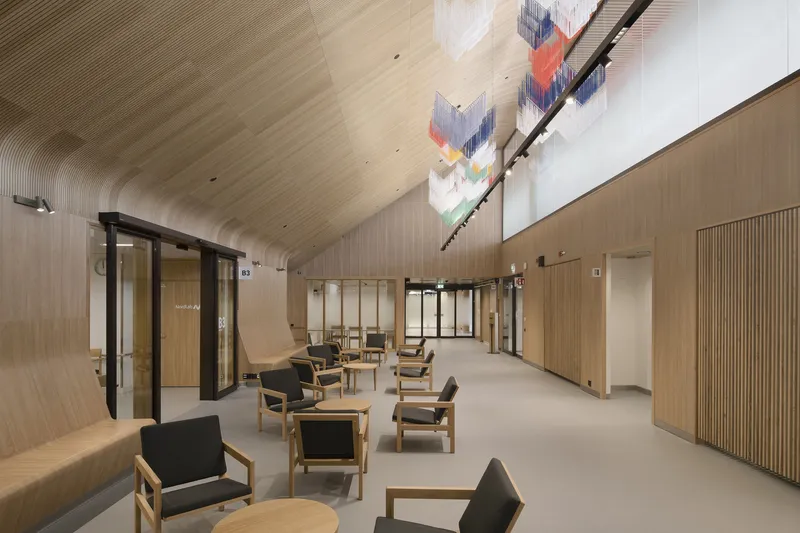
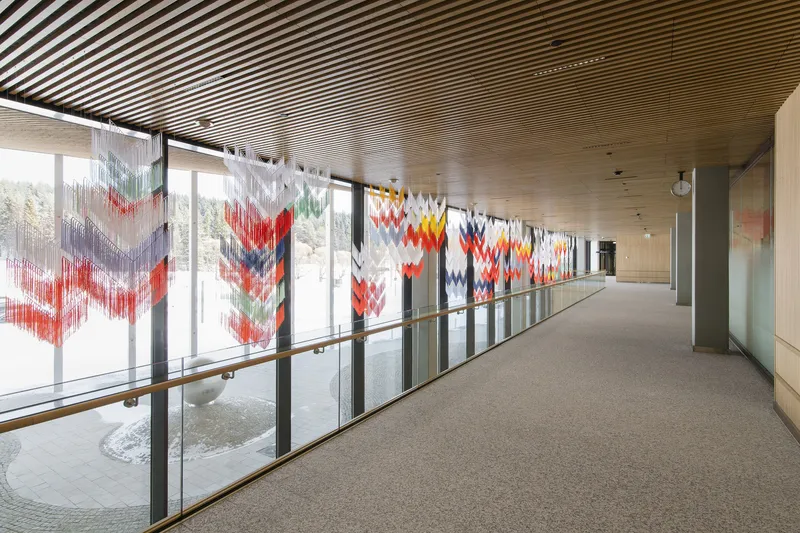
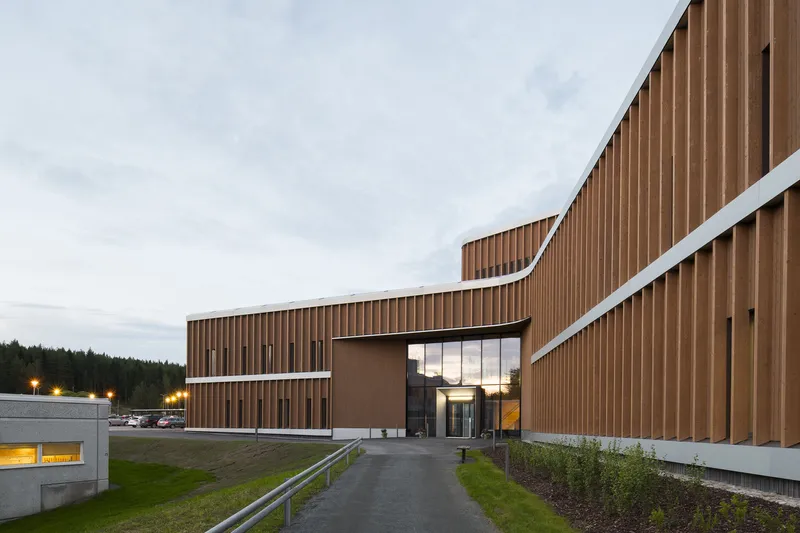
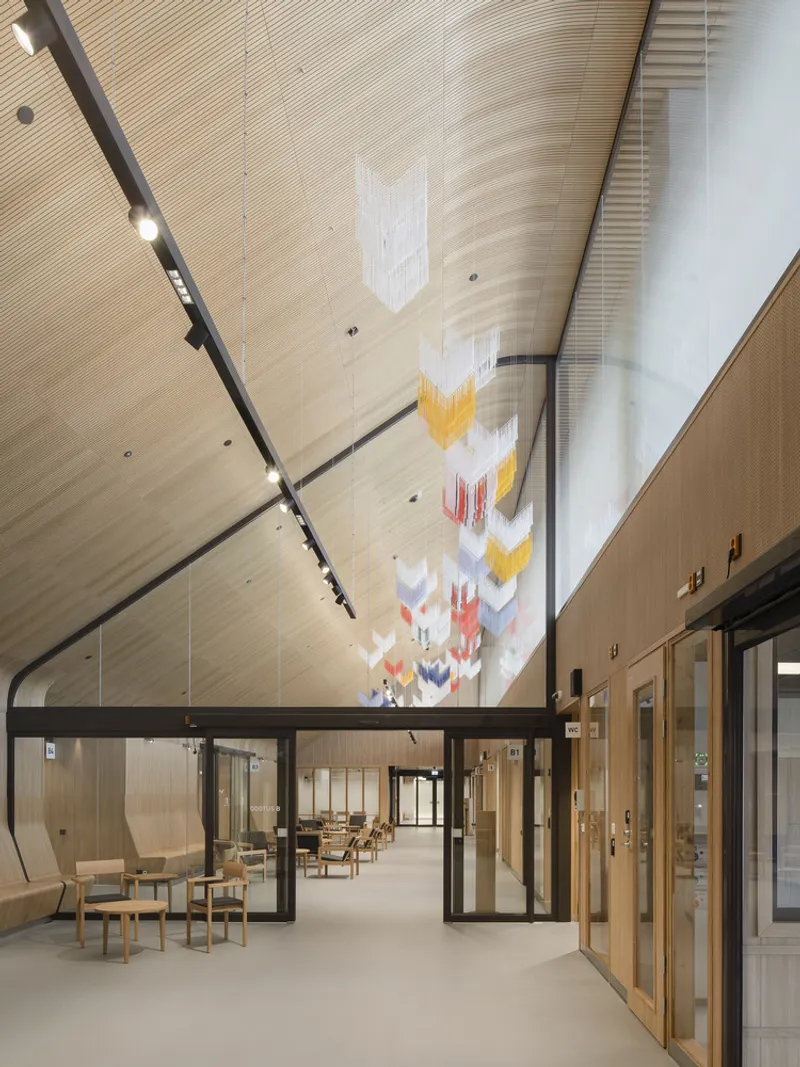
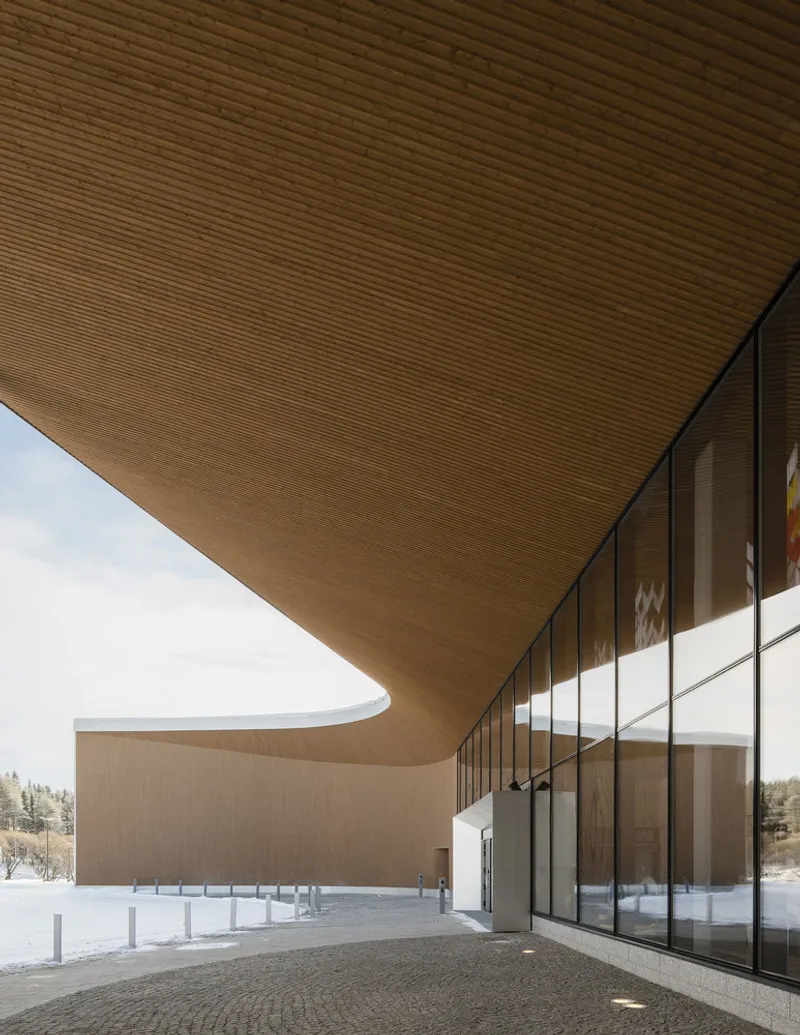
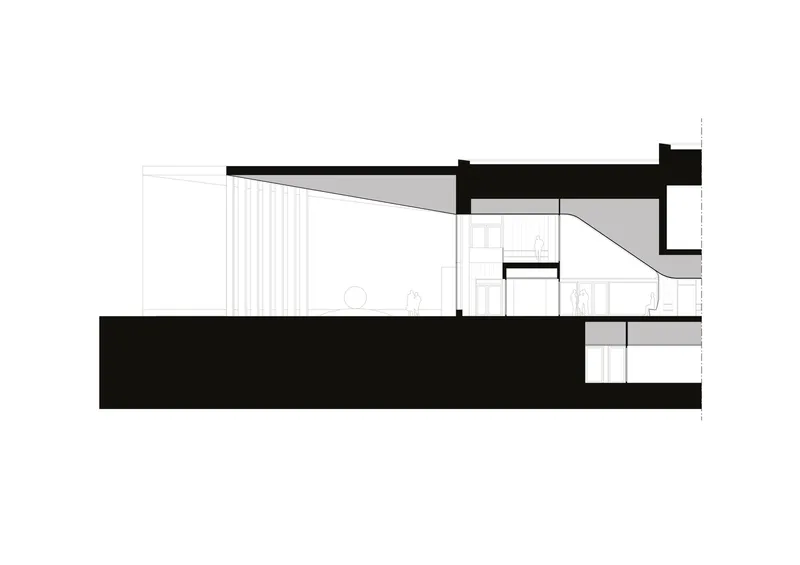
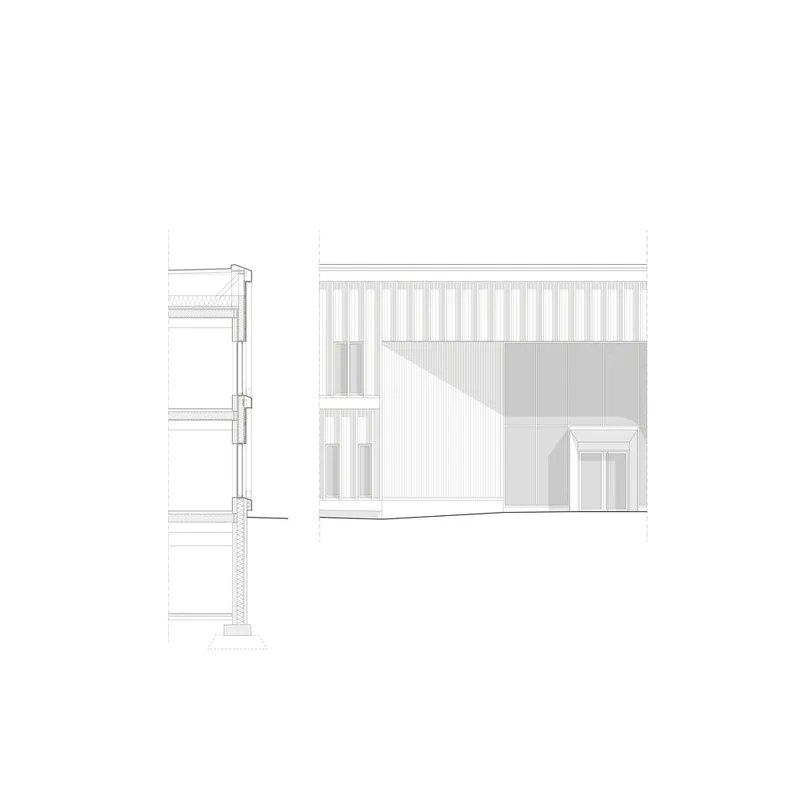
Wooden surfaces beneath entrance canopies and throughout the interiors foster a warm, calming environment that contrasts with the often sterile atmosphere of institutional architecture. By framing views of the forest, using natural materials, and creating generous daylight openings, the building fosters a sense of peace and place—key components of healing architecture in hospitals.
Materiality and Modularity: Designed for Adaptability and Comfort
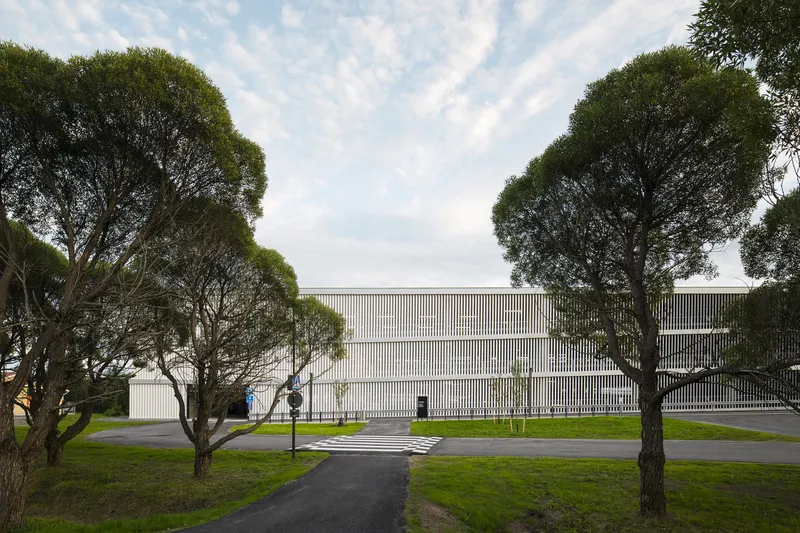
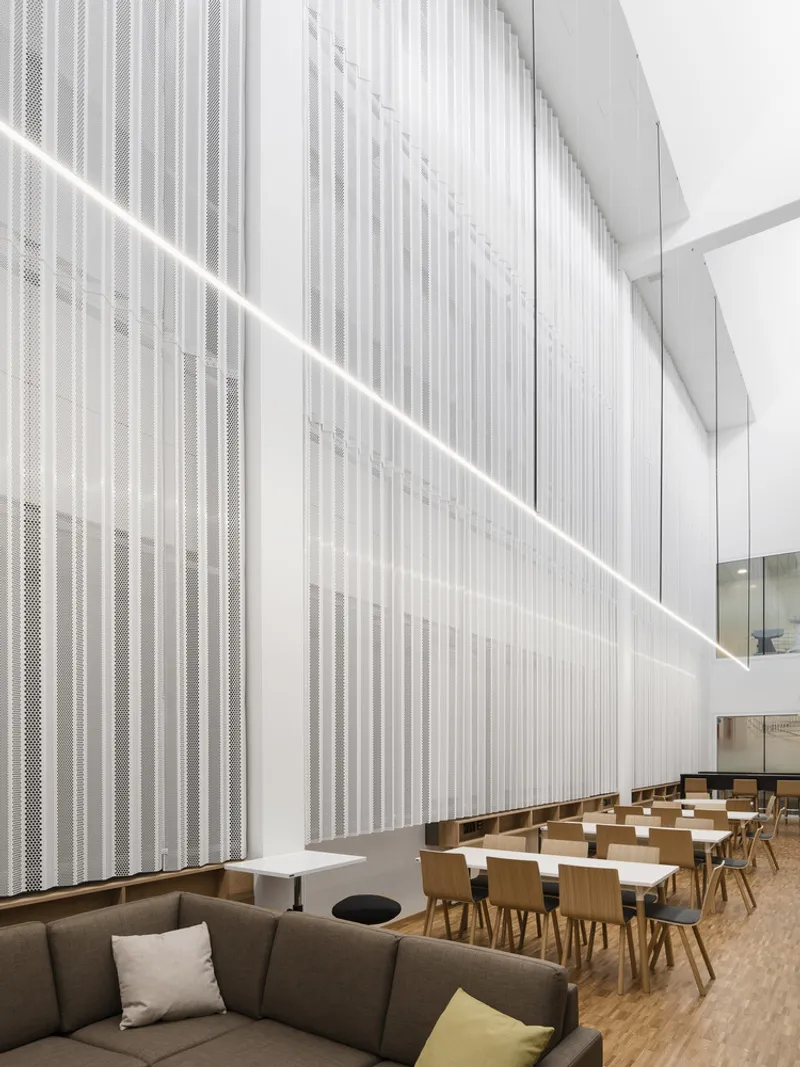
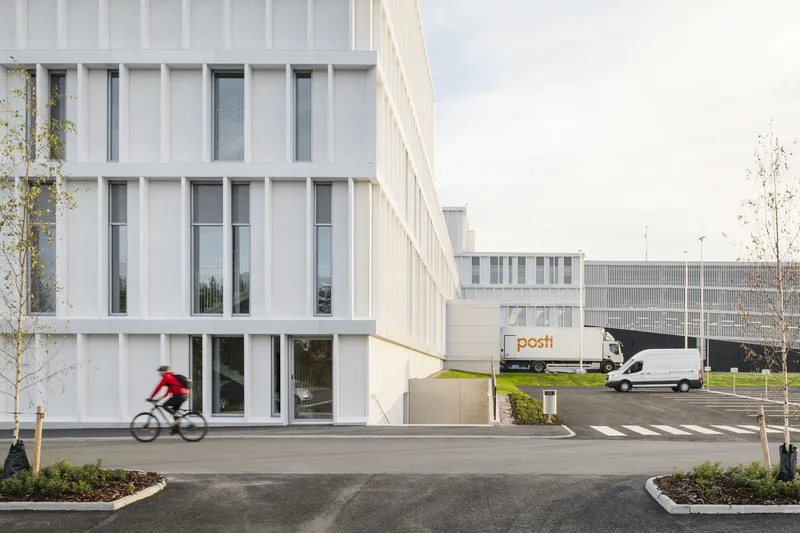
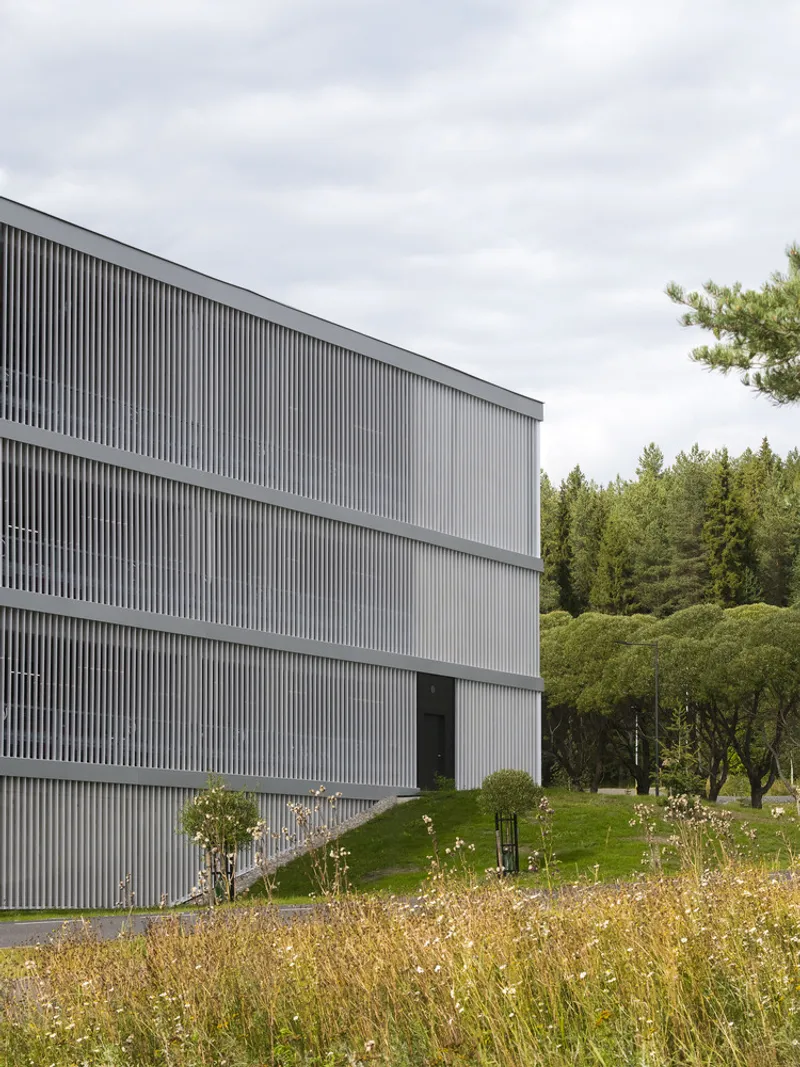
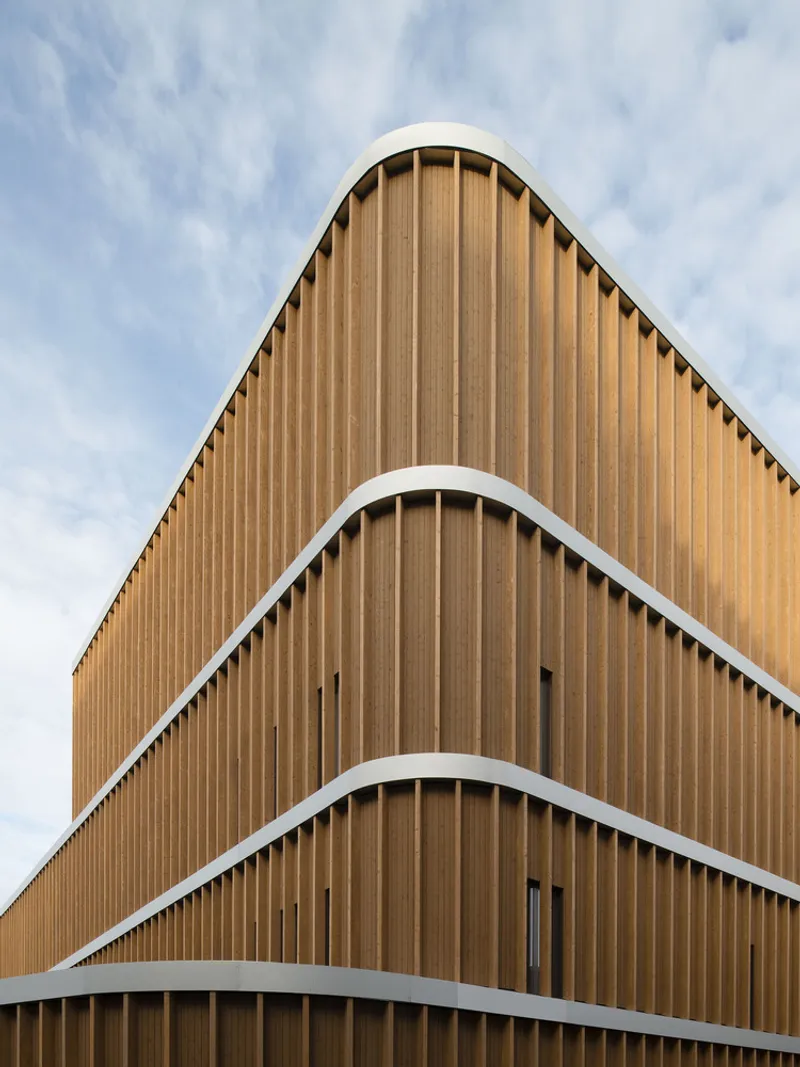
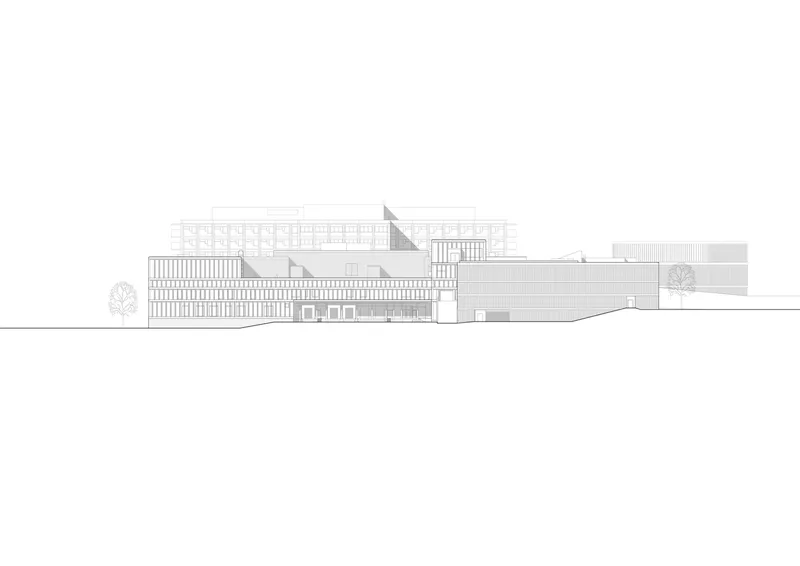
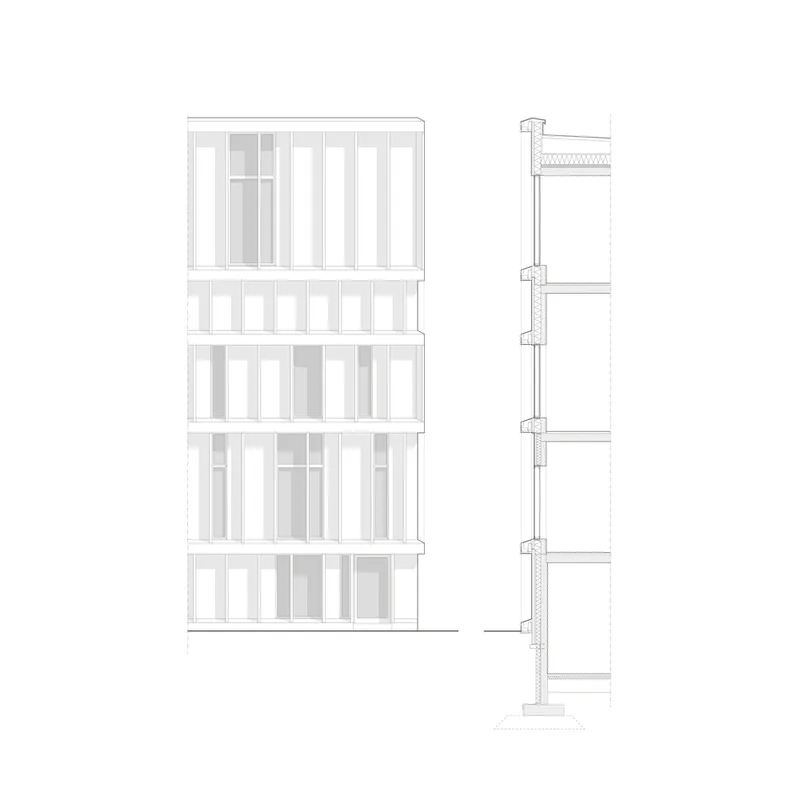
Material expression is essential to the project’s identity. The psychiatric hospital is clad in wood with a translucent finish, grounding the building in regional vernacular and adding texture and warmth to its facades. The hot hospital and parking structures, in contrast, use white concrete and aluminum, delivering a clean, modern appearance that signals high-performance healthcare.
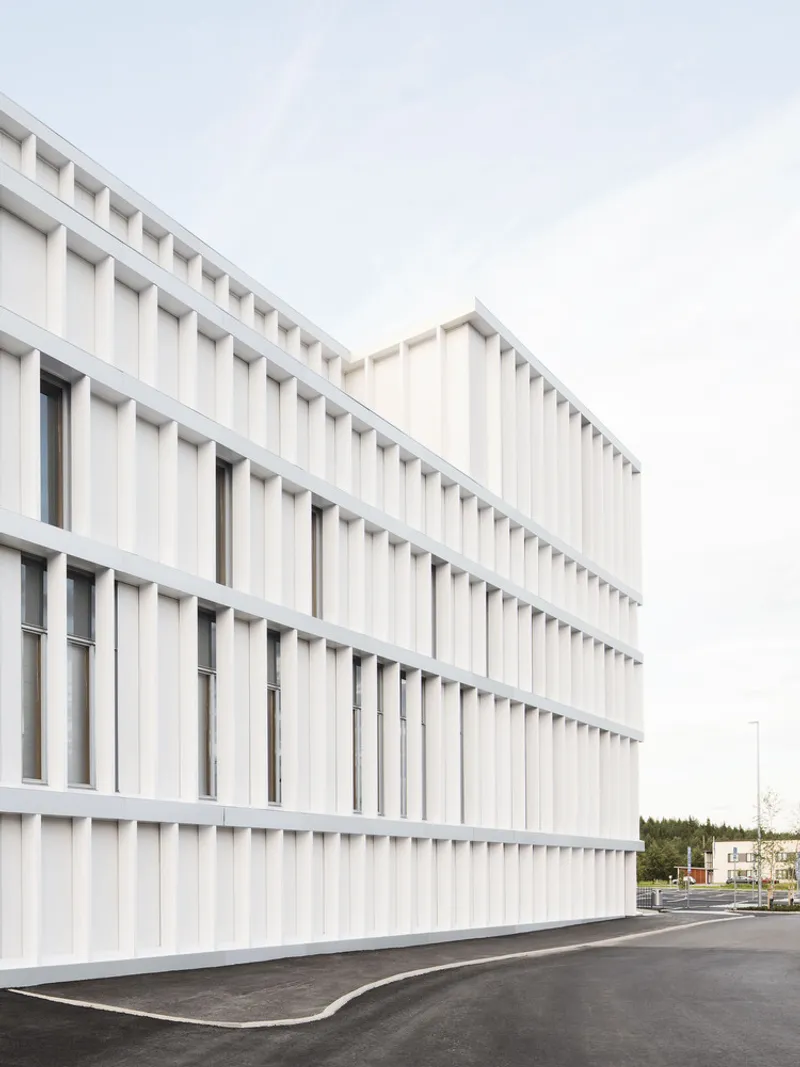

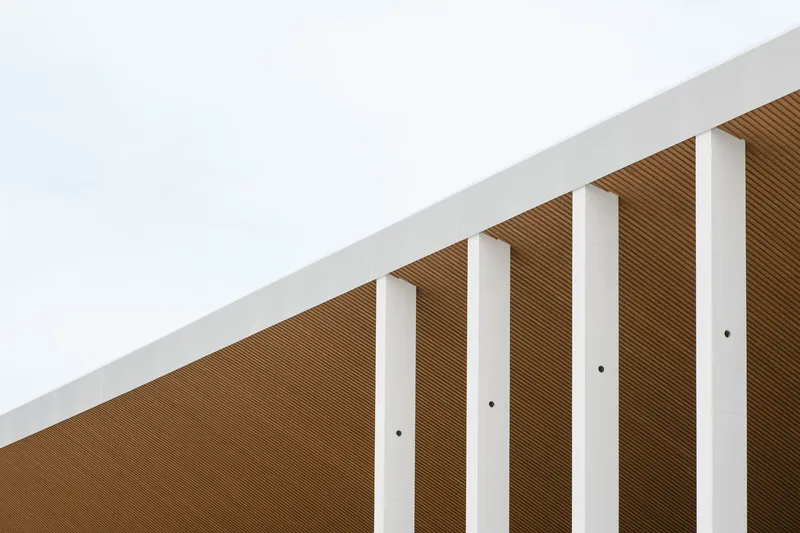
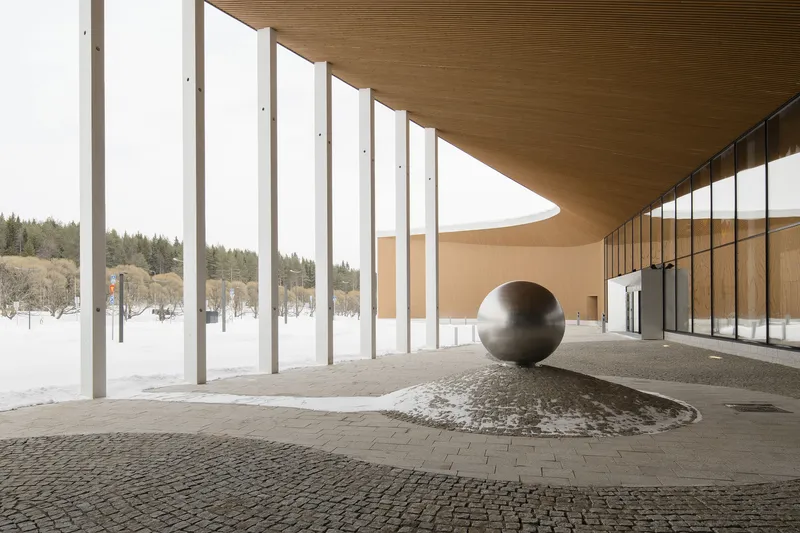
Vertical lamellas and deep overhangs shade the façades, reducing mechanical cooling demands and contributing to the building’s sustainability goals. The modular approach to the façade allows for flexibility in room placement and future expansion—ensuring the hospital remains responsive to evolving healthcare needs.
Prioritizing Experience: Patients, Staff, and Community
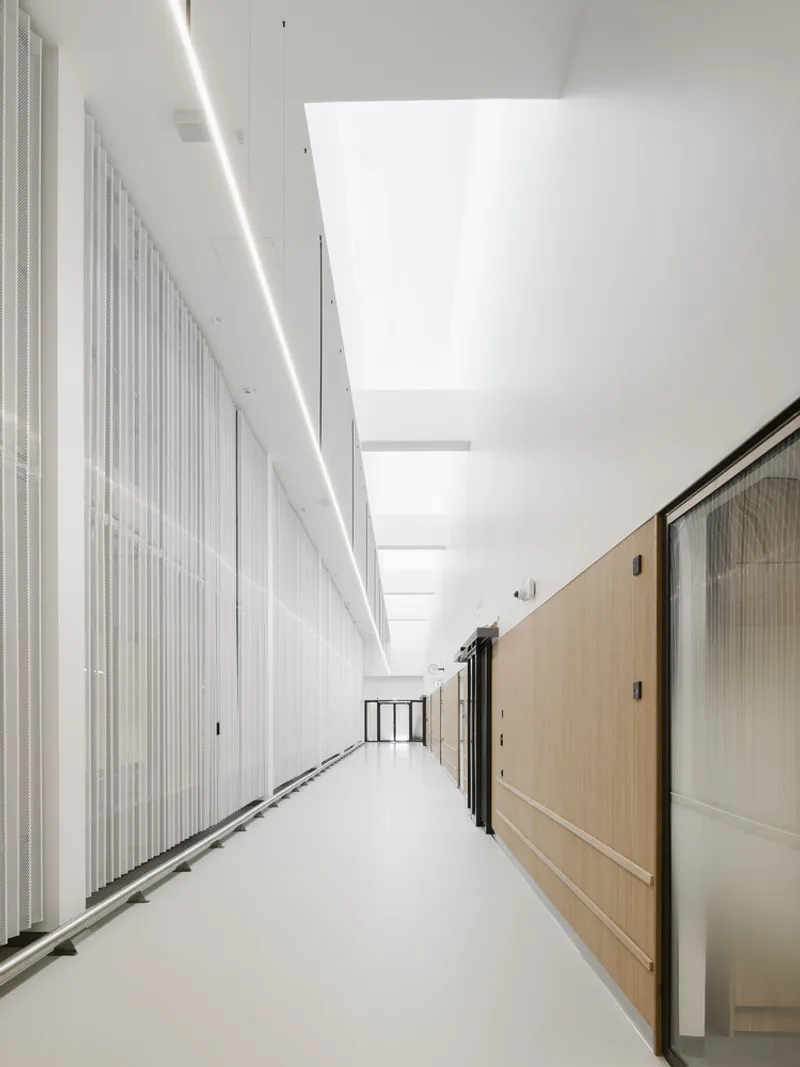
At the heart of the Lapland Central Hospital Extension is a deep commitment to user experience. The design reflects a clear understanding that healing architecture in hospitals must serve patients, staff, and visitors alike. By incorporating natural light, intuitive wayfinding, acoustically comfortable spaces, and art installations throughout the campus, the architects have created a humane environment that supports both recovery and work.
Public art plays a therapeutic role in this vision, bringing moments of color, symbolism, and reflection to the hospital environment. These installations not only enhance the visual experience but actively contribute to rehabilitation and emotional well-being.
Healing Architecture in Hospitals as a New Standard
The Lapland Central Hospital Extension sets a new benchmark for healing architecture in hospitals. It offers a compelling model for how design can elevate healthcare infrastructure beyond mere function—into a space of compassion, adaptability, and human-centered care. In its blend of technical precision, natural materials, and connection to the Arctic context, the project reveals the power of architecture to heal both body and mind.
This extension is not merely an addition to an aging hospital; it is a complete reimagination of what a hospital in the 21st century can be.
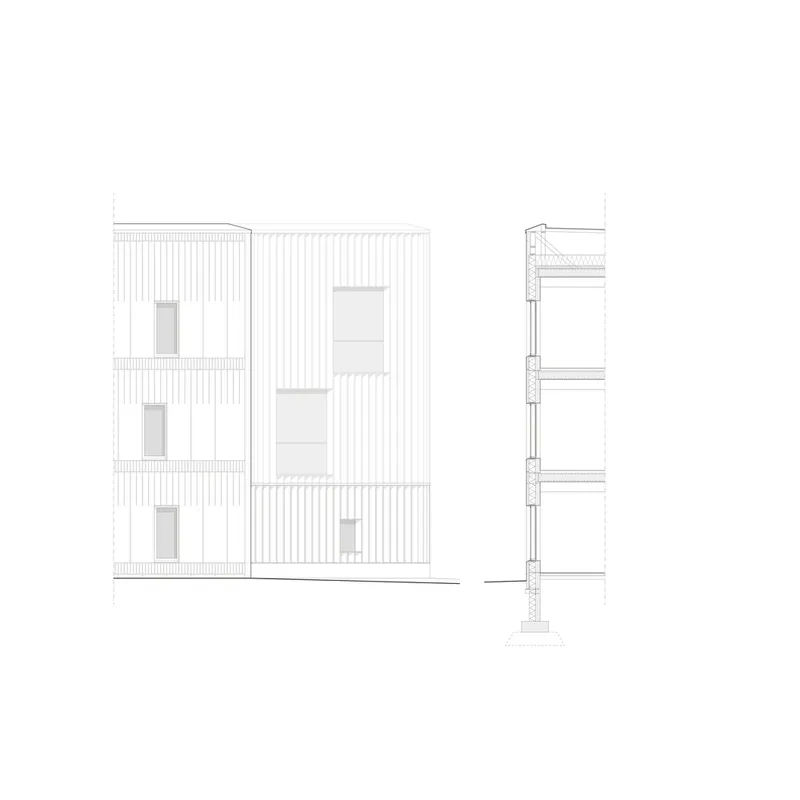
All Photographs are works of Niclas Mäkelä



Popular Articles
Popular articles from the community


Co-Life: Senior Housing Design That Reconnects Older Adults With the City
Co-Life reimagines senior housing design through healing gardens, shared streets, workshops, and a sustainable community across generations.

The Musturak Paradise: Senior Living Architecture for a Connected Future in Temara, Morocco
The Musturak Paradise reimagines senior living architecture in Temara via private homes, social spaces, culture, community, and shared care.

Riyadh For All: Intergenerational Urban Design for Active Aging in Rabat
Riyadh For All reimagines urban design in Rabat with intergenerational co-living, adaptive courtyards, and Moroccan cultural exchange today.

Hill & Cross Opera: Sculptural Opera House Architecture Shaped by Tallinn’s Landscape and Identity
Hill & Cross Opera reimagines opera house architecture in Tallinn through its sculptural hill, civic plaza, glass wave and a luminous cross.


Similar Reads
You might also enjoy these articles

Bamboo Housing Challenge 2026: Design Affordable, Sustainable Homes Using Bamboo
An international design competition by Bamboo U and IBUKU inviting architects and designers to reimagine affordable housing using bamboo — with the winning design built full-scale in Bali.

Computational Design & Education: Beegraphy Design Awards Introduces 7th Category (Featuring Jiyun's Innovative Approach)
Dive into Beegraphy’s 7th Design Awards category, where computational design meets education to create immersive, interactive learning tools, inspired by Jiyun’s work.
From Parametric Lighting to Urban Furniture: Join the 2nd Workshop in Beegraphy’s Computational Design Series
Dive into Cutting-Edge Design Techniques and Practical Applications with Industry Experts

Last Call: Unleash Your Architectural Genius in SHAK's Kindergarten Design Competition
Urgent call for architects to join SHAK's kindergarten design competition before the looming deadline


Explore Architecture Competitions
Discover active competitions in this discipline



Challenge to reimagine the Iron Throne


Photograph architecture without architects


Illustrate the lost glory of Angkor Wat - Render Challenge


Design challenge to reuse E-waste
Comments (0)
Please login or sign up to add comments
No comments yet. Be the first to comment!