
Le XV Residence by Taillandier Architectes Associés: Integrating Urban Design and Green Living in Saint-Jory, France
Le XV Residence in Saint-Jory blends urban design, landscaped public spaces, and pedestrian connectivity, creating vibrant, sustainable housing with community-focused green areas.

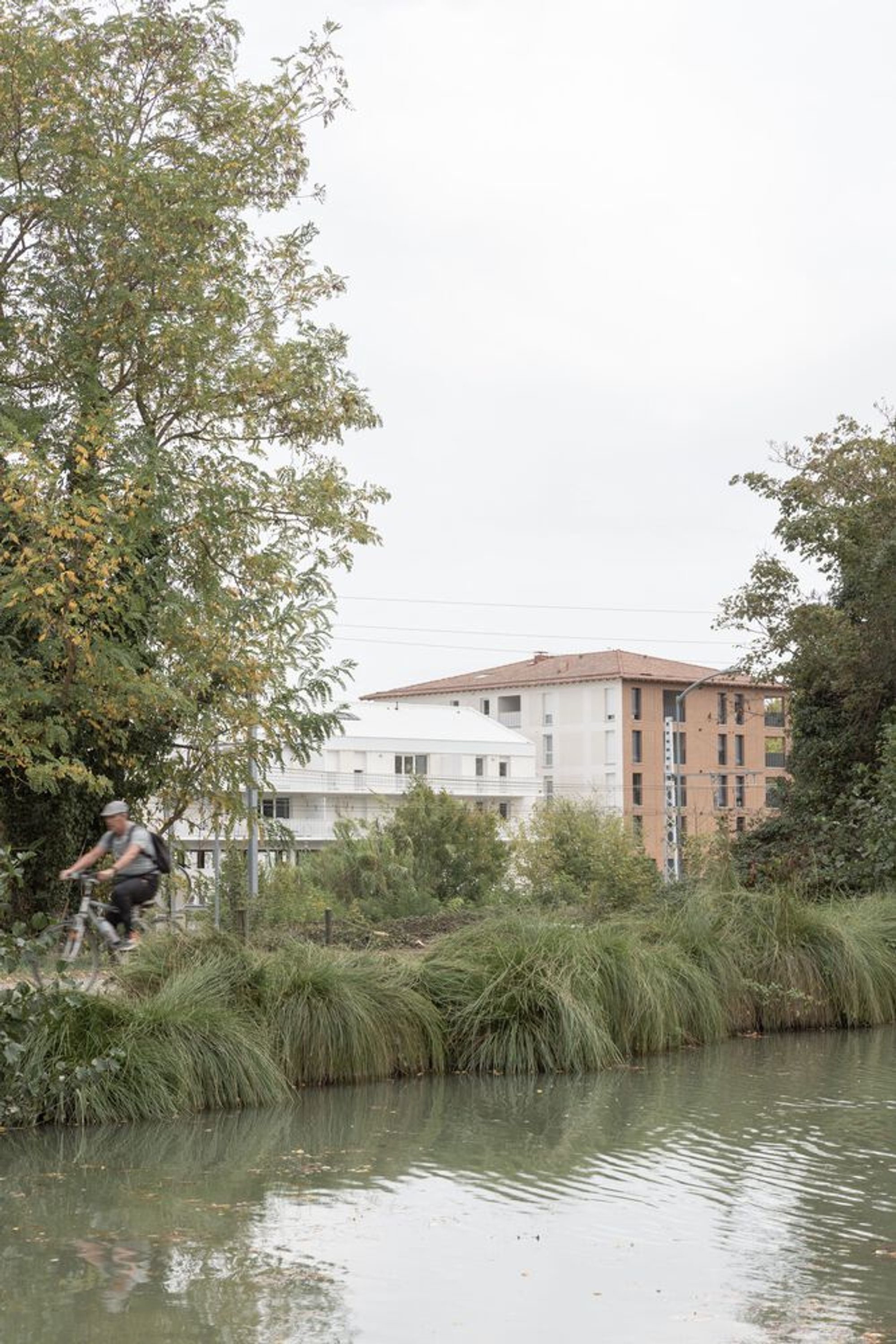
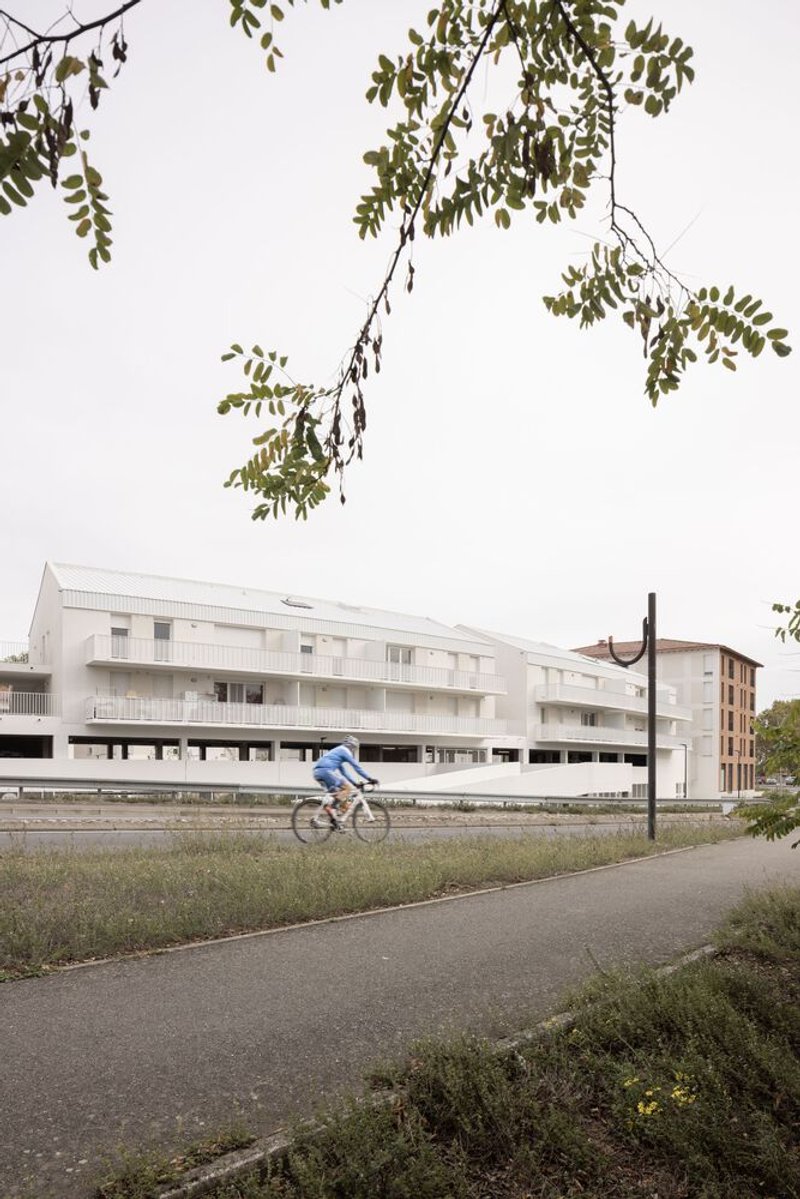
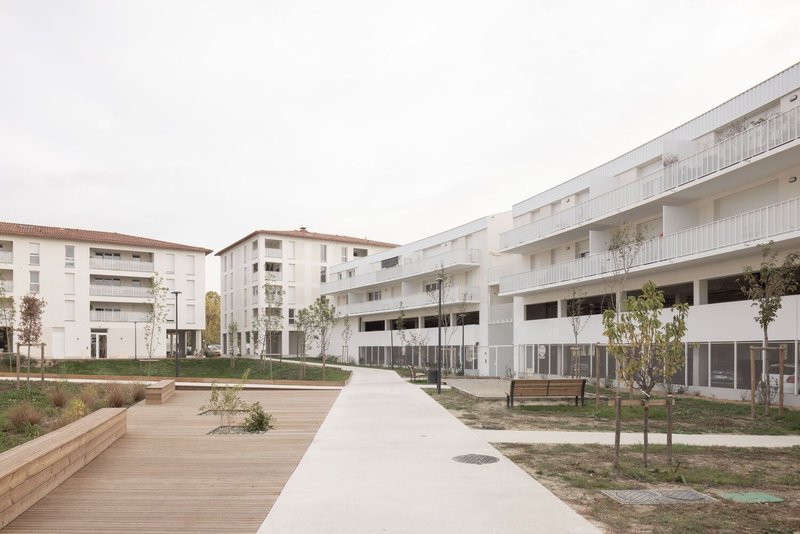
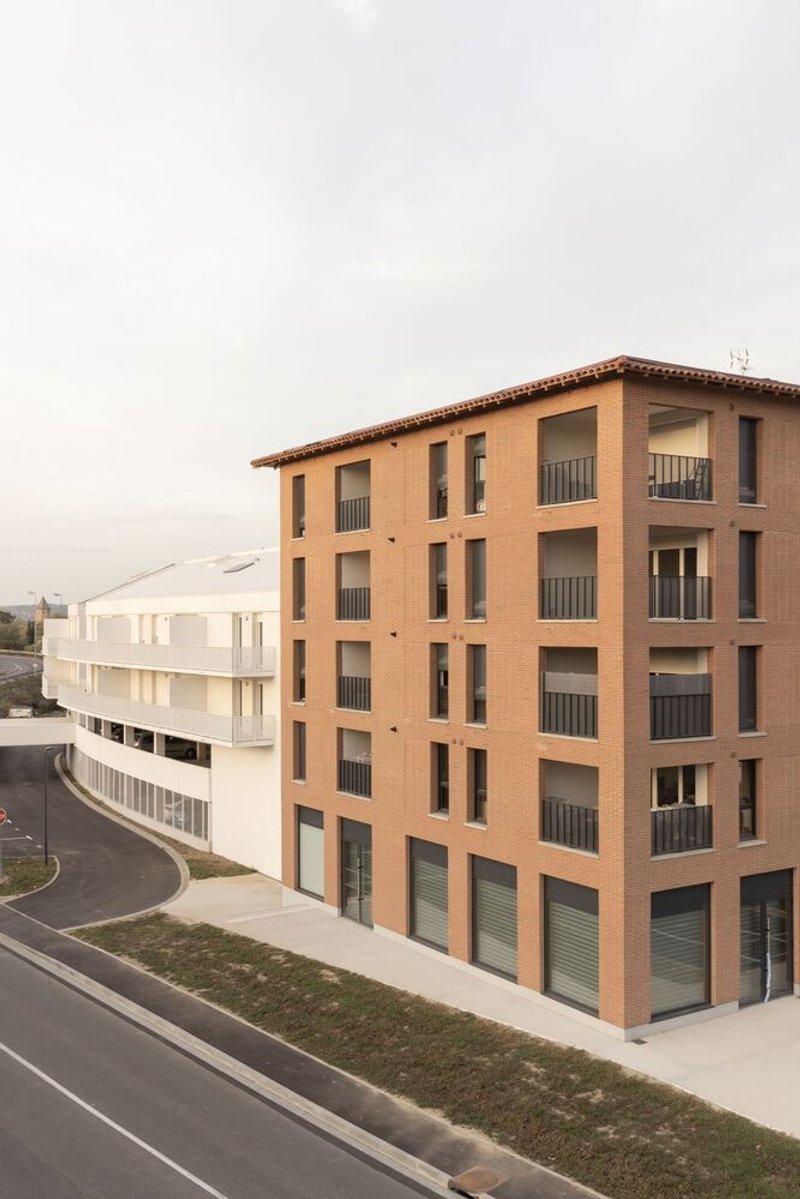
Le XV Residence by Taillandier Architectes Associés is an exemplary residential development that seamlessly integrates urban planning, sustainable living, and community-focused green spaces. Strategically positioned between the Route de Paris and St Caprais Road, the project occupies a prominent site at the southern entrance of Saint-Jory, previously an informal parking area adjacent to the railway station. The design transforms this key urban node into a structured, vibrant, and pedestrian-friendly environment.
Urban Integration and Architectural Strategy
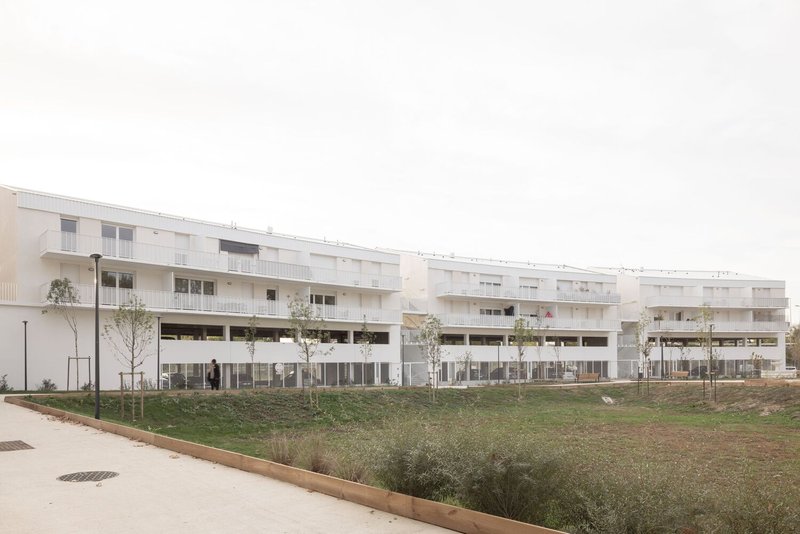
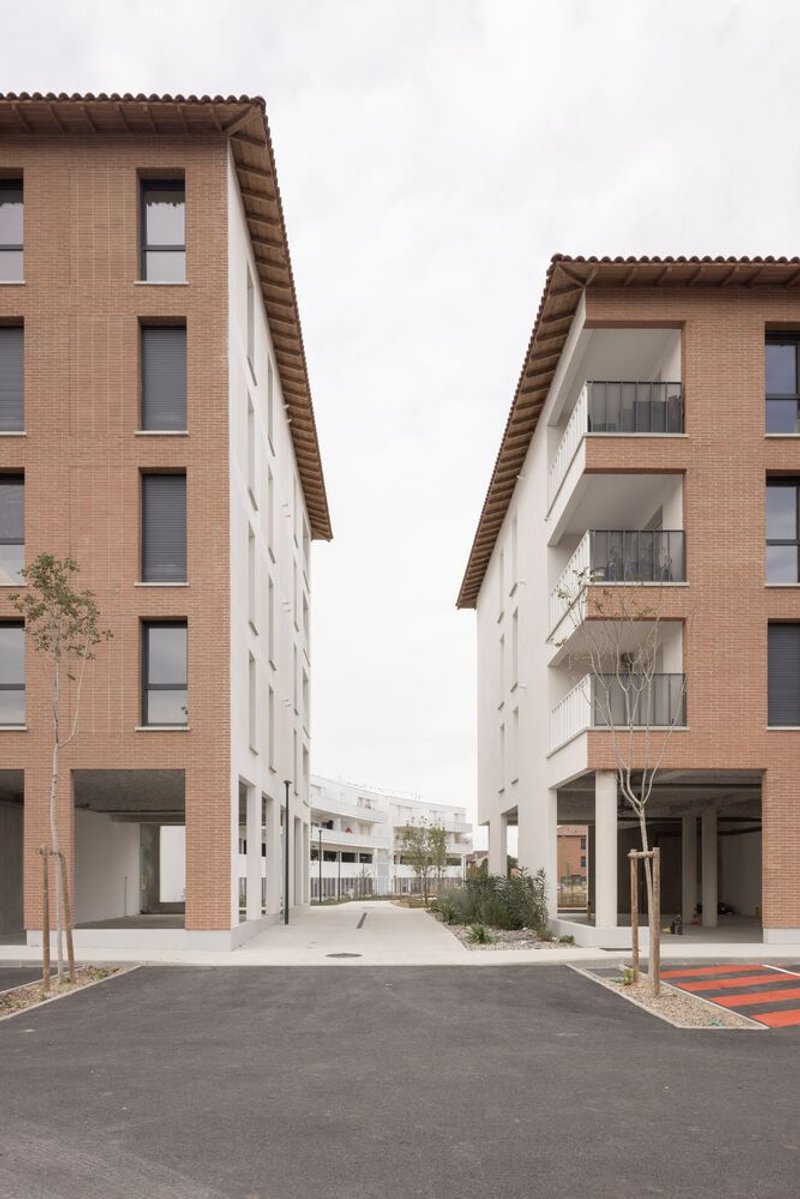
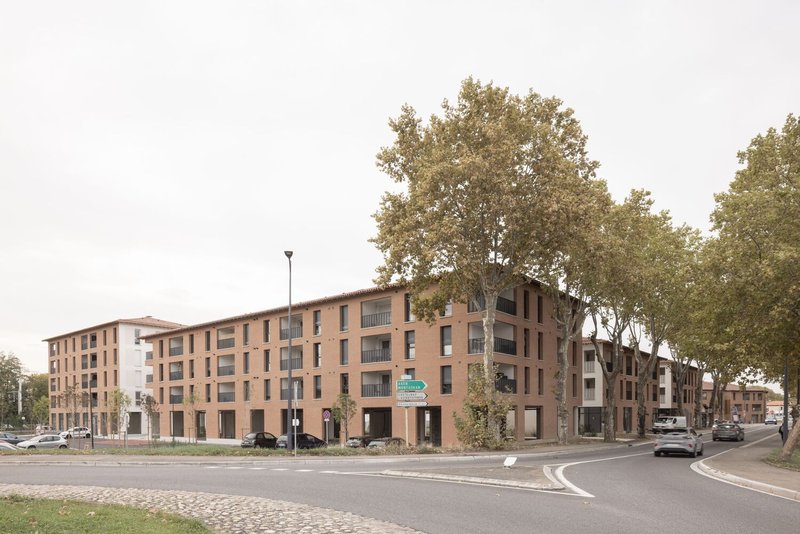
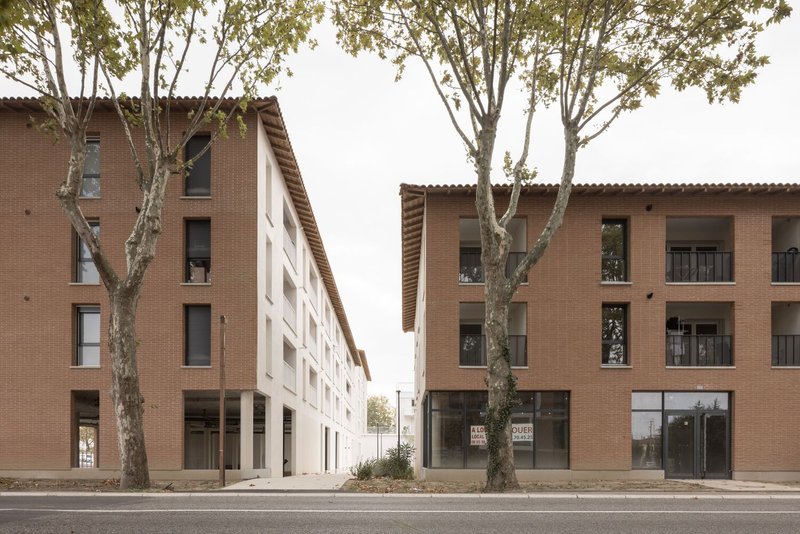
As an urban project, Le XV Residence establishes a smooth transition between the historic village center and the modern station square. The main axis along the Route de Paris, formerly a national road lined with majestic plane trees, guides the alignment of the buildings. The design emphasizes visual continuity, with roof ridges and building volumes aligned along the primary axis to maintain the town’s architectural rhythm.
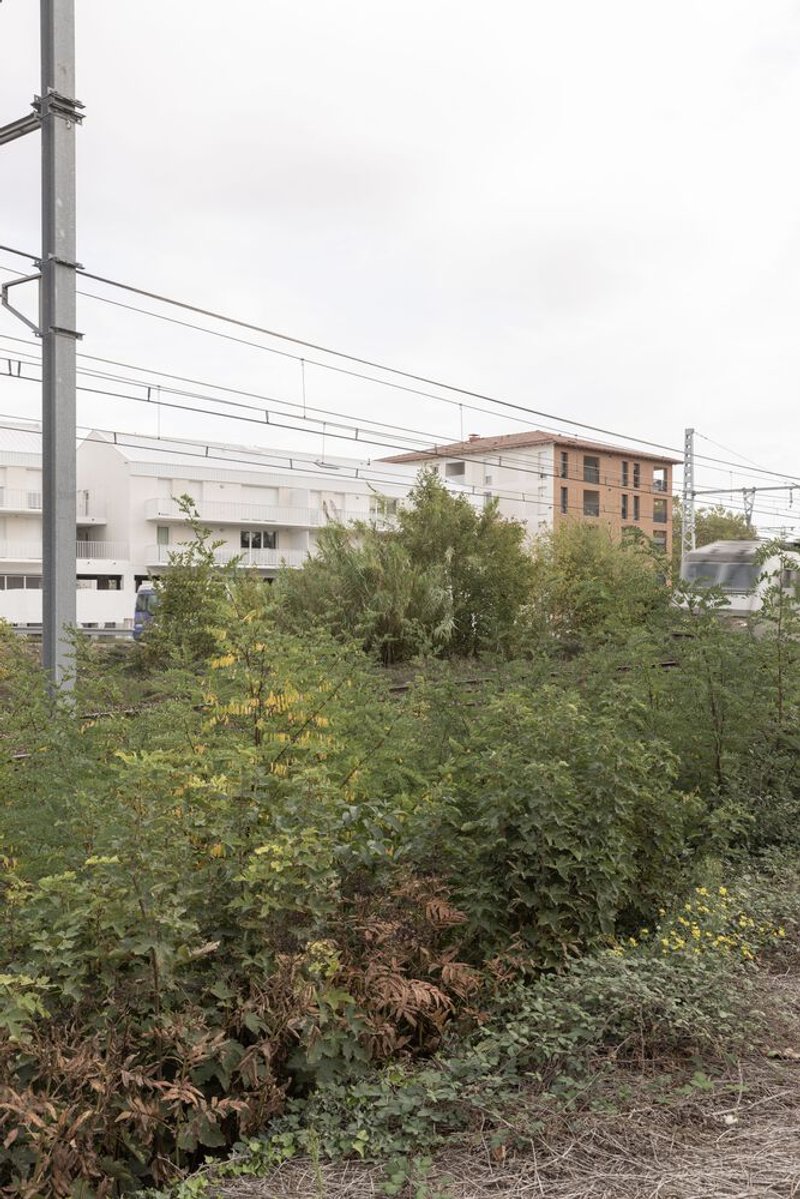
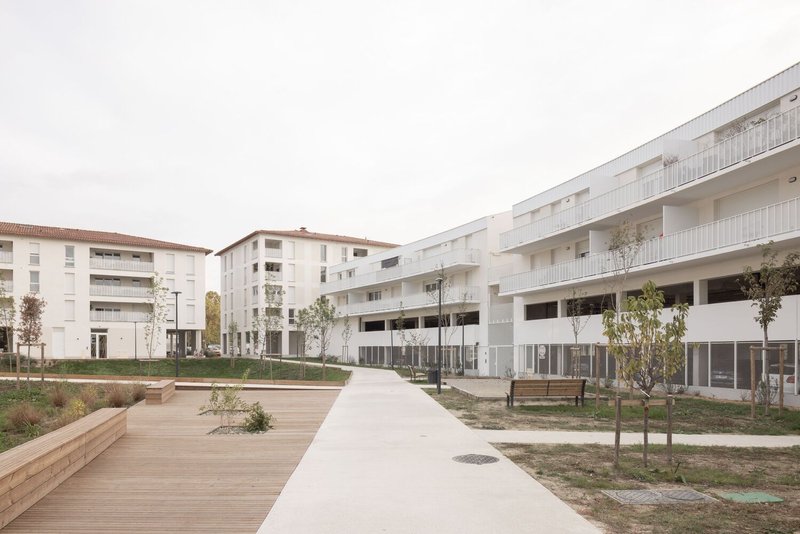
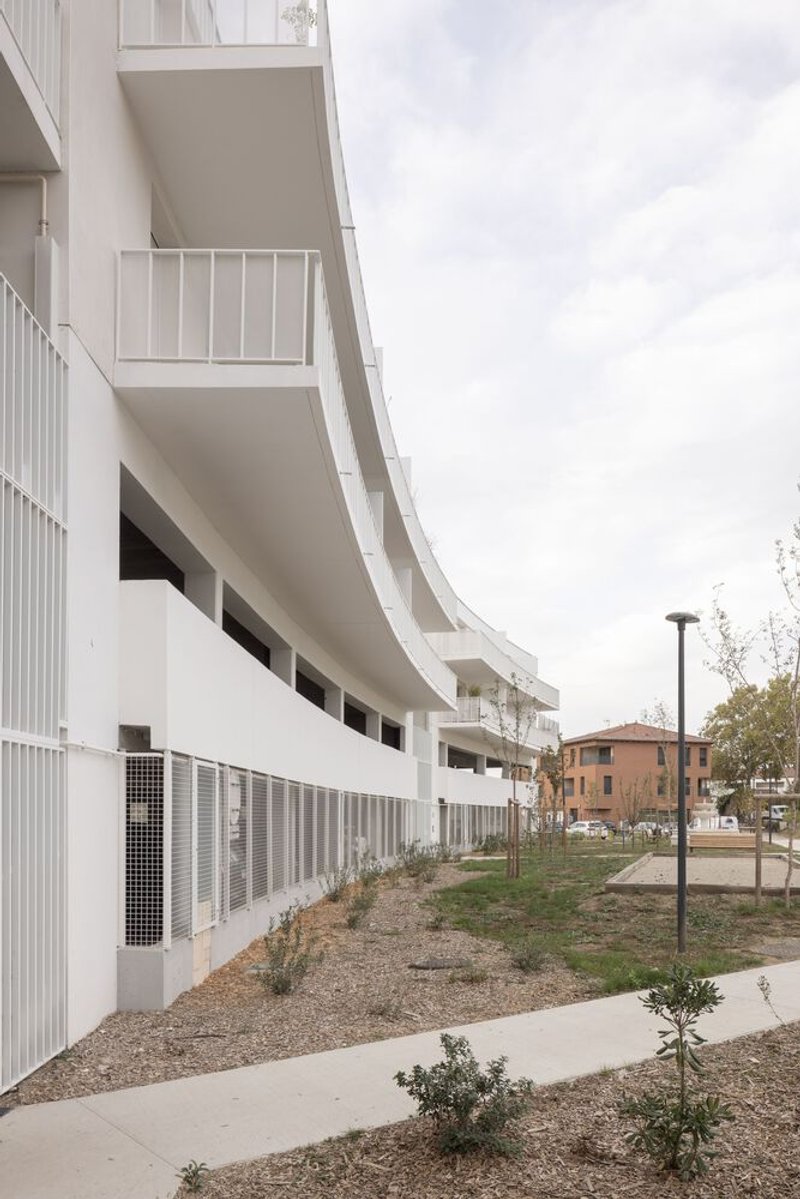
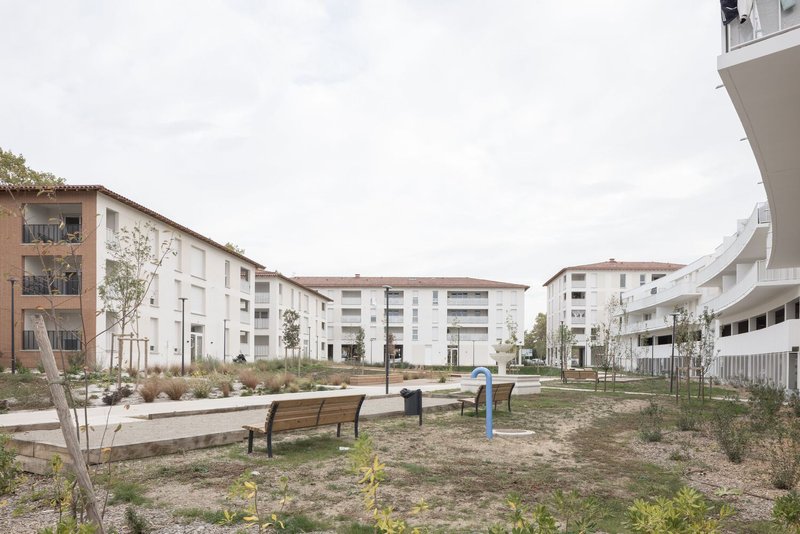
At the corner of the plot, a perpendicular volume marks the entrance to the town and frames the future station square, which will become a lively multimodal hub, connecting rail, pedestrian, and cycling networks. On St Caprais Road, the buildings adopt a more fluid, curving form that encloses the inner landscaped garden, creating a sense of privacy while maintaining visual and spatial connections to the surrounding urban fabric.
Design and Spatial Organization
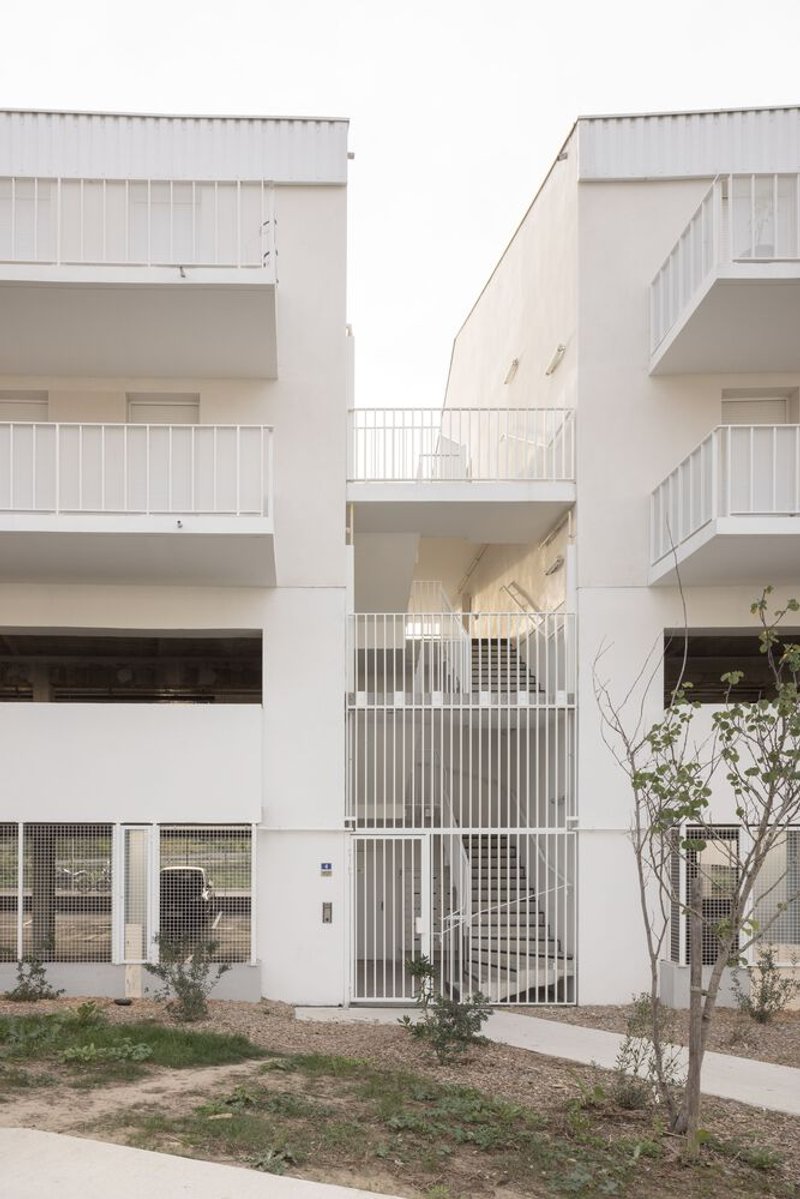
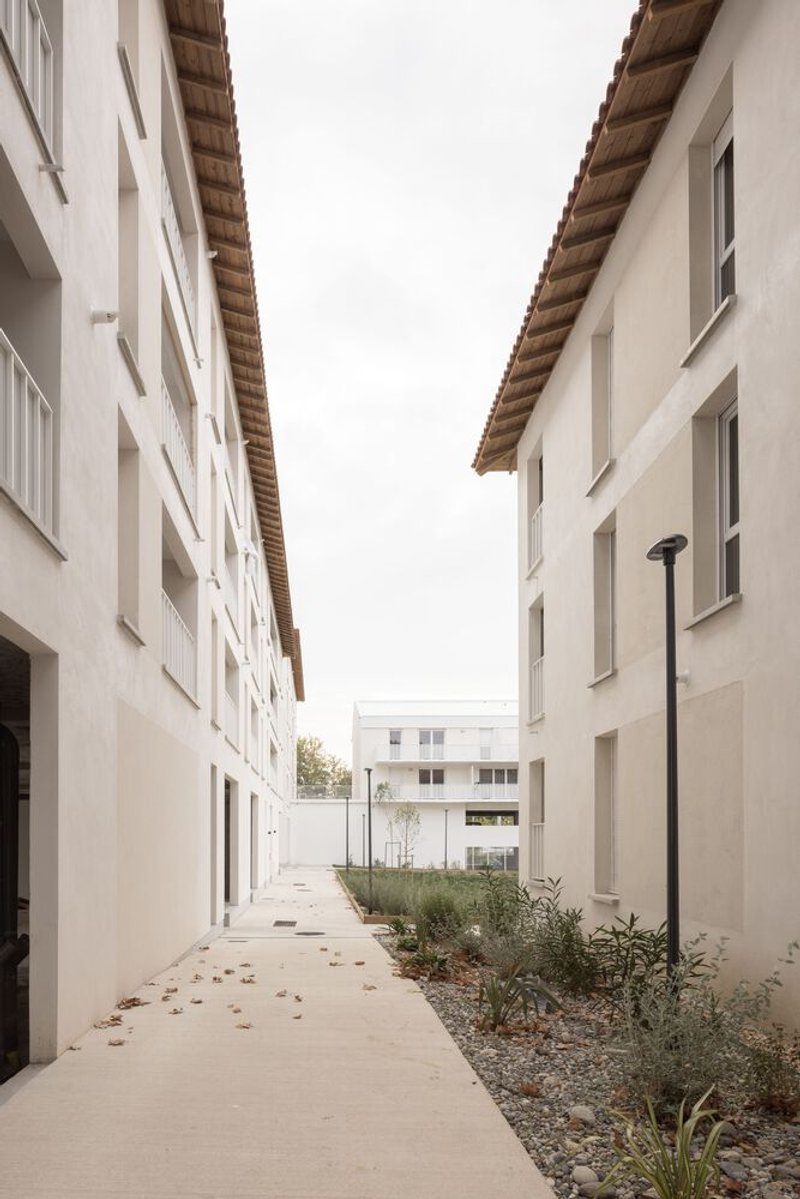
Le XV Residence employs volume articulation and strategic gaps to enhance visual perspectives toward the inner garden and encourage natural light penetration. These gaps also allow double orientations for residential units, optimizing airflow, daylight, and spatial comfort. From the Route de Paris, carefully framed perspectives guide pedestrians toward the inner garden, establishing an intuitive connection between public spaces and residential areas.
The design prioritizes pedestrian connectivity, linking the public park to existing urban pathways. This approach ensures that the project contributes to Saint-Jory’s urban cohesion, balancing density with openness, and creating a welcoming, human-scaled environment.
Green Spaces and Community Engagement
At the heart of the development lies a large public park, designed for both residents and the broader Saint-Jory community. This landscaped area serves multiple purposes:
- Pedestrian circulation connecting the station square and residential stairwells.
- Shared collective spaces that encourage social interaction and community life.
- Sustainable water management, including on-site water retention features.
By integrating greenery into the urban framework, Le XV Residence redefines the southern entrance to Saint-Jory as a structured, vibrant, and ecologically responsive urban landscape.
Sustainable Urban Living
Le XV Residence demonstrates how residential architecture can harmonize with urban planning. The project balances built volumes with landscaped open spaces, respects local architectural characteristics, and fosters a sense of community and connectivity. Residents enjoy not only private housing but also accessible public spaces, promoting well-being and social cohesion in a growing urban context.
All photographs are works of
Nicolas Da Silva Lucas




Popular Articles
Popular articles from the community

3dor Concepts Wraps a Kerala Home in Mirrored Concrete Arcs Around a Courtyard Tree
In the Western Ghats foothills of Thamarassery, a 270 m² single-story house uses two curved volumes to frame nature as its center.
HCCH Studio Wraps a Shanghai High-Rise Office in Curved Walls of Translucent Glass
A 1,000 square meter fit-out in Lujiazui replaces the typical tech-office palette with layered glass, micro-cement, and quiet rigor.

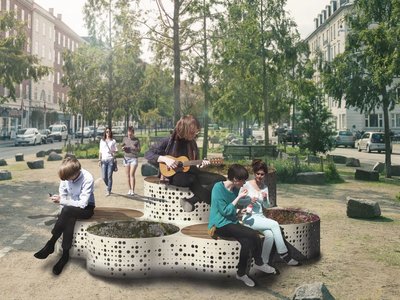
20 Most Popular Furniture Design Projects of 2025
Modular street systems, parametric benches, and insect hotels: the furniture design projects that captivated architects on uni.xyz in 2025.
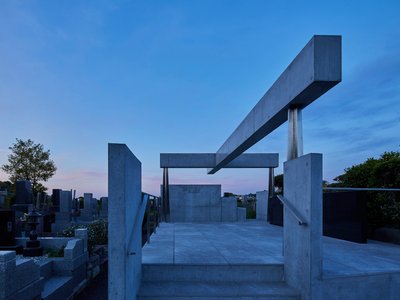
Takeshi Hosaka Architects Suspends a Concrete Cross Above a Yokohama Cemetery
A 28-square-meter burial renovation in Yokohama lifts the symbol of resurrection into the sky so mourners see it against heaven.


Similar Reads
You might also enjoy these articles

Bamboo Housing Challenge 2026: Design Affordable, Sustainable Homes Using Bamboo
An international design competition by Bamboo U and IBUKU inviting architects and designers to reimagine affordable housing using bamboo — with the winning design built full-scale in Bali.

Computational Design & Education: Beegraphy Design Awards Introduces 7th Category (Featuring Jiyun's Innovative Approach)
Dive into Beegraphy’s 7th Design Awards category, where computational design meets education to create immersive, interactive learning tools, inspired by Jiyun’s work.

From Parametric Lighting to Urban Furniture: Join the 2nd Workshop in Beegraphy’s Computational Design Series
Dive into Cutting-Edge Design Techniques and Practical Applications with Industry Experts

Introducing Sphere by UNI: Pioneering a New Era in AEC Industry
Unlocking Global Potential with BIM and Agile Management


Explore Architecture Competitions
Discover active competitions in this discipline




The International Standard for Design Portfolios


The Global Benchmark for Architecture Dissertation Awards


The Global Benchmark for Graduation Excellence

Challenge to design mud housing for contemporary communities
Comments (0)
Please login or sign up to add comments
No comments yet. Be the first to comment!