
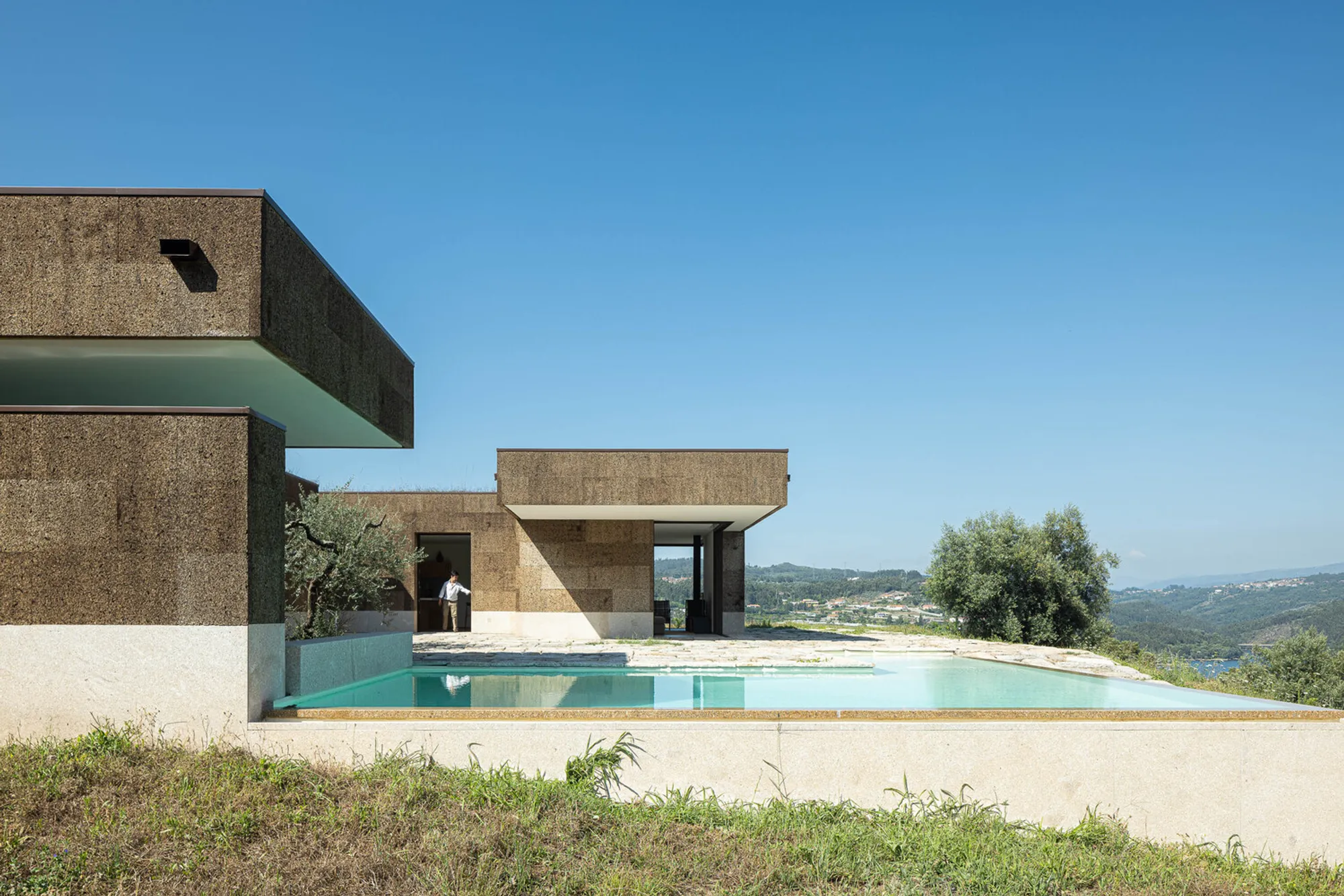
Levada House: A Model of Sustainable Courtyard House Design
Levada House by Tsou Arquitectos exemplifies sustainable courtyard house design, blending energy efficiency, reclaimed materials, and nature-integrated architecture in Portugal.


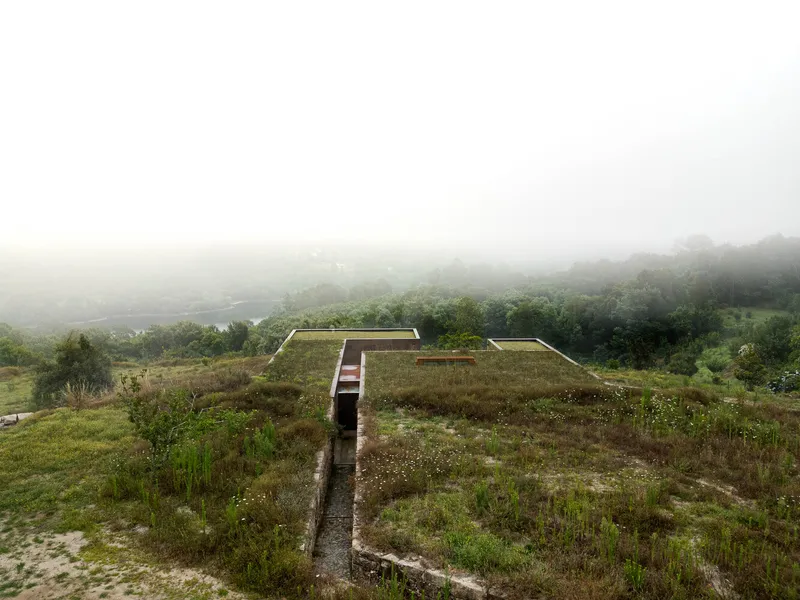
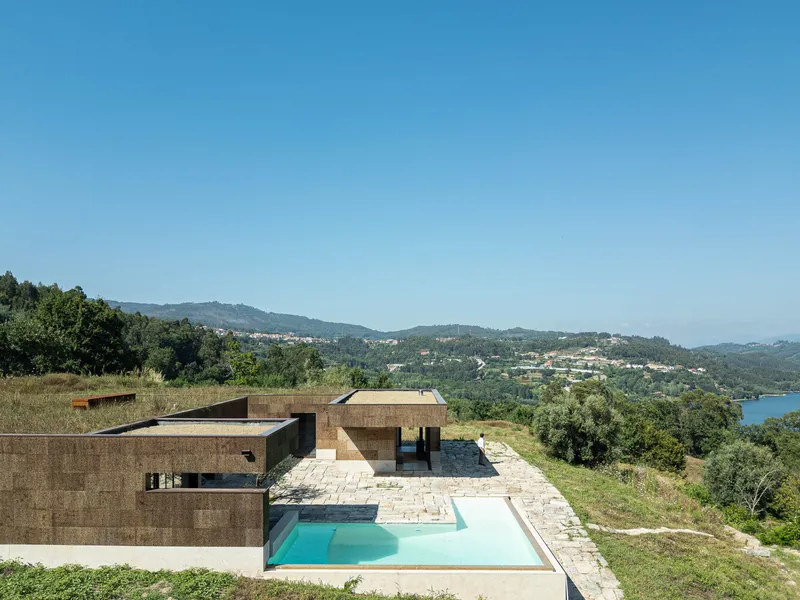
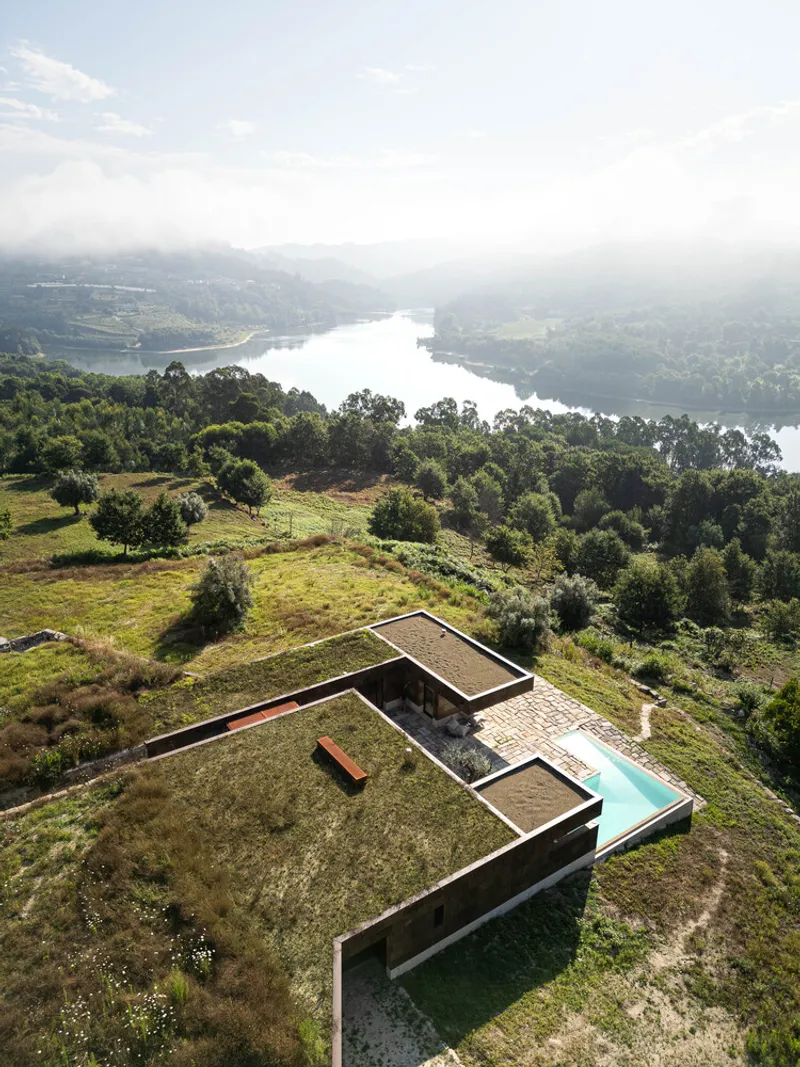
The Levada House, designed by Tsou Arquitectos, exemplifies an innovative approach to sustainable courtyard house design. Located in Paredes, Portugal, with the Tâmega River as its backdrop, the residence seamlessly integrates into the rural landscape. Its architectural form emerges naturally from the terrain, ensuring a deep connection between built and natural environments. The project prioritizes energy efficiency, environmental preservation, and comfort, creating a home that is both modern and rooted in tradition.
Integration with Nature
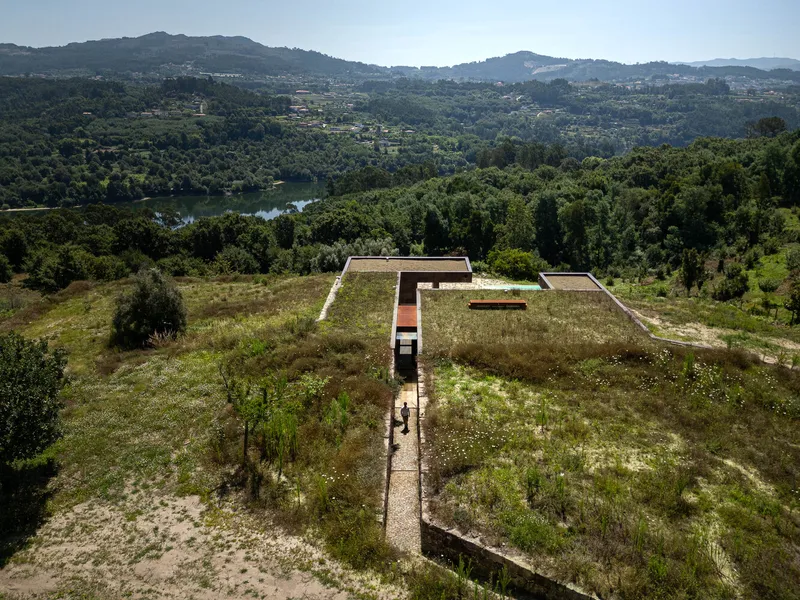
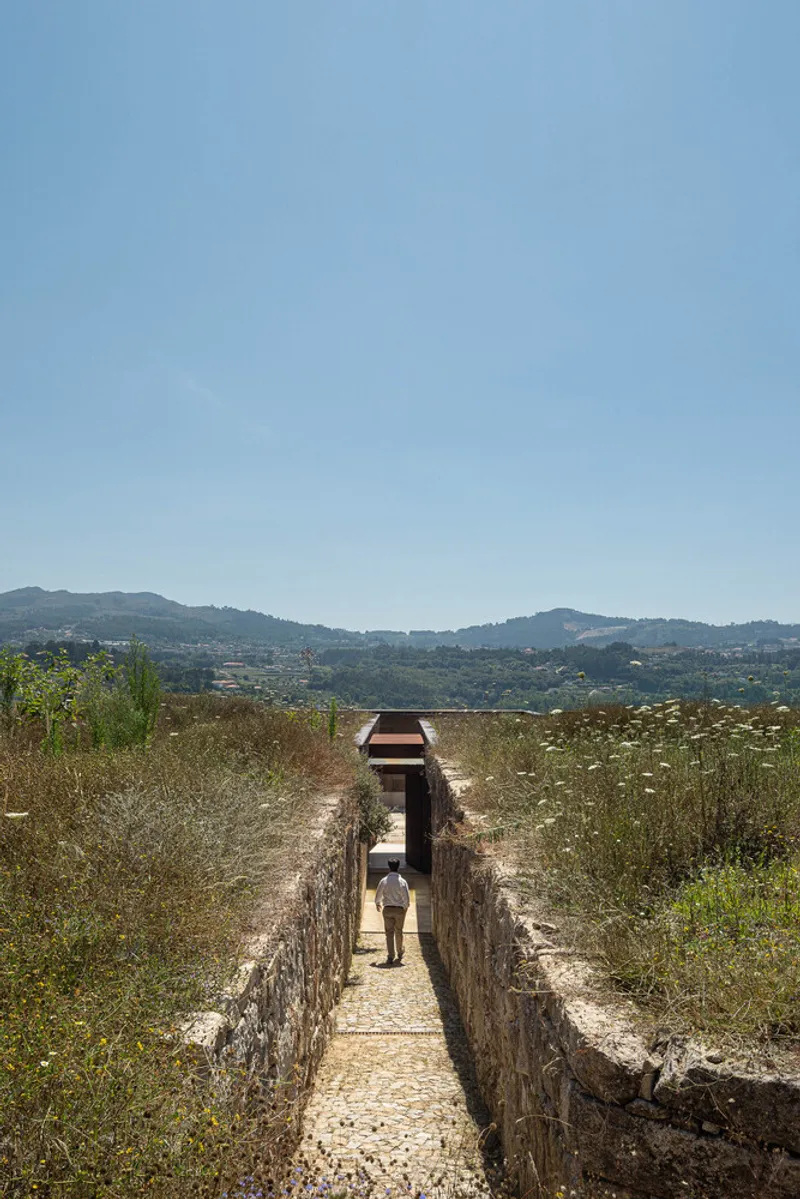
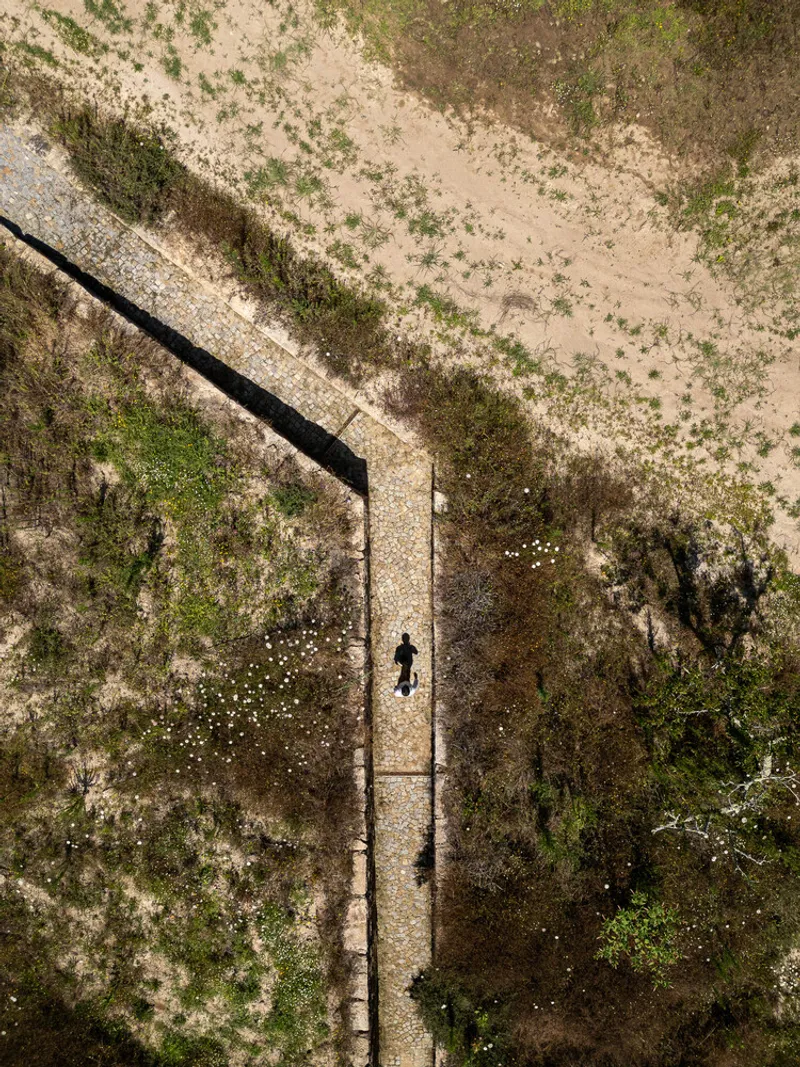
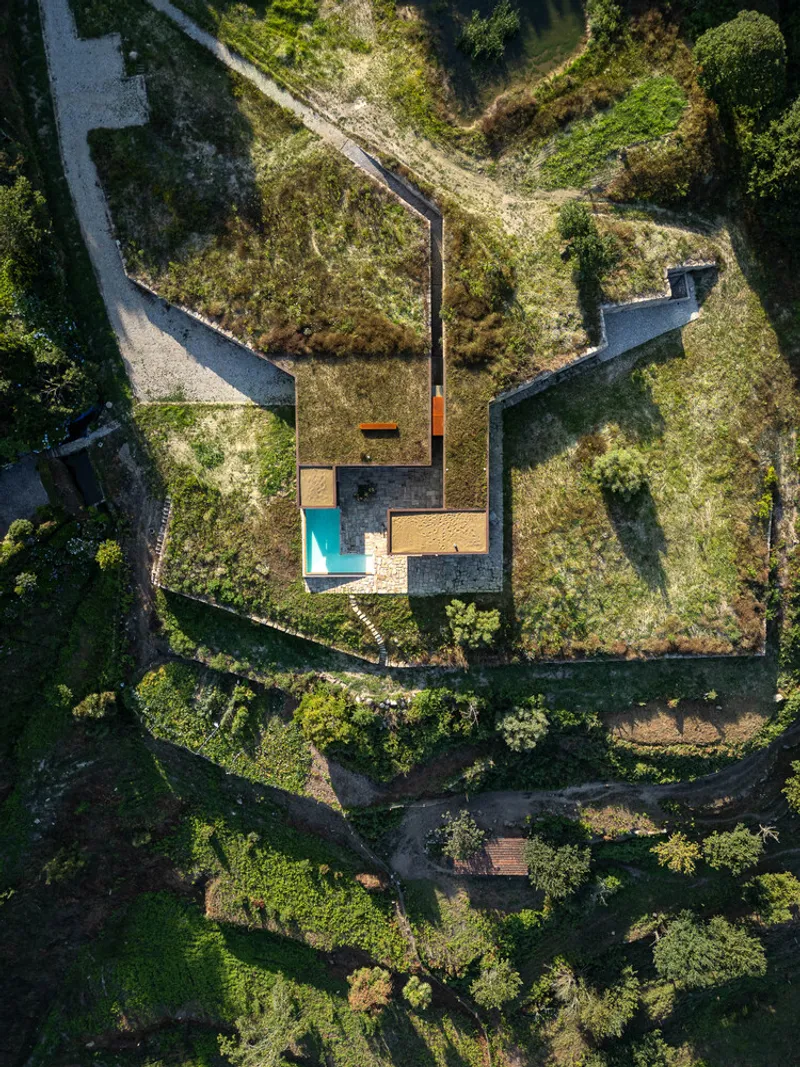
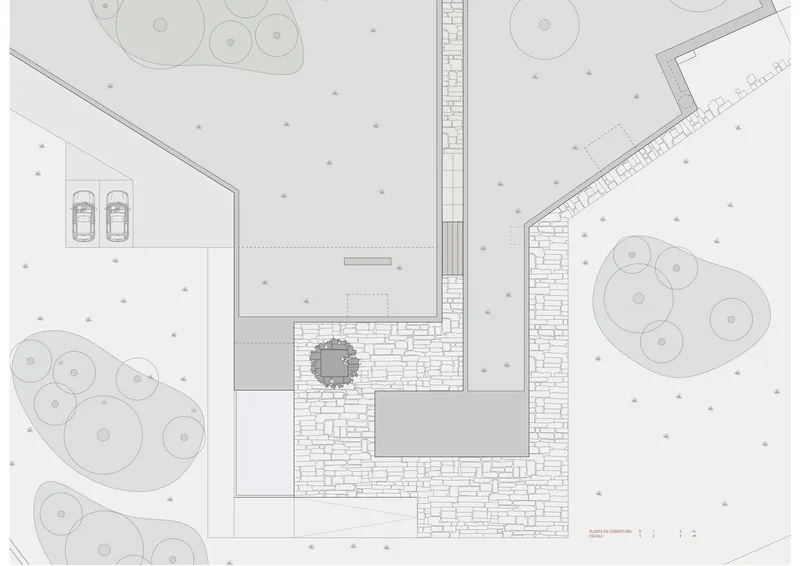
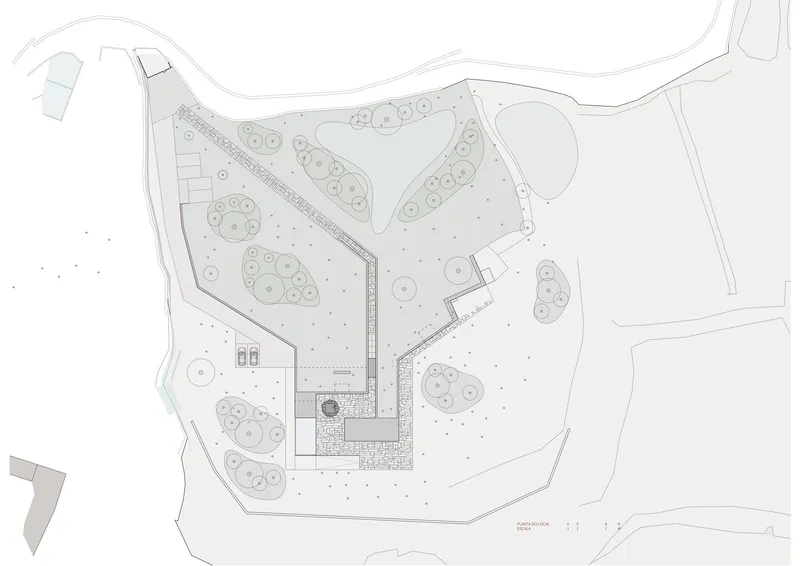
A defining feature of Levada House is its harmonious relationship with the land. The architectural language reflects an organic extension of the site, utilizing materials and spatial arrangements that emphasize continuity. The house appears to rise naturally from the terrain, shaping itself in response to the landscape rather than imposing upon it. The pedestrian pathway leading to the house is designed as a paved groove in the greenery, reinforcing the seamless connection between architecture and nature.
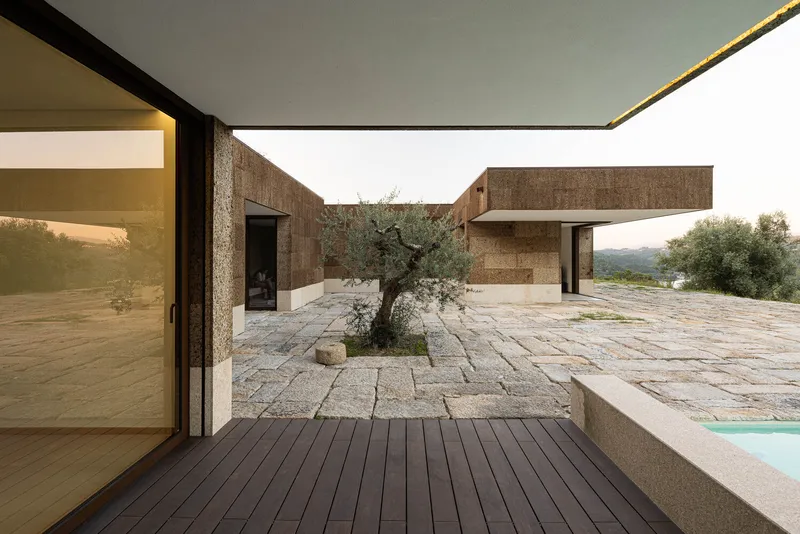
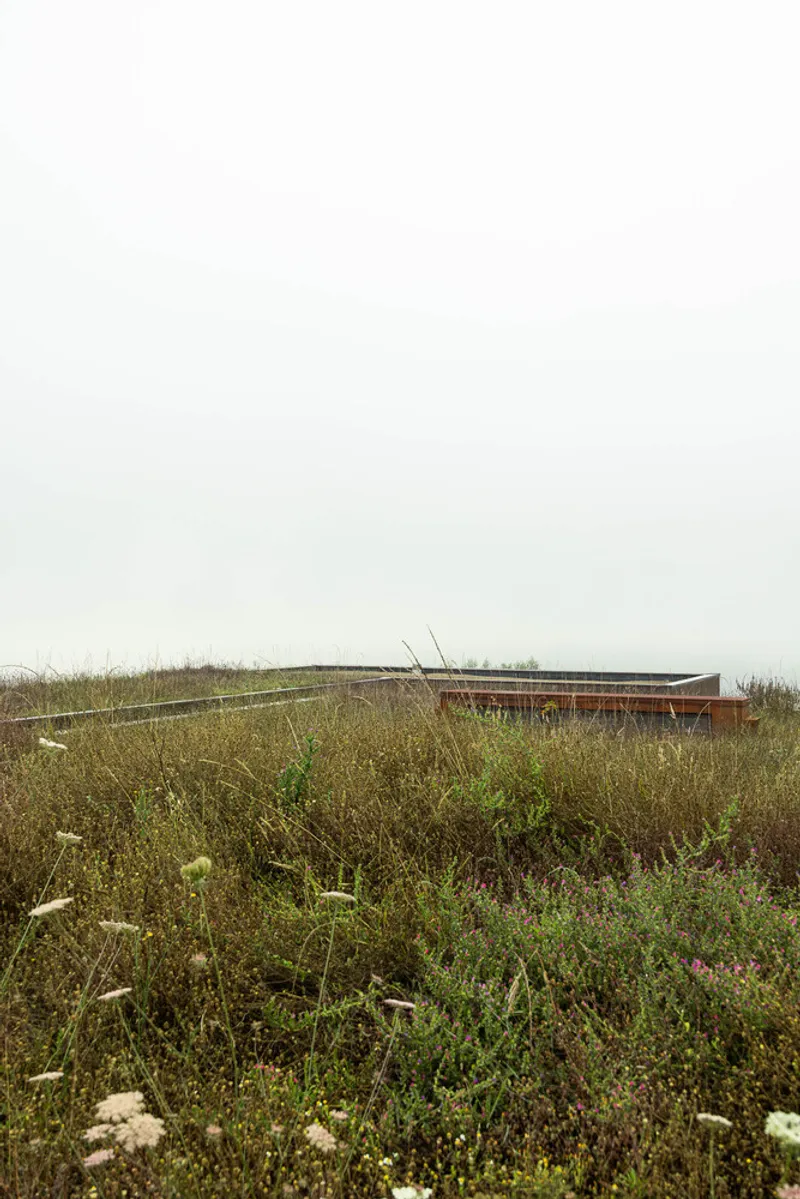
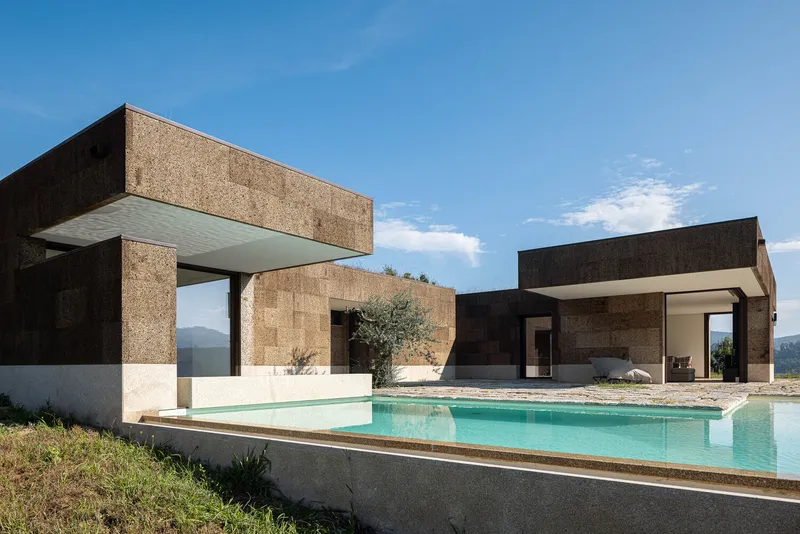
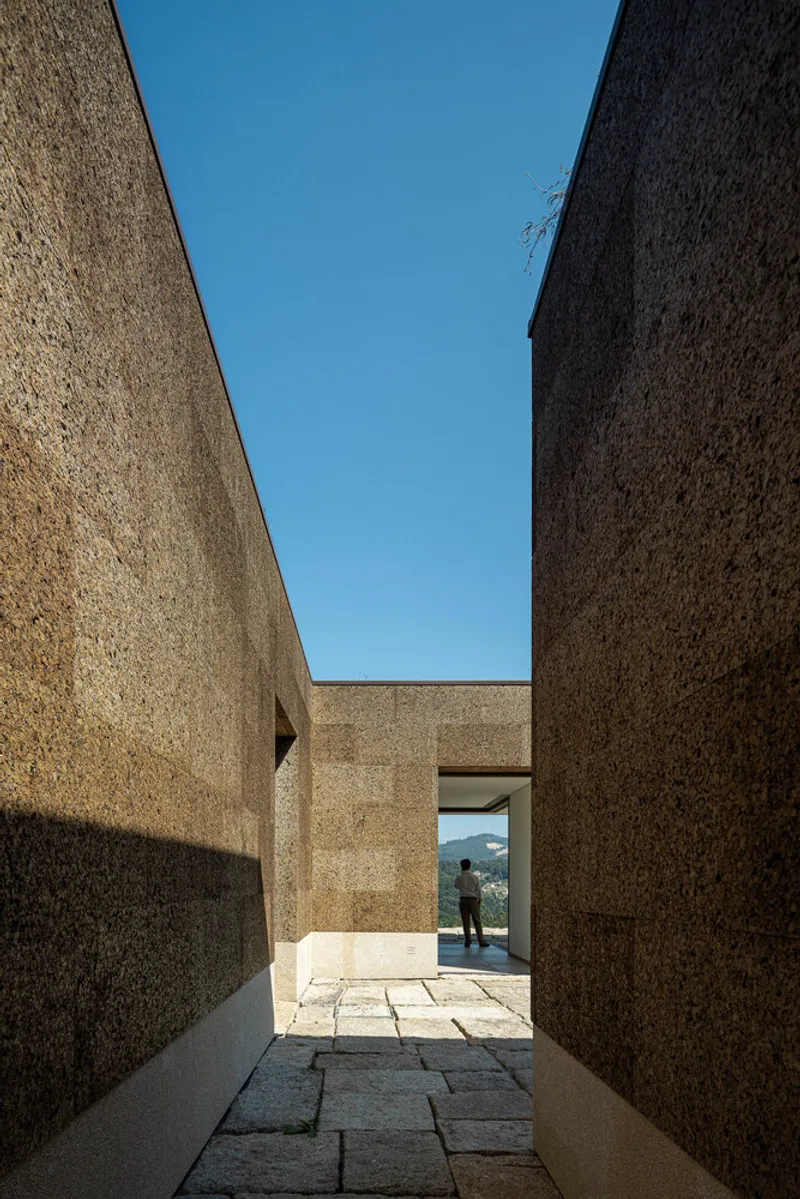
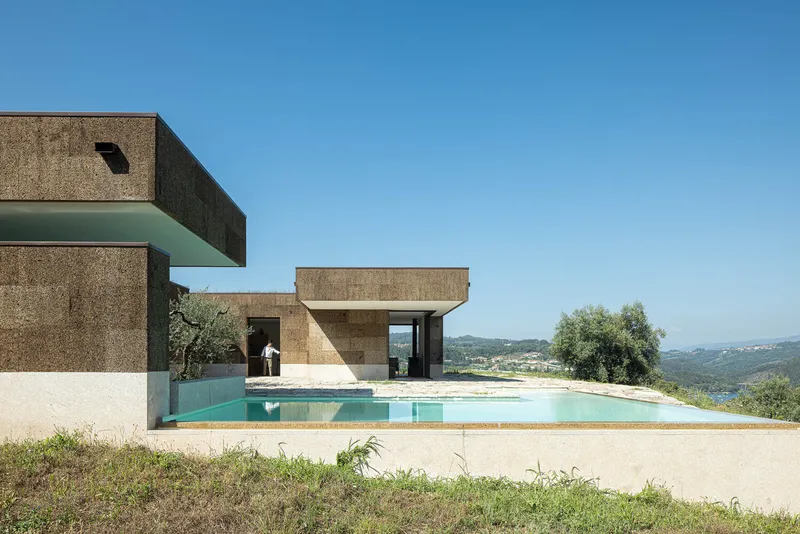
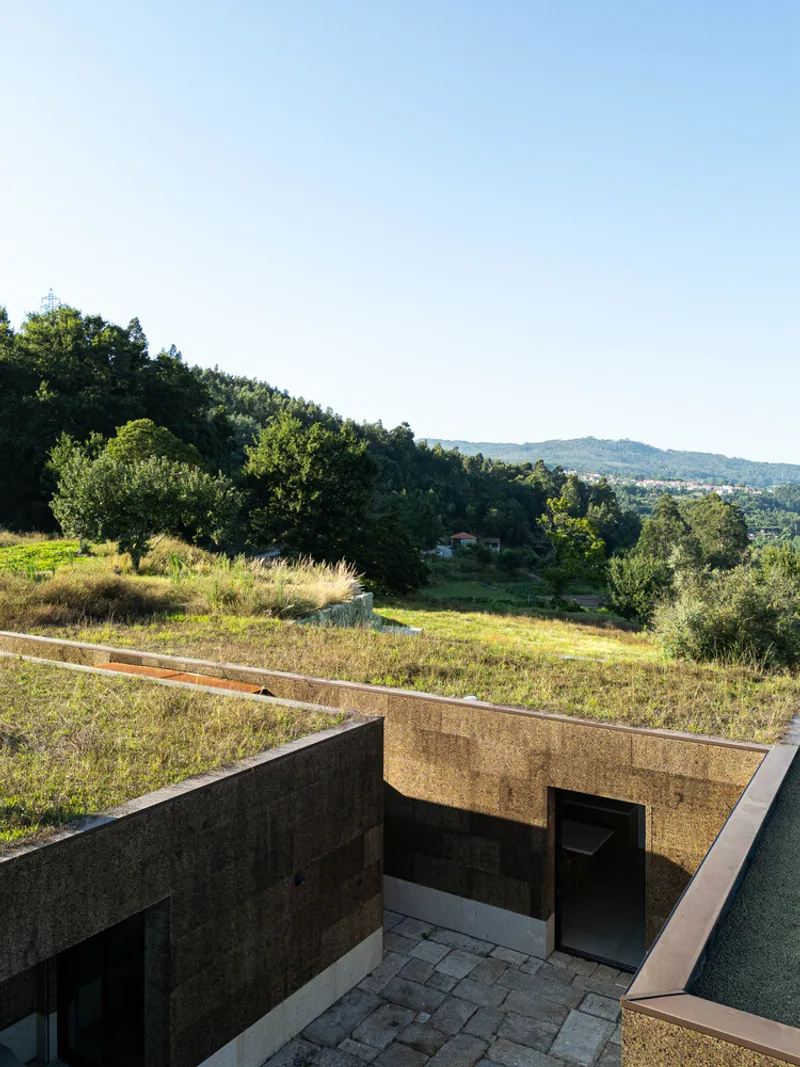
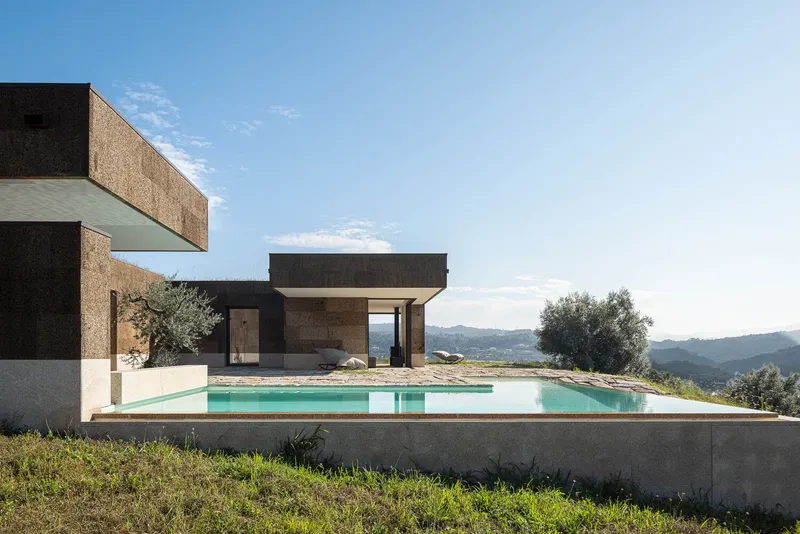
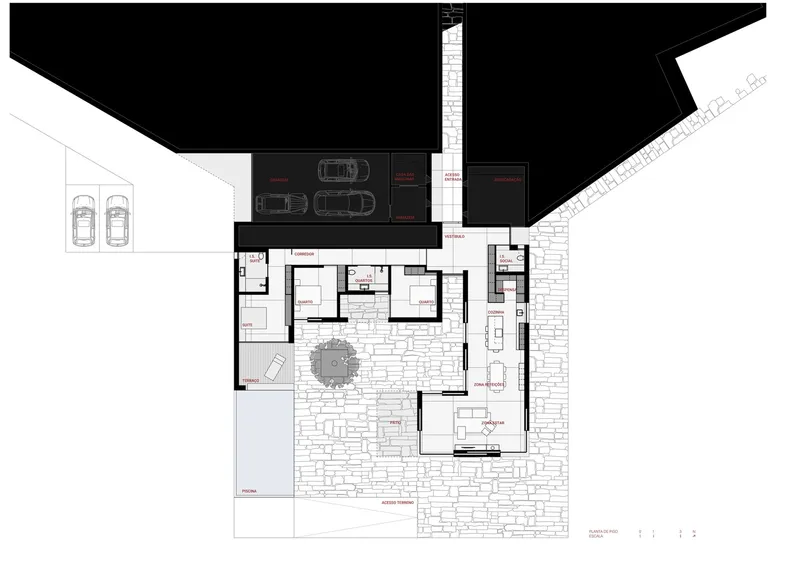
The residence is divided into two primary volumes: one dedicated to social areas and the other to private spaces. A carefully designed tectonic separation between these spaces leads to a central courtyard, which serves as both a visual and functional anchor for the home. The house embraces this courtyard, framing the surrounding environment through horizontal overhangs that enhance the connection between interior and exterior spaces.
Architectural Functionality
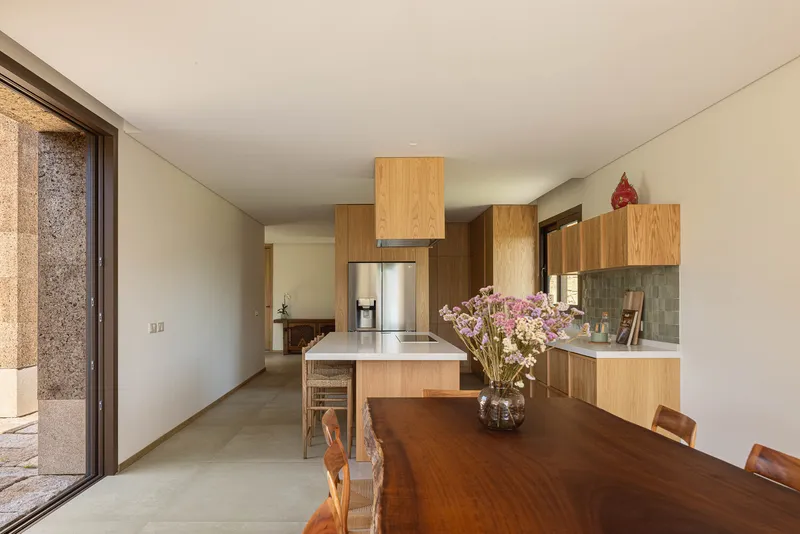
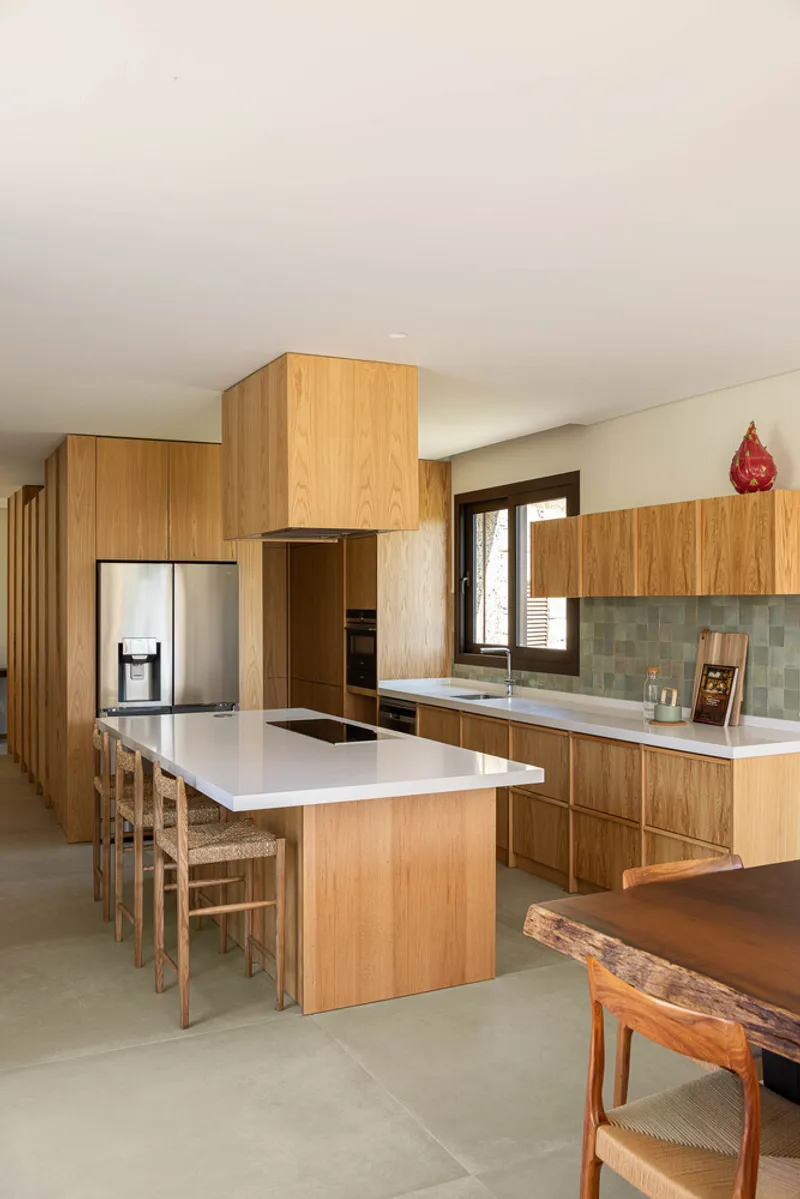
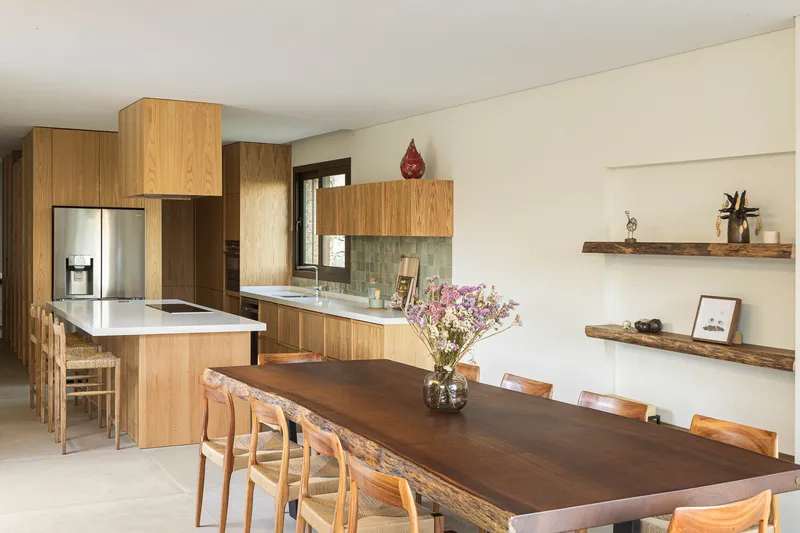
Designed for modern living, the layout of Levada House optimizes both privacy and communal interaction. The spatial organization enhances movement throughout the home while maintaining a clear distinction between social and private areas. This separation ensures a fluid transition between different functions of the house while maintaining a strong architectural identity.
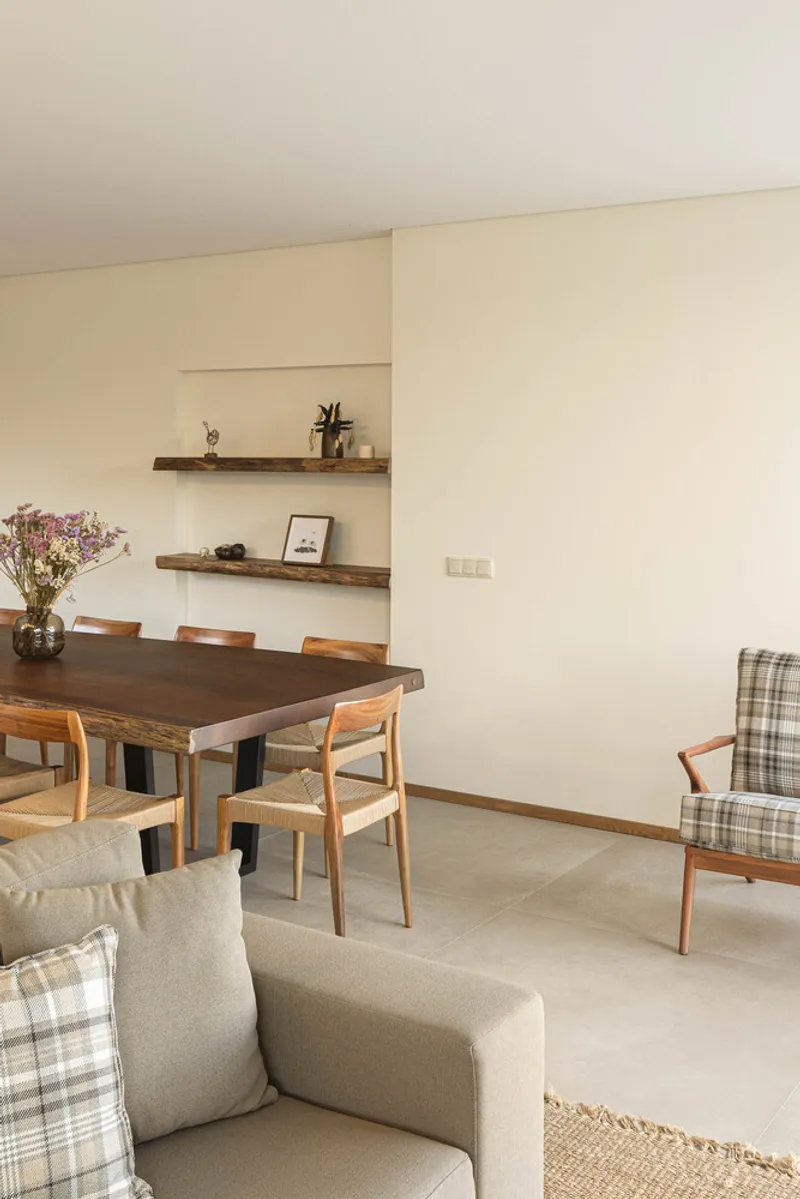
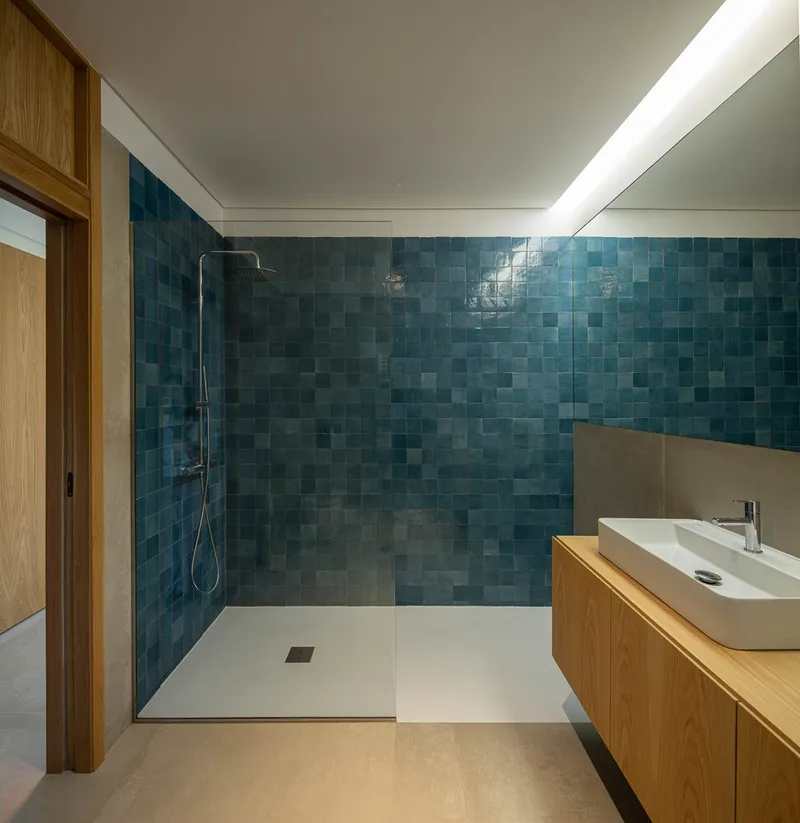
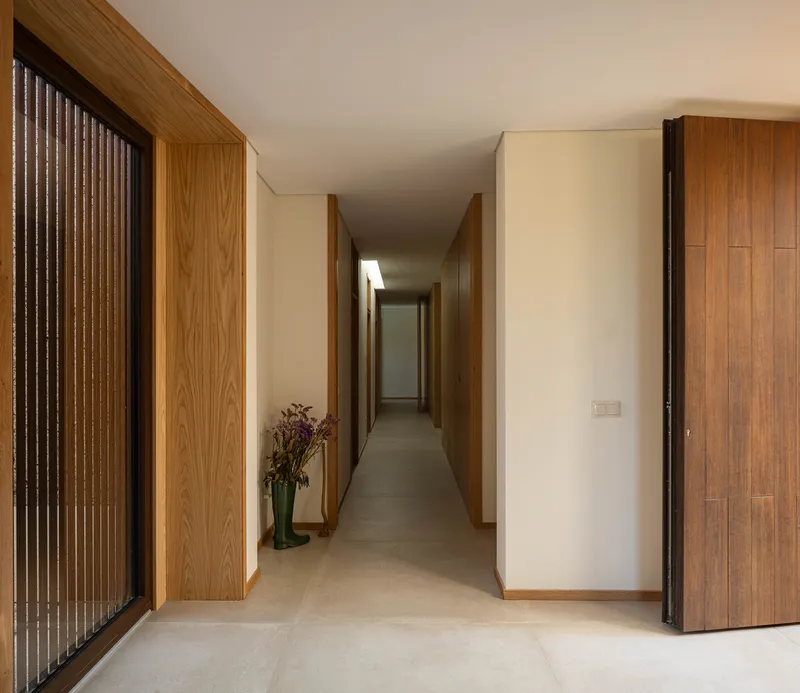
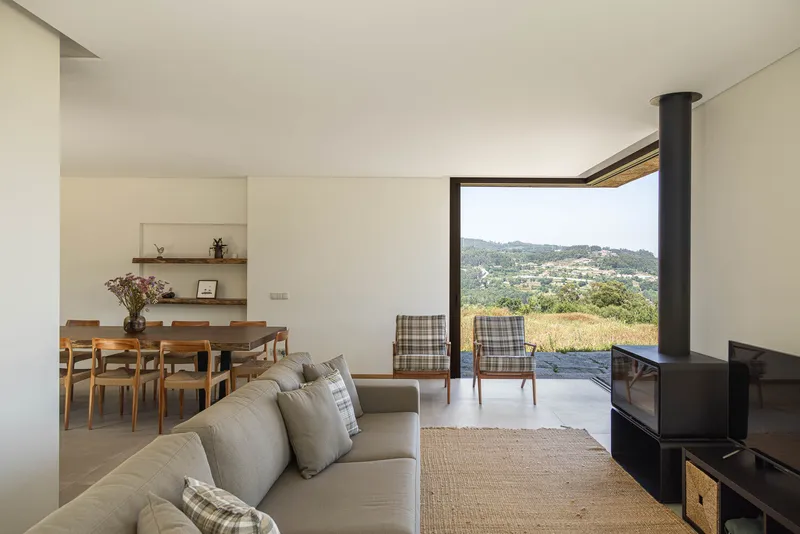
The courtyard serves as a focal point, reinforcing the home’s connection to nature while providing a sheltered outdoor space for relaxation and social gatherings. The thoughtful placement of glazing and overhangs ensures that natural light penetrates deeply into the living spaces, enhancing visual comfort and reducing the need for artificial lighting.
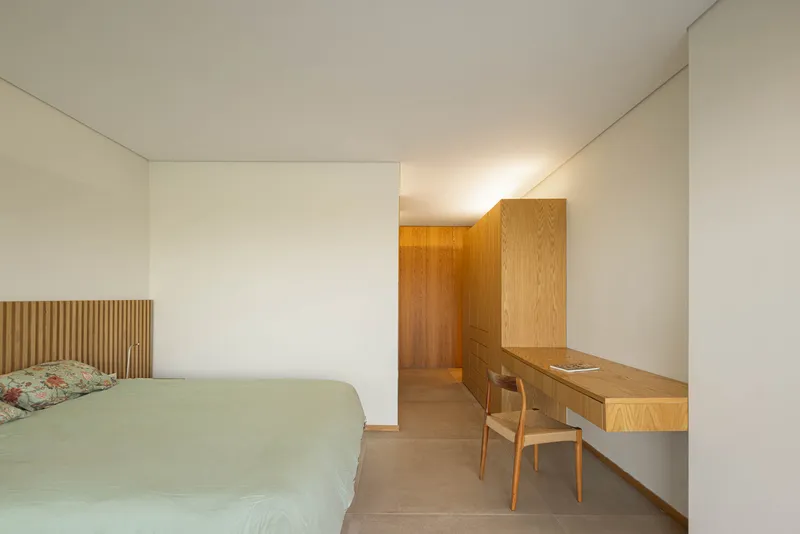
Sustainable Climate Control and Energy Efficiency
A commitment to sustainable courtyard house design is evident in the building’s climate control systems and energy strategies. The house utilizes a water-radiant floor heating and cooling system powered by a heat pump, ensuring optimal thermal comfort throughout the year. Ceramic flooring further enhances energy efficiency by enabling faster heat transfer, reducing energy consumption.
A Controlled Mechanical Ventilation (CMV) system with a heat exchanger ensures continuous air renewal without significant loss of indoor temperature. Strategically placed glazing is complemented by exterior solar shading and blinds, maximizing solar gain in winter while minimizing heat exposure during summer months. These passive design strategies significantly improve the house’s energy performance.
Materials and Sustainability
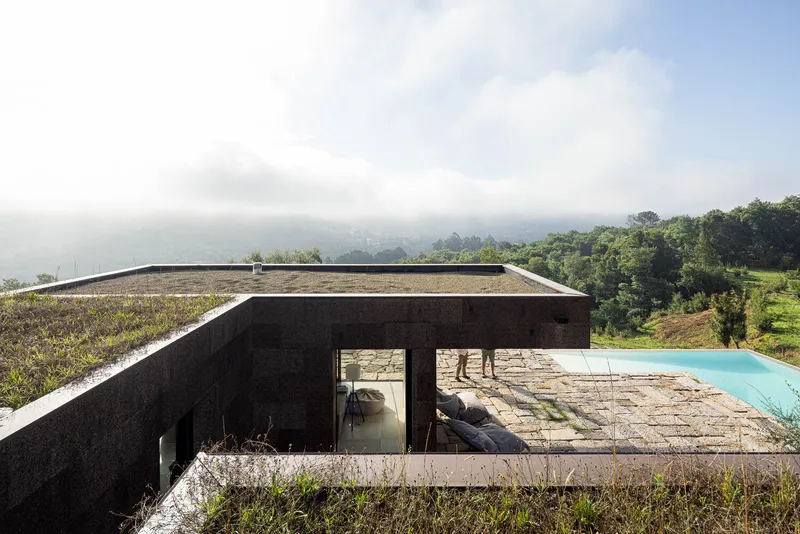
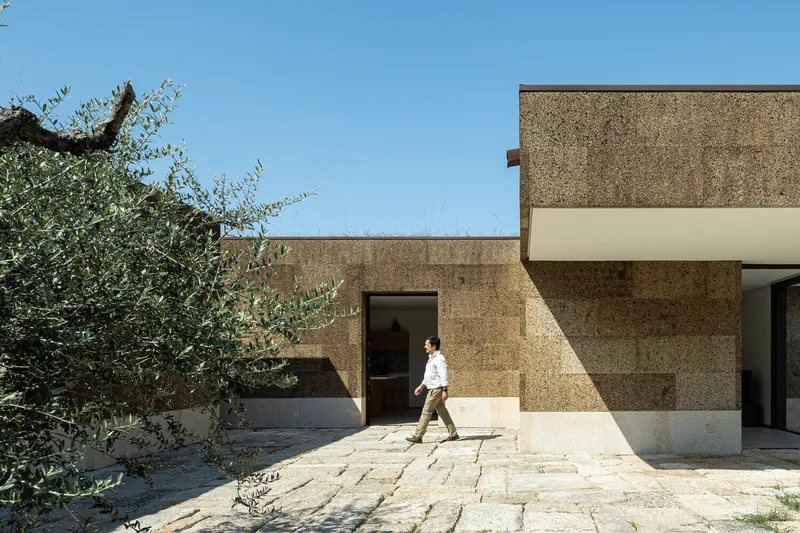
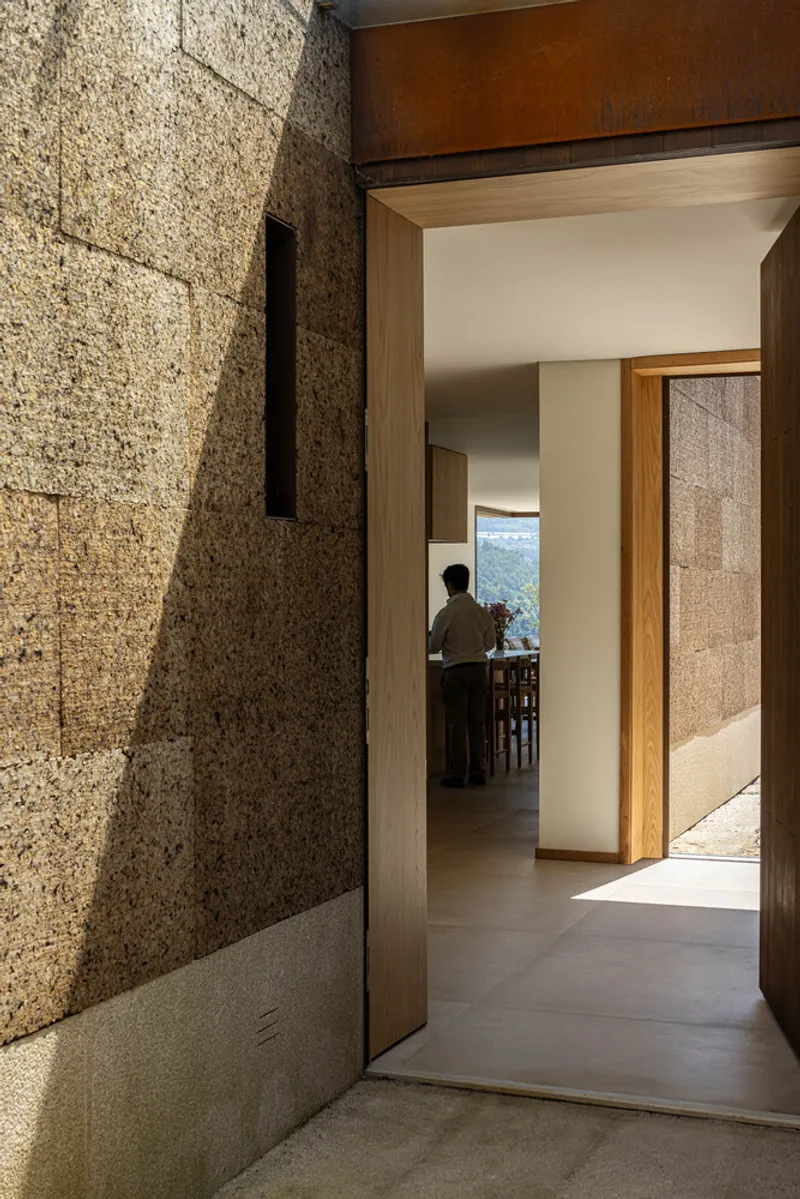
The architectural choices prioritize both sustainability and durability. Exterior cladding consists of cork panels, a material known for its insulation properties and environmental benefits. The house features a landscaped roof that blends seamlessly with the terrain, reducing its visual impact and contributing to thermal regulation.
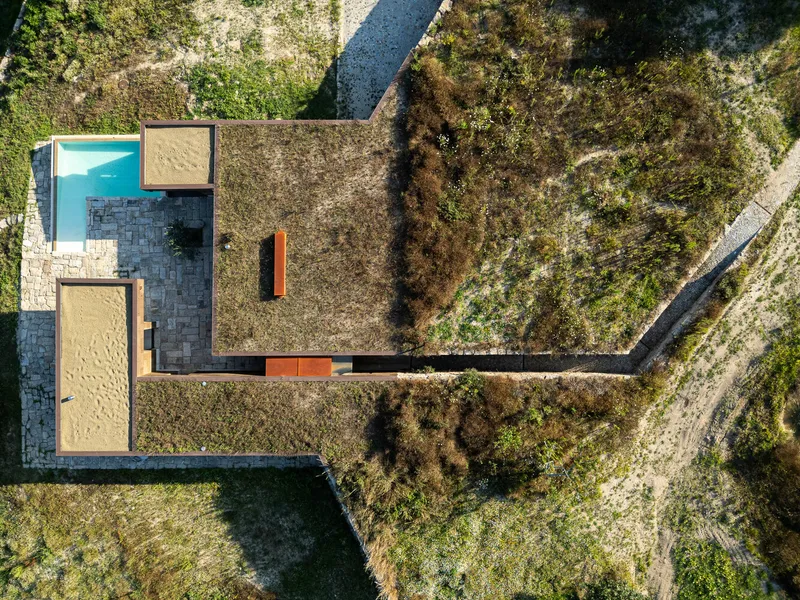
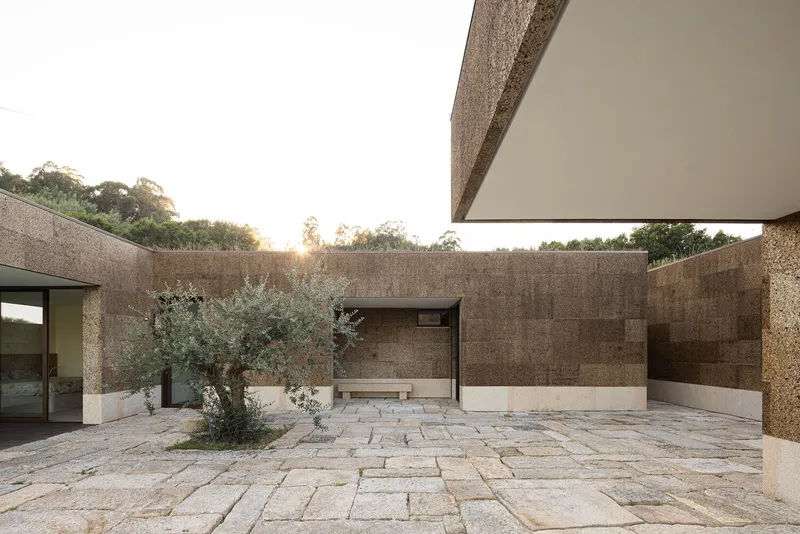
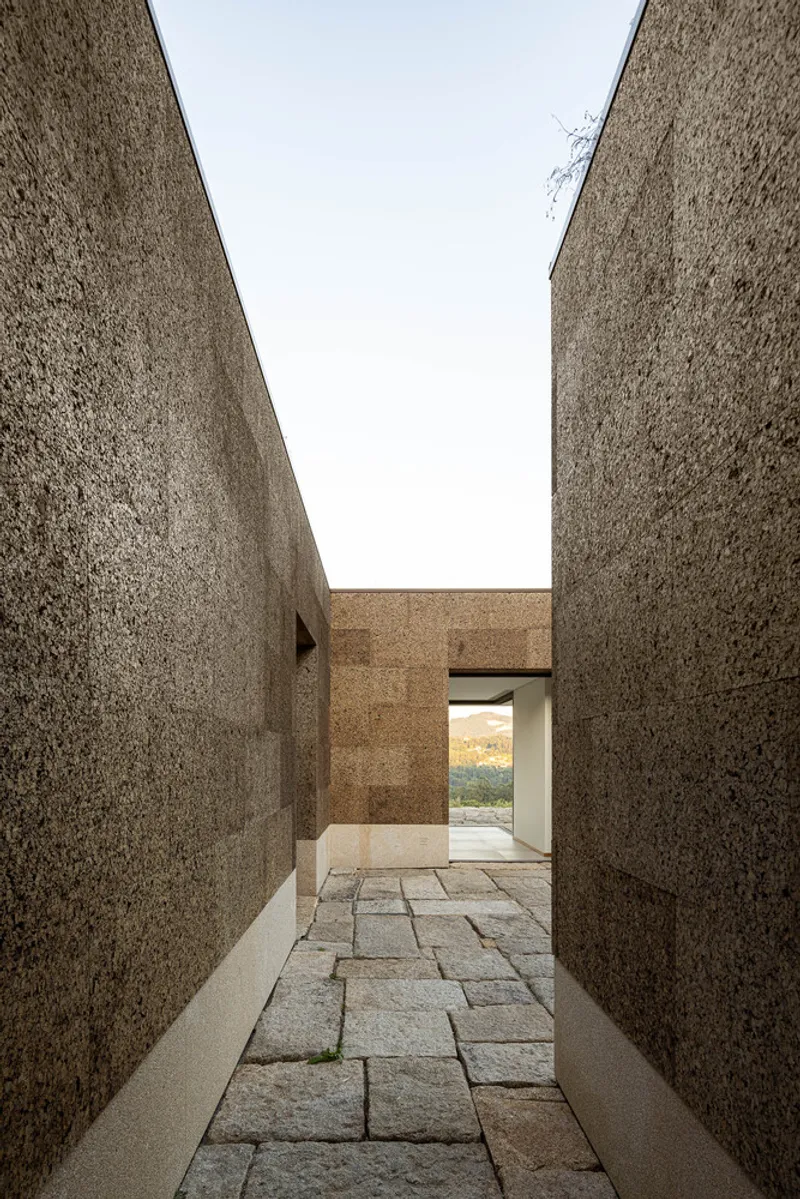
A strong commitment to circular construction is evident in the design of the stone patio, which incorporates reclaimed granite stones from local ruins. This reuse of materials not only preserves the historical essence of the site but also reduces waste and promotes sustainability. The result is a home that respects its surroundings while setting new standards for contemporary sustainable architecture.
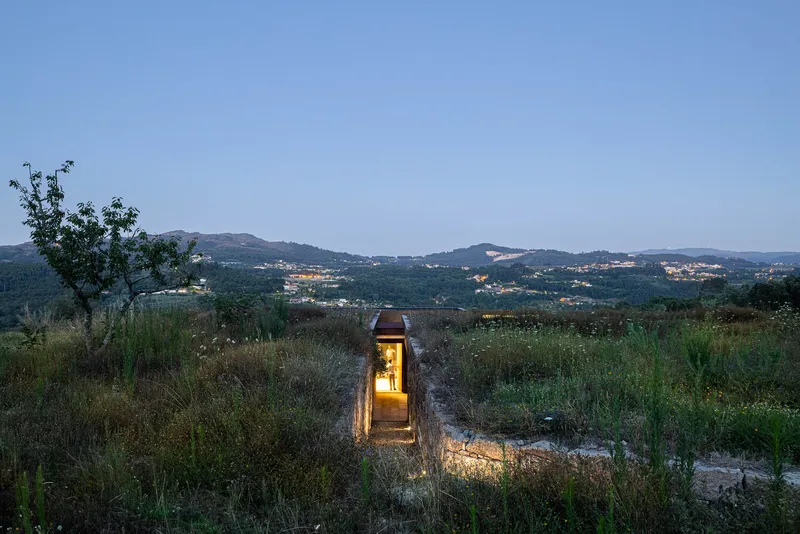
The Levada House by Tsou Arquitectos represents a forward-thinking approach to sustainable courtyard house design. By integrating with the natural landscape, utilizing energy-efficient systems, and embracing durable, eco-friendly materials, the project exemplifies a holistic vision of sustainability. This residence not only enhances the quality of life for its inhabitants but also serves as a model for environmentally responsible architectural design.
All Photographs are works of Ivo Tavares Studio




Popular Articles
Popular articles from the community


The Ocean Hive: Sustainable Architecture for a Self-Sufficient Civilization at Sea
The Ocean Hive imagines sustainable architecture at sea, where modular habitats, algae, wave power and ocean waste sustain a growing colony.

The Musturak Paradise: Senior Living Architecture for a Connected Future in Temara, Morocco
The Musturak Paradise reimagines senior living architecture in Temara via private homes, social spaces, culture, community, and shared care.

Co-life: Sustainable Architecture for Age-Friendly Community Living
Co-life reimagines sustainable architecture for seniors through courtyards, rammed earth, shared gardens, and spaces designed for belonging.

Hill & Cross Opera: Sculptural Opera House Architecture Shaped by Tallinn’s Landscape and Identity
Hill & Cross Opera reimagines opera house architecture in Tallinn through its sculptural hill, civic plaza, glass wave and a luminous cross.


Similar Reads
You might also enjoy these articles


Hodi-Mandai Geram
Project Function: Preservation and revitalization of the Intangible heritage and socio-spatial identity of the Hodi by Housing, Cultural Memory Center, Sacred Grove, landscape, local tourism economy


Olio Towers: A Mid-Rise for Performers That Fuses Housing, Rehearsal, and Stage
Located blocks from Houston's Theater District, this modular tower stacks living units around a central performance atrium.

Oasis: Modular Green Housing Carved into Dhaka's Urban Fabric
A shortlisted Plugin Housing entry reclaims unauthorized settlements in Dhaka with stepped concrete volumes, green roofs, and ventilation-driven design.

Black Hole: A Floating Megastructure for the Post-Physical Era
Emiliano Mazzarotto envisions a spherical, self-scaling arena where e-sports, digital hotels, and holographic stadiums replace traditional public space.


Explore Architecture Competitions
Discover active competitions in this discipline



Challenge to reimagine the Iron Throne


Photograph architecture without architects


Illustrate the lost glory of Angkor Wat - Render Challenge


Design challenge to reuse E-waste
Comments (0)
Please login or sign up to add comments
No comments yet. Be the first to comment!