
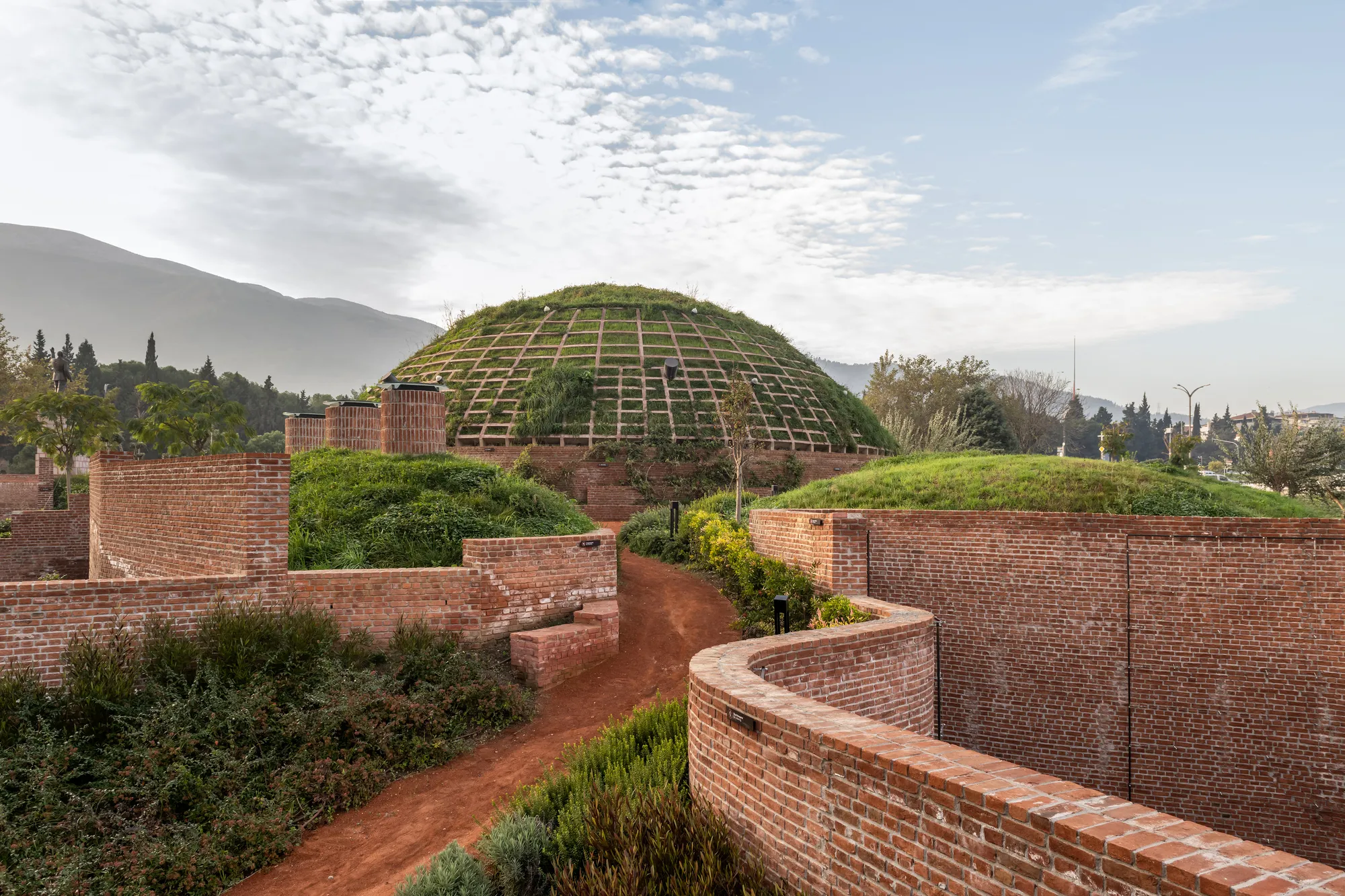
Liberation Museum of Manisa By Yalin Architectural Design
Liberation Museum of Manisa uses load-bearing brick chambers and immersive spatial narratives to convey collective memory, trauma, and resilience through architecture.


Located in Manisa, Türkiye, the Liberation Museum of Manisa (MKM) is a powerful contemporary museum project that transforms architecture into a vessel of collective memory. Designed by Yalin Architectural Design and completed in 2025, the 3,800 m² museum was conceived as a spatial narrative that commemorates the civilian-led liberation movement that emerged in the Manisa region between 1918 and 1923, independent of centralized authority. Rather than functioning solely as an exhibition building, the museum operates as an experiential memory space, where history is felt as much as it is learned.
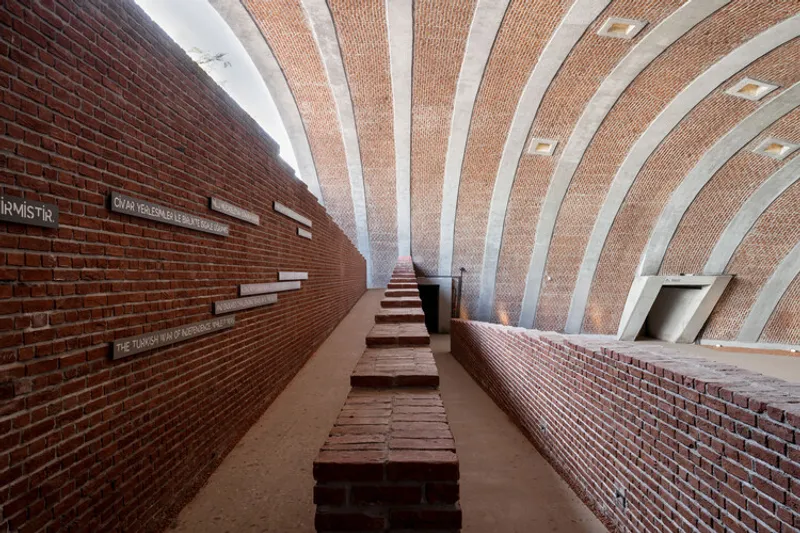
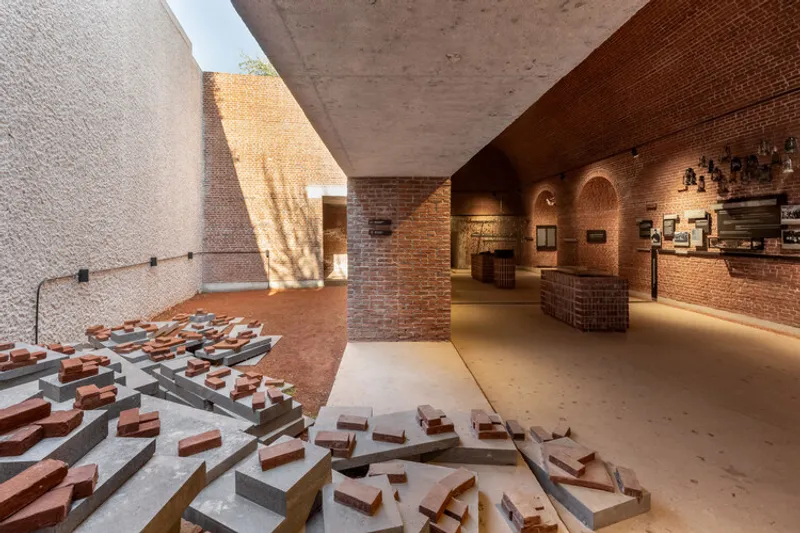
The architectural concept is rooted in material continuity and historical resonance. The design integrates traces of surviving load-bearing masonry, stone, and brick structures that remained after the devastating fire of Manisa, reconnecting them with the city’s deep-rooted local brick tradition, a construction lineage that extends back to archaic periods. This approach anchors the museum firmly in its geographical and cultural context, allowing architecture itself to become a storyteller.
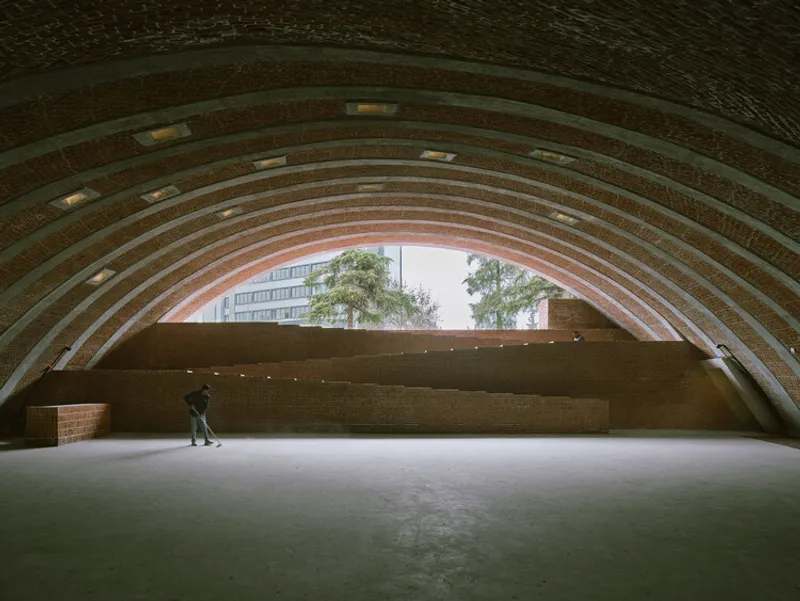
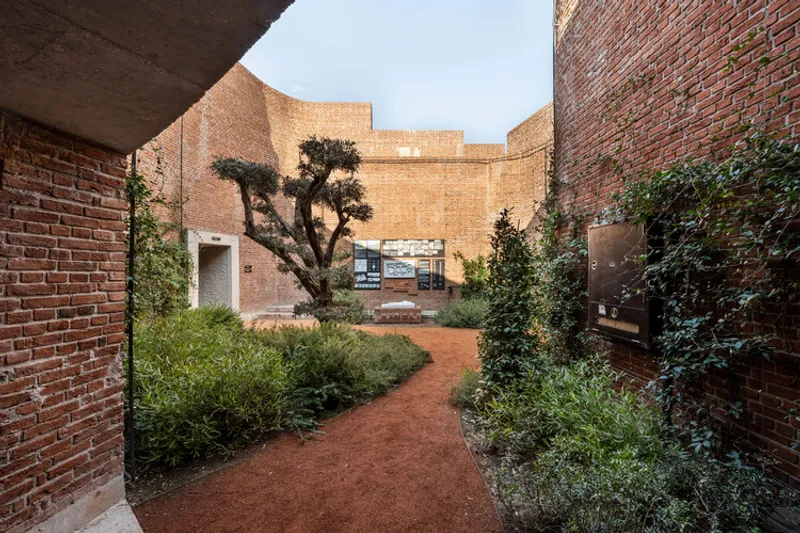
At the core of the project are 14 independent brick chambers, each constructed entirely using load-bearing brick techniques. These chambers are not merely rooms but distinct spatial episodes, arranged sequentially to present different historical moments. Each space is designed to evoke a specific emotional condition, guiding visitors through the narrative of occupation, resistance, destruction, and rebirth. Through architecture, history unfolds as a sensory journey, rather than a linear exhibition.
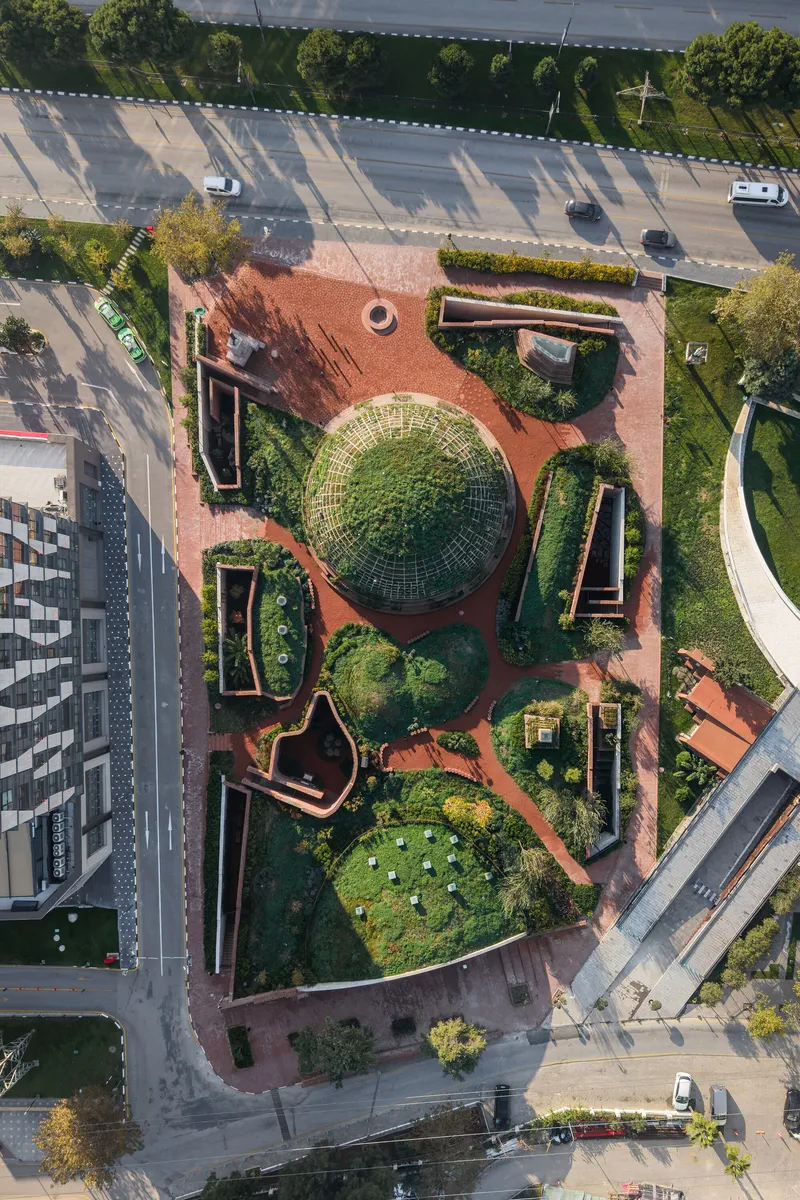
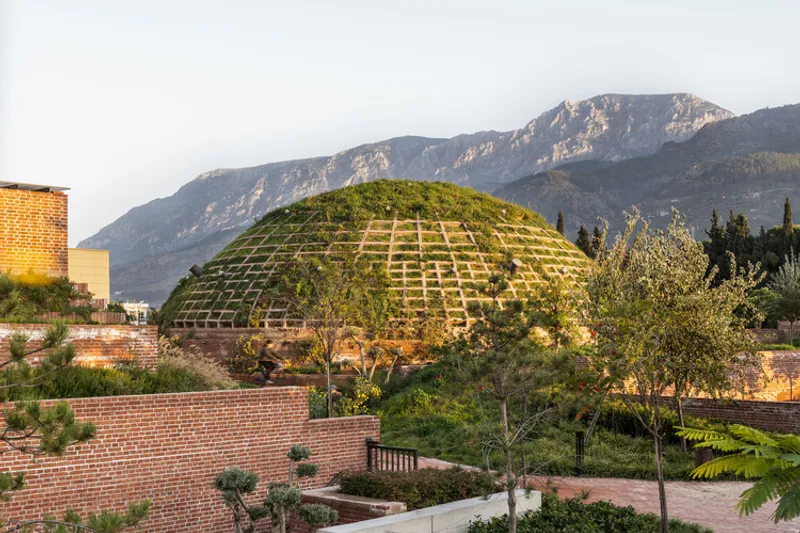
Spatial tension is a defining feature of the museum experience. Brick arches, vaults, domes, and tent-like coverings generate contrasts such as dark and light, narrow and expansive, low and high, intensifying the emotional impact of each chamber. The geometry of every room is uniquely shaped, ensuring that visitors encounter each historical phase as a distinct physical experience. This embodied approach encourages visitors to sense history through movement, scale, and atmosphere, not only through written or visual information.
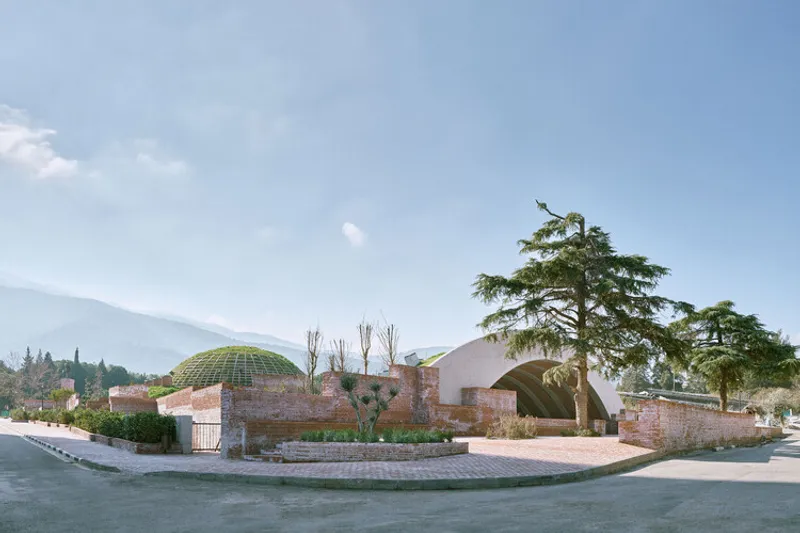
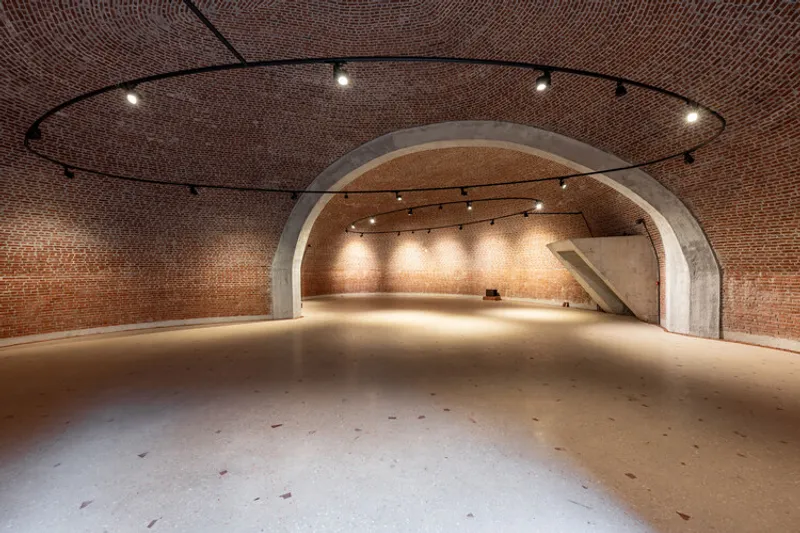
The construction process itself reflects the museum’s experimental and material-driven ethos. A concrete base was first laid, upon which the brick chambers were constructed using two different brick sizes. Wooden molds shaped the vaulted, domed, and tented forms, and once removed, the intricate rhythm of the brickwork was revealed on the interior surfaces. This moment, when the formwork was dismantled, became a key architectural revelation, exposing the craftsmanship and structural logic of the load-bearing system in its purest state.
Visitors enter the museum by descending via a three-pronged ramp, symbolically moving downward into the layers of near-history. The main entrance hall is defined by a semi-elliptical, ambiguous form, characterized by concrete vault slabs and brick arches. Evoking the interior of a whale’s belly, this space functions as a dramatic transitional foyer, connecting visitors to the museum’s multiple narrative paths. From here, the story of Manisa unfolds across nine interconnected story rooms, each calibrated with varying emotional intensities, from informational clarity to immersive, sensory-driven environments.
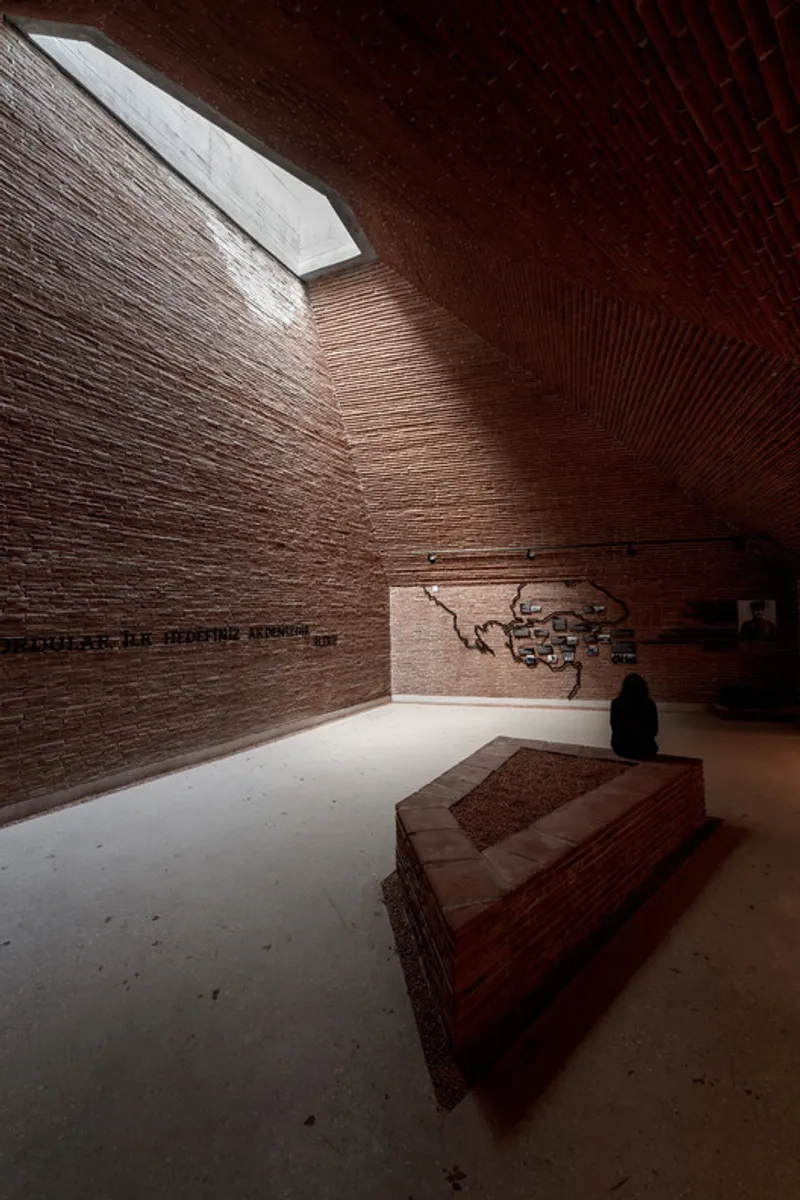
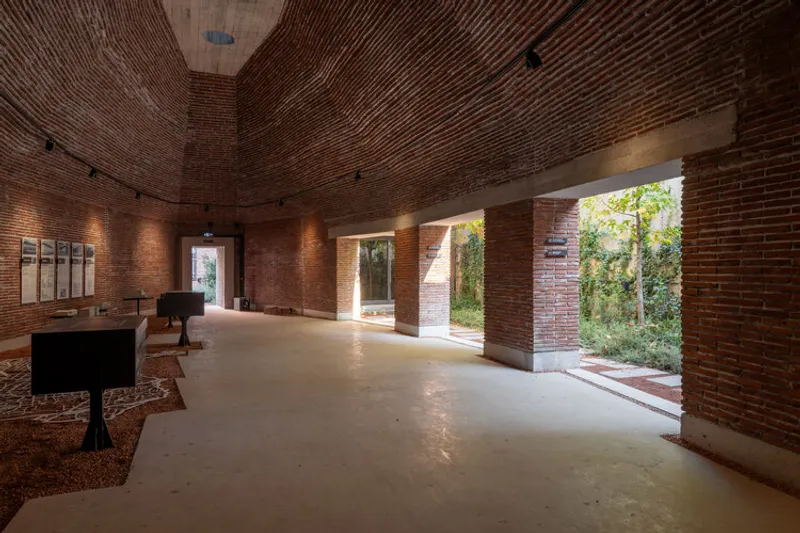
Above this semi-underground museum, the building takes on a completely different role. The upper level, constructed entirely of load-bearing brick, is designed as a public park. City residents may walk, rest, or pass through this green space, often unaware of the powerful historical narrative unfolding beneath their feet. Yet the museum subtly asserts its presence: the chambers emerge within the park as mounds and spatial interruptions, transforming the landscape into a garden shaped by memory and internal compartmentalization.
The overarching ambition of the Liberation Museum of Manisa is to communicate trauma and resilience across generations. Through a diverse range of spatial storytelling devices: informational galleries, emotionally charged chambers, and installation-driven narratives, the museum addresses visitors of all ages. Architecture becomes the medium through which the city’s painful past and collective resurgence are conveyed, fostering reflection, empathy, and understanding.
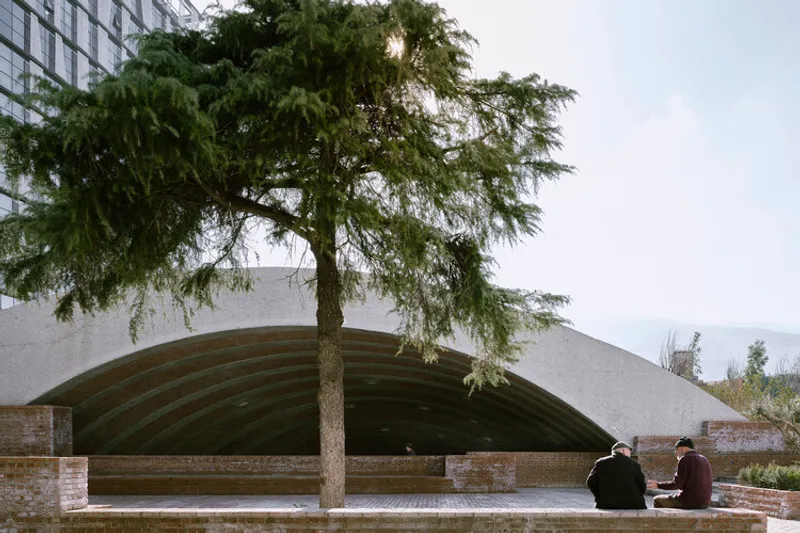
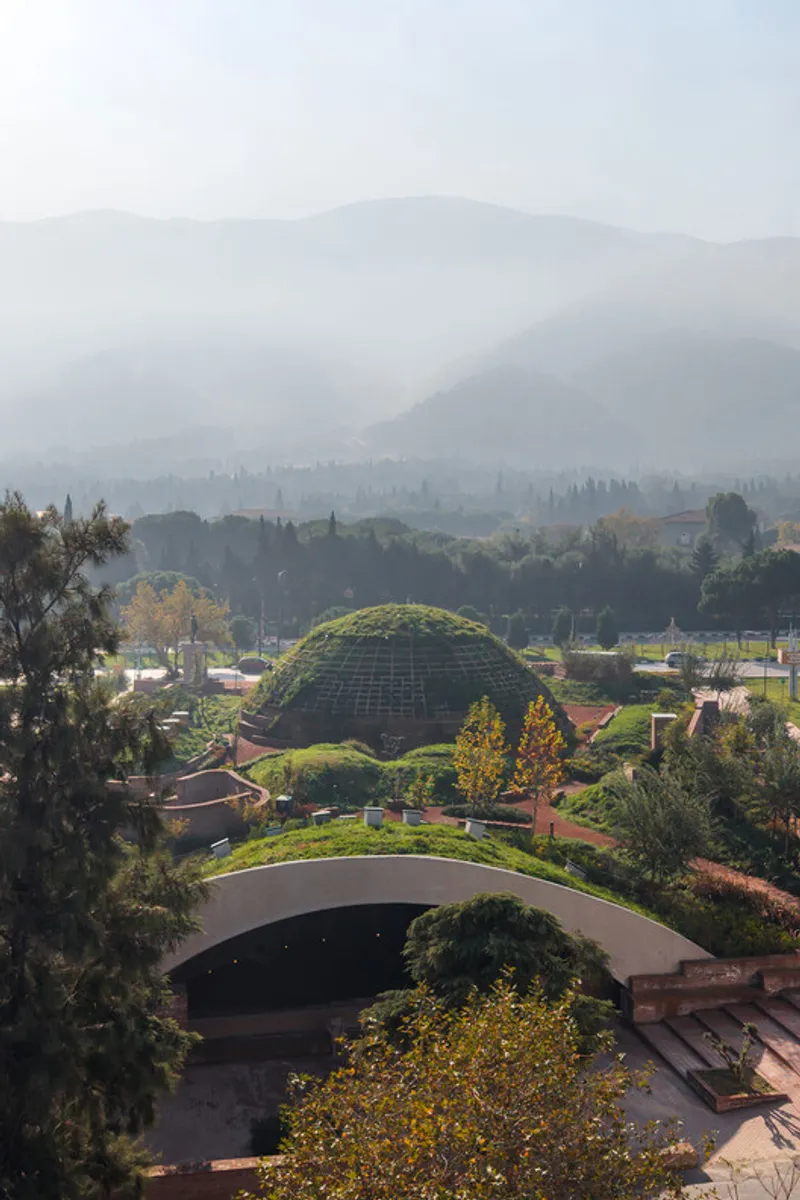
Ultimately, MKM stands as a multi-layered, semi-archaic architectural insertion, bridging past, present, and future. It is a museum that does not simply display history but embodies it: where brick, form, and space become instruments of remembrance, ensuring that Manisa’s story remains alive within the contemporary urban fabric.
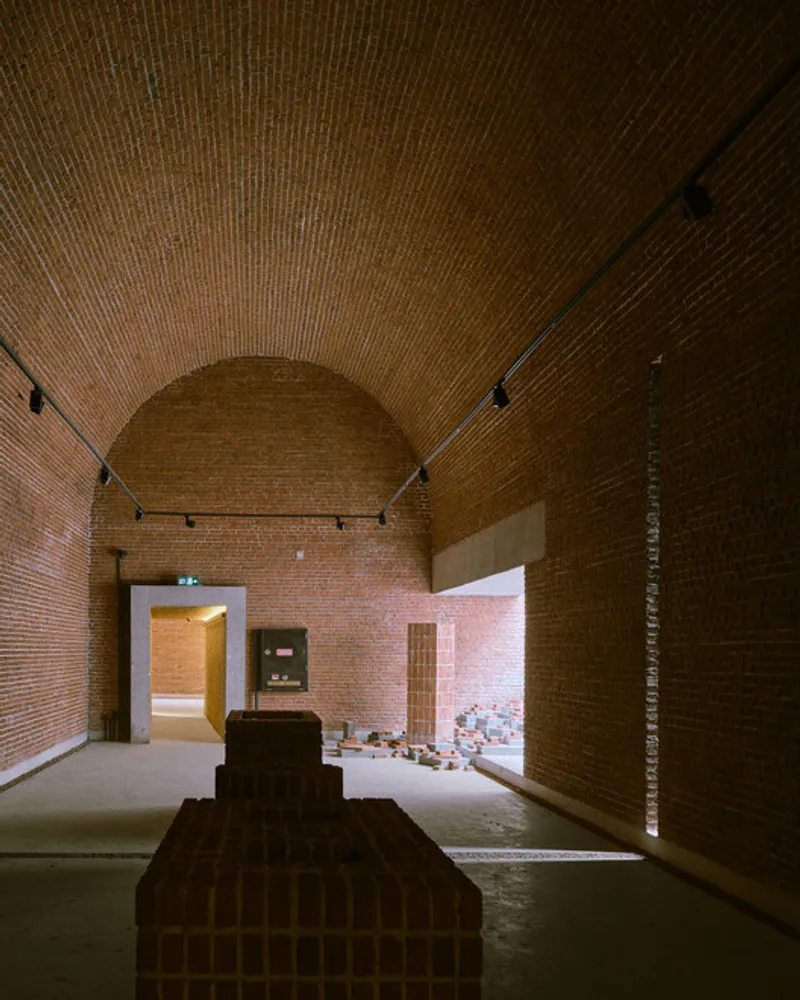
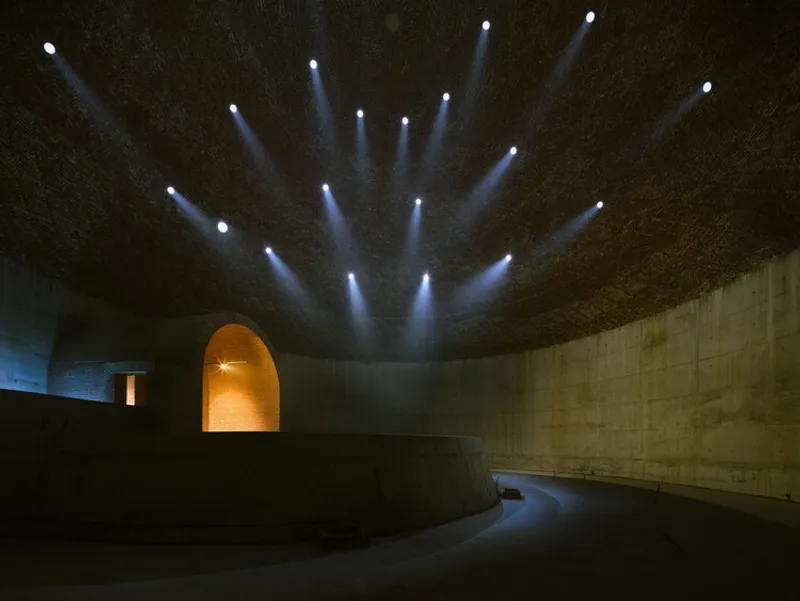
All the photographs are works of Hacer Bozkurt, Egemen Karakaya




Popular Articles
Popular articles from the community


Hill & Cross Opera: Sculptural Opera House Architecture Shaped by Tallinn’s Landscape and Identity
Hill & Cross Opera reimagines opera house architecture in Tallinn through its sculptural hill, civic plaza, glass wave and a luminous cross.

Riyadh For All: Intergenerational Urban Design for Active Aging in Rabat
Riyadh For All reimagines urban design in Rabat with intergenerational co-living, adaptive courtyards, and Moroccan cultural exchange today.

The Ocean Hive: Sustainable Architecture for a Self-Sufficient Civilization at Sea
The Ocean Hive imagines sustainable architecture at sea, where modular habitats, algae, wave power and ocean waste sustain a growing colony.

Lunar Spiral: Space Architecture Shaped by the Mathematics of the Universe
Lunar Spiral reimagines space architecture through Fibonacci geometry, lunar regolith, levitating habitats, and self-sustaining Moon living.

Similar Reads
You might also enjoy these articles


Hodi-Mandai Geram
Project Function: Preservation and revitalization of the Intangible heritage and socio-spatial identity of the Hodi by Housing, Cultural Memory Center, Sacred Grove, landscape, local tourism economy


Olio Towers: A Mid-Rise for Performers That Fuses Housing, Rehearsal, and Stage
Located blocks from Houston's Theater District, this modular tower stacks living units around a central performance atrium.

Oasis: Modular Green Housing Carved into Dhaka's Urban Fabric
A shortlisted Plugin Housing entry reclaims unauthorized settlements in Dhaka with stepped concrete volumes, green roofs, and ventilation-driven design.

Black Hole: A Floating Megastructure for the Post-Physical Era
Emiliano Mazzarotto envisions a spherical, self-scaling arena where e-sports, digital hotels, and holographic stadiums replace traditional public space.


Explore Cultural Architecture Competitions
Discover active competitions in this discipline



Challenge to reimagine the Iron Throne


Photograph architecture without architects


Illustrate the lost glory of Angkor Wat - Render Challenge


Bring back Drive In's
Comments (0)
Please login or sign up to add comments
No comments yet. Be the first to comment!