

Little Happiness Commissary: An Architectural Marvel and Community Hub
The design and community impact of the Little Happiness Commissary in Havana, Cuba.


The "Little Happiness Commissary," designed by Yuan Yu Jung, is a vibrant fusion of an ice cream parlor, unpackaged snack store, and café. Winner of the Frost competition, this project aims to provide a simple joy through ice cream while fostering community bonds. Located in Vedado, an affluent area of Havana, the commissary is strategically designed to serve both local residents and tourists, offering a unique blend of Cuban culture and modern design.

Geographical and Cultural Context
Vedado, known for its tourism development, provides an ideal backdrop for the Little Happiness Commissary. The area is rich in cultural history, having been colonized by Spain, with Spanish as the official language and agriculture and tourism as the main sectors of development. The Malecon, the northern coast of Cuba, is a popular tourist area in Havana, known for its greenery and vintage cars from the 1950s, which are often used as taxis.
The local population in Havana is diverse, including white, black, and mixed Indian residents. Traditional Cuban dress includes patterned shirts for men and rumba skirts for women. The local cuisine, famous for its tropical fruits and fried bananas, complements the commissary’s offerings, making ice cream and Cuban coffee popular choices for locals and tourists alike.

Site Analysis and Concept Development
The commissary is situated near several key facilities, including the José Martí Sports Park, the Ministerio de Relaciones Exteriores de Cuba, and various local shops. This prime location allows it to serve a wide range of customers, from residents to international visitors.
The design concept revolves around "little happiness" and "commissary nature," focusing on creating a colorful, cool, and inviting space. The commissary caters to different customer behaviors, from buying souvenirs to resting and chatting, making it a versatile social hub.

Functional Space and Material Palette
The architectural space is designed to offer a warm, welcoming environment, reflecting the process of enjoying ice cream—from selection to melting. The commissary features two entrances: one facing the playground and another facing the street, allowing easy access for both children and adults.
The material palette includes a variety of textures and colors, such as blue terrazzo floors, light-colored teak flooring, and blue acrylic with water ripples, creating a visually appealing and functional space. The design uses hexagonal tiles, blue nylon fabric, and yellow metal accents to enhance the aesthetic appeal and durability of the interiors.

Interior Design and User Experience
The interior is divided into distinct zones: the self-service ingredient area, the reception counter with a bar, and seating areas on the ground and second floors. Each zone is designed to provide a unique experience. The ground floor features large windows for parents to watch their children play outside, while the second floor offers a cozy space for small families and friends to gather.
The "melting area," a multi-functional space, is used for performances and reading activities. Dominated by yellow tones and an open patio, this area captures the lively and melting atmosphere of ice cream, symbolizing joy and community.

The Little Happiness Commissary is more than just an ice cream parlor; it's a community hub that brings people together. By combining vibrant design, cultural elements, and functional spaces, Yuan Yu Jung's project not only enhances the local environment but also provides a place for happiness and connection. This architectural marvel stands as a testament to the power of thoughtful design in creating spaces that foster community spirit and joy.


Popular Articles
Popular articles from the community


Singing Woman: An Opera House That Performs Before the Curtain Rises
Ovidiu Cristian Pavel's conceptual opera house translates Estonia's choral identity into a sculpted waterfront landmark facing the Baltic Sea.
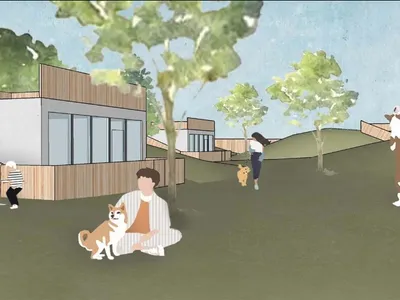
Temporary Home for Dogs: A Reversed Zoo Rethinks Animal Shelter Architecture
In Bucharest, a sinuous corridor and freed landscape flip the logic of containment, designing a shelter that works to make itself unnecessary.

Cloaked Colonization: A Mobile Underwater Habitat That Moves Like a Fish
Micah Abaya's shortlisted EHC Pacific entry reimagines ocean settlement as a dispersed network of self-sustaining architectural organisms.

Opera on the Sea: Driftwood Logic Shapes a Timber Opera House on Estonia's Coast
Trevor Orgill's opera house translates the entangled drift of floating timber into a civic building where wood, water, and music converge.

Similar Reads
You might also enjoy these articles

Shakur's House: Exposed Brick as an Interior Organiser in a 168 m² Mashhad Residence
Brick moves indoors in this Mashhad residence, where masonry walls, glass partitions and teal planes sequence a compact home without closing it off.
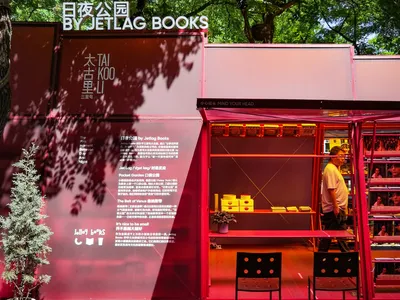
Day and Night Park: A Time-Based Urban Newsstand in Beijing
A temporary urban newsstand in Beijing blending travel, light, and reading through poetic colors, compact form, and community-focused design.

Modernist Patio Renovation in El Masnou, Barcelona by Oliver Segura Arquitectura + Cebrià Arquitectura
Modernist patio renovation blending tradition and innovation with a movable pool, leveled floors, and Catalan materials in El Masnou.
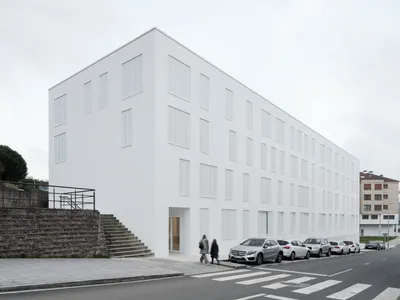
Alto Residencial Coop: Cooperative Housing Development in Santiago de Compostela by Carbajo Barrios Arquitectos
A linear cooperative housing complex blending white volumes and perforated metal façades, enhancing community living, natural light, privacy, and urban integration.

Explore Cultural Architecture Competitions
Discover active competitions in this discipline

Challenge to design luxury tourism on rails

VR headsets Storefront design competition

Bring back Drive In's

Designing a staircase for a client
Comments (0)
Please login or sign up to add comments
No comments yet. Be the first to comment!