
Maison de la Culture de la Province de Namur – A Revitalized Cultural Landmark by Philippe Samyn and Partners
A renovated cultural center in Namur enhancing theatre spaces, natural ventilation, daylight, accessibility, and sustainability while preserving historic architecture and urban context.


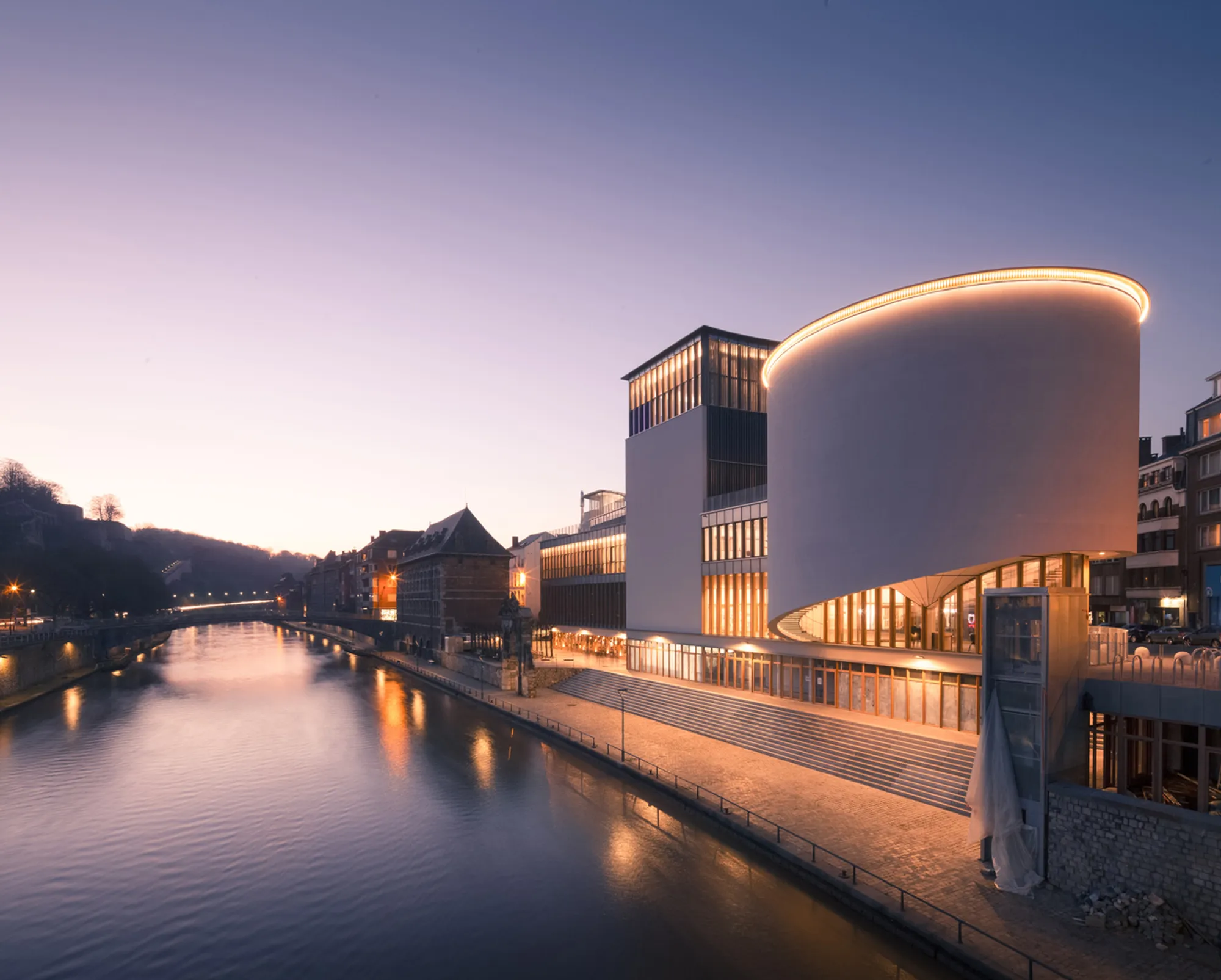
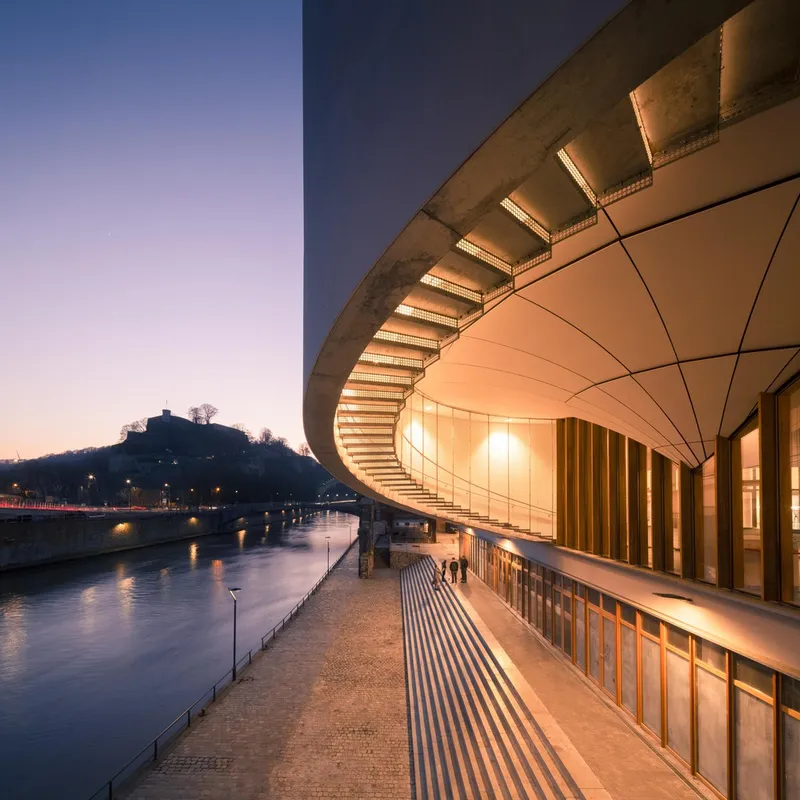
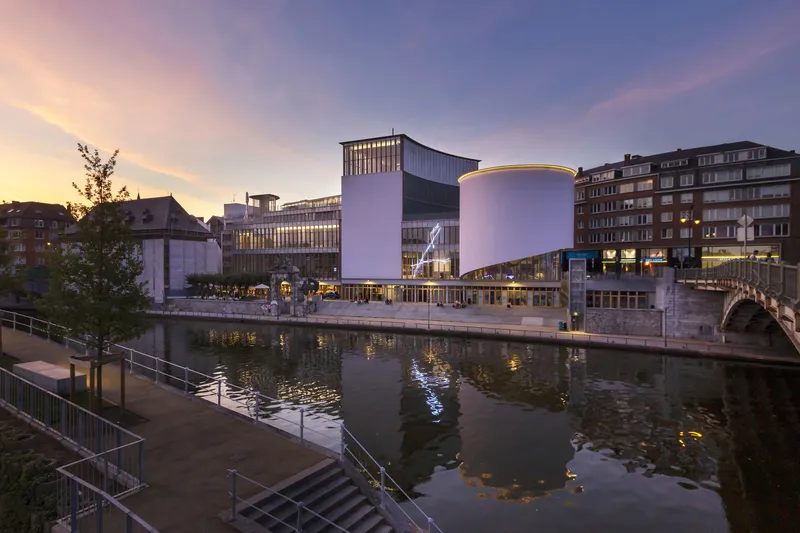
The Maison de la Culture de la Province de Namur stands as a renewed cultural gateway along the Sambre River, redefining the identity of Namur’s urban waterfront. Originally designed by Victor Bourgeois in the early 1960s, the building has undergone a transformative renovation and expansion led by Philippe Samyn and Partners. The project modernizes the iconic structure while preserving its architectural heritage, creating a contemporary cultural center that responds to today’s functional, environmental, and community needs.
A Strategic Cultural Hub on the Sambre River
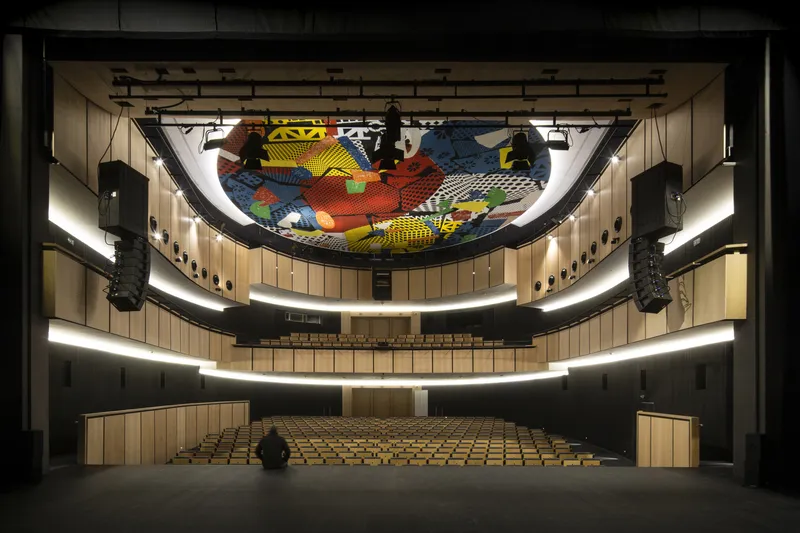
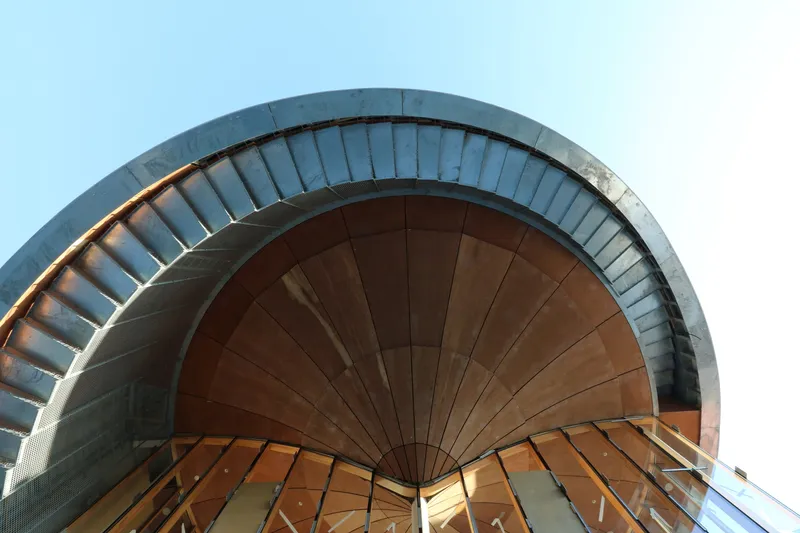
Located at the heart of Namur, directly facing the historic district known as Le Grognon, the cultural center occupies a prime urban site on the river’s north bank. The original complex consisted of a rectangular four-level volume with a south-facing curtain wall overlooking the water, seamlessly connected to the curved five-level “croissant” volume. Its 400-seat theatre, though architecturally significant, no longer met modern standards for performance, accessibility, and public experience.
The renovation responds to the city’s larger urban redevelopment, including upgrades to Rue des Bouchers and the revitalization of the riverfront. By preserving most of the existing structure, the project maintains continuity with Namur’s cultural memory while introducing new spatial possibilities.
Thoughtful Additions and Spatial Enhancements
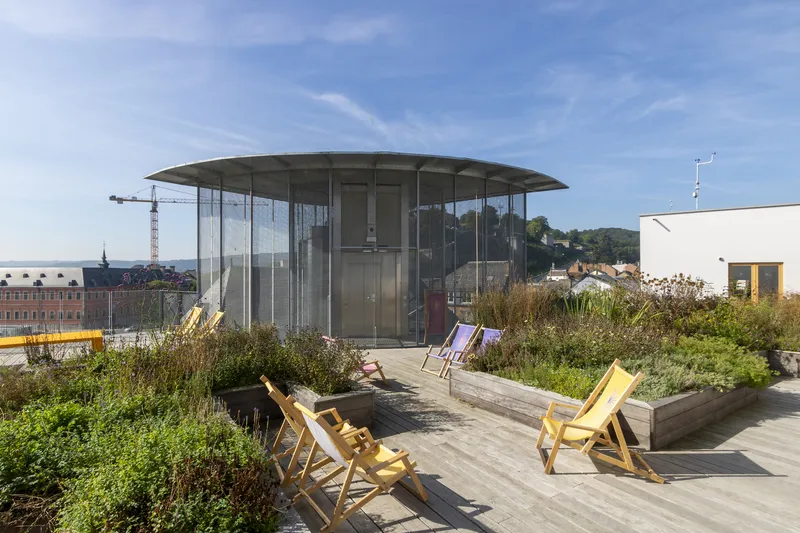
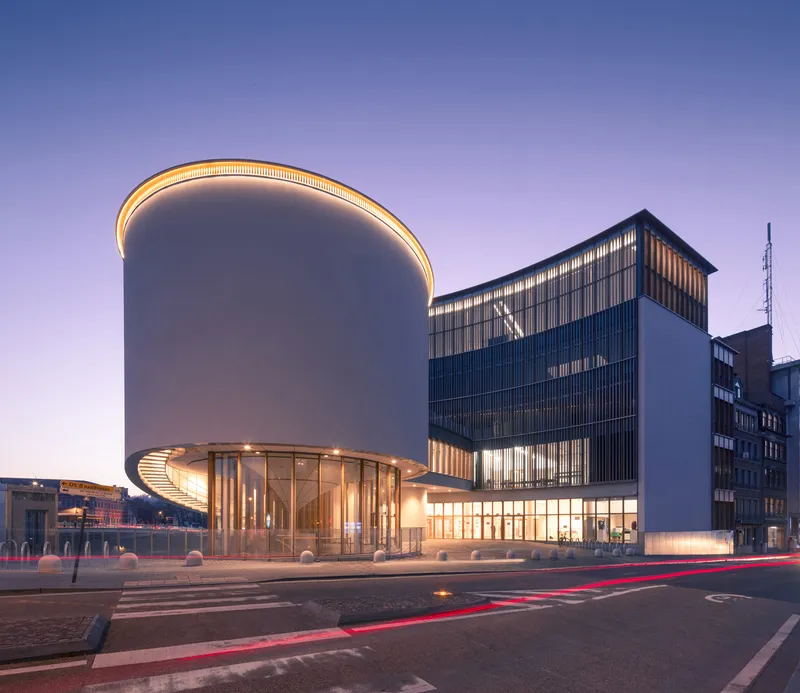
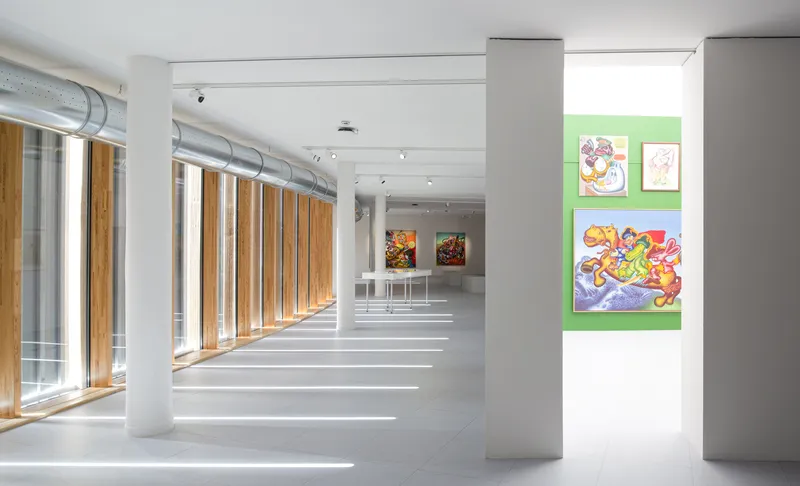
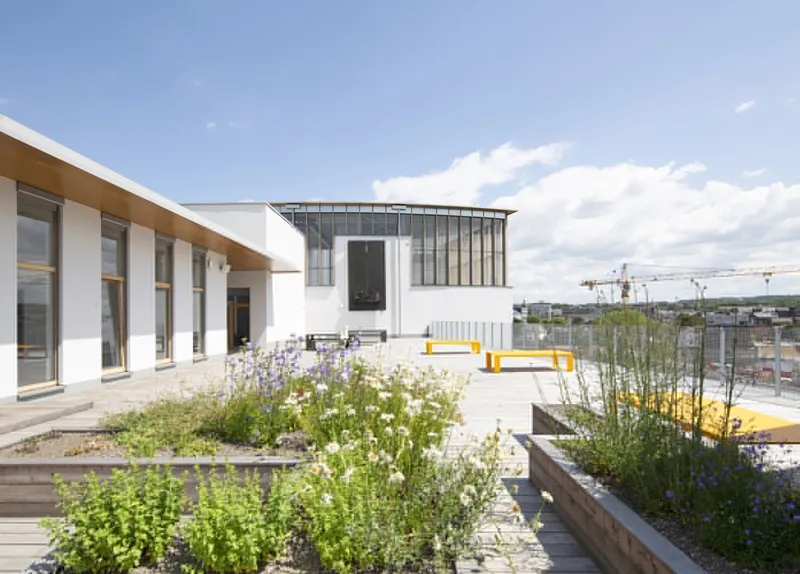
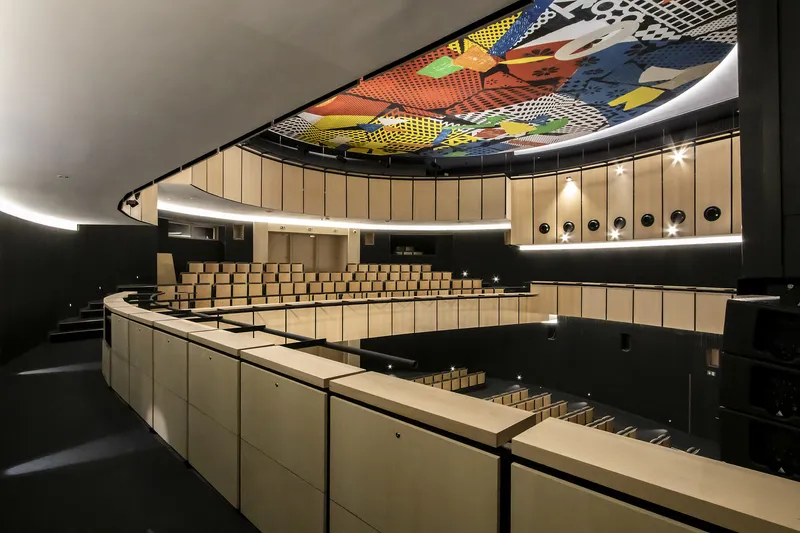
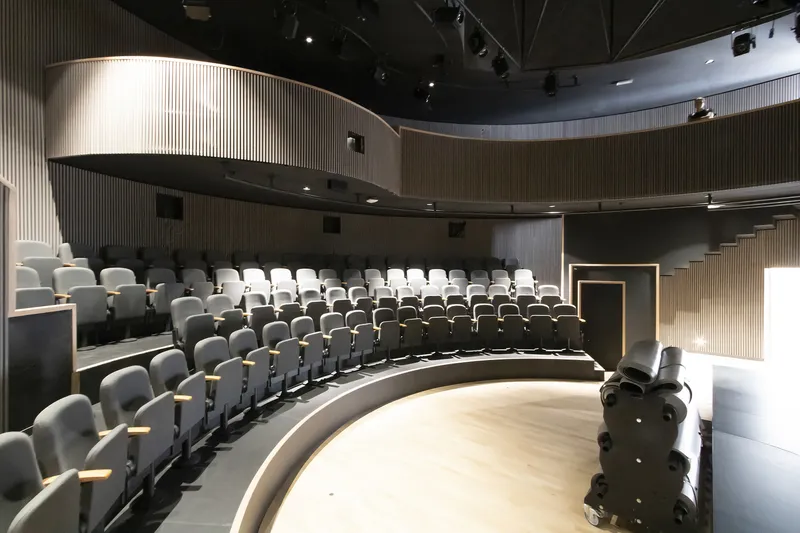
To elevate functionality and expand public capacity, the design introduces several strategic interventions. A mezzanine is added to the foyer of the upgraded 450-seat main theatre, optimizing circulation and enhancing the audience experience. The “croissant” receives a new fourth level, creating additional programming space and improving the building’s spatial logic.
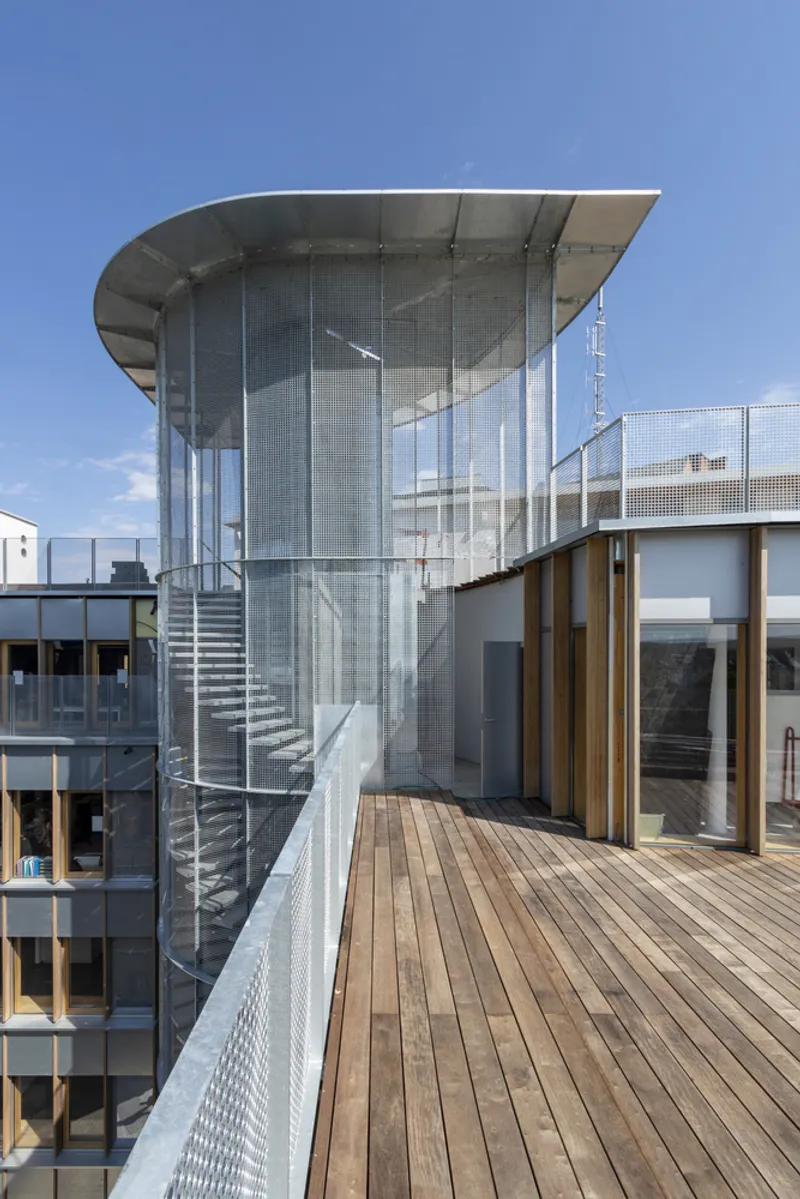
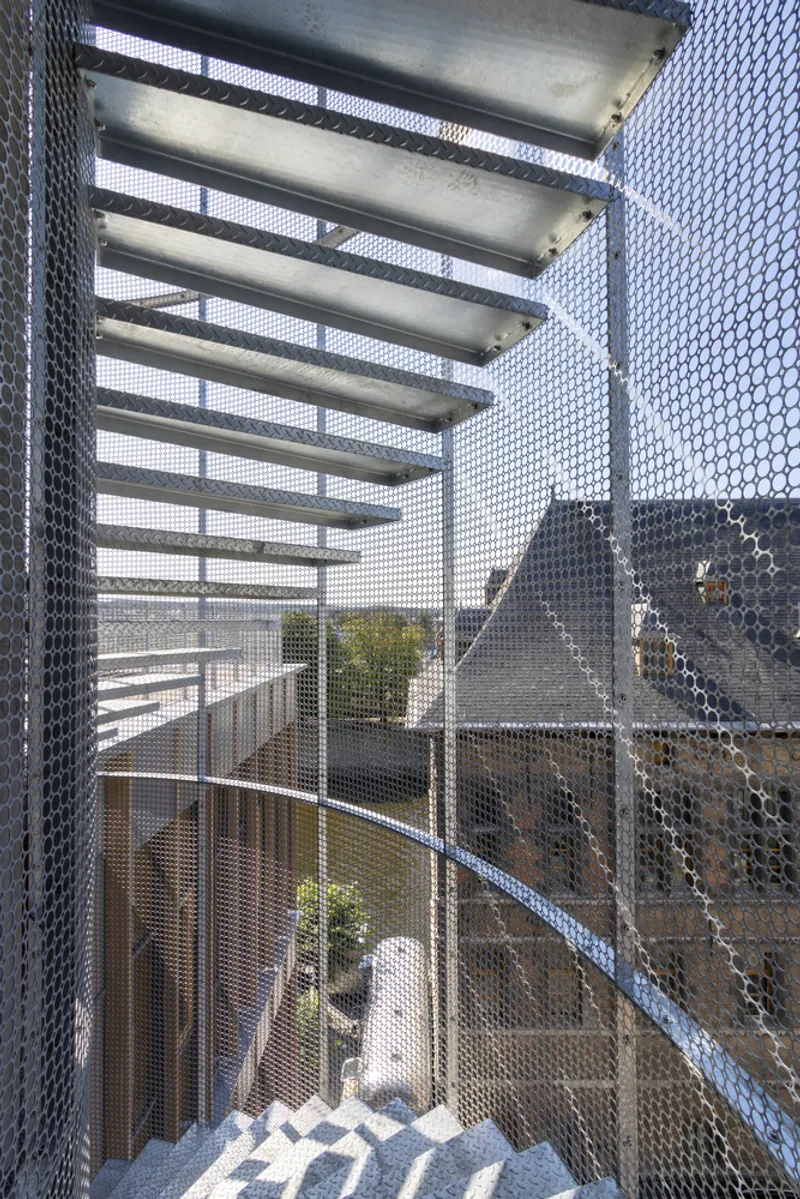
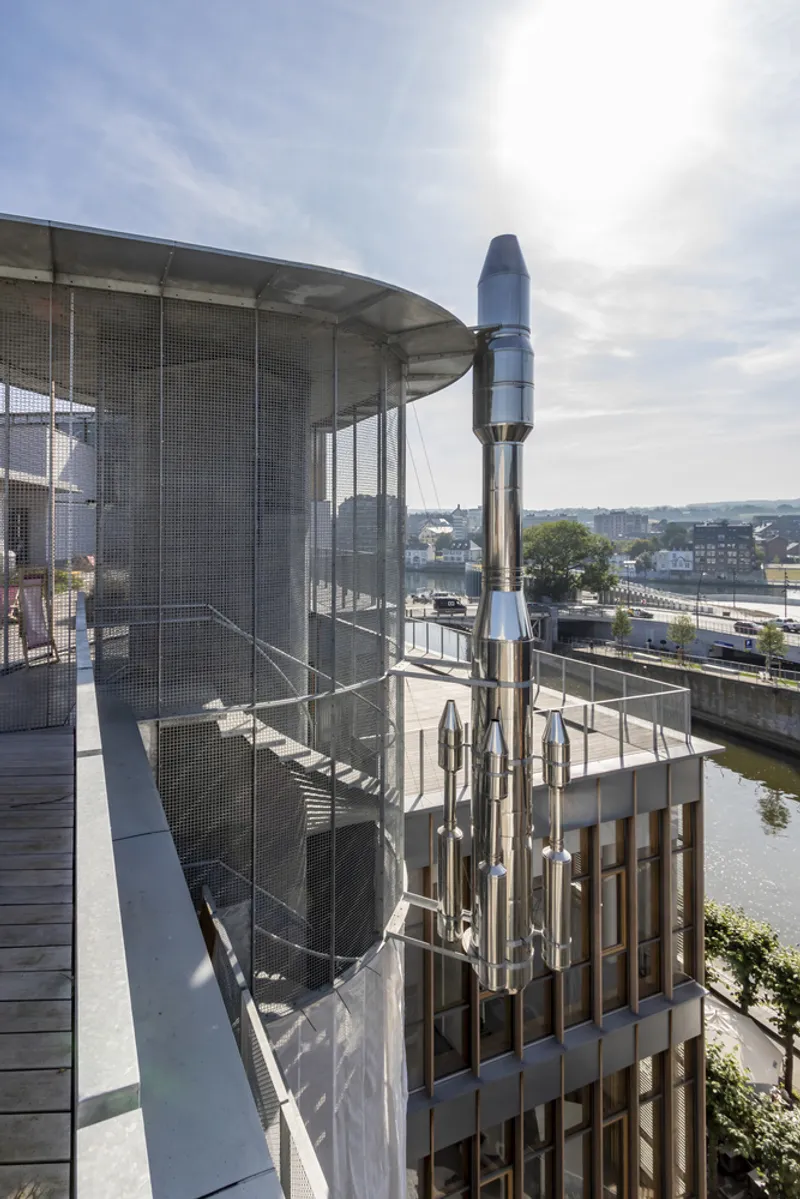
A new “prow cylinder” marks the eastern façade, shaping a dynamic reception porch that redefines the entrance sequence. Substantial extensions to the northeast accommodate expanded cultural amenities, administrative spaces, and improved backstage facilities. These additions ensure the building meets contemporary cultural demands without overpowering its historical presence.
Sustainable Natural Ventilation and Acoustic Comfort
A central goal of the renovation was to integrate passive environmental strategies while maintaining optimal acoustic quality—essential for a cultural venue. Unlike many urban centers affected by pollution, odor, noise, and overheating, Namur’s riverside topography provides advantageous natural ventilation conditions.
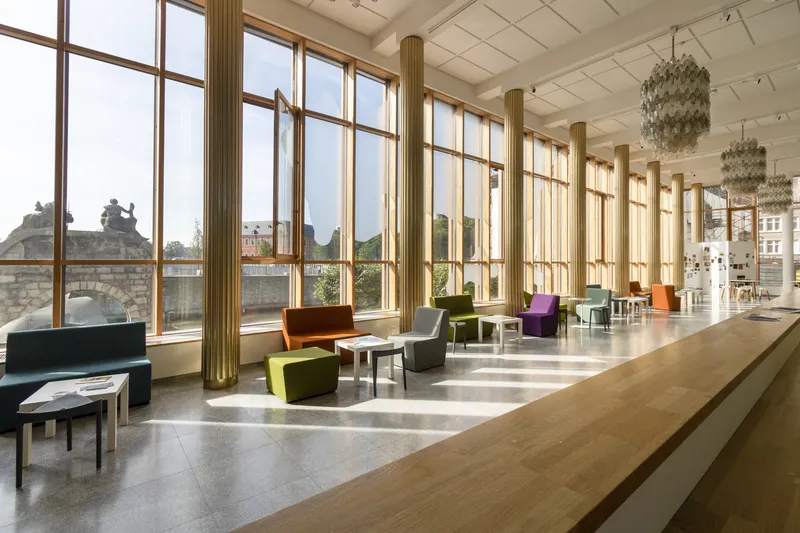
Leveraging this, the architects reintroduced natural airflow into the building. Roof lights above the 450-seat theatre—primarily installed for smoke extraction and daylight—also facilitate natural ventilation. Operable windows throughout the building support cross-ventilation, reducing energy consumption and reconnecting the architecture with its environment.
Daylight Strategies and Climate Responsiveness
To achieve balanced daylighting, the building employs vertical louvres on the eastern façade and horizontal blinds elsewhere, enabling precise control of sunlight and thermal comfort. Light wells illuminate stages within the three theatres, reducing reliance on artificial lighting and enhancing the spatial atmosphere.
These strategies optimize performance without compromising the architectural character of the façades.
Prioritizing Performance, Heritage, and Accessibility
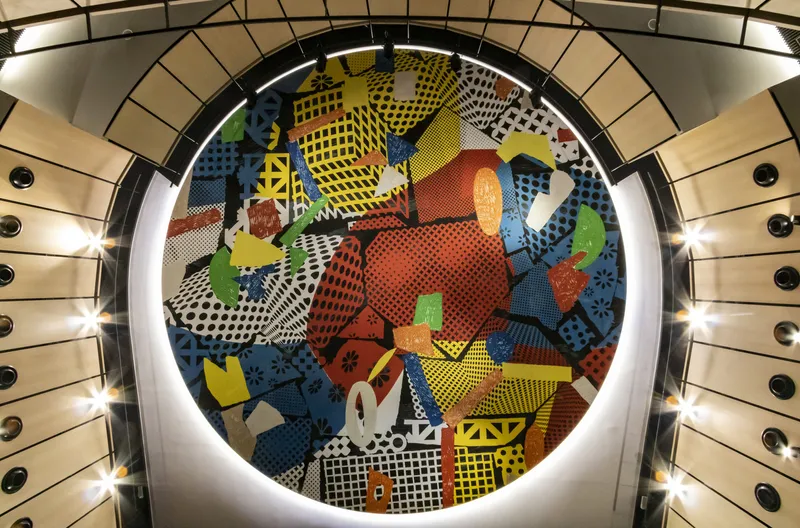
The project is guided by a strong commitment to cultural heritage, environmental stewardship, and inclusive design. Key considerations included: – Respecting and integrating existing artworks. – Achieving fire safety compliance. – Ensuring accessibility for all users, earning Access-i certification. – Pursuing environmental excellence through ongoing BREEAM certification.
Together, these measures establish the Maison de la Culture as a resilient, future-ready public building that supports artistic expression, community connection, and sustainable operation.
A Contemporary Cultural Beacon for Namur
Philippe Samyn and Partners’ renovation transforms the Maison de la Culture into a vibrant cultural anchor that bridges past and present. With its improved theatre spaces, expanded programming capacity, enhanced environmental performance, and renewed architectural expression, the building strengthens Namur’s cultural landscape and reaffirms the importance of design-driven urban regeneration.
All photographs are works of François BRIX, Schmitt-GlobalView



Popular Articles
Popular articles from the community


Lunar Spiral: Space Architecture Shaped by the Mathematics of the Universe
Lunar Spiral reimagines space architecture through Fibonacci geometry, lunar regolith, levitating habitats, and self-sustaining Moon living.

Co-life: Sustainable Architecture for Age-Friendly Community Living
Co-life reimagines sustainable architecture for seniors through courtyards, rammed earth, shared gardens, and spaces designed for belonging.

Co-Life: Senior Housing Design That Reconnects Older Adults With the City
Co-Life reimagines senior housing design through healing gardens, shared streets, workshops, and a sustainable community across generations.

Conexión: Biophilic Design Reimagines High-Rise Living in Hong Kong
Conexión reimagines high-rise living in Hong Kong through biophilic design, green facades, shared spaces, daylight, water and nature within.

Similar Reads
You might also enjoy these articles


Hodi-Mandai Geram
Project Function: Preservation and revitalization of the Intangible heritage and socio-spatial identity of the Hodi by Housing, Cultural Memory Center, Sacred Grove, landscape, local tourism economy


Olio Towers: A Mid-Rise for Performers That Fuses Housing, Rehearsal, and Stage
Located blocks from Houston's Theater District, this modular tower stacks living units around a central performance atrium.

Oasis: Modular Green Housing Carved into Dhaka's Urban Fabric
A shortlisted Plugin Housing entry reclaims unauthorized settlements in Dhaka with stepped concrete volumes, green roofs, and ventilation-driven design.

Black Hole: A Floating Megastructure for the Post-Physical Era
Emiliano Mazzarotto envisions a spherical, self-scaling arena where e-sports, digital hotels, and holographic stadiums replace traditional public space.

Explore Cultural Architecture Competitions
Discover active competitions in this discipline



Challenge to reimagine the Iron Throne


Photograph architecture without architects


Illustrate the lost glory of Angkor Wat - Render Challenge


Bring back Drive In's
Comments (0)
Please login or sign up to add comments
No comments yet. Be the first to comment!