

Majestic Adaptability: Unveiling the Transformative Ghats of Varanasi
How are Varanasi's Ghats Shaping the Cultural and Architectural Landscape of India?


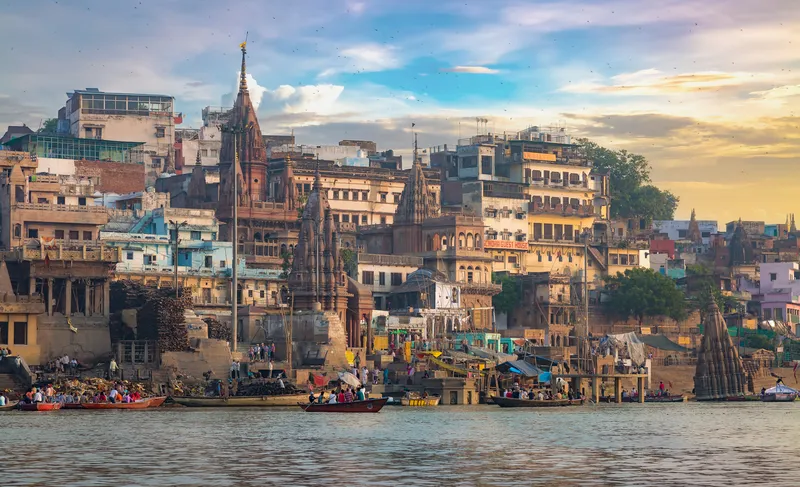
Varanasi, the sacred city on the banks of the Ganga River in India, is renowned for its iconic Ghats. These architectural wonders not only serve as a physical connection between the bustling city and the holy river but also embody the rich tapestry of Indian culture, spirituality, and religious traditions. As Varanasi's Ghats continue to captivate locals, pilgrims, and tourists alike, their significance in shaping the architectural and cultural landscape of India cannot be overstated.

The Ghats, derived from the Sanskrit word "ghatta," meaning "a landing place," are a series of steps that line the edge of the Ganga River. They serve multiple purposes, including providing access to the river, stabilizing the riverbanks, guiding water flow, and safeguarding settlements from flooding. These intricately designed structures are not merely utilitarian; they represent a deep reverence for water and its cleansing properties ingrained in Indian culture.
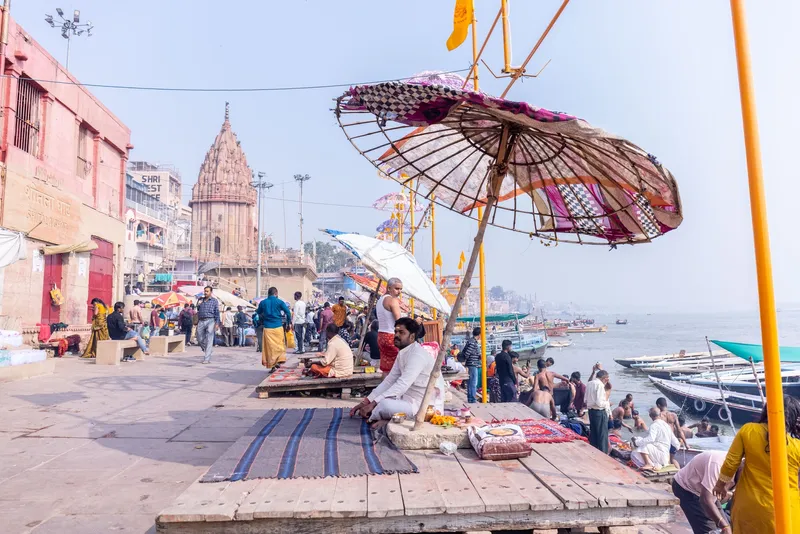
Throughout history, the Ghats have played a vital role in the establishment of temple complexes, pilgrimage sites, palaces, forts, and capital cities. Among the numerous Ghats found across India, those along the Ganga River hold exceptional significance. As the Ganga River is considered a living goddess with self-healing powers, these Ghats become symbolic representations of the cyclical nature of existence in Hindu philosophy. In Varanasi, specifically, they cascade into the sacred river, mirroring the spiritual journey of individuals.
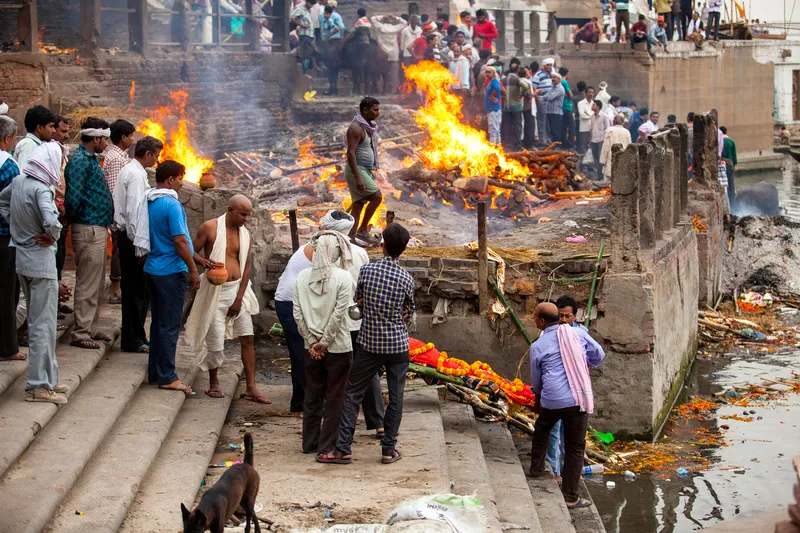
The Ghats of Varanasi are not static structures but rather respond dynamically to the ever-changing water levels of the Ganga. As the river experiences significant fluctuations during different seasons, the Ghats adapt accordingly. The architectural layout is organized in a sectional manner based on flood levels, with bathing spaces situated at lower levels, public gathering areas and amenities positioned higher, and ritual spaces nestled in between. This adaptive design showcases the ingenuity of the architects and their deep understanding of the river's nature.

Beyond their architectural marvel, the Ghats are vibrant hubs of activity throughout the day. From dawn till dusk, they witness a multitude of rituals, ceremonies, and social interactions. At dawn, the Ghats come alive with people washing utensils and cattle, while vendors set up shop later in the day, catering to the needs of children and adults seeking a place to gather and rest. Priests perform ritual ceremonies, and pilgrims offer prayers at adjacent temples and the Ghats. Cremations, an integral part of Hindu tradition, are also regularly conducted along the Ghats.

The cultural landscape surrounding the Ghats is adorned with temples, public buildings, pavilions, water tanks (kunds), streets, and plazas. These commemorative and religious structures provide the necessary infrastructure to facilitate ritualistic practices, further enriching the spiritual experience for devotees and visitors. Additionally, the Ghats themselves act as guardians of the river embankment, protecting the city from the forceful currents and preserving the sacred bond between the community and the Ganga.
The Ghats of Varanasi serve as an exceptional case study for architects and urban planners seeking inspiration in waterfront planning. Their unique response to the dynamic nature of water demonstrates innovative strategies to combat erosion, manage floods, and enhance access to the river. Unlike many modern cities where riverside development caters to luxury apartments and upscale businesses, Varanasi's Ghats remain rooted in a traditional socio-cultural context. They exemplify an architectural response deeply intertwined with religious and cultural values, offering valuable lessons in creating functional and inviting waterfront spaces that cater to human needs




Popular Articles
Popular articles from the community


Co-life: Sustainable Architecture for Age-Friendly Community Living
Co-life reimagines sustainable architecture for seniors through courtyards, rammed earth, shared gardens, and spaces designed for belonging.

Hill & Cross Opera: Sculptural Opera House Architecture Shaped by Tallinn’s Landscape and Identity
Hill & Cross Opera reimagines opera house architecture in Tallinn through its sculptural hill, civic plaza, glass wave and a luminous cross.

The Earth Pod: 3D Printed Homes for Resilient Refugee Communities
The Earth Pod reimagines refugee housing through 3D printed homes made from clay, combining resilience, self-sufficiency, and rapid shelter.

Play: Fragments of Their World
Familiar architecture becomes modular playground design, creating safe spaces where displaced children can learn, connect, imagine and play.


Similar Reads
You might also enjoy these articles

Day and Night Park: A Time-Based Urban Newsstand in Beijing
A temporary urban newsstand in Beijing blending travel, light, and reading through poetic colors, compact form, and community-focused design.

Modernist Patio Renovation in El Masnou, Barcelona by Oliver Segura Arquitectura + Cebrià Arquitectura
Modernist patio renovation blending tradition and innovation with a movable pool, leveled floors, and Catalan materials in El Masnou.

Alto Residencial Coop: Cooperative Housing Development in Santiago de Compostela by Carbajo Barrios Arquitectos
A linear cooperative housing complex blending white volumes and perforated metal façades, enhancing community living, natural light, privacy, and urban integration.

Vil Genis School by BPA ARCHITECTURE – Massy, France
Vil Genis School in Massy, France, features sustainable design, south-facing classrooms, community integration, accessible spaces, and modern educational architecture.


Explore Architecture Competitions
Discover active competitions in this discipline



Challenge to reimagine the Iron Throne


Photograph architecture without architects


Illustrate the lost glory of Angkor Wat - Render Challenge


Design challenge to reuse E-waste
Comments (0)
Please login or sign up to add comments
No comments yet. Be the first to comment!