

Mana Workplace by IKSOI: Adaptive Reuse Office Architecture in India
Mana Workplace by IKSOI exemplifies adaptive reuse office architecture in India, transforming an abandoned factory into a vibrant, memory-driven studio.


Mana Workplace, designed by IKSOI, transforms an abandoned industrial site in Ahmedabad into a vibrant studio, redefining the possibilities of adaptive reuse office architecture in India. Completed in 2022, this 190 m² workspace does not overwrite its past but instead engages with it, creating a quiet dialogue between memory, discovery, and design. The project demonstrates how workplaces can carry forward industrial history while embracing contemporary spatial innovation.
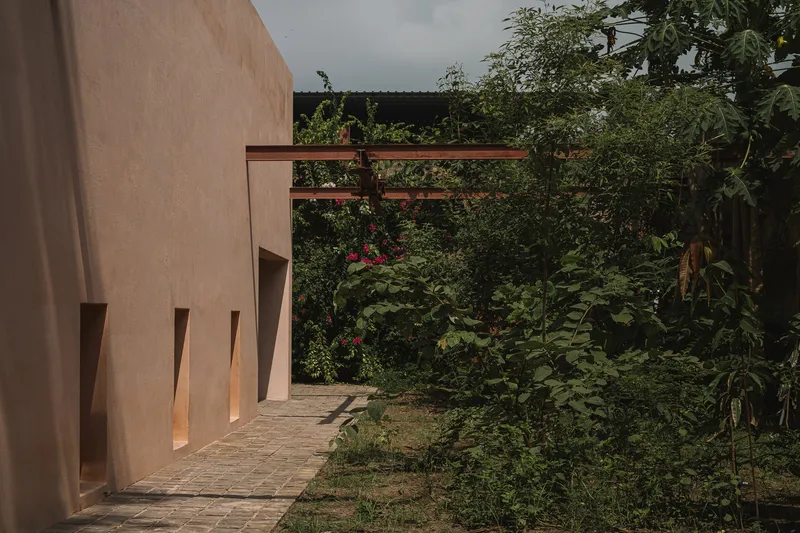


A Workspace Rooted in Memory
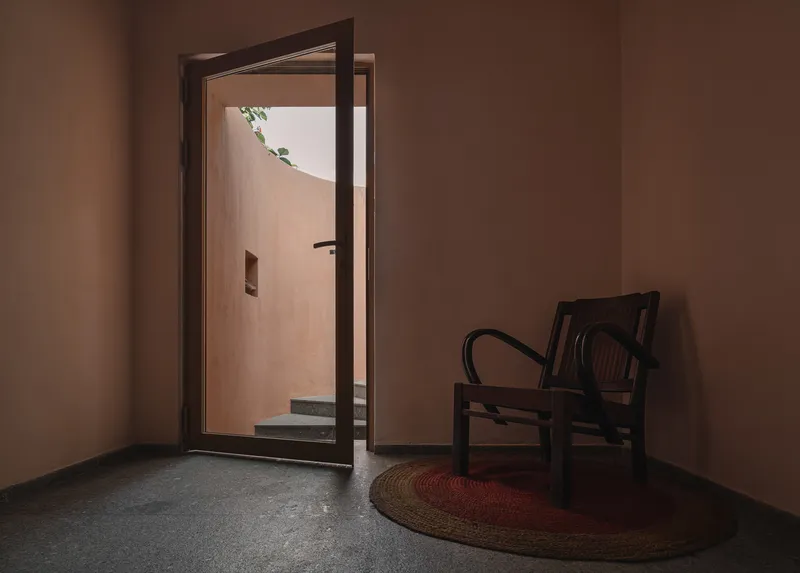
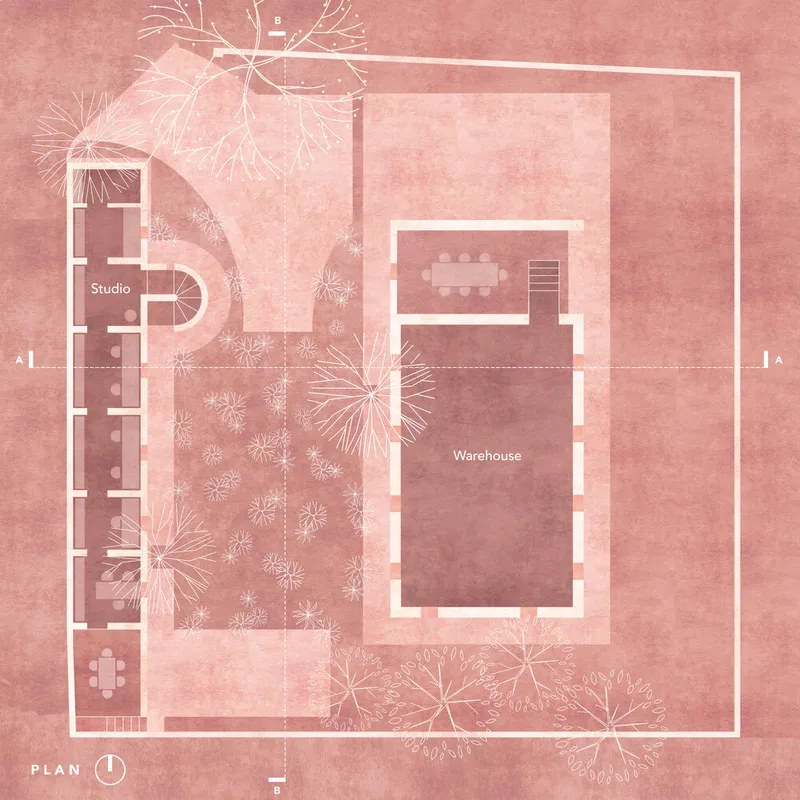
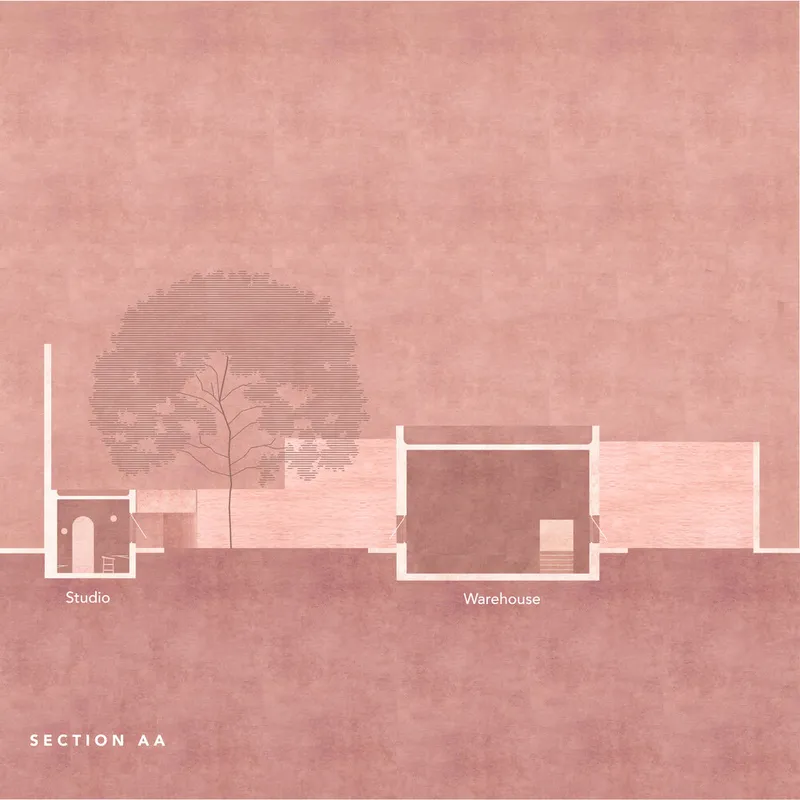
Mana occupies what was once a factory owned by the architects’ family. Rather than erasing traces of the site’s former life, IKSOI retained its original footprint while subtly reconfiguring the ground levels. This shift allows the familiar to appear unfamiliar—former factory doors now function as windows, and circulation pathways emerge organically rather than through rigid planning. The result is a space that feels both new and timeless, simultaneously familiar yet layered with surprise.


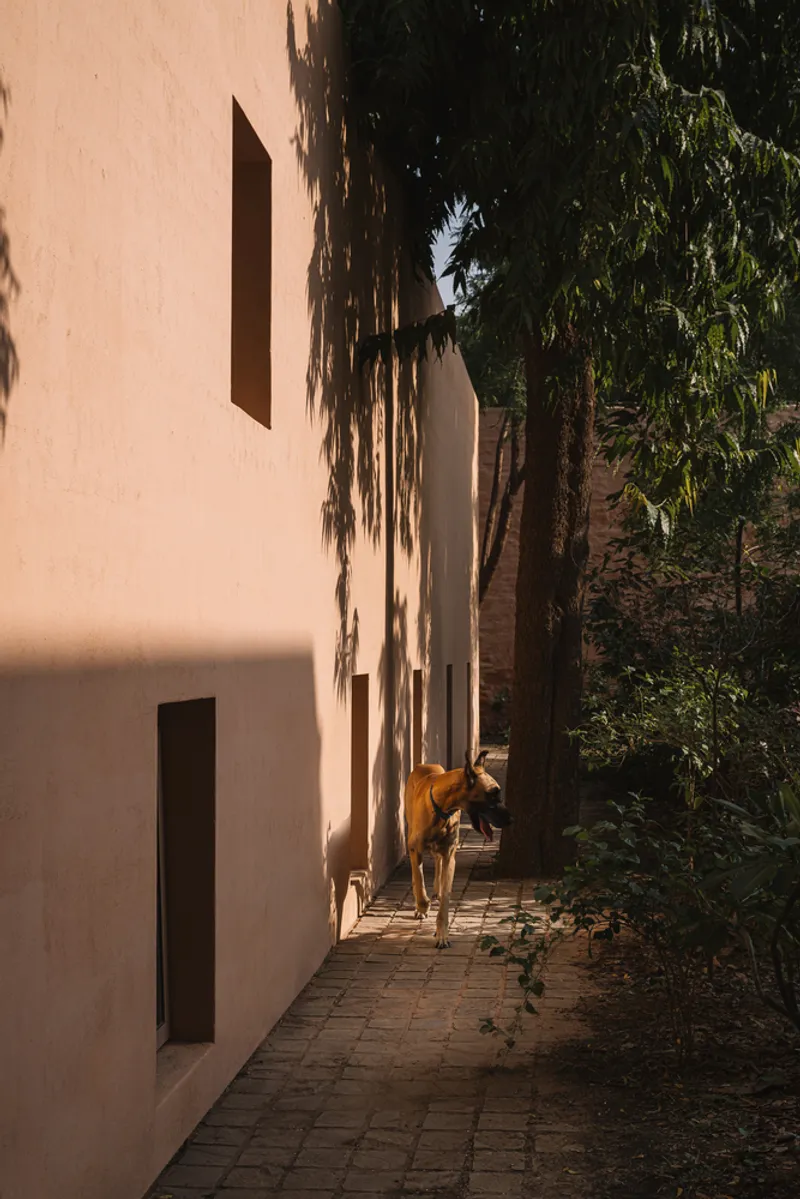

Exterior Expressions and Spatial Curiosity
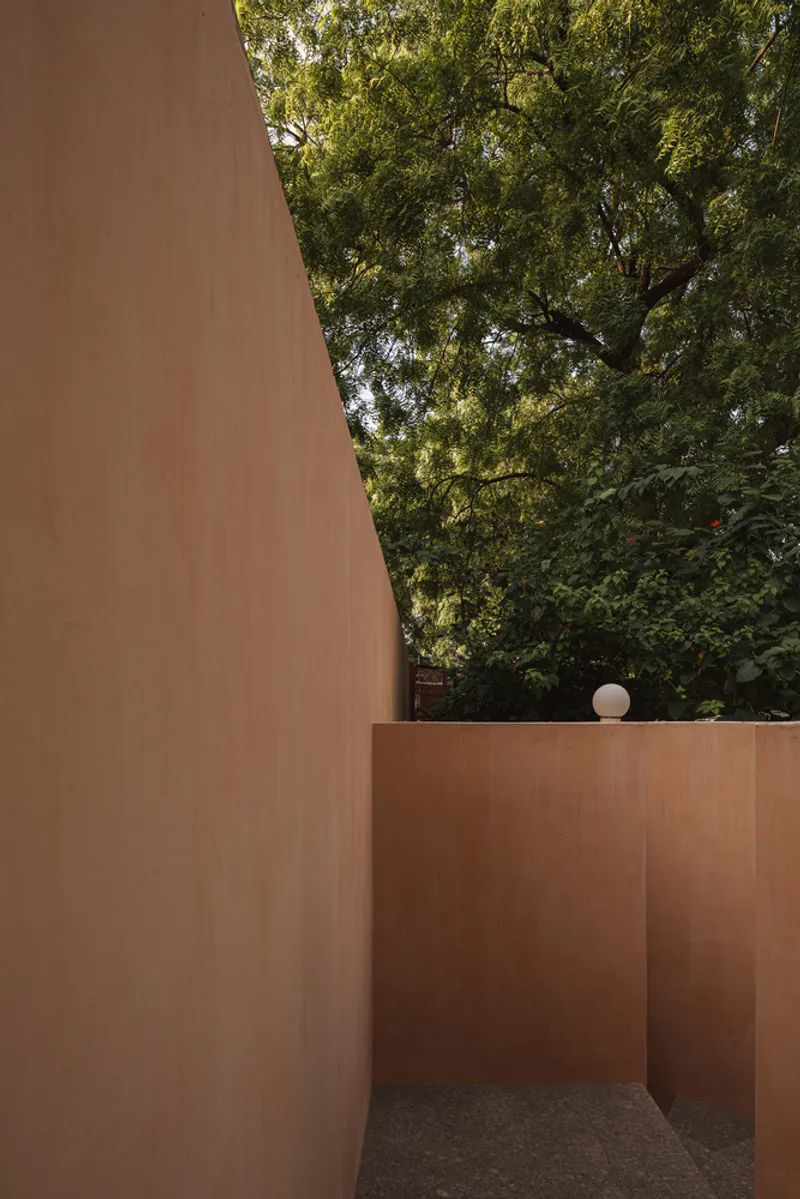
From the outside, the studio is shielded by compound walls rising up to six meters, blending into the gritty industrial surroundings. However, stepping inside reveals a striking transformation. Lime-plastered monolithic walls painted in muted pink disrupt expectations, creating a bold contrast with the industrial context. The absence of a clear entryway intensifies curiosity, inviting exploration rather than dictating movement.

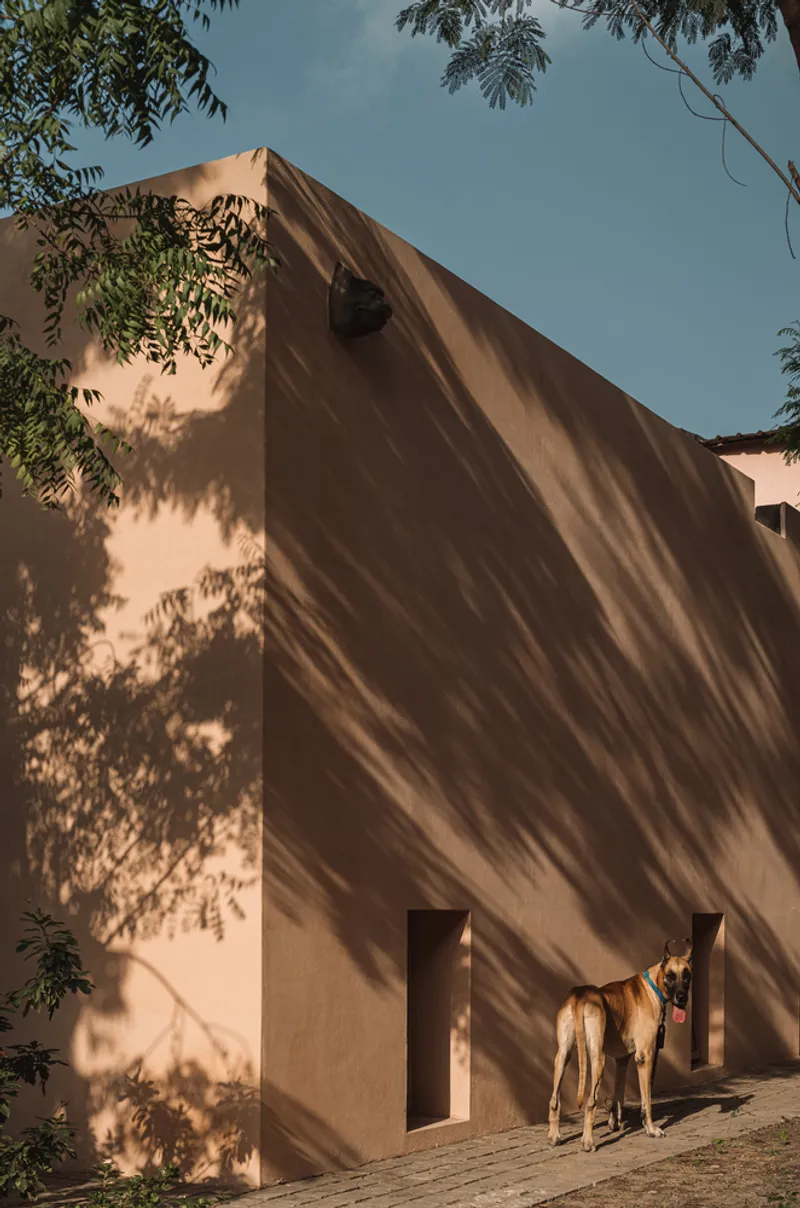
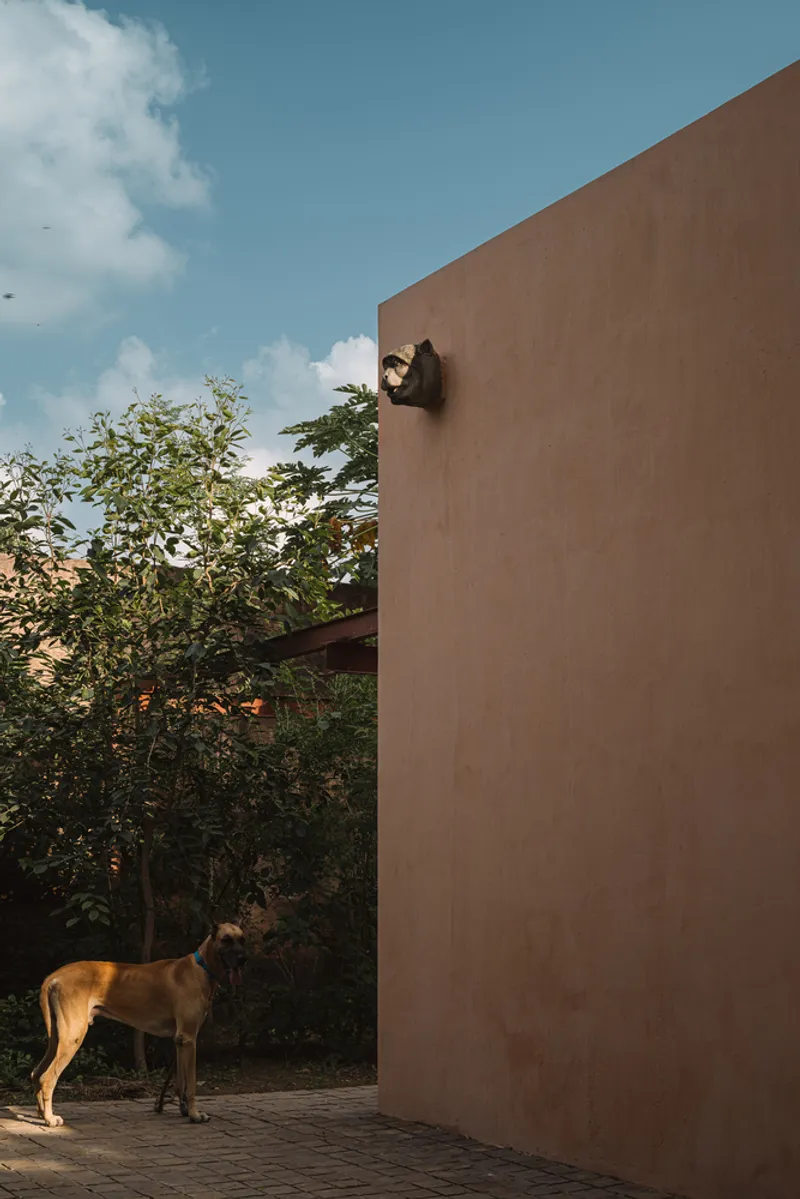
Reconfiguring Space Through Adaptive Reuse
The design is organized into two volumes: a smaller block running along the boundary wall and a central block that once housed factory machinery. By raising the courtyard ground level, parts of the structure are now sunken, altering spatial perception. This reconfiguration ensures that movement within the site is guided by discovery rather than predetermined axes. Entrances are concealed within curved walls or passages, enhancing the architectural mystique.


Interior Materiality and Spatial Rhythm
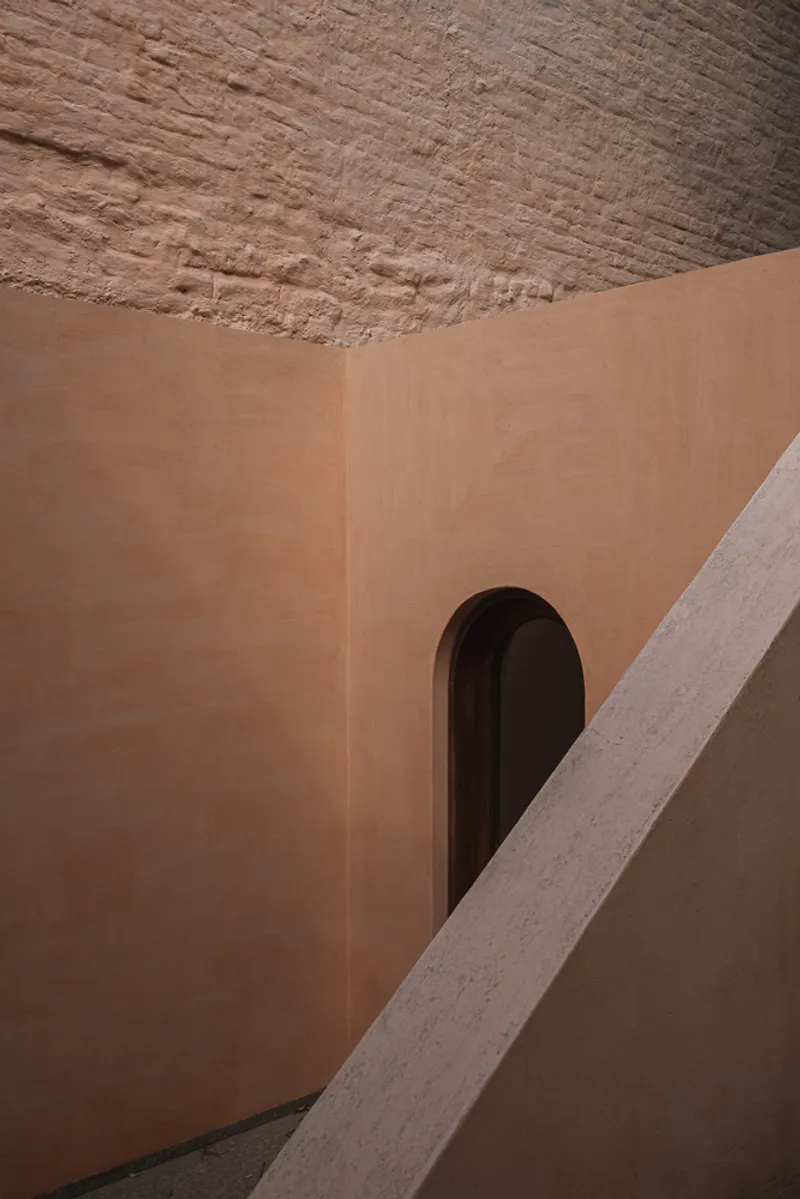
Inside, the workspace is defined by restraint. Dark granite floors provide grounding weight, while teak wood elements add warmth to the otherwise monolithic structure. Along the linear corridor, arches punctuate the sequence of workstations, transforming the long span into smaller, intimate spaces. At the corridor’s quiet end, the principal architect’s office connects to a hidden courtyard—a retreat for reflection, informal gatherings, or moments of pause during the workday.

Furniture, Details, and Whimsy
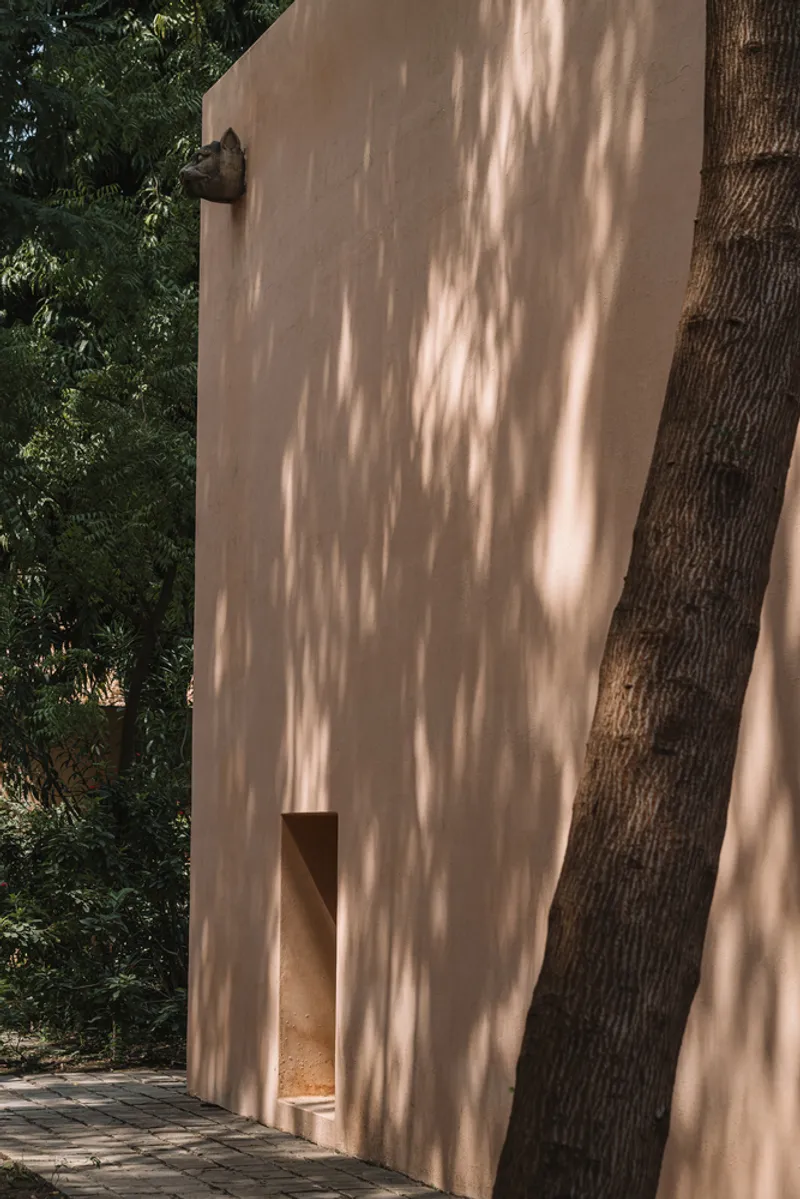
To strengthen the dialogue between past and present, original mid-century Danish chairs were sourced from Gujarat’s Alang ship-breaking yard. Unexpected details further animate the site: gargoyles shaped like animals perch on walls, serving both functional and aesthetic roles. These subtle yet playful interventions spark curiosity and invite visitors to engage with the architecture beyond its immediate function as a workplace.


Architecture as a Negotiation Between Past and Present
Mana is neither a strict preservation of the old nor an imposition of the new. Instead, it embodies a negotiation between memory and reinvention. By retaining the industrial footprint while reframing it in a contemporary light, IKSOI demonstrates the power of adaptive reuse to honor heritage while creating inspiring new environments. In this sense, Mana is not merely a workplace but an evolving narrative—a place where architecture reveals rather than imposes, allowing the site itself to tell its story.

All Photographs are works of Ishita Sitwala


Popular Articles
Popular articles from the community


Cube Design Draws an Ecological Corridor Between Two Shenzhen Hills with the Nankai Building
Beside Shenzhen's container docks, the Nankai Building pairs stacked balconies with a climbing green screen to connect two hillsides across its height.

David Ortega Stacks a Two-Story Mexico City Penthouse Around a Steel Stair and a Pergola-Shaded Roof Terrace
In Colonia Roma, a 300 m² penthouse uses oak joinery, a planted steel stair and a slatted roof pergola to make a new-build apartment feel like a house.

Juan García Correa, John González and Claudia Rueda Sink a Circular Amphitheater into a Manizales Engineering Building
On the La Nubia campus in Manizales, Colombia, the S1 Building folds labs and offices into a hillside of ramped lawns that double as a campus route.

U.GA Architects Wraps an Oval Rooftop Pool in Curved Board-Formed Concrete on Busan's Jeollidan-gil
In Busan's Jeonpo-dong, a 454 m² mixed-use block stacks a neighborhood facility, guest rooms and an oval rooftop pool inside spiraling concrete walls.

Similar Reads
You might also enjoy these articles

Gil Mello Arquitetura Tilts a Single Roof Toward the Waterfalls on a Plateau Above Aiuruoca, Brazil
In Aiuruoca, Minas Gerais, a 200 m² house of local labor and reclaimed poles pairs a low valley veranda with a tall mountain one.
U.GA Architects Wraps an Oval Rooftop Pool in Curved Board-Formed Concrete on Busan's Jeollidan-gil
In Busan's Jeonpo-dong, a 454 m² mixed-use block stacks a neighborhood facility, guest rooms and an oval rooftop pool inside spiraling concrete walls.

Felipe Hess Arquitetos Turns a Blind Stone Wall to the Street and Opens a Brazilian House onto a Courtyard and Canal
A canal-front house in Brazil hides behind painted stone and planting, then opens to an olive-tree courtyard, a reed-ceilinged porch and a curving pool.

David Macias Steps a Doorless Stone and Plaster House Down a Tropical Colombian Hillside
In the humid hills of Colombia, Threshold House replaces the front door with an open void and terraces its 850 m² down the slope instead of fighting it.

Explore Architecture Competitions
Discover active competitions in this discipline

Challenge to reimagine the Iron Throne

Photograph architecture without architects

Illustrate the lost glory of Angkor Wat - Render Challenge

Competition to design a workstation for architects
Comments (0)
Please login or sign up to add comments
No comments yet. Be the first to comment!