

Maria Installation by Christoph Hesse Architects: A Monument of Reflection and Sustainability
Maria Installation by Christoph Hesse Architects is a sustainable, contemplative space honoring nature, memory, and climate awareness at Document Fifteen.


Maria Installation by Christoph Hesse Architects is a thought-provoking architectural intervention designed for Documenta Fifteen, the globally renowned art exhibition held every five years in Kassel, Germany. This unique installation serves as a Reflecting Point, encouraging visitors to contemplate themes of sustainability, memory, and climate change.
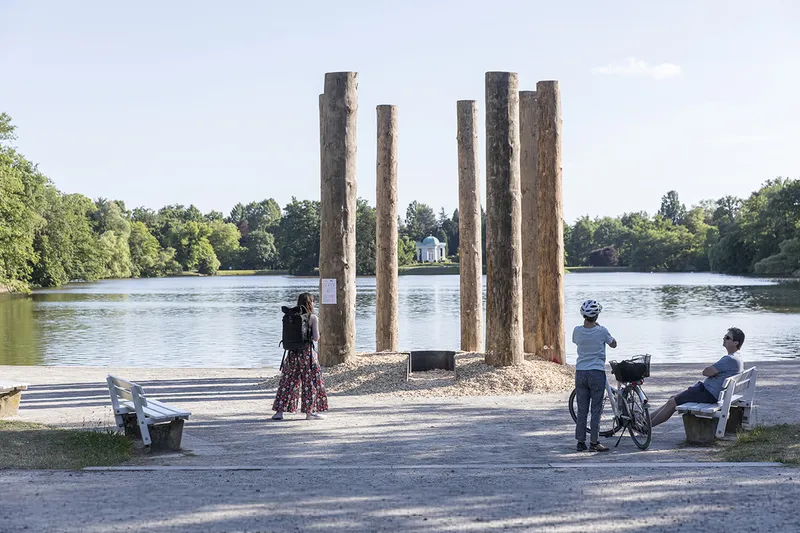
A Tribute to Nature and Heritage
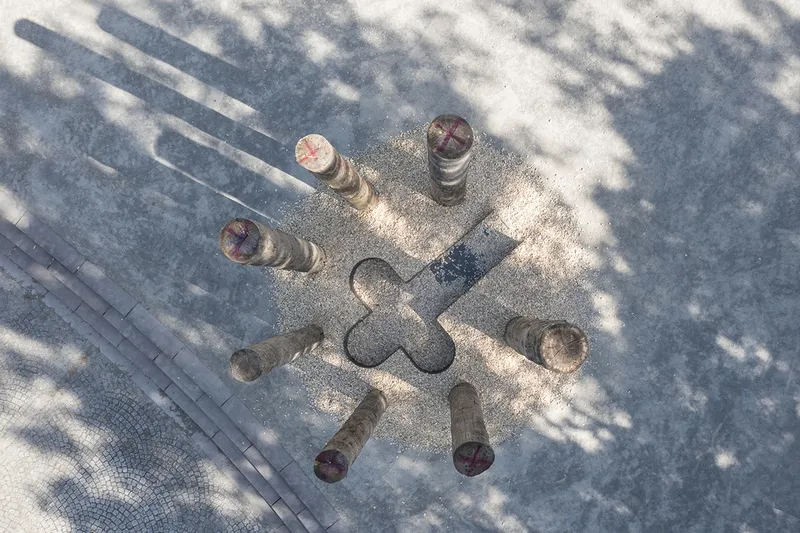
The installation is composed of seven spruce trunks, carefully arranged to symbolize the restoration of an original tree planted in 1896 by Christoph Hesse’s great-grandmother, Maria. This tree, which lived for 125 years, tragically succumbed to bark beetles, a devastating consequence of climate change.
By repurposing the fallen spruce, the installation stands as a memorial to nature’s resilience and fragility. It creates a space for contemplation, remembrance, and togetherness, urging visitors to reflect on human impact on the environment and the need for sustainable architectural practices.
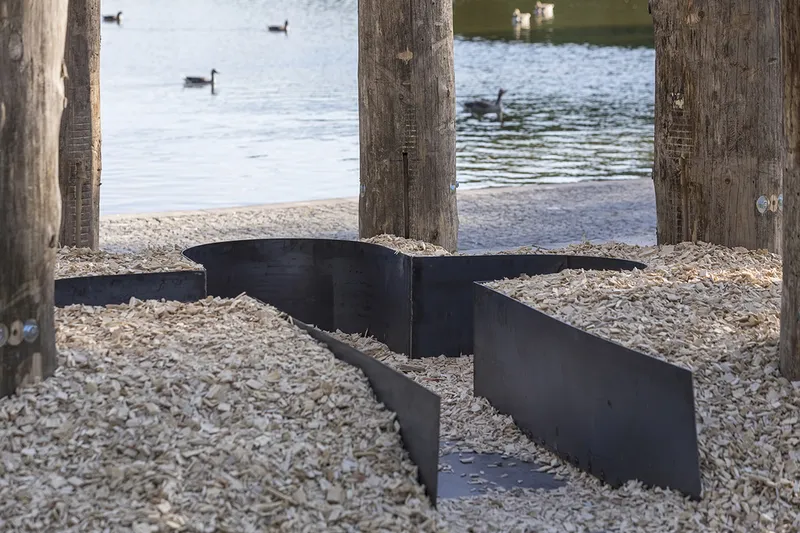
Architectural Concept and Design
Located on the banks of a serene waterfront, Maria Installation embodies a minimalist yet profound architectural language. The arrangement of natural wood columns evokes both a sense of loss and regeneration, reinforcing the importance of circular construction and ecological responsibility.
Designed as an open gathering space, it invites individuals to pause, reflect, and engage with the surrounding environment. The installation is a poignant example of how architecture can serve as a medium for storytelling, heritage preservation, and climate consciousness.
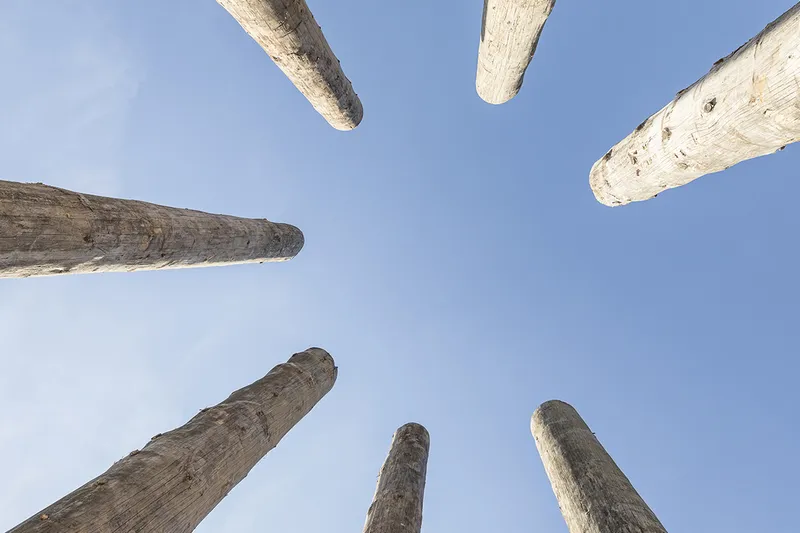
A Call for Sustainable Design
With the increasing urgency of climate change, Maria Installation highlights the role of architectural interventions in fostering awareness. It challenges architects, designers, and the public to rethink material reuse, sustainable forestry, and adaptive reuse in design.
By honoring the past while addressing contemporary ecological concerns, Christoph Hesse Architects set a compelling example of how architecture can inspire action towards a more sustainable and mindful future.
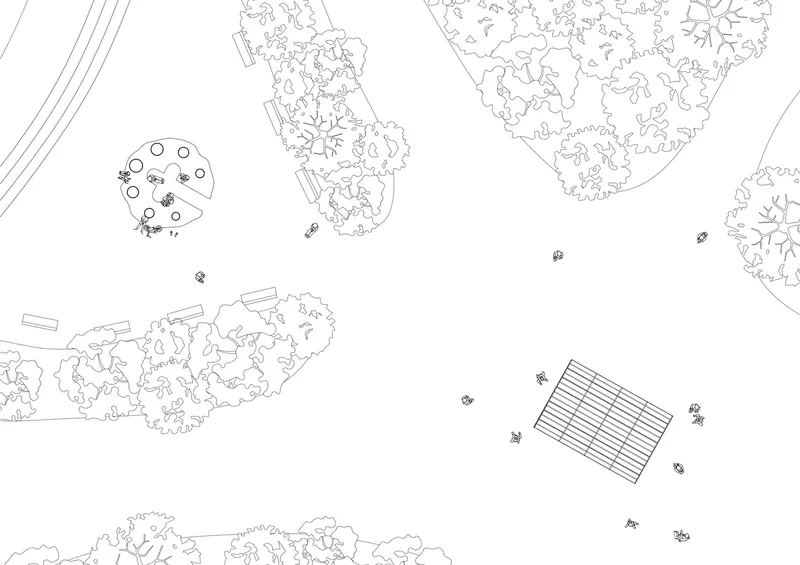
All Photographs are works of Laurian Ghinitoiu, Christoph Hesse Architects


Popular Articles
Popular articles from the community

Extended Shell: Retrofitting Kolkata's Balconies as Living Urban Thresholds
A modular retrofit system recovers the social and environmental intelligence of Kolkata's historic verandas for contemporary Park Street residents.
Manzana Morphosis: Stretching Barcelona's Grid into a Living Landscape for 2050
A radical reworking of the Eixample manzana turns density into a tool for generous public space, vertical ecology, and environmental performance.

Opera on the Sea: Driftwood Logic Shapes a Timber Opera House on Estonia's Coast
Trevor Orgill's opera house translates the entangled drift of floating timber into a civic building where wood, water, and music converge.

The Amber Palace Opera: A Geological Fiction Surfaces on Tallinn's Baltic Waterfront
Pierre Brillard reimagines a Baltic legend as a public landscape, opera house, and waterfront promenade rooted in Tallinn's coastal identity.

Similar Reads
You might also enjoy these articles


Hodi-Mandai Geram
Project Function: Preservation and revitalization of the Intangible heritage and socio-spatial identity of the Hodi by Housing, Cultural Memory Center, Sacred Grove, landscape, local tourism economy


Olio Towers: A Mid-Rise for Performers That Fuses Housing, Rehearsal, and Stage
Located blocks from Houston's Theater District, this modular tower stacks living units around a central performance atrium.

Oasis: Modular Green Housing Carved into Dhaka's Urban Fabric
A shortlisted Plugin Housing entry reclaims unauthorized settlements in Dhaka with stepped concrete volumes, green roofs, and ventilation-driven design.

Black Hole: A Floating Megastructure for the Post-Physical Era
Emiliano Mazzarotto envisions a spherical, self-scaling arena where e-sports, digital hotels, and holographic stadiums replace traditional public space.
Explore Architecture Competitions
Discover active competitions in this discipline

Challenge to design a portable theatre

Challenge to design a portable music platform

Challenge to design an open learning module for the elderly

Challenge to reimagine the Iron Throne
Comments (0)
Please login or sign up to add comments
No comments yet. Be the first to comment!