

Mawhitipana: A Pioneering Example of Modern Coastal Architecture by MacKayCurtis
Explore Mawhitipana, a stunning example of modern coastal architecture by MacKayCurtis, designed to maximize views and integrate with nature.


Coastal architecture presents unique challenges and opportunities for architects. The need to maximize views, manage environmental elements, and integrate with the surrounding landscape requires a thoughtful approach to design. The Mawhitipana house, crafted by MacKayCurtis, is a testament to modern coastal architecture's ability to blend functionality with aesthetic beauty in a marine environment.
Design Objectives and Environmental Integration
Client Brief and Architectural Response
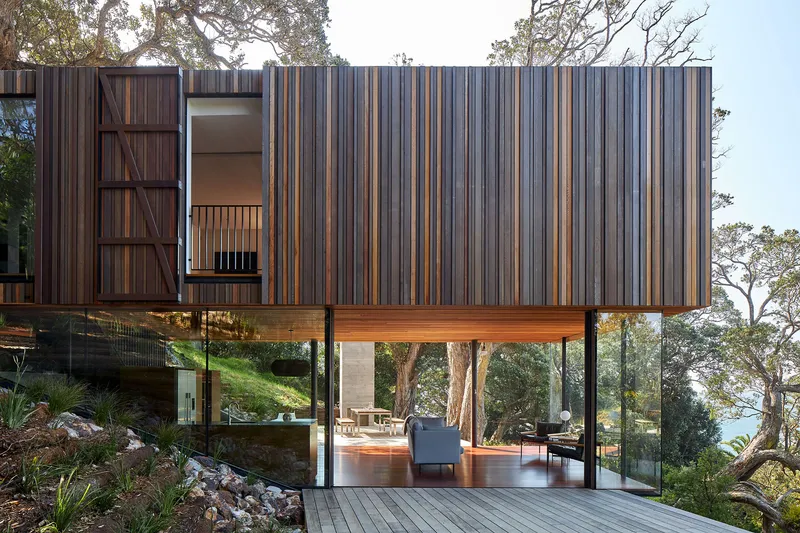
The owners of the Mawhitipana house desired a holiday home that maximized sun exposure, views of Mawhitipana Bay, and outdoor living spaces. MacKayCurtis responded with a design that emphasizes openness and a strong connection to the outdoor environment, making the landscape an integral part of the living experience.

Site Challenges and Innovative Solutions
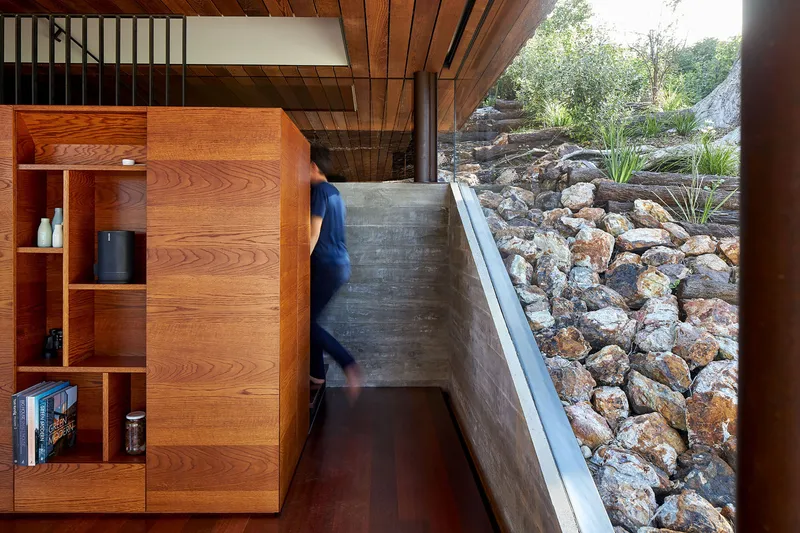
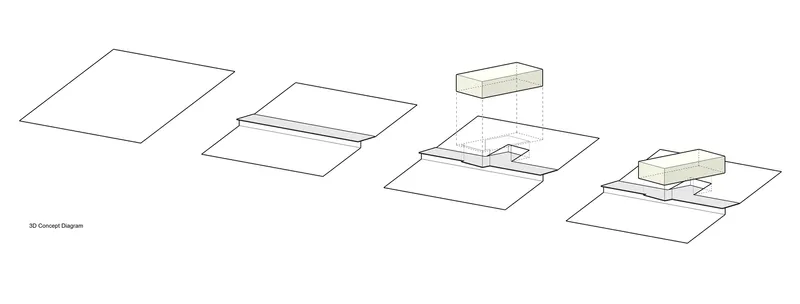
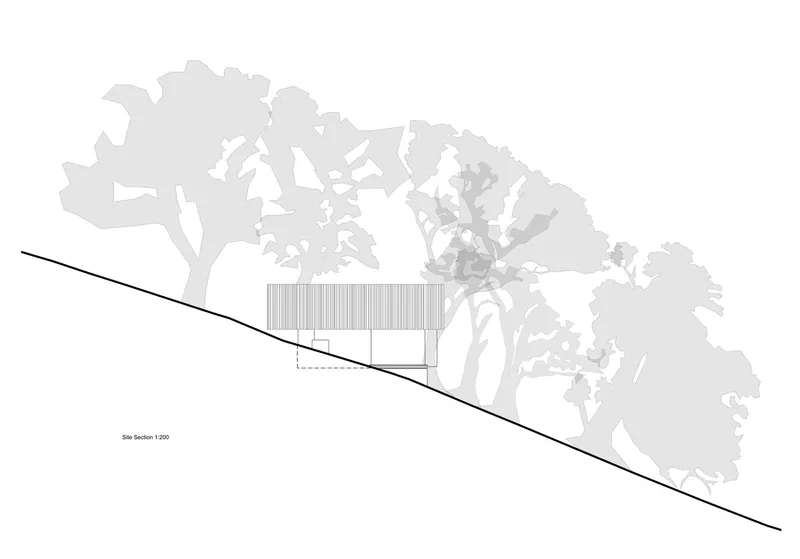
Located on a steep, elevated site surrounded by protected Pōhutukawa trees, the house was designed to have a minimal footprint, thus preserving the natural root systems and integrating the building into the existing green canopy. This sensitivity to the site's ecological aspects is a hallmark of responsible modern coastal architecture.


Architectural Features and Living Spaces
The Structure and Its Environment
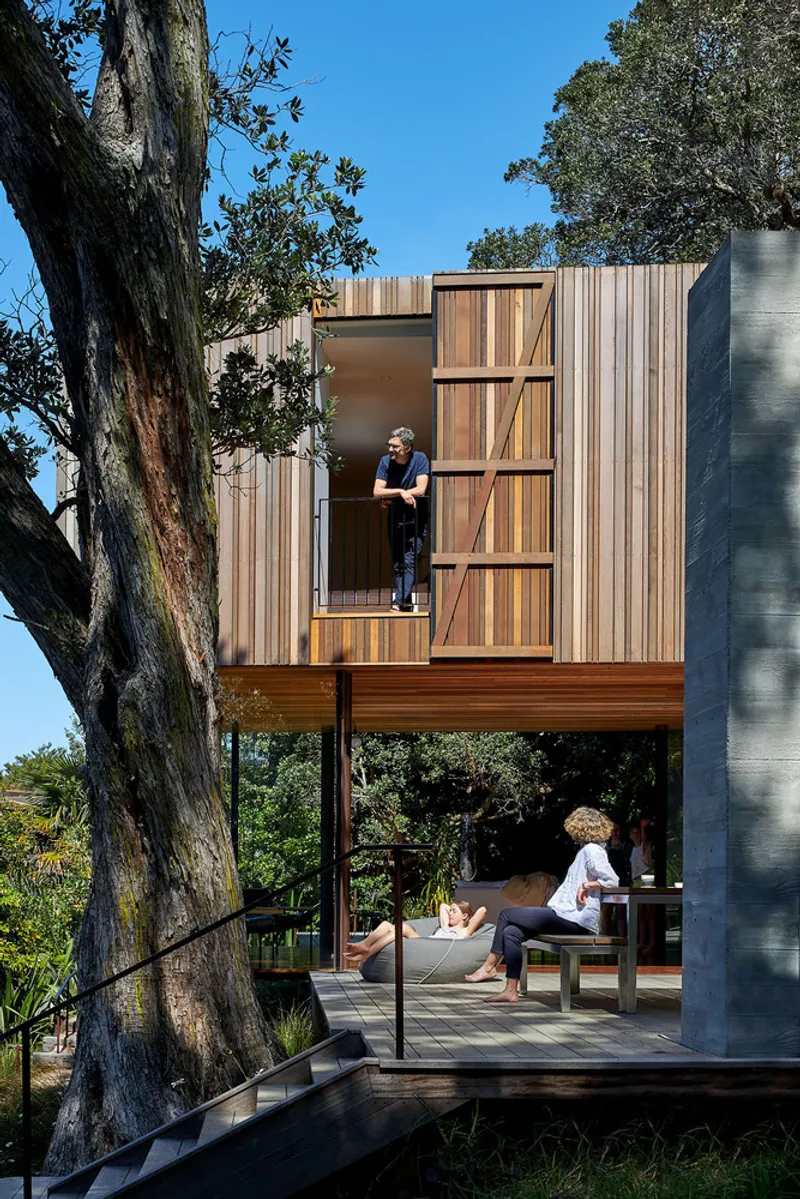
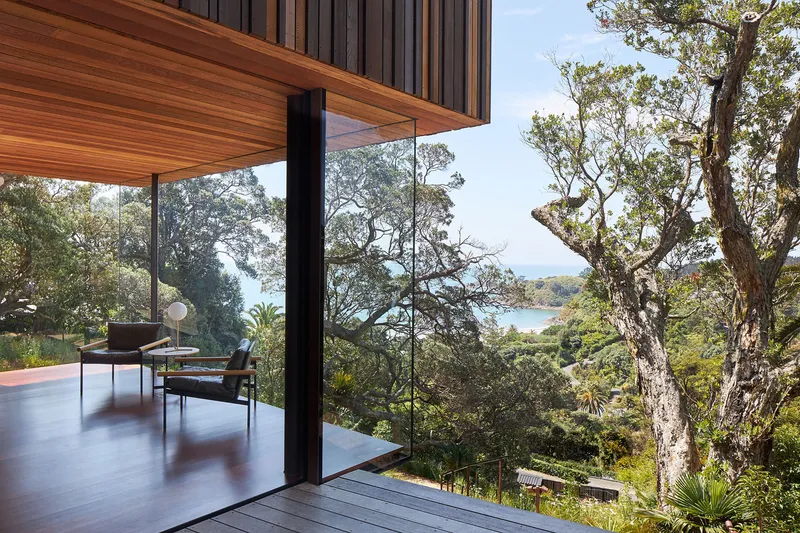
The house features a long timber deck that serves as the primary living area, stretching across the width of the narrow site. This deck not only provides expansive outdoor living space but also positions the house to capture panoramic views and optimal sunlight, enhancing the connection to the bay below.


Dual-Level Design for Functional Clarity
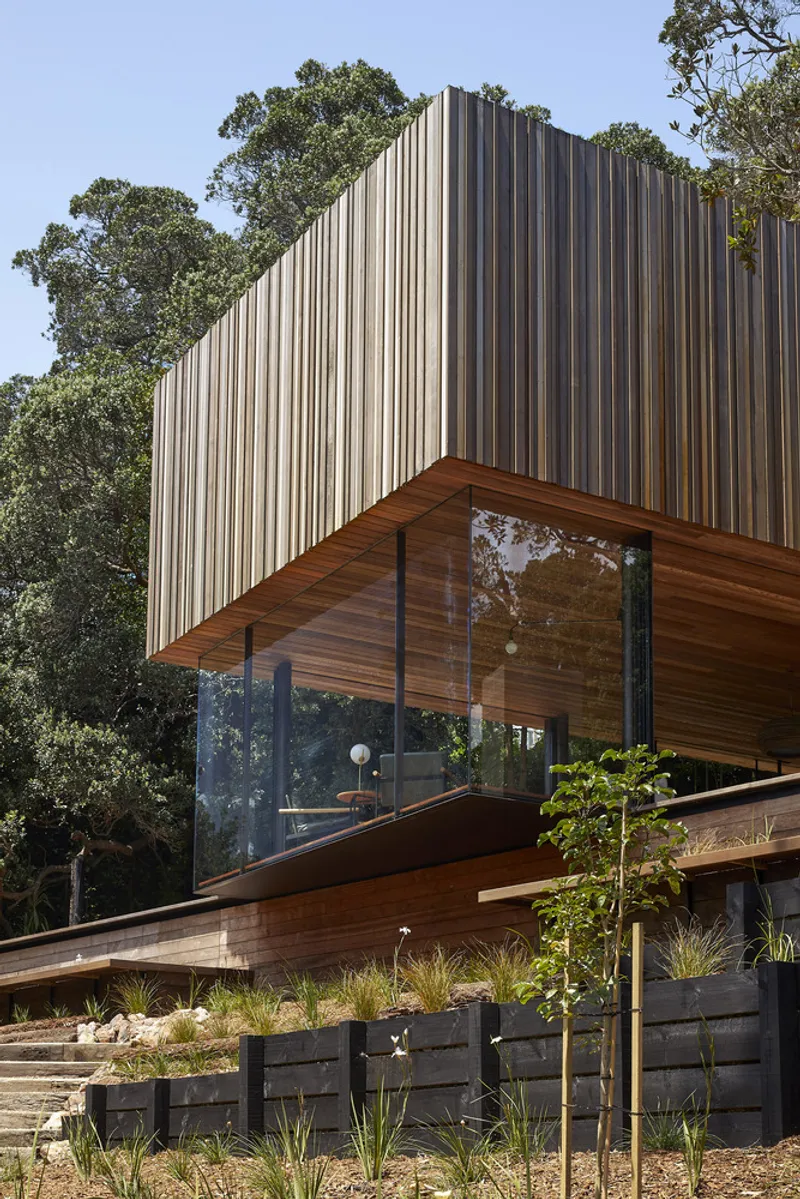
The architectural plan cleverly divides the living and private areas across two levels. The ground floor houses the kitchen, dining, and general living spaces with full glazing on all sides, blurring the lines between indoors and outdoors. The upper level contains the private sleeping quarters, elevated on steel columns and enclosed by a cedar rainscreen with large integrated timber shutters.


Material Use and Sustainable Practices
Natural Materials and Sustainable Design
The use of locally sourced timber for both structural and aesthetic purposes minimizes the environmental impact and supports the local economy. The cedar used in the rainscreen and shutters not only provides durability against coastal weather conditions but also offers natural insulation properties.


Transparency and Light
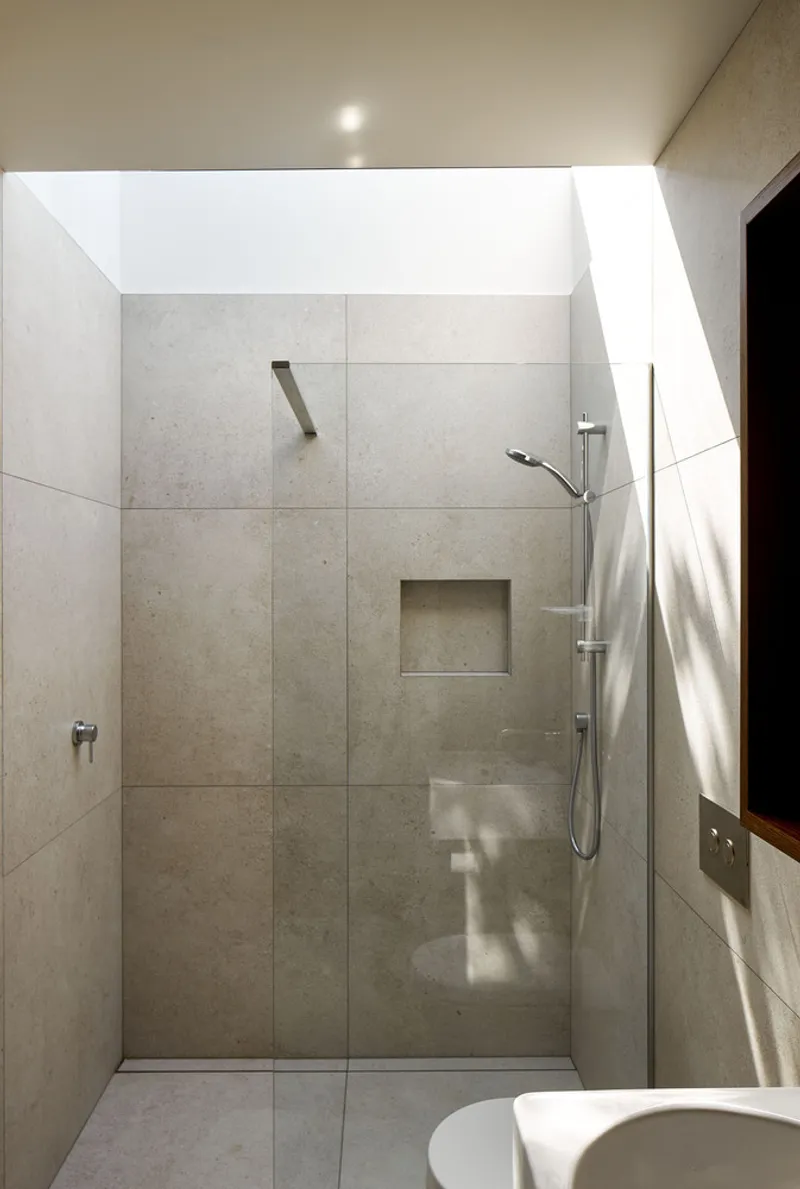
The ground floor’s extensive use of glass maximizes natural light, reducing the need for artificial lighting and allowing for passive solar heating during cooler months. This design choice significantly enhances energy efficiency, a critical aspect of sustainable modern coastal architecture.
The Future of Coastal Living
Mawhitipana by MacKayCurtis is more than just a residential project; it's a forward-thinking approach to modern coastal architecture that respects and utilizes the natural beauty of its environment. By integrating advanced architectural techniques with traditional materials, MacKayCurtis sets a new standard for how buildings can coexist harmoniously with their coastal surroundings.

All photographs are work of Simon Wilson




Popular Articles
Popular articles from the community


The Earth Pod: 3D Printed Homes for Resilient Refugee Communities
The Earth Pod reimagines refugee housing through 3D printed homes made from clay, combining resilience, self-sufficiency, and rapid shelter.

Hill & Cross Opera: Sculptural Opera House Architecture Shaped by Tallinn’s Landscape and Identity
Hill & Cross Opera reimagines opera house architecture in Tallinn through its sculptural hill, civic plaza, glass wave and a luminous cross.
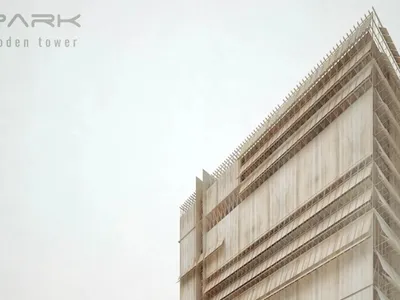
EW PARK: Sustainable Architecture Reimagines the Future of Urban Parking
EW PARK reimagines city parking as a modular wooden tower combining automation, solar energy, electric mobility, and adaptable urban design.

Riyadh For All: Intergenerational Urban Design for Active Aging in Rabat
Riyadh For All reimagines urban design in Rabat with intergenerational co-living, adaptive courtyards, and Moroccan cultural exchange today.


Similar Reads
You might also enjoy these articles


Hodi-Mandai Geram
Project Function: Preservation and revitalization of the Intangible heritage and socio-spatial identity of the Hodi by Housing, Cultural Memory Center, Sacred Grove, landscape, local tourism economy


Olio Towers: A Mid-Rise for Performers That Fuses Housing, Rehearsal, and Stage
Located blocks from Houston's Theater District, this modular tower stacks living units around a central performance atrium.

Oasis: Modular Green Housing Carved into Dhaka's Urban Fabric
A shortlisted Plugin Housing entry reclaims unauthorized settlements in Dhaka with stepped concrete volumes, green roofs, and ventilation-driven design.

Black Hole: A Floating Megastructure for the Post-Physical Era
Emiliano Mazzarotto envisions a spherical, self-scaling arena where e-sports, digital hotels, and holographic stadiums replace traditional public space.

Explore Architecture Competitions
Discover active competitions in this discipline



Challenge to reimagine the Iron Throne


Photograph architecture without architects


Illustrate the lost glory of Angkor Wat - Render Challenge


Design challenge to reuse E-waste
Comments (0)
Please login or sign up to add comments
No comments yet. Be the first to comment!