
Mediterranean House Renovation: Joan Maragall House by CA-N Estudi
A Mediterranean house renovation in Barcelona transforms a 1950s family home into a modern, light-filled sanctuary for new beginnings.


A Contemporary Transformation of a 1950s Family Home in Barcelona
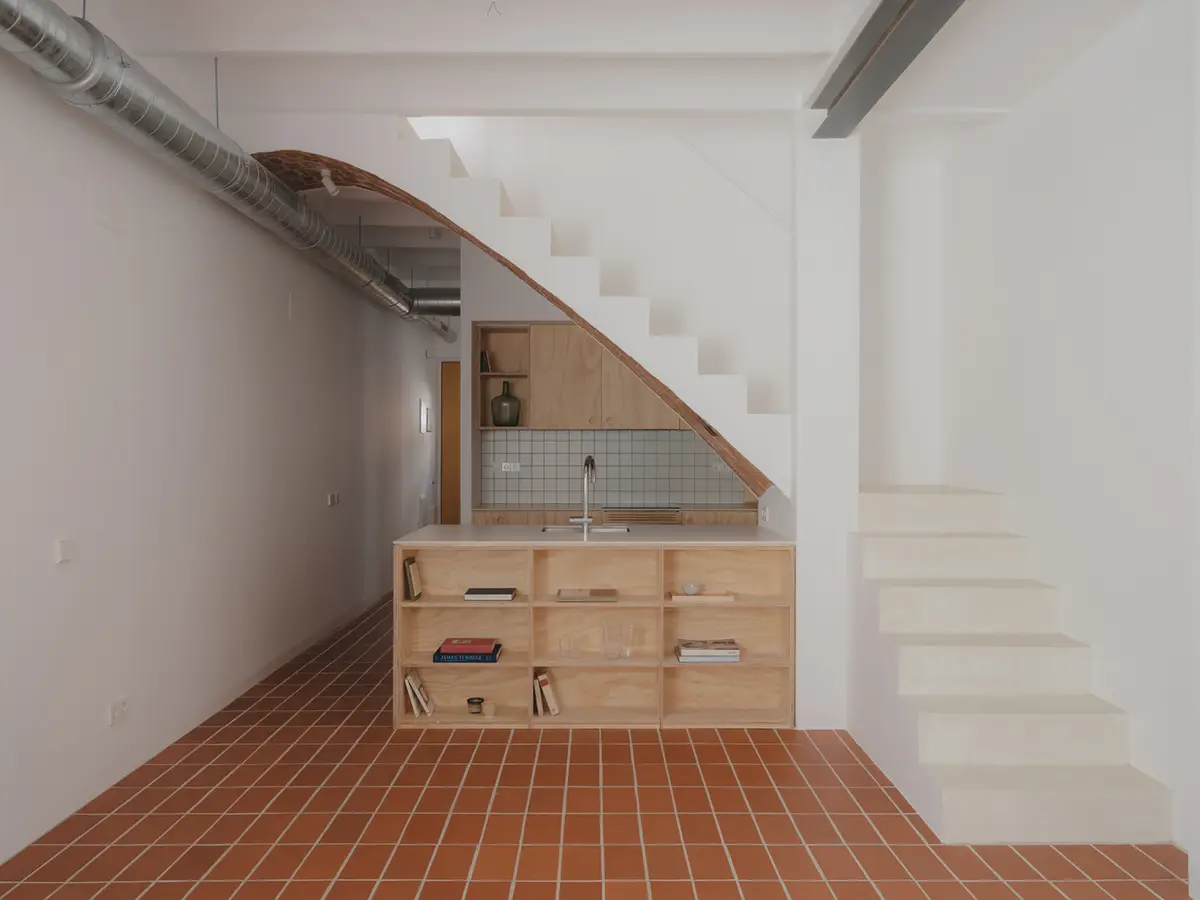
Nestled in the heart of Barcelona, the Joan Maragall House project by CA-N Estudi exemplifies the elegant transformation of a traditional structure through a Mediterranean house renovation approach. Originally built in the 1950s on a narrow plot only four meters wide, the residence has been meticulously reimagined for a young couple ready to begin a new chapter of life. This renovation balances architectural heritage with modern functionality, creating a warm, light-filled environment that is both timeless and deeply personal.
Preserving Identity While Embracing Change
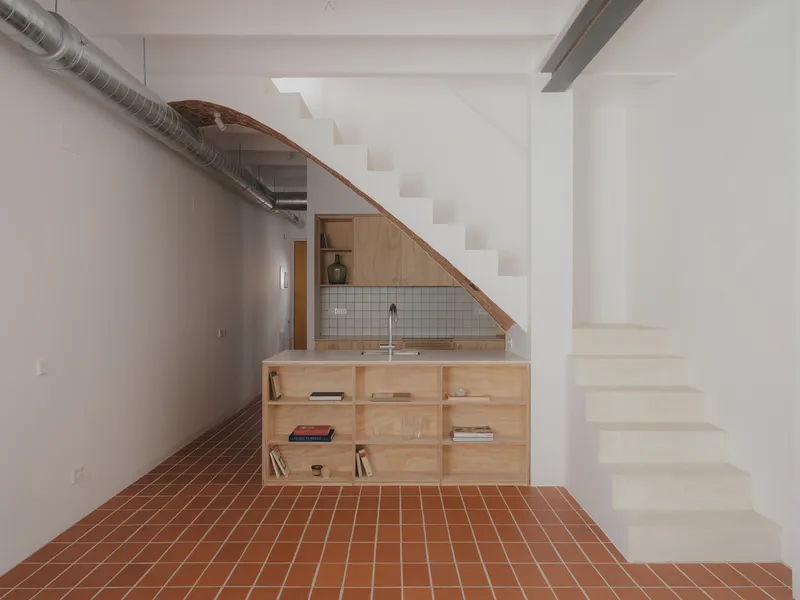
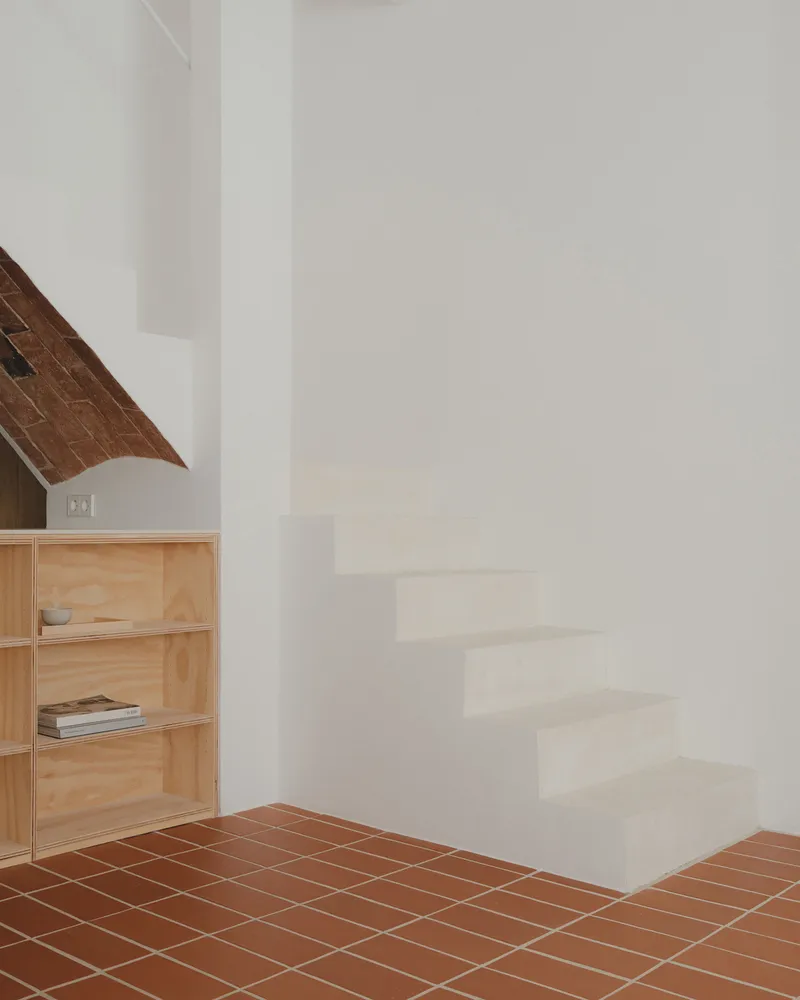
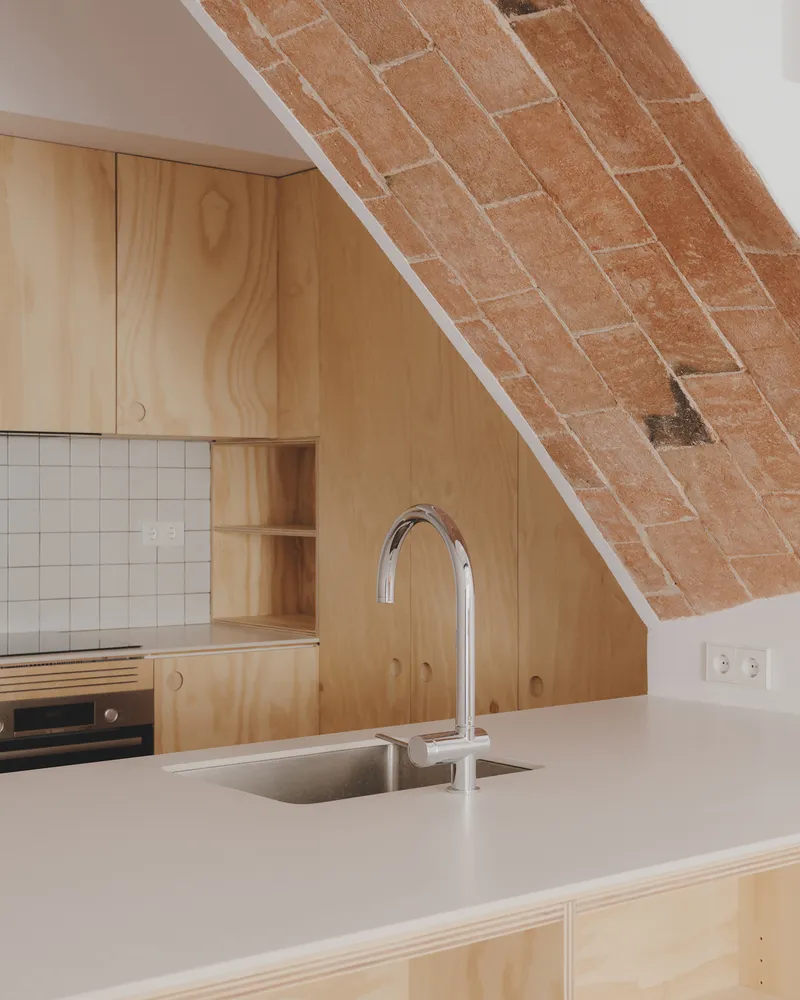
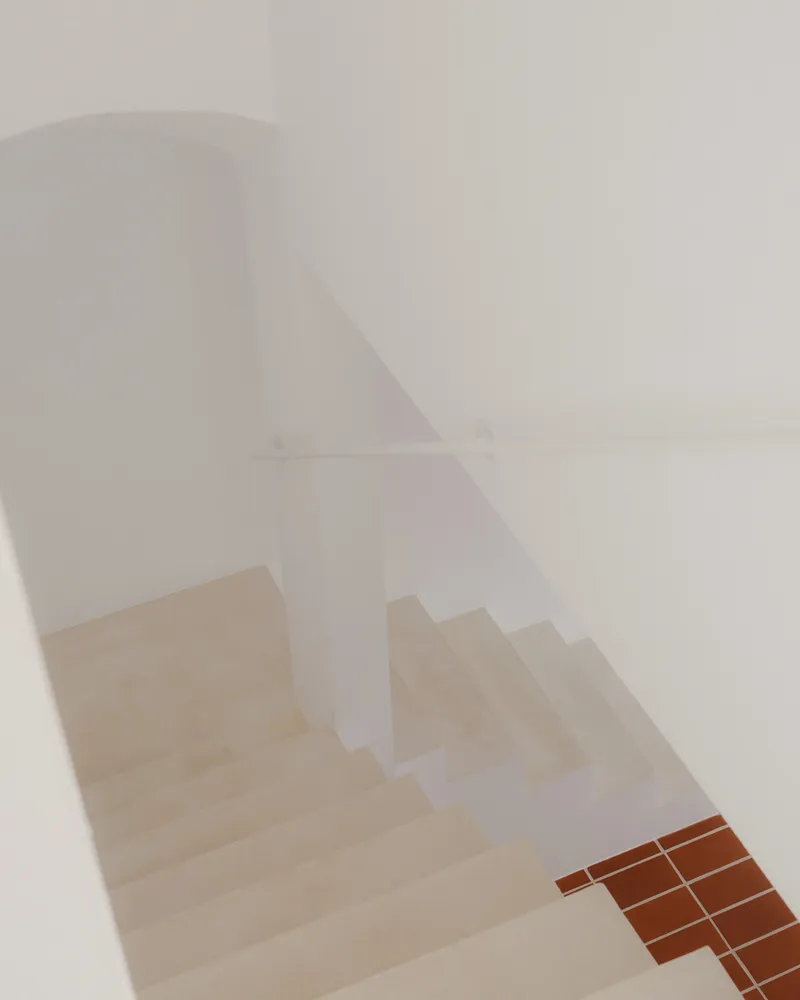
Despite its solid condition, the original home had a fragmented layout that no longer suited modern living standards. The design team chose to retain and highlight key historical features like the Catalan vaulted ceiling and the staircase, anchoring the design in its mid-century roots. These elements were seamlessly integrated into a more open, fluid interior, aligned with the client’s vision of a functional and family-friendly living space.
Mediterranean Minimalism and Natural Materials
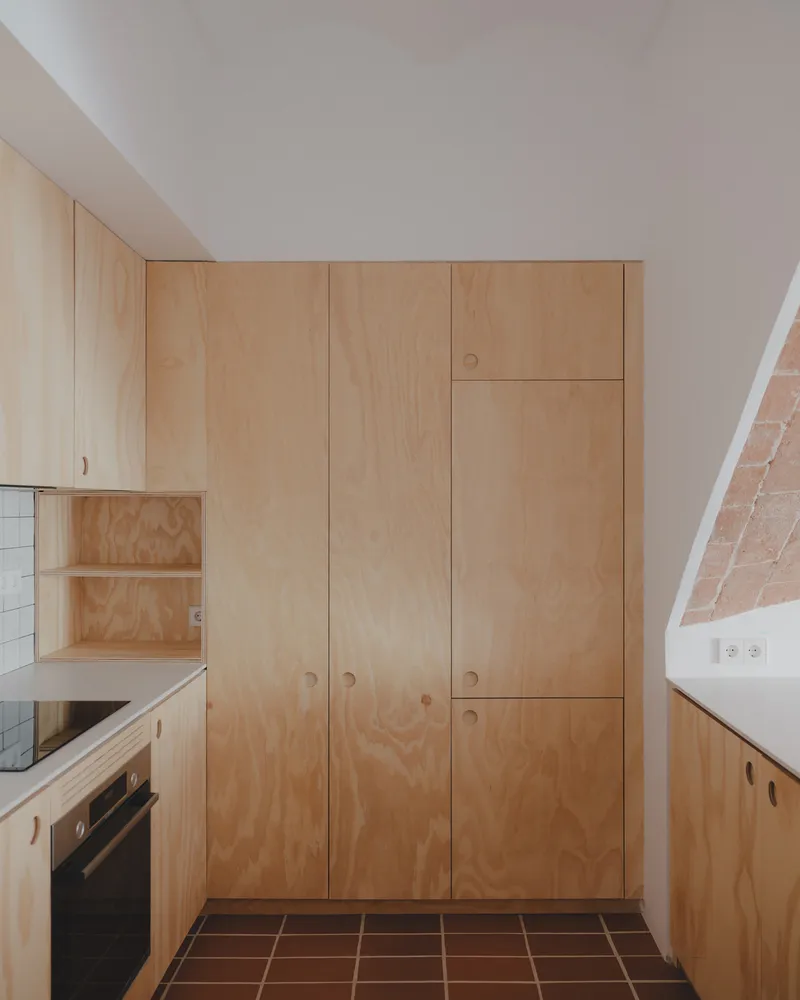
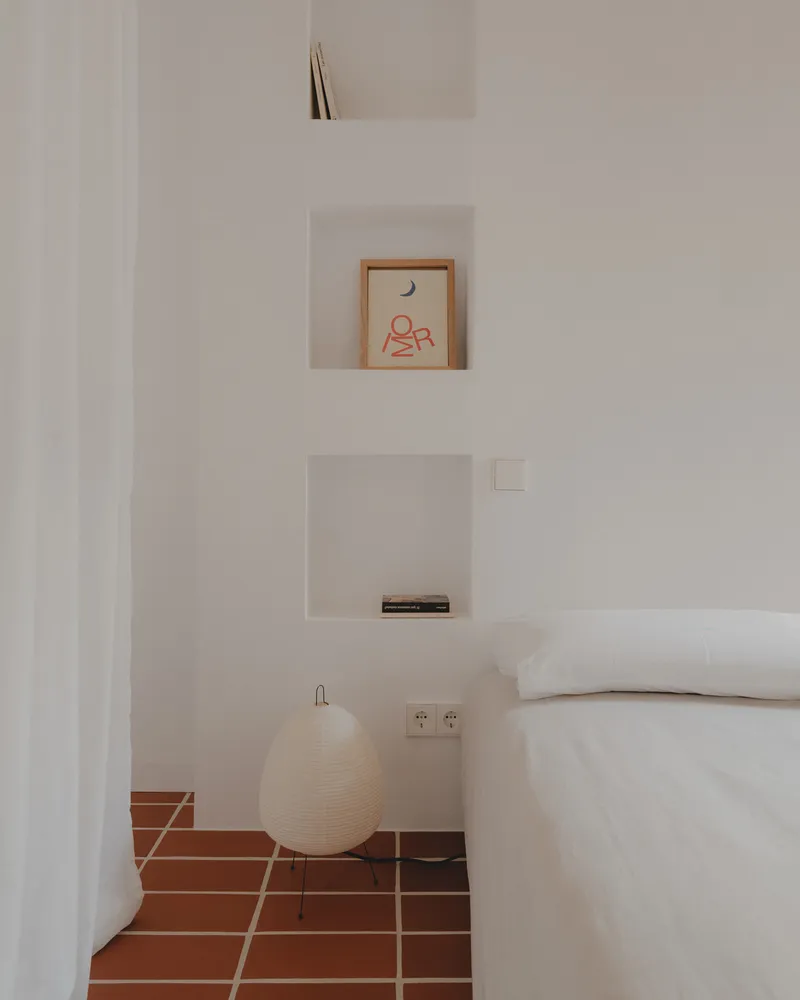
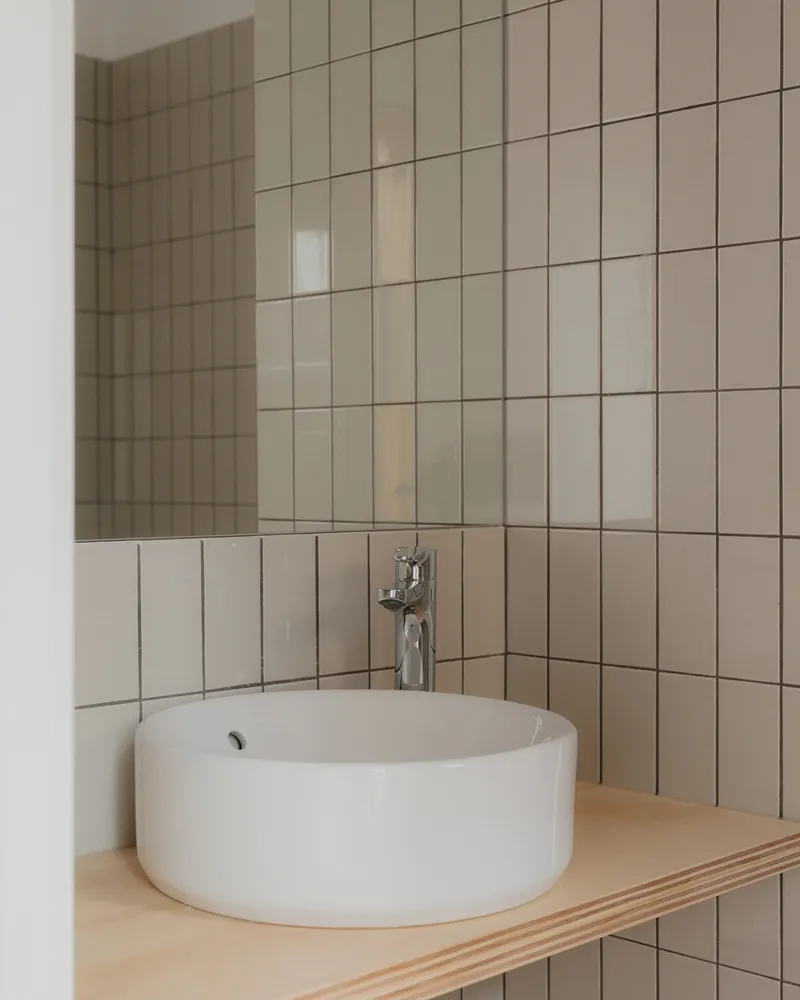
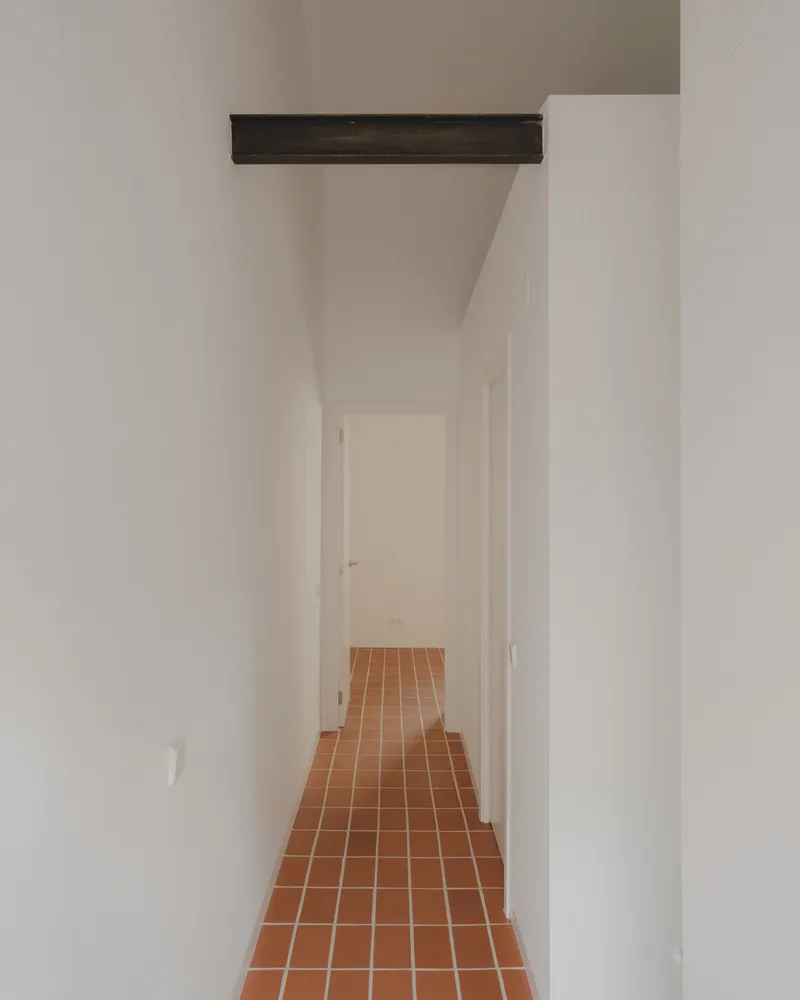
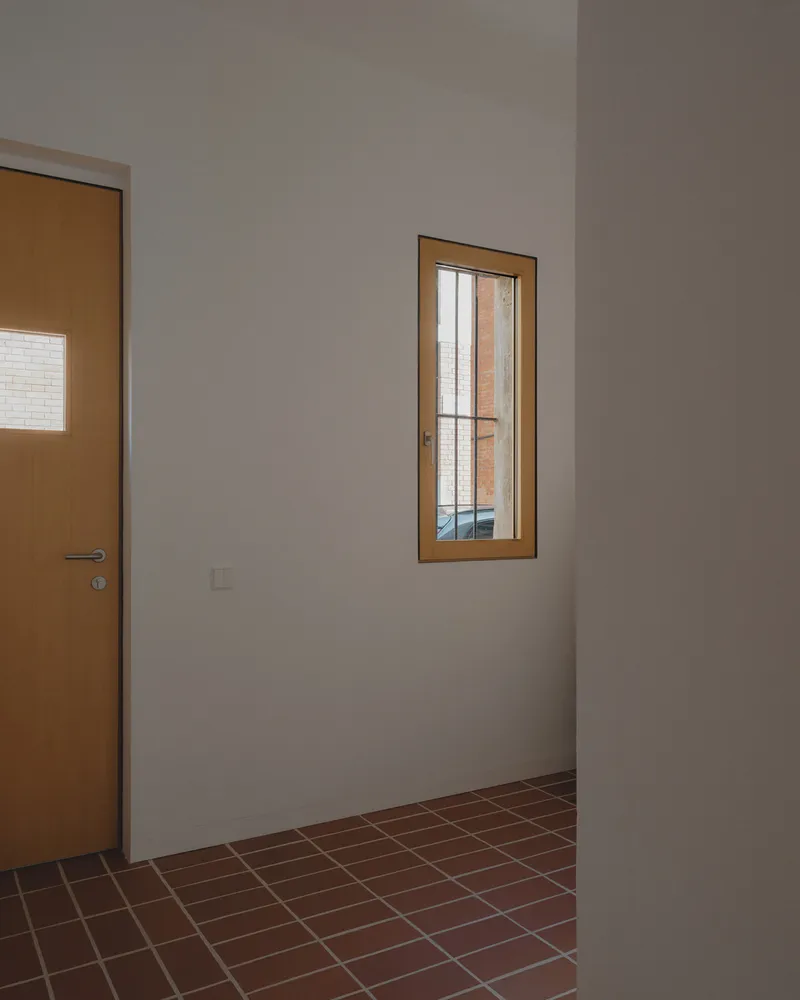
The design draws heavily on Mediterranean architecture's characteristic honesty and simplicity. Natural materials such as pine wood, ceramic tiles, and handmade glazed tiles were carefully selected to imbue the home with texture and warmth. These choices not only reflect regional traditions but also ground the home in a palette of organic tones that complement its sunlit interior.
Spatial Reconfiguration for Light and Openness
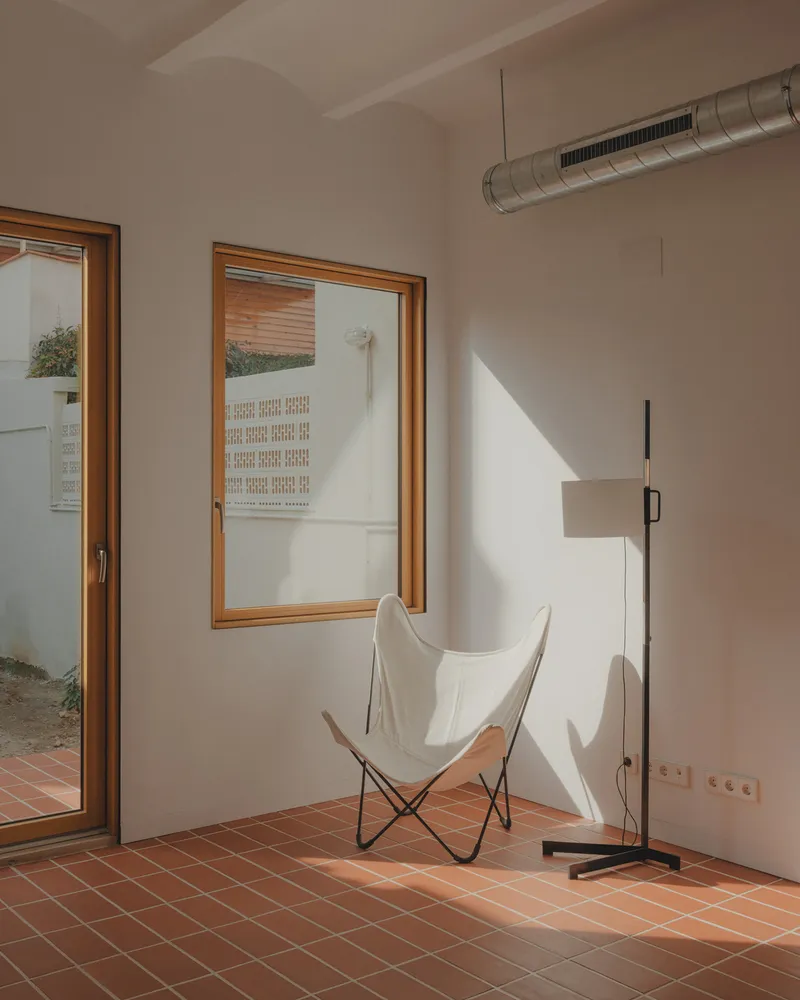
The renovation’s most significant transformation occurred with the strategic reconfiguration of interior spaces. The central courtyard was removed, making way for a spacious, open-plan living room that connects visually and physically with a newly designed garden. Large openings allow daylight to flood the interiors, and the staircase was reoriented to enhance flow and accessibility. The kitchen, once closed off, now forms a central hub in the home, extending visually to the garden and linking the heart of domestic life to the outdoors.
Vertical Expansion in a Compact Footprint
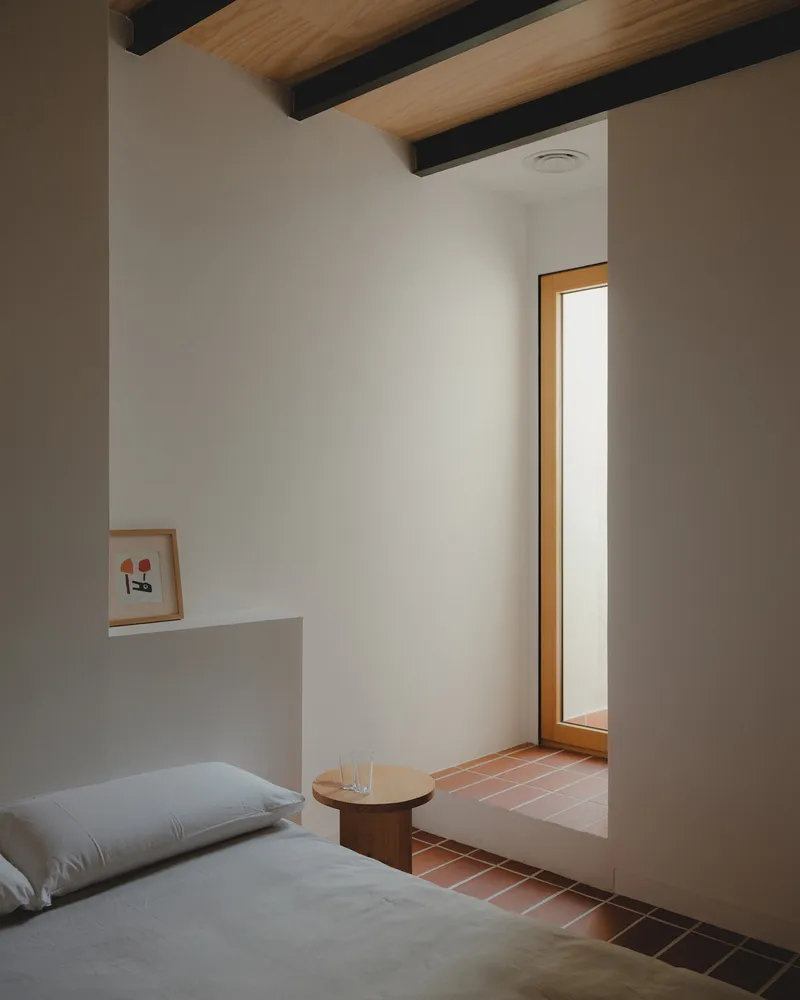
To counterbalance the home’s narrow footprint, the architects removed a false ceiling on the upper floor to create a dramatic double-height space. This intervention not only added visual volume but also allowed for improved airflow and light diffusion throughout the interior. The master bedroom, deliberately kept below full ceiling height, cleverly incorporates a lofted storage area and benefits from natural light borrowed through the open upper volume.
Outdoor Integration Through Material Continuity
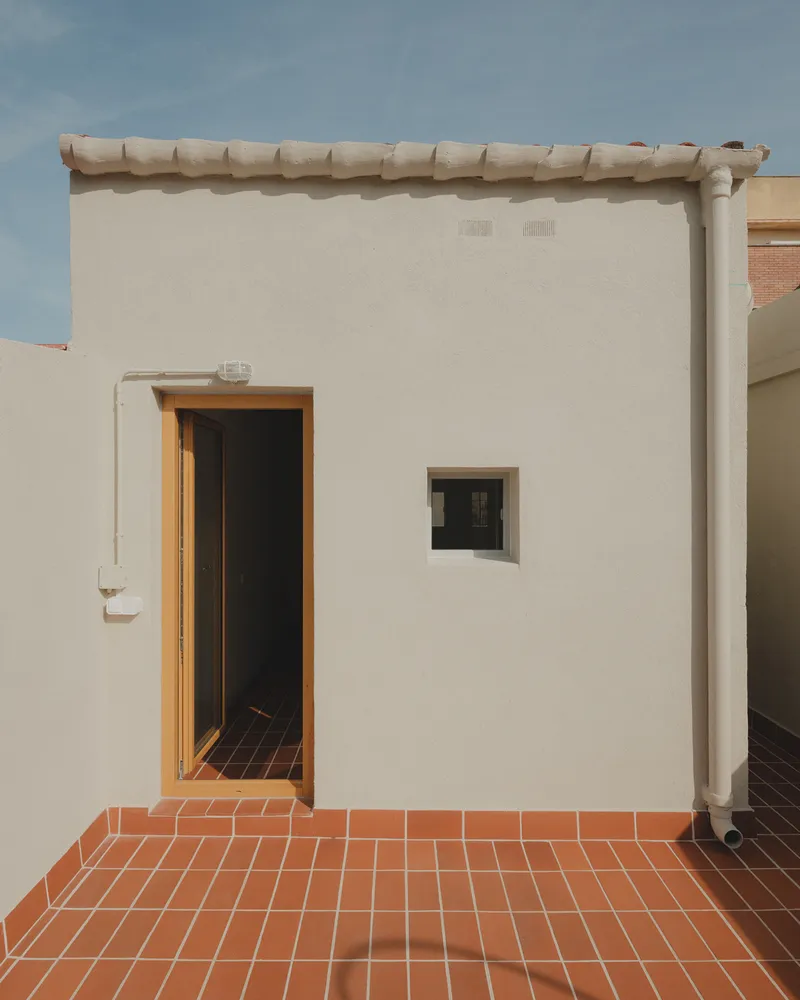
The design strategy extended beyond interior spaces. In the garden, outdated structures were demolished to reclaim valuable outdoor area. The flooring flows uninterrupted from inside to outside, forming a continuous slab that unifies indoor and outdoor spaces. This seamless transition enhances the perception of space and supports a Mediterranean lifestyle centered on fluid, informal movement between nature and shelter.
A Modern Mediterranean Living Experience
The Joan Maragall House captures the essence of Mediterranean house renovation: respect for architectural heritage, a minimalist material palette, and intelligent spatial reconfiguration. CA-N Estudi has transformed a once-outdated family residence into a luminous, efficient, and intimate home—one that will evolve with its new occupants while remaining firmly rooted in place and tradition.
All photographs are works of Pol Masip


Popular Articles
Popular articles from the community


Architekt Andreas Gruber Scatters 23 Dark Timber Chalets Across a South Tyrolean Forest Edge
In Molini di Tures, Amonti Chalets breaks a resort into a hamlet of gabled timber houses, with parking, storage and services pushed into the slope.

longwave studio Reorganizes a 112 m² Tainan Apartment Around the Daily Routines of a Family and Two Cats
In Tainan, Taiwan, birch plywood, rust-red furniture and a freestanding plaster wall link arrival, storage, work and family life in one apartment.

Juan García Correa, John González and Claudia Rueda Sink a Circular Amphitheater into a Manizales Engineering Building
On the La Nubia campus in Manizales, Colombia, the S1 Building folds labs and offices into a hillside of ramped lawns that double as a campus route.

GROUP A Strips a 1969 Rotterdam Harbor Headquarters to Its Frame and Wraps It in Timber Louvers
In Rotterdam's M4H harbor district, Ferro Offices reuses a 1969 frame, adds one timber storey and reaches BREEAM-NL Outstanding.

Similar Reads
You might also enjoy these articles

Gil Mello Arquitetura Tilts a Single Roof Toward the Waterfalls on a Plateau Above Aiuruoca, Brazil
In Aiuruoca, Minas Gerais, a 200 m² house of local labor and reclaimed poles pairs a low valley veranda with a tall mountain one.

U.GA Architects Wraps an Oval Rooftop Pool in Curved Board-Formed Concrete on Busan's Jeollidan-gil
In Busan's Jeonpo-dong, a 454 m² mixed-use block stacks a neighborhood facility, guest rooms and an oval rooftop pool inside spiraling concrete walls.

Felipe Hess Arquitetos Turns a Blind Stone Wall to the Street and Opens a Brazilian House onto a Courtyard and Canal
A canal-front house in Brazil hides behind painted stone and planting, then opens to an olive-tree courtyard, a reed-ceilinged porch and a curving pool.

David Macias Steps a Doorless Stone and Plaster House Down a Tropical Colombian Hillside
In the humid hills of Colombia, Threshold House replaces the front door with an open void and terraces its 850 m² down the slope instead of fighting it.

Explore Architecture Competitions
Discover active competitions in this discipline

Challenge to reimagine the Iron Throne

Photograph architecture without architects

Illustrate the lost glory of Angkor Wat - Render Challenge

Design challenge to reuse E-waste
Comments (0)
Please login or sign up to add comments
No comments yet. Be the first to comment!