
Melrose Housing by Taillandier Architectes Associés: Innovative Residential Design in Seilh, France
Melrose Housing in Seilh blends sustainable, strip-style residential design with patios, loggias, communal courtyards, diverse housing types, and engaging outdoor spaces.

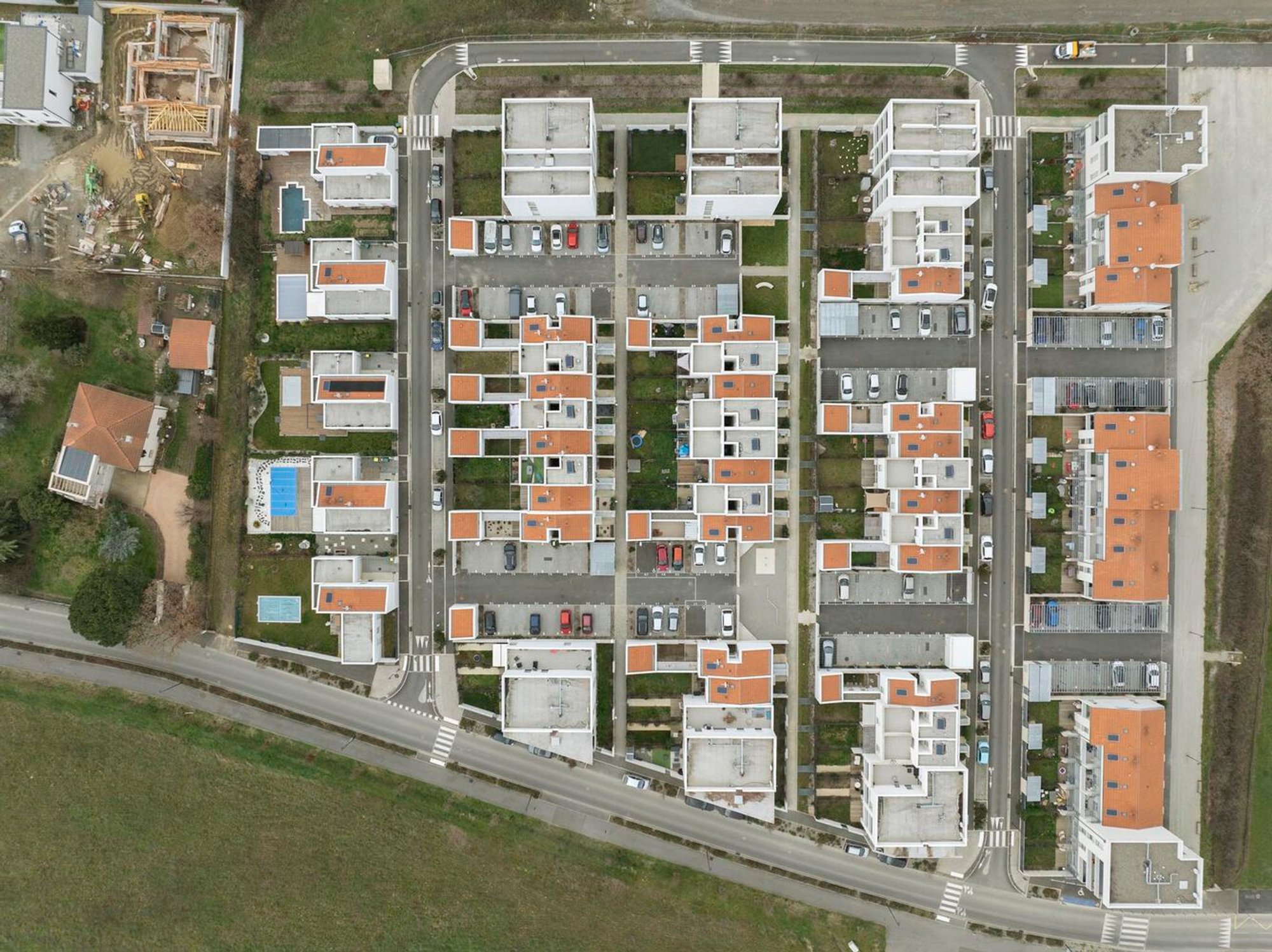
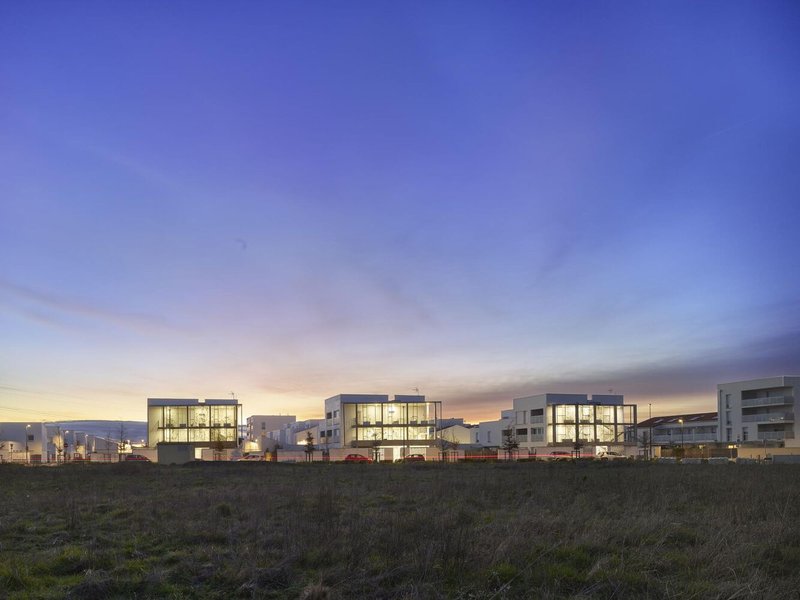
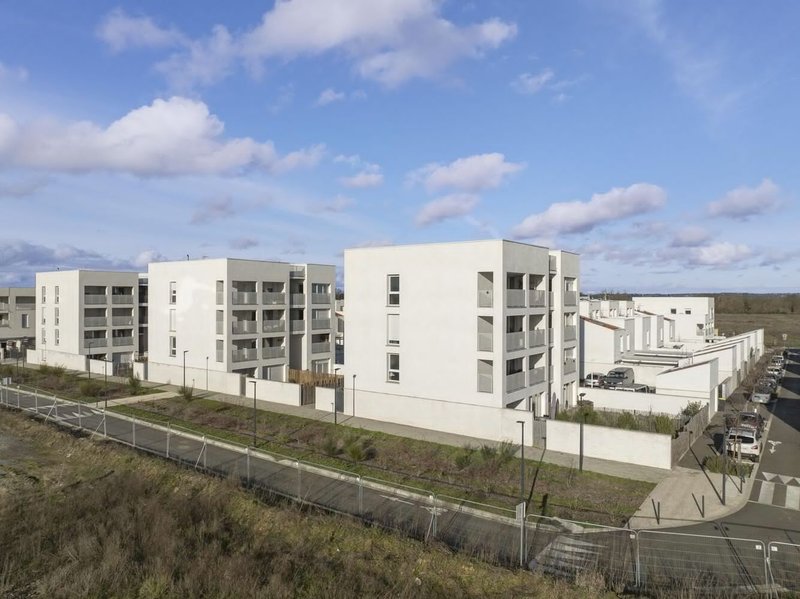
Melrose Housing is a pioneering residential development by Taillandier Architectes Associés, strategically located on the outskirts of Seilh, near Toulouse. Positioned within the larger Laubis Joint Development Zone, this project represents the first sector of a forward-thinking urban planning initiative. The site is conveniently close to major hubs such as the Airbus campus and the MEETT Toulouse Exhibition and Convention Centre, ensuring a dynamic connection to the city while maintaining a serene suburban character.
Urban Integration and Context
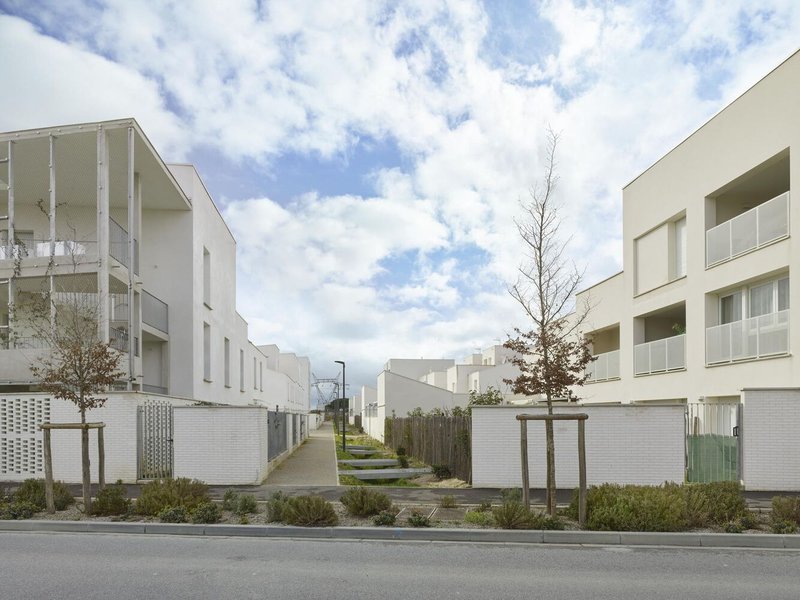
The design of Melrose Housing follows the principles set out by the AR357 urban planning team, winners of the “Europan” competition. The concept revolves around “knitting your neighborhood together,” emphasizing connectivity, community, and harmonious integration with the natural environment. The development is organized into multiple lots: B8, B9, B10/B11, and B12, each reflecting a unique approach to urban living. While AR357 and FFFBBB manage other lots, Taillandier Architectes Associés took the lead on lots B10/B11, creating a diverse yet cohesive architectural fabric.
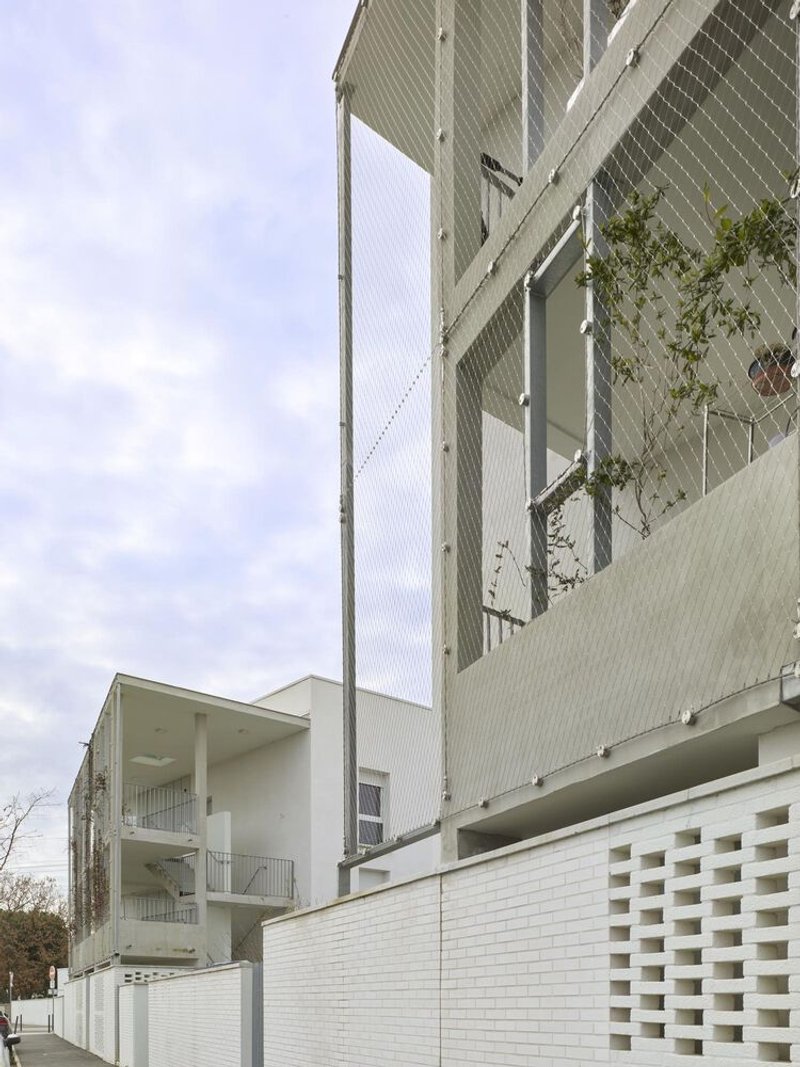
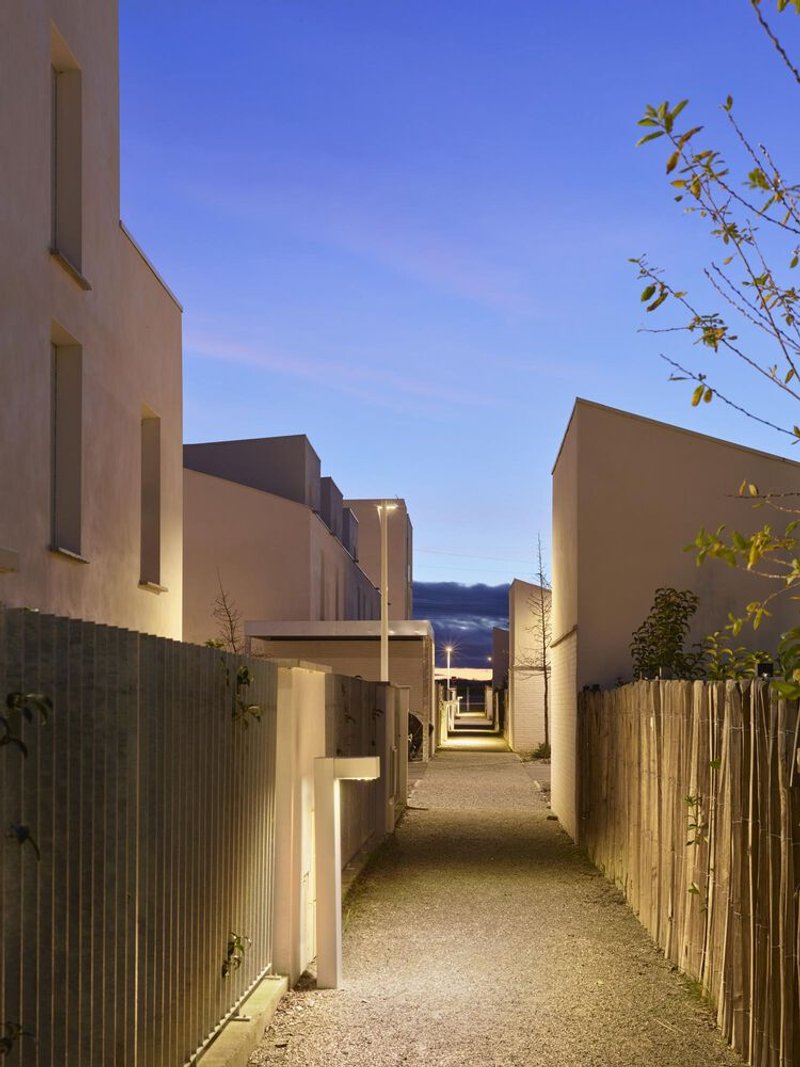
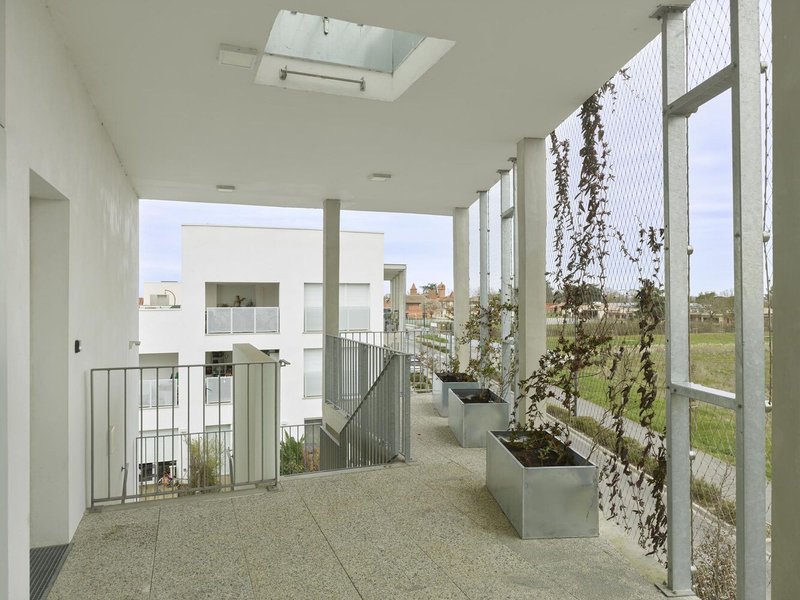
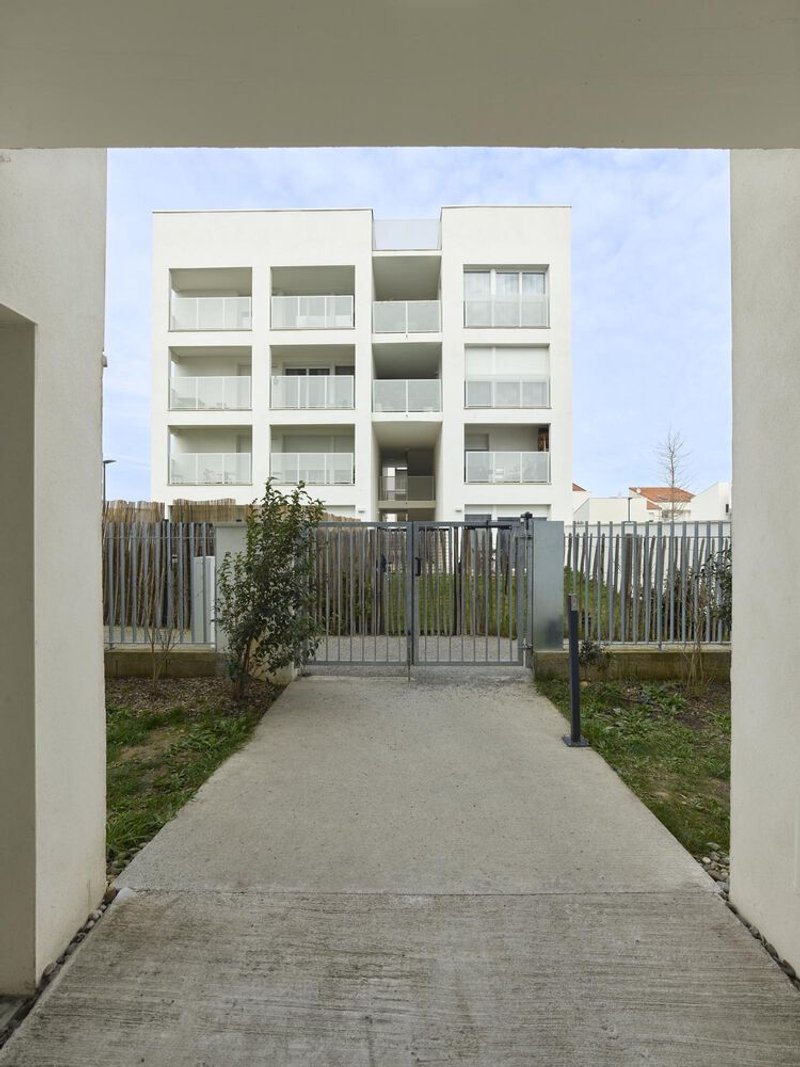
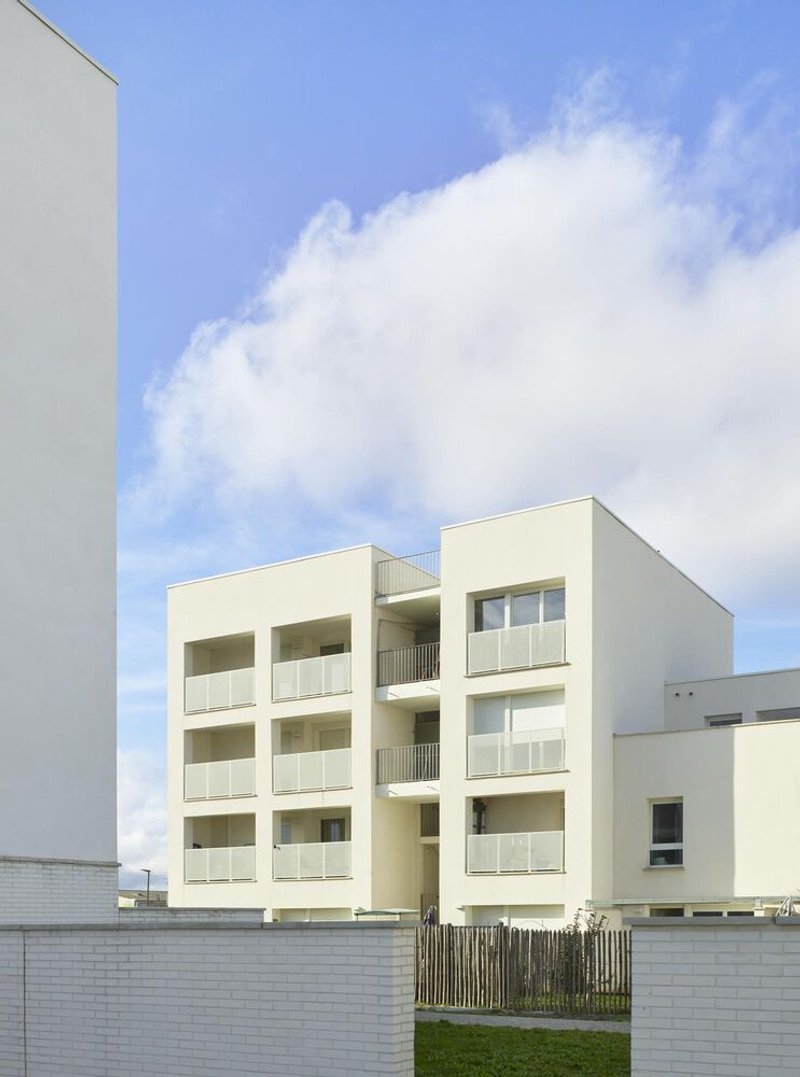
Nestled along the banks of the Garonne River, the site leverages the existing natural landscape, including a historic mother ditch, which guides the east-west orientation of the buildings. This alignment maximizes sunlight penetration and enhances scenic views while preserving the local ecology. Ground-floor units benefit from private gardens, while first-floor apartments feature south-facing loggias that provide natural light, ventilation, and outdoor living spaces.
Architectural Concept and Design
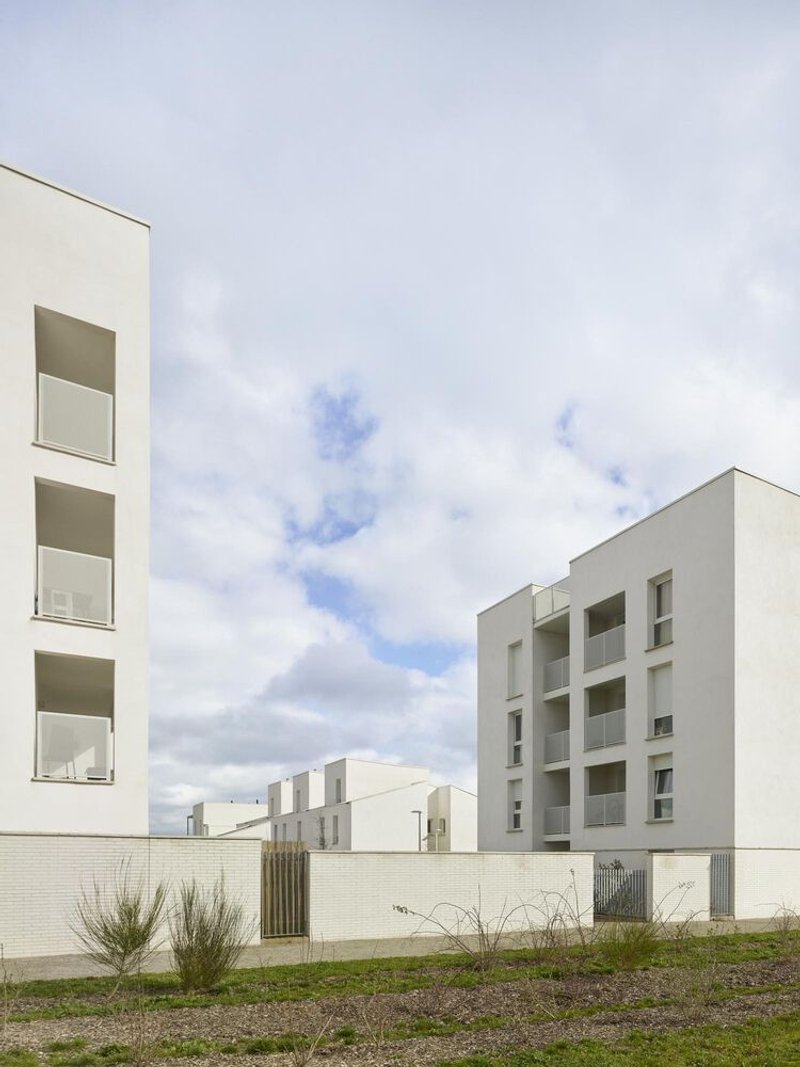
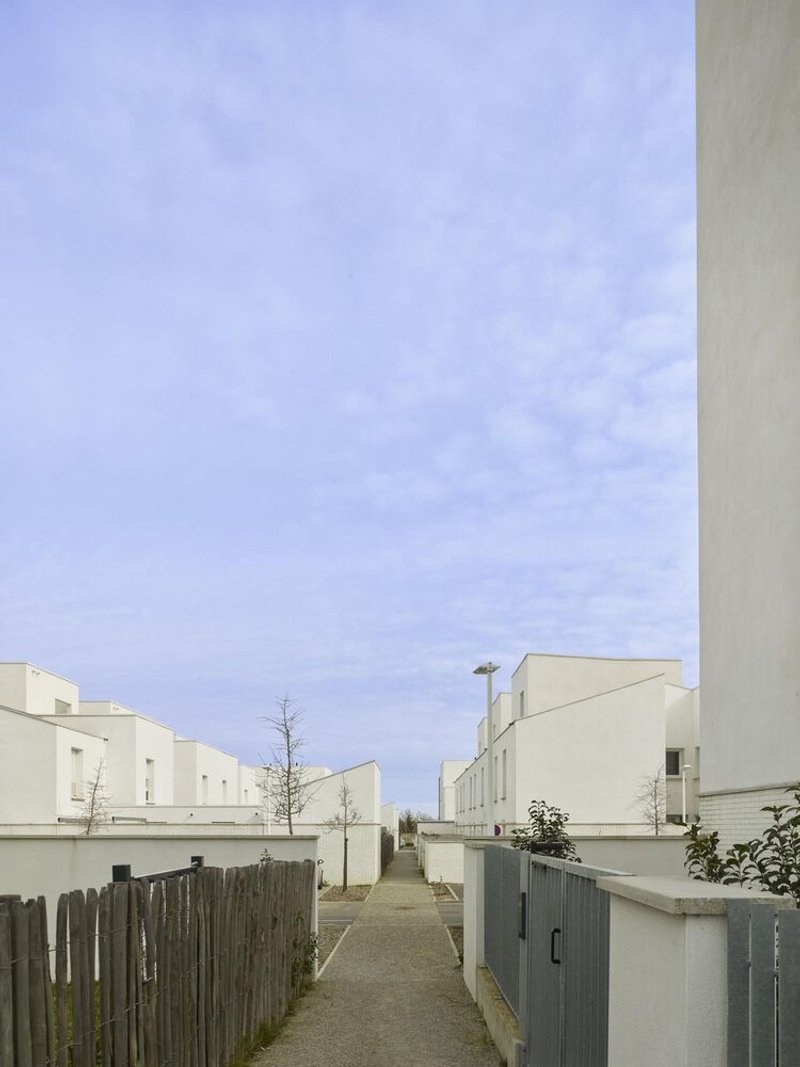
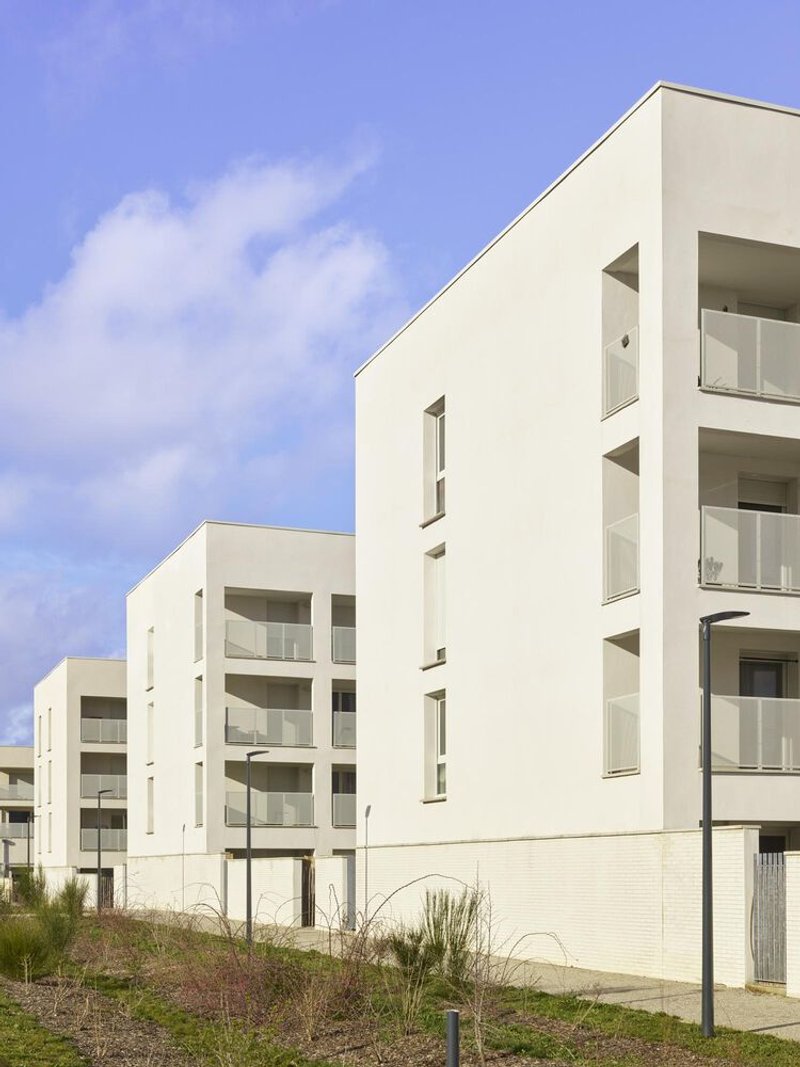
Melrose Housing is characterized by a strip housing concept, where terraced and mid-rise multi-family units are articulated around shared patios and courtyards. This design creates a rich interplay of volumes and spatial experiences, allowing each home to maintain privacy while fostering community interaction.
The typology of the housing is carefully considered: T3 units form the base, with additional volumes ranging from R+1 to R+2, creating a dynamic roofline and urban variety. The central patios, present in approximately two-thirds of the homes, function as outdoor rooms, bringing natural light to every interior and enhancing the quality of living. Other units without patios provide diversity in spatial experience, ensuring a unique character for each dwelling.
Outdoor Spaces and Communal Areas
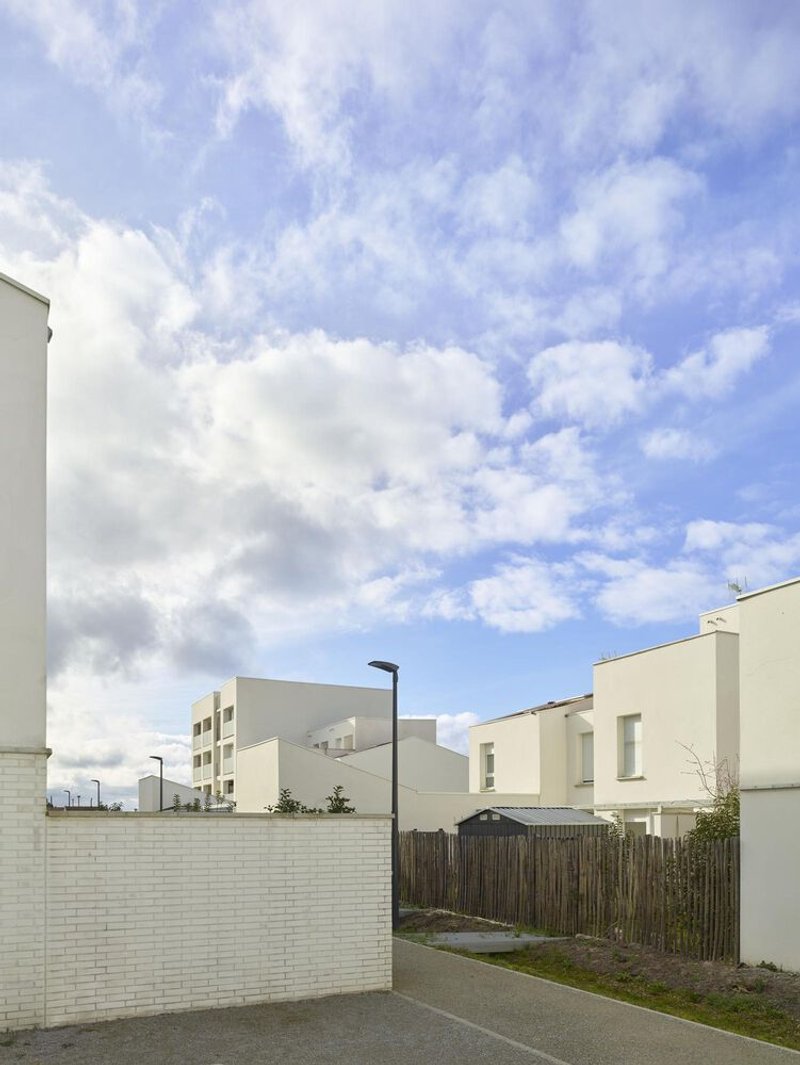
One of the standout features of Melrose Housing is its emphasis on shared outdoor spaces. Tree-lined communal courtyards not only house parking but also promote social interaction among residents. Bicycle parking is strategically integrated within courtyards, while waste and recycling facilities are located along plot edges for convenience.
The development includes multifunctional areas such as a shared sports field to encourage children's activities and foster neighborhood engagement. Additionally, a communal vegetable garden with a greenhouse and tool storage facilitates community bonding, shared learning, and sustainable living practices. Residents are encouraged to cultivate, exchange, and dine together, strengthening the social fabric of the neighborhood.
Sustainability and Functional Design
Sustainability is seamlessly integrated into both private and communal areas. Each dwelling has been designed with adaptability in mind, allowing residents to evolve their living spaces according to changing needs. Optional outdoor furniture pieces, including compost bins, water collectors, and summer kitchens, offer functional solutions that enhance everyday life.
Parking zones comply with local joint development regulations, with asphalt circulation areas punctuated by tree pits and concrete-paved parking. The pedestrian pathways, sports areas, and communal gardens are designed with durable materials such as swept concrete and bush-hammered surfaces, ensuring long-term resilience and aesthetic appeal.
Interior and Spatial Experience
Inside the homes, attention to detail ensures functional yet flexible living. The layout encourages natural light flow, optimal ventilation, and spatial continuity between indoor and outdoor areas. Private entrances, south-facing gardens, and upper-floor loggias emphasize both privacy and connection with nature, aligning with contemporary standards of sustainable residential design.
The project’s meticulous planning extends to furniture and amenity design, offering a tailored experience that reflects the lifestyle of its occupants while maintaining harmony with the overall urban plan.
Melrose Housing by Taillandier Architectes Associés exemplifies modern residential architecture that balances urban density, community engagement, and environmental sensitivity. By integrating shared spaces, diverse housing typologies, and sustainable design strategies, this project establishes a model for future urban developments on the periphery of major cities.
All photographs are works of
Roland Halbe




Popular Articles
Popular articles from the community

Foster + Partners Wraps a 200-Meter Shanghai Tower in Stainless Steel and Industrial Memory
The Suhe Centre Office Tower anchors a regenerated waterfront district in Shanghai with an all-steel structure that nods to local warehouse heritage.
Indiesalon Carves a Plywood Cave into a Seoul Bistro's Second Floor
Munhwa Bistro's second Seongsu branch wraps diners in a laminated timber vault laced with colored light and mirror illusions.
VEIVE Architects Builds a Mountain Hostel That Disappears into a Hangzhou Hillside
On the Huihang Ancient Trail in Xiangjian Village, a shelter of wood, steel, and rammed earth roots itself in the rural landscape.
BLDUS Turns a 250-Square-Foot Screened Porch into a Pine Forest Temple in East Hampton
A gabled cedar pavilion mimics the rhythm of surrounding pines, anchoring a 1990s wooded home to its hollow in Long Island.


Similar Reads
You might also enjoy these articles


Bamboo Housing Challenge 2026: Design Affordable, Sustainable Homes Using Bamboo
An international design competition by Bamboo U and IBUKU inviting architects and designers to reimagine affordable housing using bamboo — with the winning design built full-scale in Bali.

Computational Design & Education: Beegraphy Design Awards Introduces 7th Category (Featuring Jiyun's Innovative Approach)
Dive into Beegraphy’s 7th Design Awards category, where computational design meets education to create immersive, interactive learning tools, inspired by Jiyun’s work.

From Parametric Lighting to Urban Furniture: Join the 2nd Workshop in Beegraphy’s Computational Design Series
Dive into Cutting-Edge Design Techniques and Practical Applications with Industry Experts

Introducing Sphere by UNI: Pioneering a New Era in AEC Industry
Unlocking Global Potential with BIM and Agile Management


Explore Architecture Competitions
Discover active competitions in this discipline




The International Standard for Design Portfolios


The Global Benchmark for Architecture Dissertation Awards


The Global Benchmark for Graduation Excellence


Challenge to reimagine the Iron Throne
Comments (0)
Please login or sign up to add comments
No comments yet. Be the first to comment!