

Metro de Madrid’s Integral Transportation Center: A Contemporary Urban Landmark
Metro de Madrid’s Integral Transportation Center blends urban regeneration, sustainable design, heritage preservation, and public gardens, creating a civic, modern, community-focused hub.


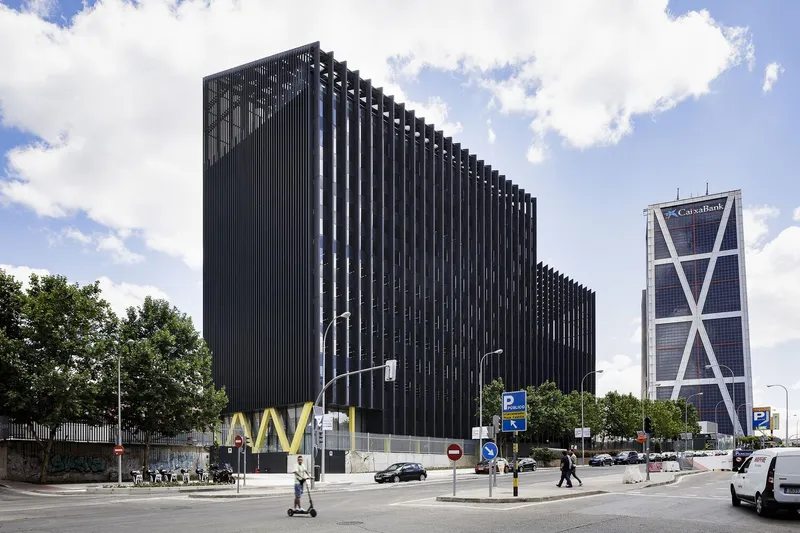
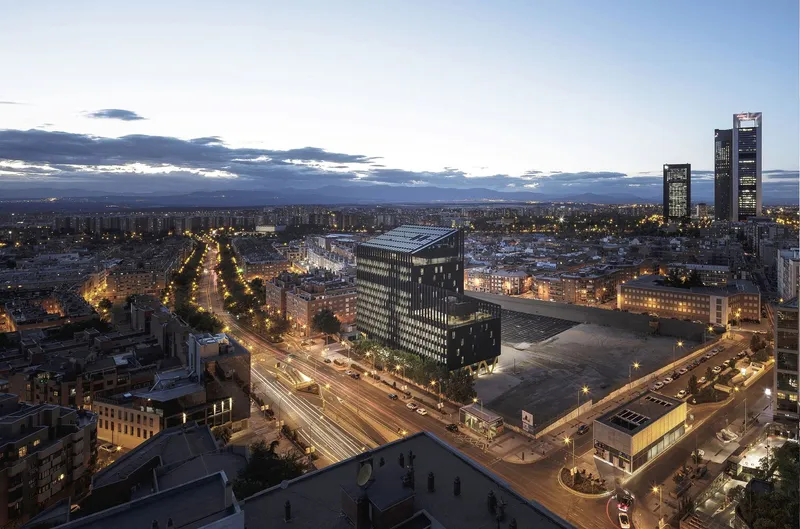
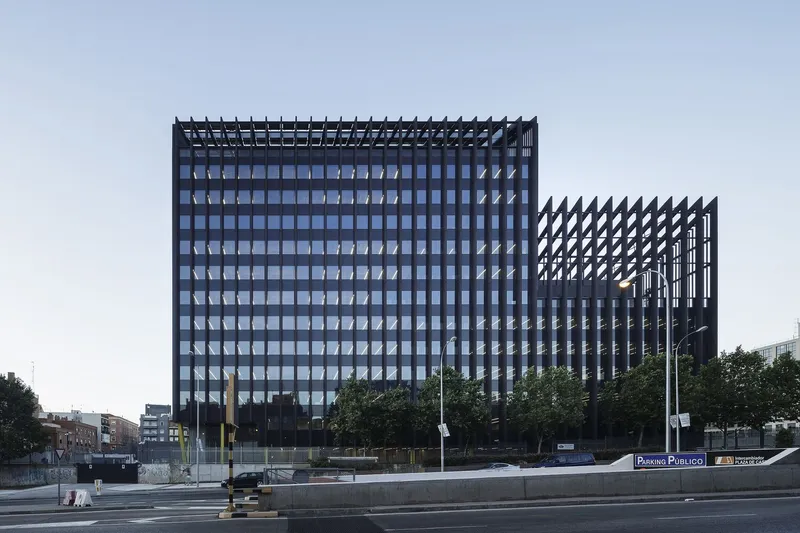
The Metro de Madrid Integral Transportation Center (CIT) stands as a striking example of urban regeneration and sustainable design in the heart of Plaza Castilla, Madrid. Conceived by Nexo Arquitectura, Gutiérrez-delaFuente Arquitectos, and Andrés Perea, this institutional campus transforms the former depots of Metro Line 1 into a dynamic hub for the city’s transport administration and community engagement.
Urban Regeneration and Sustainable Design
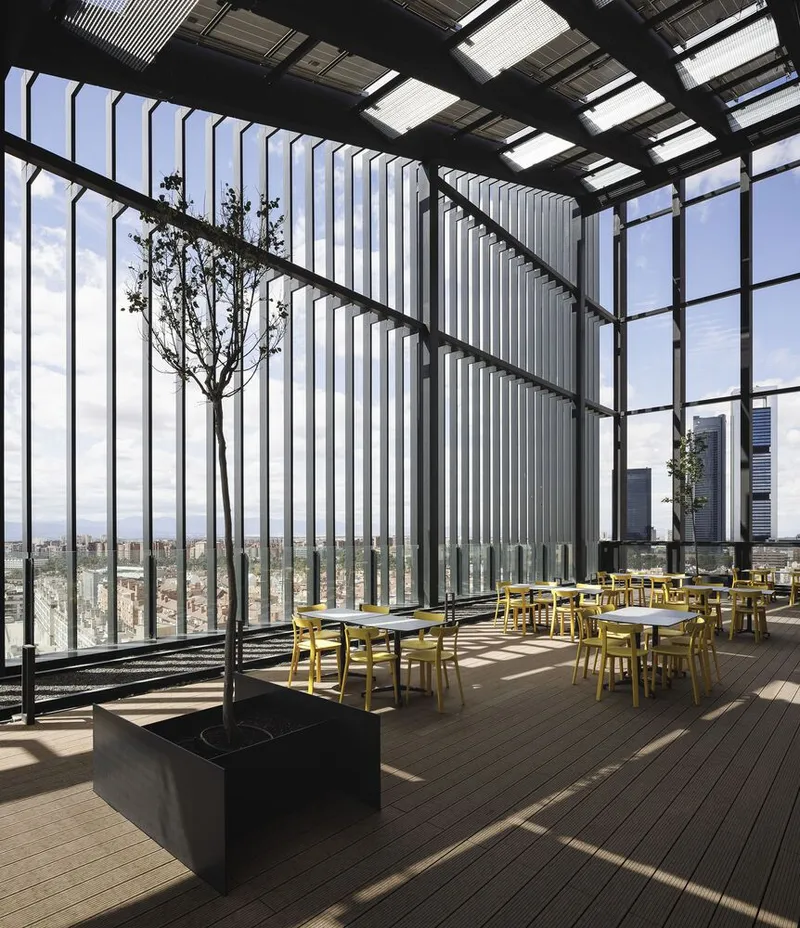
The CIT project addresses two major goals: the urban renewal of an obsolete metro facility and the centralization of office spaces and transport services for the Community of Madrid. The headquarters of Metro de Madrid, completed in 2022 as Phase 1 of the project, sets the stage for a technologically advanced, sustainable campus, with Phase 2 including the CCOR (New Technological and Operational Center), the Regional Transport Consortium, and the Museum of Transport. All buildings meet near-zero energy building (nZEB) standards, reflecting a commitment to sustainable architecture and environmental stewardship.
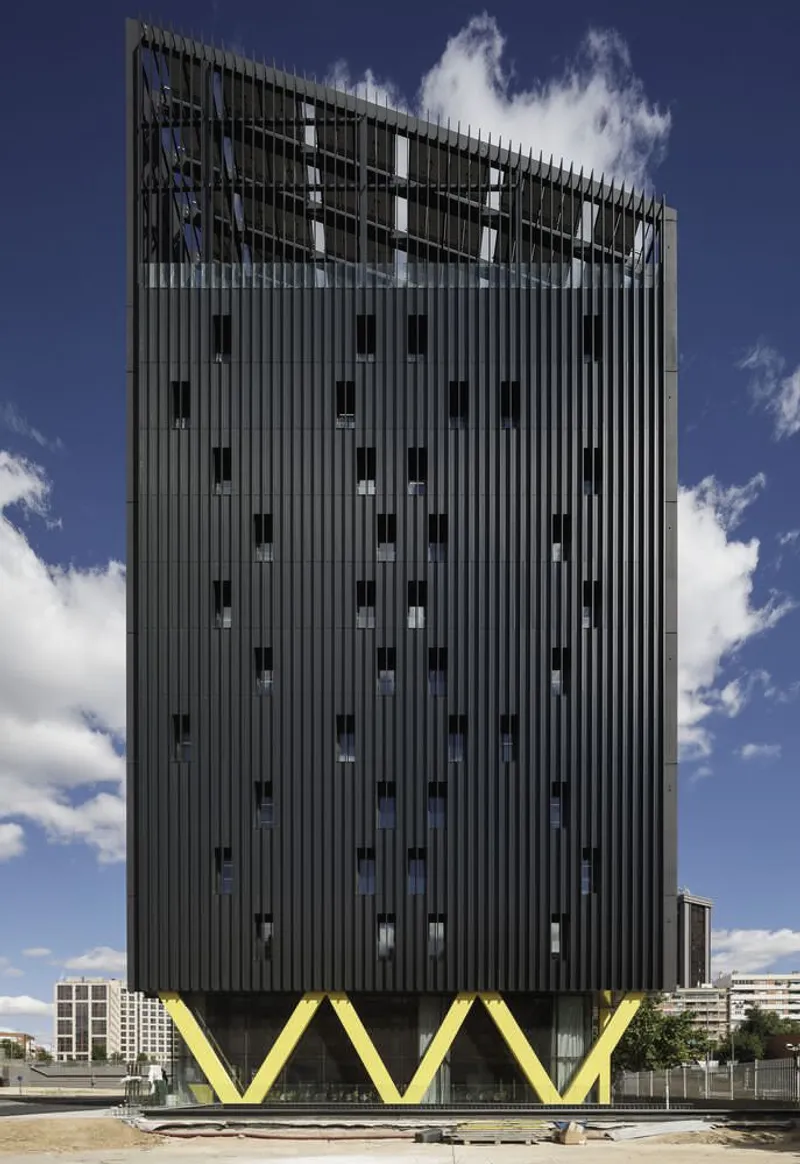
A New Urban Acropolis
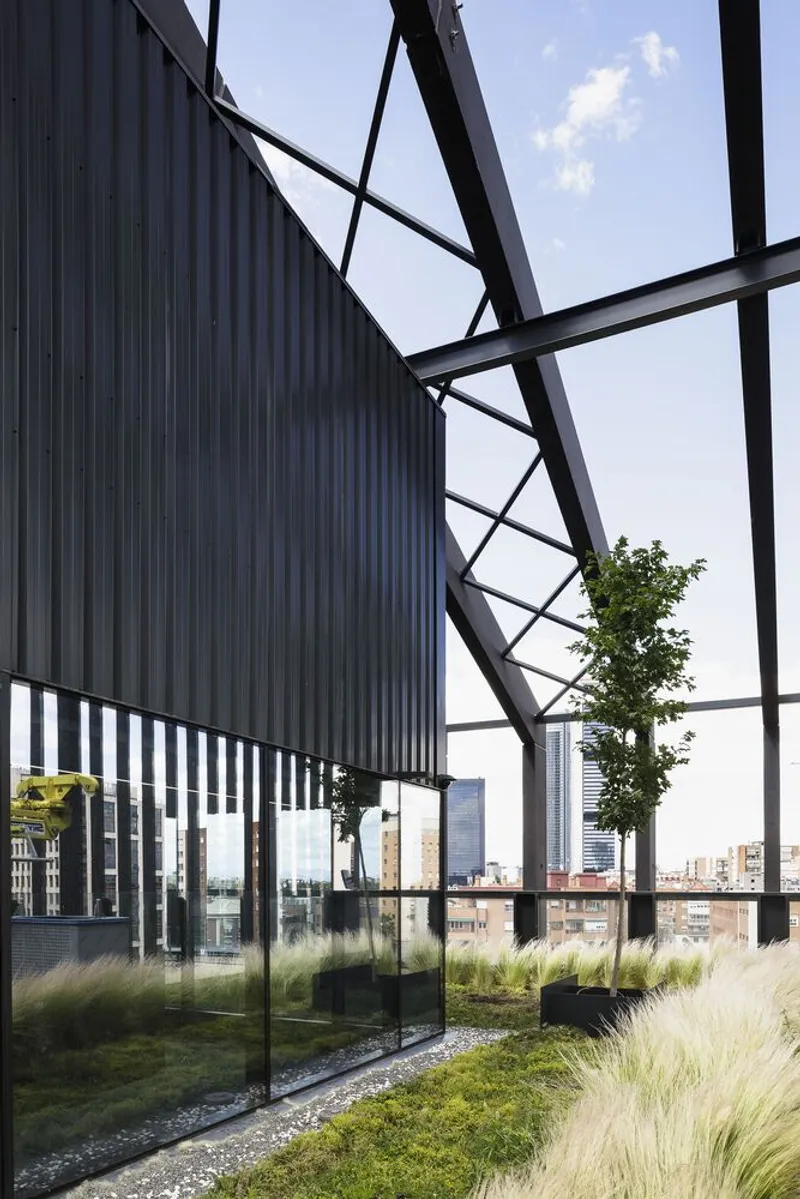
One of the defining features of the CIT is its visual and physical permeability, connecting the built environment with the central garden and the surrounding cityscape. The design establishes a new urban structure that clarifies street spaces while creating an inviting central Garden, Jardín 1 Metro, built on the legacy of the old depots. This space fosters a hybrid urban habitat for workers, residents, visitors, and local flora and fauna, establishing a civic destination that Madrid locals can experience and cherish.
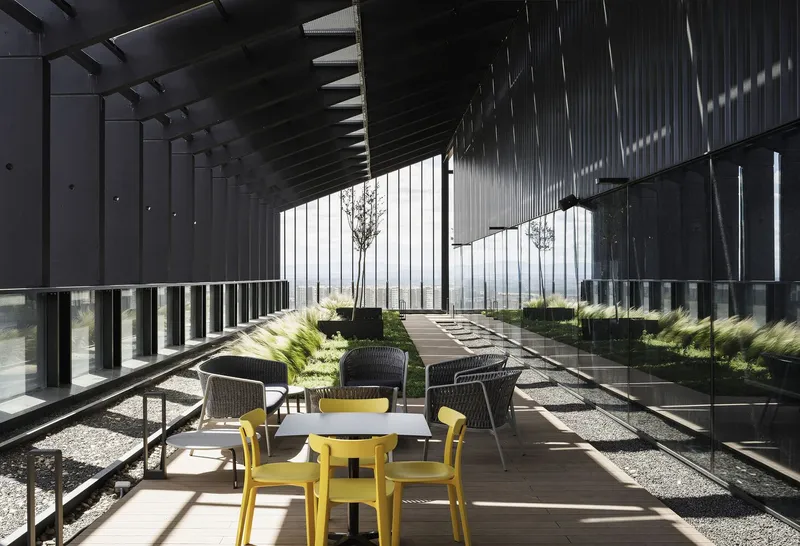
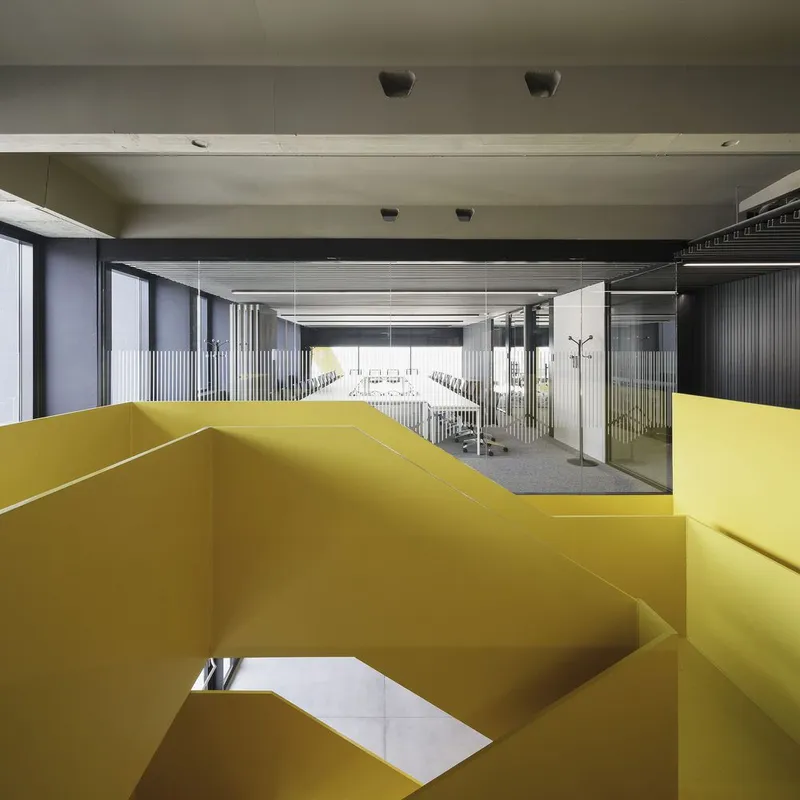
Preserving Heritage Through Design
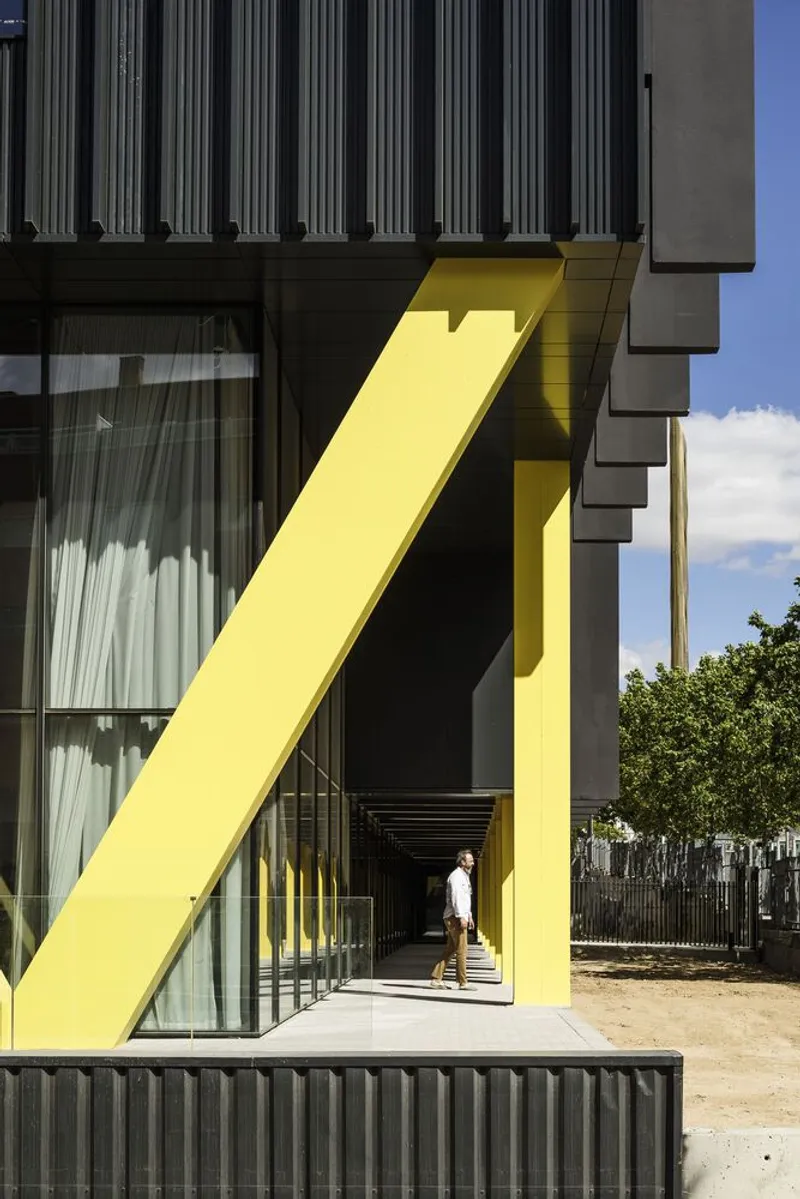
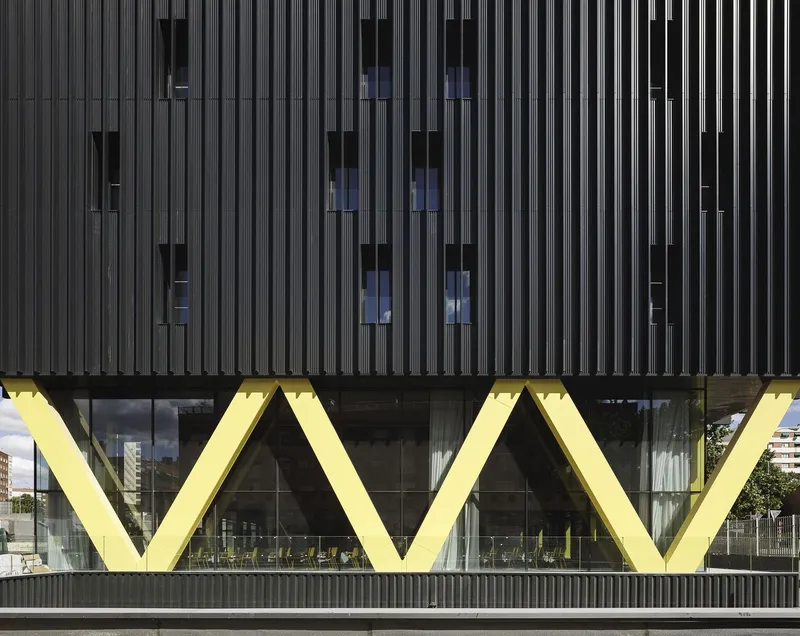
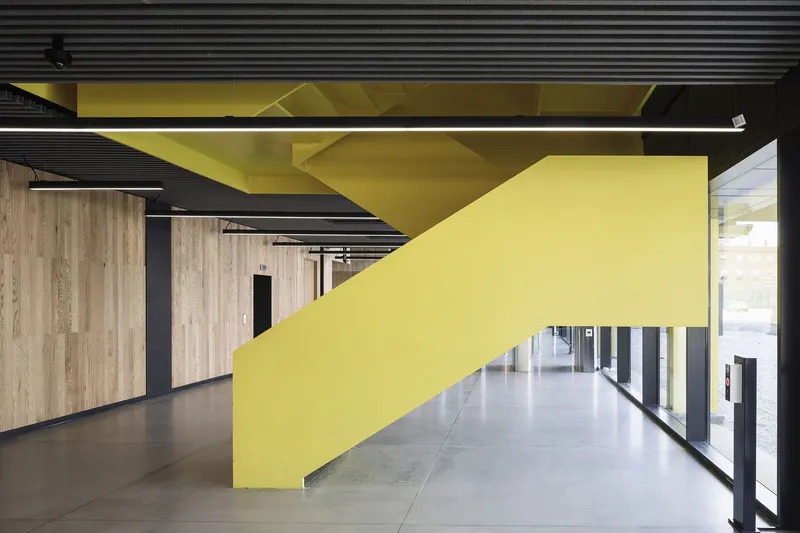
The CIT project celebrates the industrial heritage of Metro de Madrid. The central garden incorporates elements from the old depots—including escalators, mechanical doors, masts, and railways—retaining their iconic yellow color as a nod to the city’s metro culture. The ballast deposit, preserved and reintegrated, marks the main access to the garden, serving as a prominent urban landmark. This adaptive reuse demonstrates a contemporary approach to urban archaeology, blending historical preservation with modern functionality.
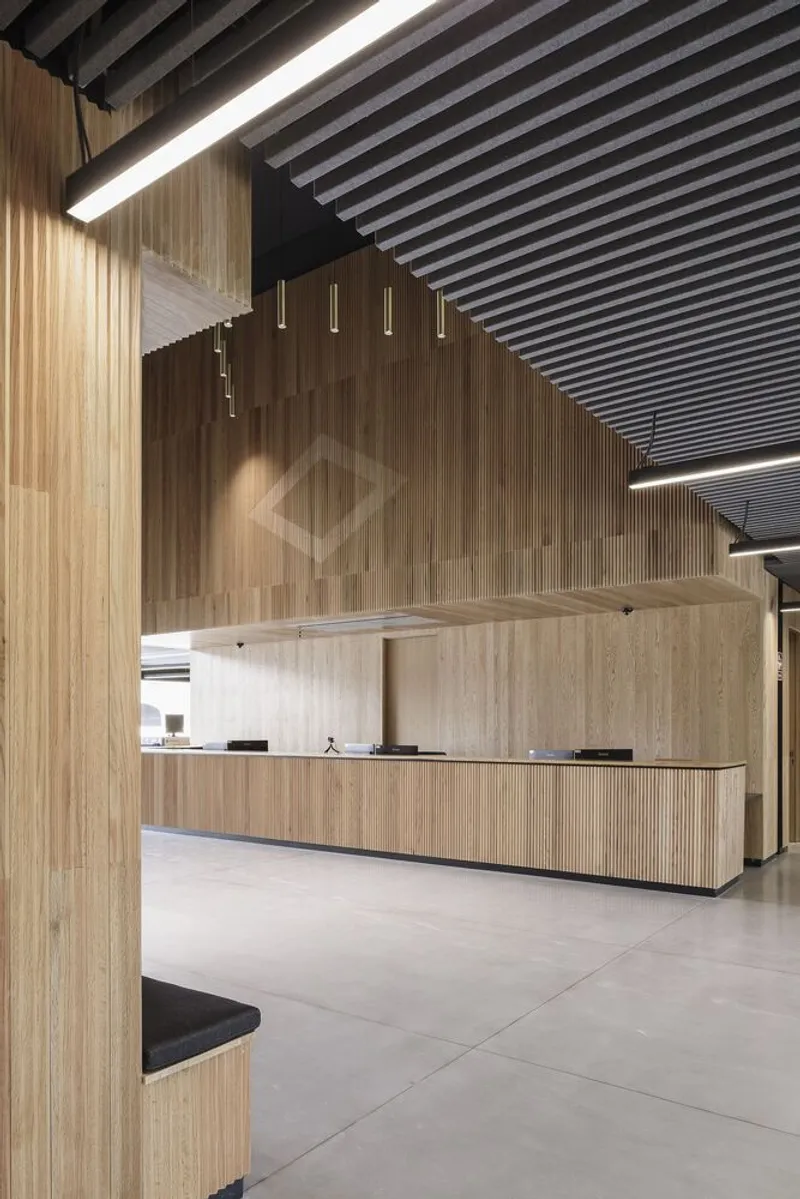
A Space for Community and Memory
Jardín 1 Metro is more than a park; it is a legacy for future generations, connecting Madrid’s history with its evolving urban fabric. By restoring, updating, and reusing existing structures, the CIT project reinforces the city’s identity, offering residents and visitors a space that feels alive, interactive, and uniquely Madrileño.
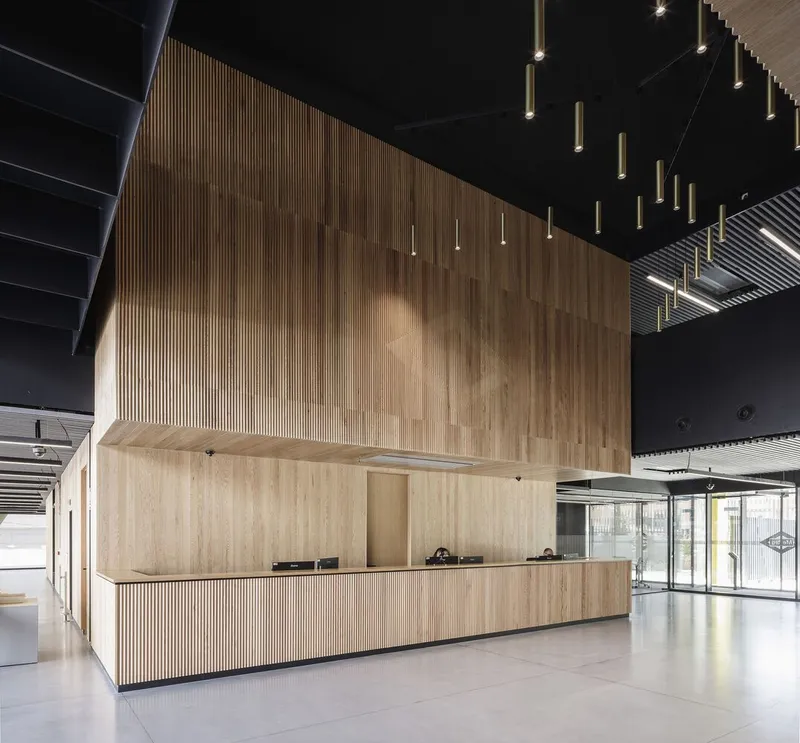
All photographs are works ofFernando Alda


Popular Articles
Popular articles from the community


LT2A and OPEN Architectes Thread a Brick and Glass High School Through a Wooded Belgian Campus
In Braine-l'Alleud, a 3,000 m² wing for Collège Cardinal Mercier pairs pale brick with a glazed colonnade, deferring to a small chapel and a dense wood.

Juan García Correa, John González and Claudia Rueda Sink a Circular Amphitheater into a Manizales Engineering Building
On the La Nubia campus in Manizales, Colombia, the S1 Building folds labs and offices into a hillside of ramped lawns that double as a campus route.

longwave studio Reorganizes a 112 m² Tainan Apartment Around the Daily Routines of a Family and Two Cats
In Tainan, Taiwan, birch plywood, rust-red furniture and a freestanding plaster wall link arrival, storage, work and family life in one apartment.

GROUP A Strips a 1969 Rotterdam Harbor Headquarters to Its Frame and Wraps It in Timber Louvers
In Rotterdam's M4H harbor district, Ferro Offices reuses a 1969 frame, adds one timber storey and reaches BREEAM-NL Outstanding.

Similar Reads
You might also enjoy these articles


Hodi-Mandai Geram
Project Function: Preservation and revitalization of the Intangible heritage and socio-spatial identity of the Hodi by Housing, Cultural Memory Center, Sacred Grove, landscape, local tourism economy


Olio Towers: A Mid-Rise for Performers That Fuses Housing, Rehearsal, and Stage
Located blocks from Houston's Theater District, this modular tower stacks living units around a central performance atrium.

Oasis: Modular Green Housing Carved into Dhaka's Urban Fabric
A shortlisted Plugin Housing entry reclaims unauthorized settlements in Dhaka with stepped concrete volumes, green roofs, and ventilation-driven design.

Black Hole: A Floating Megastructure for the Post-Physical Era
Emiliano Mazzarotto envisions a spherical, self-scaling arena where e-sports, digital hotels, and holographic stadiums replace traditional public space.

Explore Office Building Competitions
Discover active competitions in this discipline

Challenge to reimagine the Iron Throne

Photograph architecture without architects

Illustrate the lost glory of Angkor Wat - Render Challenge

Design challenge to reuse E-waste
Comments (0)
Please login or sign up to add comments
No comments yet. Be the first to comment!