
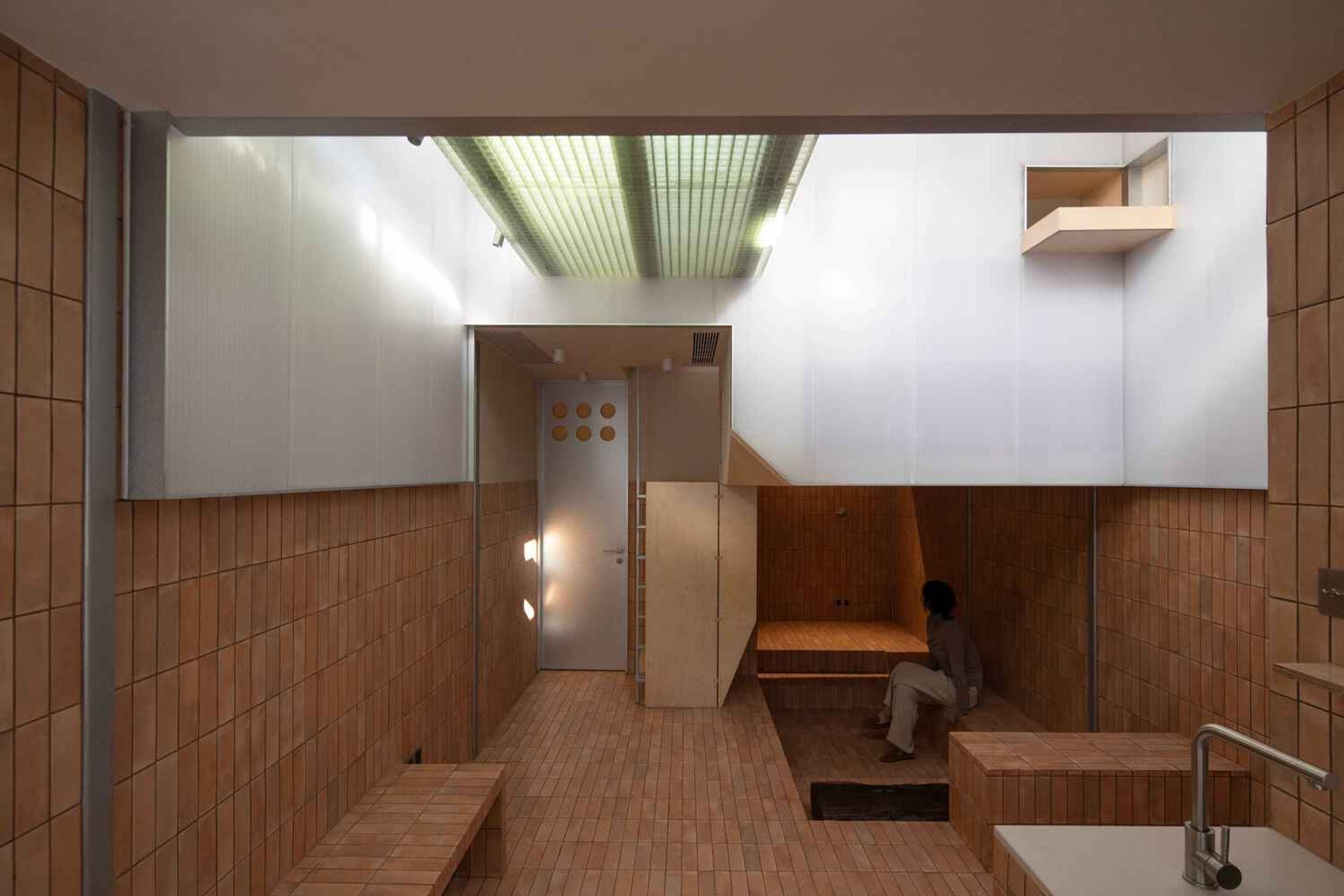
Micro Space Renovation Architecture in Shanghai: Greyspace Architects’ “Nooks and Corners” Project at Hongye Garden
A compact Shanghai studio transformed by Greyspace Architects showcases the power of micro space renovation architecture in revitalizing hidden urban corners.

Breathing New Life into Hidden Urban Spaces through Micro Space Renovation Architecture
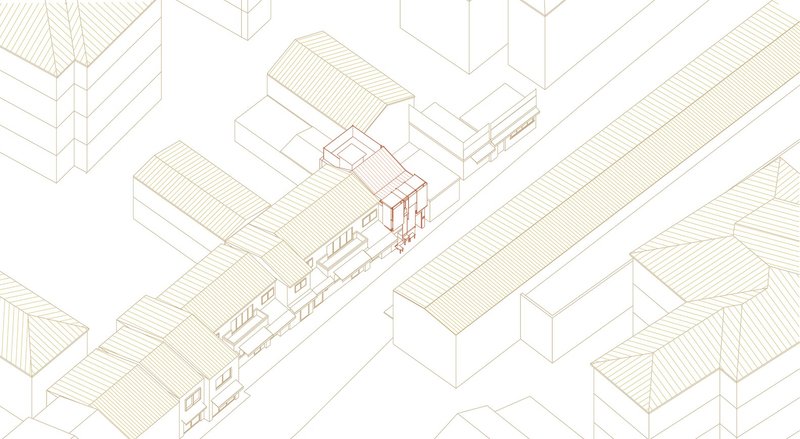
In the heart of Shanghai's Yuyuan Road, a modest 54-square-meter building becomes the site of profound architectural transformation through the second installment of the “Nooks and Corners” series by Greyspace Architects. Titled Renovation of the "Nooks and Corners" Space in Hongye Garden, the project is a brilliant example of micro space renovation architecture—a strategy focused on enhancing overlooked urban fragments by layering new functions onto existing spatial memories.
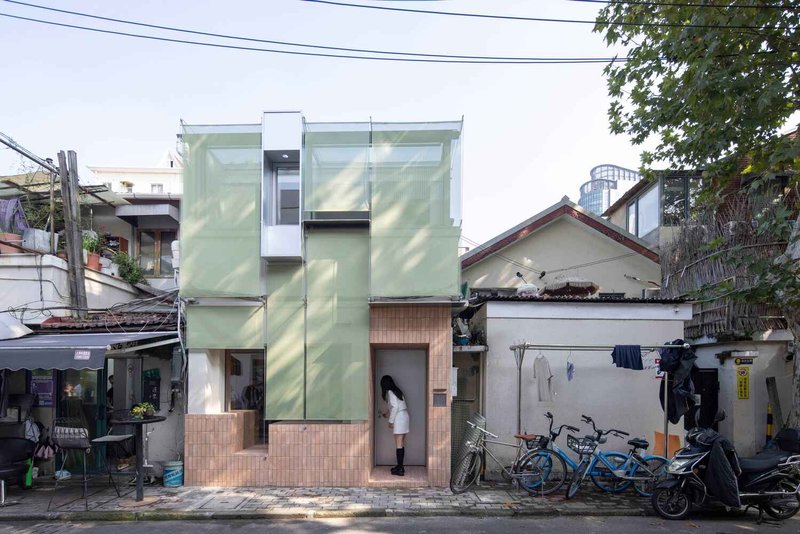
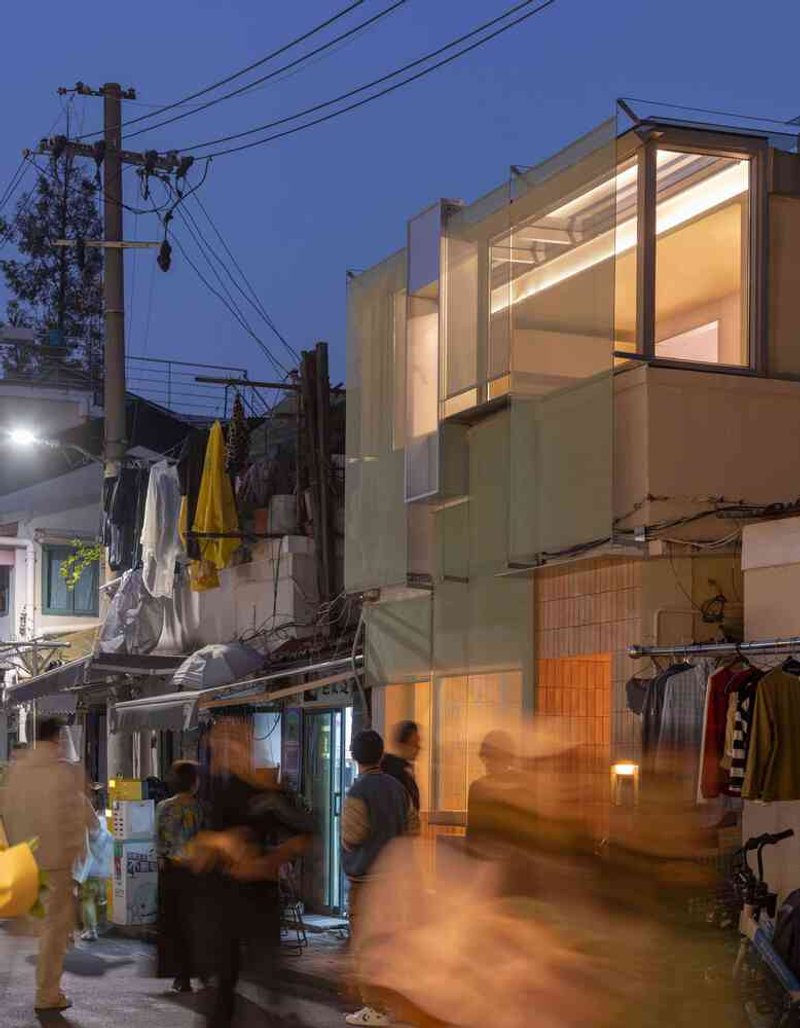
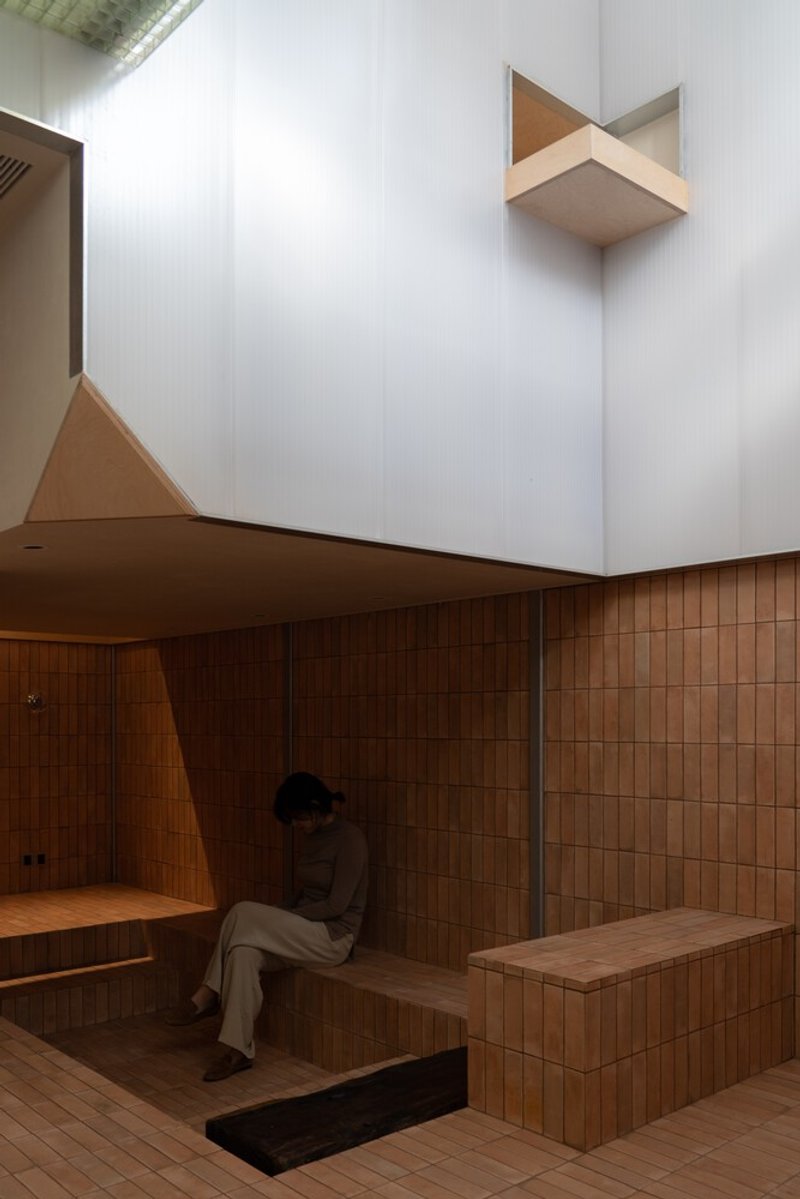
Greyspace Architects, led by Liu Moyan and Su Peng, approached the small site not as a limitation but as an opportunity. Building on the design legacy of the first "Nooks and Corners" house completed three years prior, the Hongye Garden project continues their investigation into how minimal spatial interventions can impact the urban environment at a granular, community-oriented level.
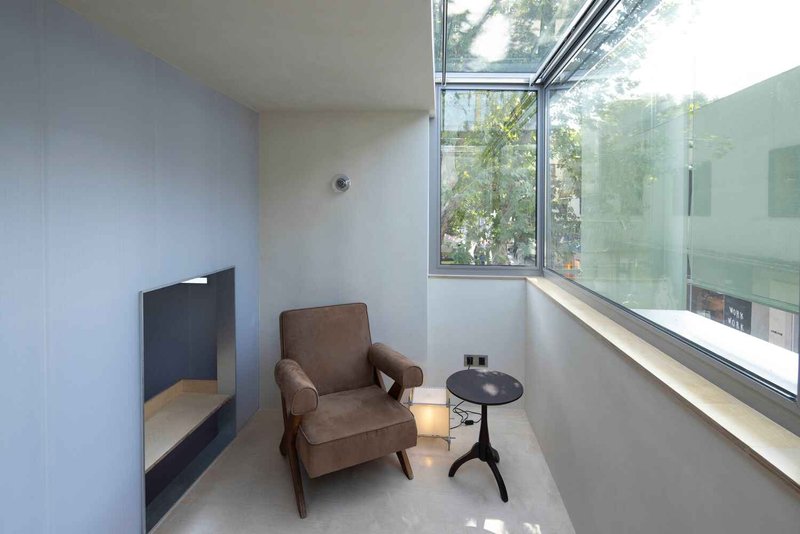
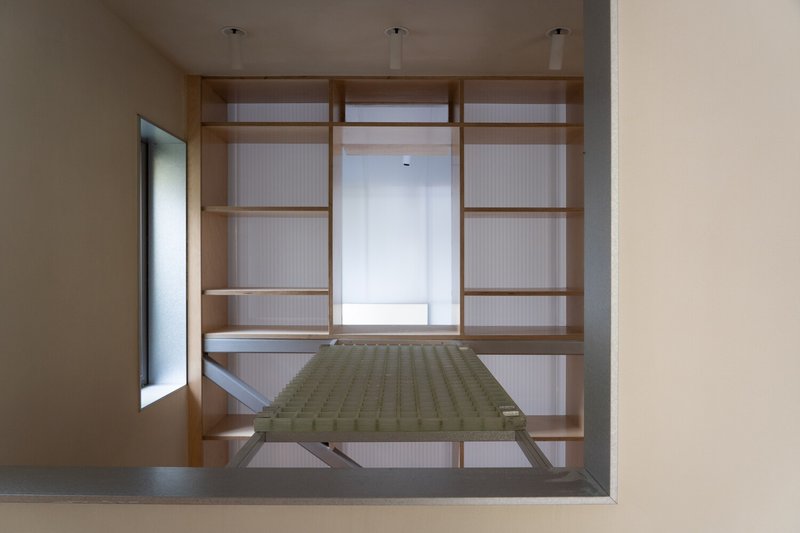
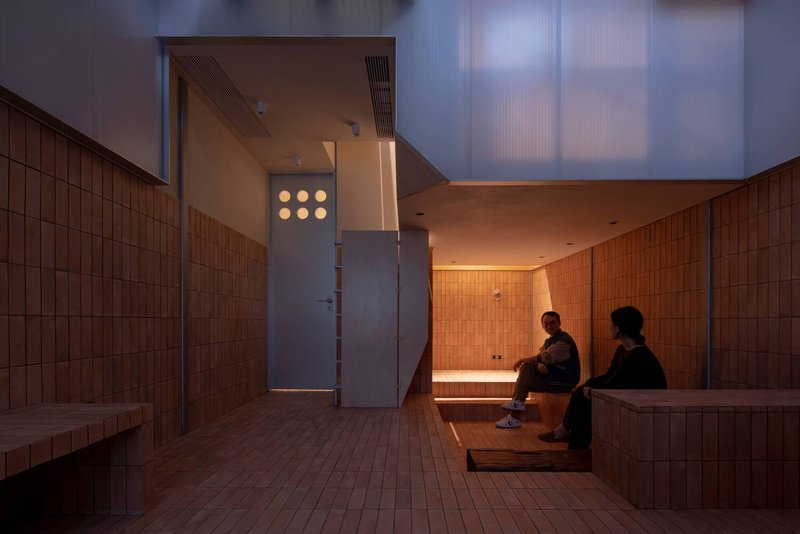
Designing in Layers: Preservation Meets Precision
Rather than erasing the past, the renovation respects and reveals the traces of the original single-story structure, which measured just 27 square meters before expansion. The design overlays the existing architecture with new elements, embracing the imperfections of age while injecting fresh spatial rhythms. This layered approach aims to retain a sense of architectural memory, allowing the structure to evolve without losing its essence.
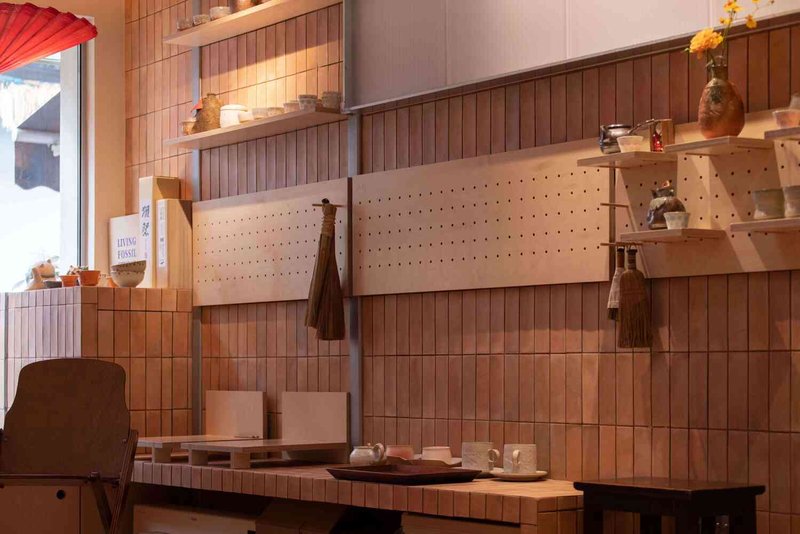
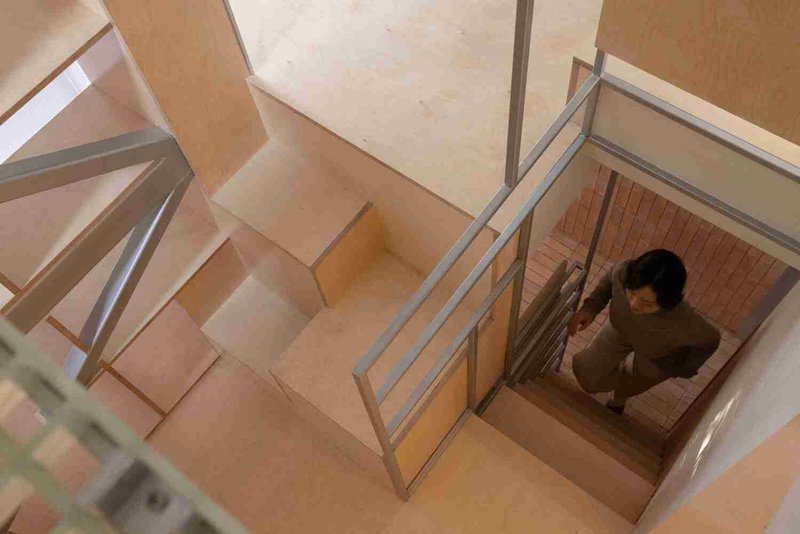
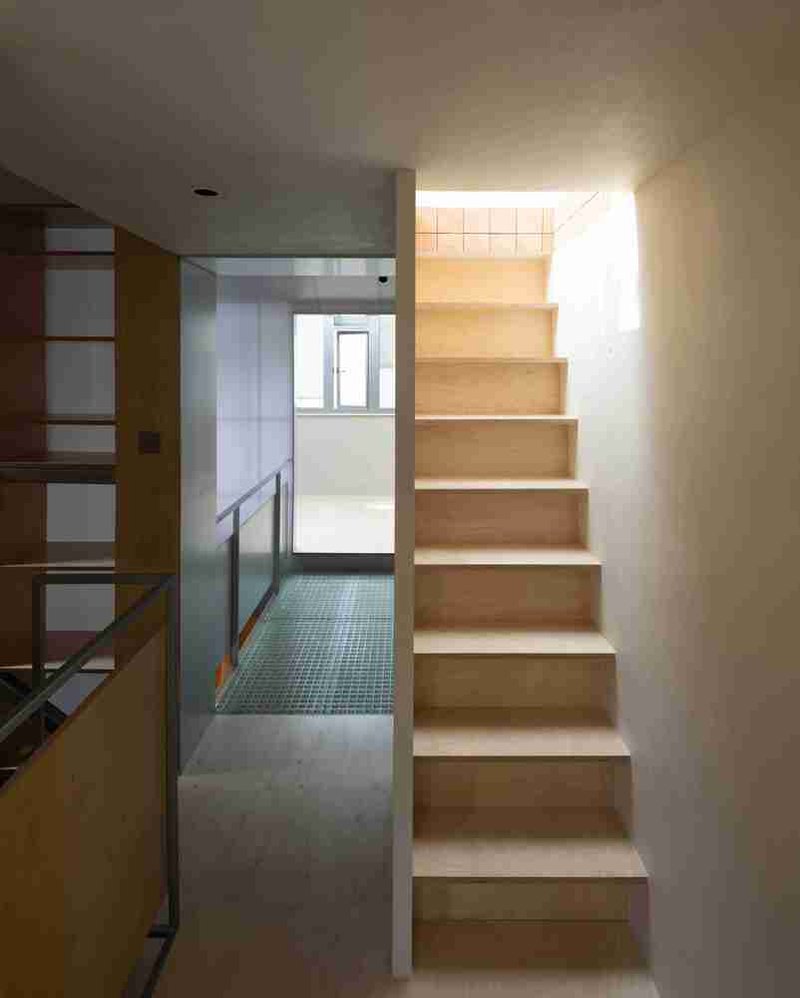
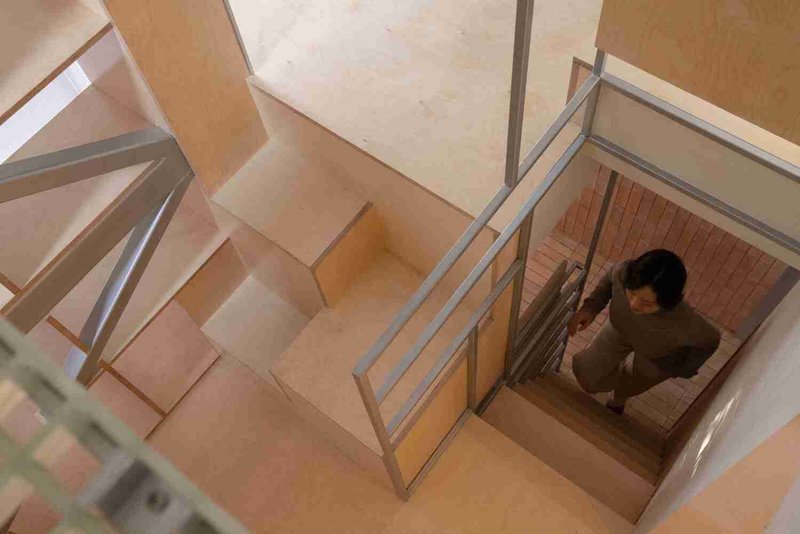
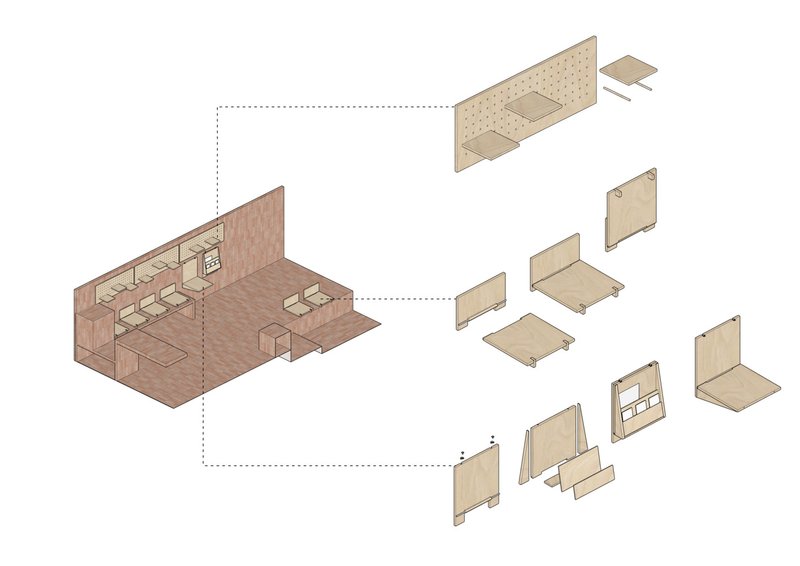
Within the compact footprint, a complete functional transformation unfolds. A reception area, a work zone, a display gallery, and a small sleeping area are carefully integrated to form a continuous spatial experience. The success of the renovation lies in the seamless transition between these zones, achieved through nuanced spatial planning and sensitivity to materiality.
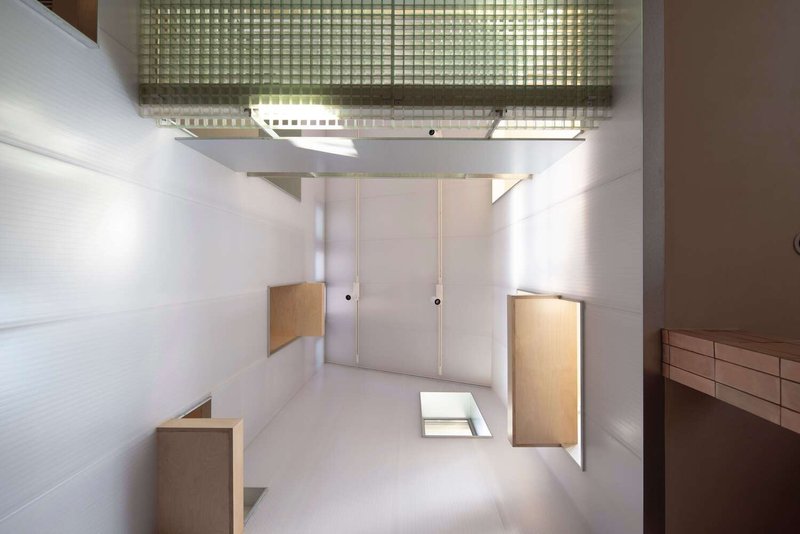
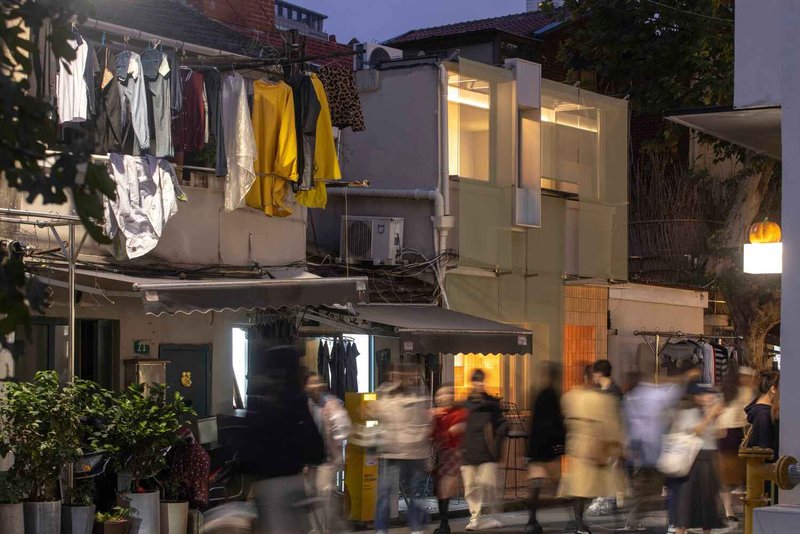
The Urban Studio: Connecting Craft and Context
A key collaborator in this project is renowned ceramic artist Li Jianshen, whose involvement shaped the building’s new role as a ceramic art studio. The functional content was determined early in the design, allowing the architects to tailor the program specifically for the crafts-based operations of Li’s team. The result is a space that reflects both the tactile language of ceramic art and the raw textures of the original building.
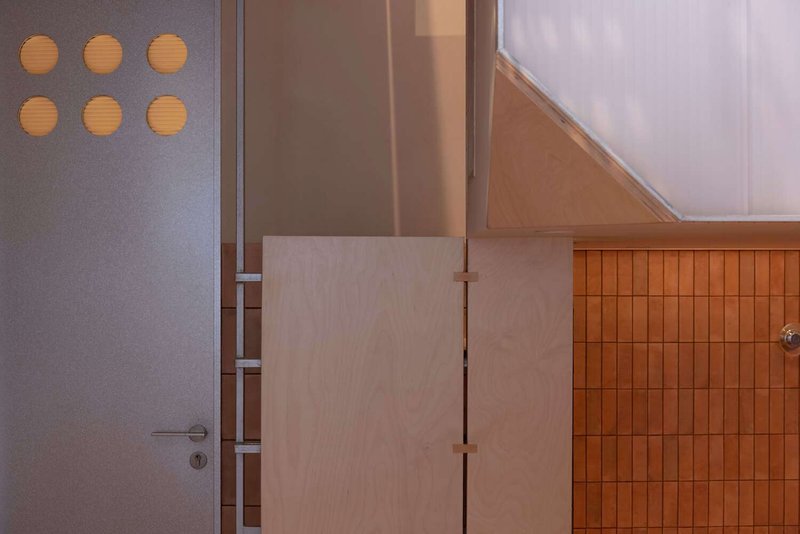
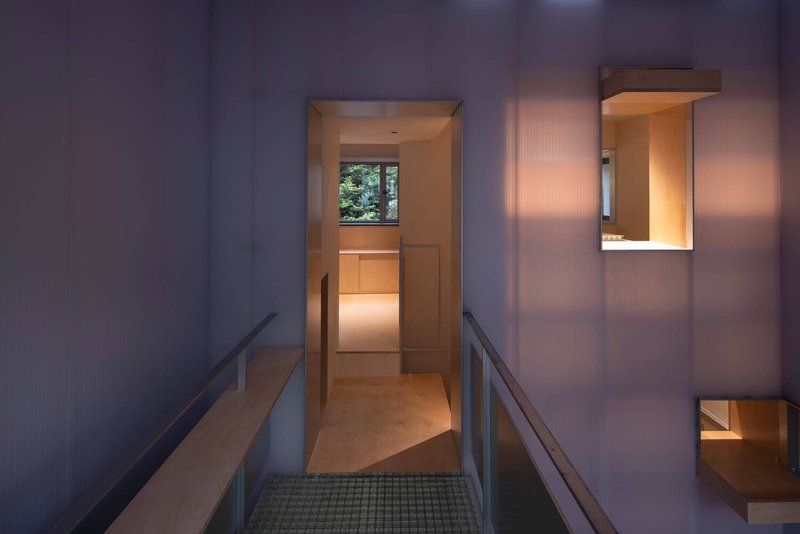
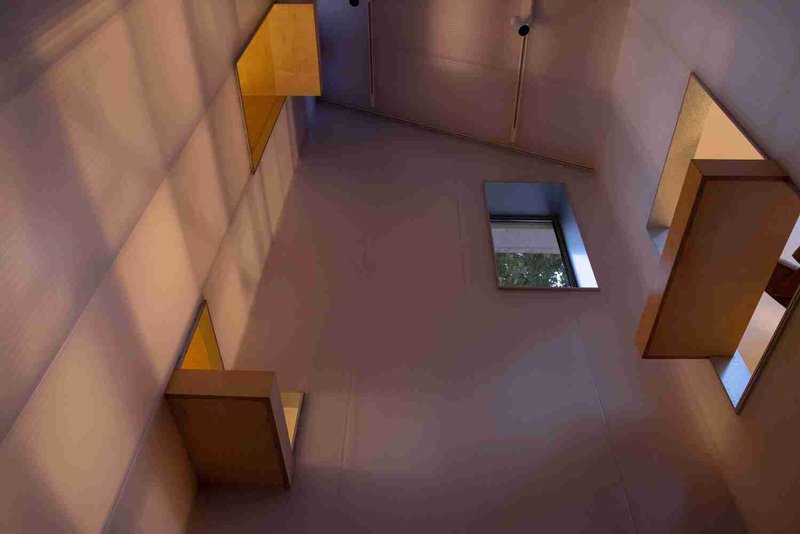
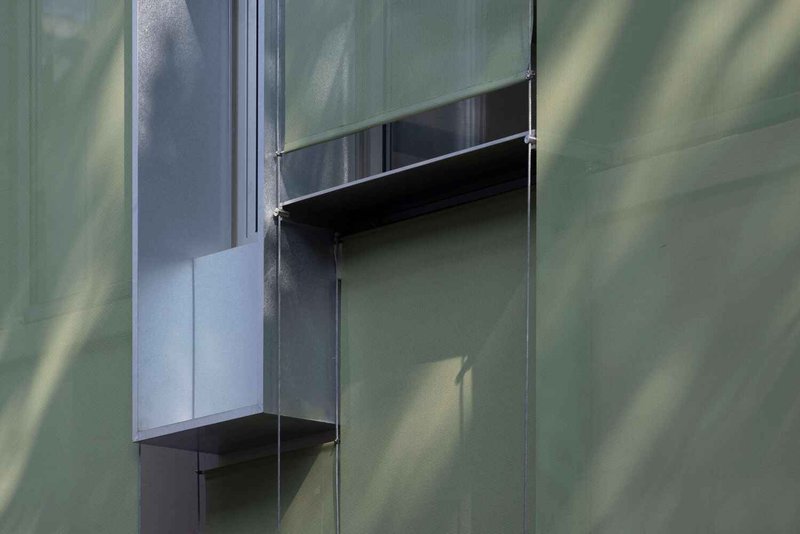
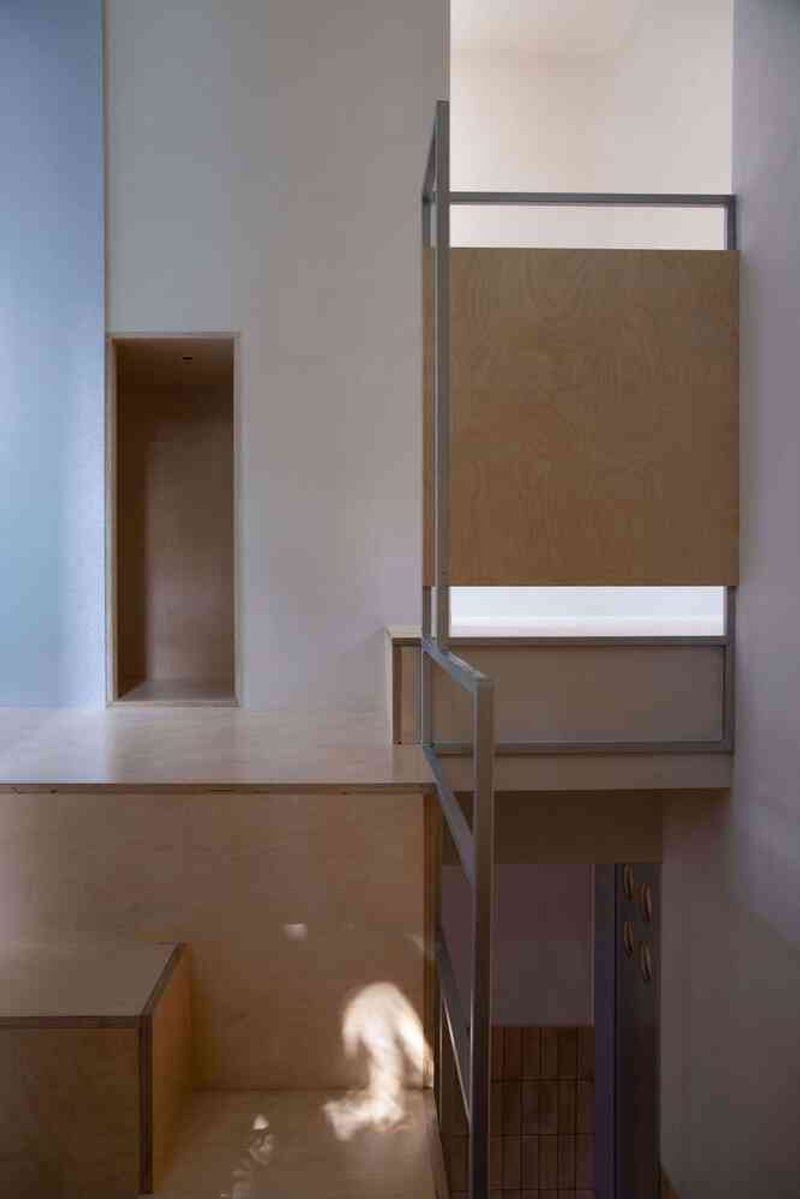
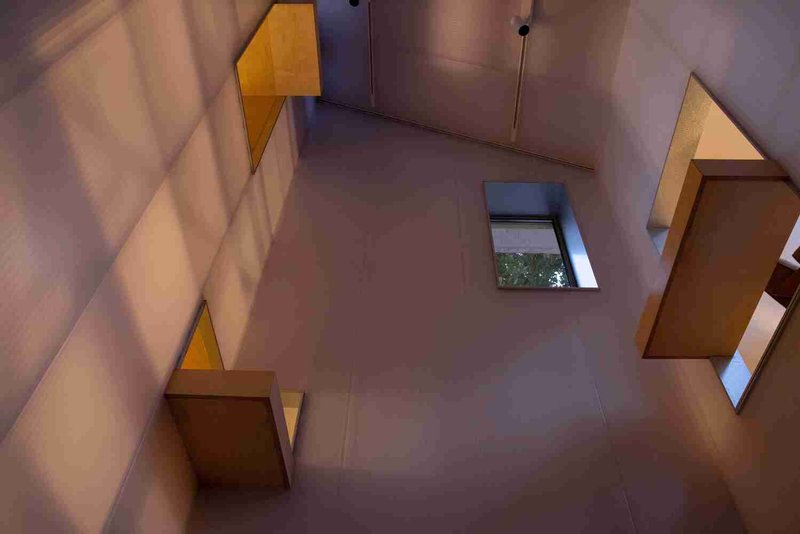
The exterior remains unassuming, blending with the existing neighborhood fabric, while the interior carefully balances soft wood tones with transparent glazing and warm lighting. Every detail within the building contributes to a calm yet vibrant workspace that embraces artistic production and community interaction.
Precision and Ambiguity: The Language of Micro Architecture
One of the most compelling aspects of this renovation is its conceptual stance on ambiguity. Greyspace Architects deliberately avoid overly definitive architectural gestures. Instead, they work within the blurred edges of function and form, allowing spatial meaning to emerge from user interaction and context.
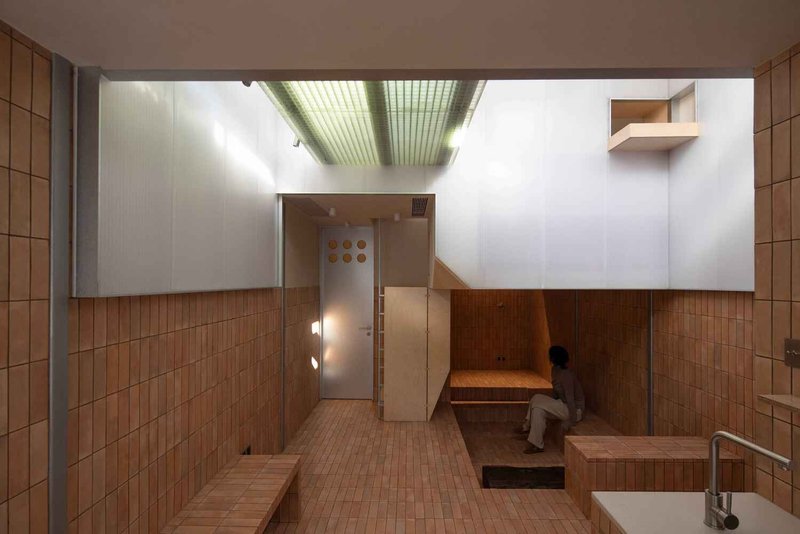
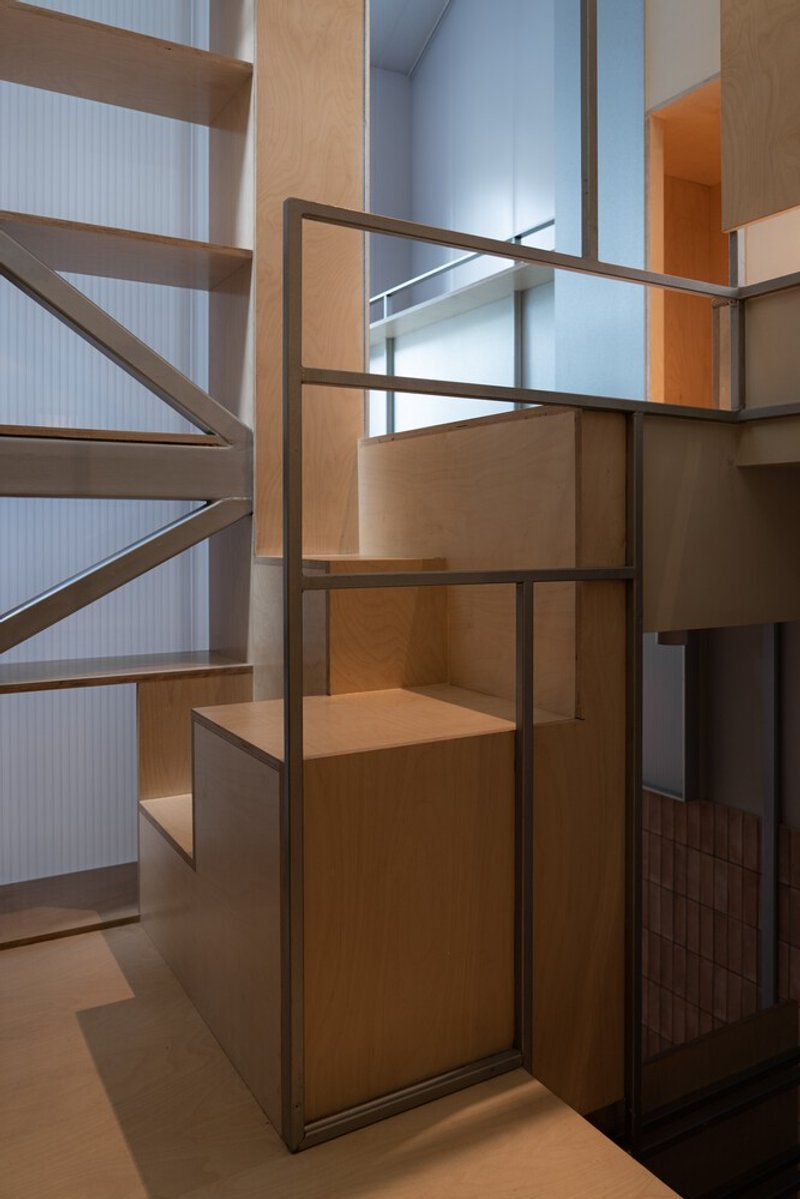
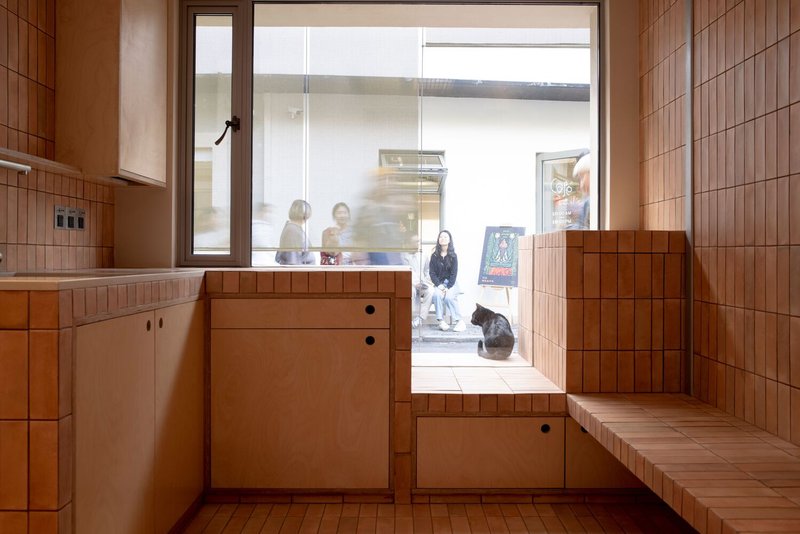
The renovation also respects the surrounding urban language by maintaining visual and spatial continuity with the street. This consideration ensures that the project is not seen as an isolated object, but rather as part of a broader urban narrative. The choice of materials and construction detailing reflects a philosophy of subtle intervention—carefully measured, but open to interpretation.
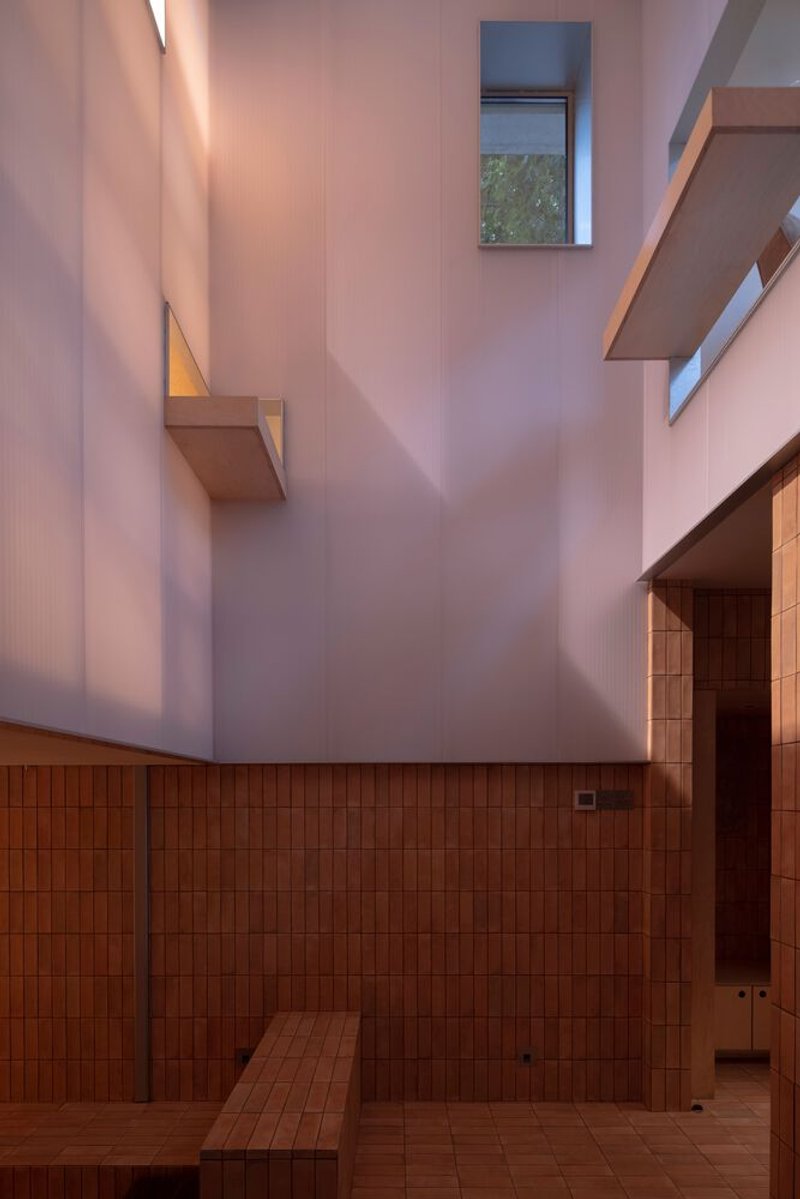
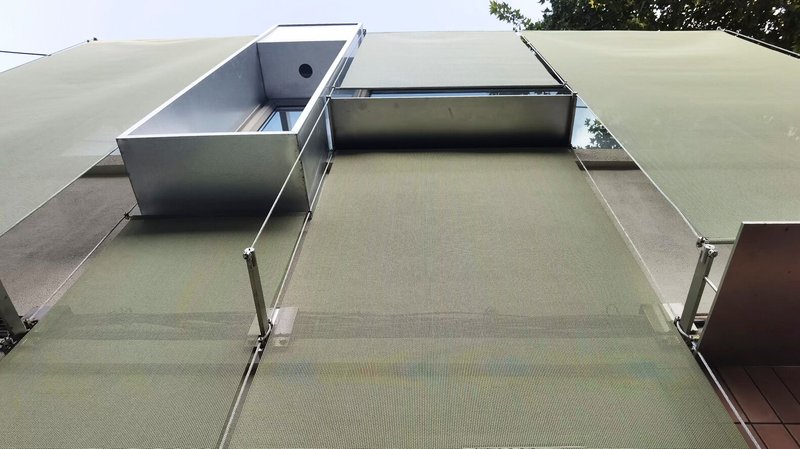
A Model for Sustainable Urban Revitalization
Hongye Garden’s transformation stands as a powerful model for urban revitalization through small-scale, site-sensitive renovation. It demonstrates how micro space renovation architecture can activate dormant corners of a city without the need for large-scale redevelopment.
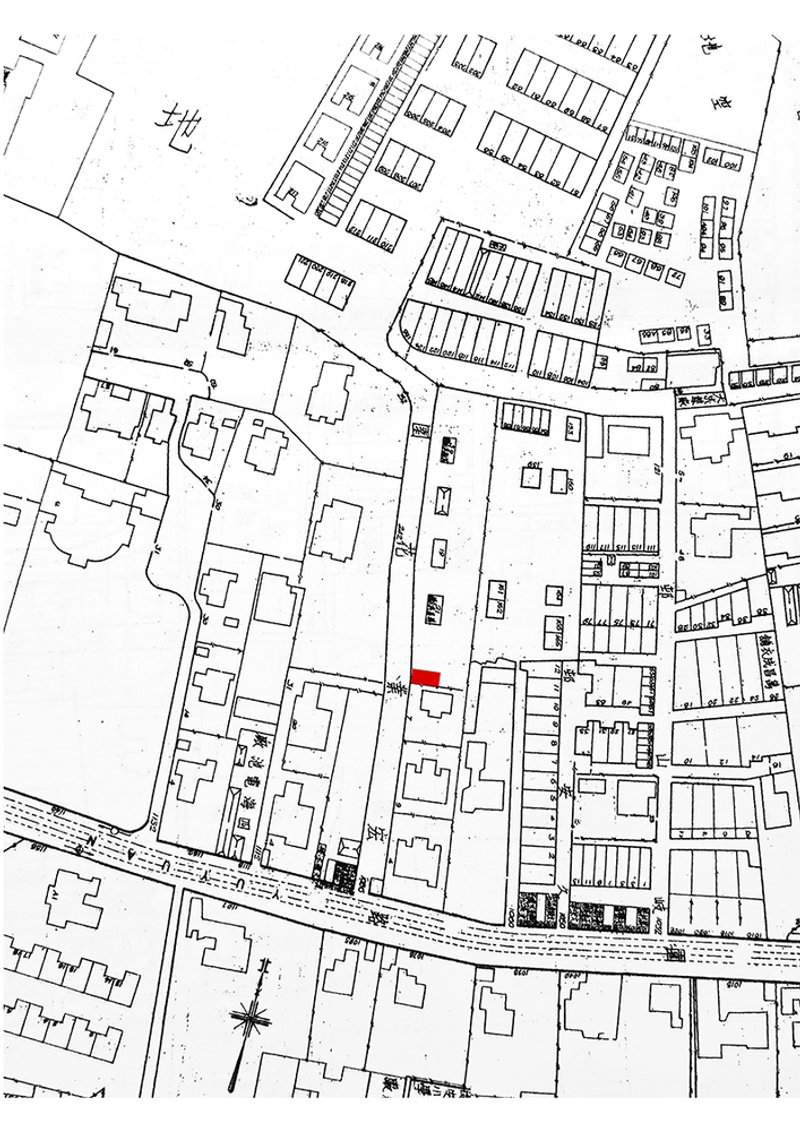
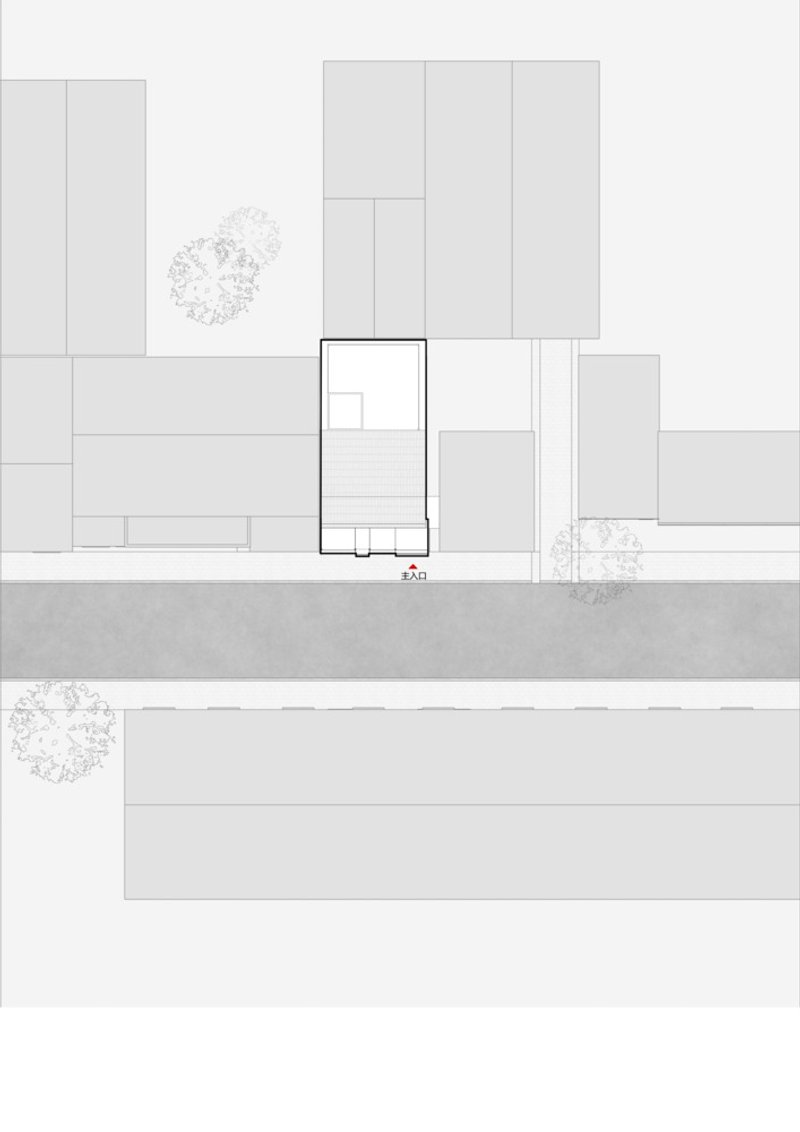
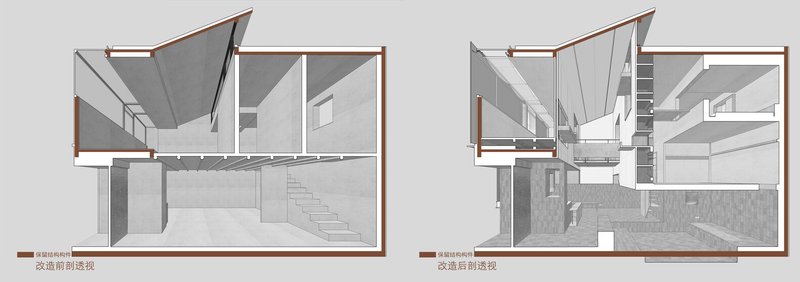
Greyspace Architects have not only designed a functional ceramic studio but also reinvigorated a tiny architectural shell with layered meaning and urban relevance. Their work highlights the potential of architecture to impact public life by engaging the smallest, most overlooked sites—those nooks and corners that form the real texture of city life.
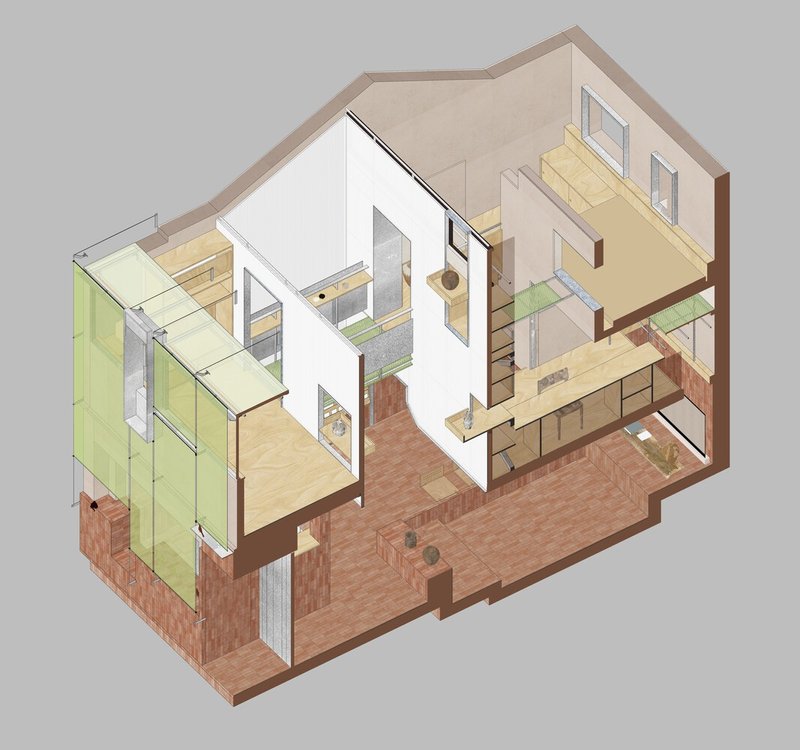
All Photographs are works of Arch-Exist, Qiaozhu Yan




Popular Articles
Popular articles from the community

RDTH architekti Rips Out Nearly Every Wall in a Prague Apartment and Replaces Them with Furniture
A 101-square-meter post-war flat in Prague trades rigid partitions for a single rotated furniture block, curtains, and glass concrete.

20 Most Popular Office Building Projects of 2025
From biophilic workspaces in India to net-positive energy offices in New Delhi, 20 office building projects that defined architecture in 2025.
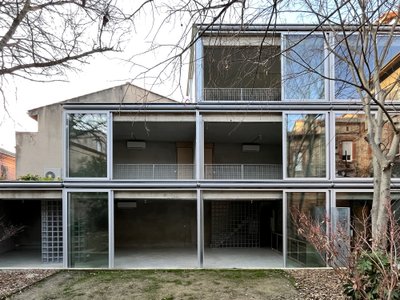
BAST Slots a Four-Story Glass House into a Narrow Gap Between Toulouse Townhouses
In the dense Bonnefoy district, a stepped infill building merges home and office while preserving a majestic hackberry tree.

Rojkind Arquitectos and Think Parametric Build a Glueless Pavilion from 67 Interlocking Panels
A serpentine fiber-cement installation in Chapultepec Park celebrates a decade of architectural media in Mexico City.


Similar Reads
You might also enjoy these articles

CSADI Carves a Jade Blade into the Qinling Mountains for China's First Ecology Museum
A 43,788 square meter terraced museum in Shangluo draws its form from a Xia Dynasty artifact and steps down toward the valley below.
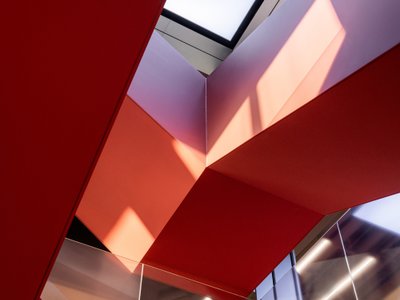
Ippolito Fleitz Group Identity Architects Turn Eight Floors in Shanghai into a Vertical Creative City
Publicis Groupe's new headquarters in Xintiandi reimagines the office as a courtyard-driven urban landscape stacked across eight floors.
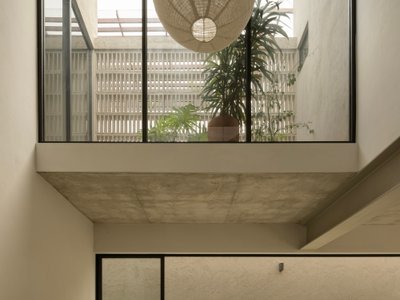
Díaz Webster Arquitectura Carves Light and Air into a Compact Zapopan House
A 237-square-meter residence in western Zapopan uses courtyards and double-height voids to dissolve the boundary between interior and garden.
BAST Slots a Four-Story Glass House into a Narrow Gap Between Toulouse Townhouses
In the dense Bonnefoy district, a stepped infill building merges home and office while preserving a majestic hackberry tree.


Explore Architecture Competitions
Discover active competitions in this discipline




The International Standard for Design Portfolios


The Global Benchmark for Architecture Dissertation Awards


The Global Benchmark for Graduation Excellence


Challenge to reimagine the Iron Throne
Comments (0)
Please login or sign up to add comments
No comments yet. Be the first to comment!