
MIEL Pavilion by Pezo von Ellrichshausen
A sculptural concrete pavilion in a Chilean forest, blending minimalism, natural light, and functional honey production into a poetic architectural landmark.


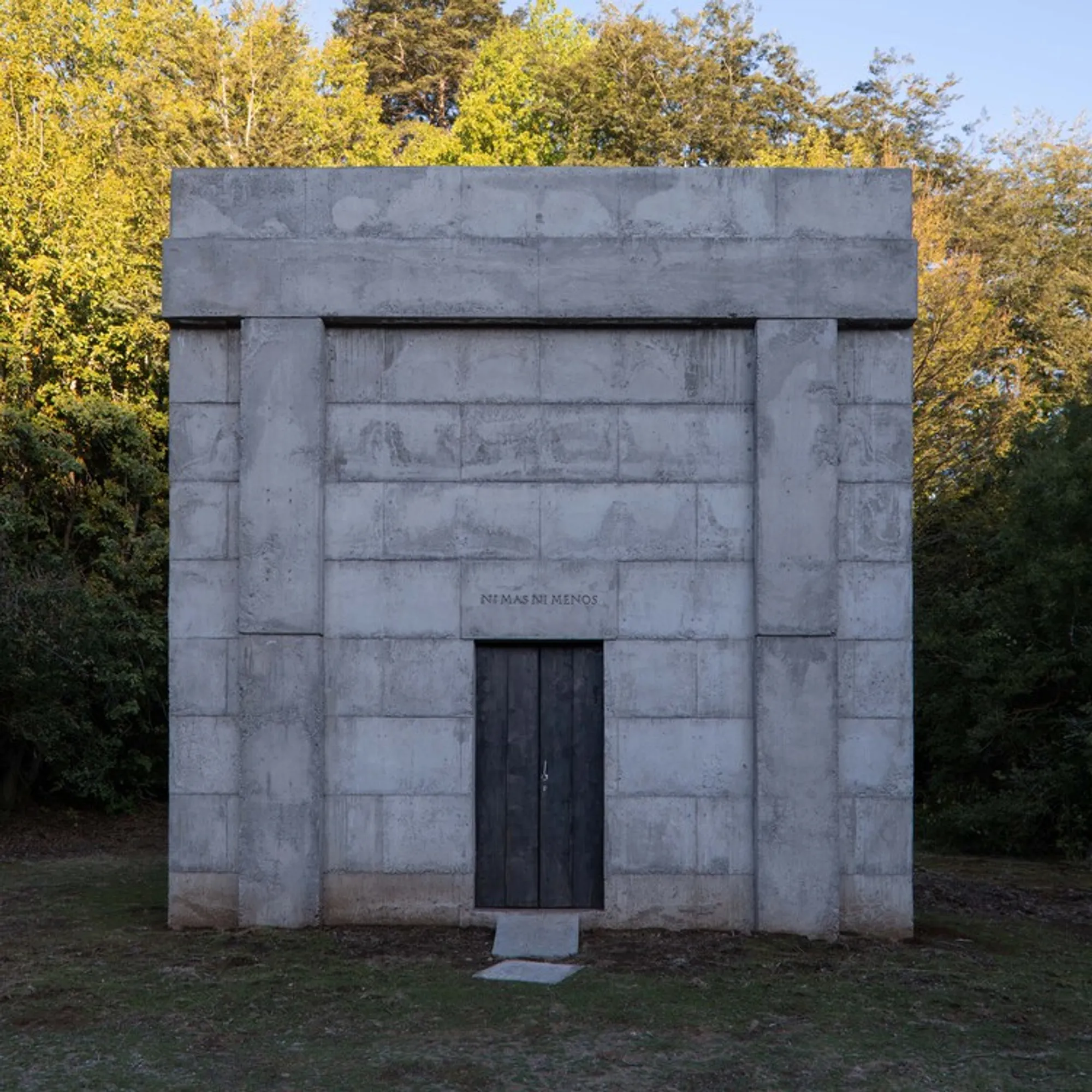
The MIEL Pavilion, designed by the acclaimed Chilean studio Pezo von Ellrichshausen, stands as a poetic architectural intervention in the dense Coihue forest of Yungay, Chile. Completed in 2025, this compact 36 m² structure blends art, architecture, and landscape into a contemplative space that transforms over time.
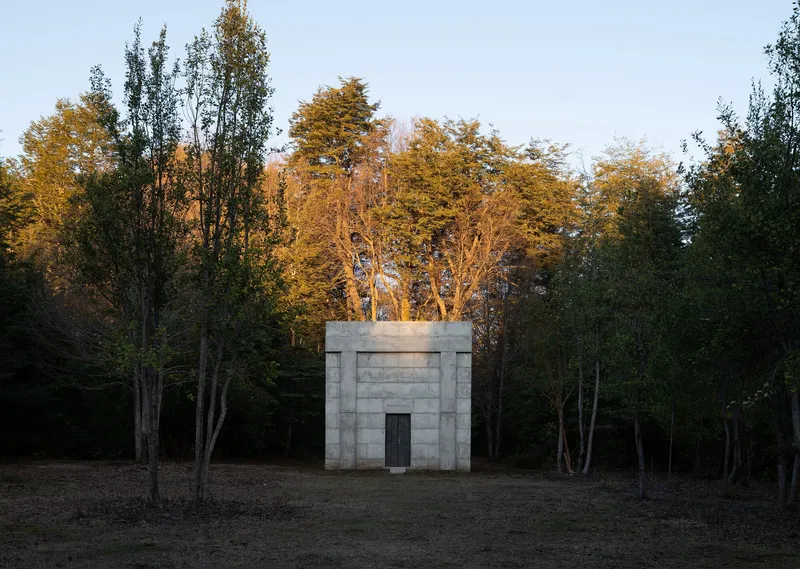
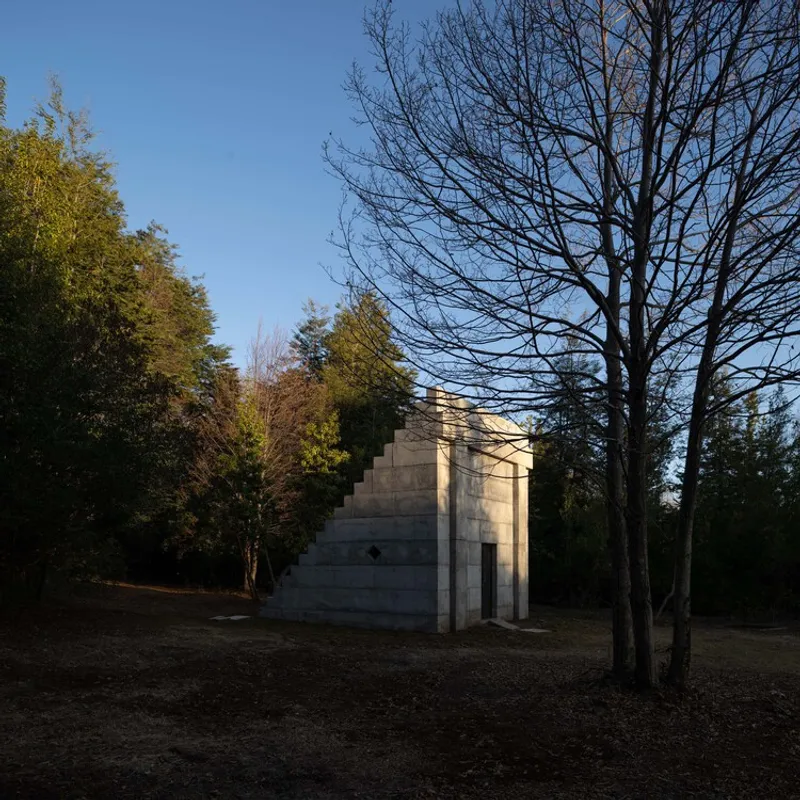
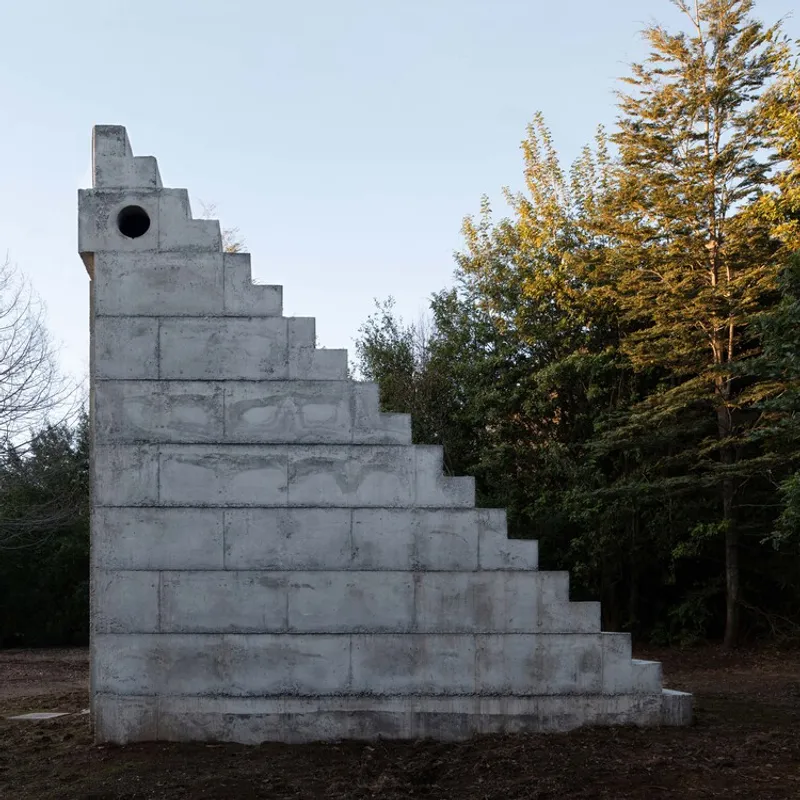
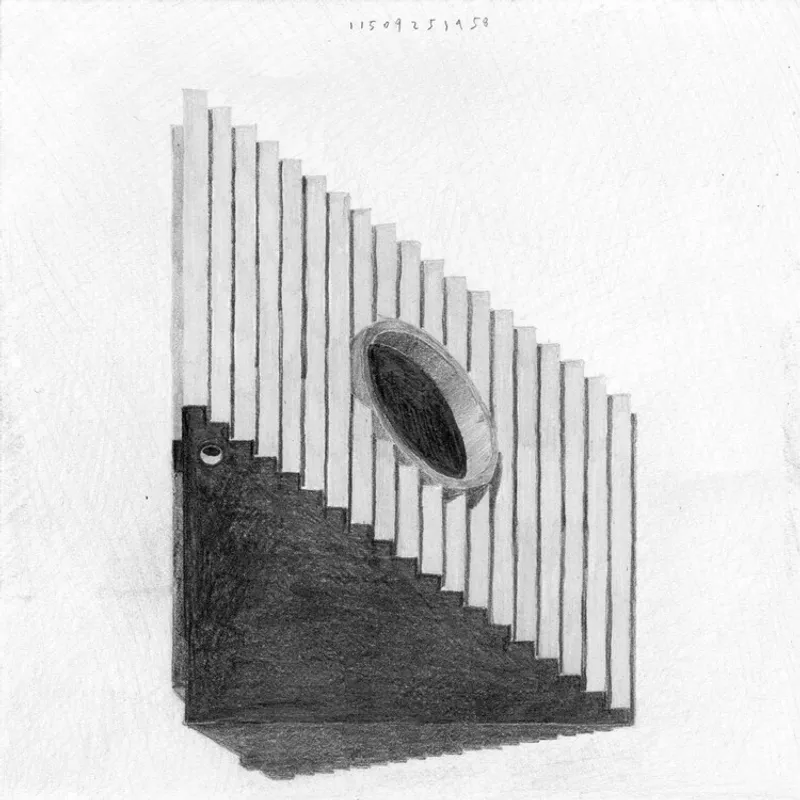
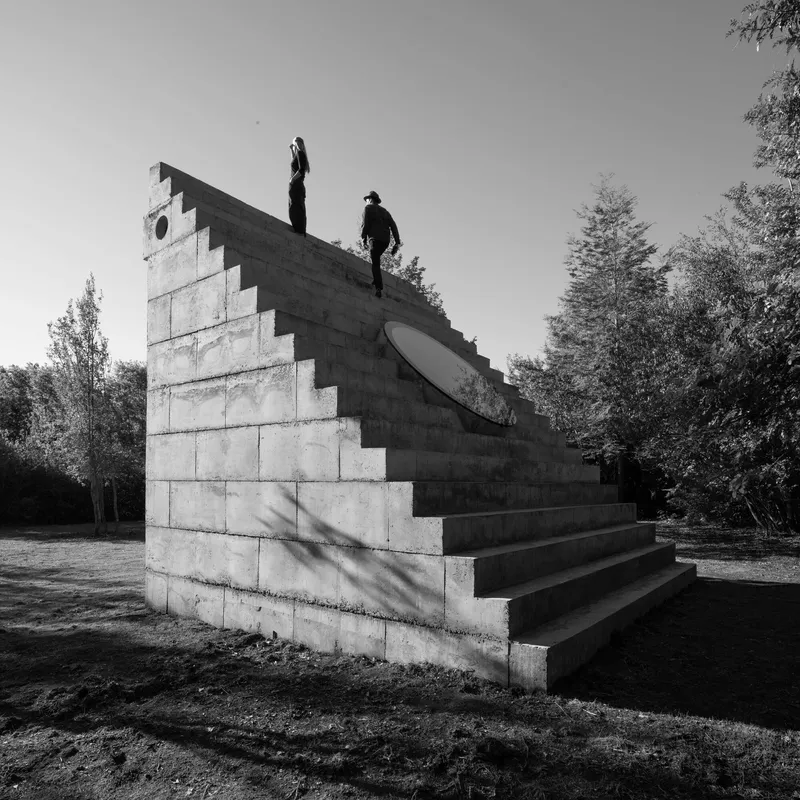
Strategically positioned at the edge of an aging forest, the pavilion is conceived as a timeless concrete monolith that will become visually smaller as the towering trees continue to grow. The architects intentionally designed the form to appear scaleless, allowing nature to dictate its presence. Its asymmetrical geometry features one elevated side—suggesting the completion of an imaginary cube—while the opposing side collapses to ground level, enhancing the pavilion’s sculptural silhouette.
A Monumental Wall and a Dramatic Threshold
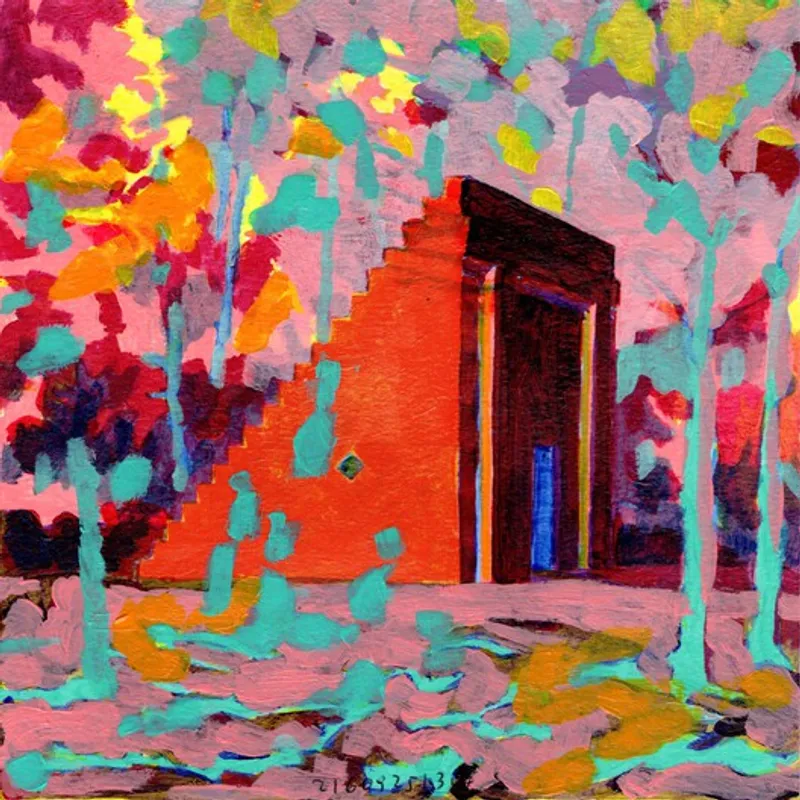
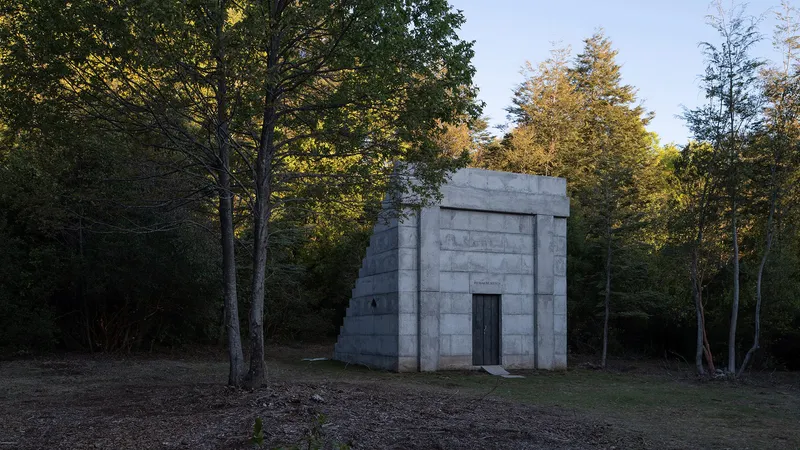
The pavilion’s most striking element is its frontal concrete wall, which acts as an altarpiece. This plane is strengthened by two expressive buttresses and an enigmatic beam that appears simultaneously functional and symbolic. At the center of the lintel is the engraving “NI MÁS NI MENOS” (“No more, no less”), underscoring the architects’ philosophy of restraint, balance, and essentialism.
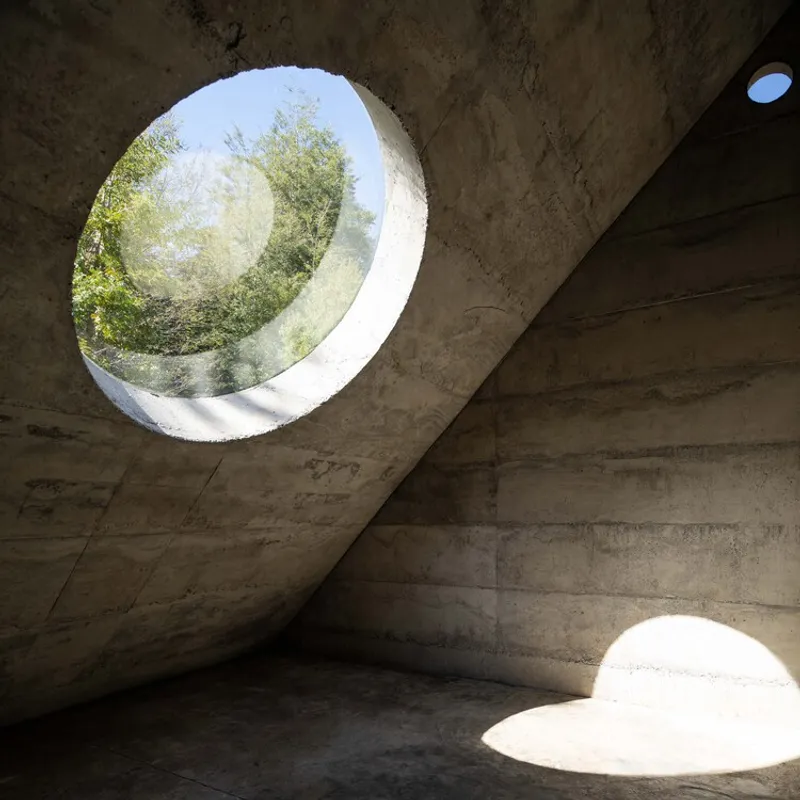
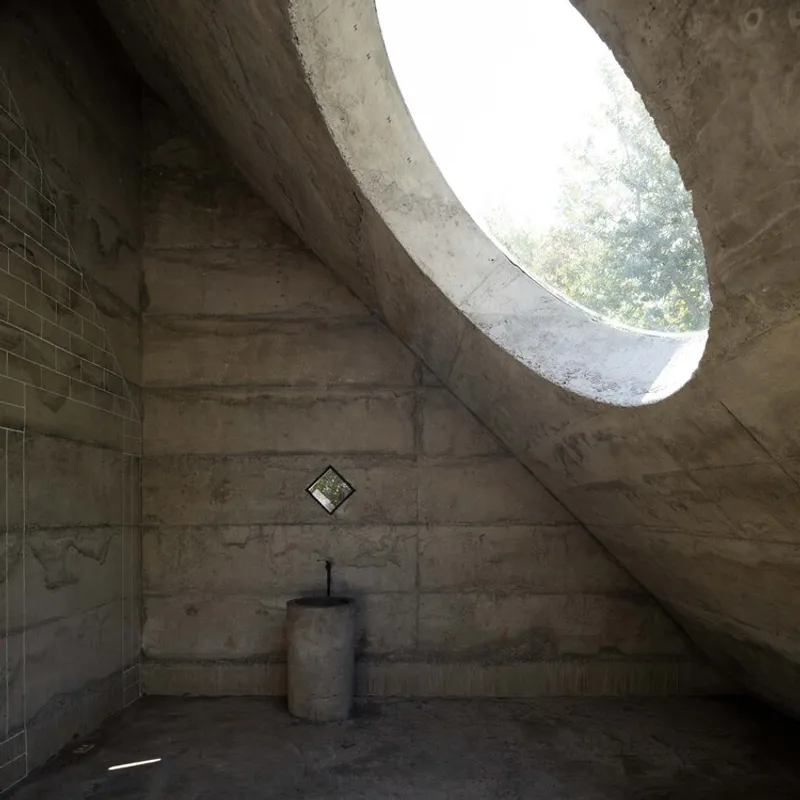
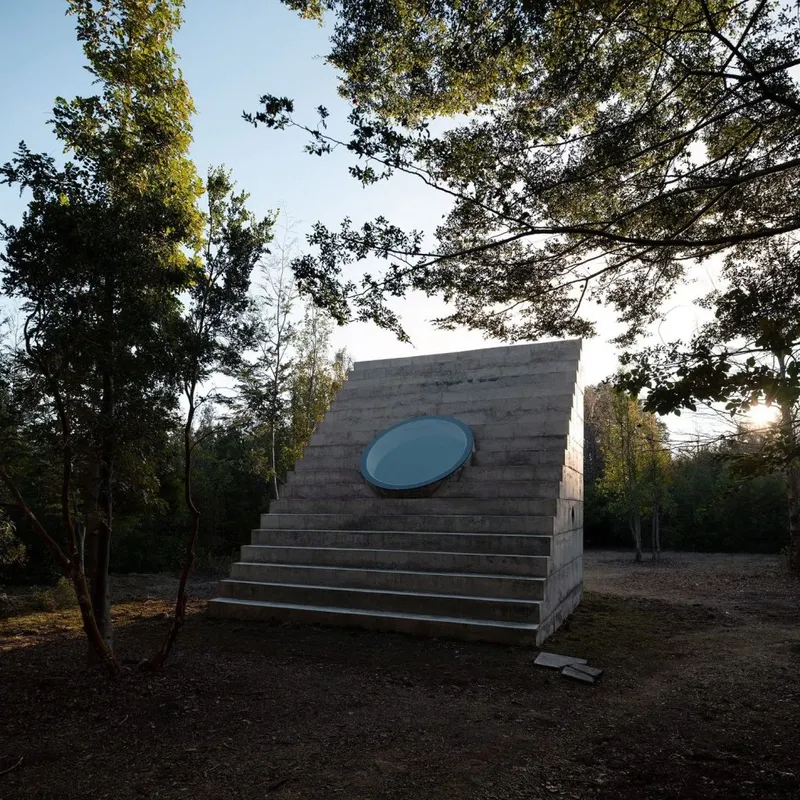
Passing through this intense threshold, visitors encounter a powerful circular oculus that cuts away the forest canopy. This design gesture removes the distinction between wall and ceiling, turning the architecture into a frame for sky, light, and nature.
Interior Experience and Spatial Ambiguity
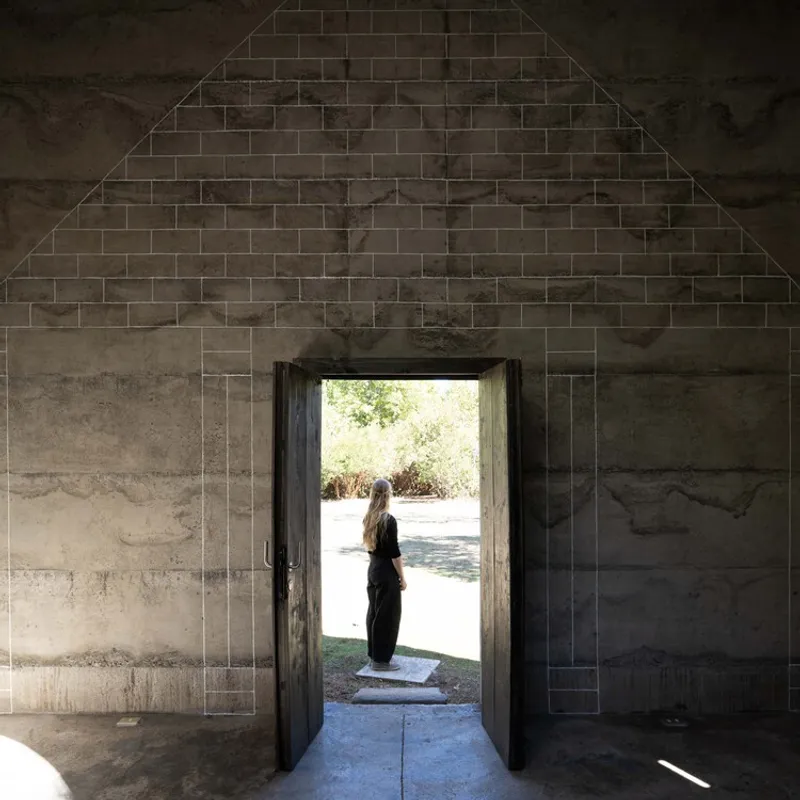
Inside, the pavilion dissolves into a diagonal spatial flow where “the will of the spirit and the necessity of nature,” as Simmel describes, merge seamlessly. The architecture embraces ambiguity:
- From afar, it resembles a discreet monument.
- From within the forest, it feels like an elevated plinth.
- From the interior, soft white traces from the wooden formwork add delicacy to the robust concrete mass.
The pavilion’s topography is intentionally artificial, offering little change in the view even when its highest point is reached. This contributes to its meditative character—an architecture meant to be experienced rather than conquered.
A Working Space for Organic Honey Production
Beyond its sculptural presence, the MIEL Pavilion serves a functional purpose. It is conceived as a modest production space where organic honey is processed—paying homage to the “six queens,” or the bees that make the pavilion’s existence meaningful. The design blends sacred geometry with practical use, reinforcing the architects’ commitment to creating architecture that is as poetic as it is purposeful.
Sculptural Concrete and Material Authenticity
Crafted from artisanal concrete, the pavilion embodies a raw simplicity that is central to Pezo von Ellrichshausen’s work. Its almost weightless flatness, combined with refined material textures, blurs the line between architectural object, landscape element, and abstract sculpture. The result is an immovable yet evolving landmark that quietly integrates into its natural surroundings.
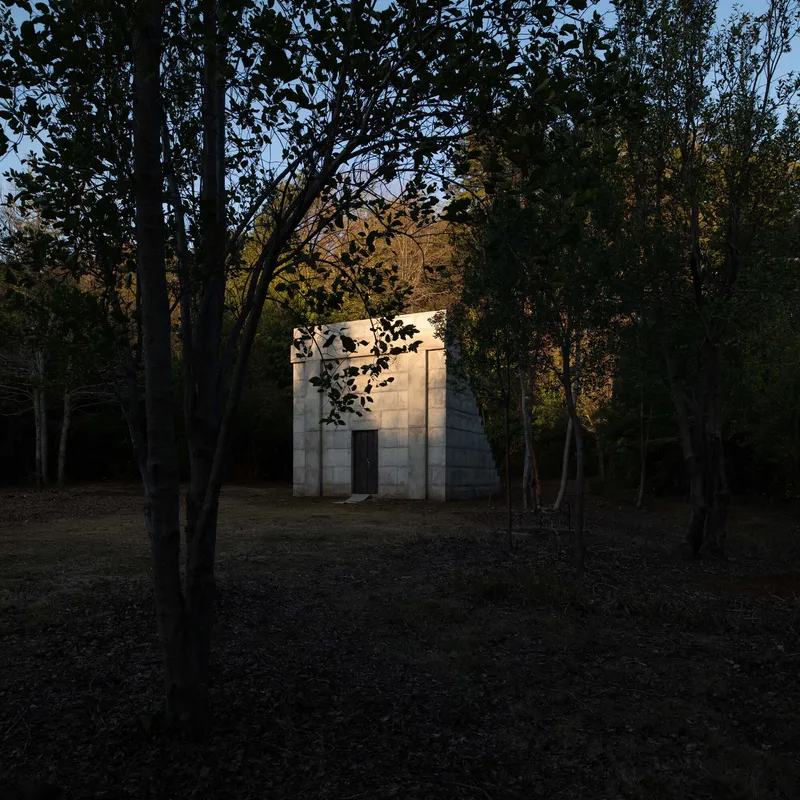
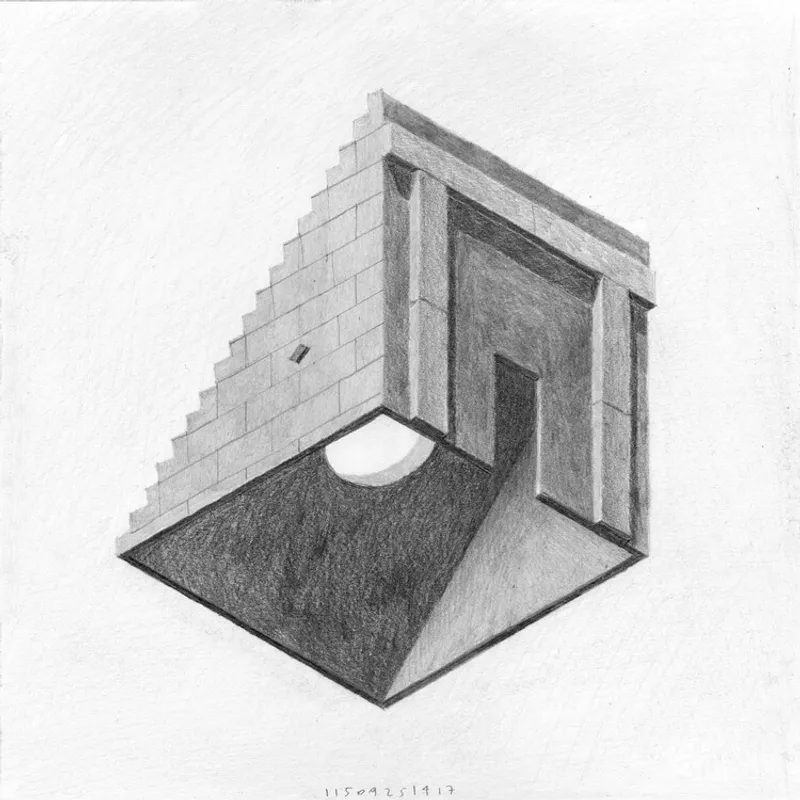
All the photographs are works of Pezo von Ellrichshausen



Popular Articles
Popular articles from the community


The Musturak Paradise: Senior Living Architecture for a Connected Future in Temara, Morocco
The Musturak Paradise reimagines senior living architecture in Temara via private homes, social spaces, culture, community, and shared care.

Co-life: Sustainable Architecture for Age-Friendly Community Living
Co-life reimagines sustainable architecture for seniors through courtyards, rammed earth, shared gardens, and spaces designed for belonging.

Riyadh For All: Intergenerational Urban Design for Active Aging in Rabat
Riyadh For All reimagines urban design in Rabat with intergenerational co-living, adaptive courtyards, and Moroccan cultural exchange today.

Lunar Spiral: Space Architecture Shaped by the Mathematics of the Universe
Lunar Spiral reimagines space architecture through Fibonacci geometry, lunar regolith, levitating habitats, and self-sustaining Moon living.

Similar Reads
You might also enjoy these articles


Hodi-Mandai Geram
Project Function: Preservation and revitalization of the Intangible heritage and socio-spatial identity of the Hodi by Housing, Cultural Memory Center, Sacred Grove, landscape, local tourism economy


Olio Towers: A Mid-Rise for Performers That Fuses Housing, Rehearsal, and Stage
Located blocks from Houston's Theater District, this modular tower stacks living units around a central performance atrium.

Oasis: Modular Green Housing Carved into Dhaka's Urban Fabric
A shortlisted Plugin Housing entry reclaims unauthorized settlements in Dhaka with stepped concrete volumes, green roofs, and ventilation-driven design.

Black Hole: A Floating Megastructure for the Post-Physical Era
Emiliano Mazzarotto envisions a spherical, self-scaling arena where e-sports, digital hotels, and holographic stadiums replace traditional public space.

Explore Architecture Competitions
Discover active competitions in this discipline



Challenge to design a portable theatre


Challenge to design a portable music platform


Challenge to design an open learning module for the elderly


Challenge to reimagine the Iron Throne
Comments (0)
Please login or sign up to add comments
No comments yet. Be the first to comment!