
Miyazaki House by Suzuko Yamada Architects: A Playful Residential Landscape in Japan
Miyazaki House by Suzuko Yamada Architects blends landscape and living, featuring rooftop gardens, playful interiors, and evolving family-centered Japanese architecture.


A Home Shaped by Nature and Play
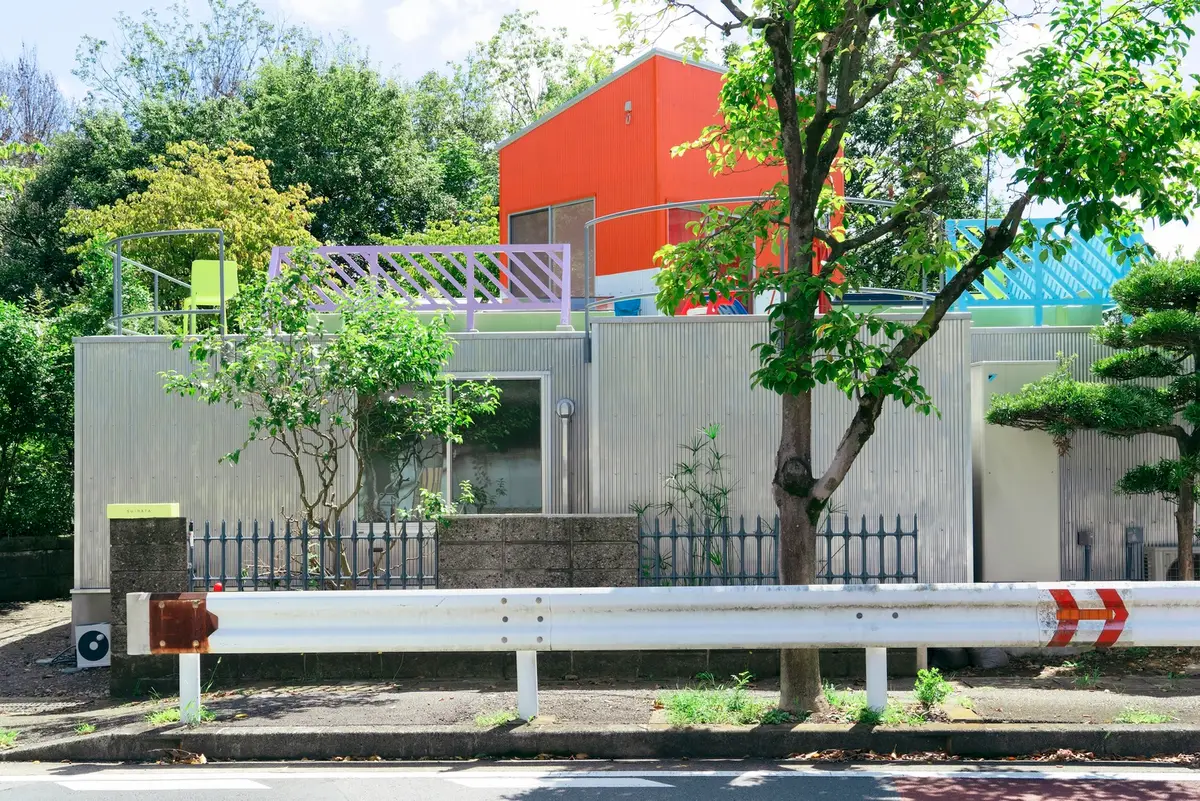
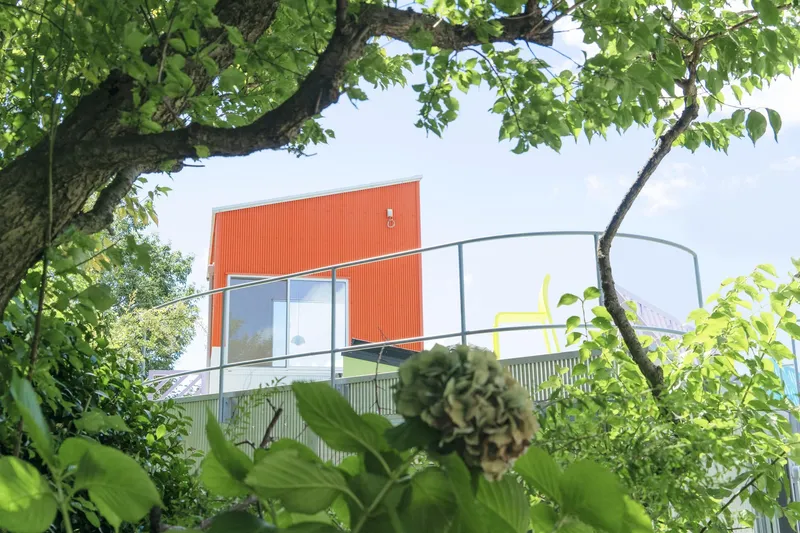
Miyazaki House, designed by Suzuko Yamada Architects, is a unique family residence that transforms living into an evolving dialogue between architecture, landscape, and daily life. Located on a triangular plot at the edge of a lush hillside park, the house embraces its natural surroundings by extending the park’s greenery onto its roof, creating a garden that blurs boundaries between built form and landscape.
Spatial Concept and Design Approach
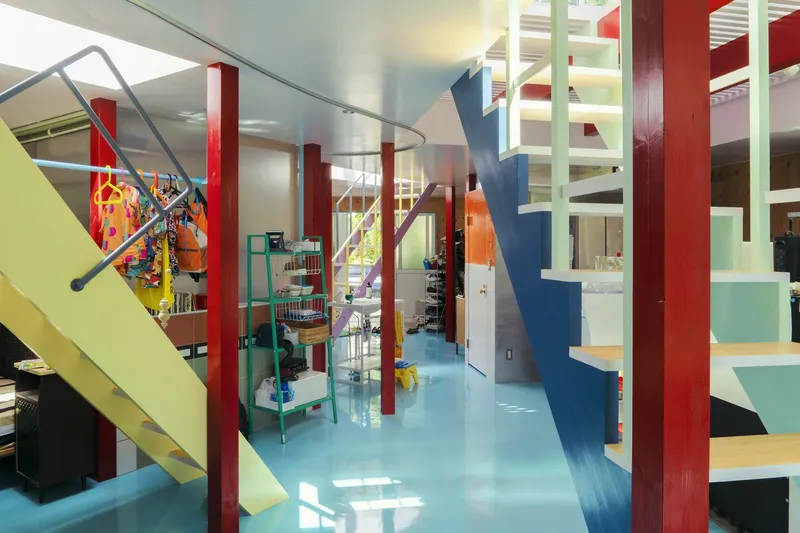
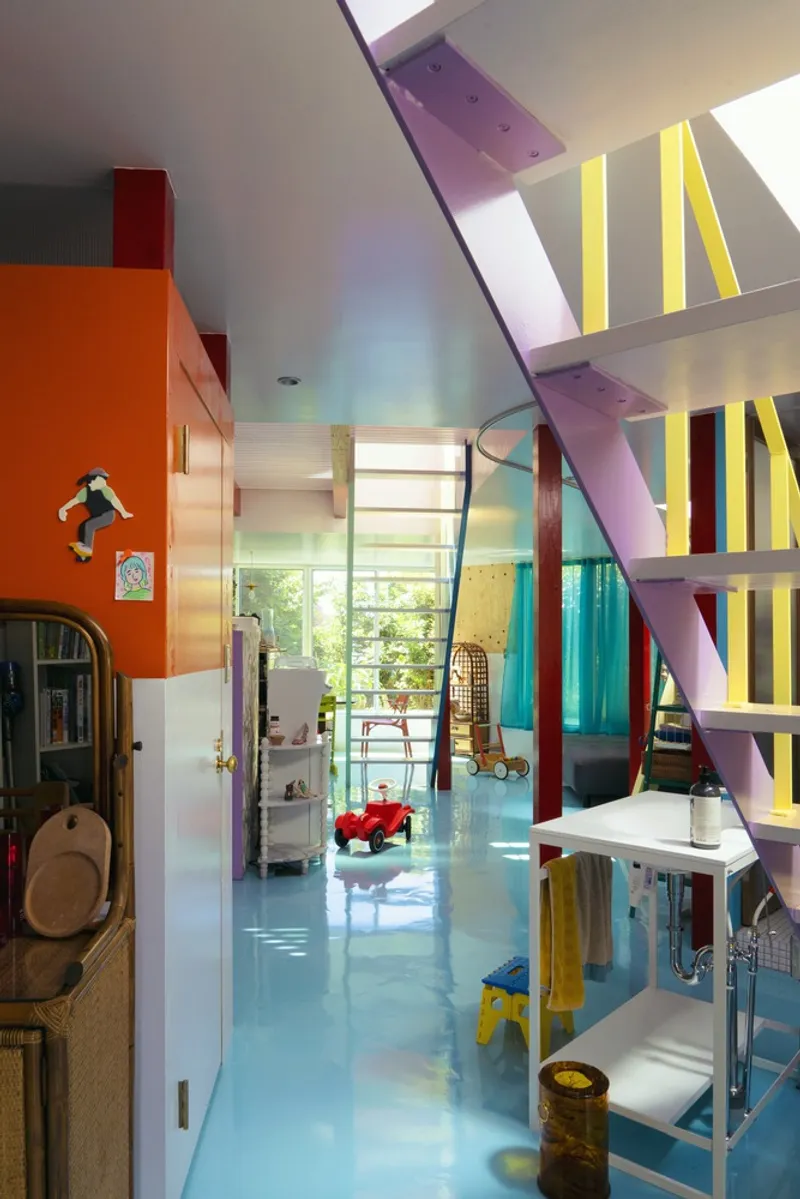
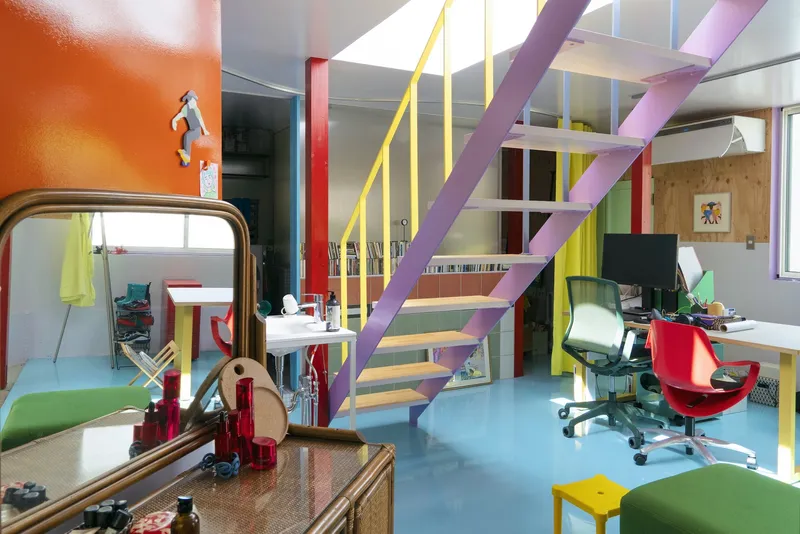
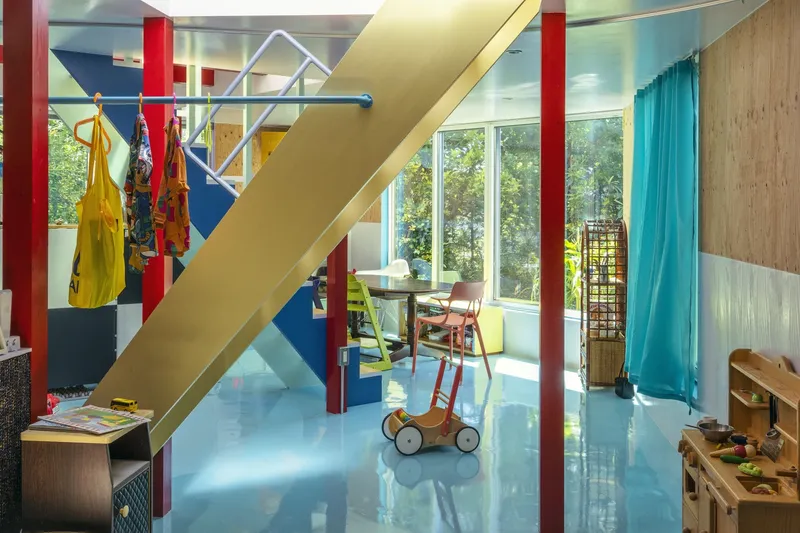
The main structure is a low-rise, single-story building that respects the park’s elevation while maximizing openness to views of the city. Inside, the space is conceived not as a conventional framework of walls and partitions, but as a large studio-like environment where architecture, furniture, and household items coexist as independent yet interconnected elements.
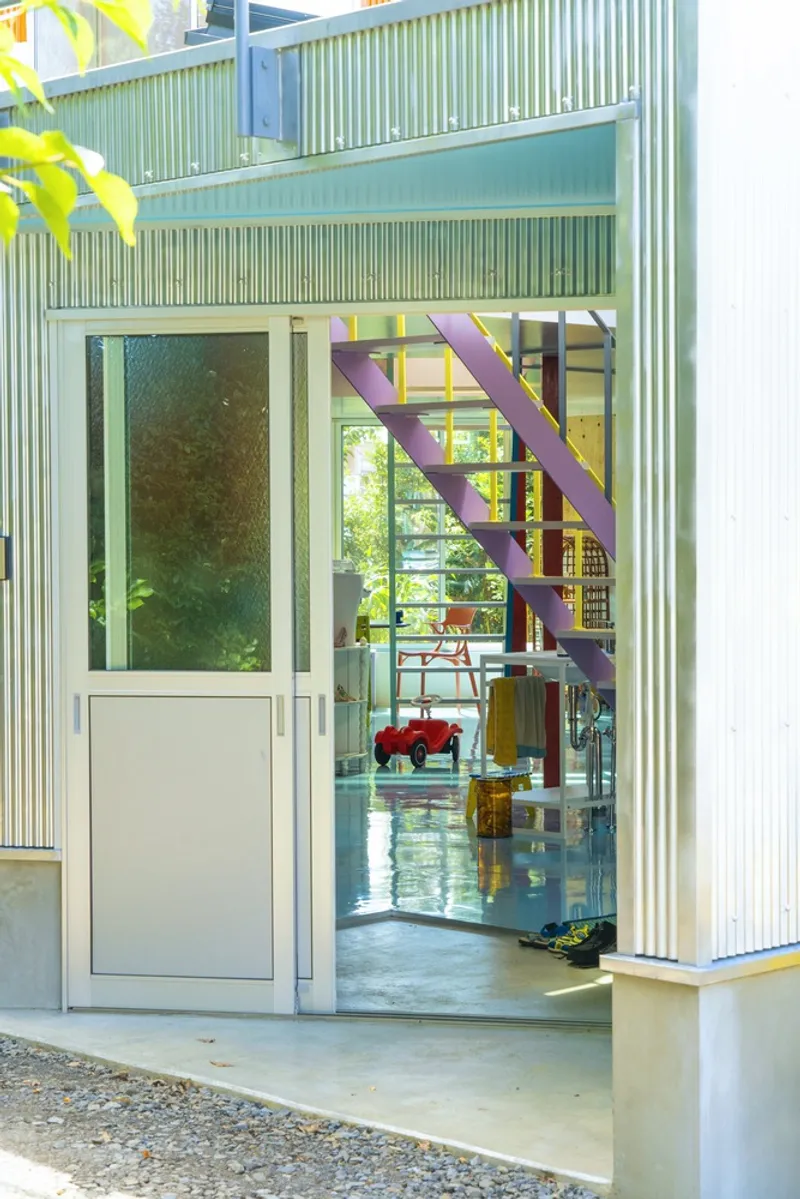
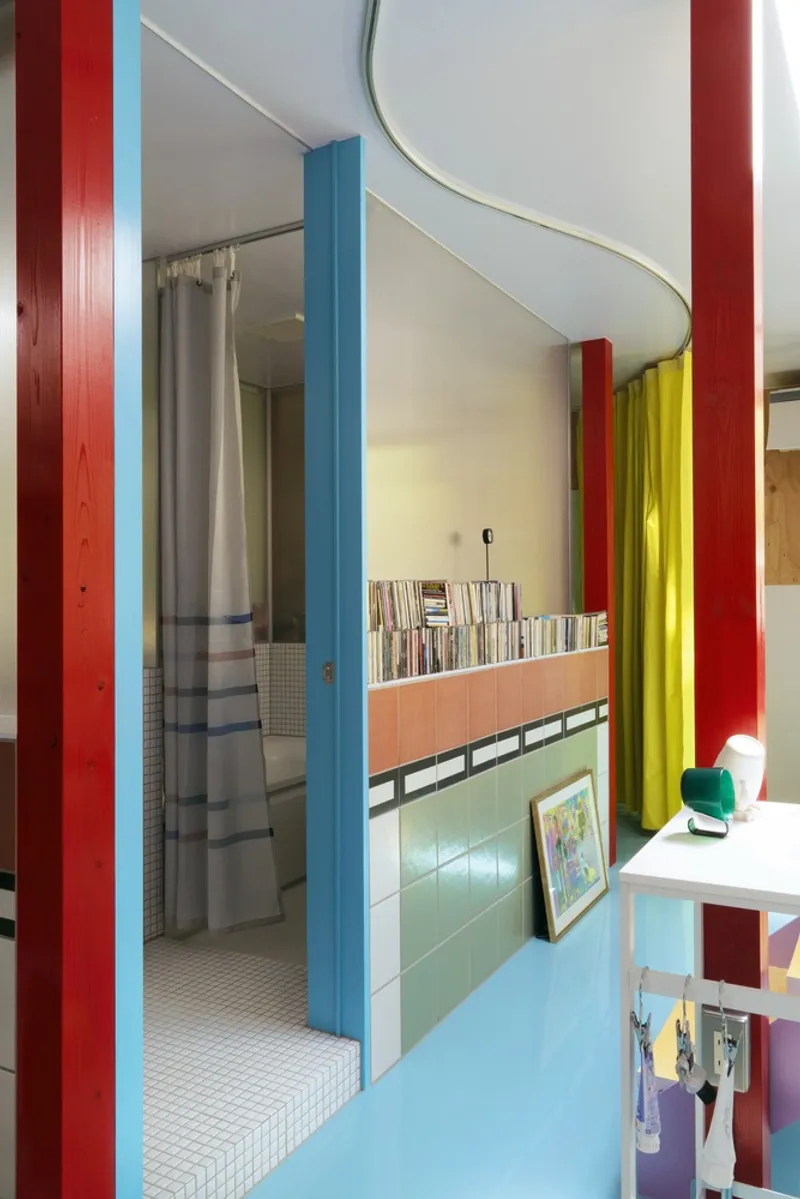
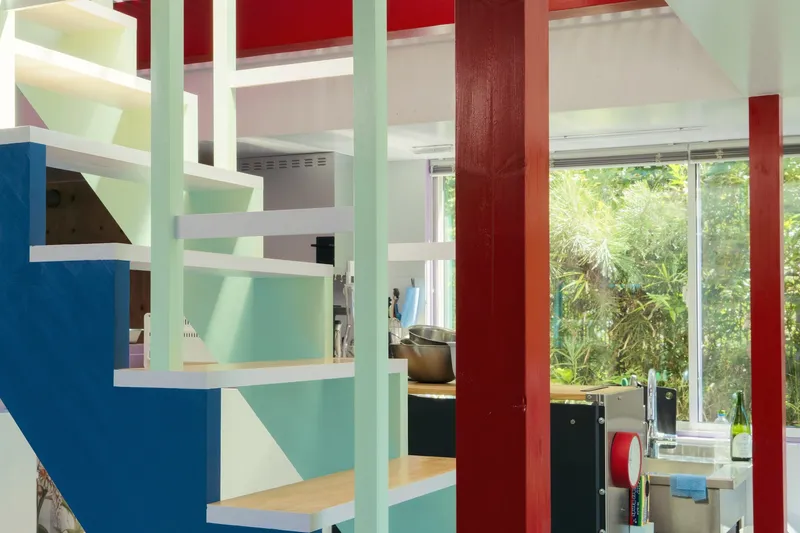
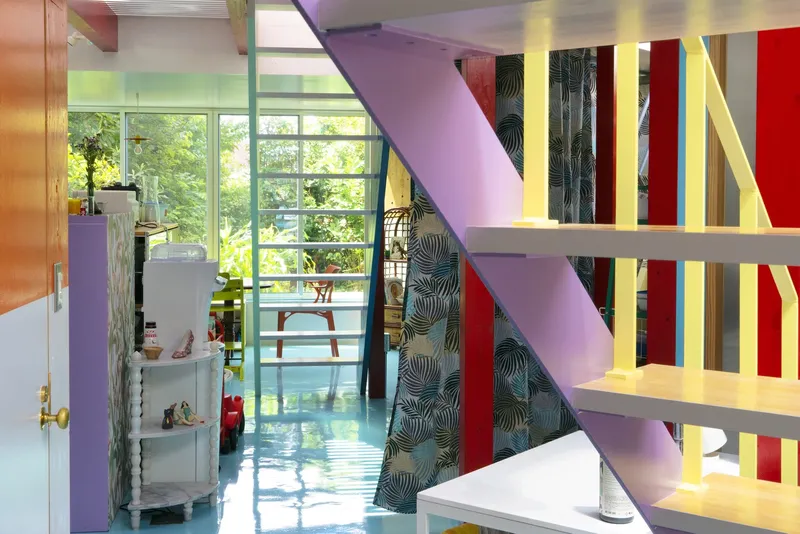
Stairs, columns, partitions, and even simple fixtures are designed as individual landmarks within the open plan. Like benches, lampposts, and trees scattered across the park, these elements serve as points of orientation and interaction, guiding the family’s movement and shaping how they inhabit the house.
A Growing House for a Growing Family
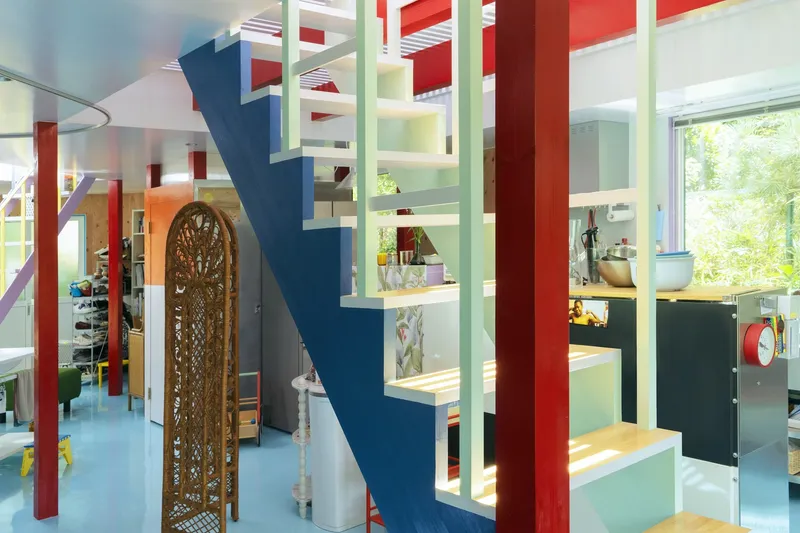
A distinctive feature of Miyazaki House is its future-oriented design. The rooftop, currently a garden, is planned to accommodate a children’s room in the coming years. Three staircases already anticipate this transformation—two leading to the rooftop hut, now used as a playful hideout, and one connecting interior and exterior life. This creates an evolving home that grows alongside its residents.
Architecture as a Collection of Landmarks
Instead of dictating lifestyle through rigid spatial frameworks, Suzuko Yamada Architects designed the house as a collection of scattered landmarks—each with its own individuality of shape and color. Just as in nature, where diversity defines harmony, each pillar, staircase, and piece of furniture feels alive, almost “being” rather than merely “existing.”
Through everyday rituals—walking, pausing, leaning, playing—these landmarks connect and overlap, weaving together the life of the family. The architecture becomes less about static form and more about dynamic interaction, creating a home that feels fluid, organic, and deeply personal.
Miyazaki House represents a new model of contemporary Japanese residential architecture, one that prioritizes adaptability, playfulness, and the intimate relationship between family life and nature. With its park-like openness, evolving rooftop, and landmark-inspired design, it offers a living environment that is both practical and poetic.
All Photographs are works of Rumi Ando


Popular Articles
Popular articles from the community


Cube Design Draws an Ecological Corridor Between Two Shenzhen Hills with the Nankai Building
Beside Shenzhen's container docks, the Nankai Building pairs stacked balconies with a climbing green screen to connect two hillsides across its height.

Juan García Correa, John González and Claudia Rueda Sink a Circular Amphitheater into a Manizales Engineering Building
On the La Nubia campus in Manizales, Colombia, the S1 Building folds labs and offices into a hillside of ramped lawns that double as a campus route.

David Macias Steps a Doorless Stone and Plaster House Down a Tropical Colombian Hillside
In the humid hills of Colombia, Threshold House replaces the front door with an open void and terraces its 850 m² down the slope instead of fighting it.

LT2A and OPEN Architectes Thread a Brick and Glass High School Through a Wooded Belgian Campus
In Braine-l'Alleud, a 3,000 m² wing for Collège Cardinal Mercier pairs pale brick with a glazed colonnade, deferring to a small chapel and a dense wood.

Similar Reads
You might also enjoy these articles


Hodi-Mandai Geram
Project Function: Preservation and revitalization of the Intangible heritage and socio-spatial identity of the Hodi by Housing, Cultural Memory Center, Sacred Grove, landscape, local tourism economy


Olio Towers: A Mid-Rise for Performers That Fuses Housing, Rehearsal, and Stage
Located blocks from Houston's Theater District, this modular tower stacks living units around a central performance atrium.

Oasis: Modular Green Housing Carved into Dhaka's Urban Fabric
A shortlisted Plugin Housing entry reclaims unauthorized settlements in Dhaka with stepped concrete volumes, green roofs, and ventilation-driven design.

Black Hole: A Floating Megastructure for the Post-Physical Era
Emiliano Mazzarotto envisions a spherical, self-scaling arena where e-sports, digital hotels, and holographic stadiums replace traditional public space.

Explore Japanese Architecture Competitions
Discover active competitions in this discipline

Challenge to reimagine the Iron Throne

Photograph architecture without architects

Illustrate the lost glory of Angkor Wat - Render Challenge

Design challenge to reuse E-waste
Comments (0)
Please login or sign up to add comments
No comments yet. Be the first to comment!