

Modern Brazilian House Design: São Carlos Residence by Gui Mattos
The São Carlos Residence showcases modern Brazilian house design with an L-shaped layout, minimalist materials, and seamless indoor-outdoor integration.


A Discreet Facade Hiding Architectural Elegance
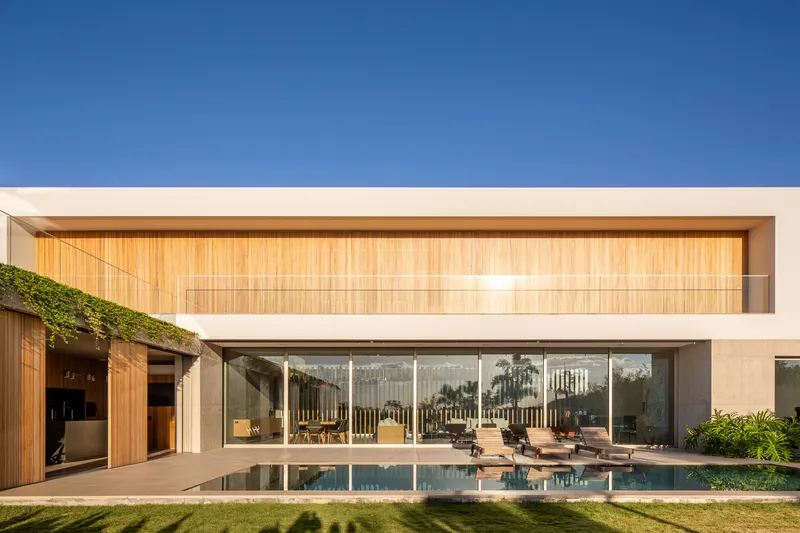
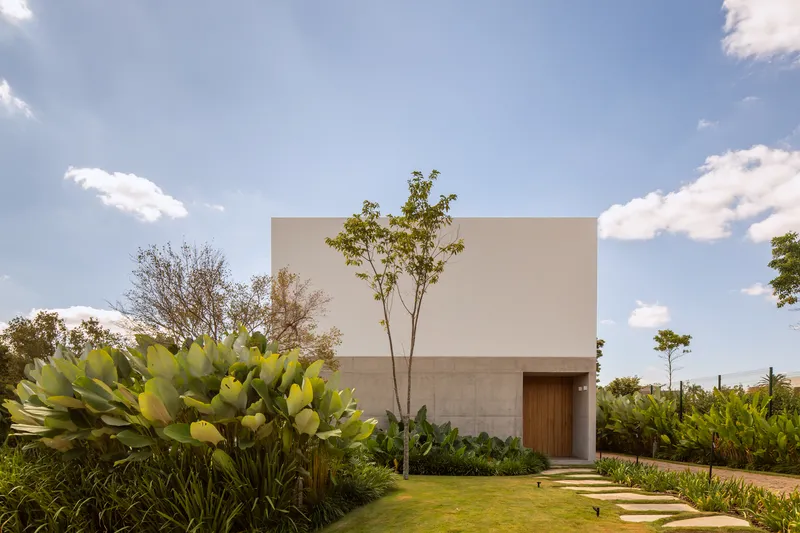
The São Carlos Residence, designed by Gui Mattos and situated in São Carlos, Brazil, is a masterful example of modern Brazilian house design. From the outside, the home presents a solid, almost hermetic facade, marked by minimalism and discretion. The primary entrance, a recessed wooden door, provides an understated invitation into a home that surprises with its light-filled and expansive interiors.
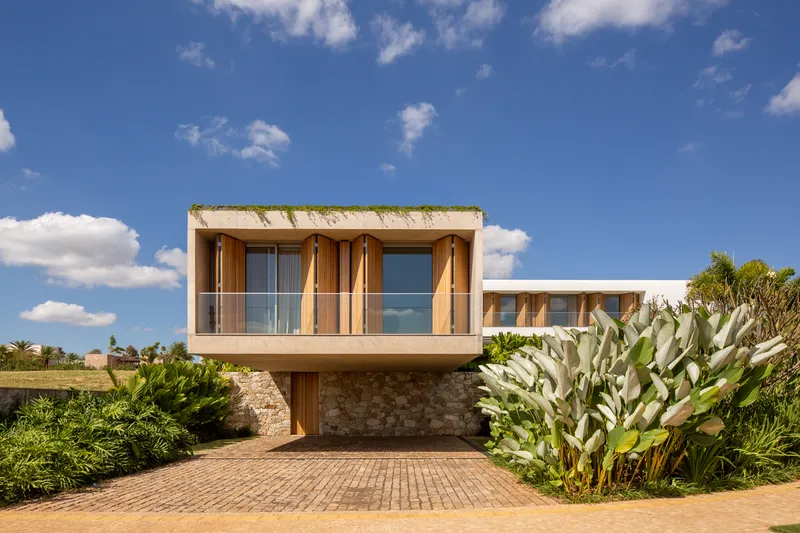
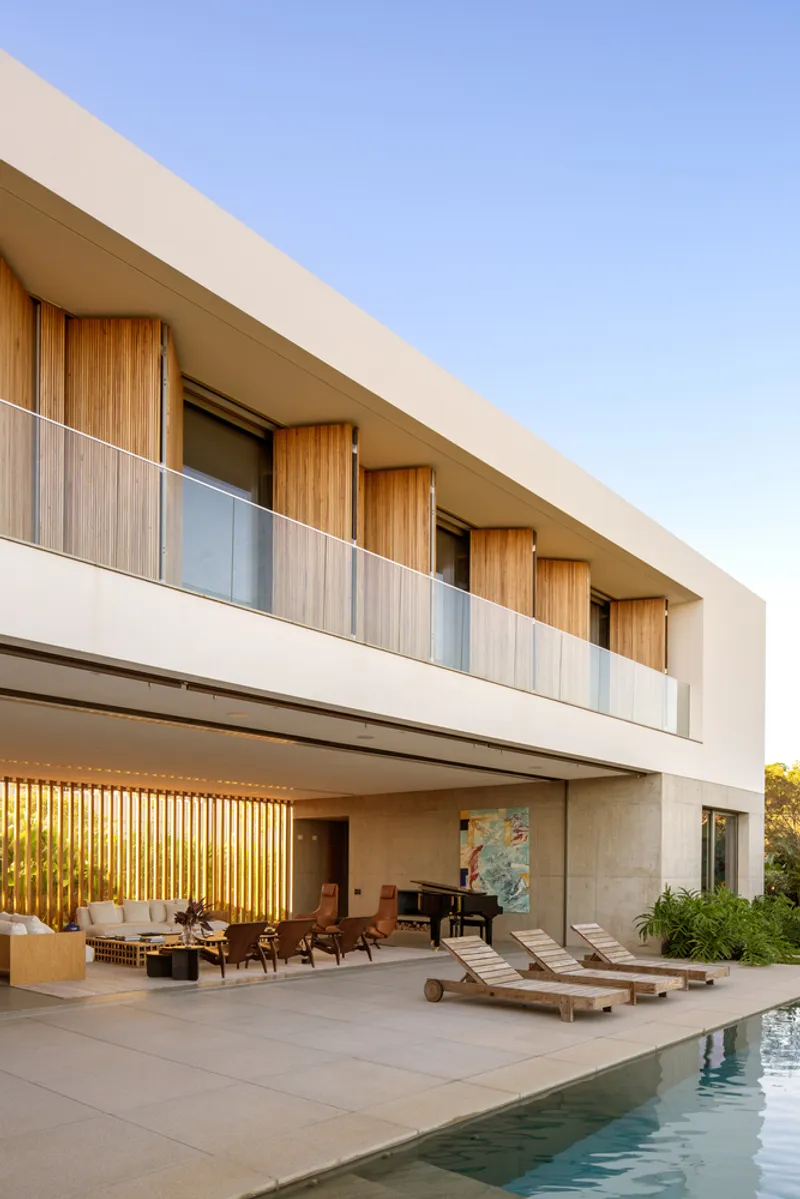
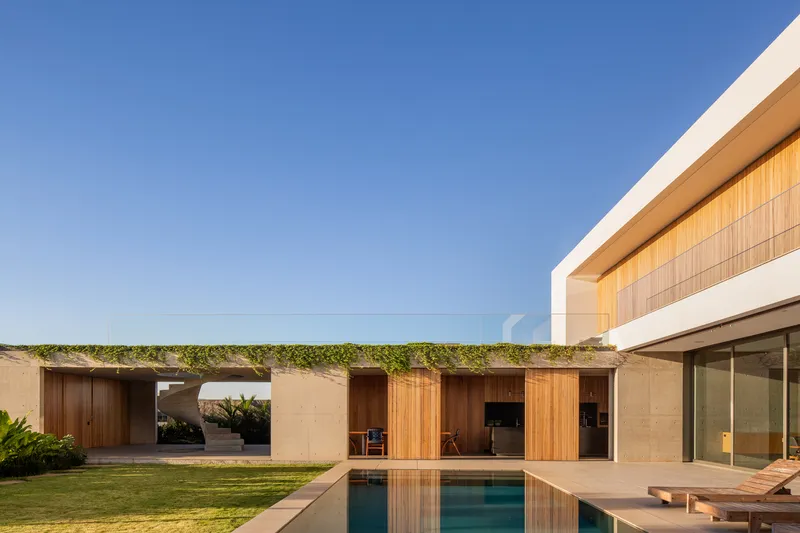
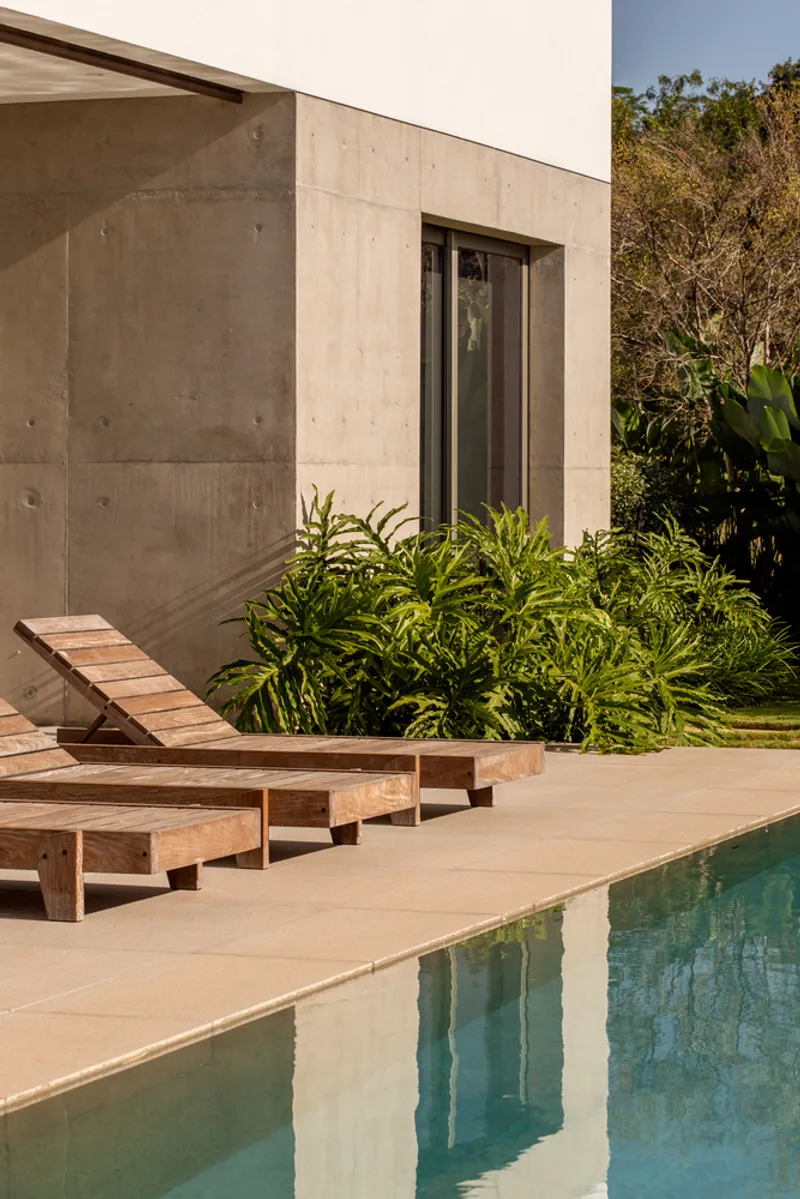
The facade is composed of three defining materials: the ground floor in exposed concrete, the first floor in white-painted masonry, and the warm use of wood. These materials are harmonized in both function and form, with wood serving as doors, slats, and panels. This layered design aesthetic emphasizes the residence’s modern yet grounded architectural character.
An L-Shaped Design Maximizing Space and Views
Situated on a corner lot, the São Carlos Residence takes on an L-shaped layout, opening up to a sprawling private garden. This design not only maximizes the use of space but also takes full advantage of the natural beauty surrounding the property. Residents enjoy an unhindered view of distant hills and breathtaking sunsets, a feature that defines the essence of modern Brazilian architecture’s connection to nature.
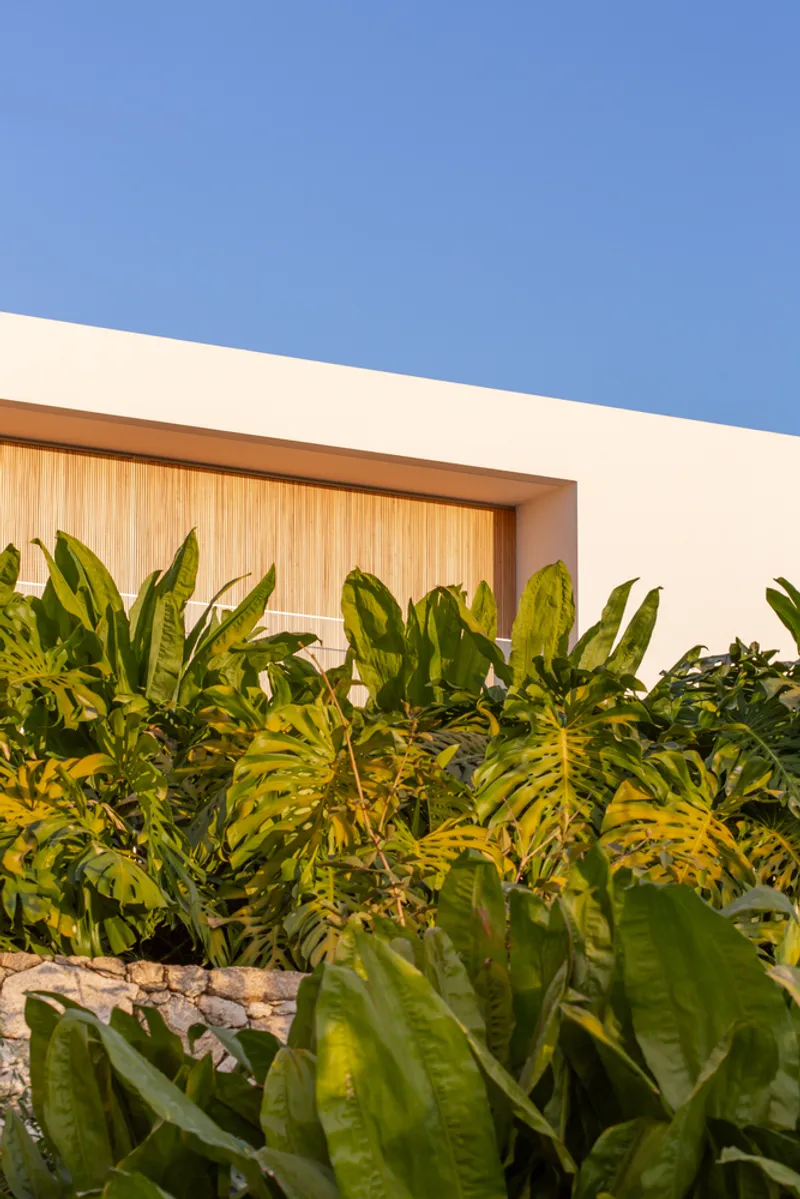
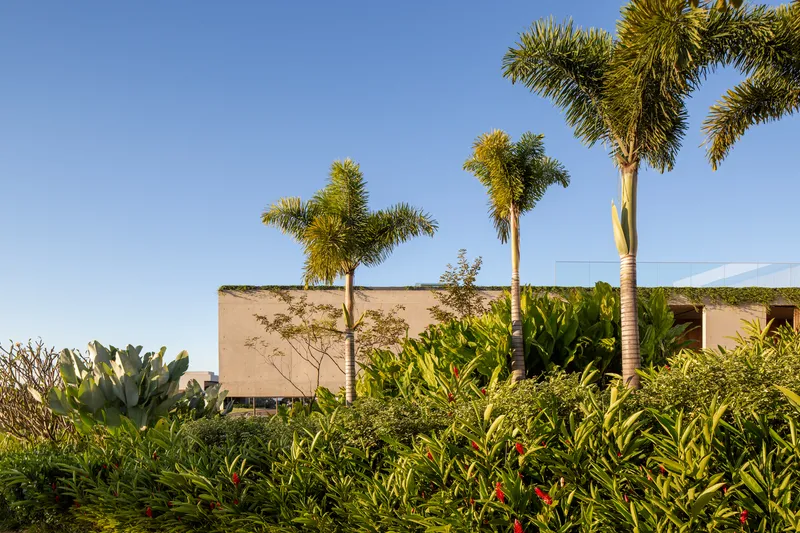
The layout creates an intimate balance between privacy and openness. While the facade shields the home from the public view, the inner areas are designed to foster a seamless relationship between indoor and outdoor spaces.
A Spacious and Integrated Interior
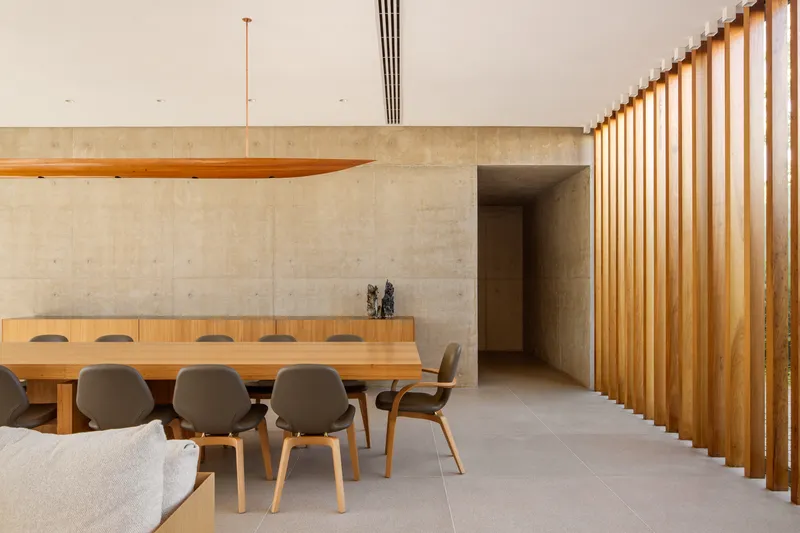
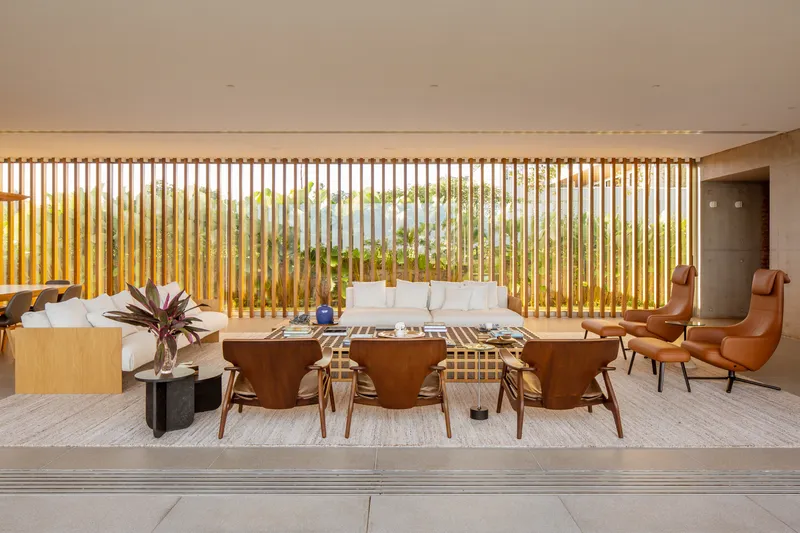
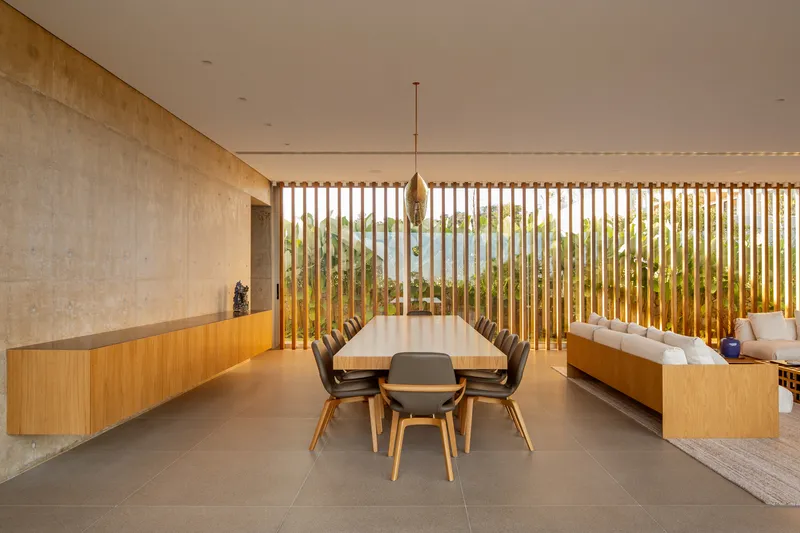
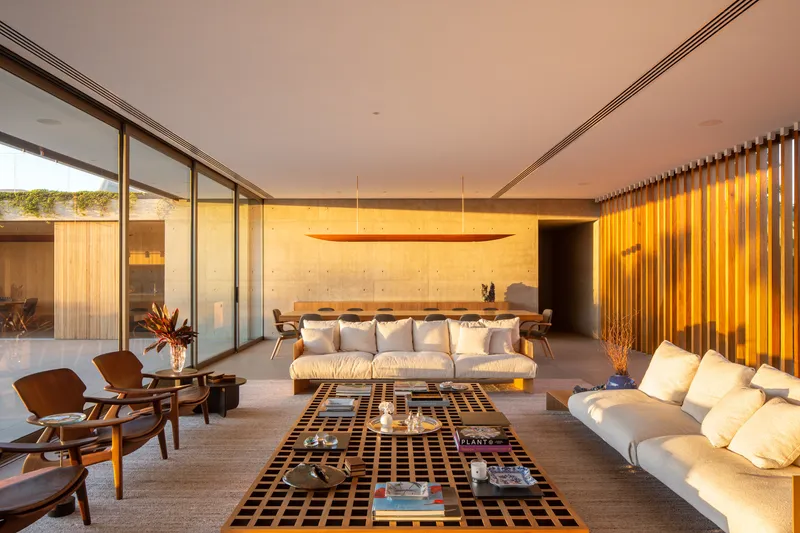
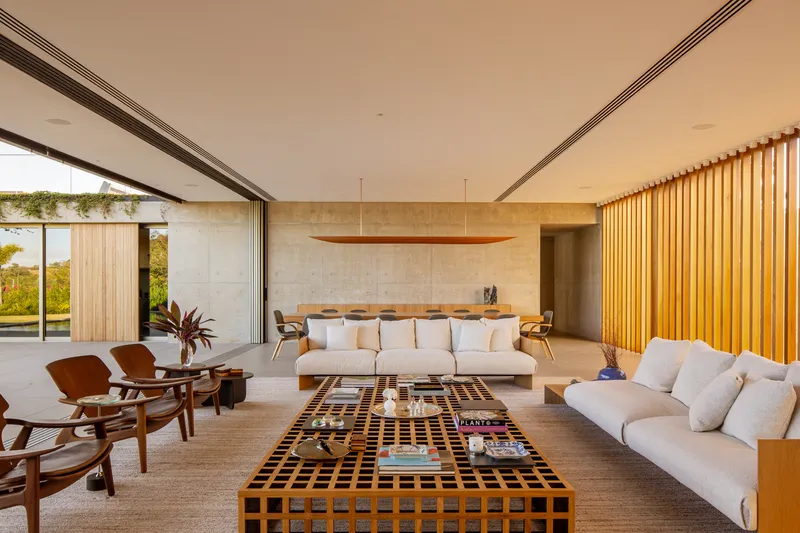
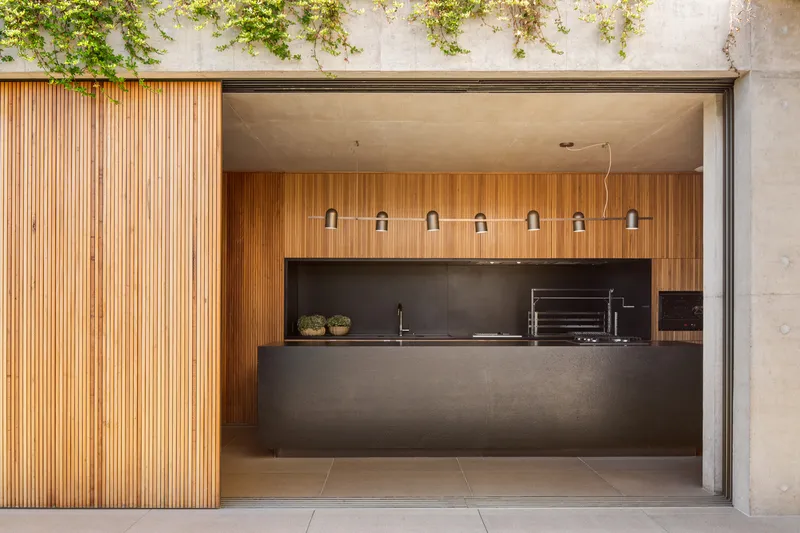
Upon entering, visitors are greeted by a spacious and luminous living area that integrates seamlessly with the dining room and outdoor spaces. Glass panels blur the boundaries between these areas, creating a harmonious flow between the interior and the garden, which features a pool and a gourmet area. These spaces are arranged in a way that allows natural light to flood every corner, enhancing the residence’s warm and welcoming atmosphere.
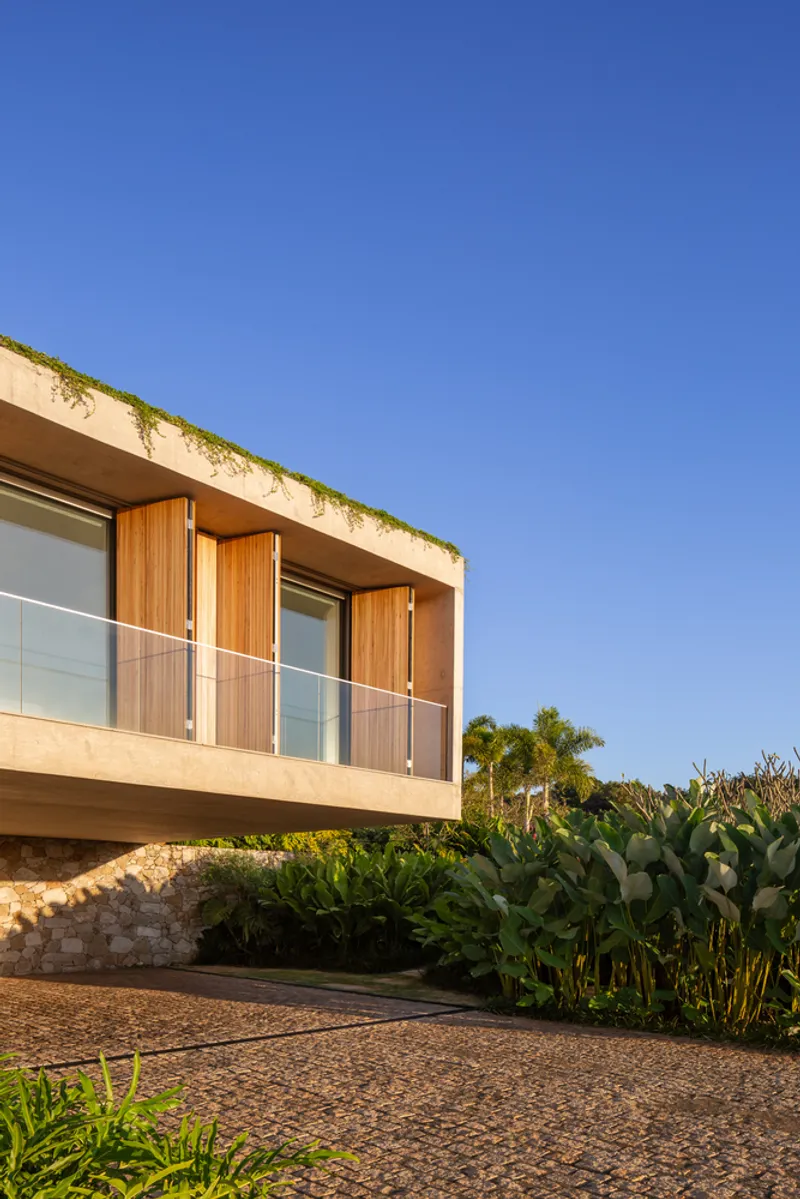
The private quarters, including the bedrooms, are located on the first floor. This strategic design ensures privacy for the residents while offering elevated views of the surrounding landscape. The upper-level windows frame the hills and sunsets, turning nature into a living artwork visible from within the home.
Sculptural Staircase and Concrete Overhang
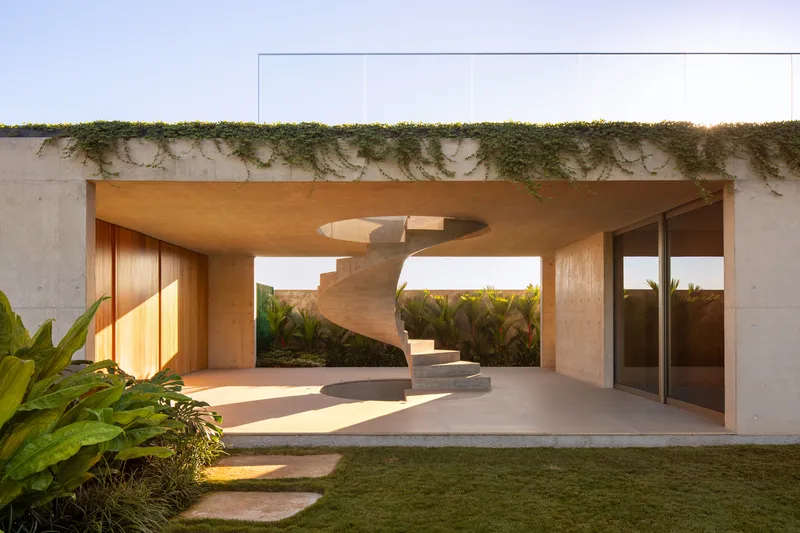
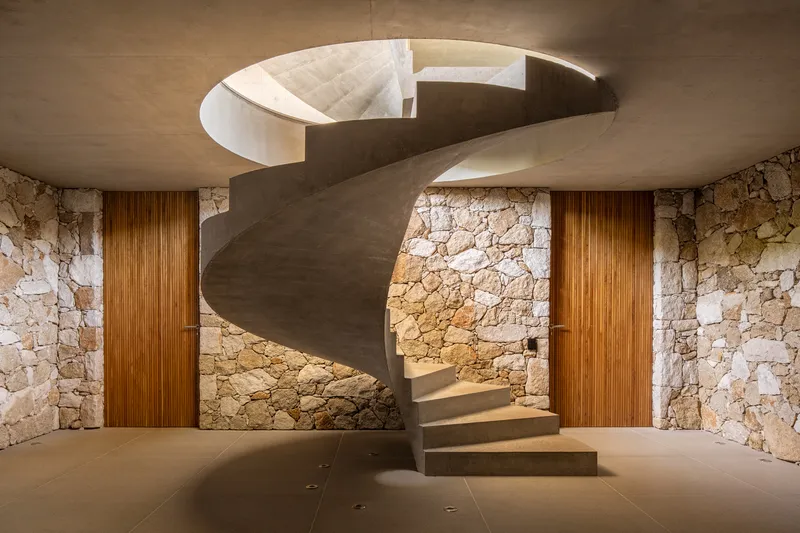
One of the most striking architectural elements of the São Carlos Residence is its sculptural concrete staircase. This staircase serves not only as a functional feature connecting the three floors but also as a symbolic centerpiece that defines the home’s contemporary aesthetic.
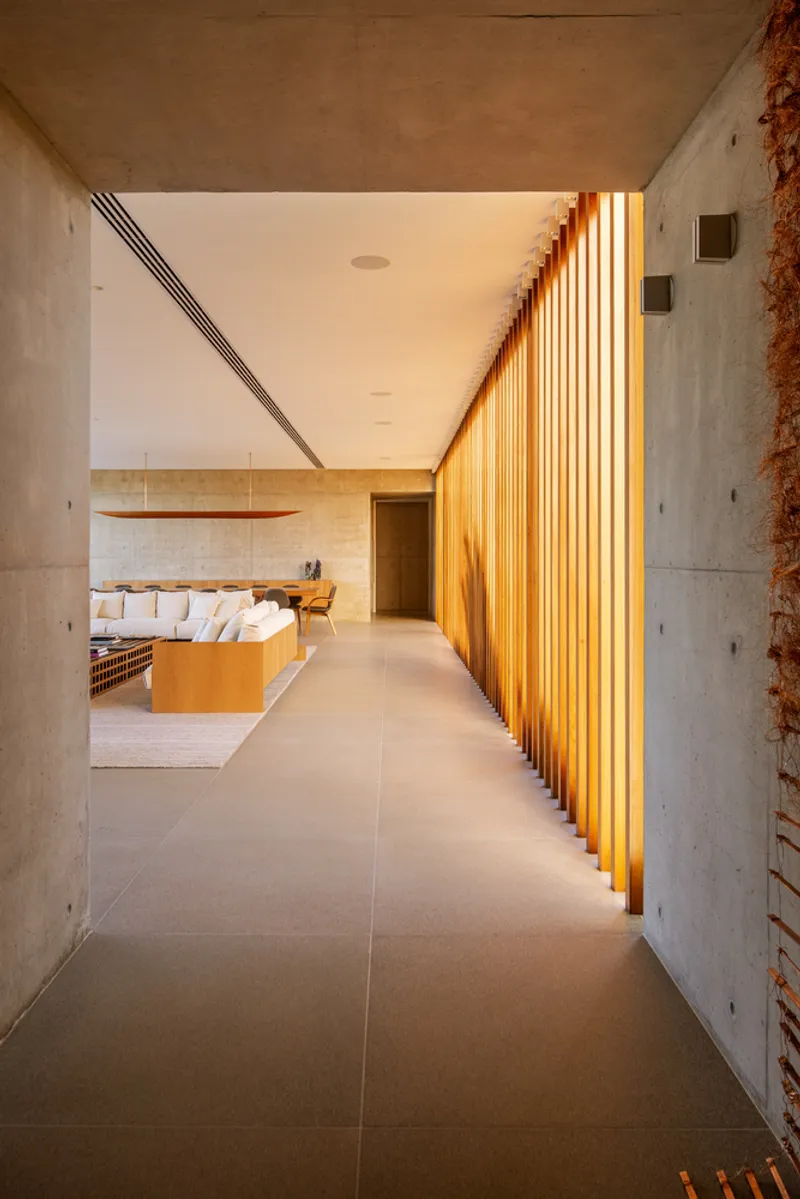
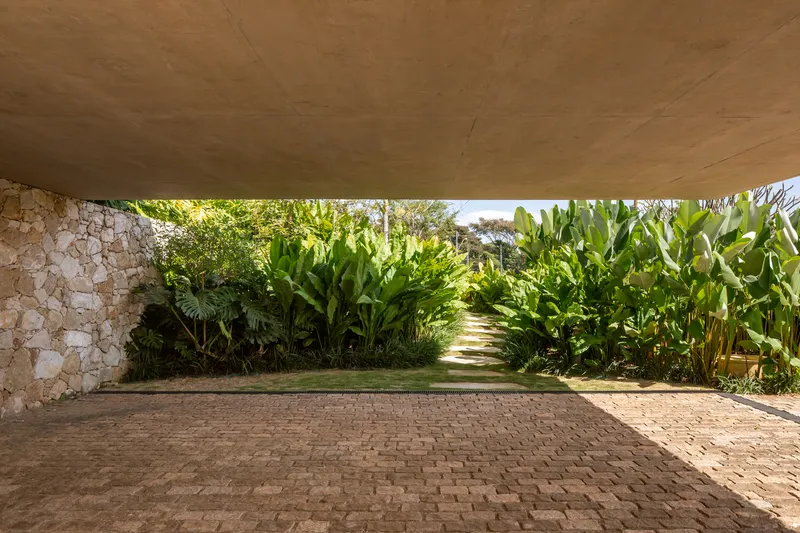
The staircase is paired with a dramatic concrete overhang that extends outward, providing a covered area for the garage. This design detail demonstrates the creative use of structural elements to enhance both form and function, a hallmark of Gui Mattos’ architectural vision.
The Balance Between Modernity and Tradition
The São Carlos Residence captures the essence of modern Brazilian house design by blending contemporary materials with traditional architectural principles. The use of concrete, masonry, and wood reflects a thoughtful approach to materiality, while the integration of natural light and open spaces emphasizes the importance of connecting with the environment.
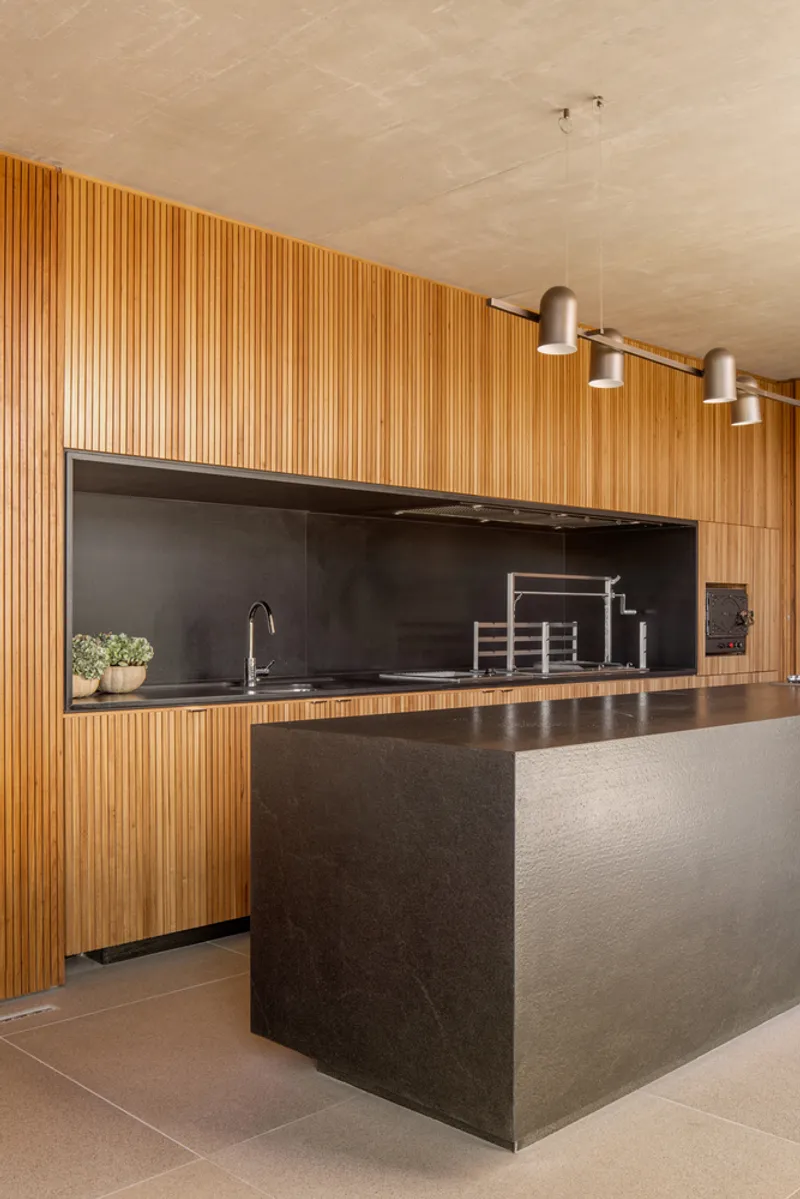
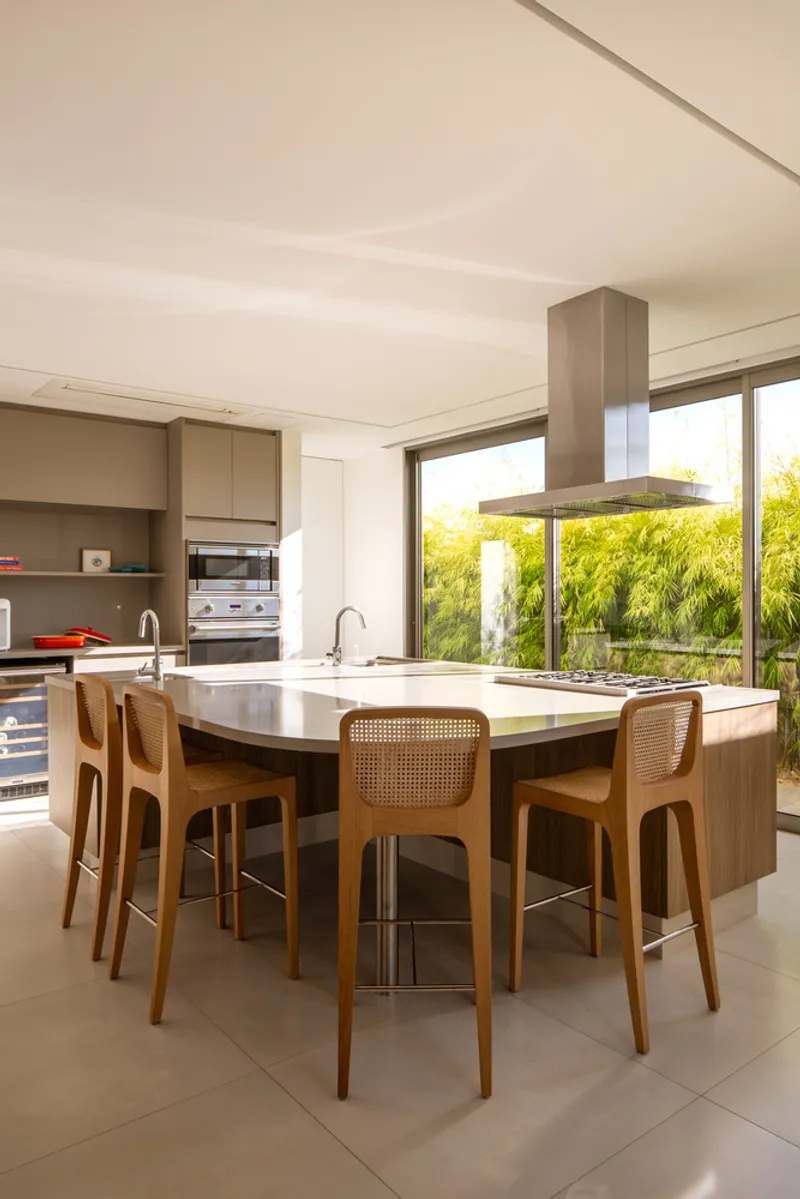
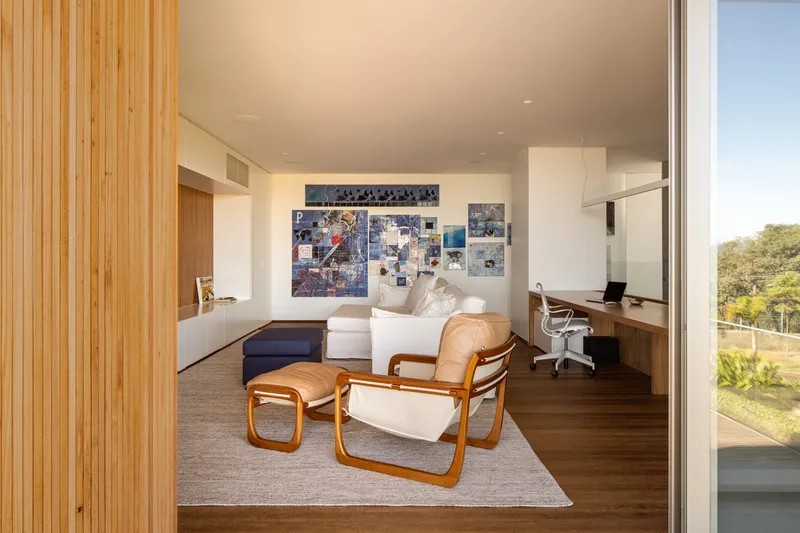
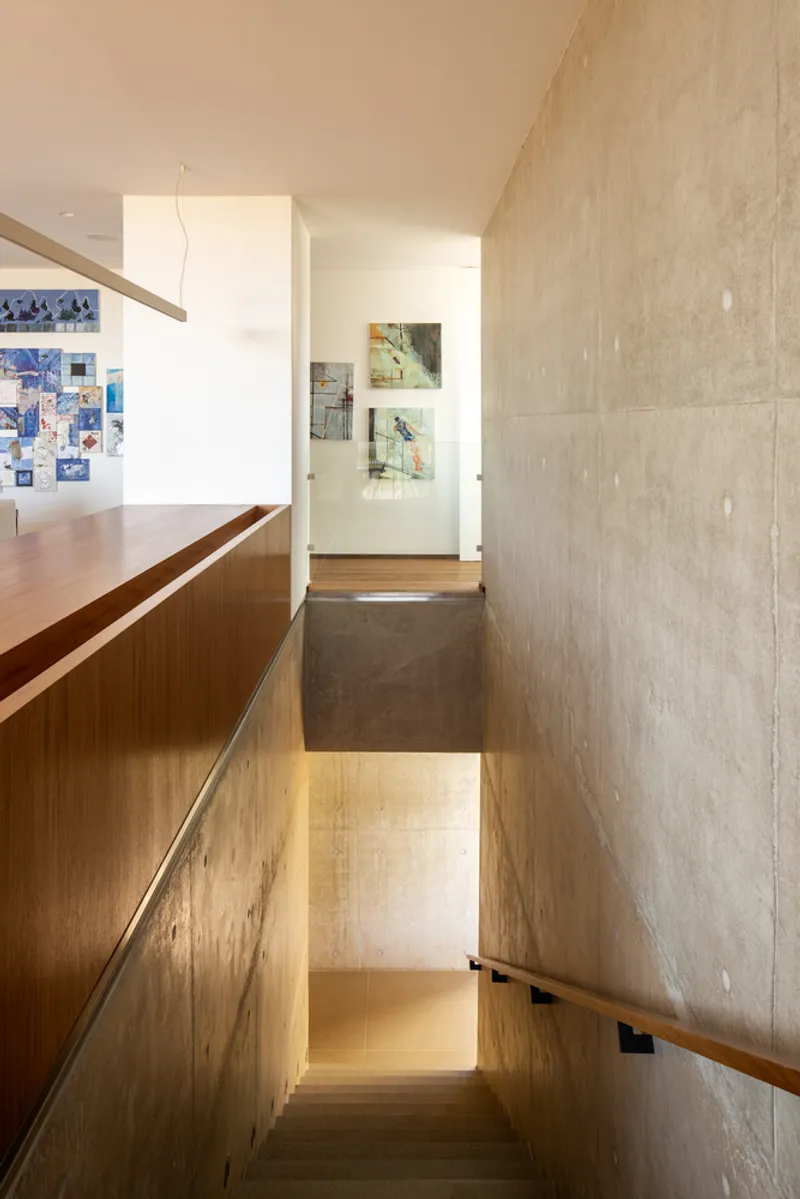
This residence is more than just a house; it is a celebration of balance—between privacy and openness, between minimalism and warmth, and between modernity and tradition.
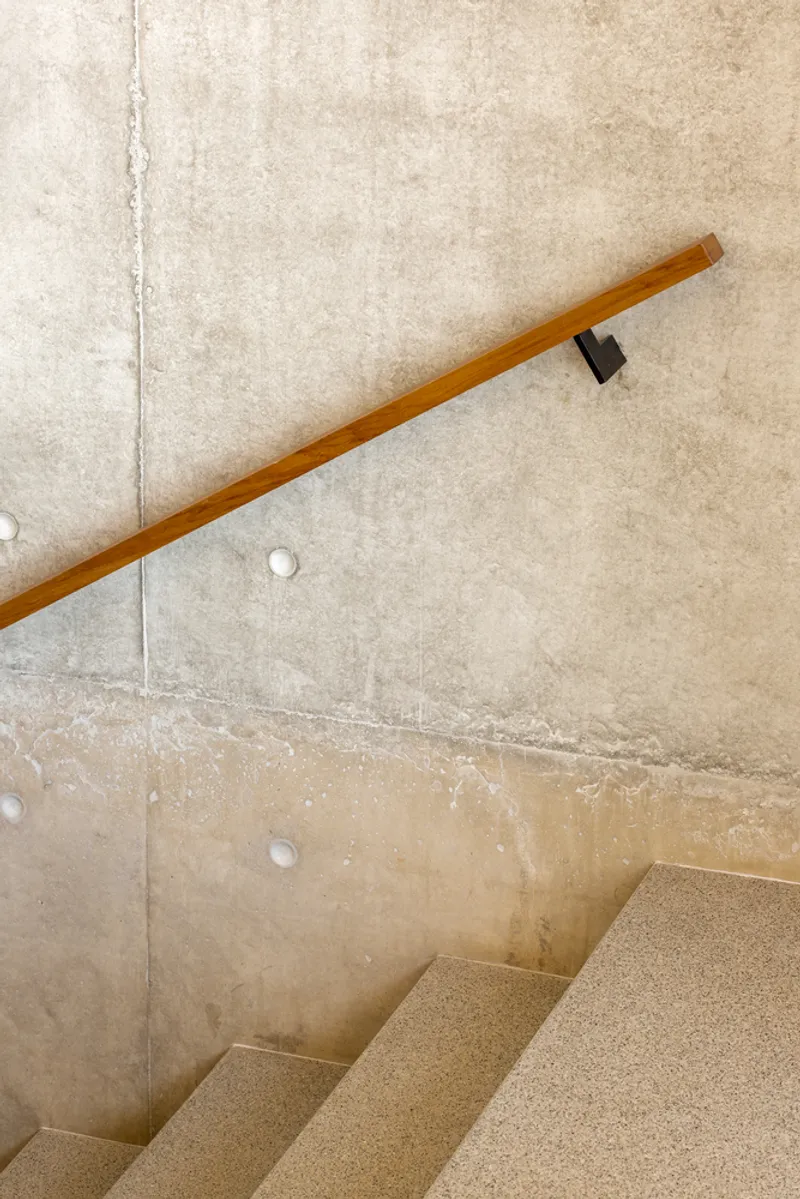
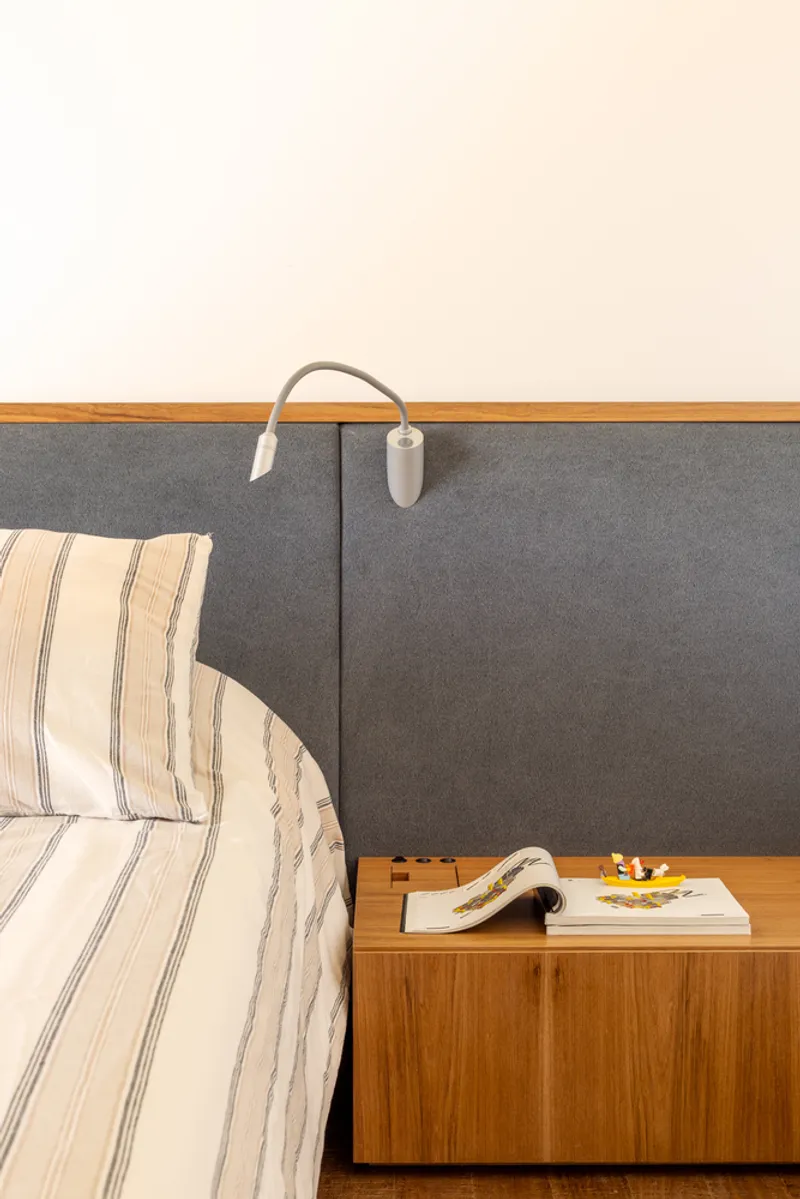
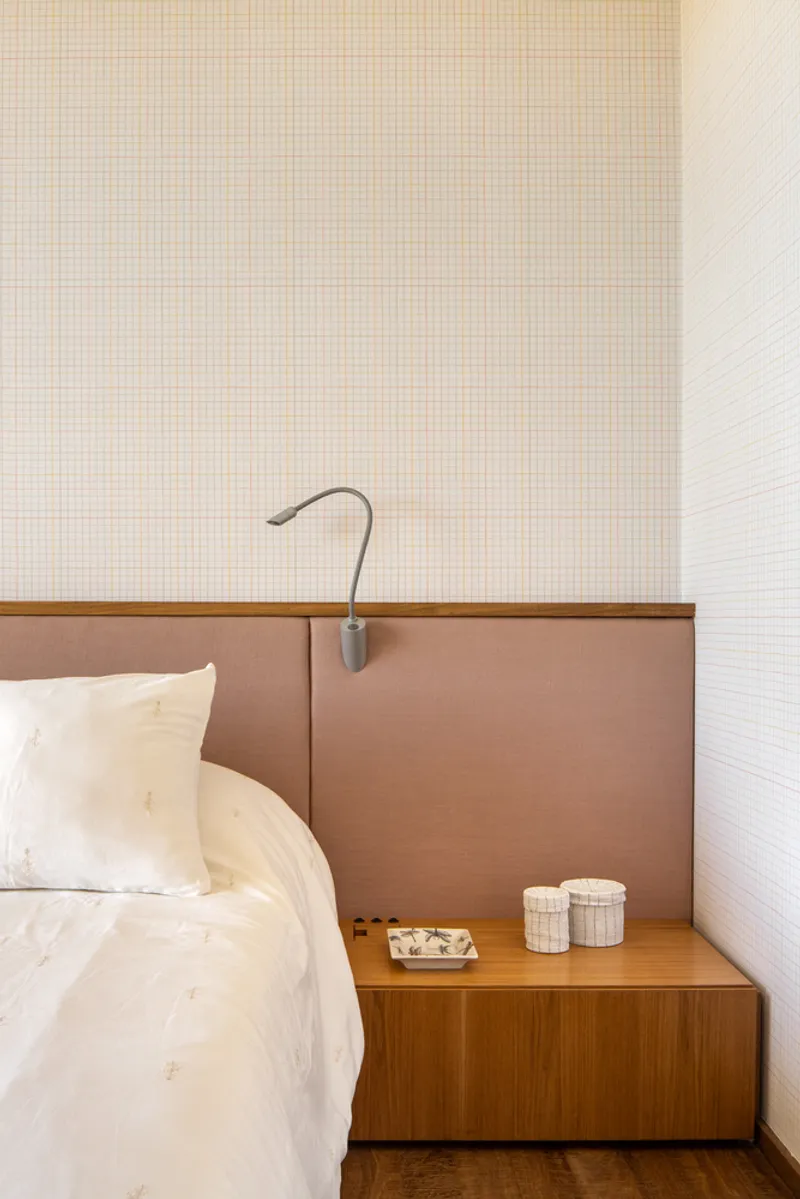
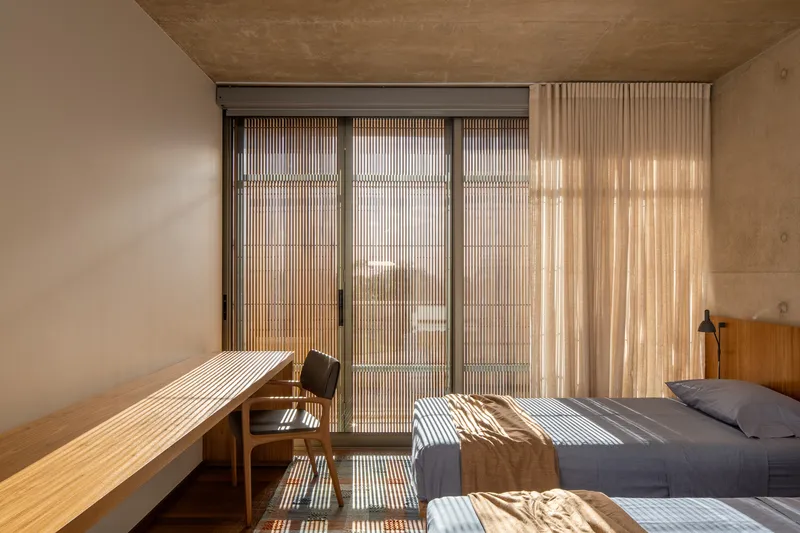
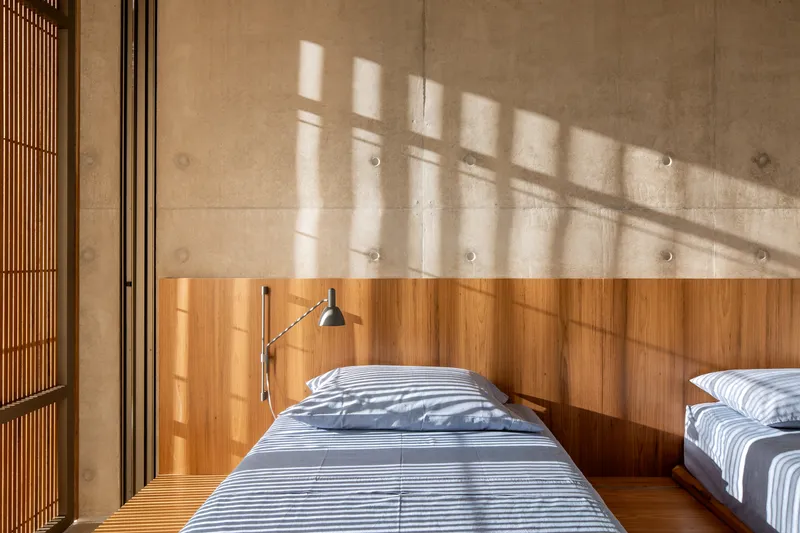
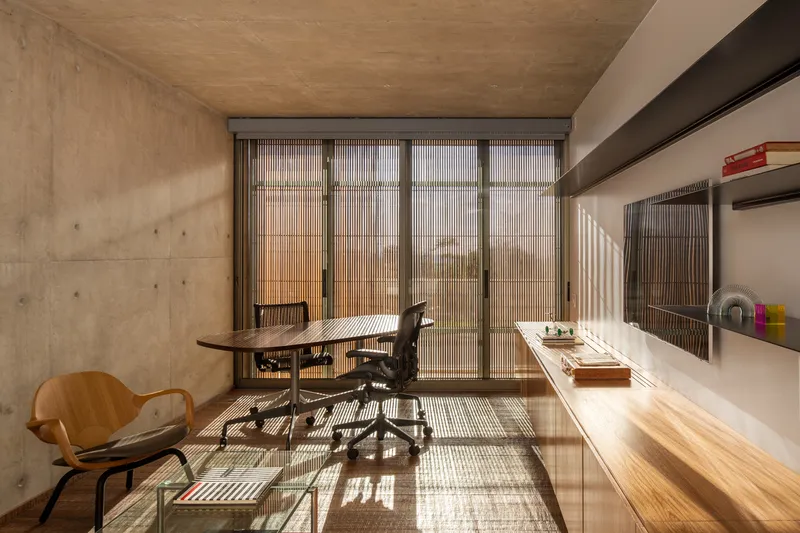
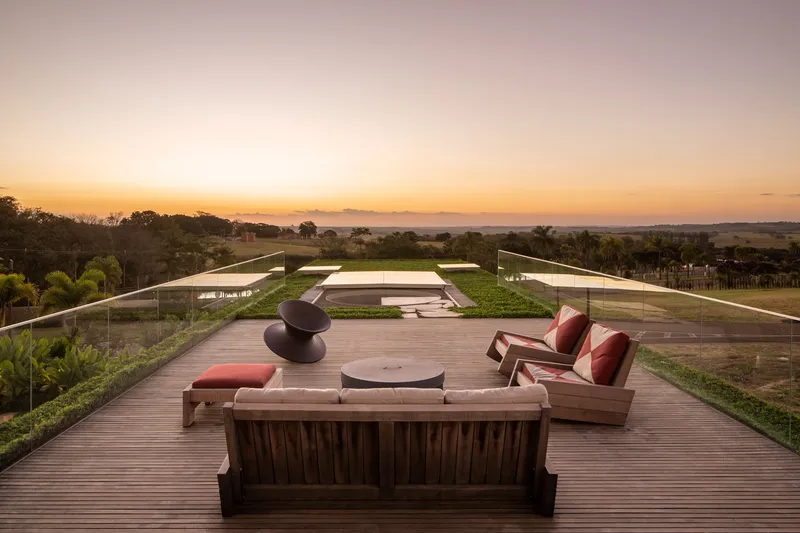
The São Carlos Residence by Gui Mattos exemplifies the best of modern Brazilian house design. With its discreet facade, innovative layout, and seamless integration of indoor and outdoor spaces, it redefines the relationship between architecture and the natural world. The house is a true testament to the power of thoughtful design in creating spaces that are both functional and beautiful.
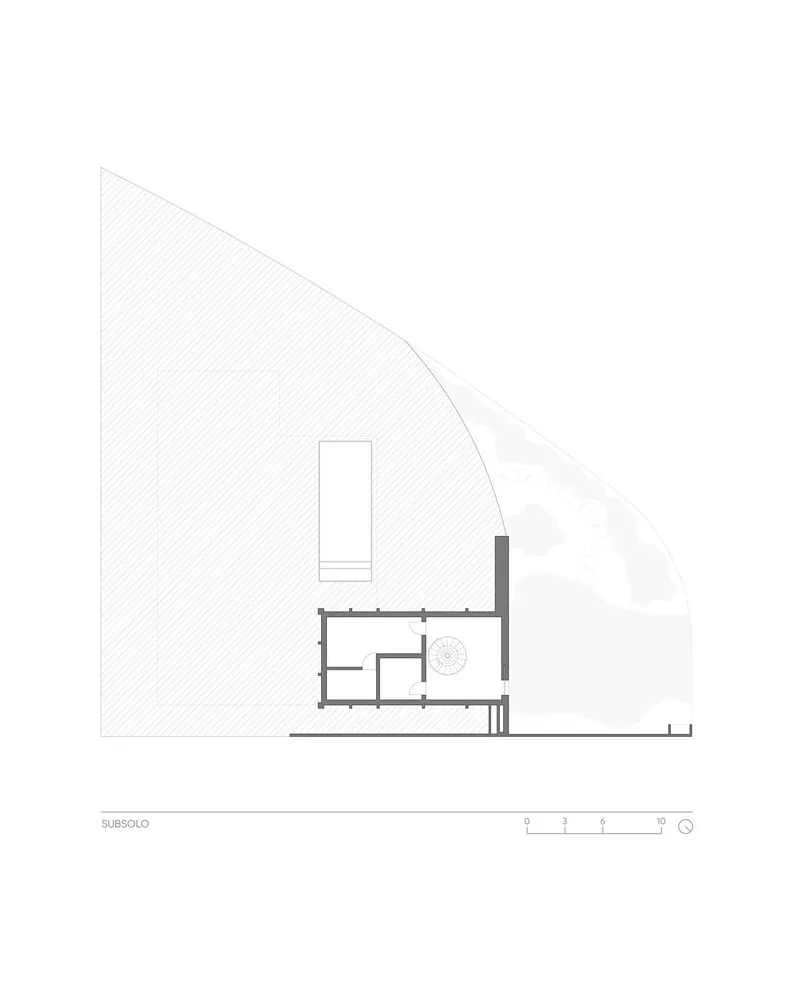
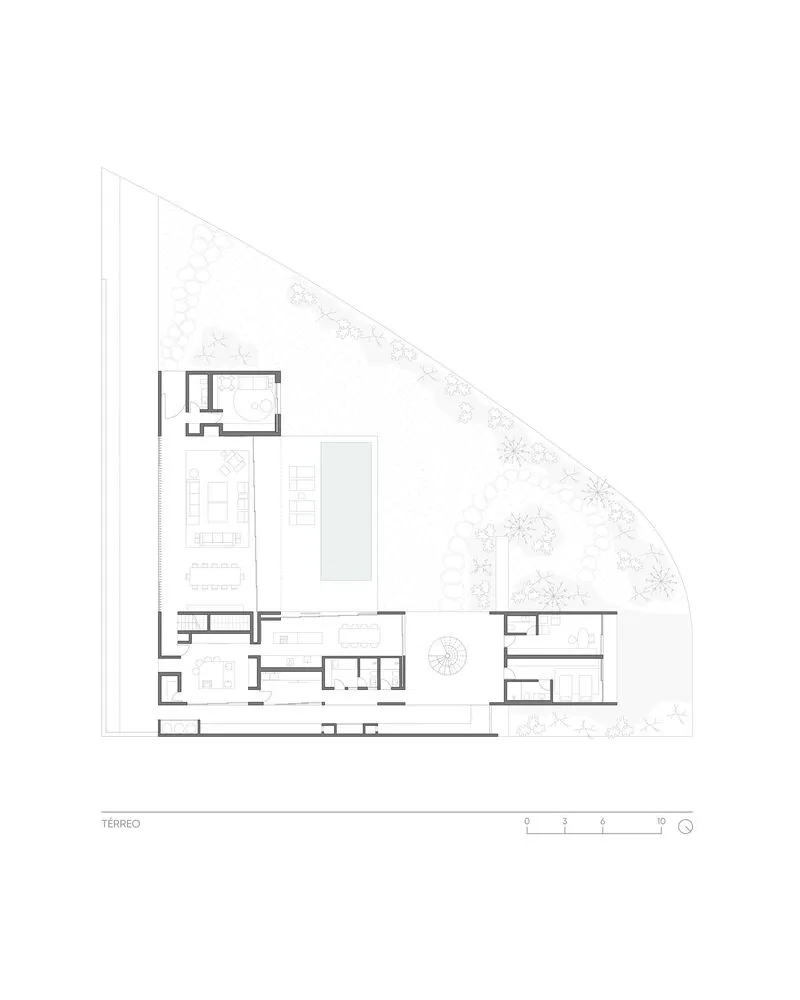
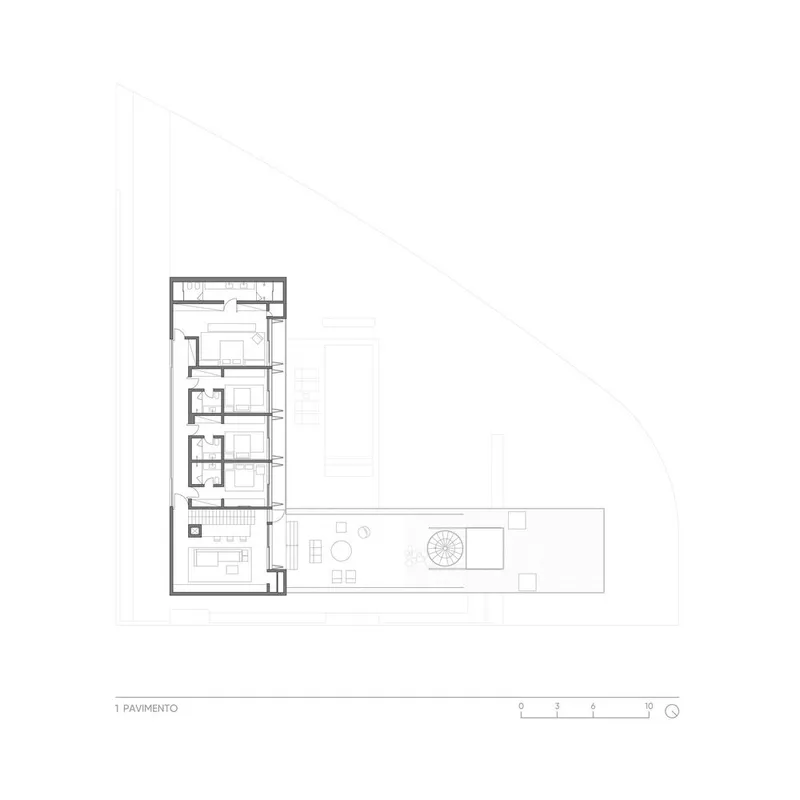
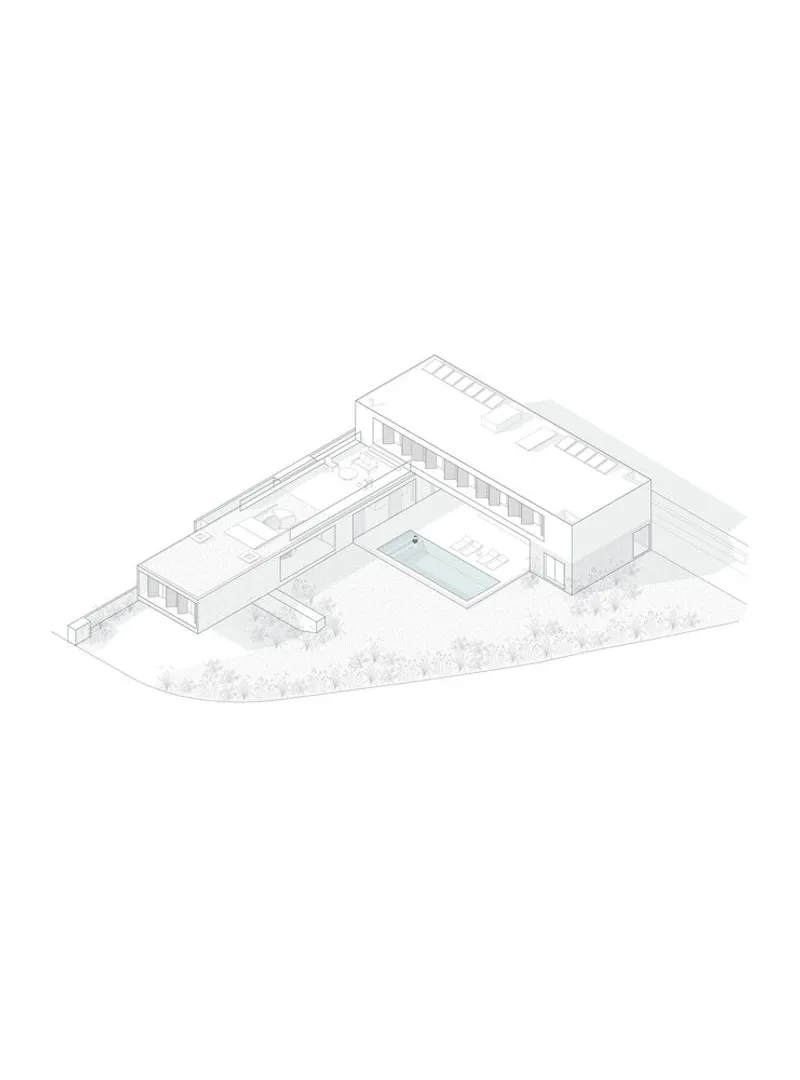
All Photographs are work of Carolina Lacaz


Popular Articles
Popular articles from the community

Temporary Home for Dogs: A Reversed Zoo Rethinks Animal Shelter Architecture
In Bucharest, a sinuous corridor and freed landscape flip the logic of containment, designing a shelter that works to make itself unnecessary.
Opera on the Sea: Driftwood Logic Shapes a Timber Opera House on Estonia's Coast
Trevor Orgill's opera house translates the entangled drift of floating timber into a civic building where wood, water, and music converge.
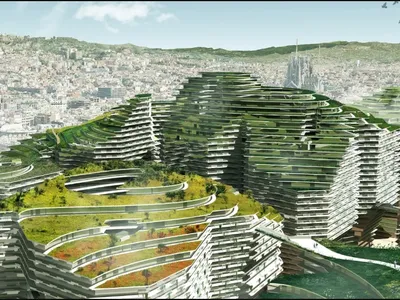
Manzana Morphosis: Stretching Barcelona's Grid into a Living Landscape for 2050
A radical reworking of the Eixample manzana turns density into a tool for generous public space, vertical ecology, and environmental performance.
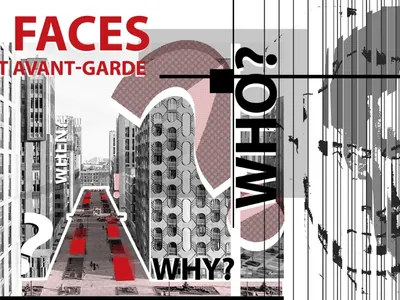
Faces of the Soviet Avant-Garde: Turning Moscow's Street Names into an Open-Air Museum
A network of sculptural installations across a Moscow residential district transforms forgotten architect names into spatial encounters with cultural memor

Similar Reads
You might also enjoy these articles


Hodi-Mandai Geram
Project Function: Preservation and revitalization of the Intangible heritage and socio-spatial identity of the Hodi by Housing, Cultural Memory Center, Sacred Grove, landscape, local tourism economy


Olio Towers: A Mid-Rise for Performers That Fuses Housing, Rehearsal, and Stage
Located blocks from Houston's Theater District, this modular tower stacks living units around a central performance atrium.

Oasis: Modular Green Housing Carved into Dhaka's Urban Fabric
A shortlisted Plugin Housing entry reclaims unauthorized settlements in Dhaka with stepped concrete volumes, green roofs, and ventilation-driven design.

Black Hole: A Floating Megastructure for the Post-Physical Era
Emiliano Mazzarotto envisions a spherical, self-scaling arena where e-sports, digital hotels, and holographic stadiums replace traditional public space.

Explore Architecture Competitions
Discover active competitions in this discipline

Challenge to reimagine the Iron Throne

Photograph architecture without architects

Illustrate the lost glory of Angkor Wat - Render Challenge

Design challenge to reuse E-waste
Comments (0)
Please login or sign up to add comments
No comments yet. Be the first to comment!