
Modern Healthcare Architecture: A Design for Healing at the Cap Cotet Health Center
The article explores modern healthcare architecture, highlighting the design of the Cap Cotet Health Center and its healing environment.


Modern Healthcare Architecture
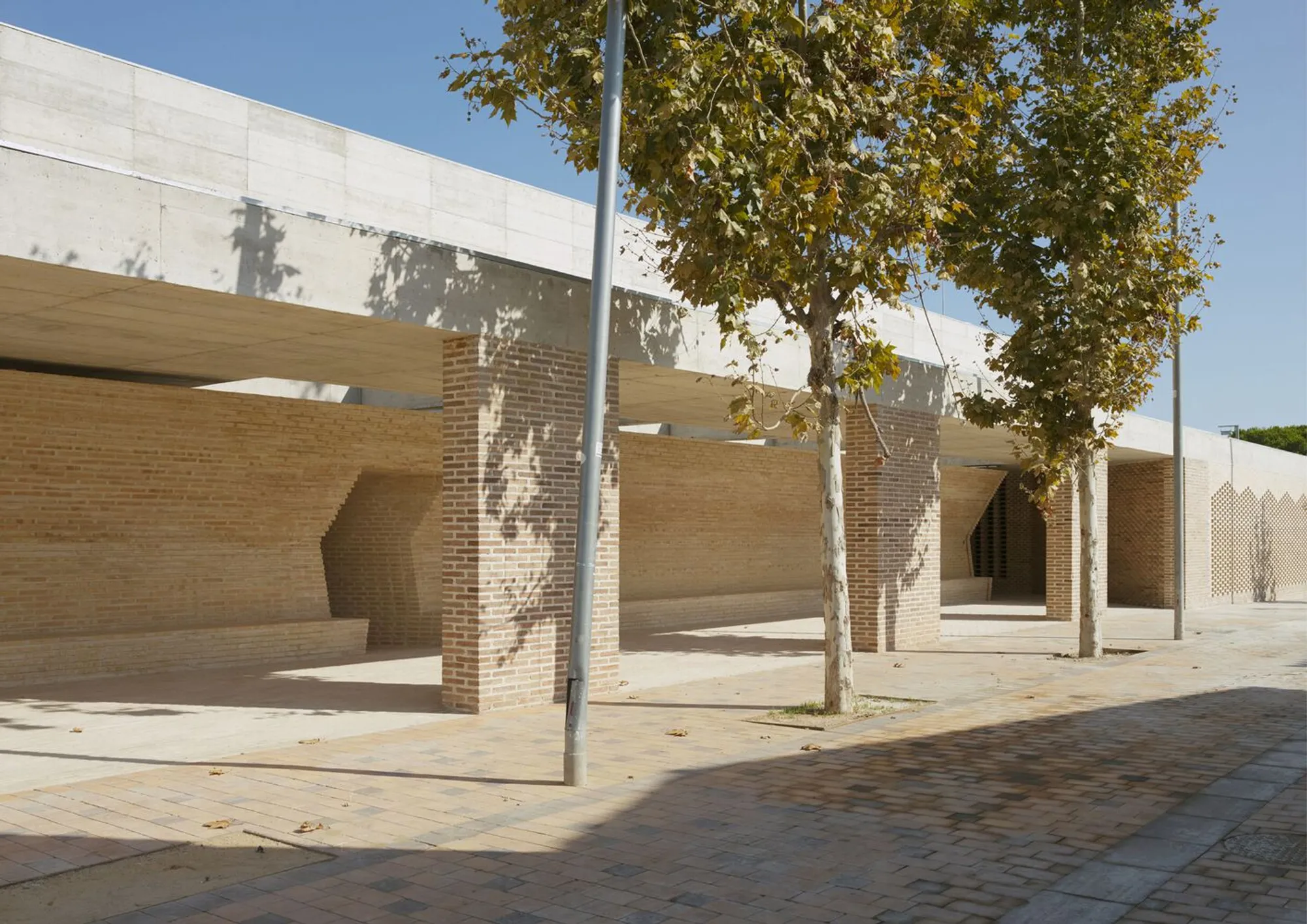
In the ever-evolving world of healthcare, modern healthcare architecture plays a crucial role in fostering environments that promote healing, comfort, and well-being for both patients and staff. The design of healthcare facilities has moved beyond functionality, embracing aesthetics, natural light, and materials that create calming spaces. One prime example of this innovative approach is the Cap Cotet Health Center, located in Premià de Dalt, Spain. Completed in 2022 by the architectural firm BAAS Arquitectura, this health center showcases how thoughtful, modern design can transform healthcare environments.
The Vision Behind Modern Healthcare Architecture
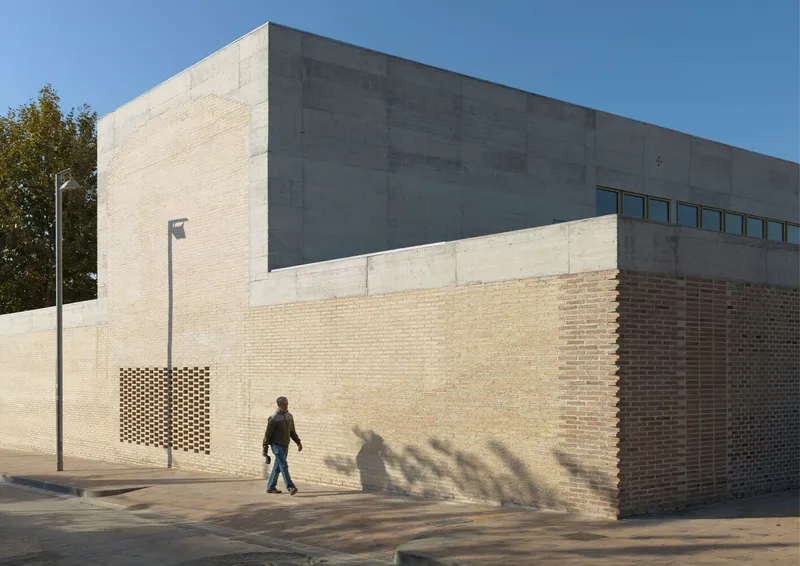
The design philosophy behind modern healthcare architecture is rooted in a deep understanding of the relationship between space and human well-being. Modern healthcare buildings aim to be more than just sterile environments where medical services are delivered—they are places of comfort, trust, and efficiency. The Cap Cotet Health Center is a perfect illustration of this vision. The project was designed with the intention of enhancing the interior space while seamlessly integrating with the surrounding natural environment.
The architects, led by Jordi Badia and Jero Gutierrez, carefully considered the scale of the environment, placing the entire program at street level. The facility’s design features a layout of two rows of consultation rooms, framing a central room that receives natural northern light from high windows. This design creates a sense of openness and connection to the outdoors, promoting a peaceful atmosphere for patients.


Key Features of the Cap Cotet Health Center
1. Natural Light and Spatial Experience
One of the standout features of modern healthcare architecture is the thoughtful use of natural light, which plays a key role in improving mood and health outcomes. In the Cap Cotet Health Center, light floods the interior through large windows and strategically placed high openings. These elements allow for natural ventilation and create a sense of tranquility in the otherwise functional space. The design’s layout is centered around a classic three-nave section, reminiscent of a chapel, where the gaze is directed toward the sky. This thoughtful use of light and space helps reduce the clinical feel often associated with healthcare environments.

2. Traditional Materials with a Modern Twist
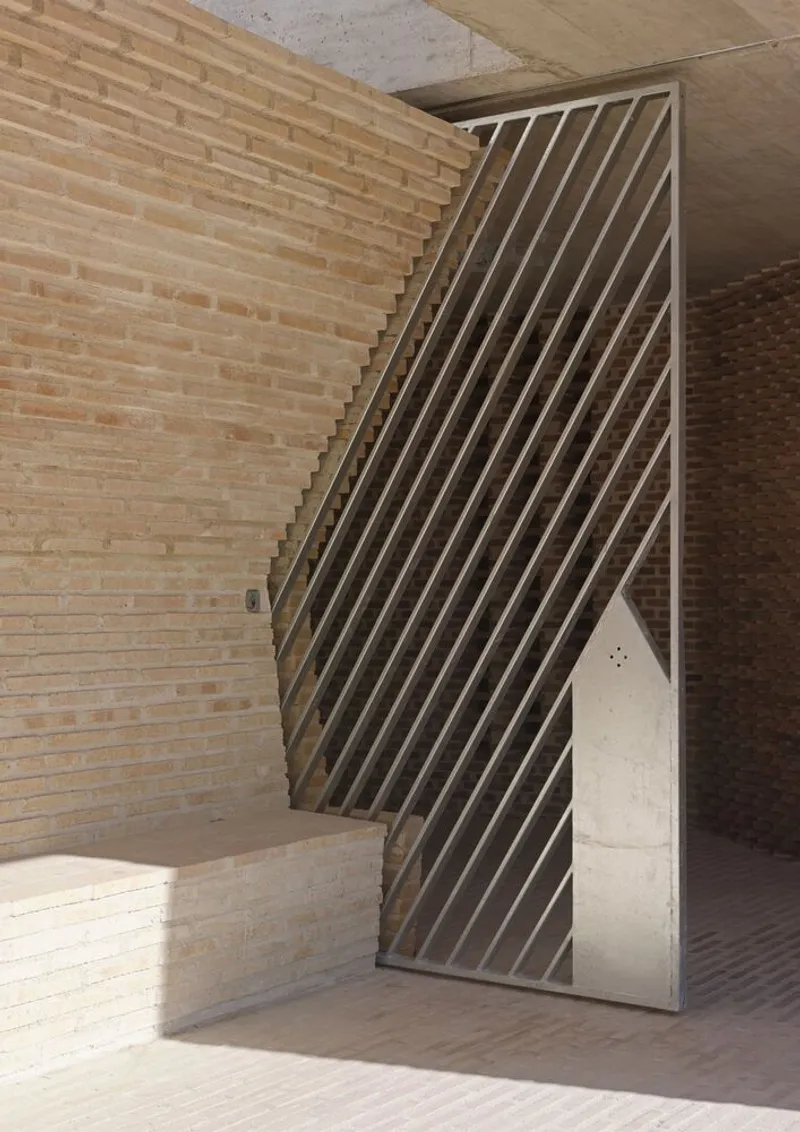
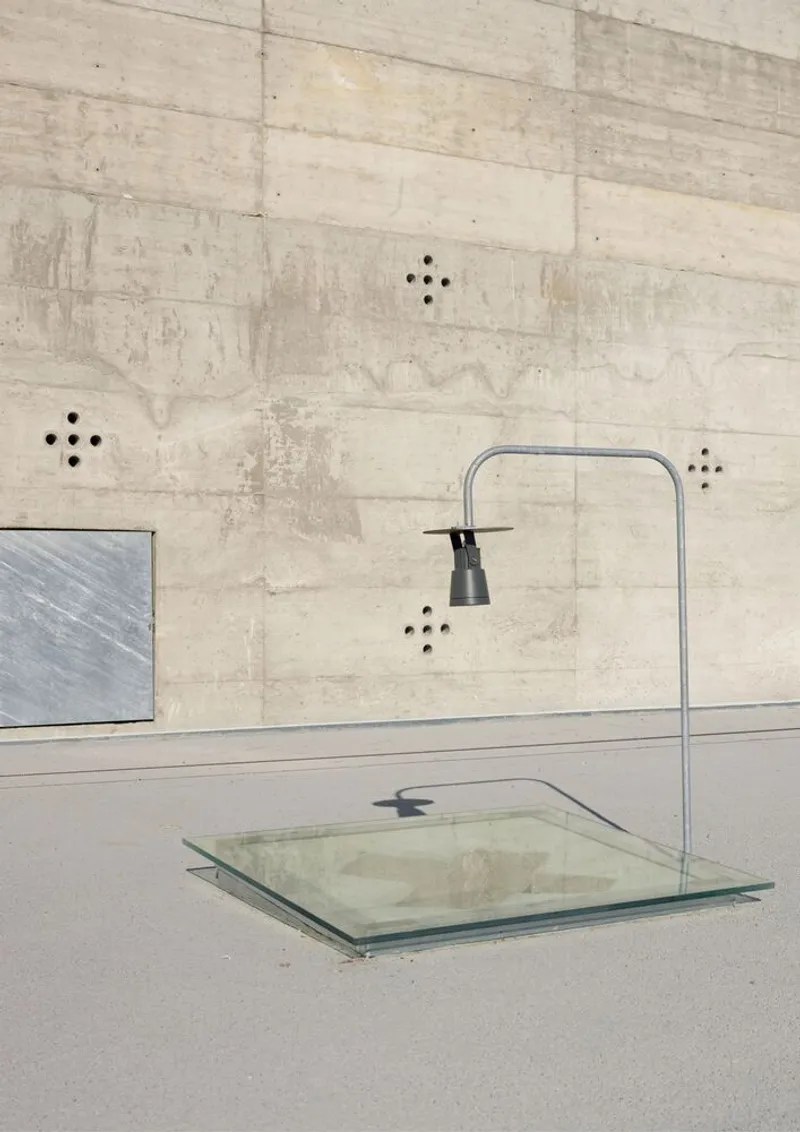
Another hallmark of modern healthcare architecture is the integration of materials that balance aesthetic appeal with functionality. In the case of the Cap Cotet Health Center, traditional materials like ceramic brick, concrete, and varnished pine wood are used to create a welcoming and durable structure. These materials are locally sourced and crafted by skilled artisans, contributing to the sustainability of the project and ensuring that the building will endure for years to come.

3. Calming and Accessible Entrance
First impressions matter, especially in healthcare settings. The entrance to the Cap Cotet Health Center is designed to be calming and accessible. A gradual access route invites visitors into the building with a sense of peace. The exterior includes a welcoming porch with a long bench for rest, where visitors can enjoy fresh air and shade before entering the healthcare facility. This thoughtful design not only enhances the arrival experience but also contributes to reducing the anxiety often felt when visiting a medical center.
How Modern Healthcare Architecture Enhances Patient Well-being
1. Improved Comfort and Privacy
Modern healthcare architecture prioritizes the comfort and privacy of patients, and the Cap Cotet Health Center excels in this regard. The building’s facade is designed to protect the interior space from the noise and distractions of the surrounding road. The use of opaque materials helps create a private environment, ensuring that patients can feel at ease during their visits.
2. Sustainability and Thermal Comfort
Sustainability is a major consideration in modern architecture, and healthcare buildings are no exception. The Cap Cotet Health Center was built using materials that promote thermal inertia, which helps maintain a stable and comfortable indoor climate. This feature reduces the need for artificial heating and cooling, lowering the environmental impact of the facility. The use of natural ventilation, with high north-facing windows, further enhances the building’s sustainability by allowing fresh air to circulate freely.
The Role of Local Craftsmanship in Modern Healthcare Architecture
One of the most unique aspects of the Cap Cotet Health Center is its commitment to local craftsmanship. The building was constructed by skilled artisans from the surrounding area, ensuring that the materials used—such as brick, wood, and concrete—are not only of the highest quality but also represent the region’s architectural heritage. This connection to the local community is an essential part of the modern healthcare architecture movement, which seeks to integrate buildings into their surroundings while honoring traditional building techniques.

The Future of Modern Healthcare Architecture
The Cap Cotet Health Center stands as a testament to the evolving principles of modern healthcare architecture. By combining thoughtful design with sustainable practices and traditional materials, the building offers a blueprint for the future of healthcare facilities. As we continue to prioritize the well-being of patients and staff, it is clear that the design of healthcare spaces will only become more patient-centered, sustainable, and healing.

All Photographs are work of Gregori Civera




Popular Articles
Popular articles from the community


The Ocean Hive: Sustainable Architecture for a Self-Sufficient Civilization at Sea
The Ocean Hive imagines sustainable architecture at sea, where modular habitats, algae, wave power and ocean waste sustain a growing colony.
EW PARK: Sustainable Architecture Reimagines the Future of Urban Parking
EW PARK reimagines city parking as a modular wooden tower combining automation, solar energy, electric mobility, and adaptable urban design.

Co-Life: Senior Housing Design That Reconnects Older Adults With the City
Co-Life reimagines senior housing design through healing gardens, shared streets, workshops, and a sustainable community across generations.

Hill & Cross Opera: Sculptural Opera House Architecture Shaped by Tallinn’s Landscape and Identity
Hill & Cross Opera reimagines opera house architecture in Tallinn through its sculptural hill, civic plaza, glass wave and a luminous cross.


Similar Reads
You might also enjoy these articles


Hodi-Mandai Geram
Project Function: Preservation and revitalization of the Intangible heritage and socio-spatial identity of the Hodi by Housing, Cultural Memory Center, Sacred Grove, landscape, local tourism economy


Olio Towers: A Mid-Rise for Performers That Fuses Housing, Rehearsal, and Stage
Located blocks from Houston's Theater District, this modular tower stacks living units around a central performance atrium.

Oasis: Modular Green Housing Carved into Dhaka's Urban Fabric
A shortlisted Plugin Housing entry reclaims unauthorized settlements in Dhaka with stepped concrete volumes, green roofs, and ventilation-driven design.

Black Hole: A Floating Megastructure for the Post-Physical Era
Emiliano Mazzarotto envisions a spherical, self-scaling arena where e-sports, digital hotels, and holographic stadiums replace traditional public space.


Explore Healthcare Building Competitions
Discover active competitions in this discipline



Challenge to reimagine the Iron Throne


Photograph architecture without architects


Illustrate the lost glory of Angkor Wat - Render Challenge


Design challenge to reuse E-waste
Comments (0)
Please login or sign up to add comments
No comments yet. Be the first to comment!