

Modern Patio House Design: Pátio IV House by Volume Architecture Lisbon Studio
The Pátio IV House blends traditional and modern design, emphasizing patios, natural materials, and seamless indoor-outdoor integration in Portugal.


A Contemporary Take on Traditional Architecture
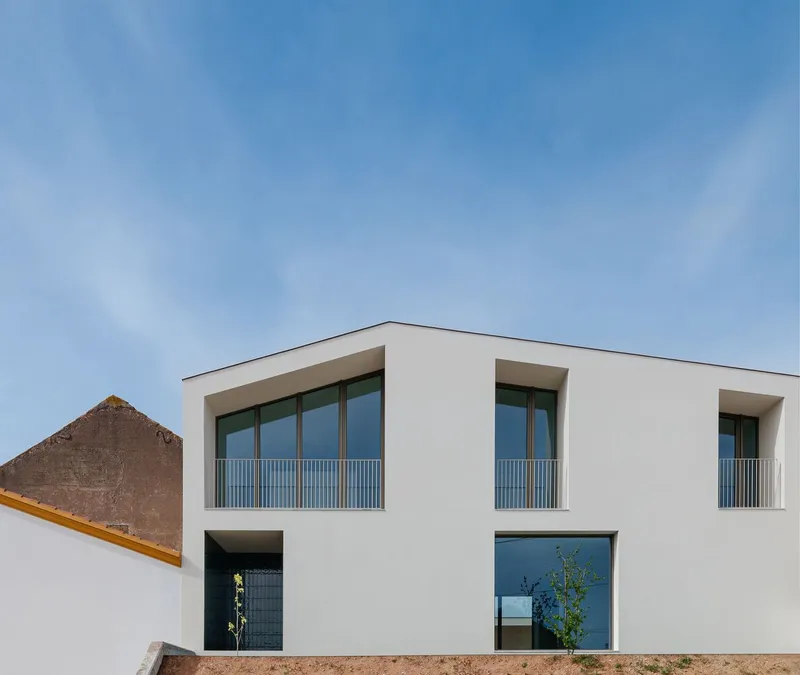
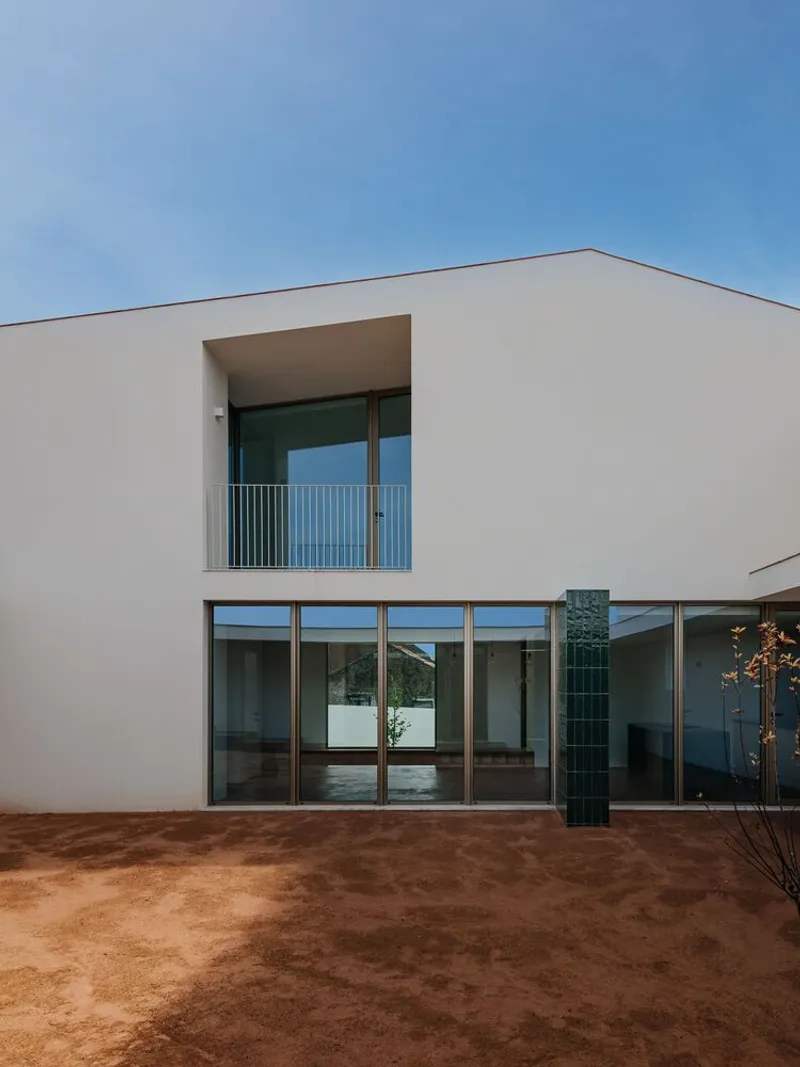
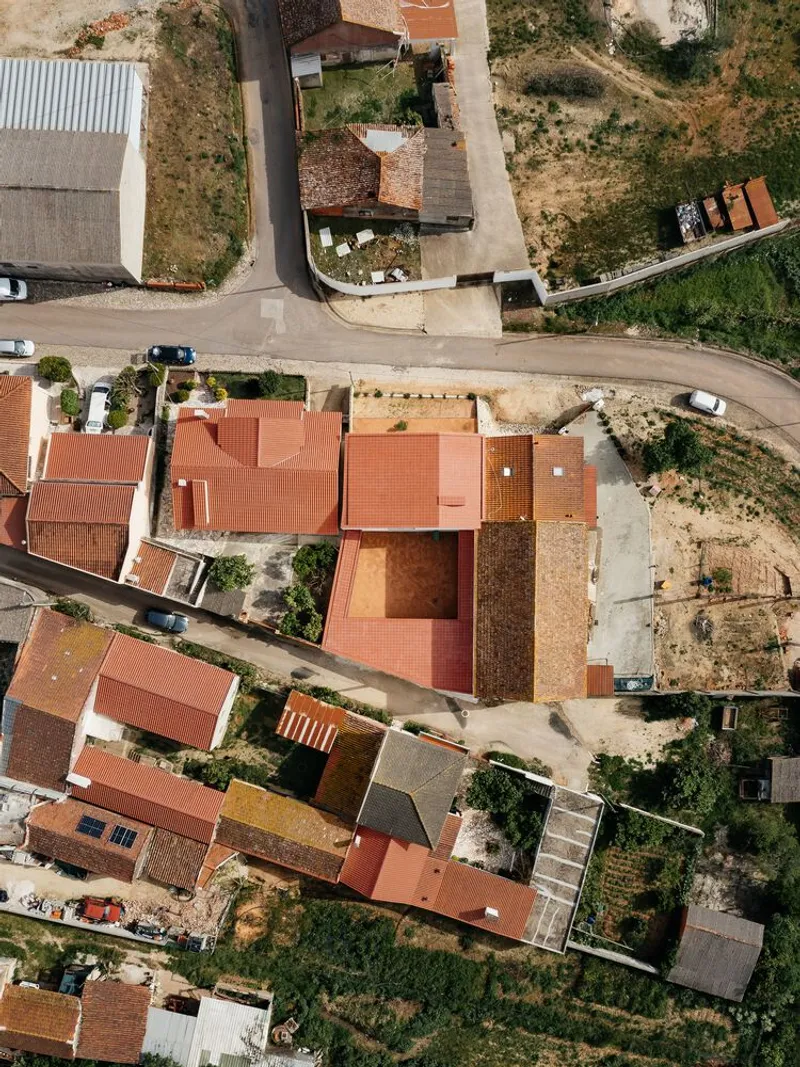
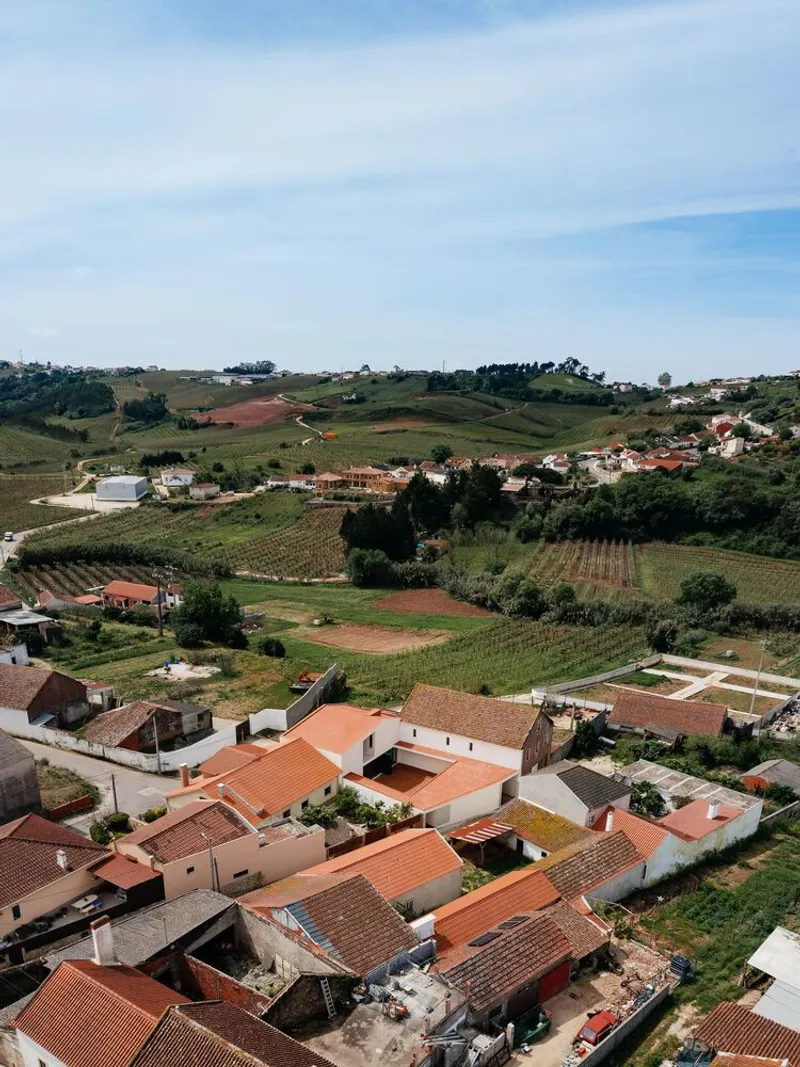
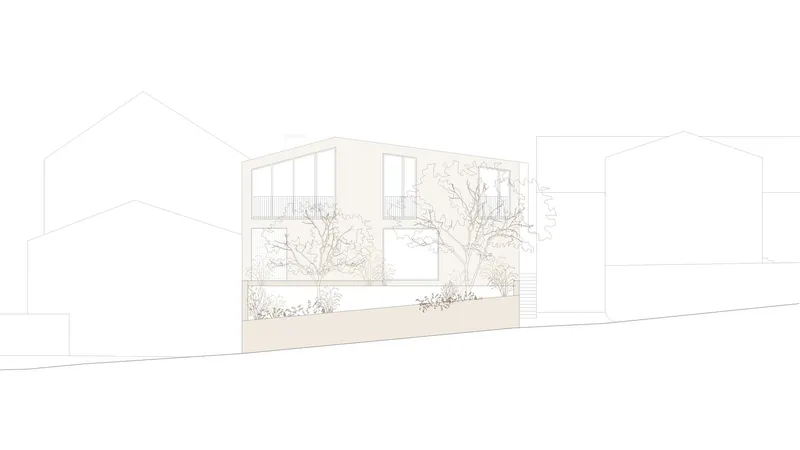
The Pátio IV House, designed by Volume Architecture Lisbon Studio, is a remarkable 250-square-meter residence located in Painho, Portugal. This house elegantly combines contemporary architectural elements with traditional materials and forms, creating a harmonious relationship with its surrounding context. Through the innovative use of patios, spatial transitions, and material textures, the house fosters a seamless indoor-outdoor living experience.
Site Context and Design Philosophy
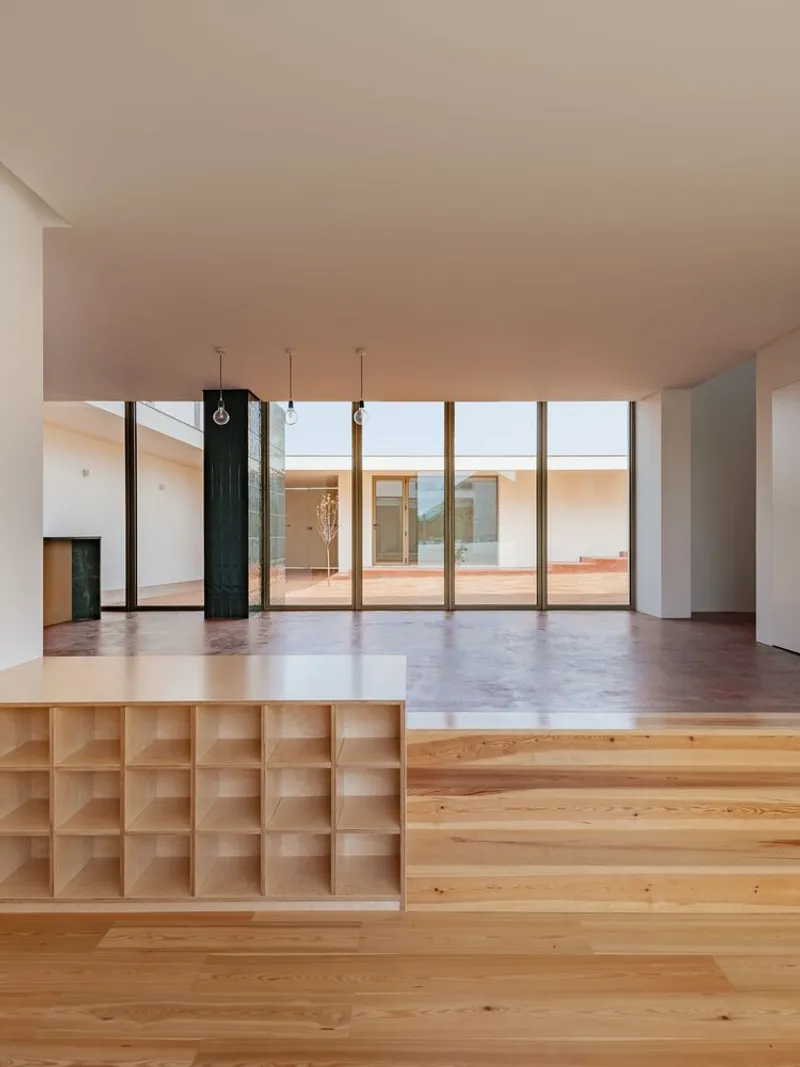
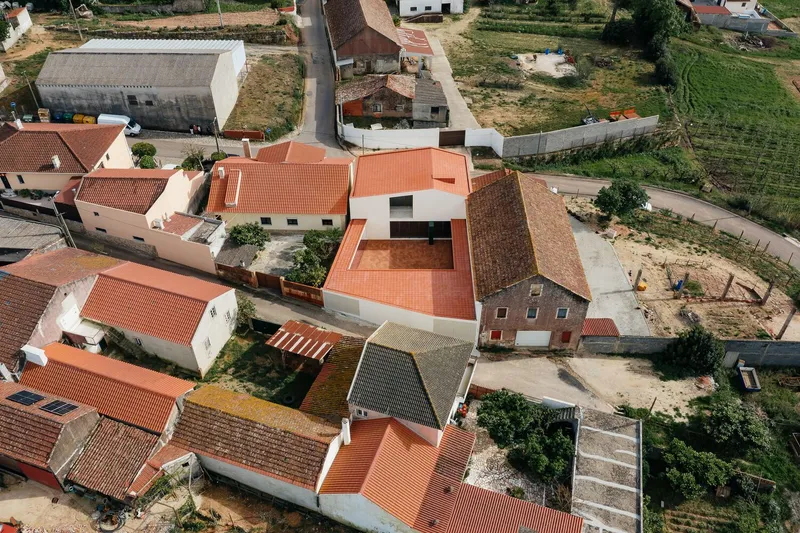
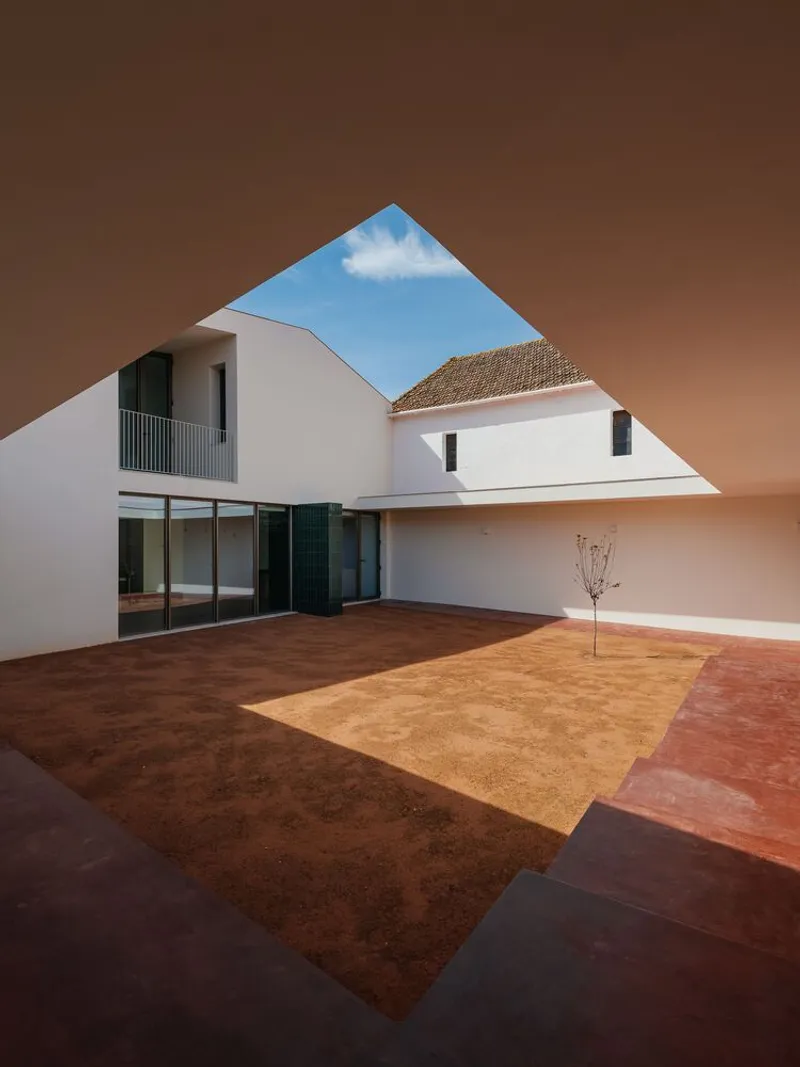
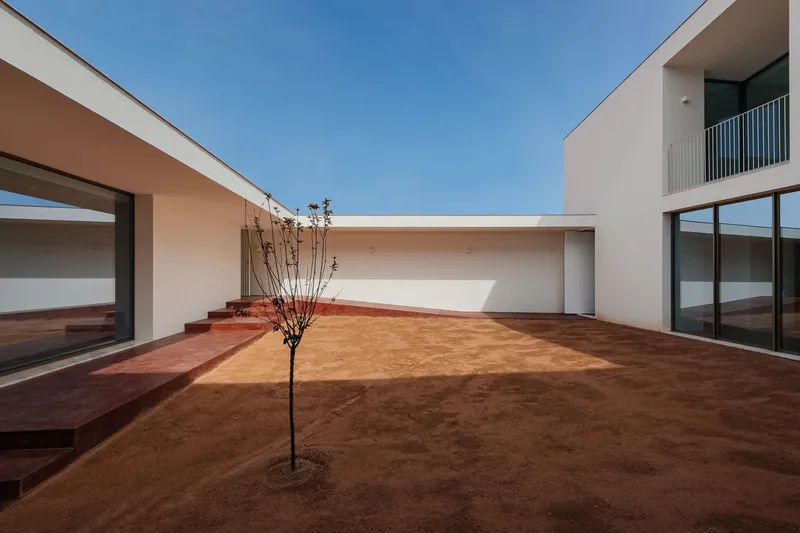
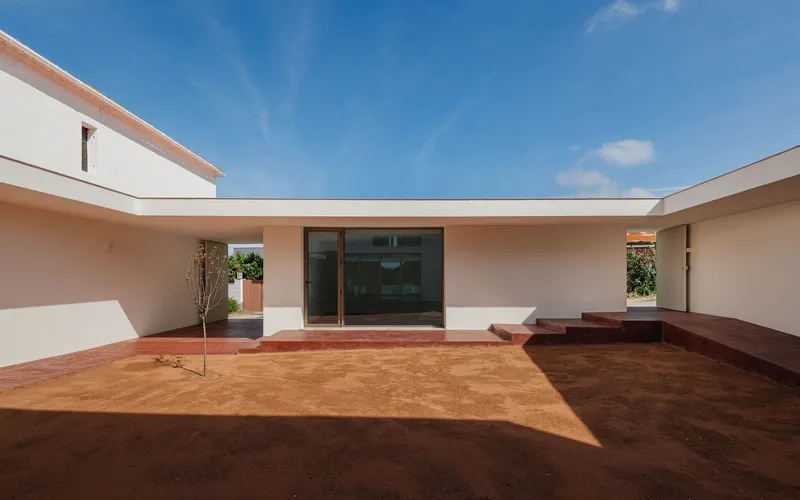
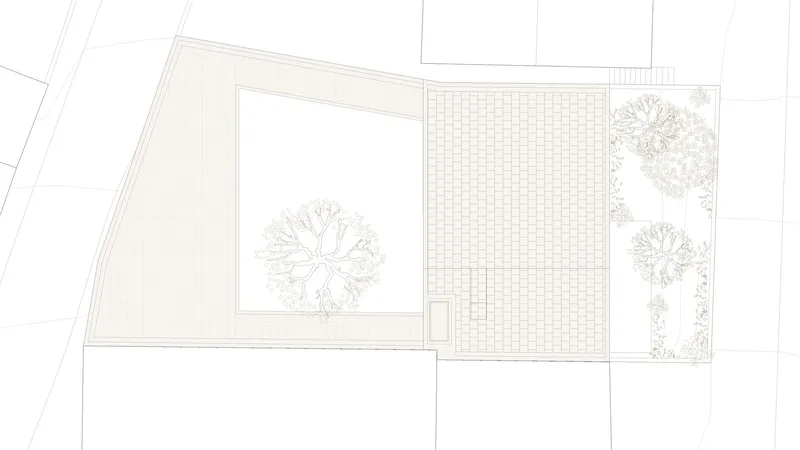
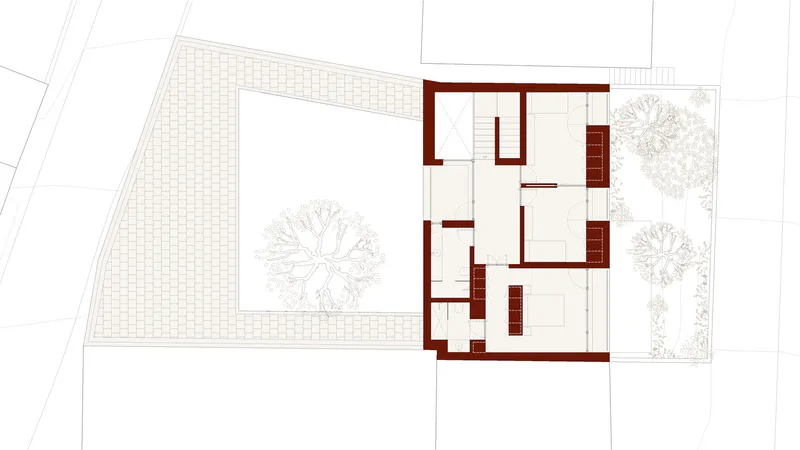
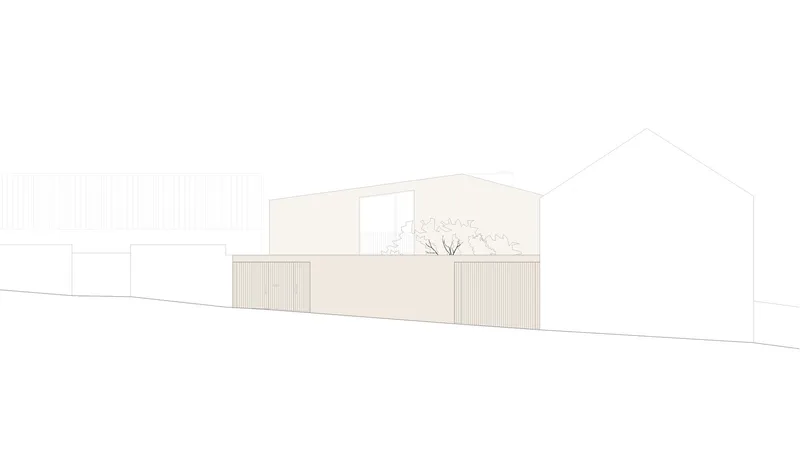
The Pátio IV House is designed to reflect the scale and materiality of its local context. Its earthy tones, inspired by natural clay and traditional roofs, blend with the architectural vernacular of the region. The central atrium serves as both an entry and social space, creating a confluence point that connects the residential and work areas. This atrium, bathed in morning light from the east, is a pivotal element of the design, fostering interaction and openness.
Key Architectural Features
The Central Atrium: A Space for Connection
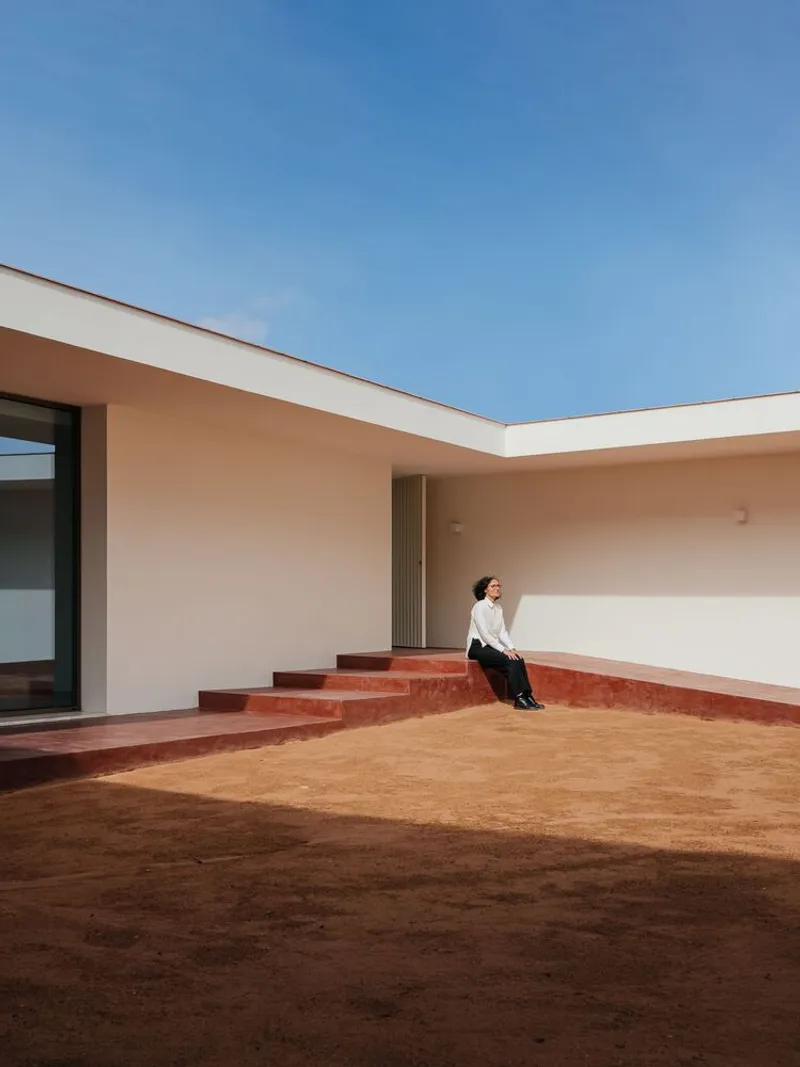
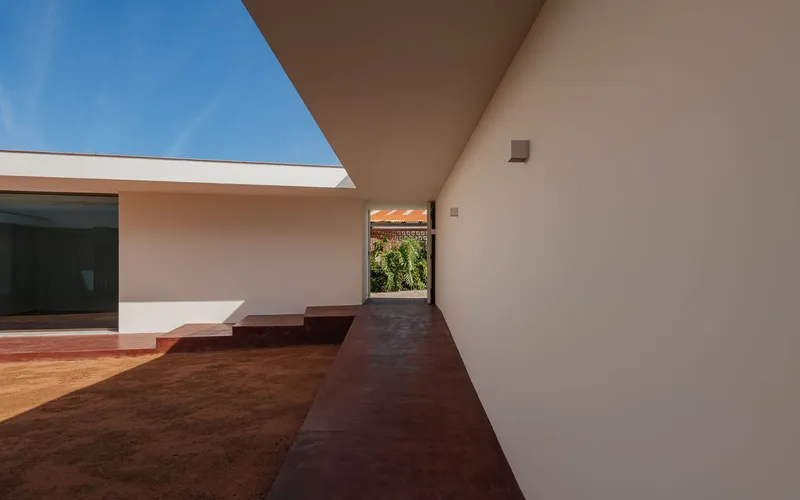
The house is accessed through an open atrium, a transitional space that links the indoor and outdoor environments. This atrium not only acts as a reception area but also serves as a hub for family gatherings and social interactions. Covered pathways surrounding the atrium maintain a physical and visual continuity between the house’s interior and exterior spaces.
Materiality: Warm and Natural Tones
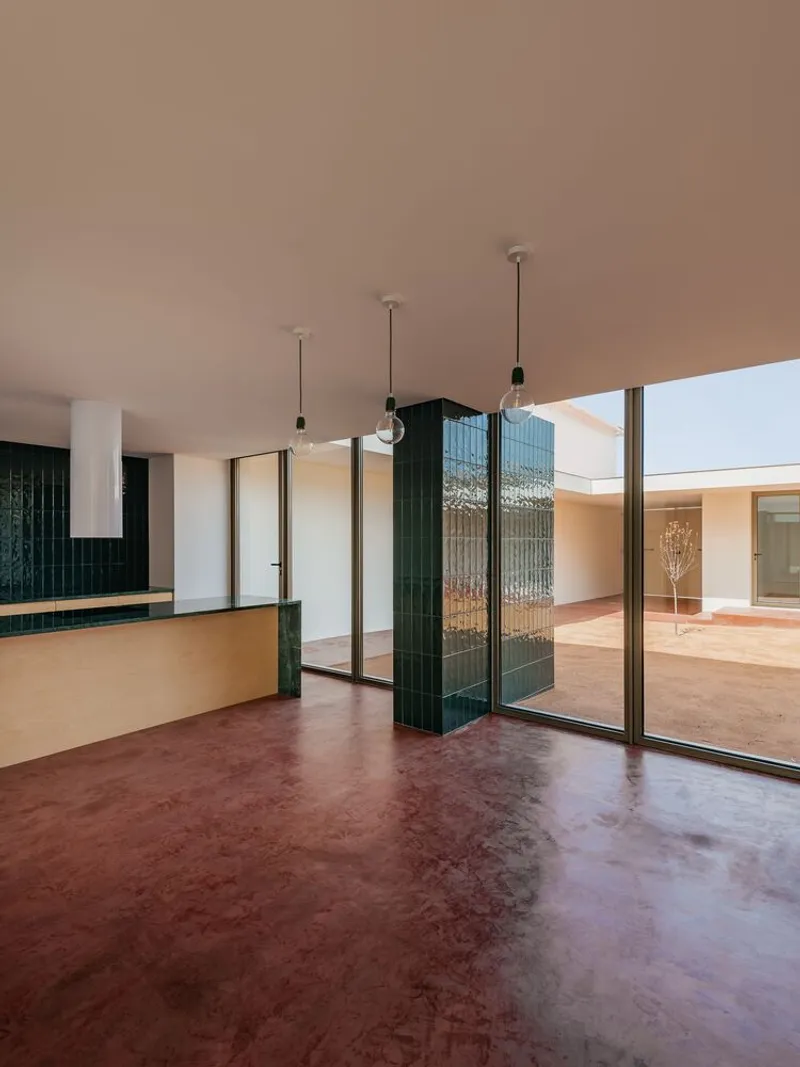
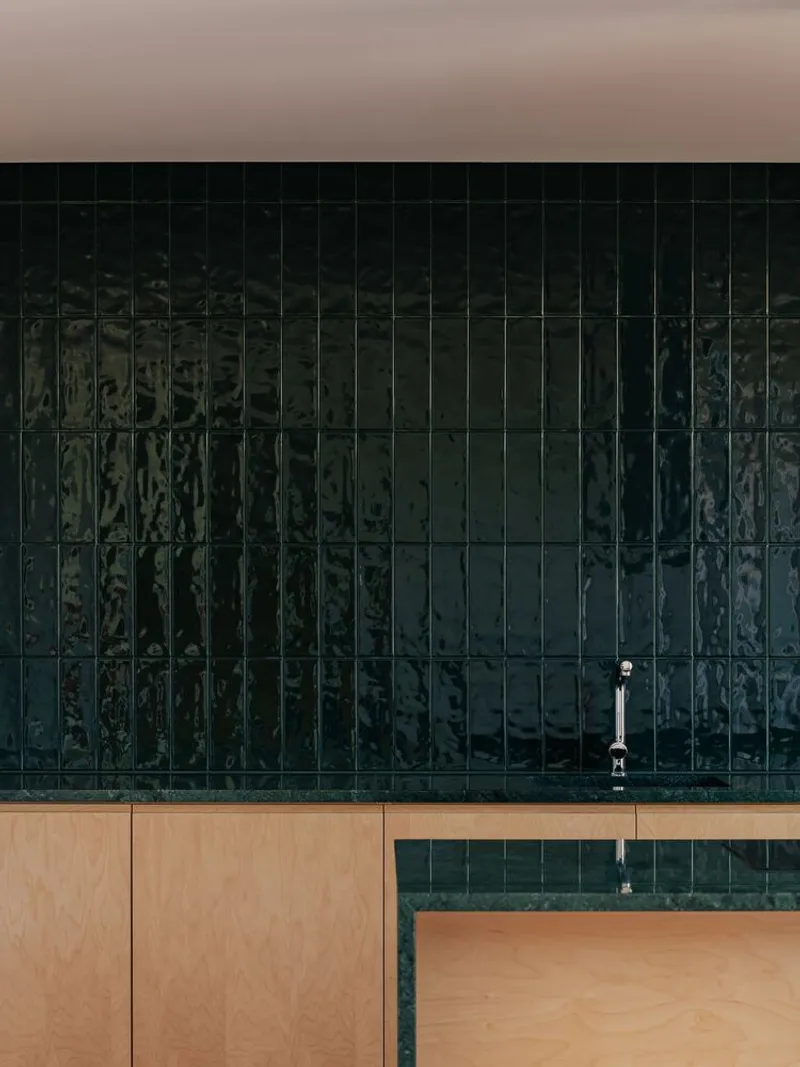
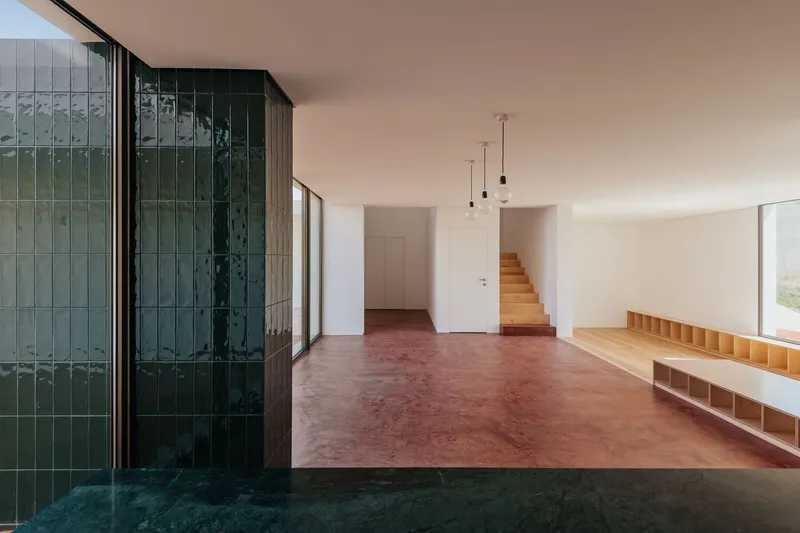
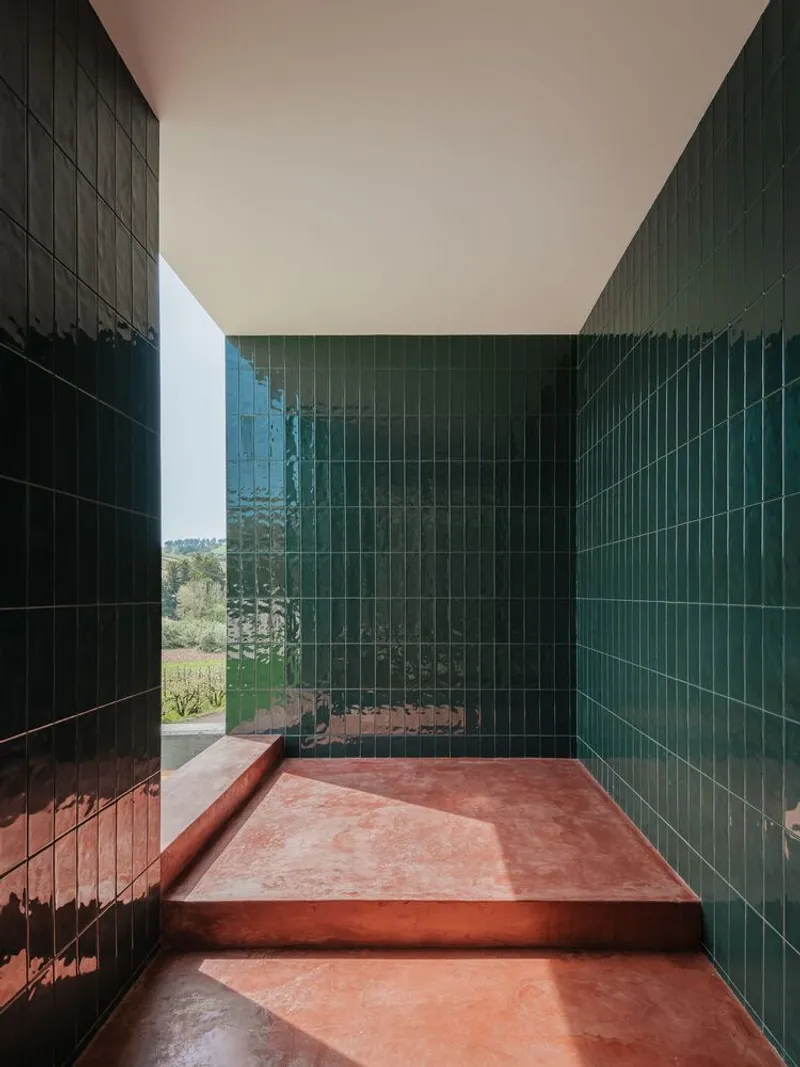
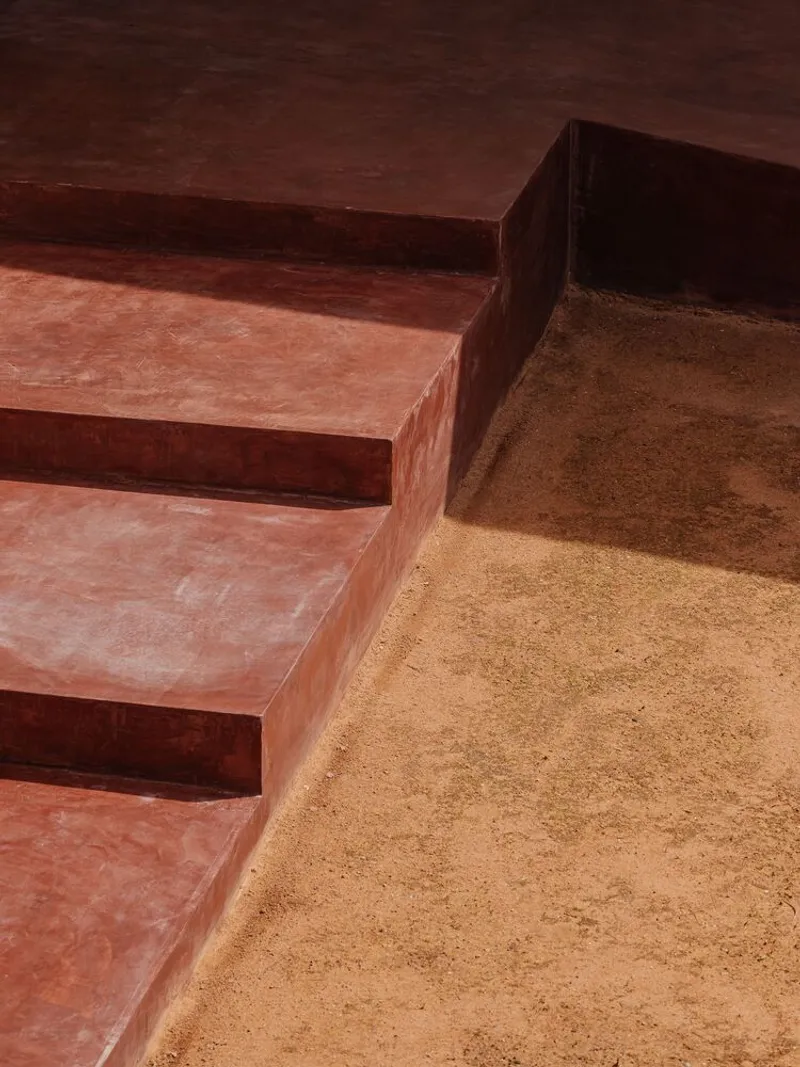
Traditional iron oxide pigmentation techniques are used to create a warm, earthy atmosphere throughout the house. The vibrant tones of the floors, walls, and roofs echo the natural palette of the surrounding environment. These materials, paired with wooden cladding and green-tiled outdoor patios, bring a cohesive and inviting texture to the home.
Interior Layout and Spatial Dynamics
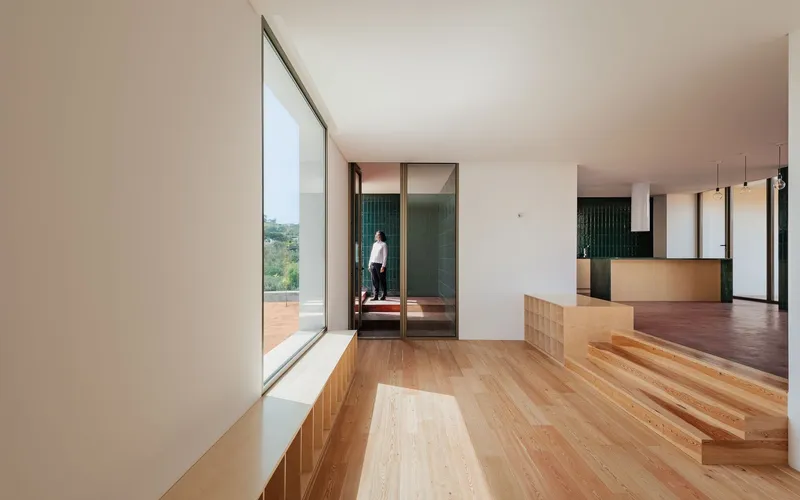
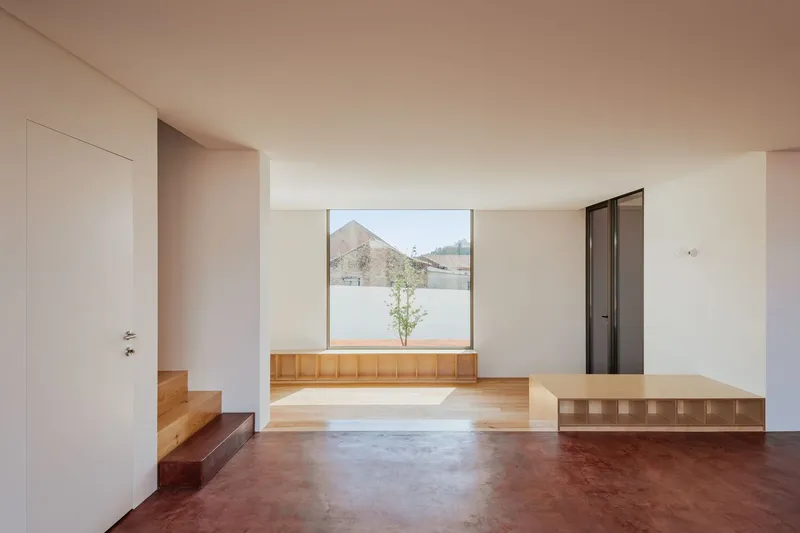
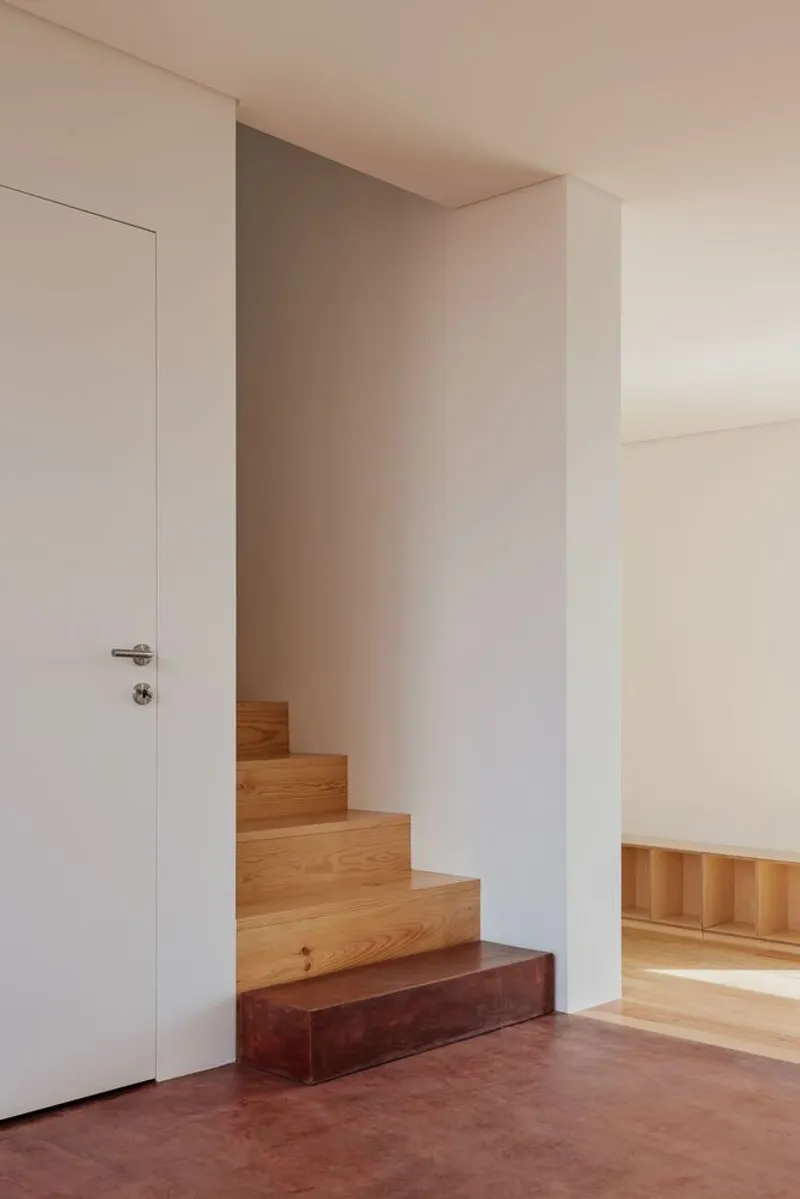
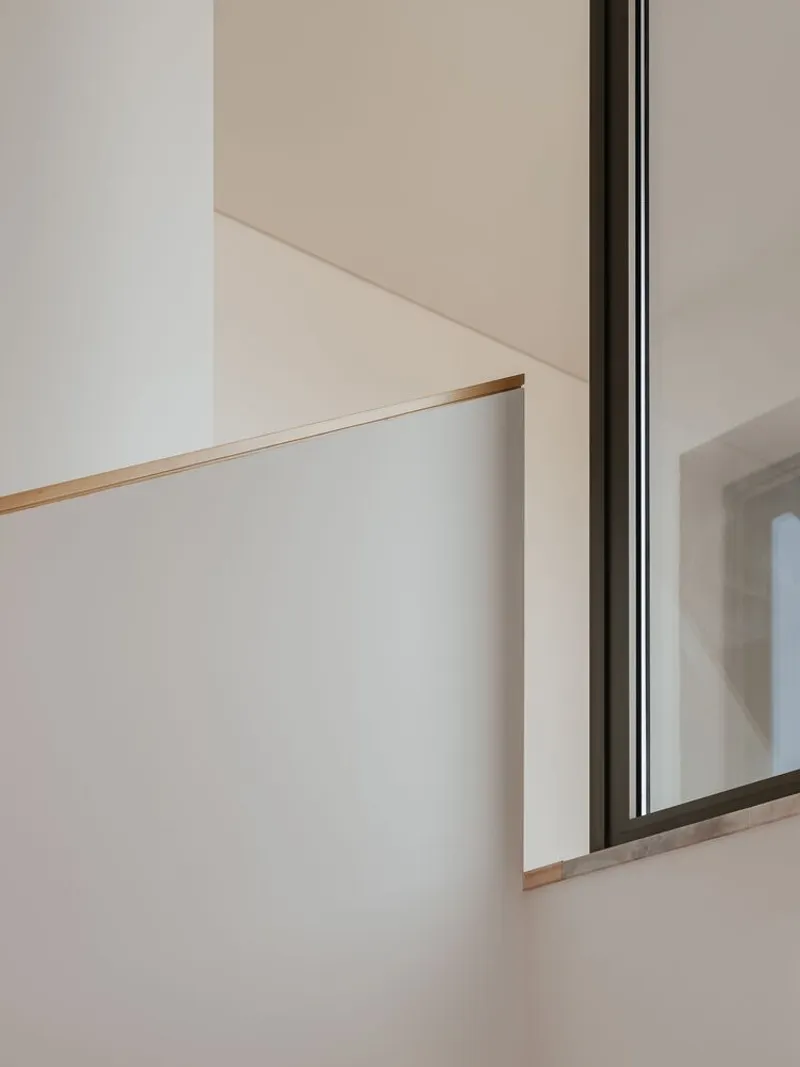
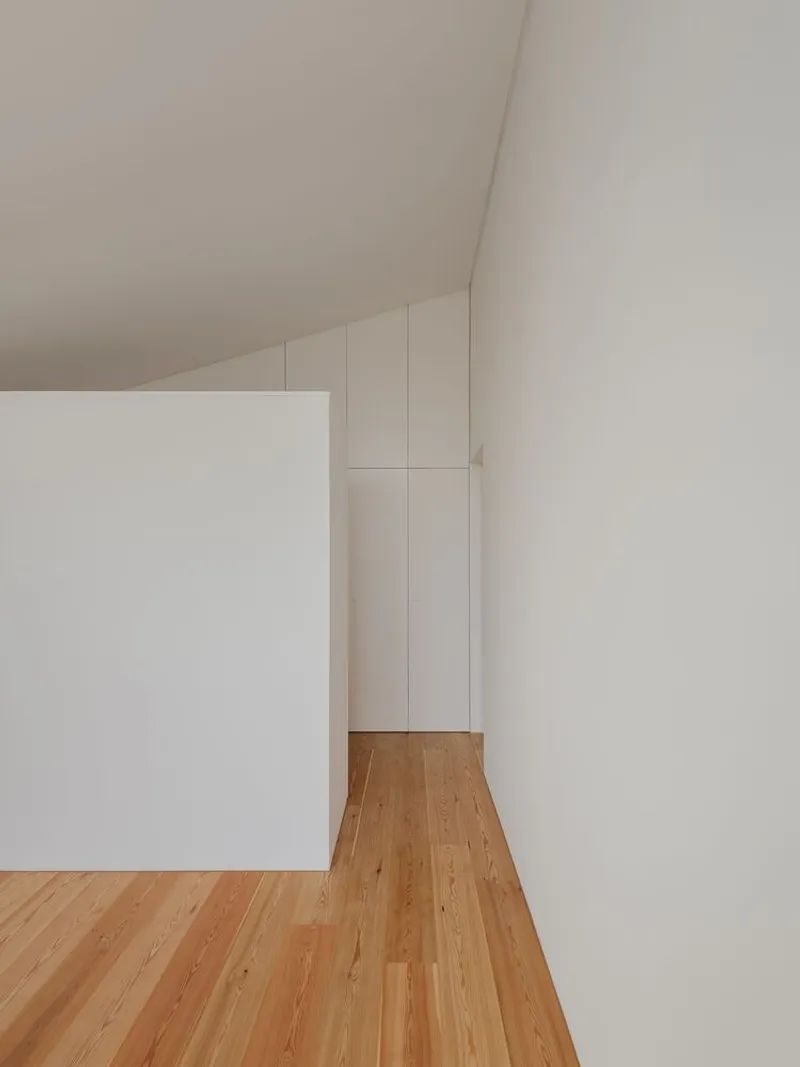
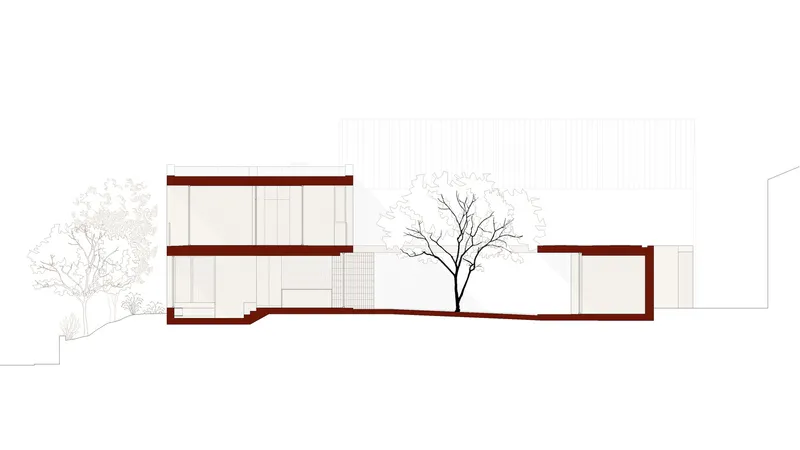
The interior of the house is organized to emphasize openness and flow. The main entrance, accessed from a quieter street, transitions from a low-ceilinged space to a dramatic double-height foyer that features a staircase leading to the bedrooms. The social areas are divided across two levels, with the lower level semi-underground and opening onto the southern garden.
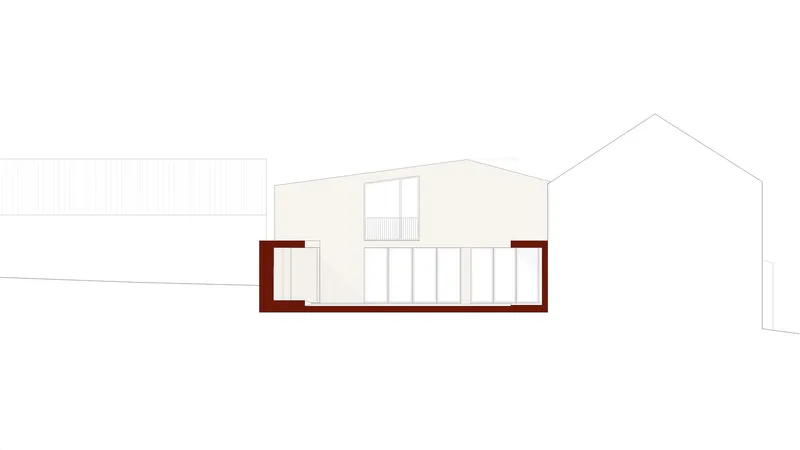
The living room, located on the lower level, features a large window framing a Magnolia tree, reinforcing the connection to nature. Adjacent to this space is a covered outdoor patio, clad in vertical green tiles, that creates a serene backdrop for the reading area.
Seamless Indoor-Outdoor Integration
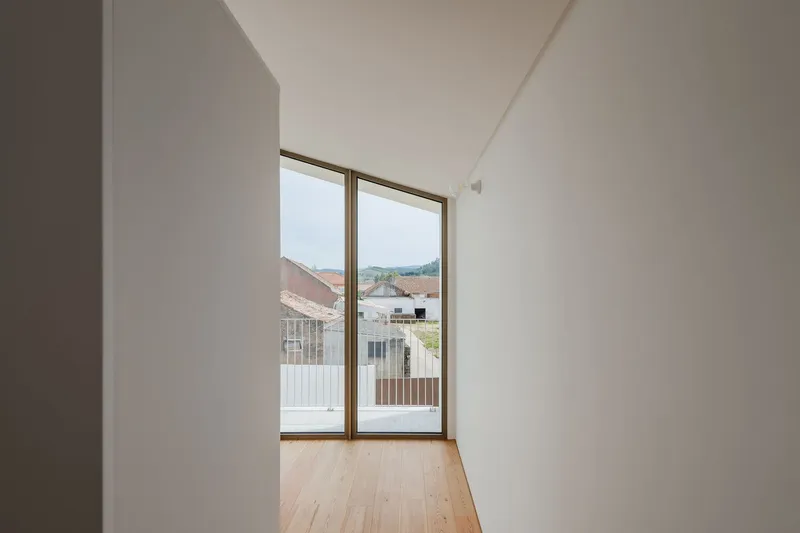
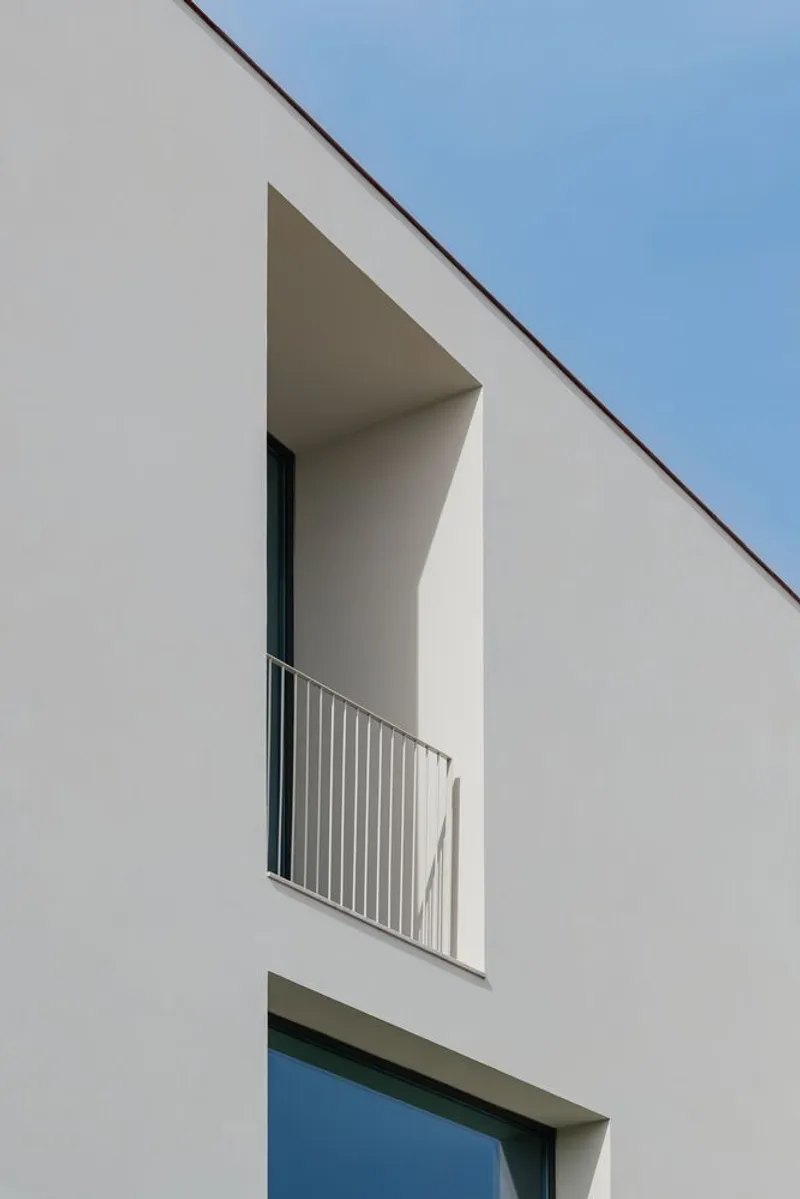
One of the defining characteristics of the Pátio IV House is its seamless integration of indoor and outdoor spaces. Large openings, covered patios, and carefully designed views ensure that natural light and the surrounding landscape are integral parts of the living experience. The house’s design encourages a harmonious interaction between architecture and nature.
A Modern Yet Timeless Residence
The Pátio IV House strikes a balance between modern architectural principles and traditional inspirations. Its innovative use of materials, thoughtful spatial organization, and emphasis on natural connections make it a timeless example of residential design. The house reflects Volume Architecture Lisbon Studio’s commitment to creating spaces that are both functional and deeply connected to their context.
Redefining Modern Patio Living
The Pátio IV House by Volume Architecture Lisbon Studio reimagines traditional architectural forms for modern living. By emphasizing patios, natural materials, and fluid spaces, the design offers a contemporary yet rooted residential experience. This house serves as an inspiration for architects and homeowners seeking to integrate tradition, modernity, and nature seamlessly.
All Photographs are work of do mal o menos


Popular Articles
Popular articles from the community

Opera on the Sea: Driftwood Logic Shapes a Timber Opera House on Estonia's Coast
Trevor Orgill's opera house translates the entangled drift of floating timber into a civic building where wood, water, and music converge.
Cloaked Colonization: A Mobile Underwater Habitat That Moves Like a Fish
Micah Abaya's shortlisted EHC Pacific entry reimagines ocean settlement as a dispersed network of self-sustaining architectural organisms.
Tsunami Convergenics: Turning Catastrophic Ocean Forces into Underwater Housing Infrastructure
A speculative underwater settlement off the coast of Onagawa, Japan, treats tsunamis and typhoons as energy sources rather than threats.
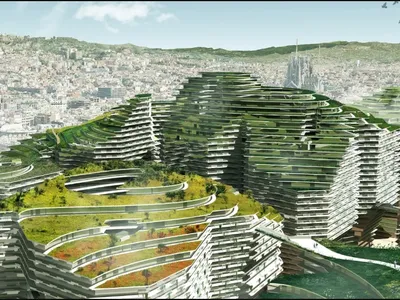
Manzana Morphosis: Stretching Barcelona's Grid into a Living Landscape for 2050
A radical reworking of the Eixample manzana turns density into a tool for generous public space, vertical ecology, and environmental performance.

Similar Reads
You might also enjoy these articles


Hodi-Mandai Geram
Project Function: Preservation and revitalization of the Intangible heritage and socio-spatial identity of the Hodi by Housing, Cultural Memory Center, Sacred Grove, landscape, local tourism economy

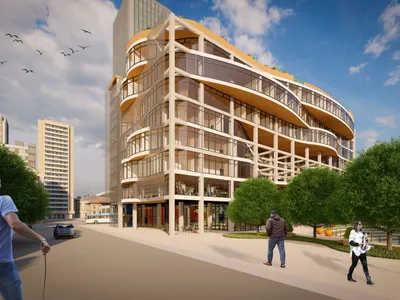
Olio Towers: A Mid-Rise for Performers That Fuses Housing, Rehearsal, and Stage
Located blocks from Houston's Theater District, this modular tower stacks living units around a central performance atrium.
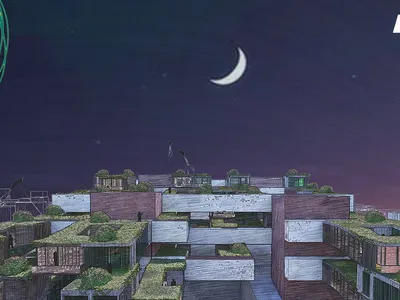
Oasis: Modular Green Housing Carved into Dhaka's Urban Fabric
A shortlisted Plugin Housing entry reclaims unauthorized settlements in Dhaka with stepped concrete volumes, green roofs, and ventilation-driven design.

Black Hole: A Floating Megastructure for the Post-Physical Era
Emiliano Mazzarotto envisions a spherical, self-scaling arena where e-sports, digital hotels, and holographic stadiums replace traditional public space.

Explore Architecture Competitions
Discover active competitions in this discipline

Challenge to reimagine the Iron Throne

Photograph architecture without architects

Illustrate the lost glory of Angkor Wat - Render Challenge

Design challenge to reuse E-waste
Comments (0)
Please login or sign up to add comments
No comments yet. Be the first to comment!