

Modern Swiss Architecture: The Missing Rooms / MMXVI Project in Bellmund
This article explores the innovative Missing Rooms / MMXVI project, showcasing modern Swiss architecture, sustainability, and functional design.


Modern Swiss Architecture
Swiss architecture has long been celebrated for its precision, functionality, and innovative use of space. The Missing Rooms / MMXVI project, designed by the renowned architects Edward Jewitt and Sandro Gämperle of MMXVI, exemplifies these qualities while pushing the boundaries of modern design. Located in the picturesque town of Bellmund, Switzerland, this residential home is a perfect example of modern Swiss architecture.

The Design Philosophy Behind the Missing Rooms / MMXVI Project
In modern Swiss architecture, one of the central tenets is the integration of natural landscapes with cutting-edge design. The Missing Rooms house embraces this philosophy, offering a bold and innovative approach to residential living. The project was conceived with a focus on freedom — the freedom to create open, flexible spaces that are not confined by traditional architectural constraints. The result is a space where architecture meets artistry, and the boundaries of design are explored and redefined.


Maximizing Space and Functionality in Modern Swiss Architecture
One of the standout features of the Missing Rooms project is the way the architects have maximized the use of space while maintaining an aesthetically pleasing design. The large upper floor, which houses the master bedroom, is paired with a spacious base that supports the structure without feeling overwhelming. This strategic use of volume is a key characteristic of modern Swiss architecture, where functionality and aesthetics are carefully balanced to create harmonious living environments.

The Role of Natural Light in Modern Swiss Architecture
Swiss homes often emphasize the use of natural light, and the Missing Rooms house is no exception. The design incorporates large windows that allow sunlight to flood the interior, creating a sense of openness and connection to the outdoors. The architects have carefully placed windows to frame picturesque views of the surrounding landscape, making the home feel like an extension of its natural environment. This integration of natural light is a signature element of modern Swiss architecture that contributes to the home’s airy, expansive atmosphere.


Innovative Use of Materials in Modern Swiss Architecture
The Missing Rooms / MMXVI project also showcases the innovative use of materials, another hallmark of modern Swiss architecture. The home’s exterior and interior are crafted from high-quality materials, including wood, metal, and glass, all chosen for their sustainability and aesthetic appeal. The collaboration between various manufacturers, including Faco and Stiebel Eltron, ensures that the home is not only visually stunning but also energy-efficient and environmentally responsible.

Energy Efficiency in Modern Swiss Architecture
Sustainability is a key focus in modern Swiss architecture, and the Missing Rooms project is no exception. The house incorporates advanced energy-efficient systems, including solar panels, underfloor heating, and cutting-edge insulation, making it both eco-friendly and cost-effective to maintain. The integration of renewable energy sources and sustainable materials ensures that the home aligns with Switzerland’s commitment to environmental responsibility.


The Future of Modern Swiss Architecture
The Missing Rooms / MMXVI project represents the future of modern Swiss architecture, combining innovative design with sustainability, functionality, and a deep respect for the natural environment. It serves as a prime example of how Swiss architecture continues to evolve, pushing the boundaries of what is possible while staying true to the country’s architectural traditions. For those seeking inspiration in cutting-edge design and sustainable living, the Missing Rooms house in Bellmund is a must-see example of how modern architecture can transform the way we live.


All Photographs are work of Oliver Dubuis


Popular Articles
Popular articles from the community

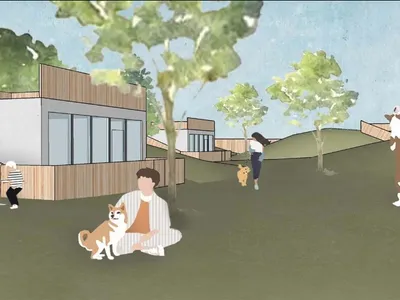
Temporary Home for Dogs: A Reversed Zoo Rethinks Animal Shelter Architecture
In Bucharest, a sinuous corridor and freed landscape flip the logic of containment, designing a shelter that works to make itself unnecessary.
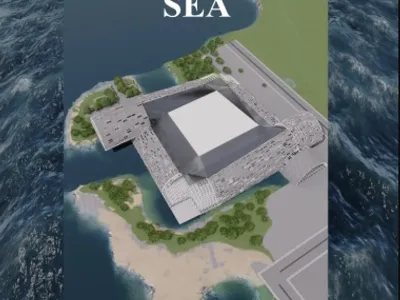
Opera on the Sea: Driftwood Logic Shapes a Timber Opera House on Estonia's Coast
Trevor Orgill's opera house translates the entangled drift of floating timber into a civic building where wood, water, and music converge.
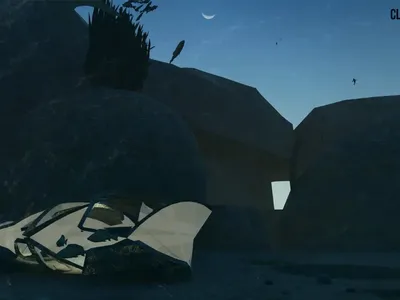
Cloaked Colonization: A Mobile Underwater Habitat That Moves Like a Fish
Micah Abaya's shortlisted EHC Pacific entry reimagines ocean settlement as a dispersed network of self-sustaining architectural organisms.
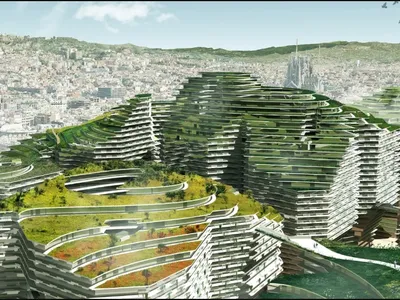
Manzana Morphosis: Stretching Barcelona's Grid into a Living Landscape for 2050
A radical reworking of the Eixample manzana turns density into a tool for generous public space, vertical ecology, and environmental performance.

Similar Reads
You might also enjoy these articles


Hodi-Mandai Geram
Project Function: Preservation and revitalization of the Intangible heritage and socio-spatial identity of the Hodi by Housing, Cultural Memory Center, Sacred Grove, landscape, local tourism economy


Olio Towers: A Mid-Rise for Performers That Fuses Housing, Rehearsal, and Stage
Located blocks from Houston's Theater District, this modular tower stacks living units around a central performance atrium.

Oasis: Modular Green Housing Carved into Dhaka's Urban Fabric
A shortlisted Plugin Housing entry reclaims unauthorized settlements in Dhaka with stepped concrete volumes, green roofs, and ventilation-driven design.

Black Hole: A Floating Megastructure for the Post-Physical Era
Emiliano Mazzarotto envisions a spherical, self-scaling arena where e-sports, digital hotels, and holographic stadiums replace traditional public space.

Explore Architecture Competitions
Discover active competitions in this discipline

Challenge to reimagine the Iron Throne

Photograph architecture without architects

Illustrate the lost glory of Angkor Wat - Render Challenge

Design challenge to reuse E-waste
Comments (0)
Please login or sign up to add comments
No comments yet. Be the first to comment!