
Modern Villa Architecture: A Blend of Nature, Design, and Innovation
This article explores modern villa architecture, highlighting design principles, integration with nature, sustainable materials, and innovative spatial layouts.


Modern Villa Architecture
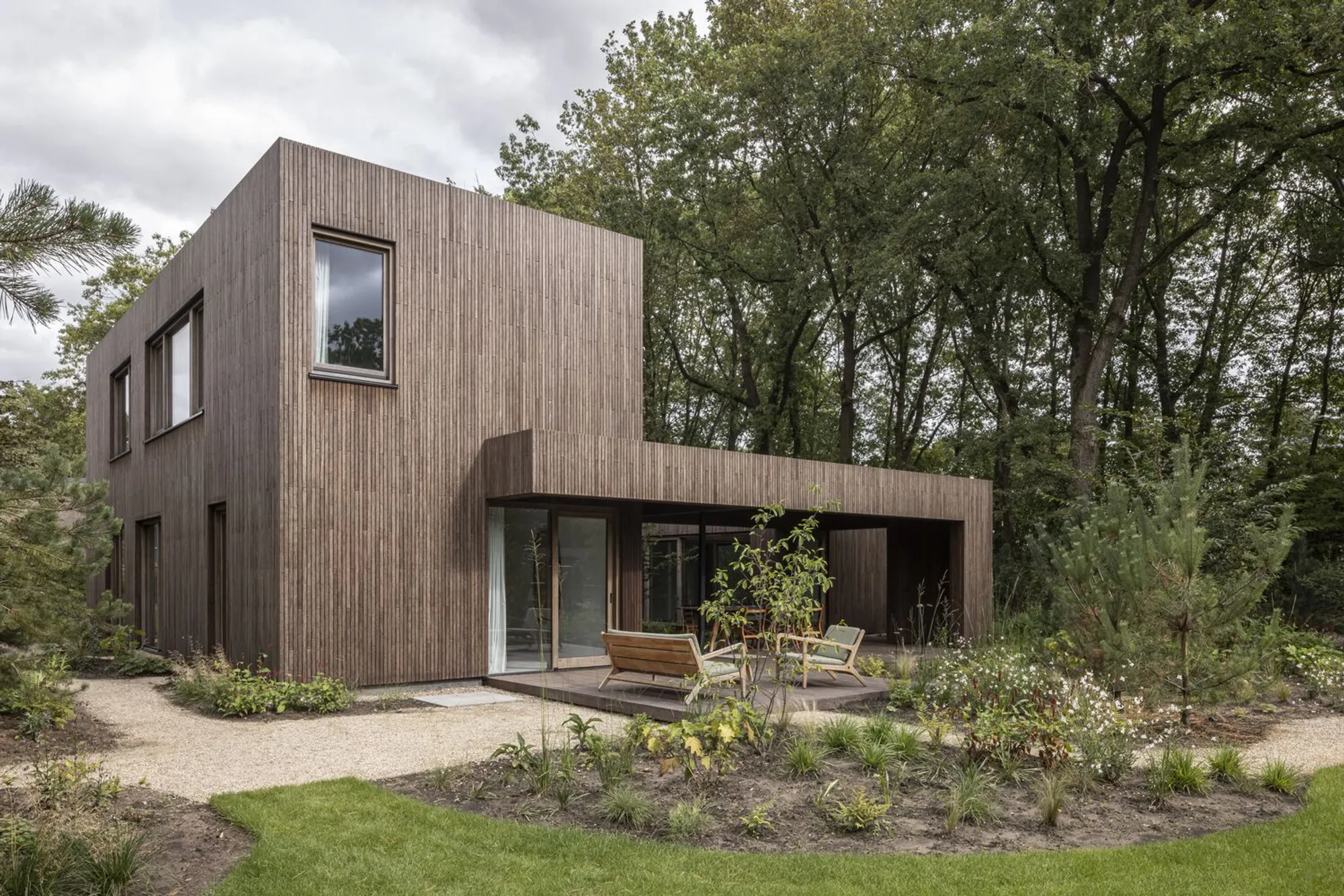
Modern villa architecture represents the pinnacle of contemporary design, where innovation, sustainability, and integration with nature come together to create spaces that are as functional as they are aesthetically pleasing. One such example is the Open Park Villa in Limburg, Netherlands, designed by i29 architects. This striking villa showcases how modern villa architecture can harmoniously coexist with its surroundings, offering both beauty and tranquility. In this article, we explore the defining characteristics of modern villa architecture and how it brings a fresh approach to residential design.
The Role of Natural Environment in Modern Villa Architecture
Blending Architecture with Nature
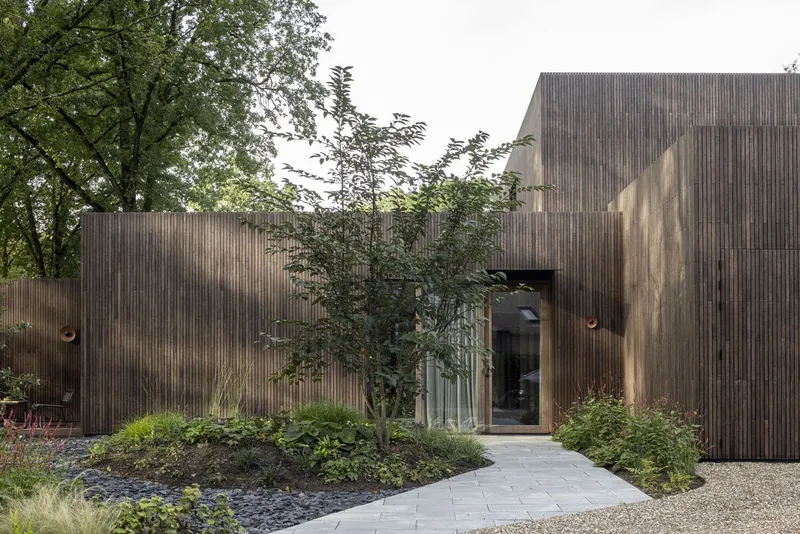
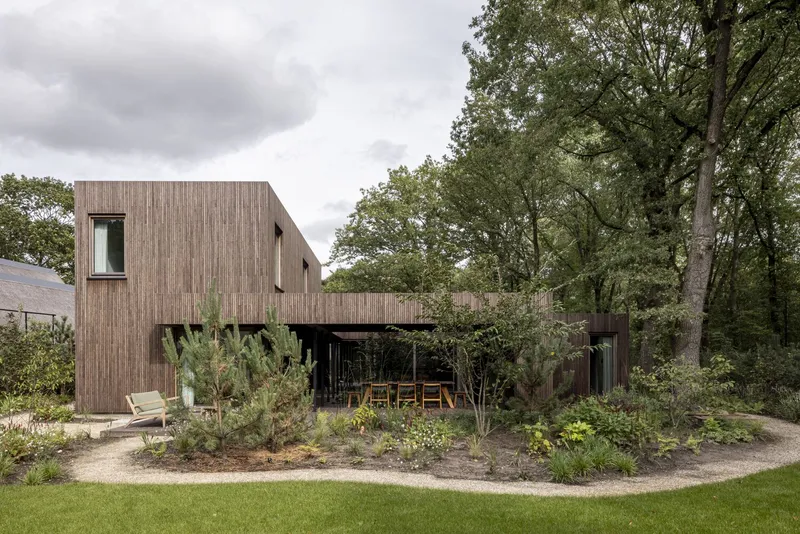
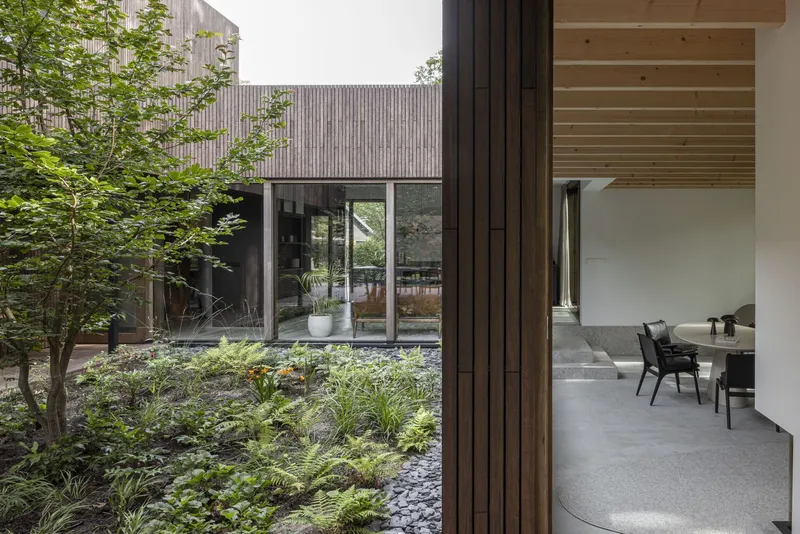
A core principle of modern villa architecture is the seamless integration of the natural environment. The Open Park Villa is situated within a former military terrain, transformed into a lush, green residential park. This villa, like many modern homes, leverages the natural landscape to enhance its design. The surrounding greenery and varied ground levels contribute to the sense of openness and connection with nature.
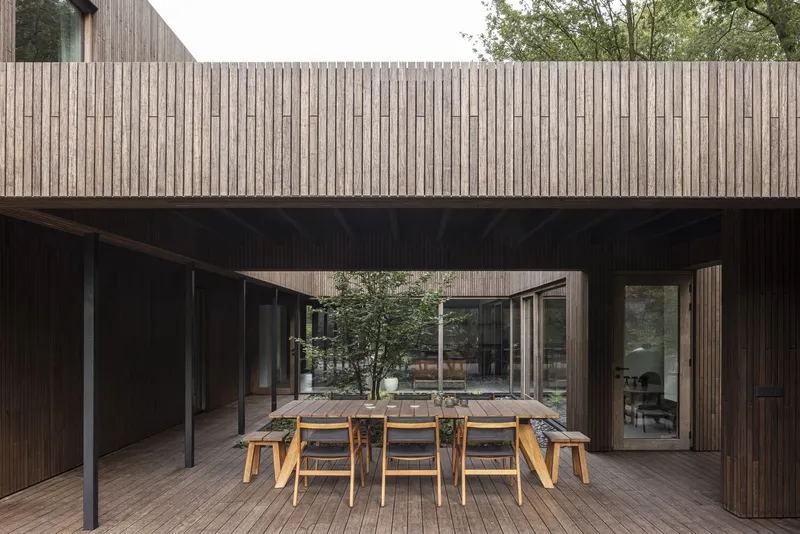
Modern villa designs often incorporate large windows, open floor plans, and outdoor living spaces to create an uninterrupted flow between the indoor and outdoor environments. This connection to nature not only improves the aesthetic appeal but also enhances the well-being of its occupants.
Innovative Design Features of Modern Villa Architecture
Open Floor Plans and Interconnected Spaces
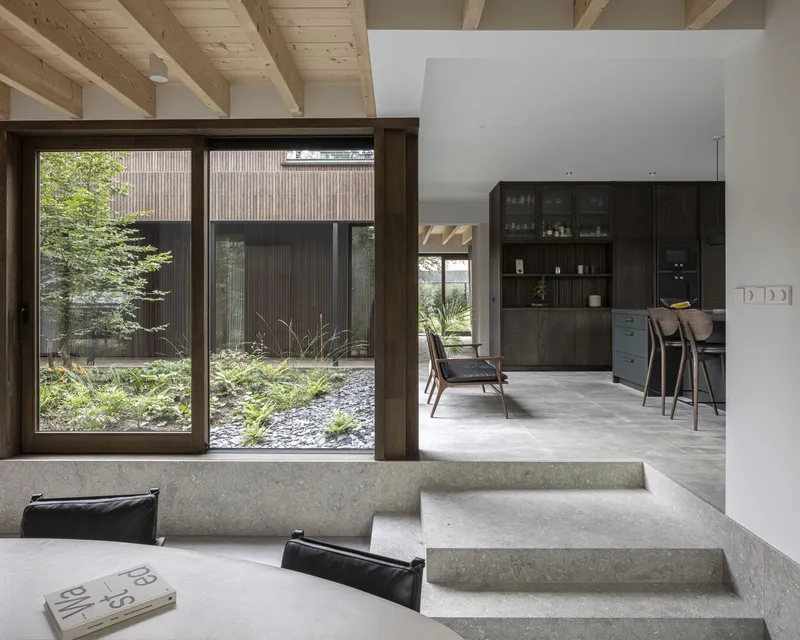
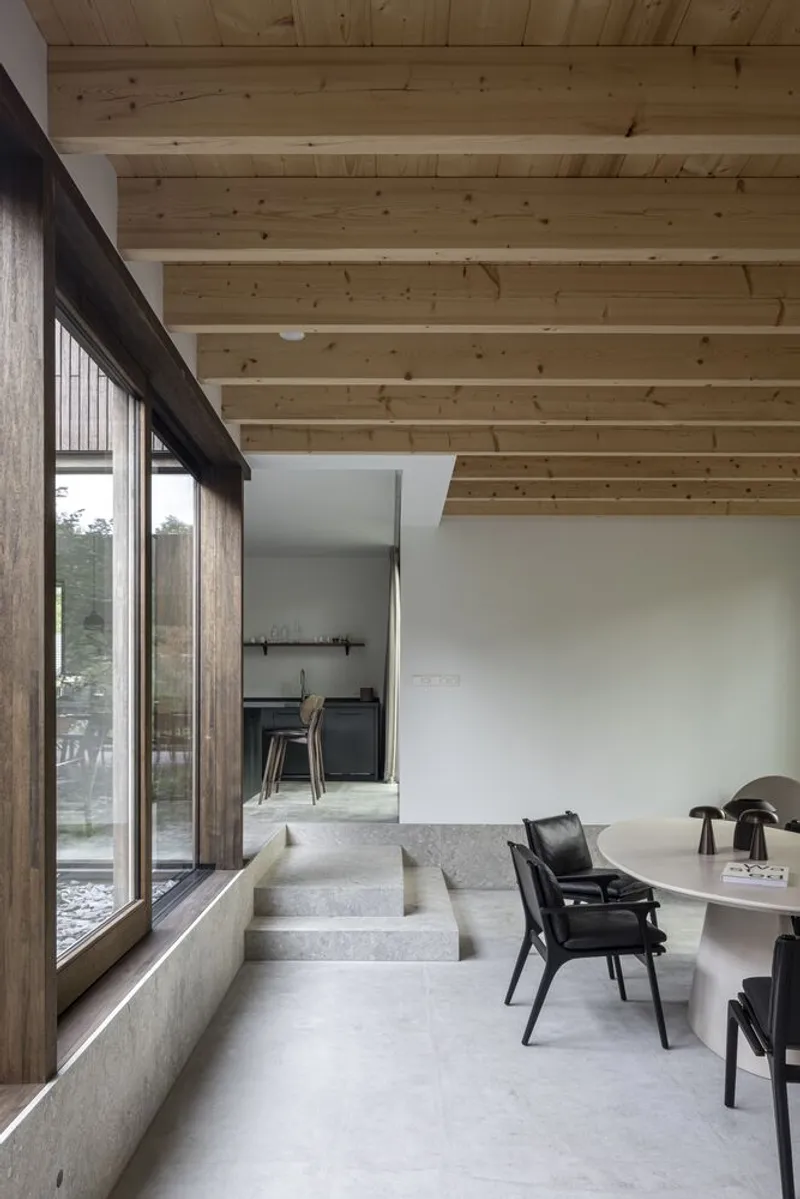
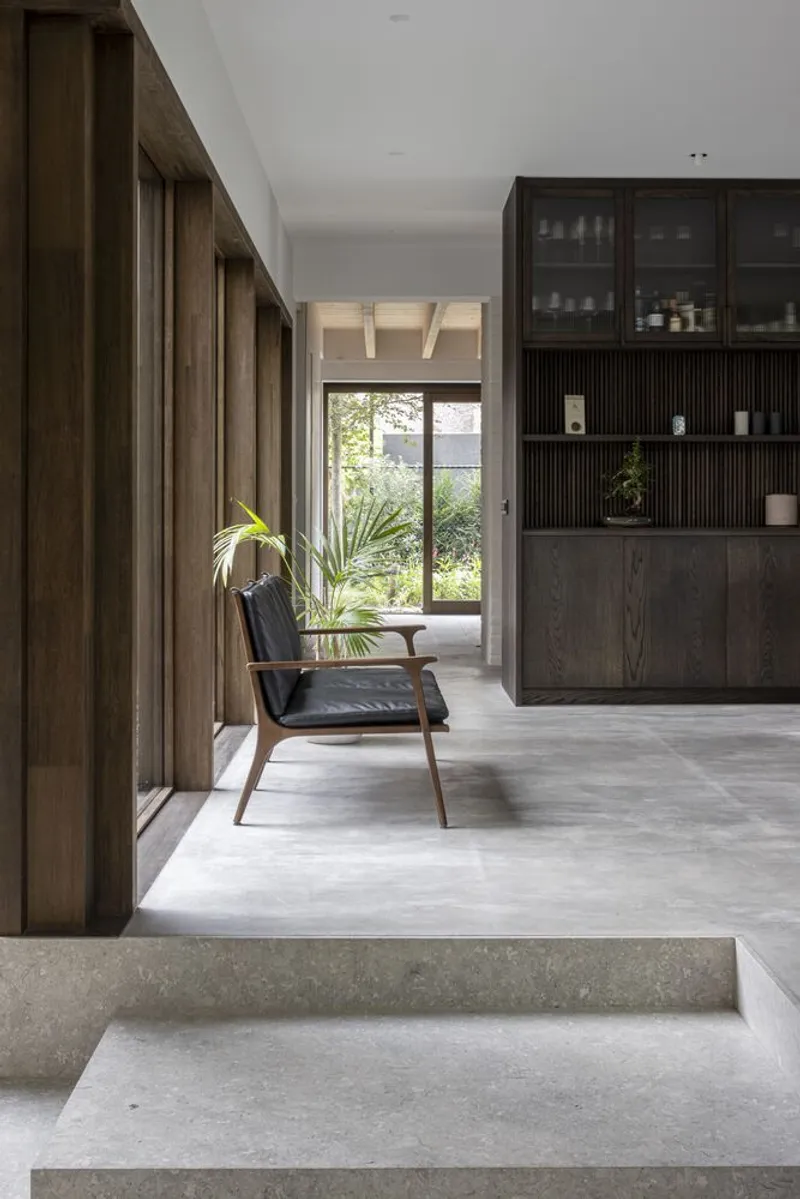
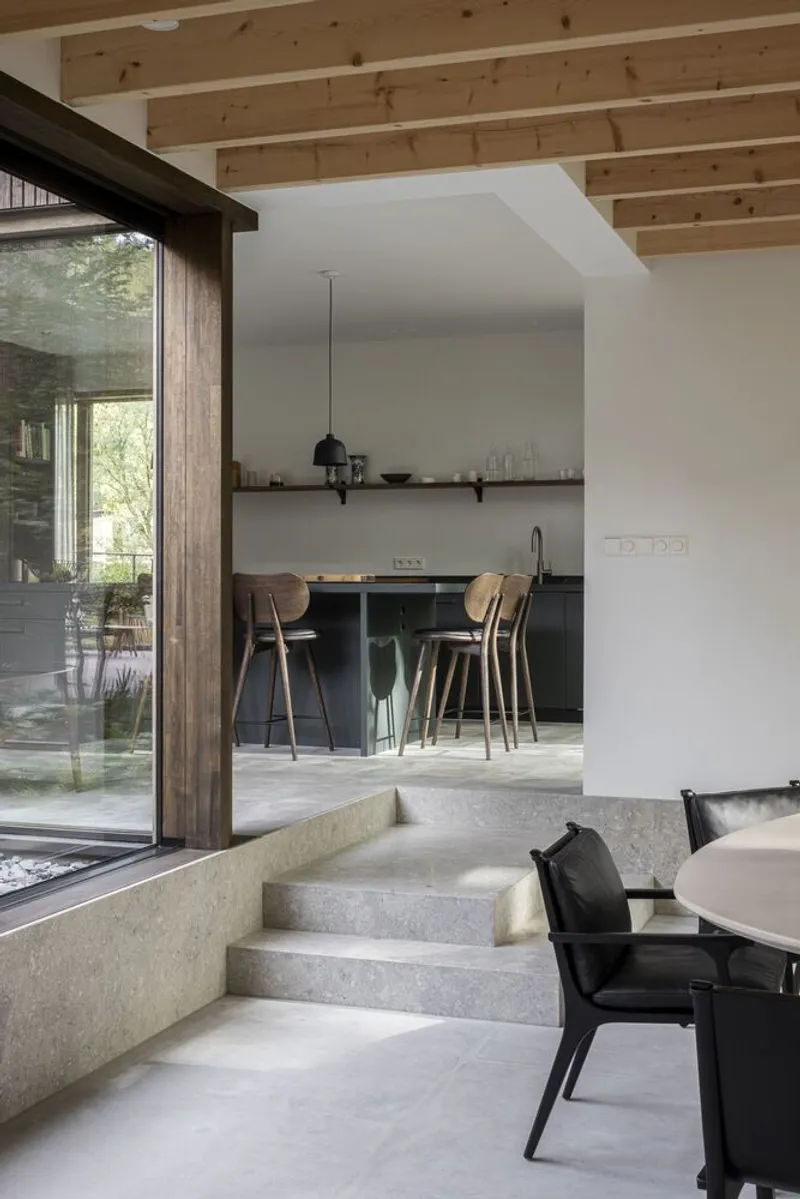
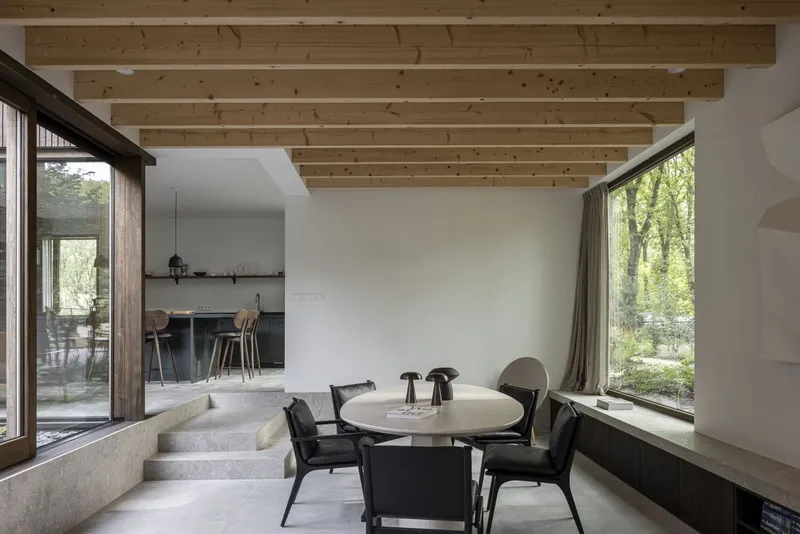
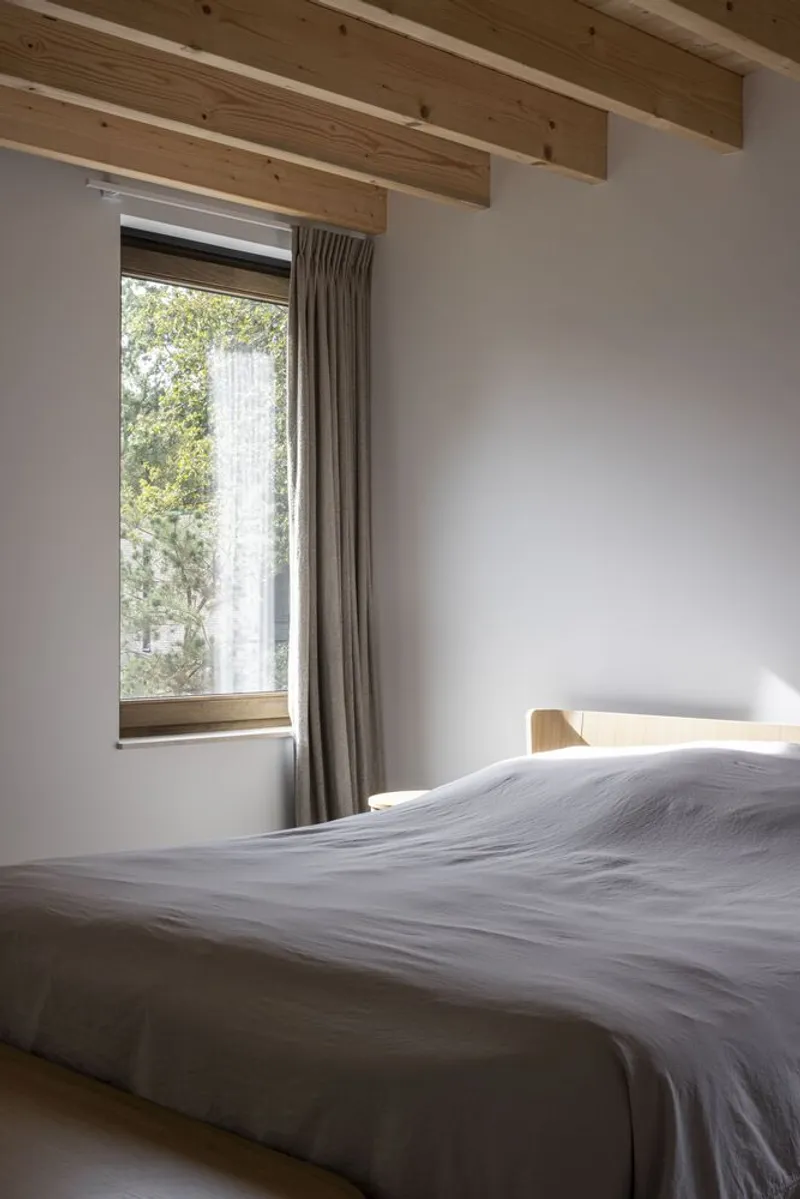
One of the most notable features of modern villa architecture is the open floor plan. The Open Park Villa is designed with a spread-out living area on the ground floor, creating a continuous, connective space that evolves throughout the day as light shifts. This approach contrasts with traditional, compartmentalized layouts and offers a more fluid living experience.
The villa’s design also incorporates varying ceiling heights and finishes within different areas, helping to distinguish functions while maintaining an overall cohesive aesthetic. For example, the living room is sunken into the landscape, offering a unique perspective and contributing to the villa’s dynamic interior experience.
Central Patio as a Design Element
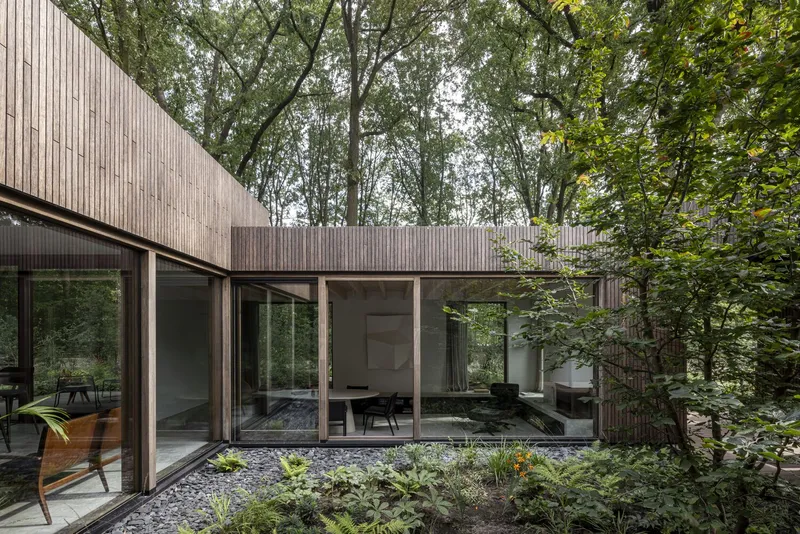
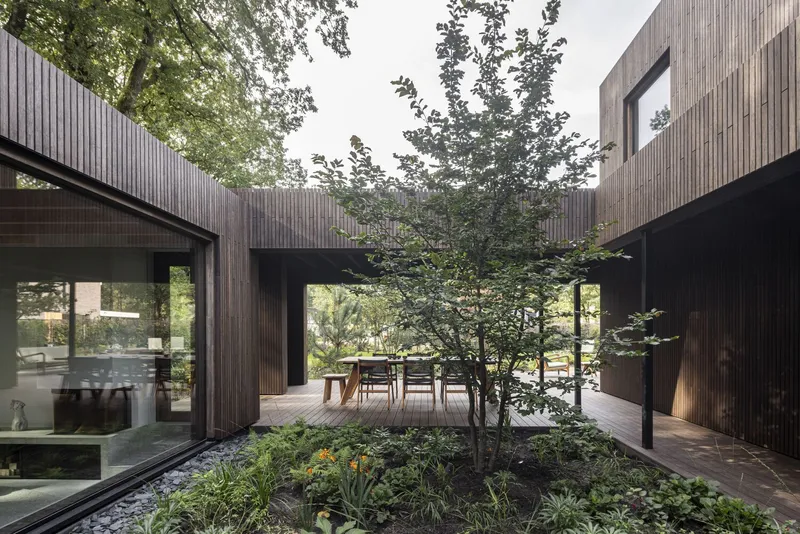
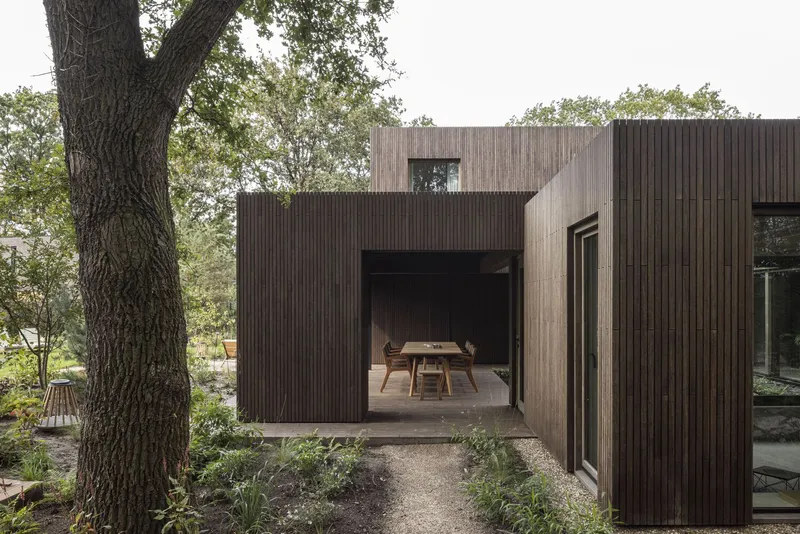
Another key element of modern villa architecture is the incorporation of a central patio, which can be seen in the design of the Open Park Villa. This space serves as the heart of the home, enhancing the flow of light, air, and space throughout the interior. The patio blurs the boundaries between indoor and outdoor living, creating a sense of openness and intimacy at the same time.
By incorporating central courtyards, modern villas make the most of natural light and air circulation, reducing the need for artificial lighting and climate control systems, which is in line with sustainable design practices.
Material Selection in Modern Villa Architecture
High-Quality, Sustainable Materials
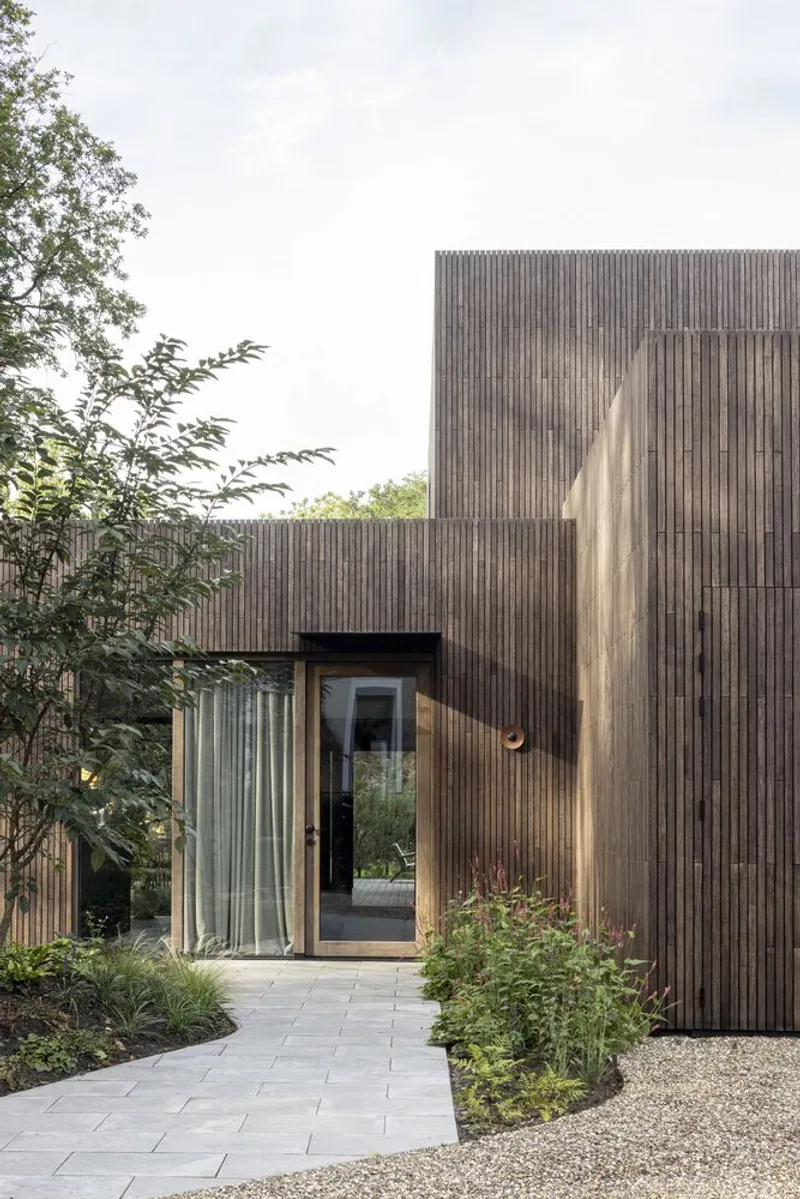
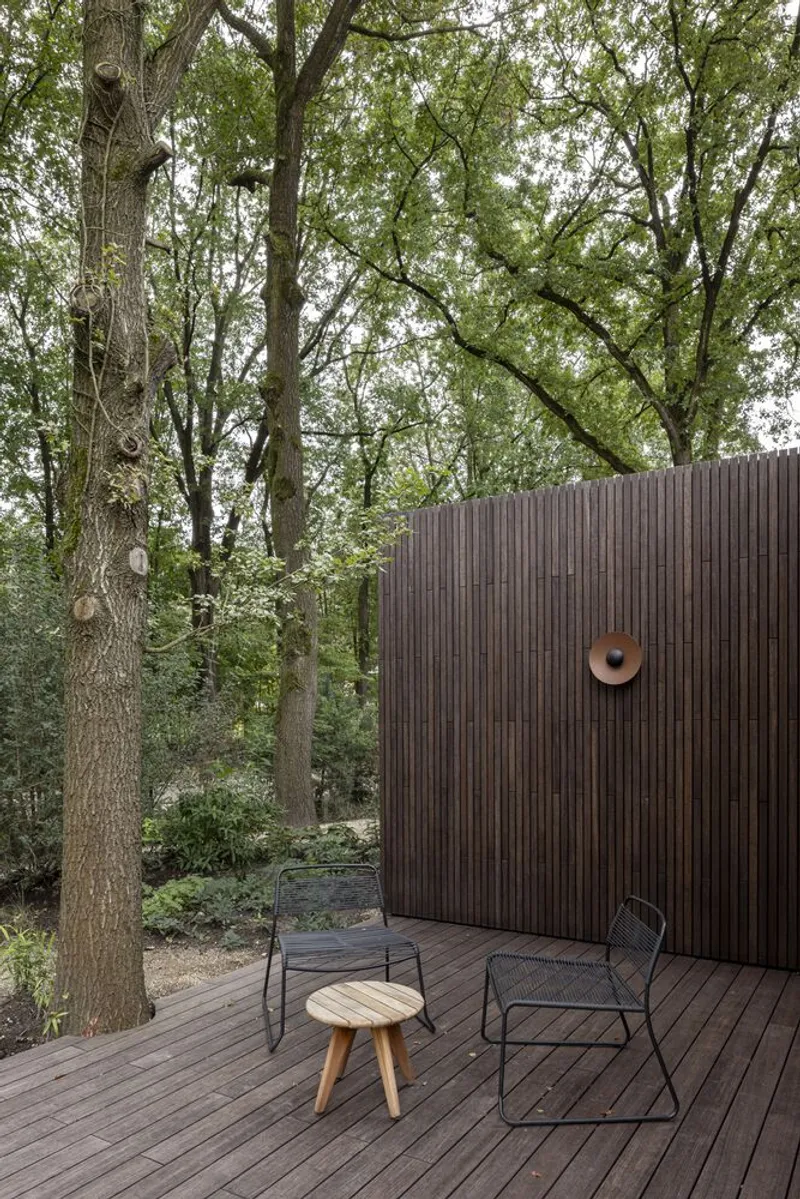
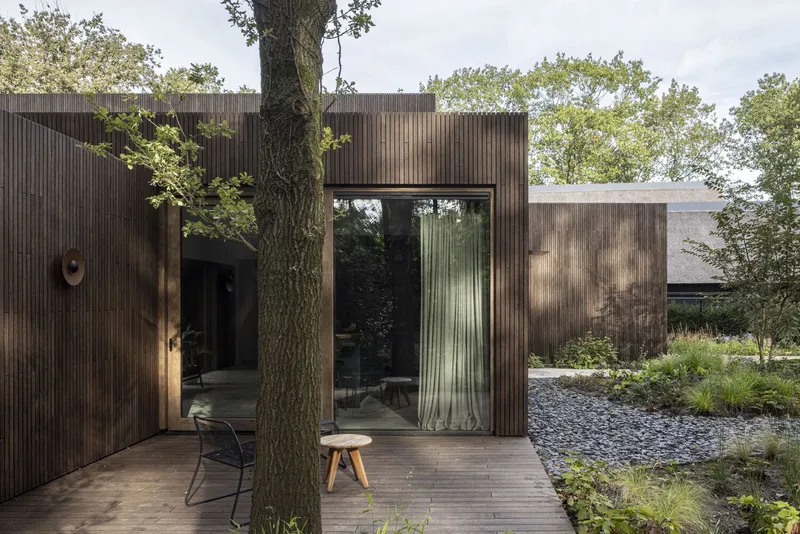
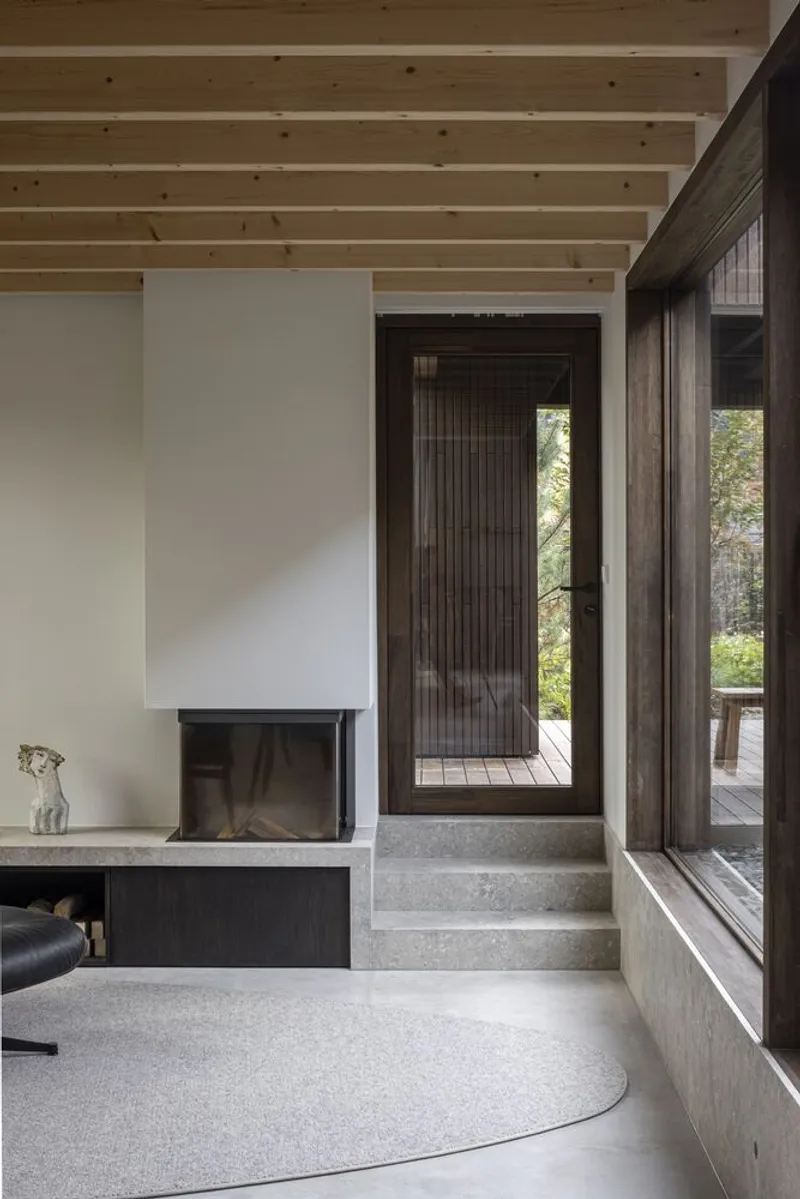
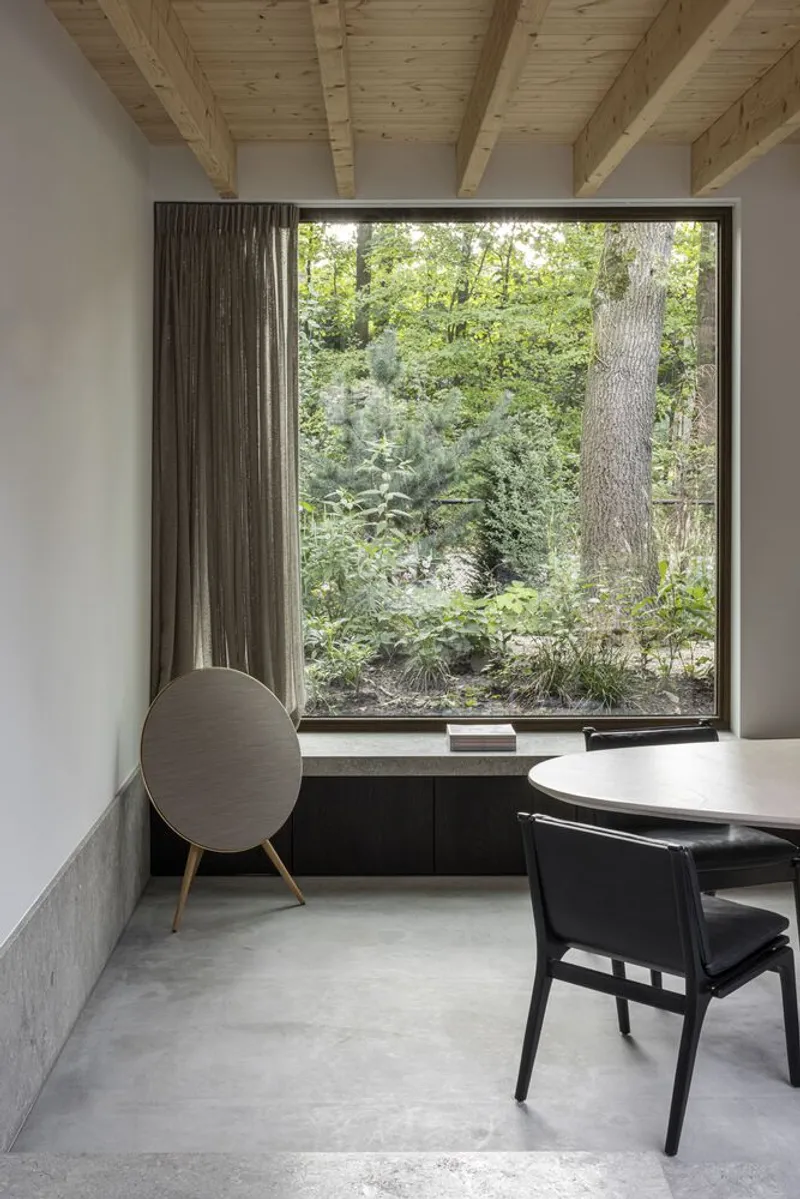
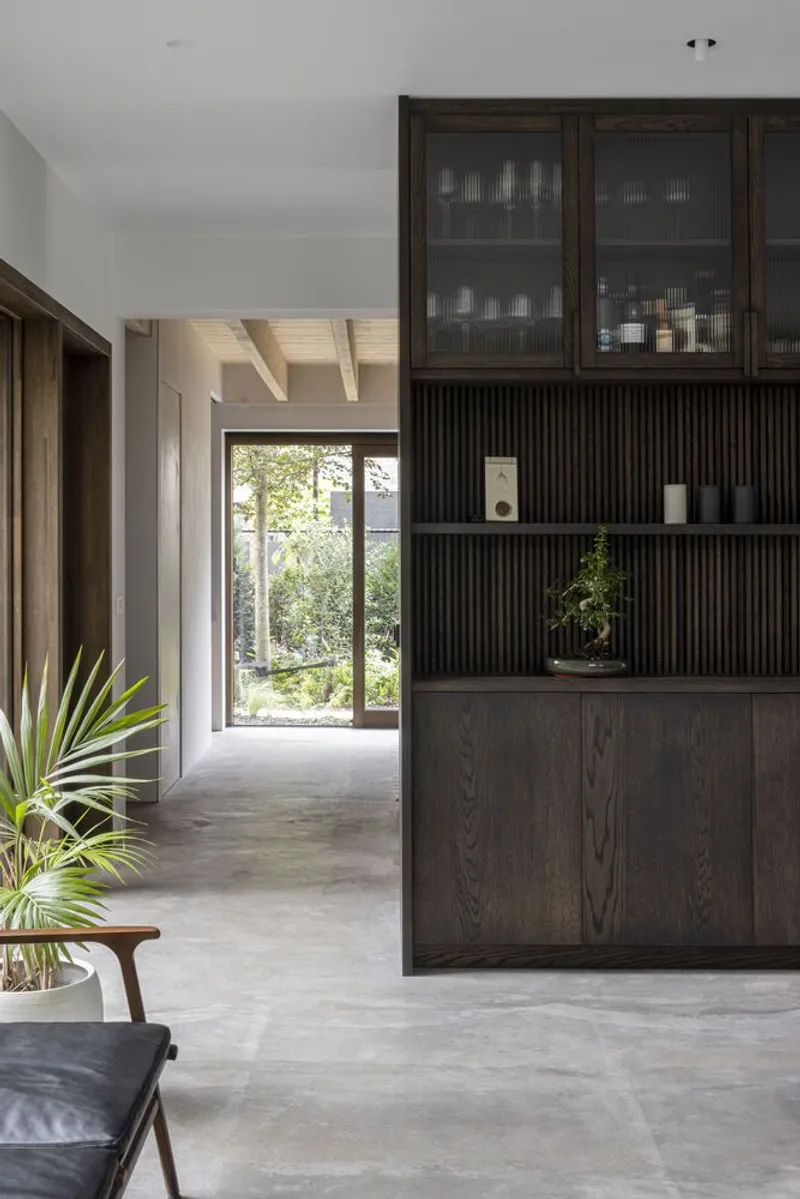
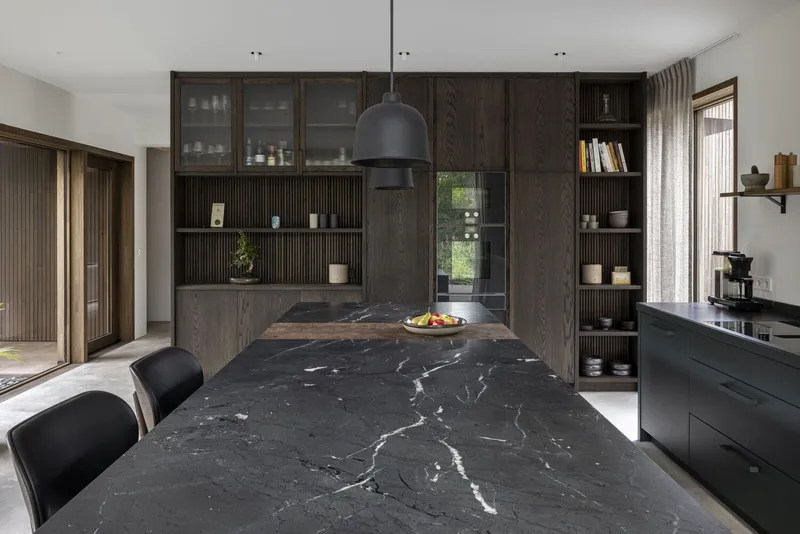
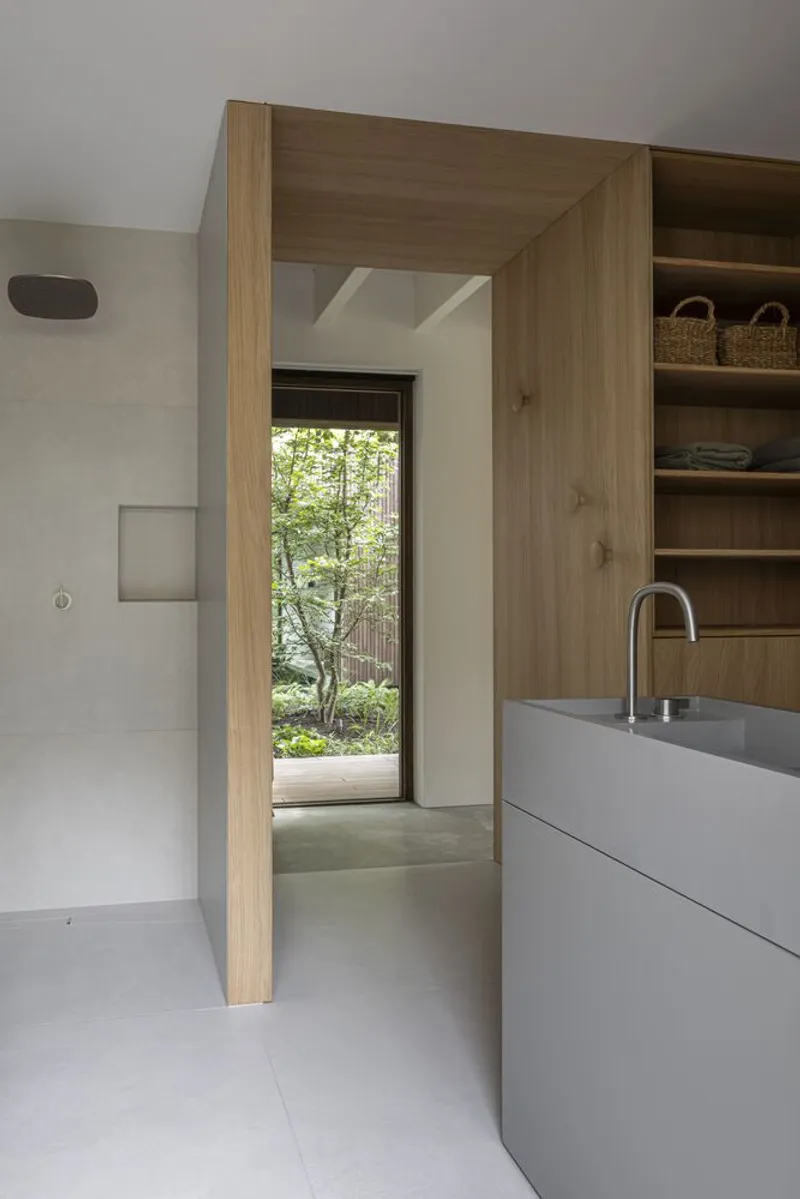
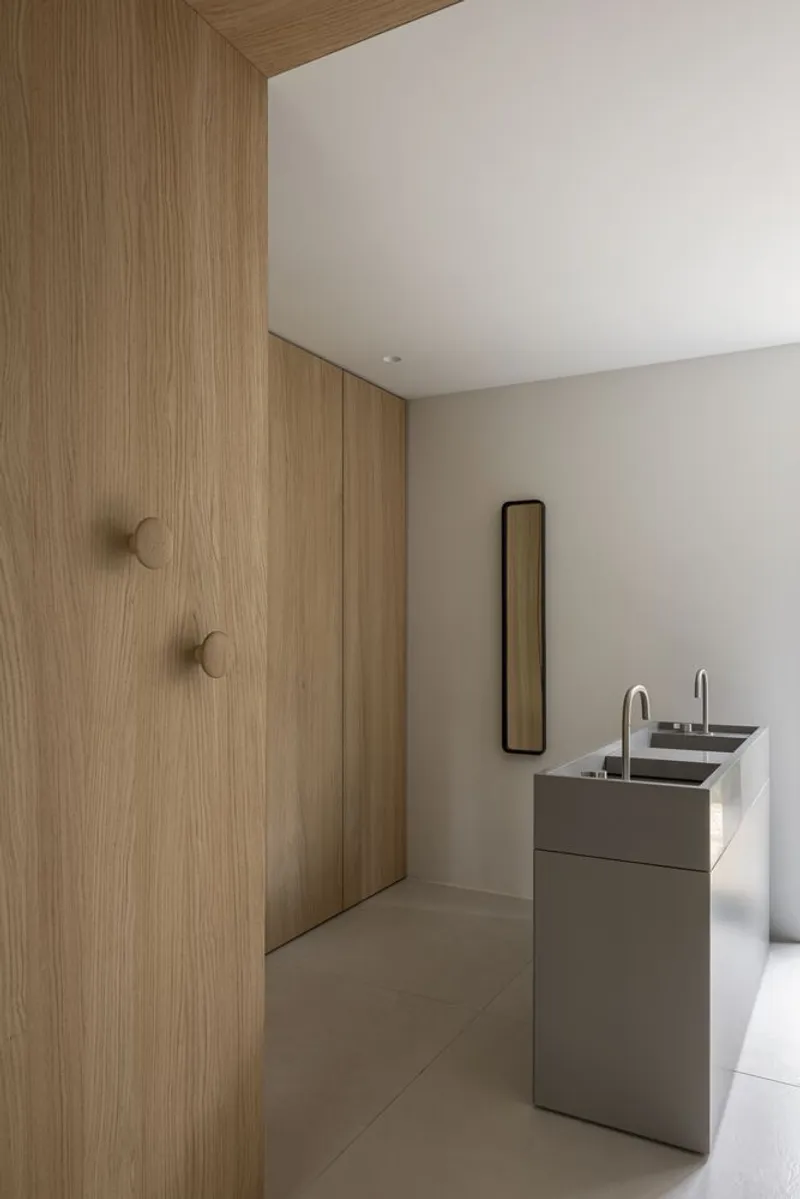
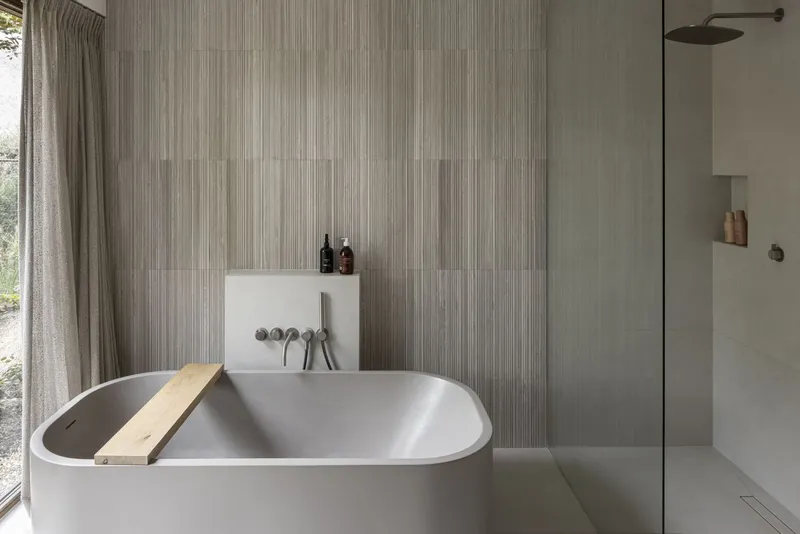
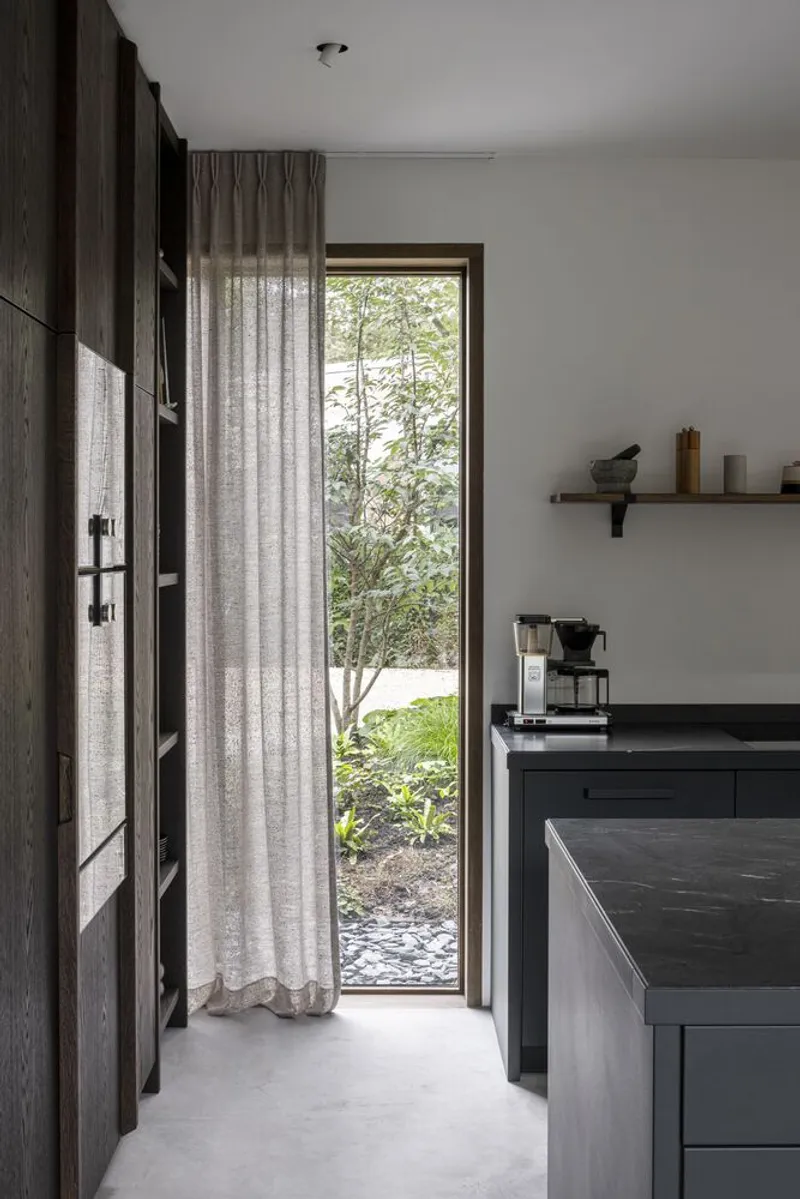
The use of high-quality, sustainable materials is another hallmark of modern villa architecture. In the Open Park Villa, the architects used natural materials such as oak wood panels, Grigio Alpi natural stone, and cement floors, which not only contribute to the villa’s modern aesthetic but also emphasize the craftsmanship involved in the design.
Custom-made furniture and built-in closets further enhance the villa’s sleek, minimalist look, offering both practicality and visual appeal. Sustainable materials like these are becoming increasingly important in modern villa designs, where environmental considerations play a central role in the planning process.
The Minimalist Approach
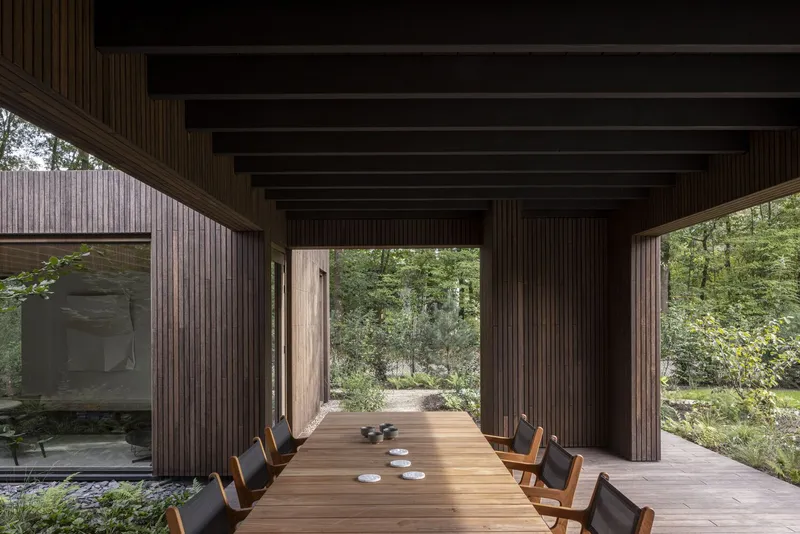
Modern villa architecture often embraces minimalist detailing, as seen in the Open Park Villa’s clean lines and understated aesthetic. The use of clip bamboo on the canopy and the minimalist treatment of the facades elevates the building’s sculptural quality, ensuring that it complements the natural surroundings without overwhelming them.
The minimalist approach is not just about simplicity but also about creating a sense of balance and harmony. It focuses on eliminating unnecessary elements and using design elements that are functional, sustainable, and beautiful.
The Importance of Landscape Architecture in Modern Villa Design
Creating Harmonious Outdoor Spaces
A modern villa’s landscape design is an extension of its architecture. The Open Park Villa integrates its outdoor spaces seamlessly with the architectural design of the house. The garden, designed by landscape architect Frank Heijligers, complements the villa’s layout and the surrounding natural environment, enhancing the overall aesthetic experience.
Landscape architecture in modern villas often includes tailored gardens, patios, and terraces that reflect the villa’s overall design language. These outdoor spaces are not only beautiful but also functional, offering areas for relaxation, socializing, and connecting with nature.
The Future of Modern Villa Architecture
As urban living spaces become more compact and people seek a deeper connection to nature, the demand for modern villa architecture continues to rise. The ability to create homes that are sustainable, aesthetically pleasing, and integrated with the environment will remain a core principle of contemporary design.
Designers are increasingly focusing on innovative solutions that incorporate green technology, sustainable materials, and passive energy systems. The future of modern villa architecture will likely see even more advanced designs that prioritize environmental responsibility and aesthetic innovation.
Modern villa architecture is not just about constructing beautiful homes—it’s about creating living environments that are in harmony with nature, provide functional living spaces, and embrace innovation. The Open Park Villa is a prime example of how these principles can be successfully realized, creating a living space that is as timeless as it is contemporary.
As demand for modern, sustainable homes continues to grow, architects and designers will keep pushing the boundaries of villa architecture, finding new ways to blend innovation, nature, and craftsmanship.



Popular Articles
Popular articles from the community


Co-Life: Senior Housing Design That Reconnects Older Adults With the City
Co-Life reimagines senior housing design through healing gardens, shared streets, workshops, and a sustainable community across generations.

The Earth Pod: 3D Printed Homes for Resilient Refugee Communities
The Earth Pod reimagines refugee housing through 3D printed homes made from clay, combining resilience, self-sufficiency, and rapid shelter.

The Ocean Hive: Sustainable Architecture for a Self-Sufficient Civilization at Sea
The Ocean Hive imagines sustainable architecture at sea, where modular habitats, algae, wave power and ocean waste sustain a growing colony.

Co-life: Sustainable Architecture for Age-Friendly Community Living
Co-life reimagines sustainable architecture for seniors through courtyards, rammed earth, shared gardens, and spaces designed for belonging.


Similar Reads
You might also enjoy these articles


Hodi-Mandai Geram
Project Function: Preservation and revitalization of the Intangible heritage and socio-spatial identity of the Hodi by Housing, Cultural Memory Center, Sacred Grove, landscape, local tourism economy


Olio Towers: A Mid-Rise for Performers That Fuses Housing, Rehearsal, and Stage
Located blocks from Houston's Theater District, this modular tower stacks living units around a central performance atrium.

Oasis: Modular Green Housing Carved into Dhaka's Urban Fabric
A shortlisted Plugin Housing entry reclaims unauthorized settlements in Dhaka with stepped concrete volumes, green roofs, and ventilation-driven design.

Black Hole: A Floating Megastructure for the Post-Physical Era
Emiliano Mazzarotto envisions a spherical, self-scaling arena where e-sports, digital hotels, and holographic stadiums replace traditional public space.


Explore Villa Vernacular Competitions
Discover active competitions in this discipline



Challenge to reimagine the Iron Throne


Photograph architecture without architects


Illustrate the lost glory of Angkor Wat - Render Challenge


Design challenge to reuse E-waste
Comments (0)
Please login or sign up to add comments
No comments yet. Be the first to comment!