
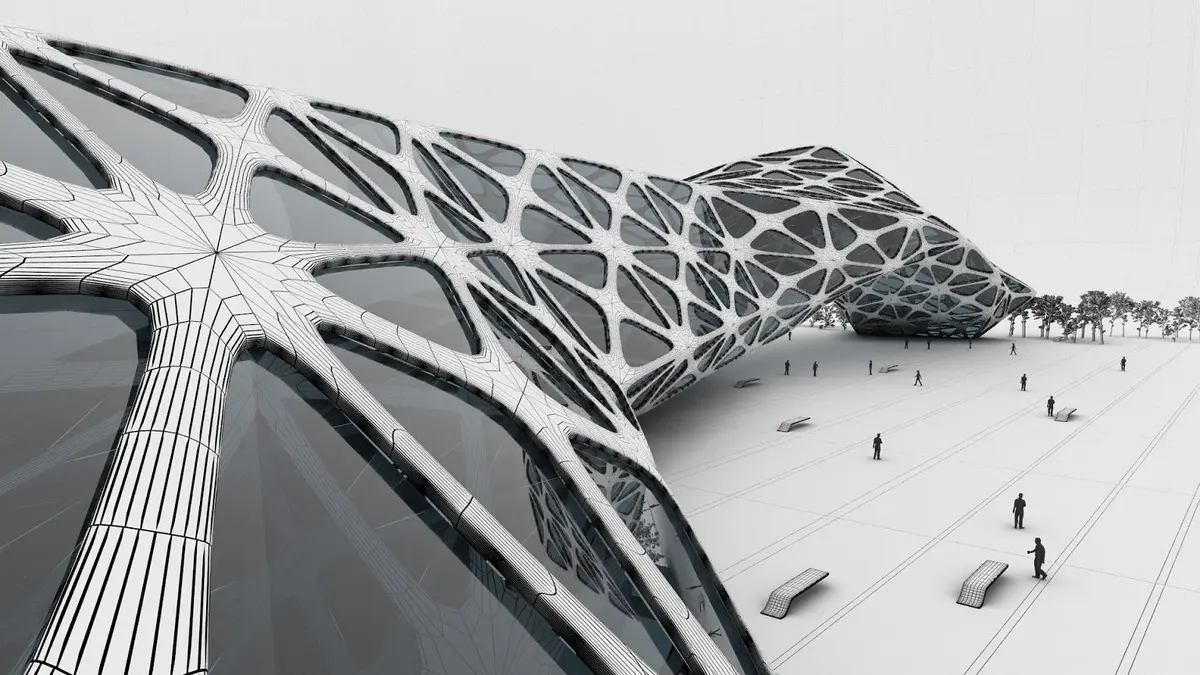
Museum for Computational Technology
Theme : Compactness

In the beginning the computers were too big in size. with time the revolution happened the computers became smaller and smaller in size . Even in future the computers will get smaller and smaller in size .for this technological drastic change the computers are getting smaller and smaller in size , in future the artificial intelligence will take over everything the space will be more compact .
Site:
Stepped pathway
Pergola with sitting areas{ recreation]
Fountain and planter boxes and more landscape elements like garden lantern , featured walls etc.
Open Air Theater
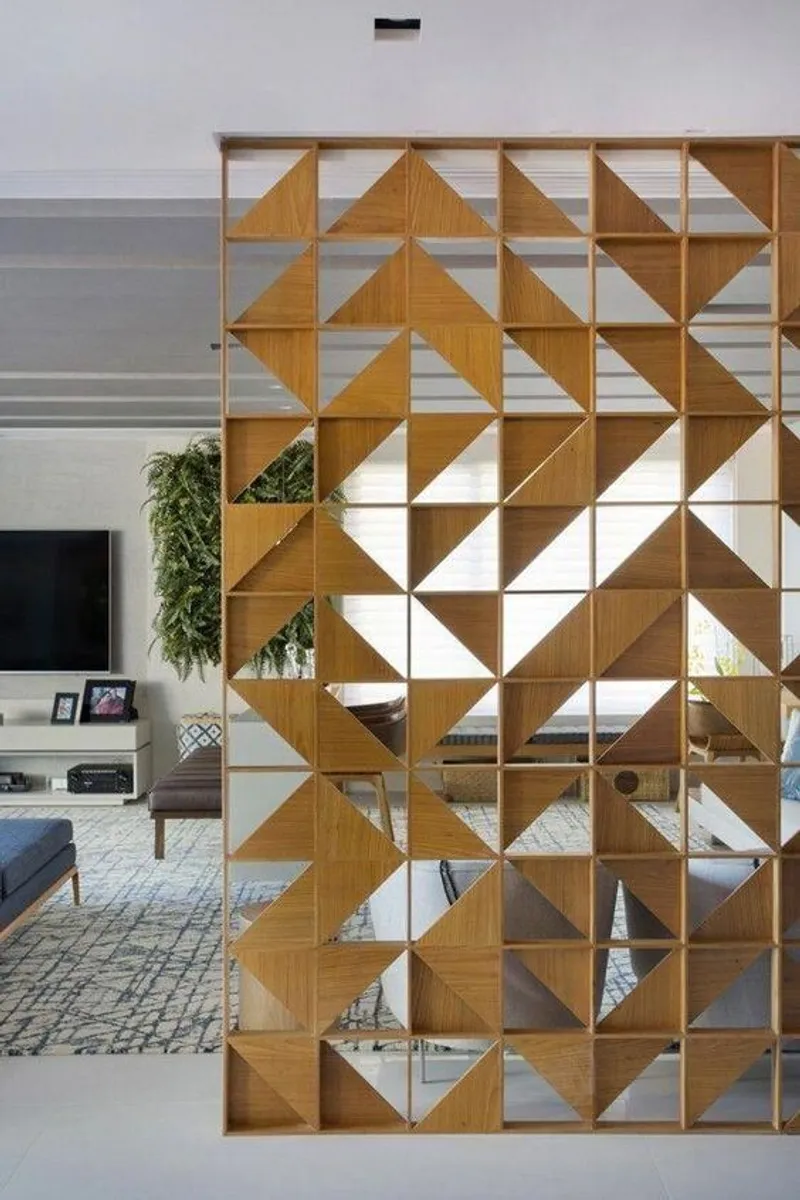
As the temperature of England is much lower and the site is very close to city junction , so there is a tendency of noise pollution . so to avoid this phenomena we are providing special coffered wooden featured wall to absorb the external noise and cold air.
There was couture in the site so we have used steps and open air sitting arrangement facing the stage .
The space we had given was too compact ,so the glass walls we have used will increase the chances of communication between the people.
We have tried to mimic the Saucer dome in roof .
The main structural part of the building is the core , it holds the main structure ,then the staircase are placed around the core .
Climatology :
The temperature is very cold throughout the year , so we’ve used glass walls as a temperature proof material , and glass walls are welcoming for natural sun light.
We’ve used atrium in the center of the building to provide natural light.
Materials :
Concrete: The unyielding nature of concrete makes it a durable, long-lasting material choice. It resists erosion, fire, rotting, rusting, and weathering with relative ease, requiring minimal maintenance and repair. Ergo, concrete boasts a lifespan that exceeds many other types of building material.
Glass : glass can transmit, absorb or refract light. As a result, it can be both translucent and transparent. Such characteristics add extraordinary beauty to your building. Glass can withstand effects of rain, wind and the sun without losing its integrity and appearance. It also saves you on the electricity bill cost. The glass is a very excellent insulator. It is thus impossible for it to conduct electric current. Variety of colors. When you combine the glass in insulated or laminated units, it changes in color and appearance. Glass can be pressed, blown and drawn to any shape. After lamination with plywood or a metal sheet, you can also use it for furniture. We have used this material as large windows.
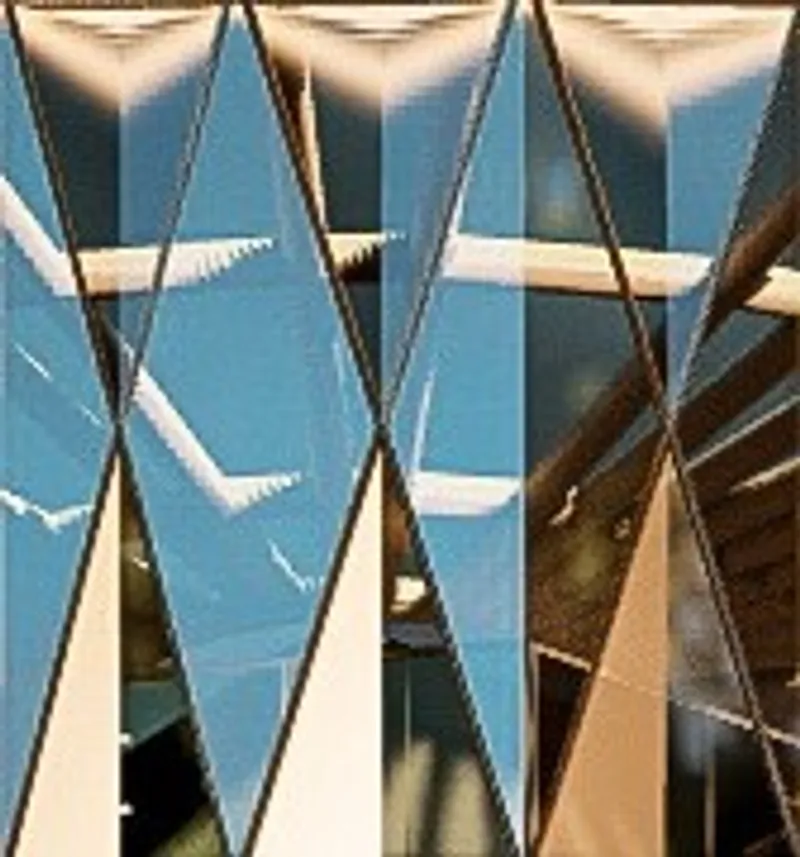
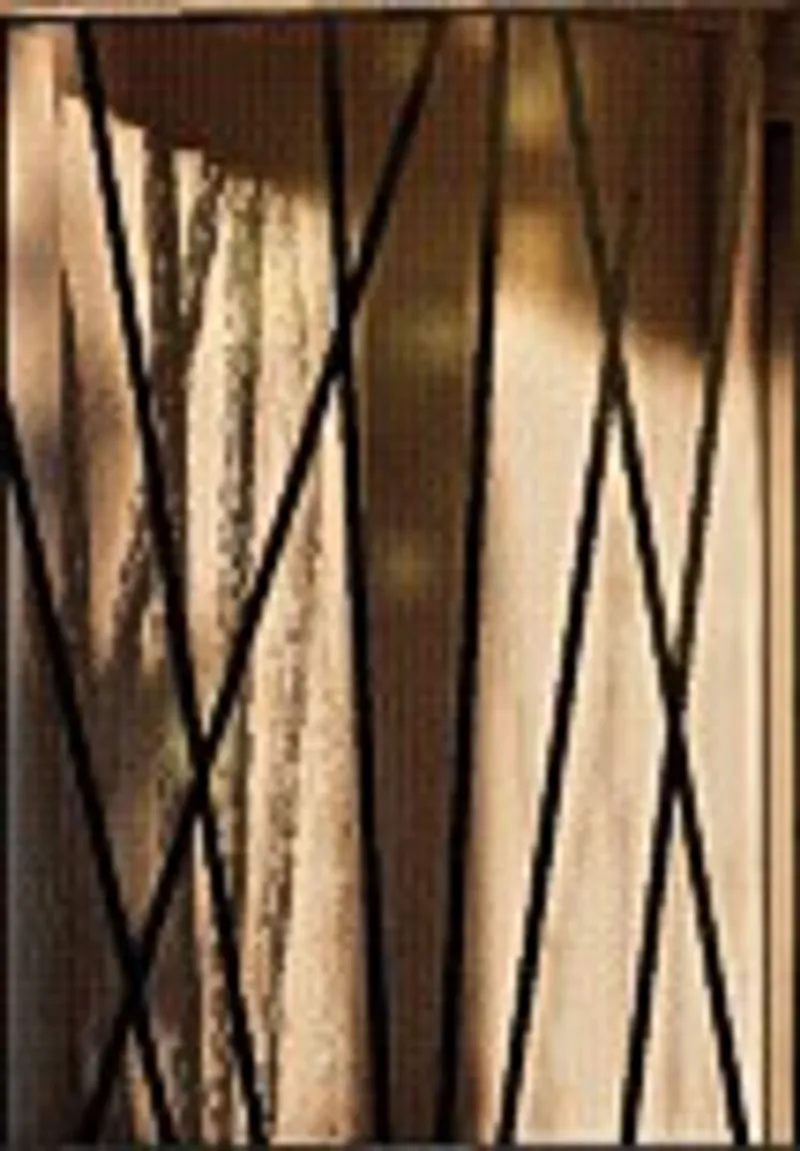
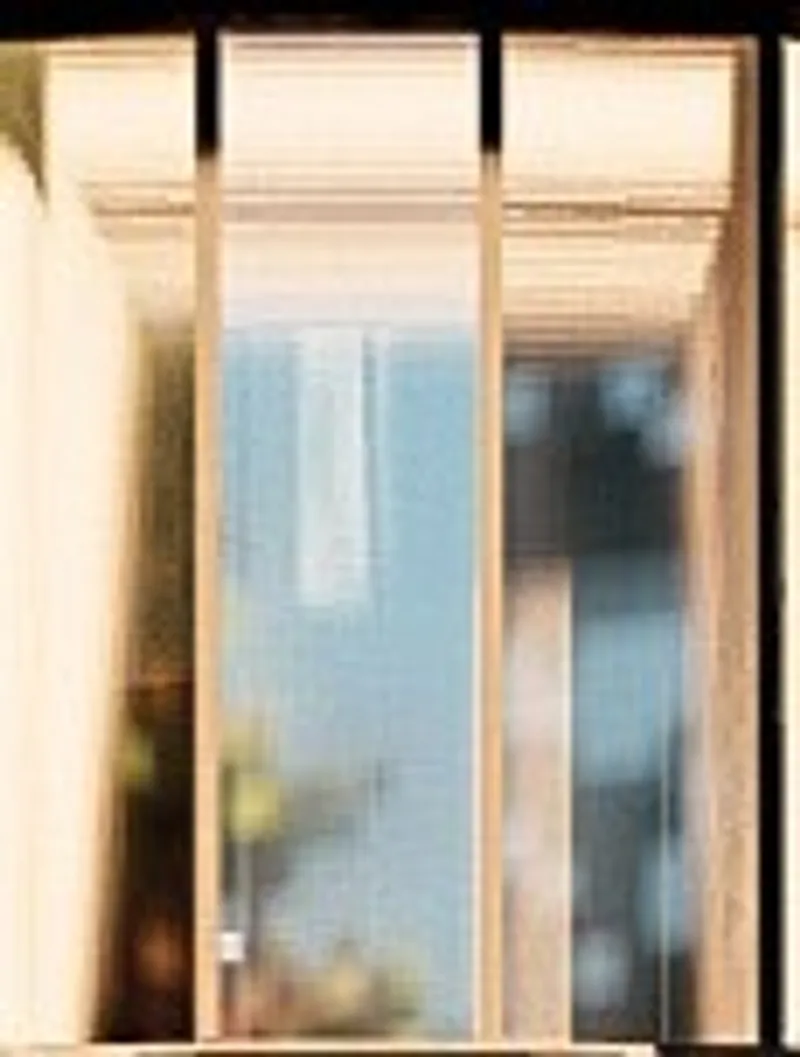
Different pattern is used in glass to create different light and shadow effects .
Wood : Wood delivers on innovative design, speed, cost and resource efficiency, health & wellbeing, and offers a low-carbon, environmentally-friendly alternative to traditional building materials. So we have used this material in several spaces for Partition walls.
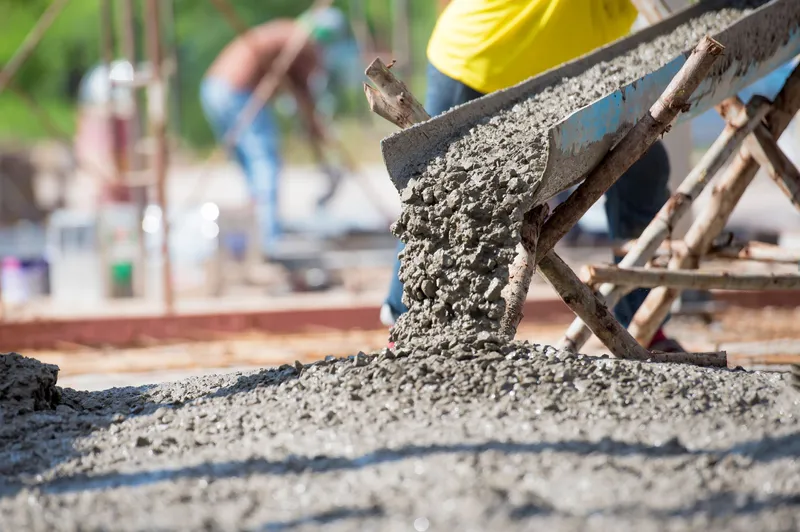
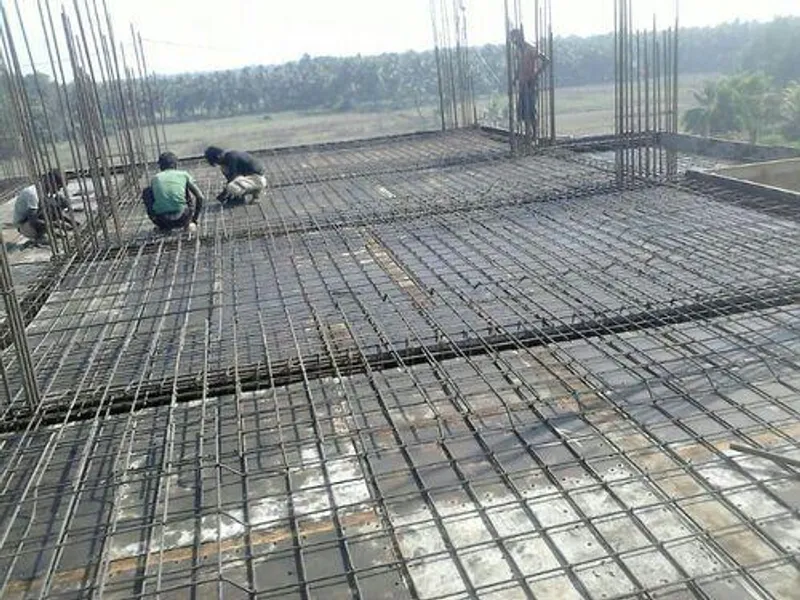
RCC : It possesses high compressive and high tensile strengths. It is economical, and the maintenance cost is almost ignorable. R.C.C has the least chances of buckling and rusting. It has resistance to fire and other climatic changes. That’s why we’ve used RCC in the elevator as the core path way.
The intent behind the organization of elements across various levels [architectural site urban]:
The main part top two depicting supremacy to the building
Open air amphitheater, pergola at two sides of the museum keeping the main museum in the center of the building which again creates supremacy
In order to maintain the climate which is mainly cloudy and cold, inside the building we have used glass as one of the main building element, for openness and other purposes we have discussed before. We have used wooden partition walls for insulating purposes.
Inside the building the spaces are really compact due to the building specific rules of the site but still when one enters the building he can fell free within the building due to the free spaces we have provided inside the building.
Methods of design investigation:
We have studied the climate of the London to understand what kind of design approach we are going to make and how the building will form according to the climate, and what material we are going to use in our building to maintain the comfortable climatic conditions. London it a very cold place and designing a open air theater was very challenging due to its climatic conditions but we have tried to create a micro climate around the open air theater .
The site was in couture so we have studied what kind of structure we are going to make in such land form .we have studied about the site and the context .
we have done different case studies on different computing technology museums across the world for better understanding.
We have studied about the locally available material around the site. And have tried to use those materials.
Expansion plan:
The core structure is strong enough that we can add two more floors to the building in future.
How will the project transform with the passing time:
The time will keep flowing and new technology will keep coming every single day. So it is not that much easy to design such project which will transform with the passing time.
In our design In the top two floors we have not used any internal walls, so these floors are flexible enough so that we can use for different purposes in future.

Popular Articles
Popular articles from the community


FCC Arquitectura Expands a Portuguese Granite House with a Board-Marked Concrete Wing
In Portugal, JV House pairs a cleaned-up whitewashed and granite dwelling with a timber-shuttered concrete extension, courtyards and a garden pool.

ETEH Reworks the Shared Spaces of São Domingos School in Brazil Around Timber, Color and Hanging Plants
At São Domingos School in Brazil, 436 m² of hall, refectory and library are recast with timber joinery, a yellow and blue code and trailing greenery.


Singing Woman: An Opera House That Performs Before the Curtain Rises
Ovidiu Cristian Pavel's conceptual opera house translates Estonia's choral identity into a sculpted waterfront landmark facing the Baltic Sea.

Aquadapt: An Underwater Habitat That Rewrites Its Rooms by the Hour
Curved modules ring the seabed while one shell shifts from breakfast room to cinema, farm and football pitch as residents' needs change.

Similar Reads
You might also enjoy these articles
The Rhythm of Seasons
A Farmers' Market Connecting Nature and the City

More Than a Building-Designing a Living System
More Than a Building-Designing a Living System
Base Beyond
DESERT COMPOUND ARID: TOURISM OF ABSENCE AND ABUNDANCE


Comments (0)
Please login or sign up to add comments
No comments yet. Be the first to comment!