
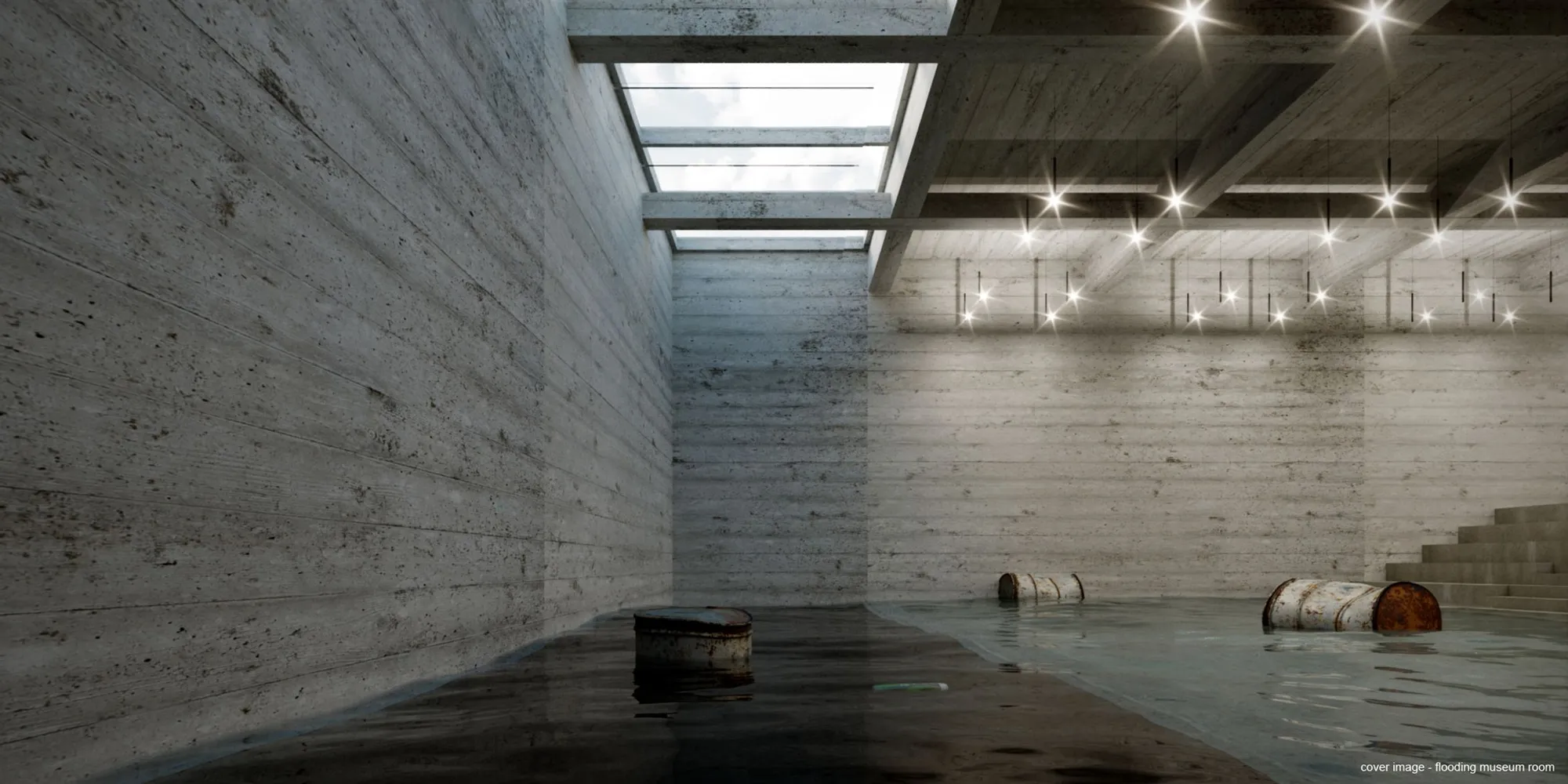
Museum of Water Culture: A Submerged Oasis in Shanghai
An Architectural Testament to Water's Enduring Significance


Riccardo Renzi's award-winning design for the Museum of Water Culture in Shanghai transcends the typical museum typology. This submerged sanctuary, a winner entry in the Abide competition, serves as both a poignant reminder of water's vital role and an innovative educational center. Drawing inspiration from Shanghai's intricate relationship with water, the design masterfully blends historical context, sustainable strategies, and evocative spatial experiences.
Unearthing Shanghai's Water Heritage
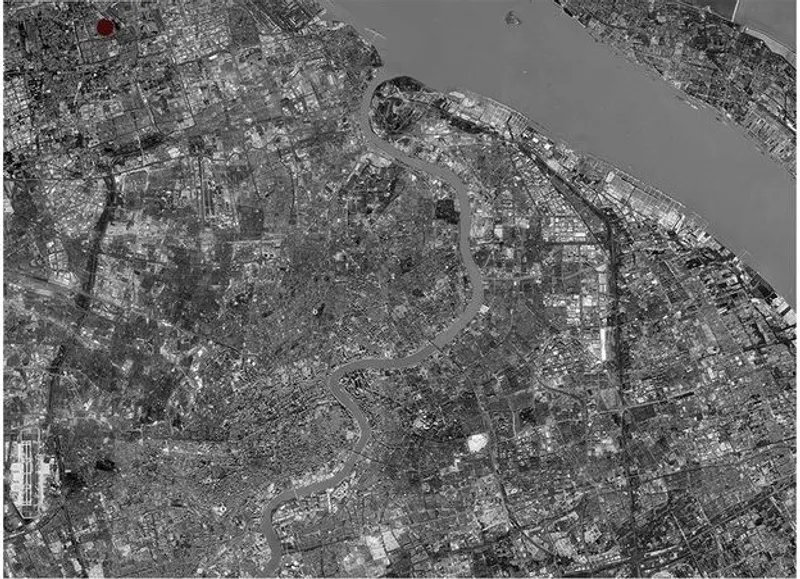
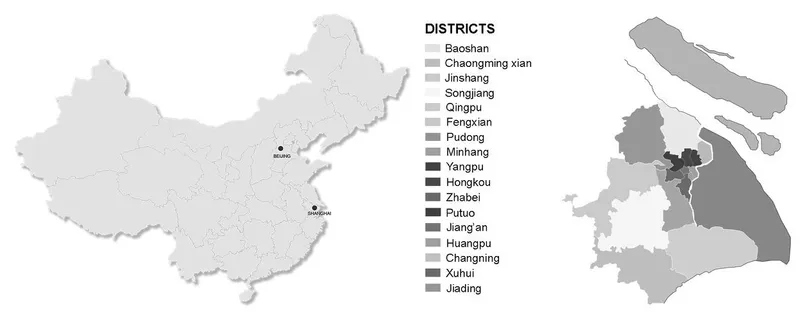
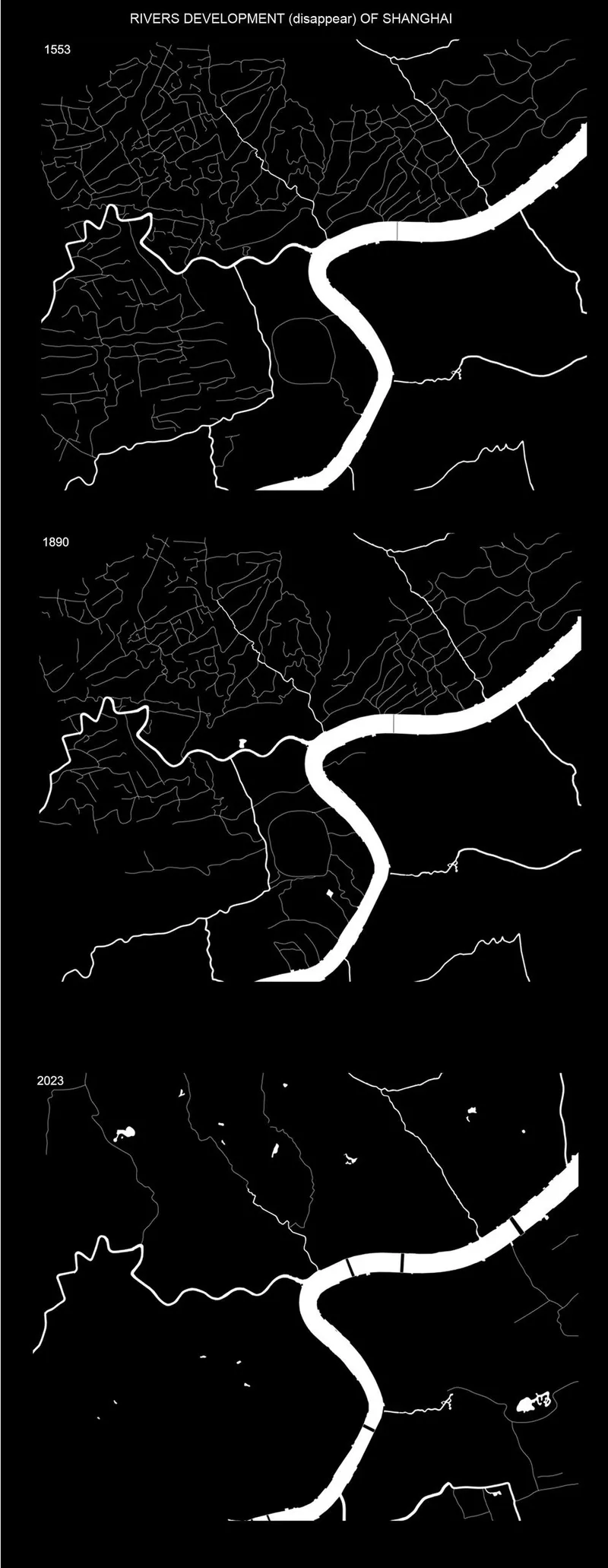
Shanghai, a bustling metropolis on the delta of the Yangtze River, has a long and intertwined history with water. From its origins as a fishing village to its evolution into a global economic hub, the city's growth has been shaped by its proximity to the Huangpu River and the intricate network of canals and waterways that once coursed through it.
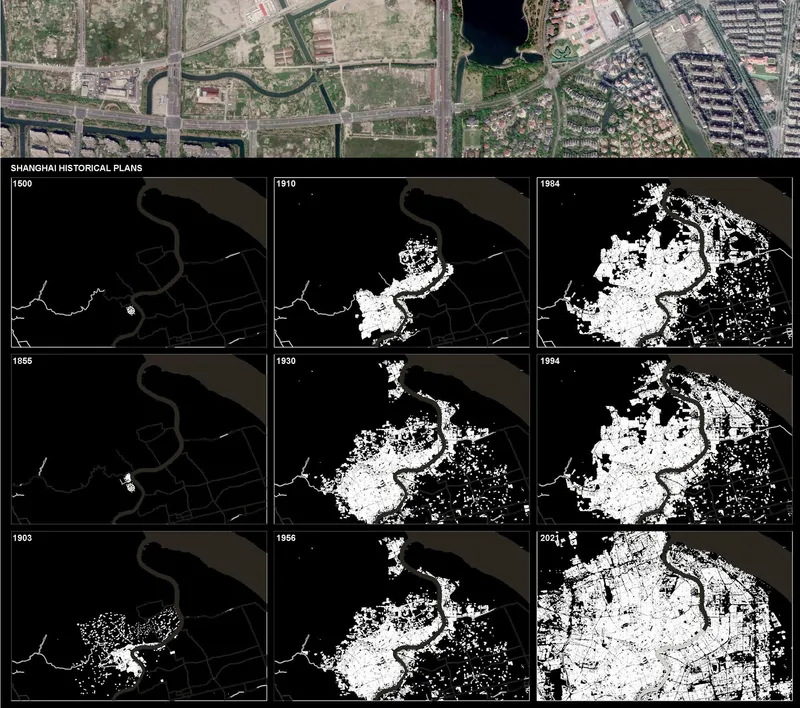
The provided historical maps vividly illustrate the city's expansion and the gradual disappearance of these water bodies as urbanization intensified. This historical context underscores the urgent need for water conservation and sustainable development, a message that lies at the heart of Renzi's design.
A Site of Confluence
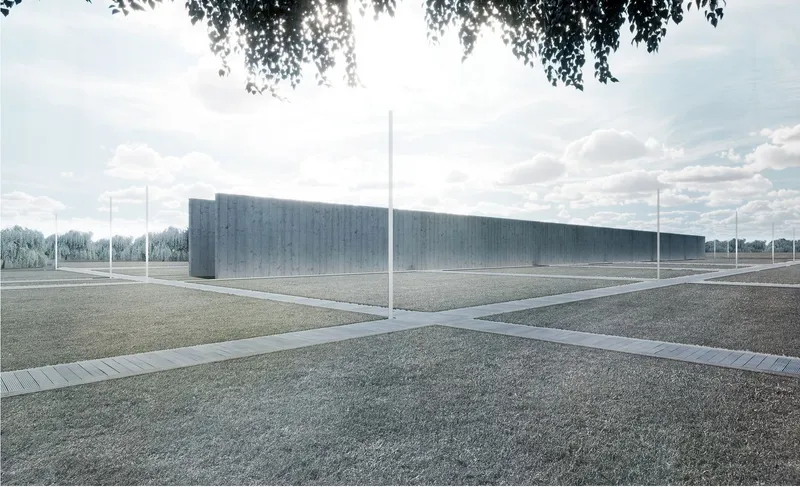
Nestled beside Langshe Green Island, the museum's site is strategically chosen to emphasize the connection to water. A nearby water source provides a tangible link to the museum's theme, while the surrounding landscape offers opportunities for integration with nature.
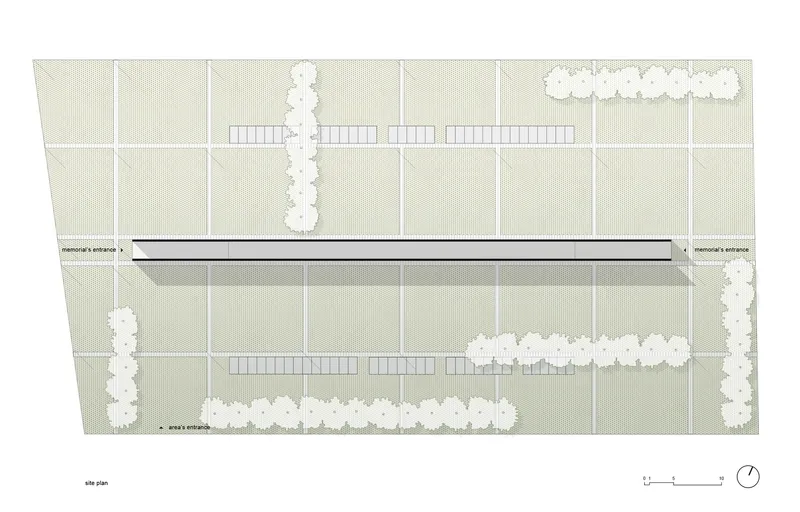
The site plan reveals a minimalist approach, with a long, linear "cut" in the ground defining the museum's entrance. This "watercourse" metaphor, as Renzi describes it, guides visitors downwards into the subterranean spaces, creating a sense of gradual immersion into the world of water.
Descending into the Depths
The museum's subterranean design is a bold departure from conventional museum architecture. Ramps lead visitors down into the earth, evoking a descent into the depths of a cave or a journey beneath the water's surface.
This subterranean realm is characterized by a raw, minimalist aesthetic. Exposed concrete walls and ceilings create a sense of solidity and permanence, while carefully positioned openings allow natural light to filter in, creating a subtle interplay of light and shadow.
Spaces of Contemplation and Learning
The museum's program is organized across two underground levels. The first floor houses a spacious learning and training center, a library dedicated to water-related knowledge, and a series of exhibition spaces that explore different facets of water culture.
These exhibition rooms delve into critical themes such as drought, floods, climate change, pollution, and water management. Renzi envisions installations that incorporate "real elements of nature" to create immersive and thought-provoking experiences for visitors.
The second floor is primarily dedicated to water treatment and storage facilities. These functional spaces are made visible through glass floor panels on the level above, allowing visitors to observe the processes that ensure the museum's own sustainable operation.
A Beacon of Sustainability
Beyond its symbolic and educational value, the Museum of Water Culture exemplifies sustainable design principles. The subterranean structure naturally minimizes energy consumption by taking advantage of the earth's insulating properties. Roof gardens provide additional insulation and create habitats for biodiversity.
Water harvesting systems collect rainwater for use in the museum's operations, while advanced treatment technologies ensure responsible water management. This integrated approach reinforces the museum's message of environmental stewardship and responsible resource use.
A Legacy of Water
Riccardo Renzi's Museum of Water Culture is more than just a museum; it is an architectural testament to water's enduring significance in human civilization. Through its evocative design, educational program, and commitment to sustainability, the museum invites visitors to connect with water on an intellectual, emotional, and experiential level. In a world increasingly challenged by water scarcity and climate change, the museum serves as a beacon of hope and a source of inspiration for a more sustainable future.



Popular Articles
Popular articles from the community


Co-Life: Senior Housing Design That Reconnects Older Adults With the City
Co-Life reimagines senior housing design through healing gardens, shared streets, workshops, and a sustainable community across generations.

Hill & Cross Opera: Sculptural Opera House Architecture Shaped by Tallinn’s Landscape and Identity
Hill & Cross Opera reimagines opera house architecture in Tallinn through its sculptural hill, civic plaza, glass wave and a luminous cross.

Co-life: Sustainable Architecture for Age-Friendly Community Living
Co-life reimagines sustainable architecture for seniors through courtyards, rammed earth, shared gardens, and spaces designed for belonging.

Riyadh For All: Intergenerational Urban Design for Active Aging in Rabat
Riyadh For All reimagines urban design in Rabat with intergenerational co-living, adaptive courtyards, and Moroccan cultural exchange today.

Similar Reads
You might also enjoy these articles

Day and Night Park: A Time-Based Urban Newsstand in Beijing
A temporary urban newsstand in Beijing blending travel, light, and reading through poetic colors, compact form, and community-focused design.

Modernist Patio Renovation in El Masnou, Barcelona by Oliver Segura Arquitectura + Cebrià Arquitectura
Modernist patio renovation blending tradition and innovation with a movable pool, leveled floors, and Catalan materials in El Masnou.

Alto Residencial Coop: Cooperative Housing Development in Santiago de Compostela by Carbajo Barrios Arquitectos
A linear cooperative housing complex blending white volumes and perforated metal façades, enhancing community living, natural light, privacy, and urban integration.
Vil Genis School by BPA ARCHITECTURE – Massy, France
Vil Genis School in Massy, France, features sustainable design, south-facing classrooms, community integration, accessible spaces, and modern educational architecture.





Comments (0)
Please login or sign up to add comments
No comments yet. Be the first to comment!