
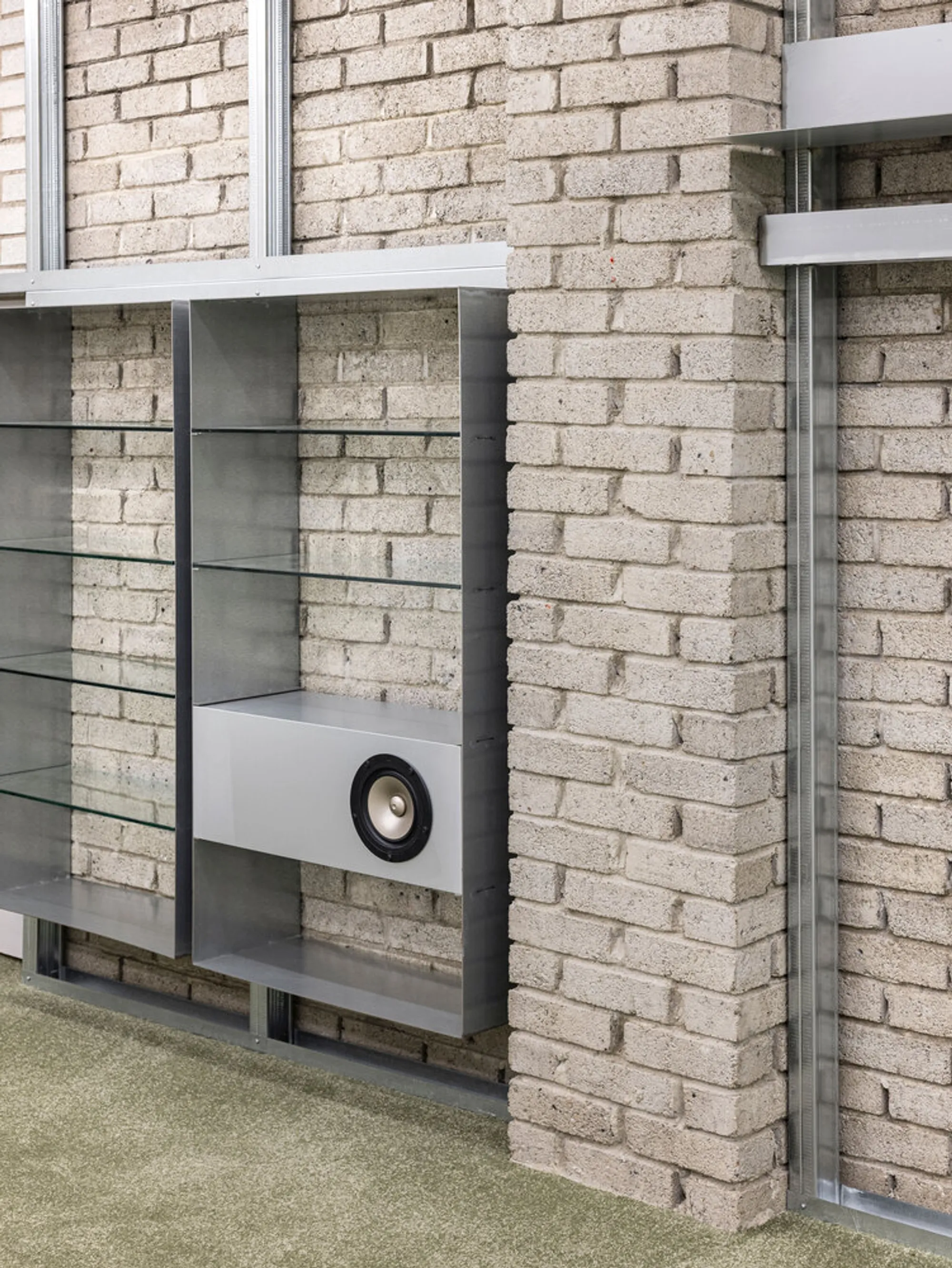
Namsan Wearhouse by unseenbird: Innovative Retail Design in Myeong-dong, Seoul
Namsan Wearhouse in Seoul features flexible retail interiors, minimalist furniture, modular displays, raw materials, dynamic lighting, and functional, sensor-activated fitting rooms.


Namsan Wearhouse, designed by unseenbird, is a contemporary retail space in the bustling Myeong-dong district of Seoul, South Korea. This innovative store offers a curated selection of clothing, accessories, and miscellaneous goods, providing a unique shopping experience for visitors in a compact 62 m² space. The project was conceived following the temporary closure of the alley due to the COVID-19 pandemic, breathing new life into a once-quiet corner of the city.
Thoughtful Interior Design for Dynamic Retail
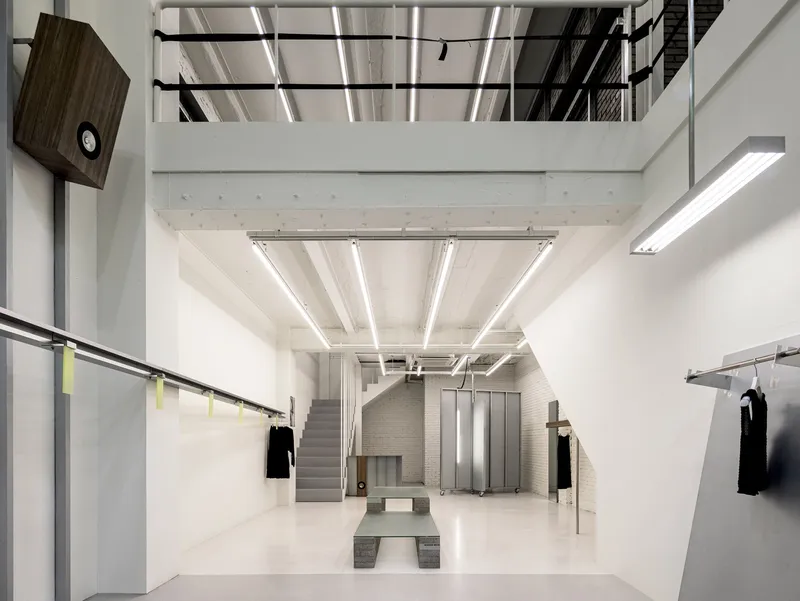
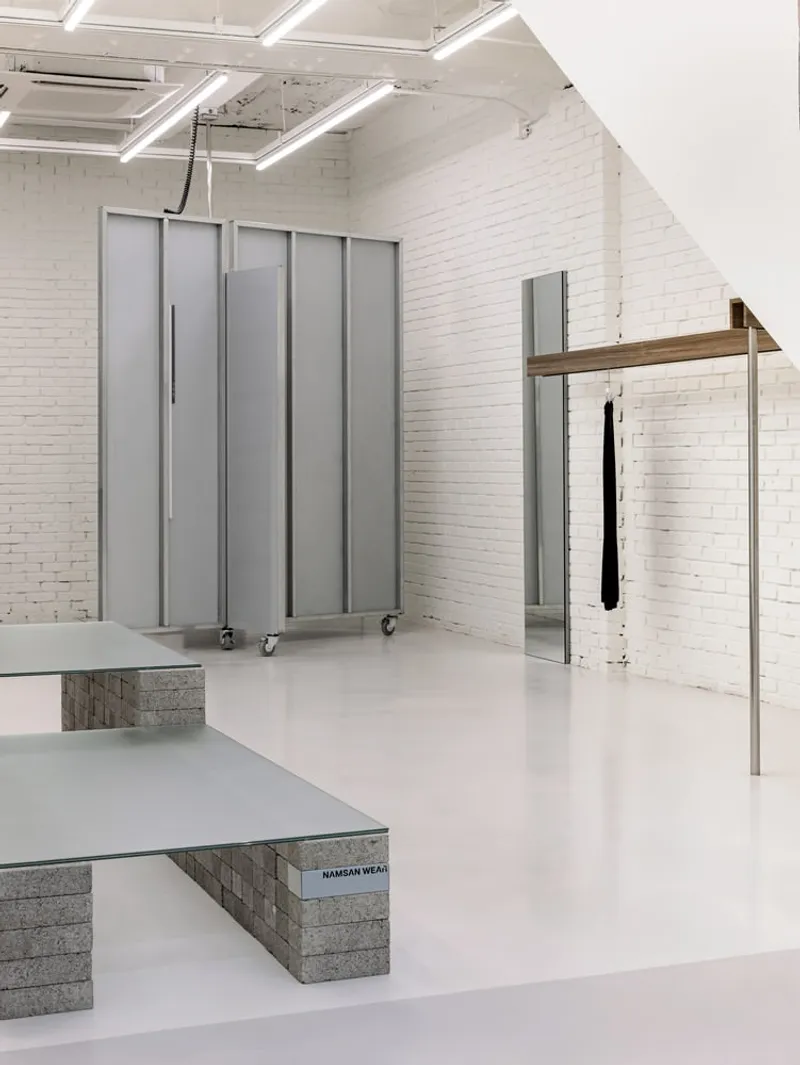
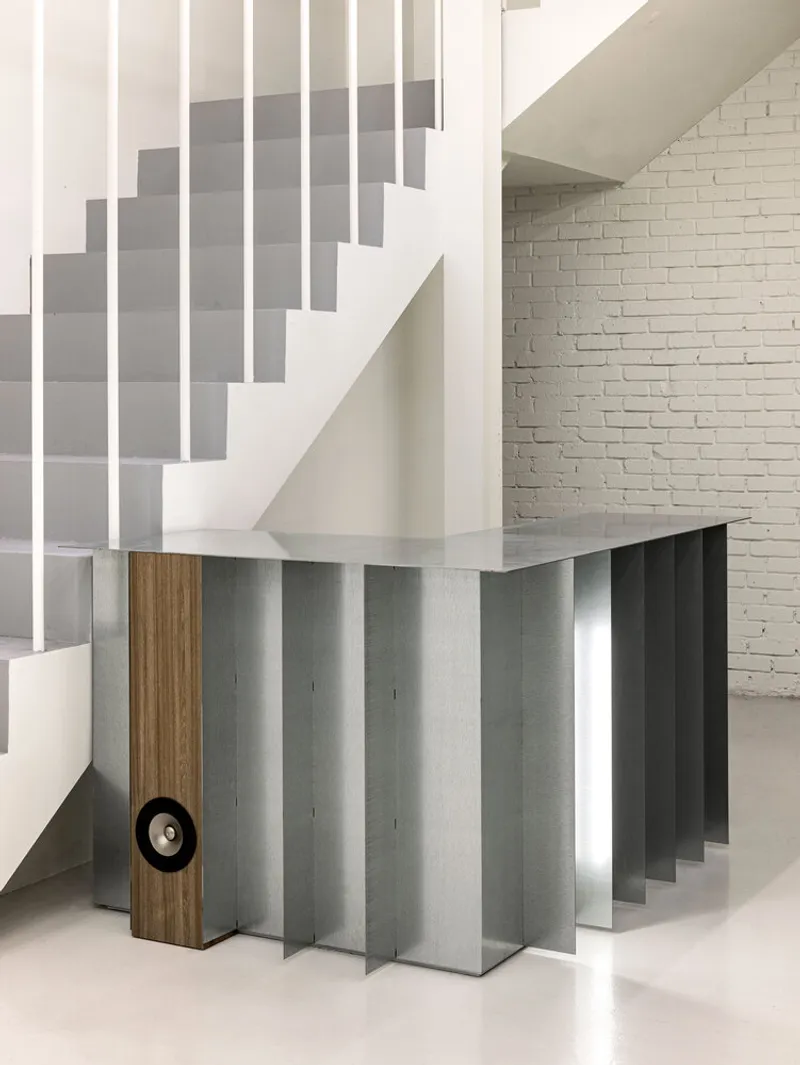
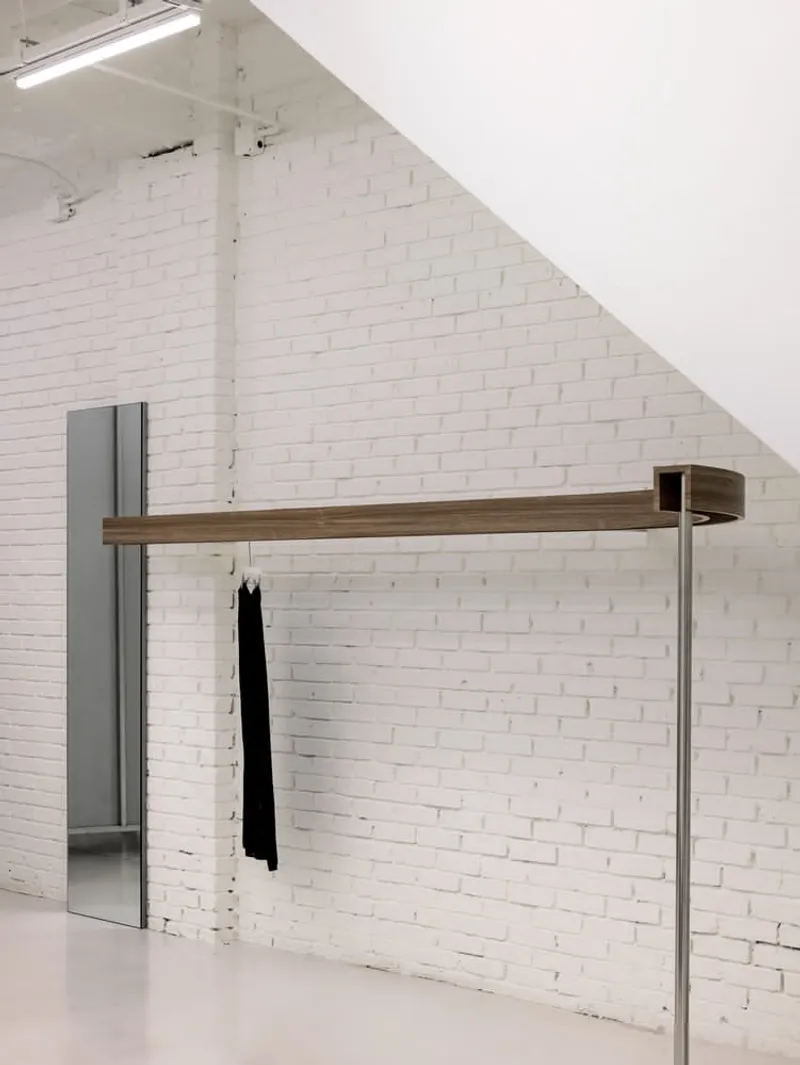
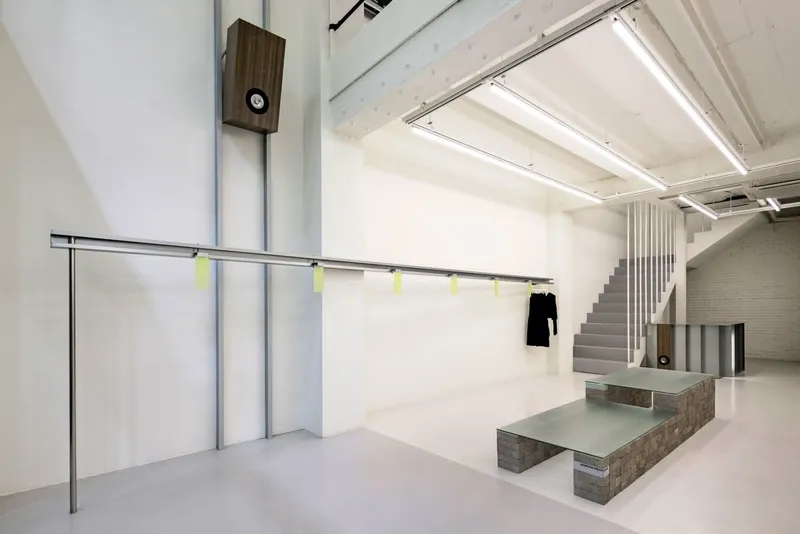
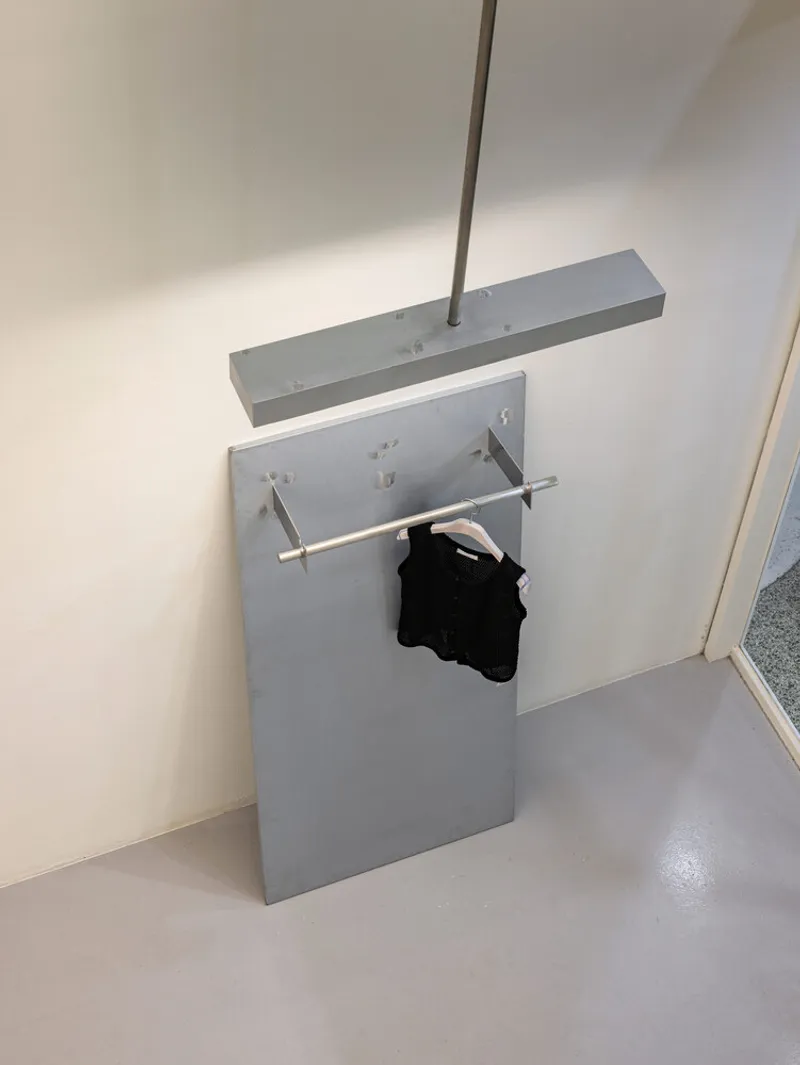
The design of Namsan Wearhouse emphasizes flexibility and minimalism, allowing a variety of products to be displayed without overwhelming the space. The interior features monotonous furniture compositions, which act as a neutral backdrop to the colorful merchandise. A continuous wall hanger runs across the length of the store, adding depth to the interior, while wall-mounted speakers along the open ceiling enhance the dramatic visual experience upon entering.
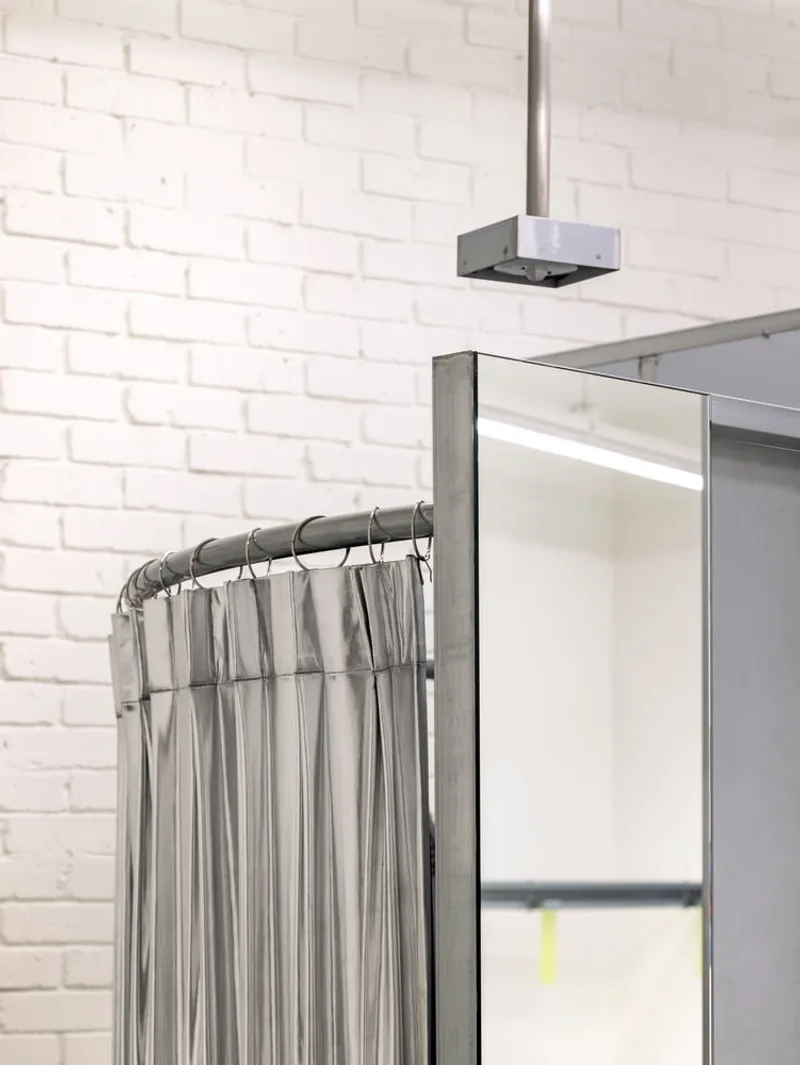
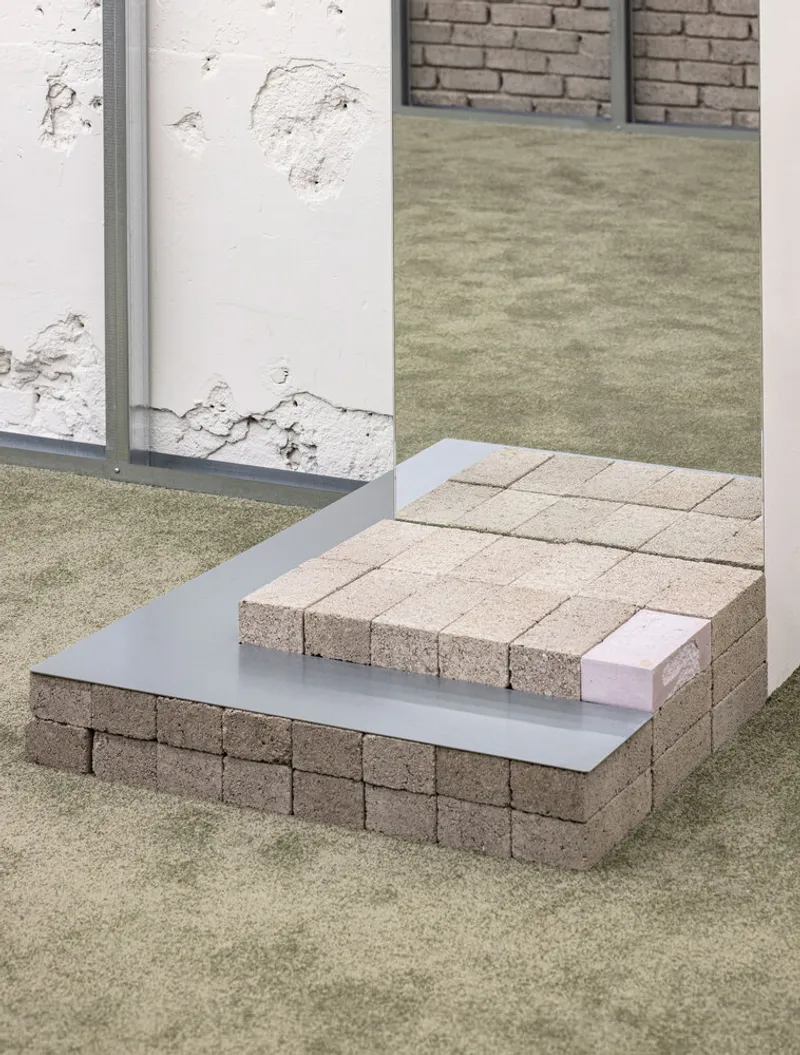
The first-floor displays utilize rail parts often used in curtains, connected to S rings to showcase bags, hats, and smaller items. The modular nature of this system allows the positions of products to adapt to their size and scale, creating a dynamic yet cohesive presentation. The central display features custom brickwork and glass, echoing the natural hues of Namsan flowers, integrating a subtle local cultural reference.
Functional and Innovative Fitting Rooms
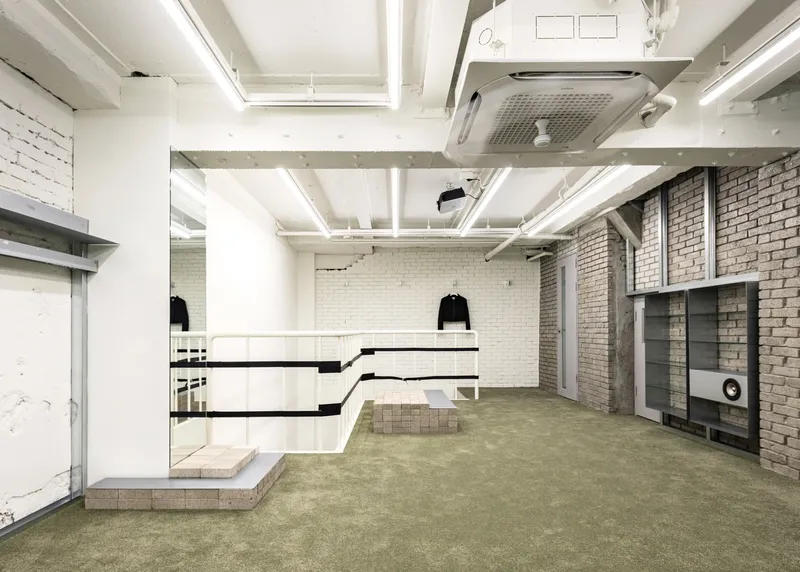
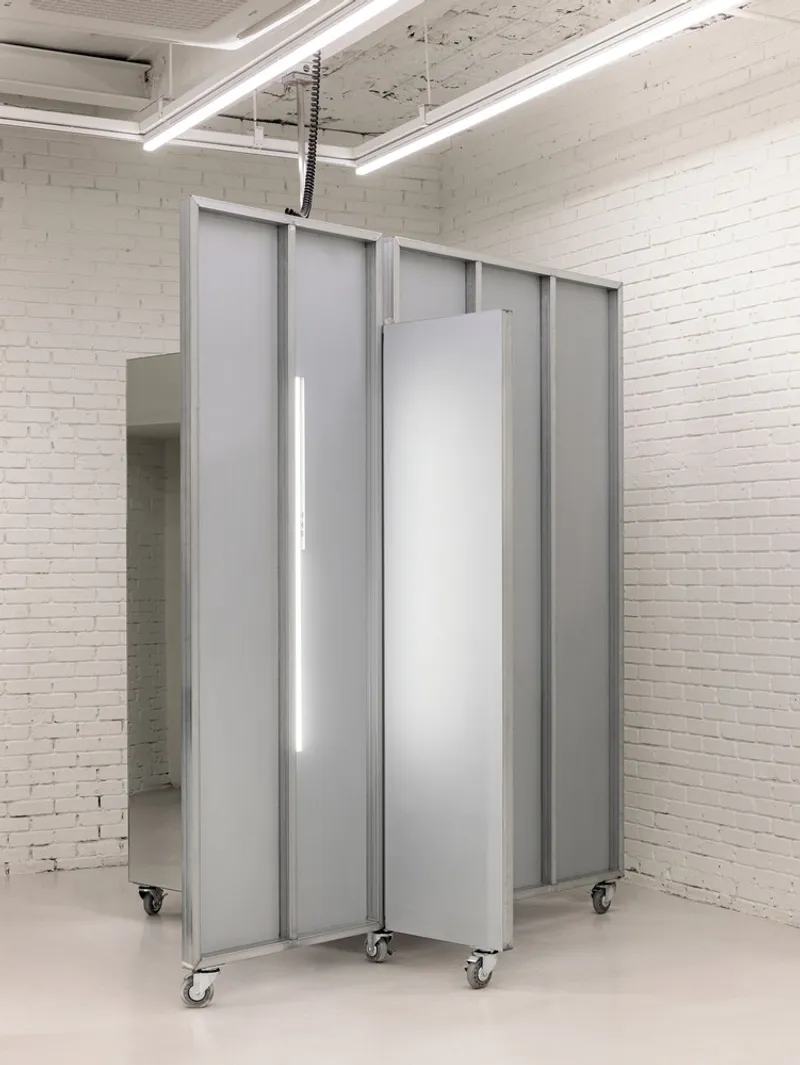
Understanding the importance of functionality, the fitting rooms were designed with movable furniture, ensuring versatility in a limited footprint. Sensors detect user movement, automatically turning on external lights to indicate occupancy, blending technology seamlessly with design.
Materiality and Longevity
Namsan Wearhouse celebrates raw materials and natural textures, allowing surfaces and finishes to age gracefully over time. The architects envisioned the space as timeless and enduring, inviting visitors to return and experience the store repeatedly. This approach aligns with sustainable design principles and highlights the potential for adaptive retail interiors in urban Seoul.
All photographs are works of
Yongjoon Choi




Popular Articles
Popular articles from the community


The Musturak Paradise: Senior Living Architecture for a Connected Future in Temara, Morocco
The Musturak Paradise reimagines senior living architecture in Temara via private homes, social spaces, culture, community, and shared care.

The Ocean Hive: Sustainable Architecture for a Self-Sufficient Civilization at Sea
The Ocean Hive imagines sustainable architecture at sea, where modular habitats, algae, wave power and ocean waste sustain a growing colony.

Co-life: Sustainable Architecture for Age-Friendly Community Living
Co-life reimagines sustainable architecture for seniors through courtyards, rammed earth, shared gardens, and spaces designed for belonging.

Riyadh For All: Intergenerational Urban Design for Active Aging in Rabat
Riyadh For All reimagines urban design in Rabat with intergenerational co-living, adaptive courtyards, and Moroccan cultural exchange today.

Similar Reads
You might also enjoy these articles


Hodi-Mandai Geram
Project Function: Preservation and revitalization of the Intangible heritage and socio-spatial identity of the Hodi by Housing, Cultural Memory Center, Sacred Grove, landscape, local tourism economy


Olio Towers: A Mid-Rise for Performers That Fuses Housing, Rehearsal, and Stage
Located blocks from Houston's Theater District, this modular tower stacks living units around a central performance atrium.

Oasis: Modular Green Housing Carved into Dhaka's Urban Fabric
A shortlisted Plugin Housing entry reclaims unauthorized settlements in Dhaka with stepped concrete volumes, green roofs, and ventilation-driven design.

Black Hole: A Floating Megastructure for the Post-Physical Era
Emiliano Mazzarotto envisions a spherical, self-scaling arena where e-sports, digital hotels, and holographic stadiums replace traditional public space.


Explore Interior Design Competitions
Discover active competitions in this discipline


Challenge to design luxury tourism on rails


Challenge to reimagine the Iron Throne


Photograph architecture without architects


VR headsets Storefront design competition
Comments (0)
Please login or sign up to add comments
No comments yet. Be the first to comment!