
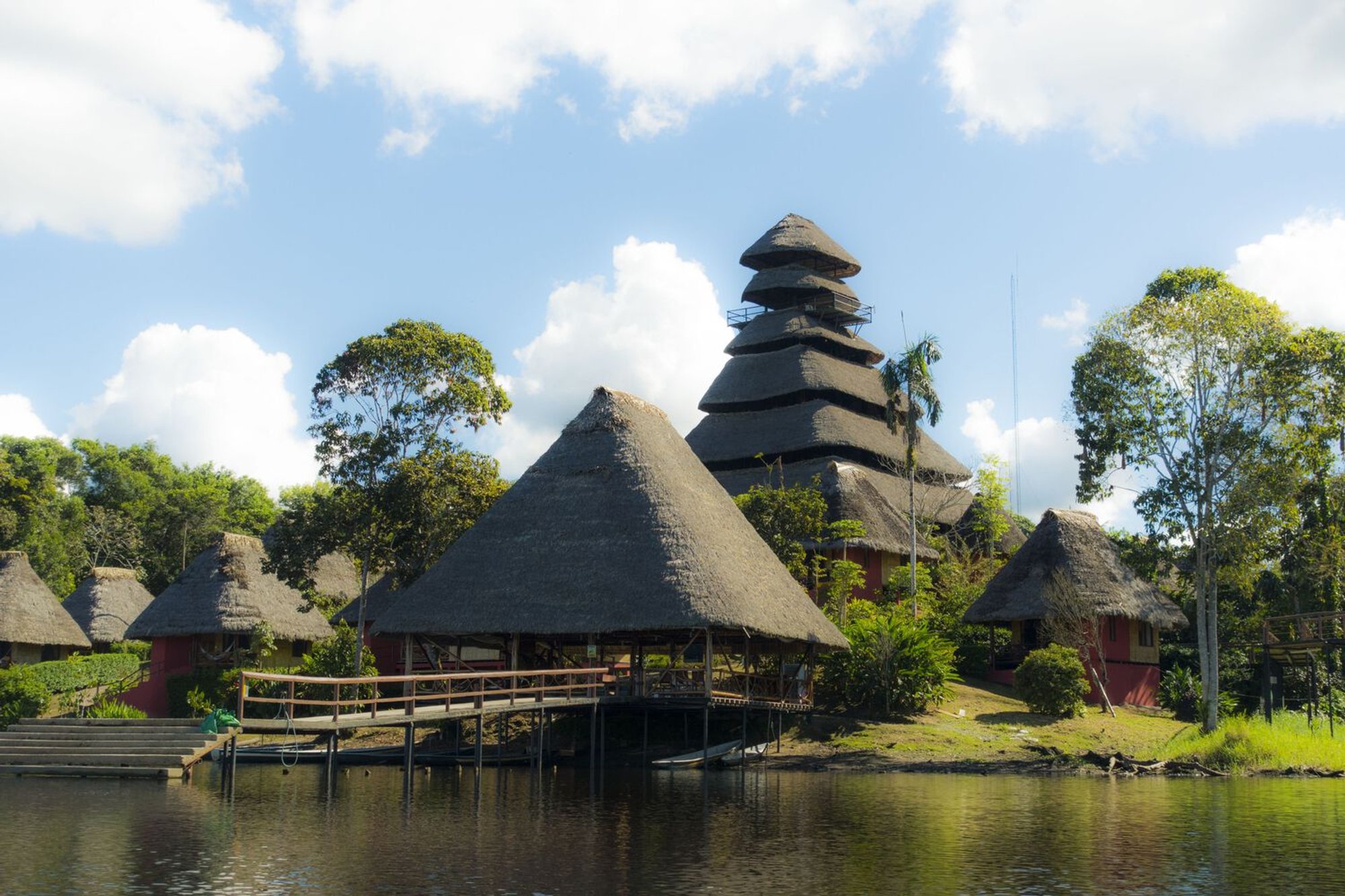
Napo Native Fauna Center Tower: A Landmark of Sustainable Architecture and Indigenous Collaboration in the Amazon
Sustainable timber tower in Ecuador’s Amazon blending indigenous knowledge and modern design for eco-tourism, community empowerment, and biodiversity conservation.

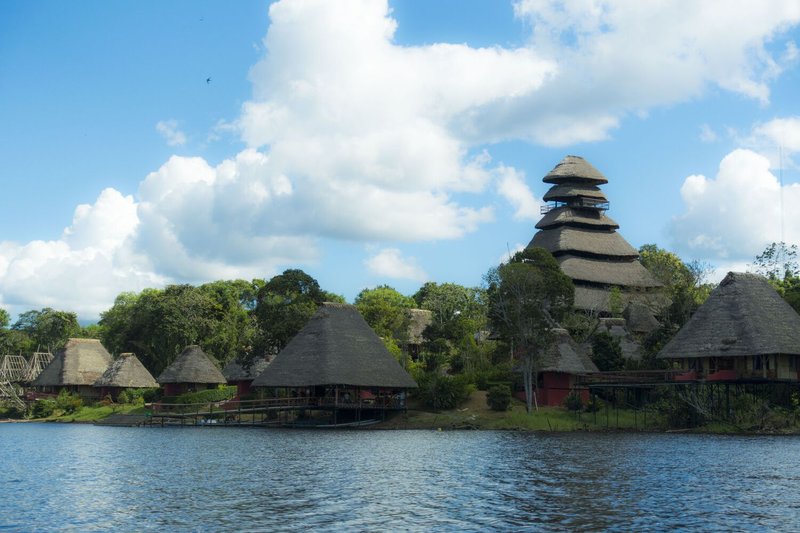
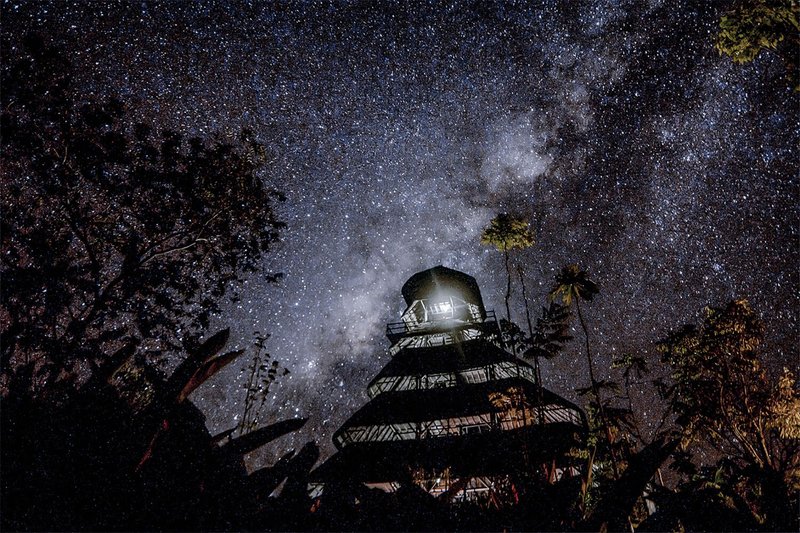
Nestled deep within the pristine landscapes of Ecuador’s Yasuni National Park, the Napo Native Fauna Center Tower stands as a powerful symbol of architectural innovation, community-led development, and ecological stewardship. Designed by Caá Porá Arquitectura in collaboration with Pinxcel and the Comunidad Kichwa Añangu, this seven-story, 30-meter-high structure blends traditional wisdom with sustainable engineering to serve both cultural and eco-tourism functions.
From Subsistence to Sustainable Tourism: A Community’s Vision
In 1998, the Kichwa Añangu community made a bold decision to shift from agriculture and hunting to a new model centered on eco-tourism and conservation. This transition aimed to preserve the region’s unparalleled biodiversity, while also improving the quality of life for its people. With the establishment of the Napo Wildlife Center, the community successfully created an internationally renowned eco-lodge that would become a cornerstone for regional development.
Over the next decade, surplus revenue from tourism was reinvested into vital areas such as education, health, cultural preservation, and biodiversity protection, allowing the Añangu people to become stewards of both nature and their own future.
An Architectural Response to the Amazon’s Unique Challenges
The Napo Native Fauna Center Tower was born from a specific community need: a multifunctional space that could serve as a dining facility, cultural hub, and elevated observation platform, capable of operating even during extreme Amazonian weather conditions. The site’s geography—a small pocket of dry land surrounded by swamp—alongside seismic vulnerability and exposure to high-speed treetop winds, posed significant challenges.
Rather than seeing these as obstacles, the design team engaged in participatory workshops with the community to co-create a building that would reflect Kichwa values, architectural resilience, and contemporary standards of hospitality.
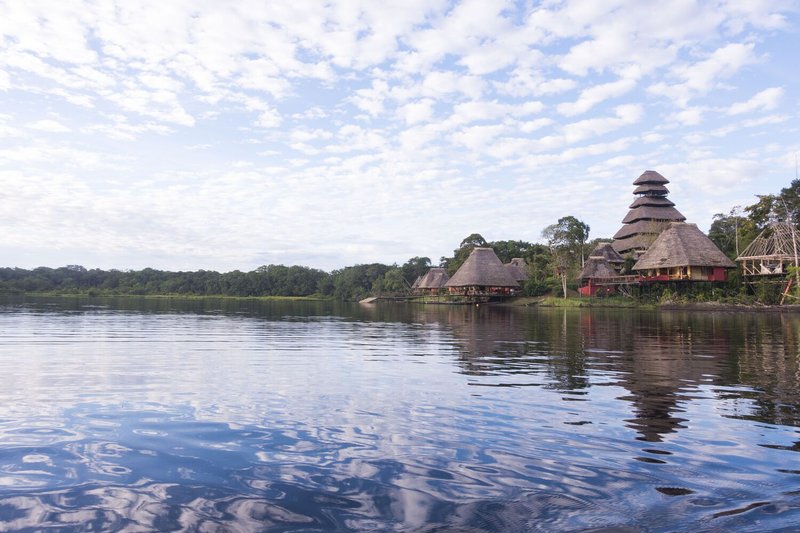
A Hybrid Structure Rooted in Ancestral Knowledge and Innovation
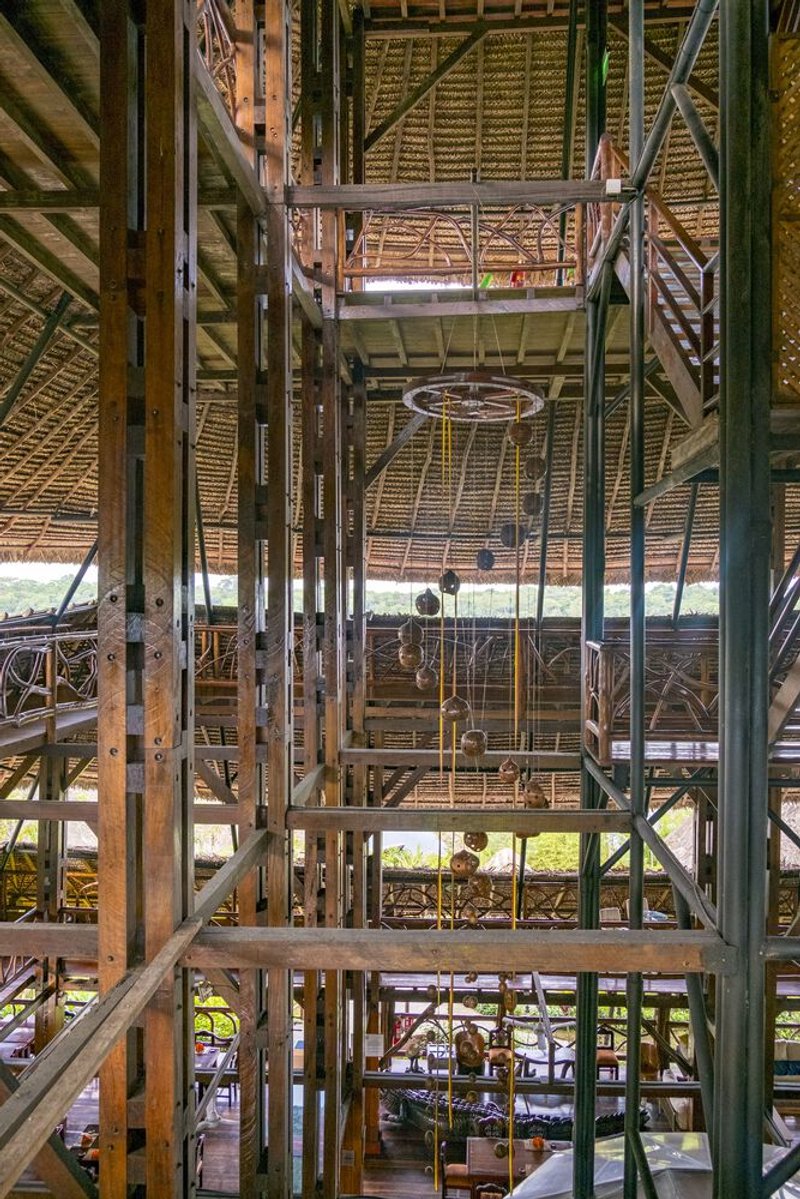
Constructed from a hybrid system of local hardwood and recycled oil drilling pipes, the tower is an embodiment of cultural syncretism. The use of recycled steel components not only addresses sustainability and seismic resistance but also enables the vertical structure to withstand winds exceeding 100 km/h. The mixed-material composite columns reduce material usage while enhancing structural integrity—making the tower the tallest timber structure in the Ecuadorian Amazon, and one of the tallest in the country.
The roofing, made with toquilla straw and royal palm leaves, provides long-term durability (lasting over 20 years) and shelters panoramic platforms that offer immersive views into the Amazon rainforest canopy—ideal for birdwatching, environmental education, and tourism.
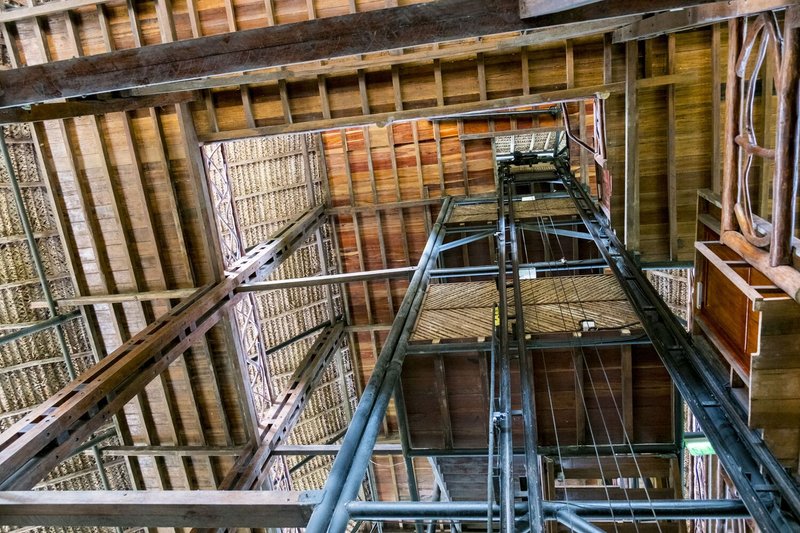
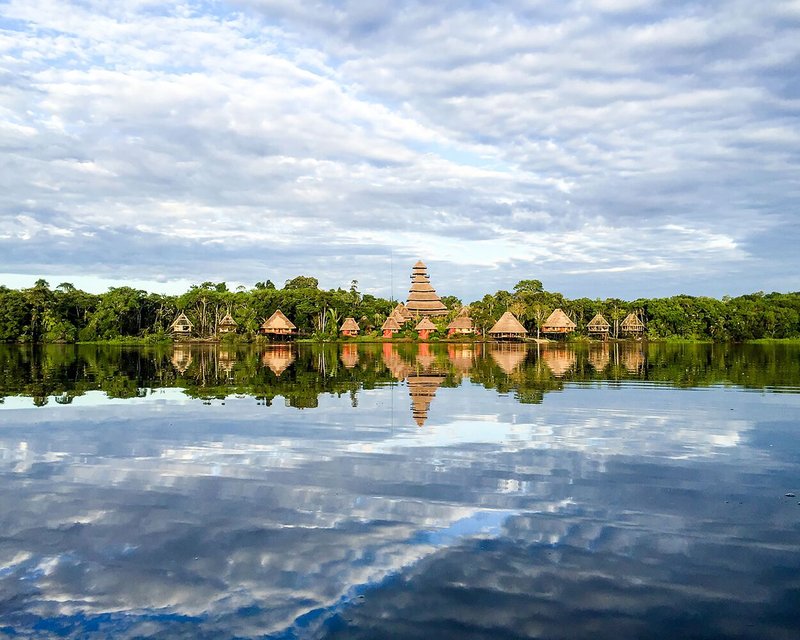
Community Empowerment Through Architecture
Beyond its physical form, the tower represents a profound social and cultural achievement. Children and families of the Añangu community now have a tangible symbol that modernity and ancestral heritage can coexist in harmony. It also expands the Napo Wildlife Center’s capacity to host guests, educate visitors, and increase its global visibility in ecotourism markets.
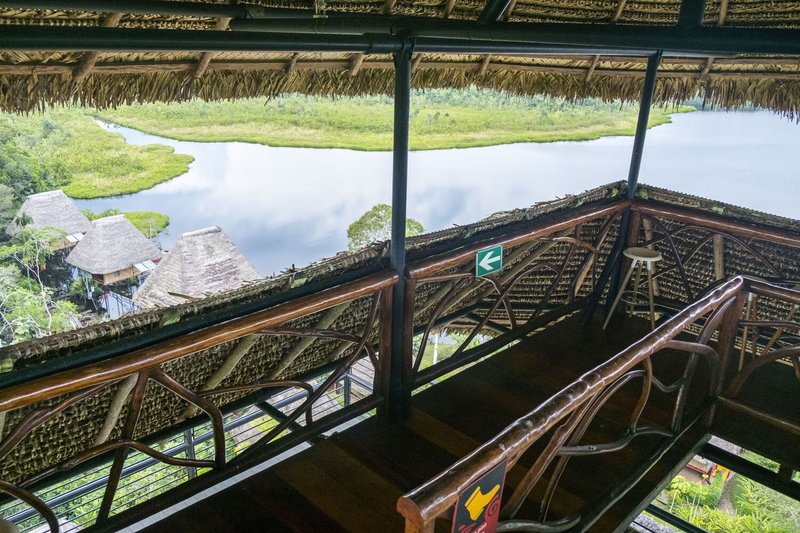
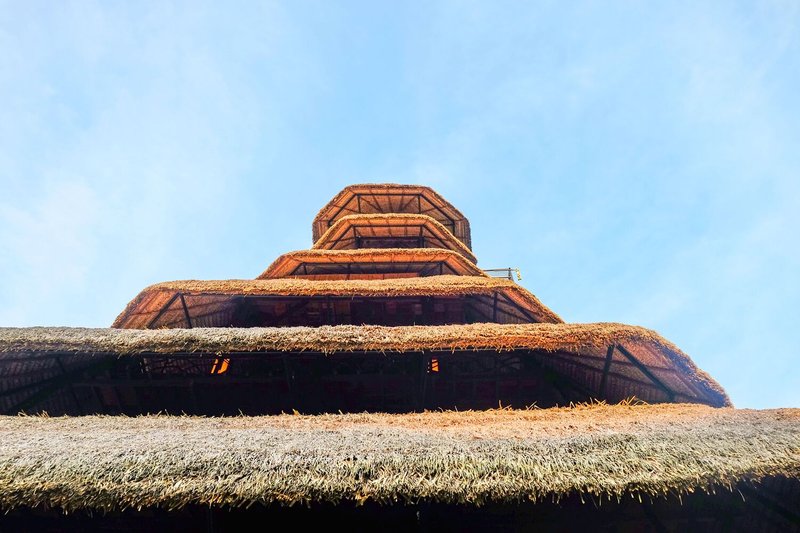
All photographs are works of Gabriel Moyer-Perez / Jose Luis Machado




Popular Articles
Popular articles from the community

Bood Design Bureau Splits a Gilan Residence in Two to Let the Forest In
Double Side House negotiates privacy and openness through interlocking concrete volumes and planted courtyards in northern Iran's humid Caspian lowlands.

20 Most Popular Commercial Architecture Projects of 2025
From sustainable market concepts to heritage factories, the commercial buildings and proposals that drew the most attention on uni.xyz this year.
Guangzhou's Twin Towers Interiors Move Like Water
DuShe Architectural Design shapes the lobbies of a massive Guangzhou transit hub with undulating ceilings and deep geological materiality.
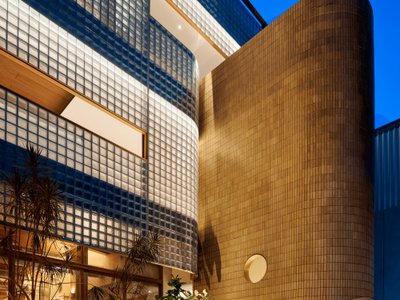
Gunawarman 35: Jakarta's Corner of Quiet Complexity
WOFF's mixed-use building in Jakarta pairs translucent glass block walls with a buff brick cylinder to hold coffee, wellness, and work under one roof.


Similar Reads
You might also enjoy these articles

Filtering Space: A Gradual Spatial Experience
From urban intensity to spatial calm.


The Ken Roberts Memorial Delineation Competition (Krob)
As the most senior architectural drawing competition currently in operation anywhere in the world, it draws hundreds of entries each year, awarding the very best submissions in a series of medium-based categories.

Waterfront Redevelopment and Urban Revitalization in Mumbai: Forging a New Dawn for Darukhana
A transformative waterfront redevelopment project reimagining Darukhana’s shipbreaking heritage into an inclusive urban future.

OUT-OF-MAP: A Call for Postcards on Feminist Narratives of Public Space
Rhizoma Design and Research Lab invites artists, designers, architects, researchers, and students to reflect on how feminist perspectives can reshape public space. Selected works will be exhibited in Barcelona, October 2026. Submissions open until 15 April 2026.


Explore Architecture Competitions
Discover active competitions in this discipline




The International Standard for Design Portfolios


The Global Benchmark for Architecture Dissertation Awards


The Global Benchmark for Graduation Excellence


Challenge to reimagine the Iron Throne
Comments (0)
Please login or sign up to add comments
No comments yet. Be the first to comment!