
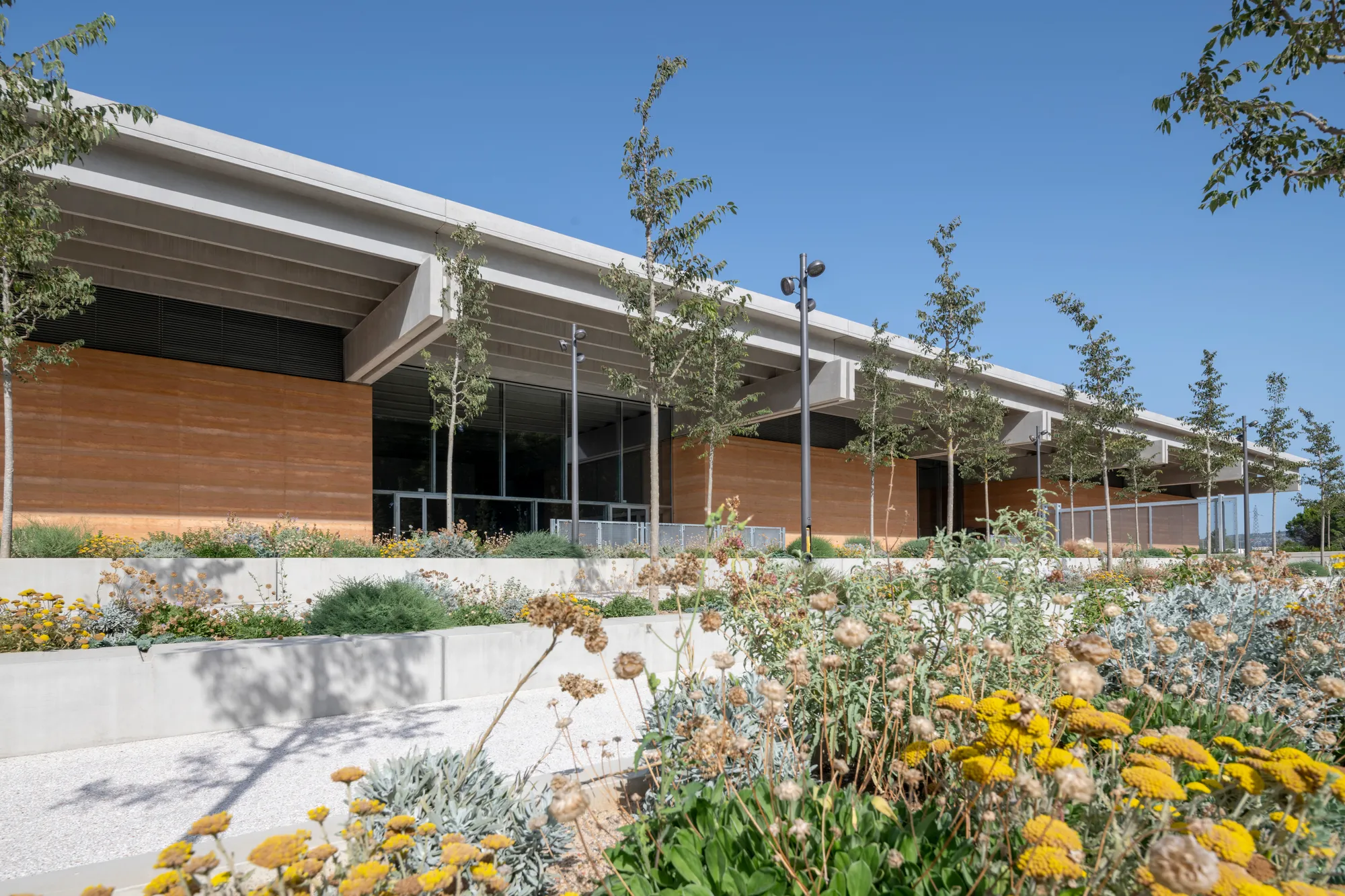
Narbo Via Museum: A Landmark of Roman Heritage and Modern Architecture by Foster + Partners
Narbo Via Museum in Narbonne by Foster + Partners blends Roman heritage with modern sustainable architecture, featuring galleries, Lapidary Wall, and gardens.


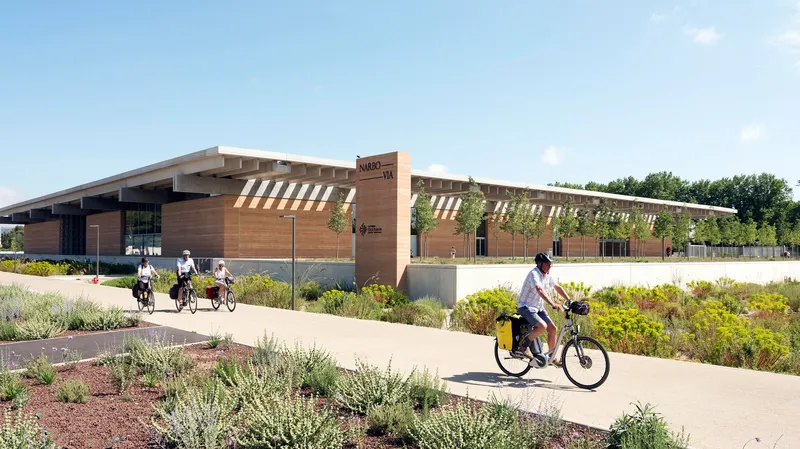
The Narbo Via Museum in Narbonne, France, designed by the world-renowned firm Foster + Partners, is a striking new cultural landmark that beautifully merges Roman antiquity with contemporary architecture. Officially opened in 2020, this museum of Roman antiquities has quickly become an iconic gateway to the city, situated near the Canal de la Robine, a UNESCO World Heritage site.
Architectural Vision and Design
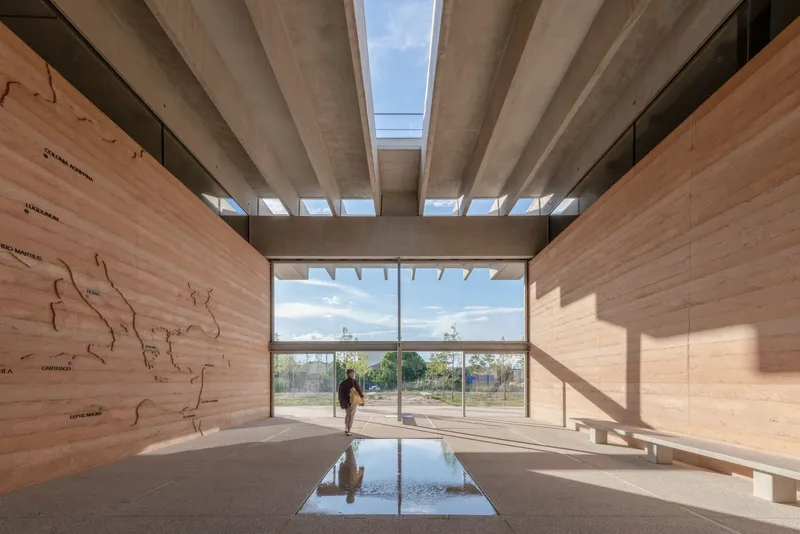
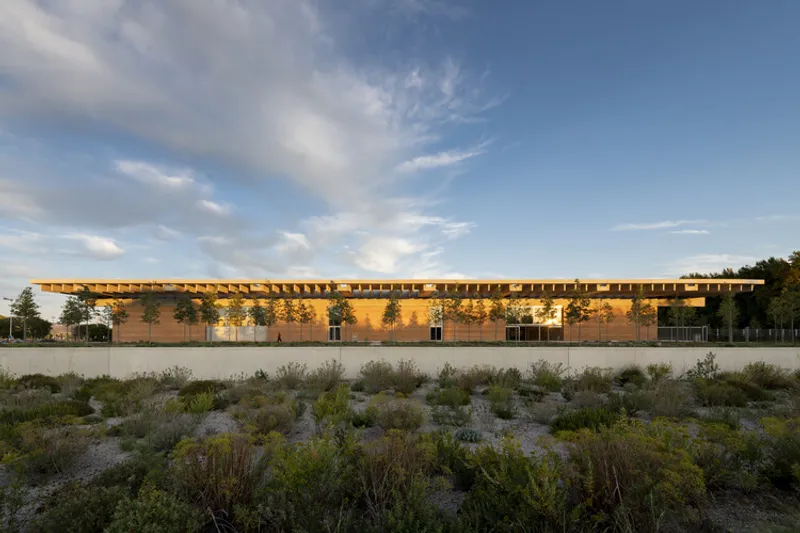
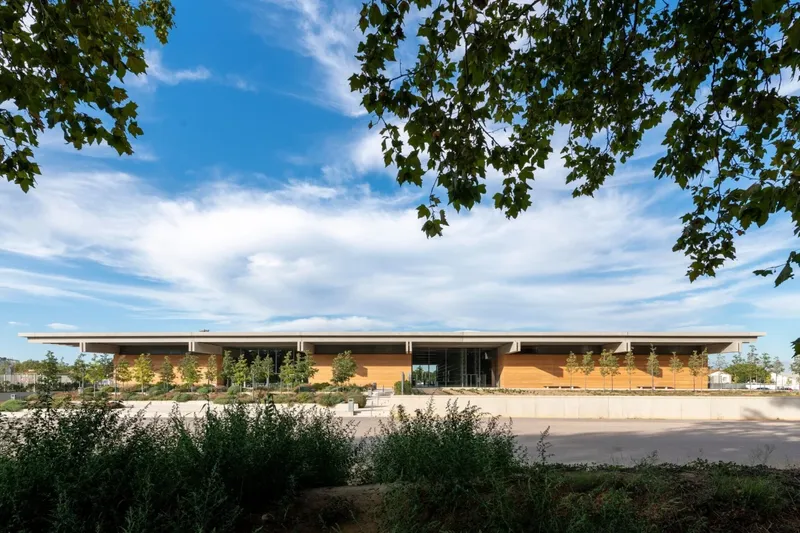
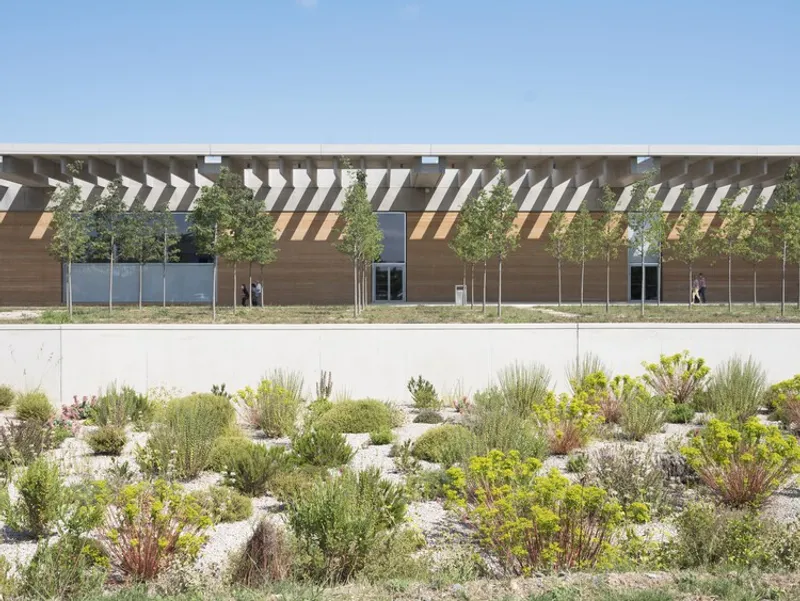
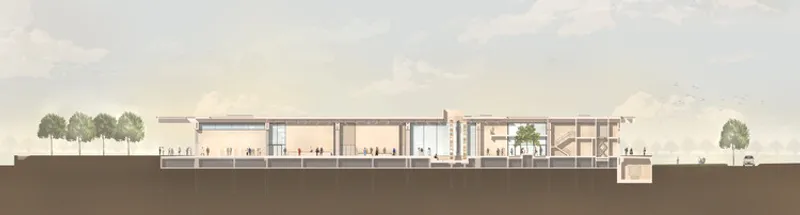
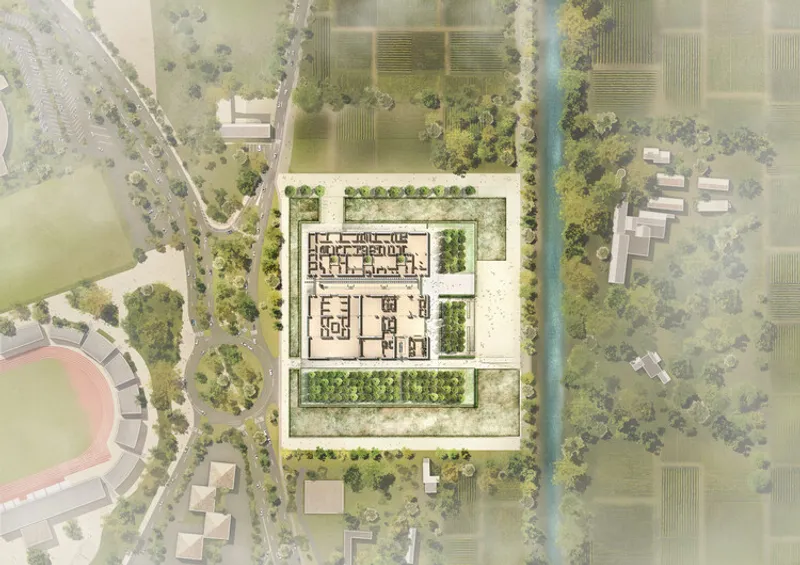
Raised on a monumental podium, the Narbo Via Museum creates a powerful architectural presence while remaining welcoming and human-scaled. The museum spans 9,689 square meters and houses permanent and temporary galleries, a multimedia education center, auditorium, restaurant, bookshop, and advanced research, storage, and restoration facilities. Externally, the museum grounds feature formal gardens and an amphitheatre for outdoor performances, echoing the Roman tradition of civic gathering spaces.
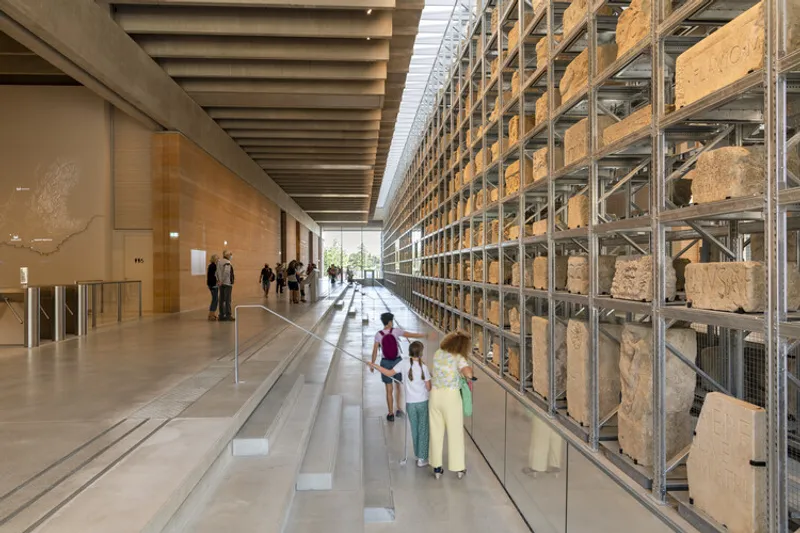
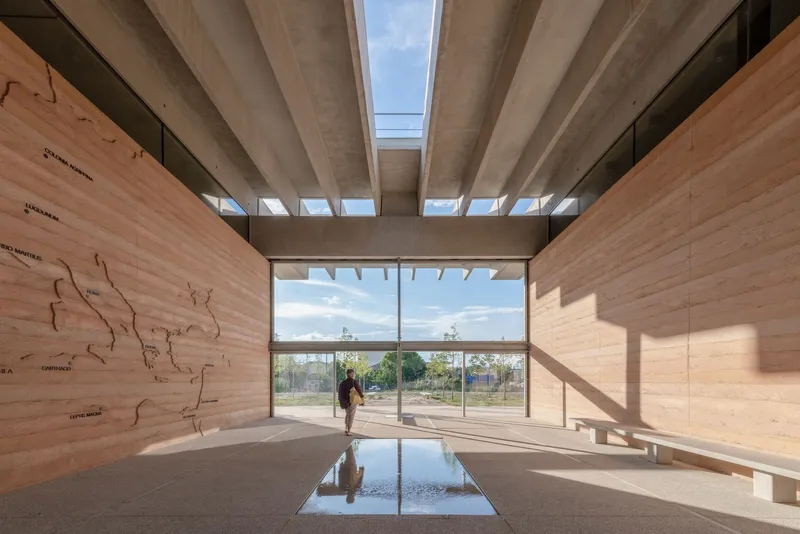
At the heart of the design is the Lapidary Wall—a monumental display system that integrates over 760 fragments of Roman funerary stones. Acting as both a boundary and a living exhibition, the wall allows visitors to witness archaeological work firsthand, blurring the line between public gallery spaces and private research areas.
Materiality and Roman Inspiration
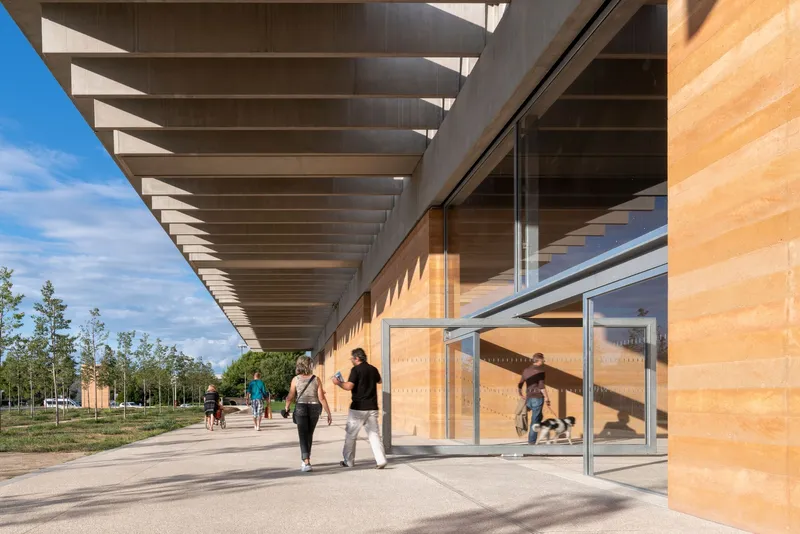
The architectural expression is deeply rooted in history, with walls made of stratified colored concrete, evoking both Roman concrete and the layered nature of archaeological digs. The structure is intentionally minimalist yet monumental, combining load-bearing concrete walls, reinforced double-T beams, and high clerestory ceilings to create vast, light-filled interiors.
The building’s design also incorporates sustainable environmental strategies inspired by ancient Roman engineering. The concrete roof canopy provides thermal mass and integrates light wells for natural illumination. Meanwhile, a subterranean air system channels cool air at low velocity, reducing energy use while maintaining comfort. These features create a balance between monumental solidity and environmental efficiency.
Landscape and Urban Connection
The surrounding landscaping reinforces the connection with the canal, creating a serene transition from the museum to the city. Inspired by formal French gardens and Roman courtyards, the outdoor spaces encourage community gatherings and cultural performances. A new landscaped ramp links the museum to the towpath along the Canal de la Robine, making the city center just a short, scenic walk away.
Cultural Significance
The Narbo Via Museum is more than just a cultural institution—it is a bridge between Roman heritage and modern urban life. By blending ancient architectural references with contemporary design principles, Foster + Partners have created a timeless building that embodies the memory of the past while serving the needs of the present.
The museum stands as a testament to sustainable architecture, cultural preservation, and the enduring influence of Roman innovation.
All the photographs are works of Nigel Young, Philippe Chancel, Philippe Chancel




Popular Articles
Popular articles from the community


Co-Life: Senior Housing Design That Reconnects Older Adults With the City
Co-Life reimagines senior housing design through healing gardens, shared streets, workshops, and a sustainable community across generations.

Co-life: Sustainable Architecture for Age-Friendly Community Living
Co-life reimagines sustainable architecture for seniors through courtyards, rammed earth, shared gardens, and spaces designed for belonging.

The Earth Pod: 3D Printed Homes for Resilient Refugee Communities
The Earth Pod reimagines refugee housing through 3D printed homes made from clay, combining resilience, self-sufficiency, and rapid shelter.

The Ocean Hive: Sustainable Architecture for a Self-Sufficient Civilization at Sea
The Ocean Hive imagines sustainable architecture at sea, where modular habitats, algae, wave power and ocean waste sustain a growing colony.


Similar Reads
You might also enjoy these articles


Hodi-Mandai Geram
Project Function: Preservation and revitalization of the Intangible heritage and socio-spatial identity of the Hodi by Housing, Cultural Memory Center, Sacred Grove, landscape, local tourism economy


Olio Towers: A Mid-Rise for Performers That Fuses Housing, Rehearsal, and Stage
Located blocks from Houston's Theater District, this modular tower stacks living units around a central performance atrium.

Oasis: Modular Green Housing Carved into Dhaka's Urban Fabric
A shortlisted Plugin Housing entry reclaims unauthorized settlements in Dhaka with stepped concrete volumes, green roofs, and ventilation-driven design.

Black Hole: A Floating Megastructure for the Post-Physical Era
Emiliano Mazzarotto envisions a spherical, self-scaling arena where e-sports, digital hotels, and holographic stadiums replace traditional public space.
Explore Cultural Architecture Competitions
Discover active competitions in this discipline



Challenge to reimagine the Iron Throne


Photograph architecture without architects


Illustrate the lost glory of Angkor Wat - Render Challenge


Bring back Drive In's
Comments (0)
Please login or sign up to add comments
No comments yet. Be the first to comment!