
National Office of Forests of Versailles: A Harmonious Forest-Inspired Pavilion by Atelier Delalande Tabourin
The Versailles Forest Office pavilion blends timber architecture, sustainable design, and immersive forest views, creating a functional, eco-friendly, and visually striking workspace.


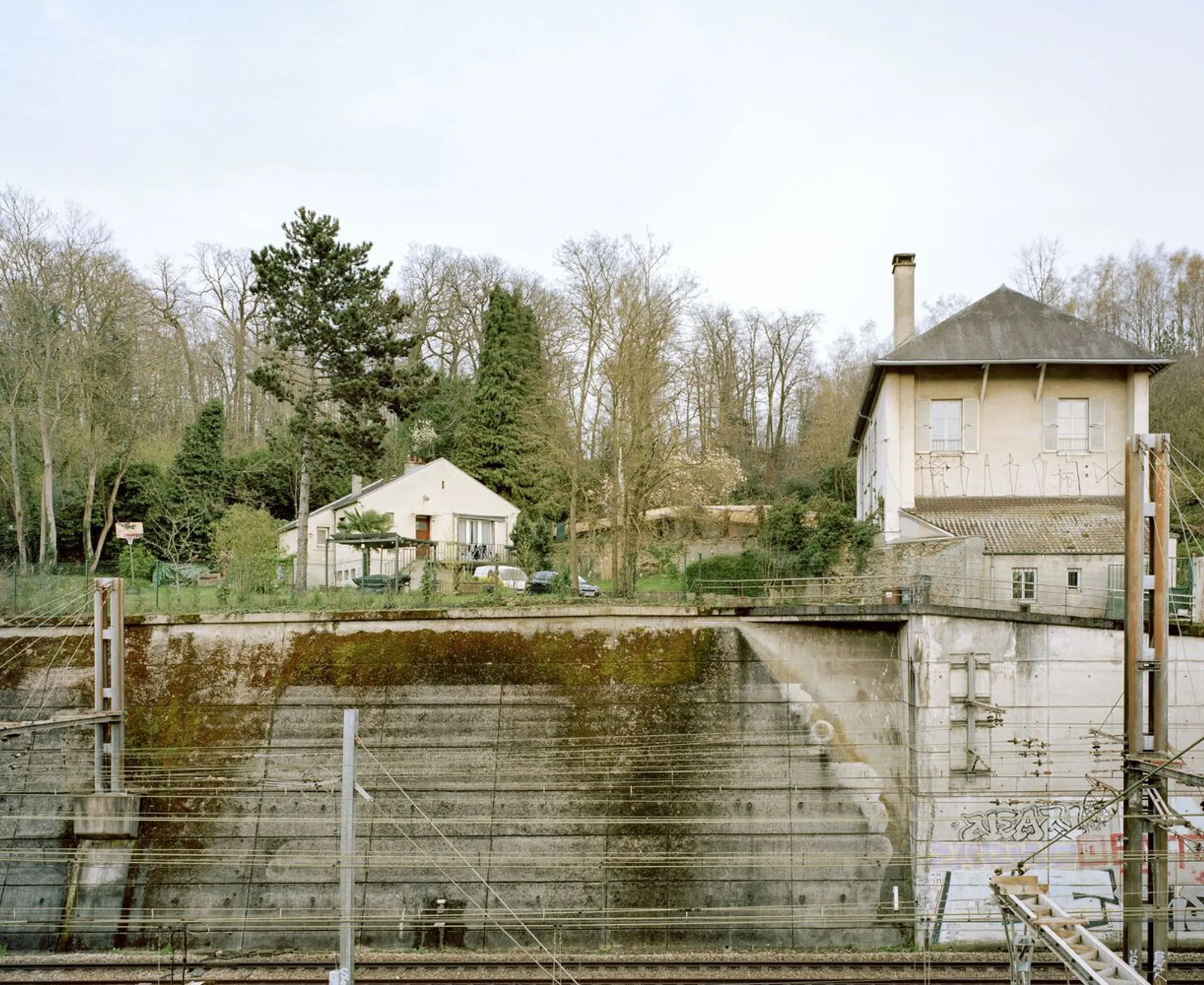
Positioned alongside a railway line, the existing building of the National Office of Forests of Versailles (ONF) serves as the gateway to the state-owned forest. Atelier Delalande Tabourin approached this project with a vision to extend the existing office building through a modest yet compelling pavilion that resonates with the surrounding forest.
The design strategy emphasizes volumetric clarity and natural materiality, reflecting the diverse functions of the ONF while creating a workplace that doubles as a spatial and landscaped experience. Visitors, whether collaborators or casual strollers, are invited to explore the pavilion as an immersive journey, where each corner celebrates the expertise of foresters.
Architecture Inspired by Nature
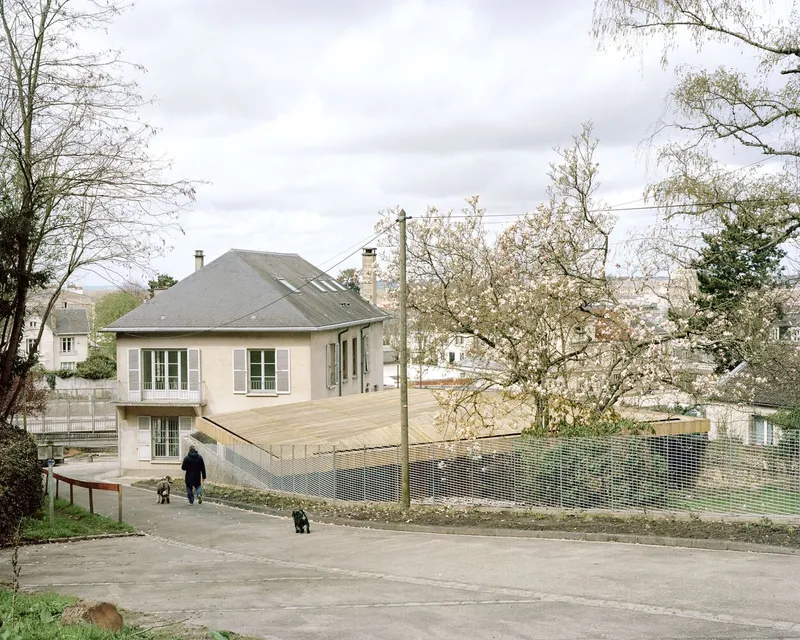
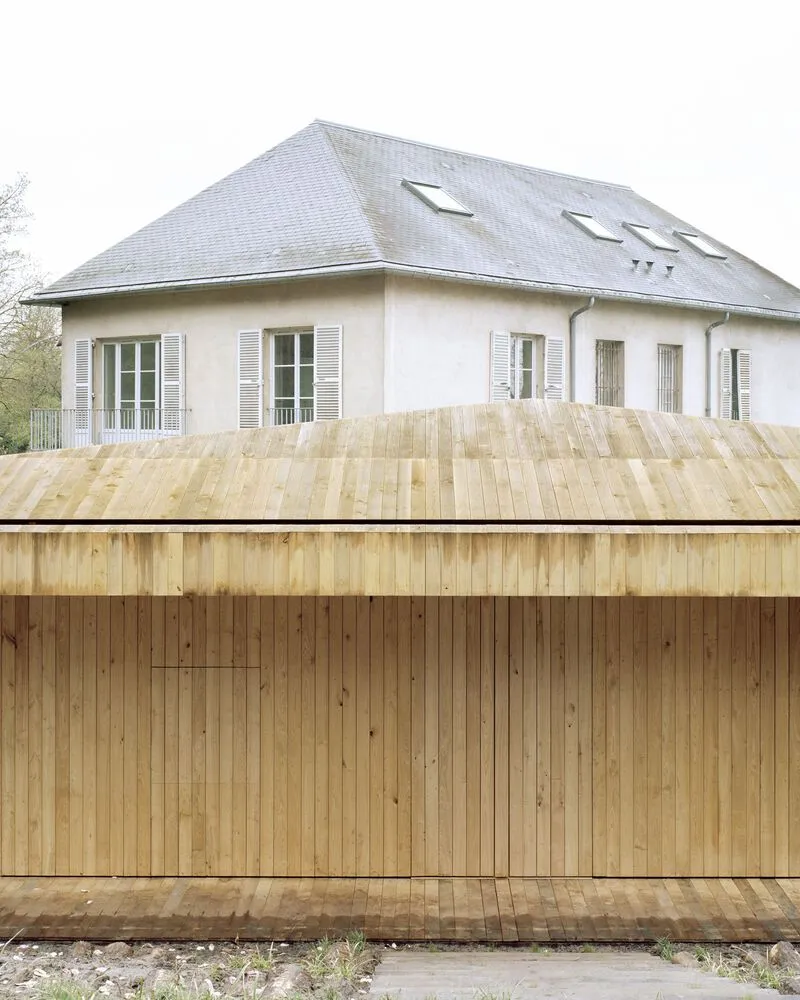
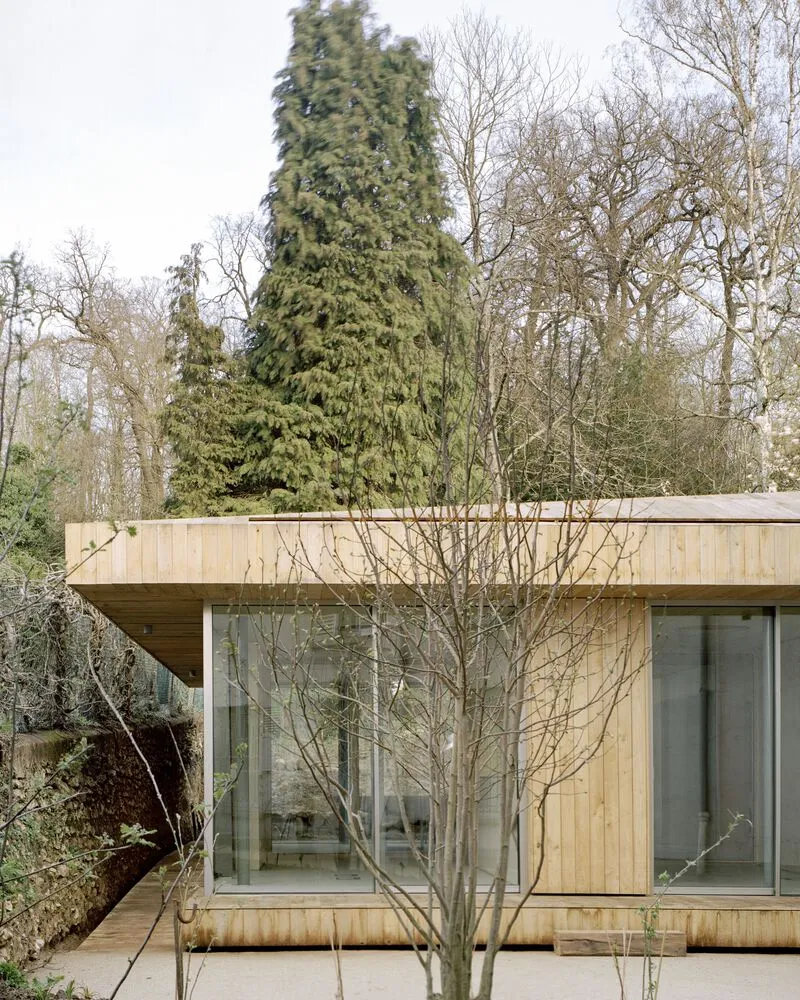
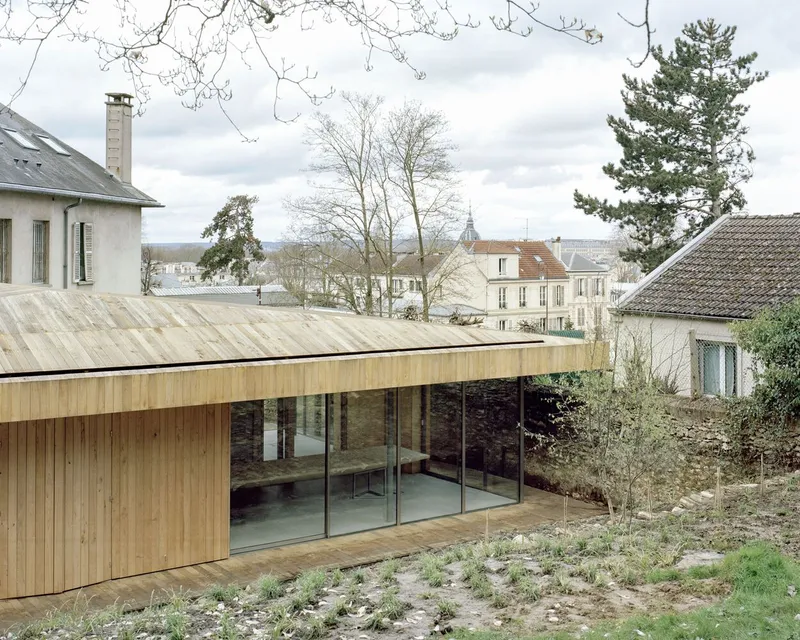
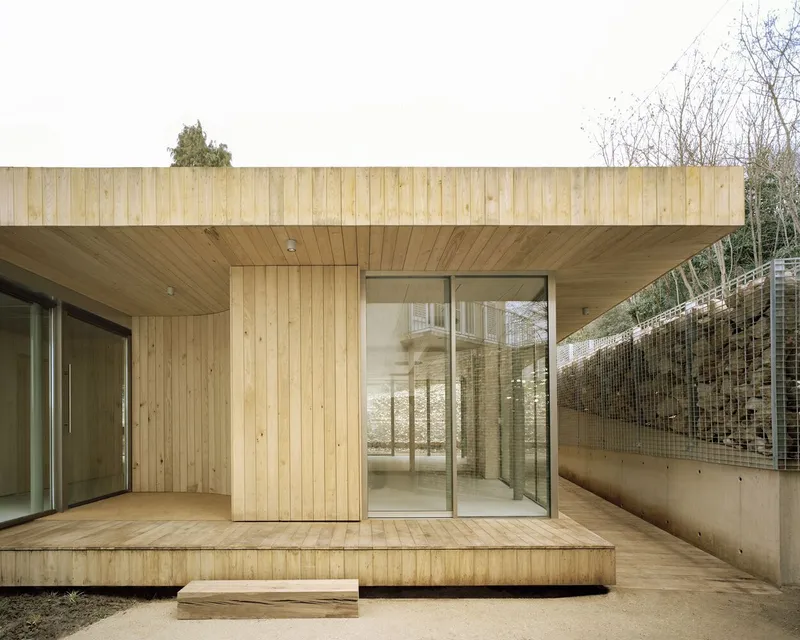
The pavilion’s form evokes a wooden sculpture delicately balanced upon timber blocks, symbolizing harmony between nature and built form. Its prominent roof rises visibly from forest paths, establishing the building as a landmark within the landscape. The structure maintains a dialogue with the existing building while accentuating the morphology of the surrounding forest.
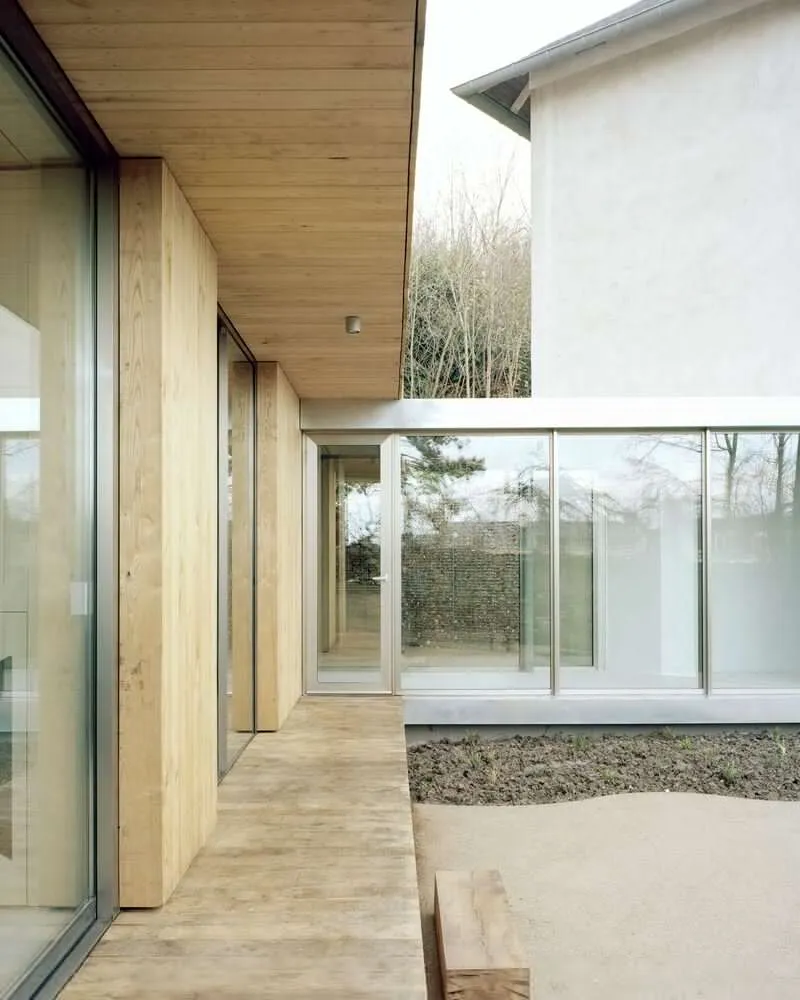
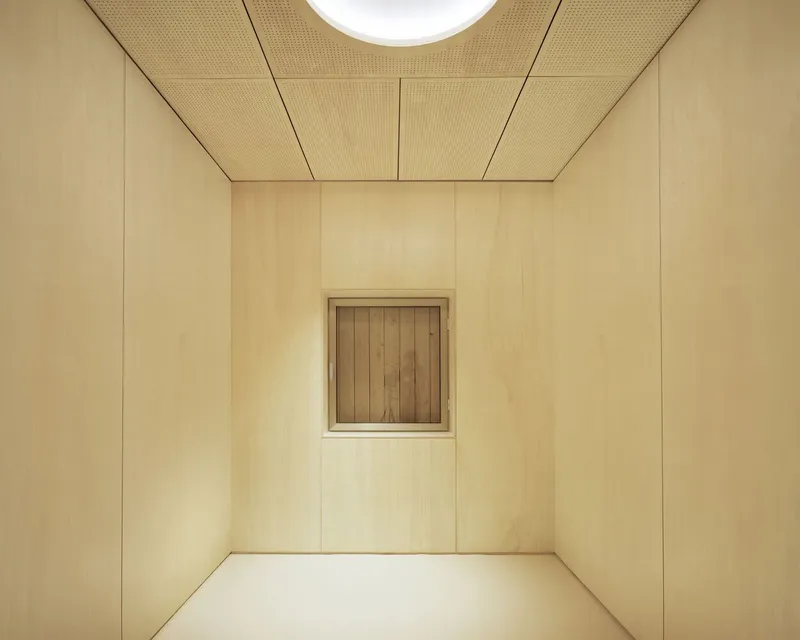
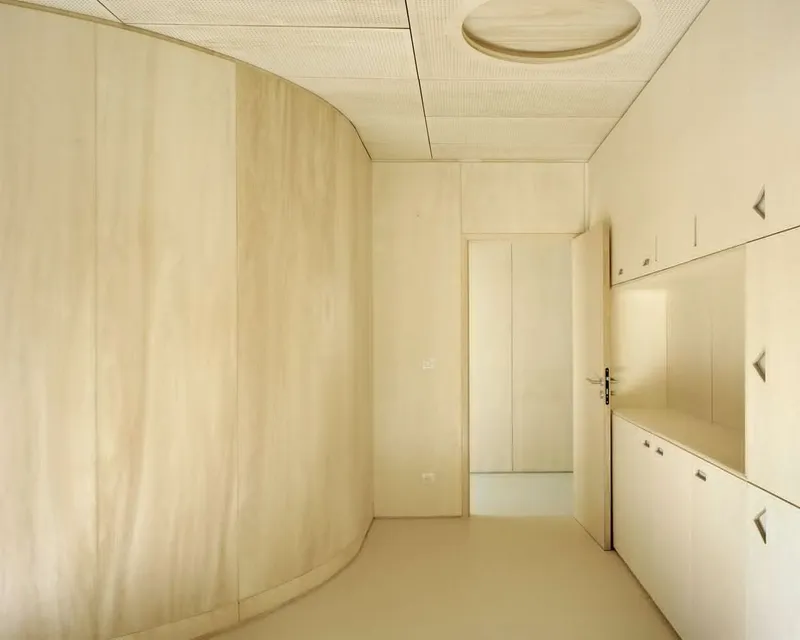
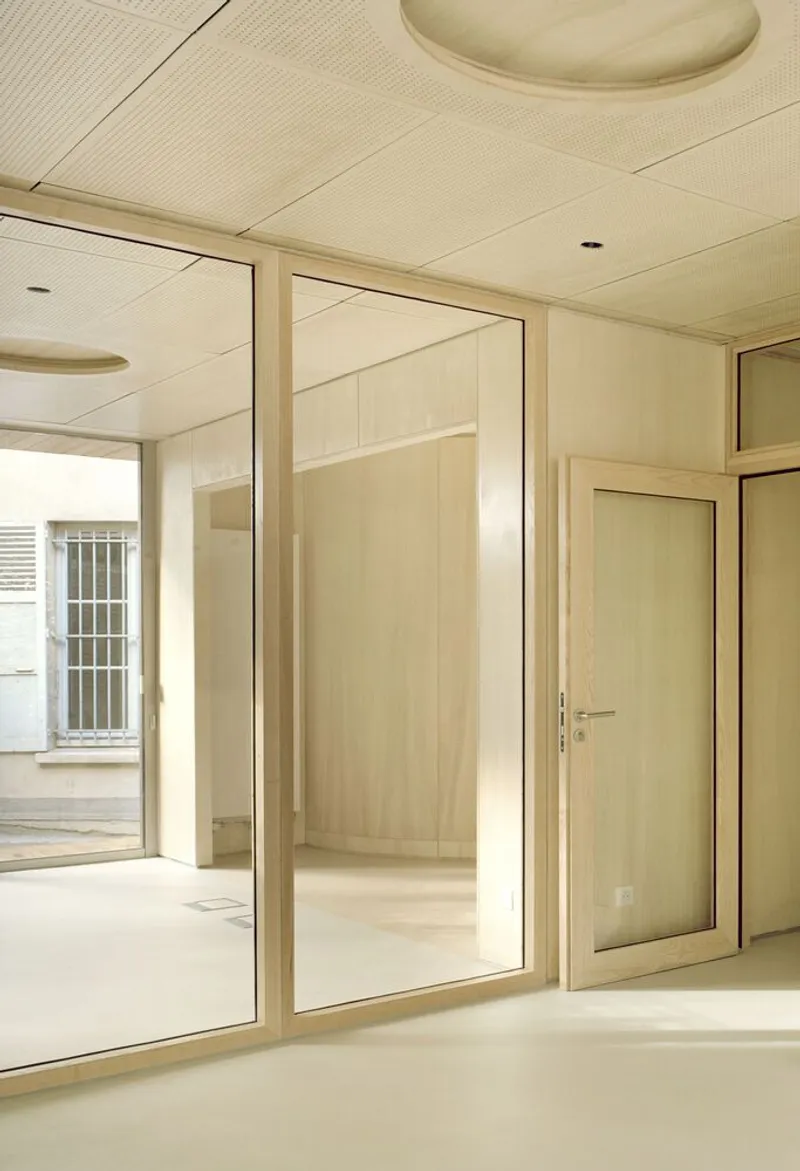
Internally, the pavilion guides users through spaces composed entirely of wood. Corridors frame views of the forest outside, with carefully orchestrated voids and masses directing circulation. The spatial organization differentiates served and serving areas, creating an intuitive flow through functional office spaces.
Sustainable Materiality and Craftsmanship
All wood used for the roof and façade originates from the Versailles state-owned forest, managed by the ONF. Logs were processed locally, allowing for thin chestnut wood slats and precise craftsmanship. A seven-month drying cycle ensured material longevity and stability.
The interior furnishings and signage are custom-made in wood, drawing inspiration from traditional woodcutter markings, seamlessly integrating craftsmanship with architectural identity. This approach creates a cohesive environment where material authenticity is at the forefront.
Climate-Responsive Design
The pavilion is designed for optimal environmental performance:
- Recessed positioning and an expansive wooden roof cap naturally protect offices from summer heat.
- Millstone walls retain coolness and enhance thermal comfort.
- High-performance biosourced insulation combined with natural cross-ventilation eliminates the need for artificial climate control.
- During winter, a biomass heating system ensures reliable warmth throughout the building.
Through these strategies, the pavilion achieves a sustainable, low-impact architecture that celebrates the forest context while prioritizing human comfort.
A Landmark of Forest Architecture
The National Office of Forests of Versailles pavilion exemplifies the seamless integration of architecture, craftsmanship, and natural landscape. By using locally sourced timber, sustainable construction methods, and sensitive volumetry, Atelier Delalande Tabourin created a workspace that inspires curiosity and connects deeply with its environment.
All photographs are works of Maxime Delvaux



Popular Articles
Popular articles from the community


The Musturak Paradise: Senior Living Architecture for a Connected Future in Temara, Morocco
The Musturak Paradise reimagines senior living architecture in Temara via private homes, social spaces, culture, community, and shared care.

Hill & Cross Opera: Sculptural Opera House Architecture Shaped by Tallinn’s Landscape and Identity
Hill & Cross Opera reimagines opera house architecture in Tallinn through its sculptural hill, civic plaza, glass wave and a luminous cross.

The Earth Pod: 3D Printed Homes for Resilient Refugee Communities
The Earth Pod reimagines refugee housing through 3D printed homes made from clay, combining resilience, self-sufficiency, and rapid shelter.

Riyadh For All: Intergenerational Urban Design for Active Aging in Rabat
Riyadh For All reimagines urban design in Rabat with intergenerational co-living, adaptive courtyards, and Moroccan cultural exchange today.
Similar Reads
You might also enjoy these articles


Hodi-Mandai Geram
Project Function: Preservation and revitalization of the Intangible heritage and socio-spatial identity of the Hodi by Housing, Cultural Memory Center, Sacred Grove, landscape, local tourism economy


Olio Towers: A Mid-Rise for Performers That Fuses Housing, Rehearsal, and Stage
Located blocks from Houston's Theater District, this modular tower stacks living units around a central performance atrium.

Oasis: Modular Green Housing Carved into Dhaka's Urban Fabric
A shortlisted Plugin Housing entry reclaims unauthorized settlements in Dhaka with stepped concrete volumes, green roofs, and ventilation-driven design.

Black Hole: A Floating Megastructure for the Post-Physical Era
Emiliano Mazzarotto envisions a spherical, self-scaling arena where e-sports, digital hotels, and holographic stadiums replace traditional public space.


Explore Vertical Forest Competitions
Discover active competitions in this discipline



Challenge to reimagine the Iron Throne


Photograph architecture without architects


Illustrate the lost glory of Angkor Wat - Render Challenge


Design challenge to reuse E-waste
Comments (0)
Please login or sign up to add comments
No comments yet. Be the first to comment!