

Nature-Inclusive Logistics Architecture: Redefining Warehouses for a Sustainable Future
The article explores nature-inclusive logistics architecture, showcasing sustainable warehouse designs integrating functionality, biodiversity, and user-friendly features.


Nature-Inclusive Logistics Architecture
In modern architectural design, integrating sustainability and functionality has become paramount. Nature-inclusive logistics architecture is a groundbreaking approach that combines industrial efficiency with environmental stewardship. One standout example is the Warehouse Schiphol Trade Park, designed by Denkkamer, near Schiphol Airport in the Netherlands. This innovative project showcases how warehouses can evolve into sustainable, nature-centric spaces without compromising their core logistical operations.

The Vision Behind Warehouse Schiphol Trade Park
The Schiphol Trade Park aims to set a new benchmark for industrial development by being Europe’s most sustainable and innovative business park. The Warehouse Schiphol Trade Park exemplifies this vision with a design that balances logistical efficiency, ecological responsibility, and user well-being.

Key Objectives
- Sustainability: Employing eco-friendly materials and processes to minimize environmental impact.
- Nature Inclusivity: Creating spaces that support biodiversity, including green roofs and wildlife habitats.
- User-Centric Design: Providing comfortable and inspiring spaces for workers and visitors alike.

Innovative Features of Nature-Inclusive Warehouses
1. Dynamic Architectural Shell
The warehouse features a dynamic shell that seamlessly connects its logistics core to the surrounding environment. Unlike traditional warehouses, which often appear closed-off, this design introduces transparency and openness.
Components of the Shell
- Programmatic Elements: Enhance functionality with areas dedicated to logistics operations.
- Nature-Inclusive Features: Incorporate green façades and biodiversity-supporting roofs.
2. Green Roof Systems and Biodiversity
One of the defining features of nature-inclusive logistics architecture is its integration of green roofs.
- Herbaceous Roofs: High-level roofs are covered with plants that support nesting birds and pollinators.
- Protected Roof Gardens: Lower-level roofs create tranquil spaces for users while fostering biodiversity.
- Ecological Connectivity: The design acts as a stepping stone, connecting ground-level habitats with rooftop ecosystems.
3. Traffic Optimization for Sustainability
The warehouse separates vehicle flows into two distinct areas:
- Logistics Traffic: Loading docks at the rear ensure uninterrupted operations.
- Passenger Traffic: Parking decks for employees and visitors are integrated above the logistics area, promoting efficient use of space.
By encouraging walking through strategically located parking, the design activates public spaces and reduces carbon footprints.


Sustainability Through Material Choices
The project employs cutting-edge materials from leading manufacturers to ensure durability and eco-friendliness:
- Kingspan Insulated Panels: Enhance thermal efficiency.
- Reynaers Aluminium: Provides lightweight and recyclable building components.
- Expanded Metal Façades: Add texture while supporting airflow and vegetation.

User Experience in Nature-Inclusive Logistics Architecture
The design goes beyond functionality to prioritize user experience. Transparent office spaces connect directly to rooftop gardens, creating a natural, calming environment for employees. These features promote well-being and productivity, redefining the role of warehouses as community-friendly spaces.

The Future of Logistics Architecture
The Warehouse Schiphol Trade Park is more than a logistics hub; it is a statement about the future of industrial architecture. By embracing nature-inclusive logistics architecture, this project sets an example for sustainable development globally.

Why Nature-Inclusive Logistics Architecture Matters
- Environmental Benefits: Supports local ecosystems and reduces urban heat island effects.
- Economic Advantages: Enhances property value and operational efficiency.
- Social Impact: Creates healthier, more inspiring spaces for communities and workers.

The Warehouse Schiphol Trade Park demonstrates the transformative potential of nature-inclusive logistics architecture. By integrating nature, optimizing functionality, and focusing on sustainability, it redefines what warehouses can achieve in the modern era.
As the world shifts toward greener practices, projects like this pave the way for a harmonious balance between industrial progress and ecological preservation.


Popular Articles
Popular articles from the community


Manzana Morphosis: Stretching Barcelona's Grid into a Living Landscape for 2050
A radical reworking of the Eixample manzana turns density into a tool for generous public space, vertical ecology, and environmental performance.
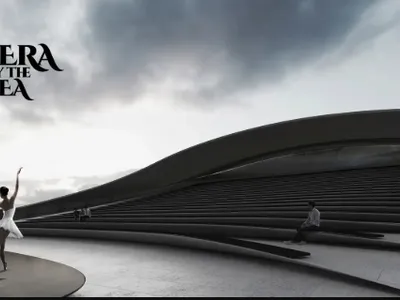
Opera by the Sea Estonia: Three Shells Dissolving Architecture into Tallinn's Coastline
A winning opera house proposal replaces monumental form with interconnected shells that blur the boundary between building, park and Baltic Sea.

The Amber Palace Opera: A Geological Fiction Surfaces on Tallinn's Baltic Waterfront
Pierre Brillard reimagines a Baltic legend as a public landscape, opera house, and waterfront promenade rooted in Tallinn's coastal identity.

Temporary Home for Dogs: A Reversed Zoo Rethinks Animal Shelter Architecture
In Bucharest, a sinuous corridor and freed landscape flip the logic of containment, designing a shelter that works to make itself unnecessary.

Similar Reads
You might also enjoy these articles


Hodi-Mandai Geram
Project Function: Preservation and revitalization of the Intangible heritage and socio-spatial identity of the Hodi by Housing, Cultural Memory Center, Sacred Grove, landscape, local tourism economy


Olio Towers: A Mid-Rise for Performers That Fuses Housing, Rehearsal, and Stage
Located blocks from Houston's Theater District, this modular tower stacks living units around a central performance atrium.

Oasis: Modular Green Housing Carved into Dhaka's Urban Fabric
A shortlisted Plugin Housing entry reclaims unauthorized settlements in Dhaka with stepped concrete volumes, green roofs, and ventilation-driven design.

Black Hole: A Floating Megastructure for the Post-Physical Era
Emiliano Mazzarotto envisions a spherical, self-scaling arena where e-sports, digital hotels, and holographic stadiums replace traditional public space.

Explore Sustainable Features Competitions
Discover active competitions in this discipline

Challenge to reimagine the Iron Throne

Photograph architecture without architects

Illustrate the lost glory of Angkor Wat - Render Challenge

Design challenge to reuse E-waste
Comments (0)
Please login or sign up to add comments
No comments yet. Be the first to comment!