
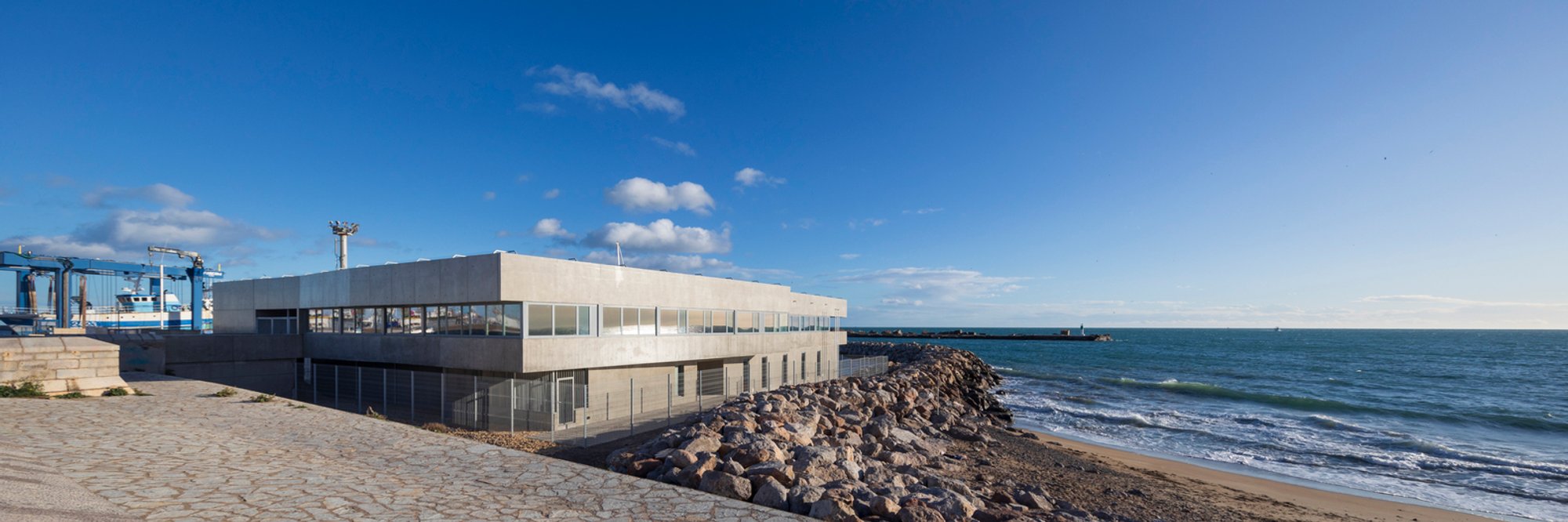
Nautical Pole by NBJ Architectes: A Sustainable Landmark in Sète, France
The Nautical Pole in Sète by NBJ Architectes blends sustainable concrete design, recycled oyster shell flooring, and panoramic sea views for nautical activities.

Embracing Functionality and Nautical Heritage
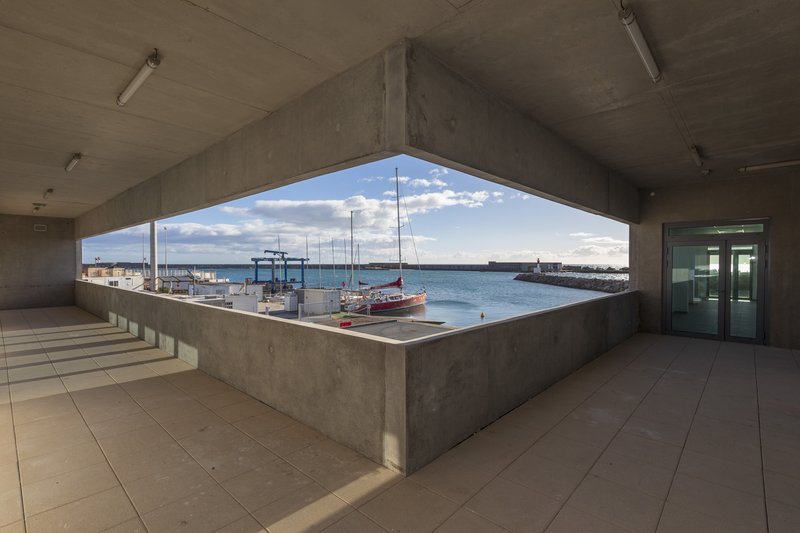
The Nautical Pole in Sète, designed by NBJ Architectes, is a modern, functional hub for local nautical associations and maritime companies. Strategically positioned at the end of the Saint Louis Mole, this project serves as the base for the Société Nautique de Sète (SNS) and the SNSM, bringing together nautical activities under one roof while accommodating offices and social spaces on the upper floors.
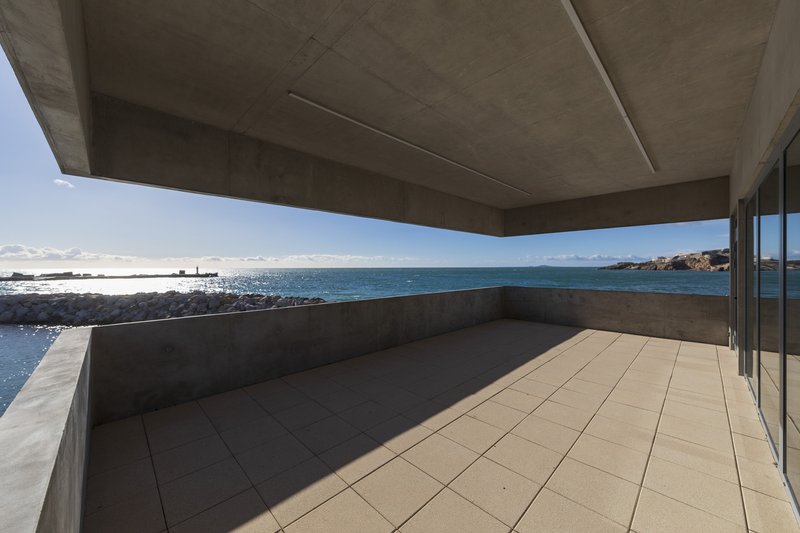
Its design emphasizes versatility, supporting events such as regattas, workshops, and community gatherings. The reception area opens onto a vast terrace, providing breathtaking views of the Mediterranean horizon and seamlessly connecting the interior spaces with the surrounding seascape.
Architecture Rooted in Simplicity and Durability
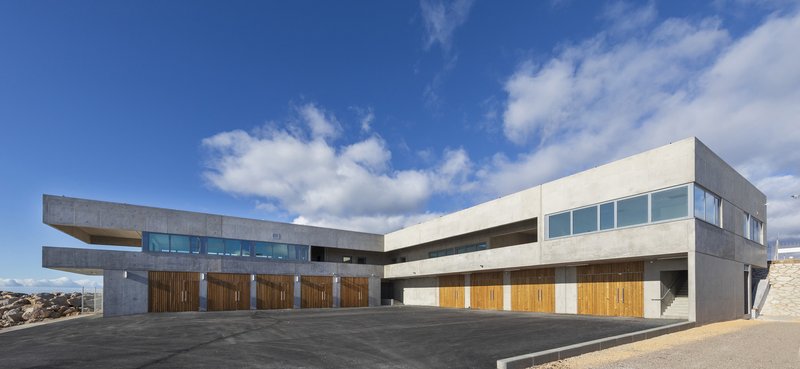
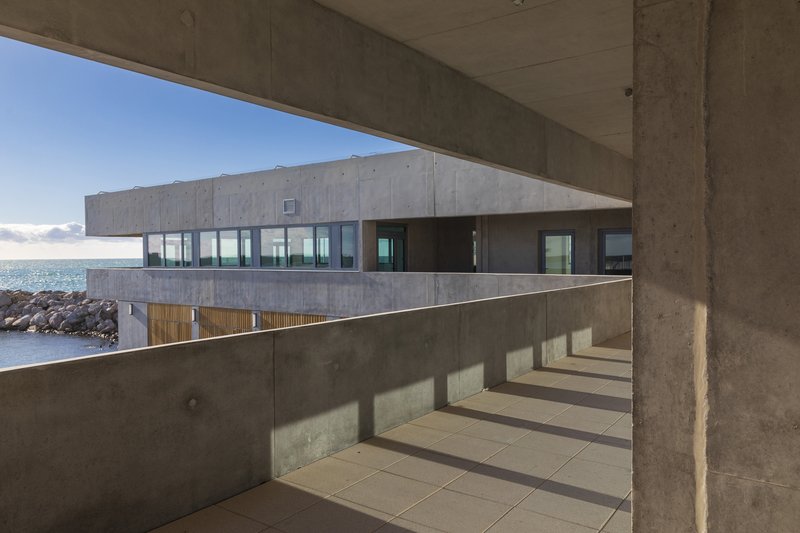
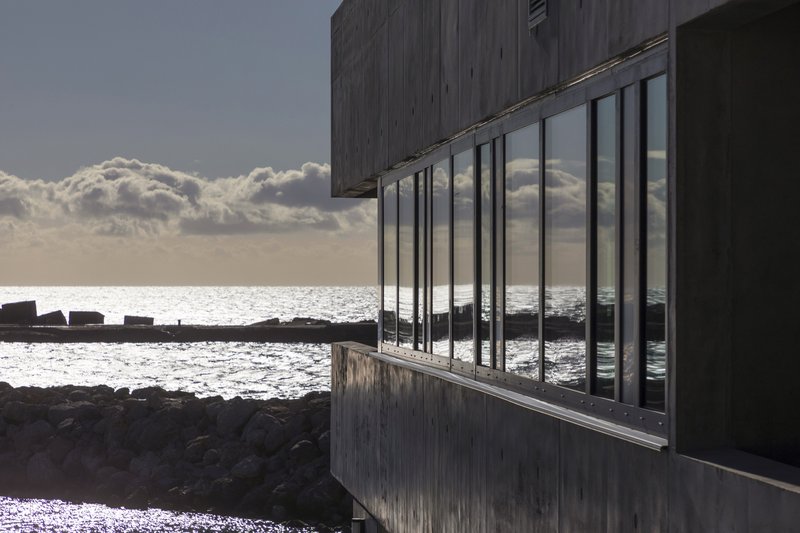
The building’s architectural language is defined by simple, sober forms and the use of concrete, ensuring longevity in the harsh marine environment. The choice of concrete also minimizes maintenance requirements while emphasizing robustness and permanence.
This material strategy, combined with thoughtful spatial planning, ensures that the Nautical Pole both blends into the port landscape and highlights its maritime context, respecting the visual harmony of Sète and Mont Saint Clair.
Sustainable Design Through Material Innovation
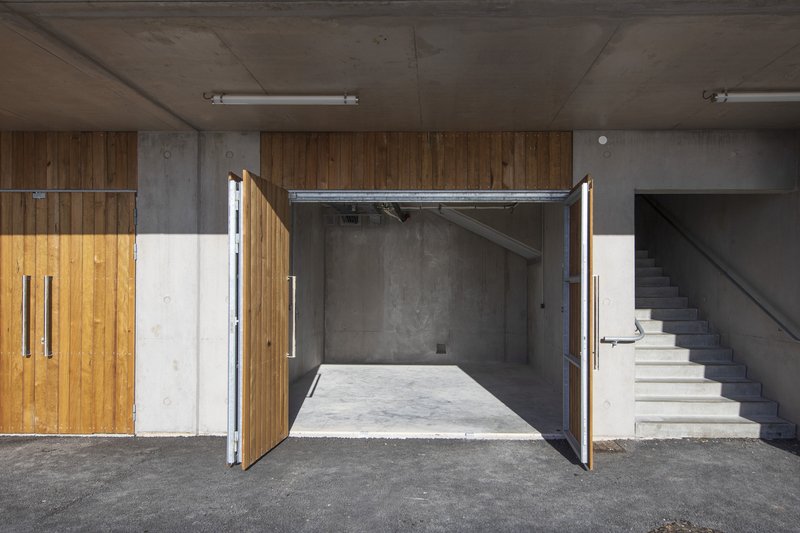
A significant element of the project is its sustainable approach to materials. In collaboration with COLAS, NBJ Architectes incorporated recycled oyster shells from the Thau Basin into the flooring using a product called Colstab Ostréa. This innovative solution promotes eco-friendly construction, reduces waste from local shellfish farming, and supports short supply chains.
By integrating these local materials, the project demonstrates how architecture can embrace sustainability, enhance the local identity, and contribute to the cultural and environmental heritage of the region.
Harmonizing with the Landscape
The Nautical Pole’s site-specific design ensures its smooth integration into the port’s landscape. By working closely with the Architect of the Buildings of France, NBJ Architectes carefully balanced functional requirements, aesthetics, and environmental sensitivity. The building opens visually to the sea and surrounding landscape, reinforcing a strong connection between people, nature, and nautical activity.
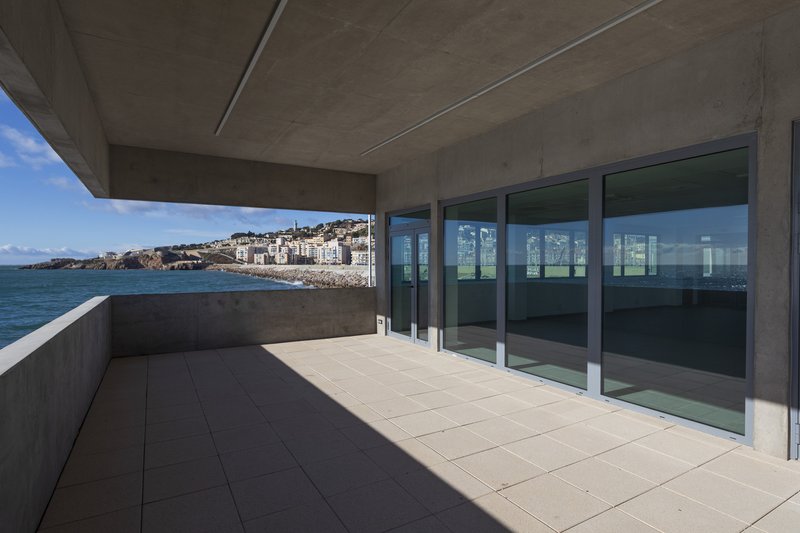
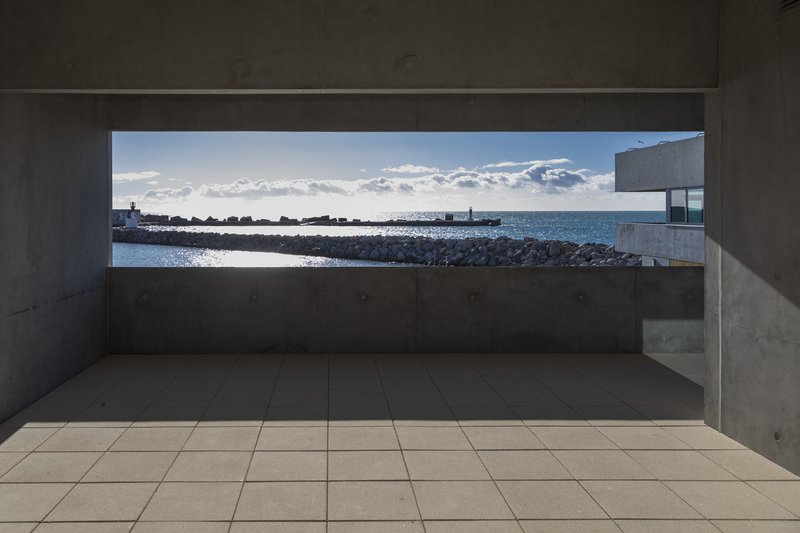
The Nautical Pole in Sète is more than a functional building—it is a maritime landmark, blending sustainability, modern design, and local heritage. Through careful material selection and architectural sensitivity, NBJ Architectes created a space that serves the community while respecting its iconic port landscape.
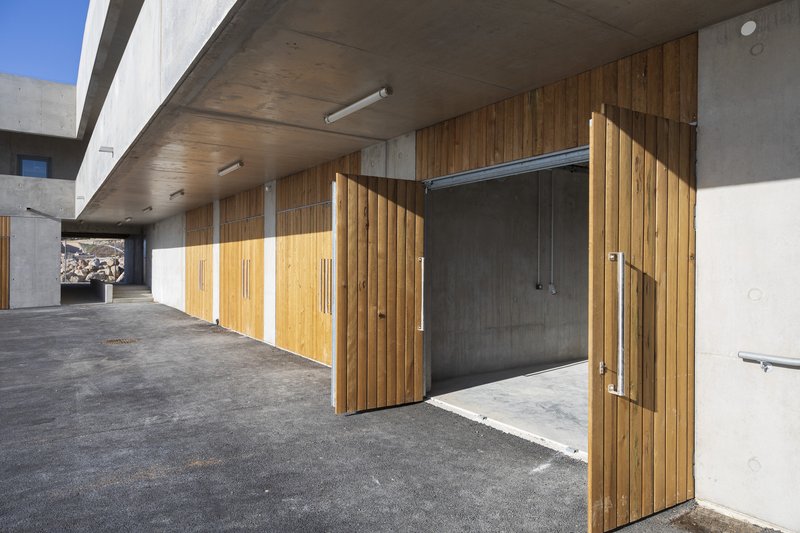
All Photographs are works of Jean Luc GIROD




Popular Articles
Popular articles from the community


Solar Steam: A Climate-Responsive Architecture That Redefines the Monument
A climate-responsive memorial architecture that transforms heat, decay, and time into a living system reflecting humanity’s ecological impact.
Atelier Macri Concept Store Interior Design by CASE-REAL
Atelier Macri store features a "ko" counter, walnut wood details, cork displays, blending retail, gallery, and seamless customer experiences.
Split House: A Compact Urban Home Blending Privacy, Light, and Flexible Living in Japan
Compact Japanese home featuring DOMA space, flexible café potential, passive lighting, privacy zoning, and sustainable urban living design.
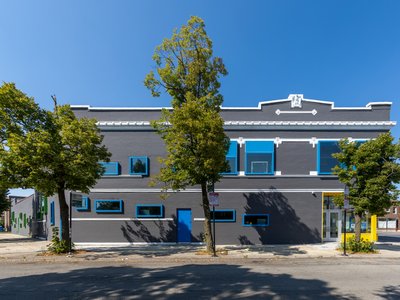
Gads Hill Early Learning Center by JGMA: Adaptive Reuse Shaping Community-Focused Educational Architecture
Adaptive reuse transforms fragmented structure into vibrant early learning center with playful façade, natural light, and community-focused sustainable design.


Similar Reads
You might also enjoy these articles


The Ken Roberts Memorial Delineation Competition (Krob)
As the most senior architectural drawing competition currently in operation anywhere in the world, it draws hundreds of entries each year, awarding the very best submissions in a series of medium-based categories.


Waterfront Redevelopment and Urban Revitalization in Mumbai: Forging a New Dawn for Darukhana
A transformative waterfront redevelopment project reimagining Darukhana’s shipbreaking heritage into an inclusive urban future.

OUT-OF-MAP: A Call for Postcards on Feminist Narratives of Public Space
Rhizoma Design and Research Lab invites artists, designers, architects, researchers, and students to reflect on how feminist perspectives can reshape public space. Selected works will be exhibited in Barcelona, October 2026. Submissions open until 15 April 2026.


Documentation Work on Buddhist Wooden Temple
Architectural syncretism and cultural hybridity: A comparative study of the Buddhist temples in Chattogram Hill tracks
Explore Architecture Competitions
Discover active competitions in this discipline




The International Standard for Design Portfolios


The Global Benchmark for Architecture Dissertation Awards


The Global Benchmark for Graduation Excellence


Challenge to reimagine the Iron Throne
Comments (0)
Please login or sign up to add comments
No comments yet. Be the first to comment!