

NICE Headquarters Brazil: Redefining Sustainable Corporate Architecture in Brazil
The article showcases NICE Headquarters Brazil by Mario Cucinella Architects, highlighting its sustainable design within a corporate setting in Limeira.


In the bustling industrial district of Campinas, Limeira, NICE Headquarters Brazil emerges as a paradigm of Sustainable Corporate Architecture in Brazil. Designed by the visionary Mario Cucinella Architects, this structure harmonizes advanced manufacturing with ecological sensitivity.


Bioclimatic Design and Natural Integration
The heart of this Sustainable Corporate Architecture in Brazil lies in its commitment to a bioclimatic design, respecting and enhancing the natural environment. The iconic tropical leaf-inspired roof and slender columns demonstrate an architectural dialogue with nature, emphasizing sustainability.
Passive Cooling and Natural Ventilation
Key to NICE Headquarters' sustainable approach is its innovative passive cooling system, anchored by a distinctive overhanging roof and a central ventilation funnel. These elements exemplify the best practices in Sustainable Corporate Architecture in Brazil, reducing the need for mechanical heating and cooling.

Interconnectivity and Openness
Transparency and openness define the interior, promoting a sense of community and visibility into the manufacturing process. This design philosophy aligns with modern Sustainable Corporate Architecture in Brazil, fostering a collaborative and healthy workplace environment.


A Vision for the Future
NICE Headquarters Brazil by Mario Cucinella Architects marks a significant step forward in Sustainable Corporate Architecture in Brazil. Through innovative design and respect for the environment, it sets a new standard for corporate buildings in the region.


All photographs are work of Duccio Malagamba


Popular Articles
Popular articles from the community

Opera by the Sea Estonia: Three Shells Dissolving Architecture into Tallinn's Coastline
A winning opera house proposal replaces monumental form with interconnected shells that blur the boundary between building, park and Baltic Sea.
Faces of the Soviet Avant-Garde: Turning Moscow's Street Names into an Open-Air Museum
A network of sculptural installations across a Moscow residential district transforms forgotten architect names into spatial encounters with cultural memor
Tsunami Convergenics: Turning Catastrophic Ocean Forces into Underwater Housing Infrastructure
A speculative underwater settlement off the coast of Onagawa, Japan, treats tsunamis and typhoons as energy sources rather than threats.
Singing Woman: An Opera House That Performs Before the Curtain Rises
Ovidiu Cristian Pavel's conceptual opera house translates Estonia's choral identity into a sculpted waterfront landmark facing the Baltic Sea.

Similar Reads
You might also enjoy these articles

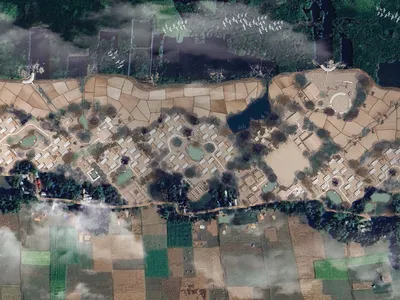
Hodi-Mandai Geram
Project Function: Preservation and revitalization of the Intangible heritage and socio-spatial identity of the Hodi by Housing, Cultural Memory Center, Sacred Grove, landscape, local tourism economy

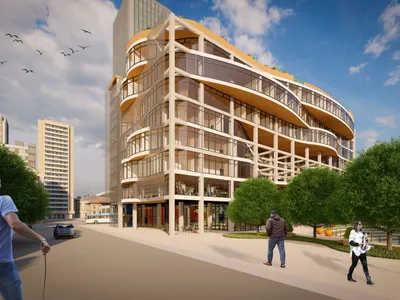
Olio Towers: A Mid-Rise for Performers That Fuses Housing, Rehearsal, and Stage
Located blocks from Houston's Theater District, this modular tower stacks living units around a central performance atrium.
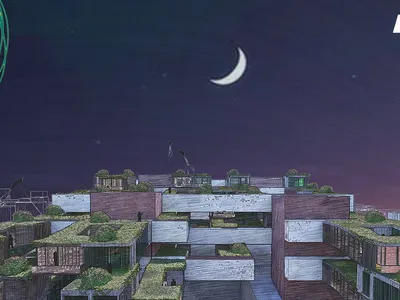
Oasis: Modular Green Housing Carved into Dhaka's Urban Fabric
A shortlisted Plugin Housing entry reclaims unauthorized settlements in Dhaka with stepped concrete volumes, green roofs, and ventilation-driven design.
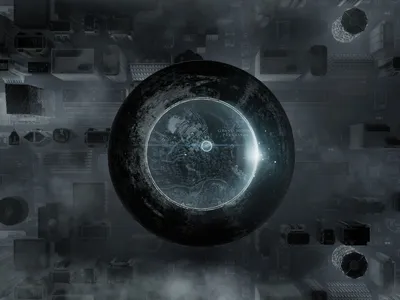
Black Hole: A Floating Megastructure for the Post-Physical Era
Emiliano Mazzarotto envisions a spherical, self-scaling arena where e-sports, digital hotels, and holographic stadiums replace traditional public space.

Explore Architecture Competitions
Discover active competitions in this discipline

Challenge to reimagine the Iron Throne

Photograph architecture without architects

Illustrate the lost glory of Angkor Wat - Render Challenge

Design challenge to reuse E-waste
Comments (0)
Please login or sign up to add comments
No comments yet. Be the first to comment!