
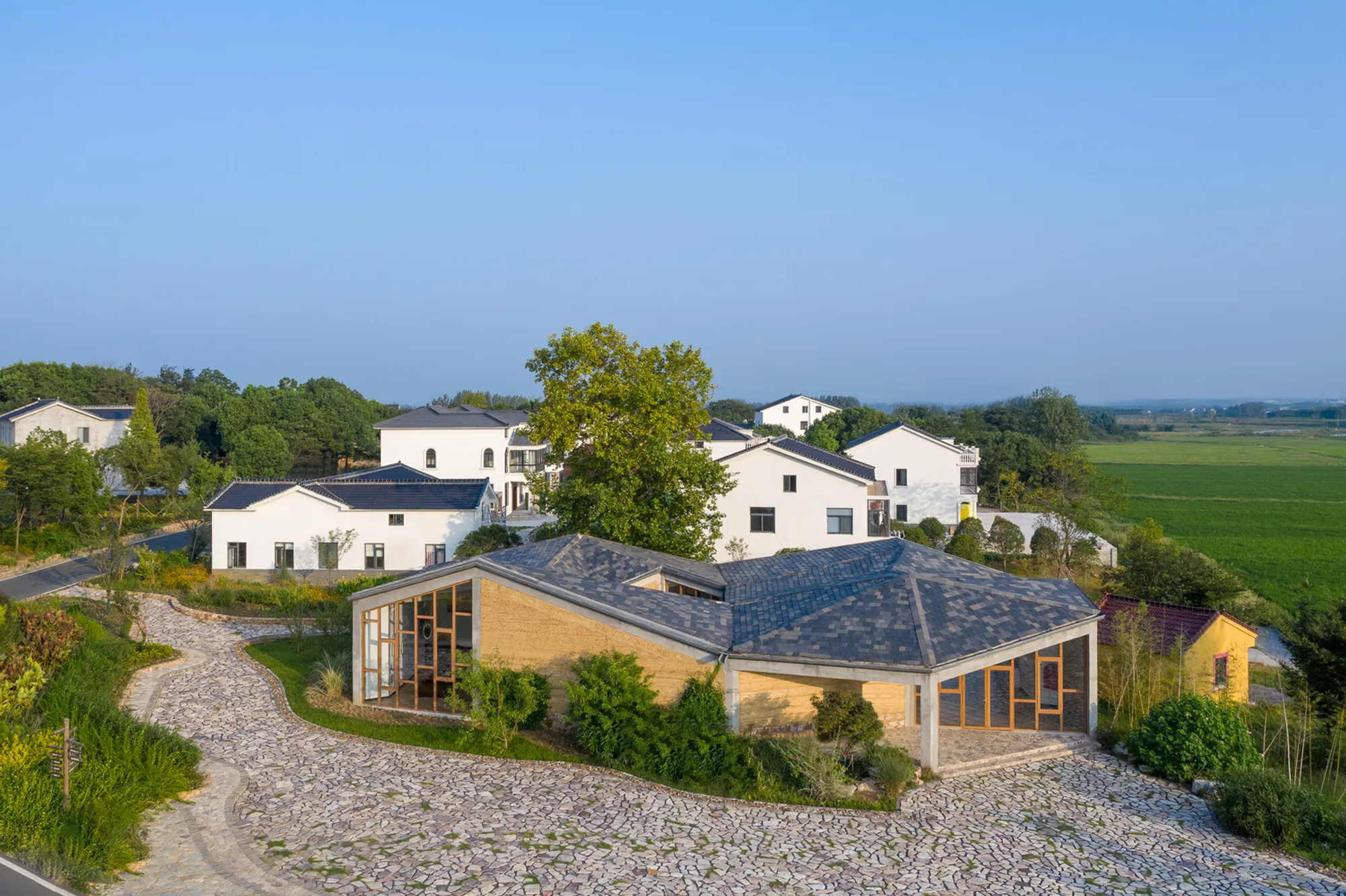
Niumatang Cultural Station by Atelier RenTian: A Contemporary Tribute to Nature and Tradition
The Niumatang Cultural Station blends traditional materials and contemporary design, creating a cultural hub that connects nature and heritage.


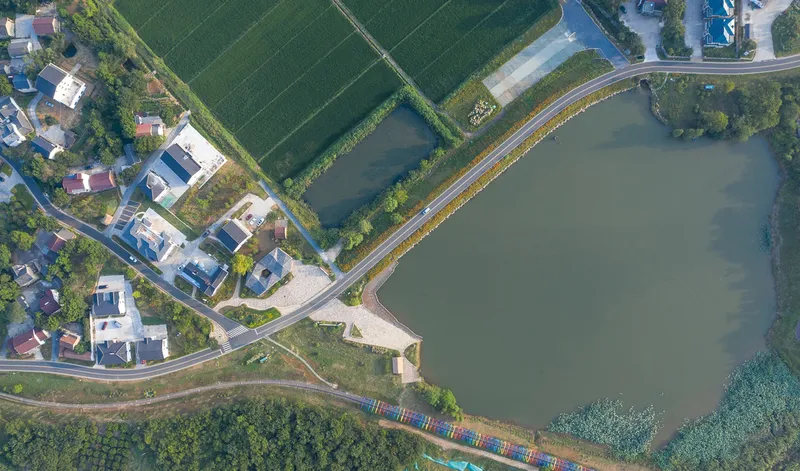
Located at the entrance of Niumatang Village, nestled between the imposing Caoshan and Wawu Mountains in Liyang City, the Niumatang Cultural Station stands as a cultural and architectural landmark. Designed byAtelier RenTian, this dynamic structure merges local traditions with contemporary design, creating a space that fosters cultural exchange, community interaction, and a connection to the natural surroundings. The Niumatang Cultural Station, completed in 2019, spans an area of 347 m², and serves as both a gateway for visitors and a hub for local life, offering a public activity space for both villagers and tourists.
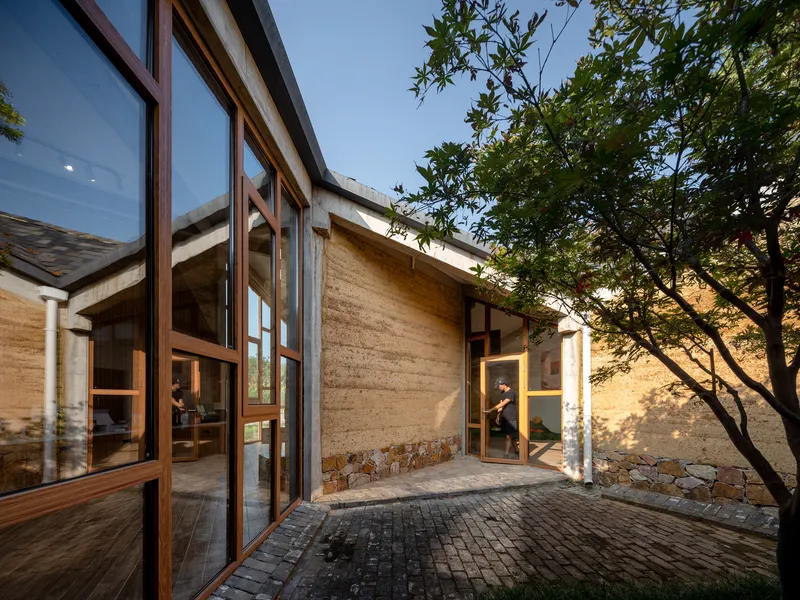
A Gateway to Heritage: Embracing Nature and Culture
Niumatang Village, founded by Wenzhou immigrants over 150 years ago, carries a rich legacy of Oujiang culture, which has greatly influenced the village's traditions and way of life. The Niumatang Cultural Station is designed to reflect this cultural inheritance while accommodating the practical needs of the community. With a unique position at the entrance of the village, the station acts as a multifunctional village gate, providing spaces for cultural display, leisure, and tourism, while also supporting transportation needs.
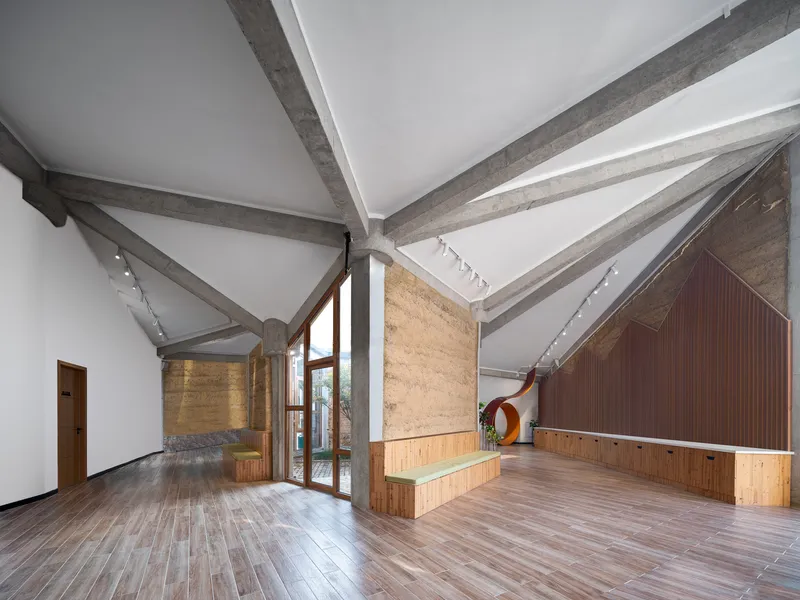
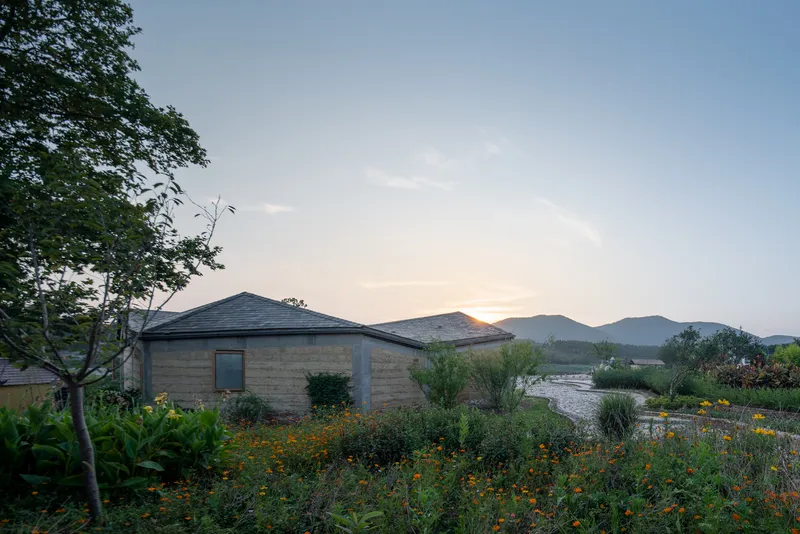
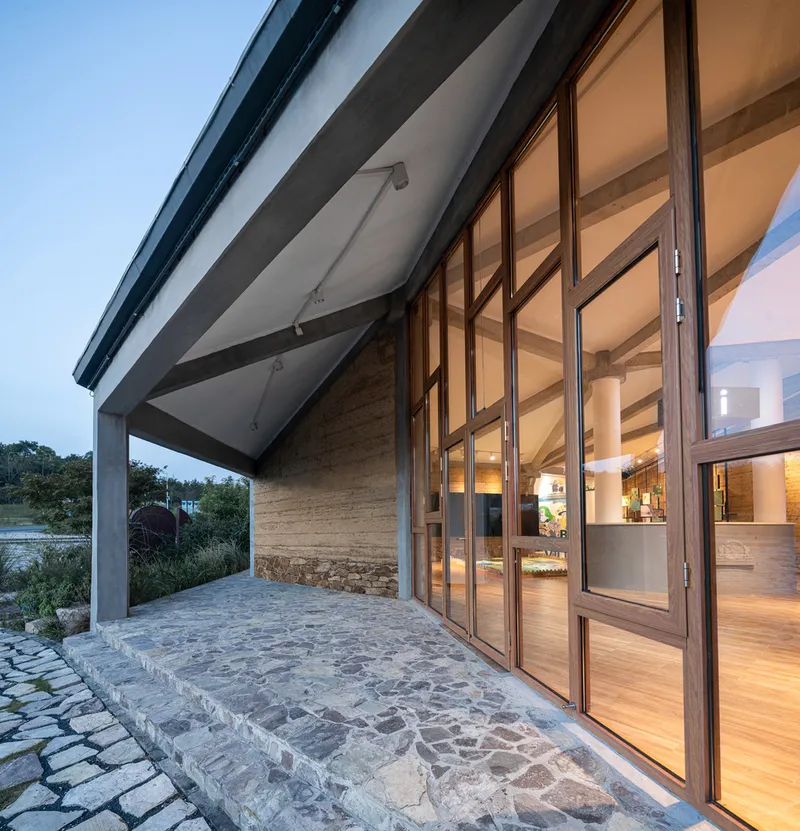
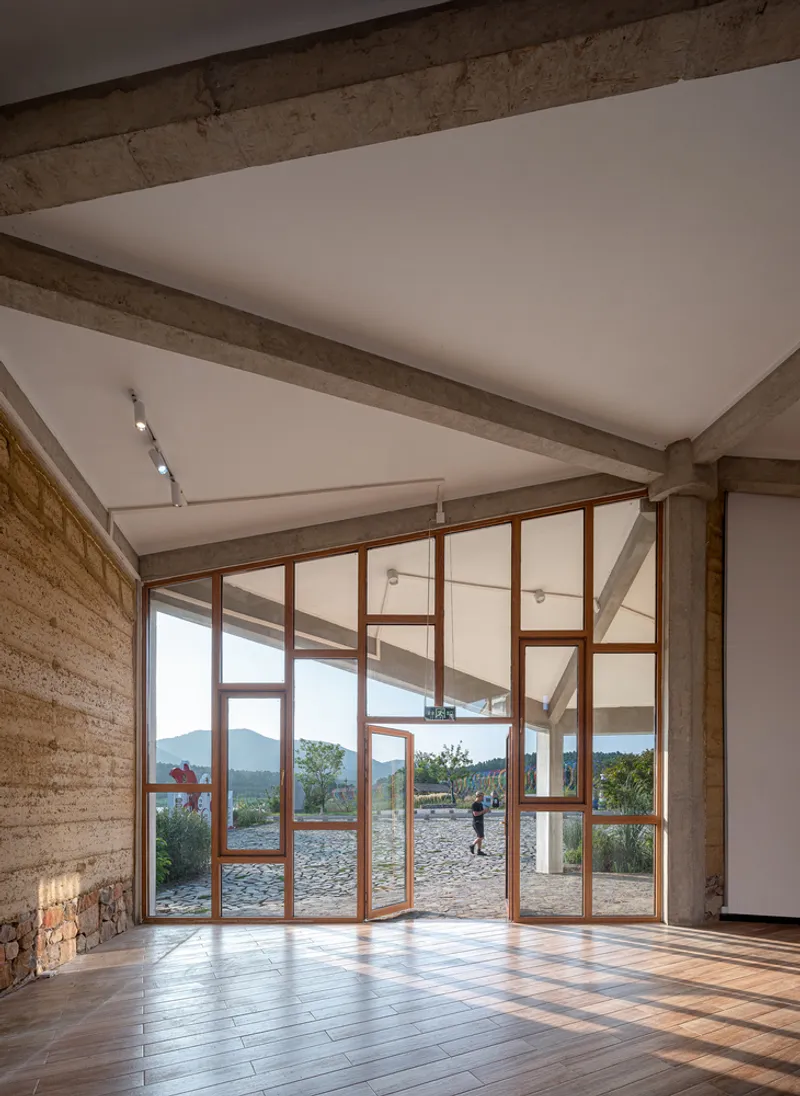
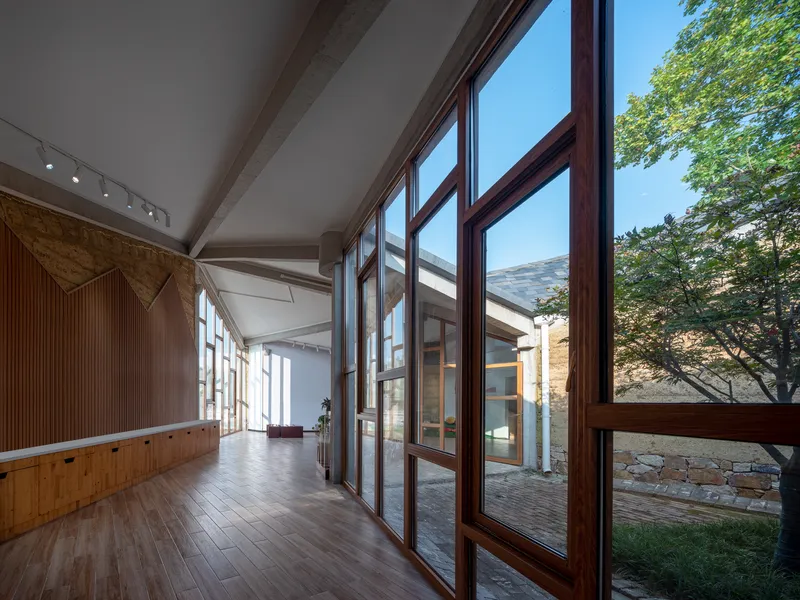
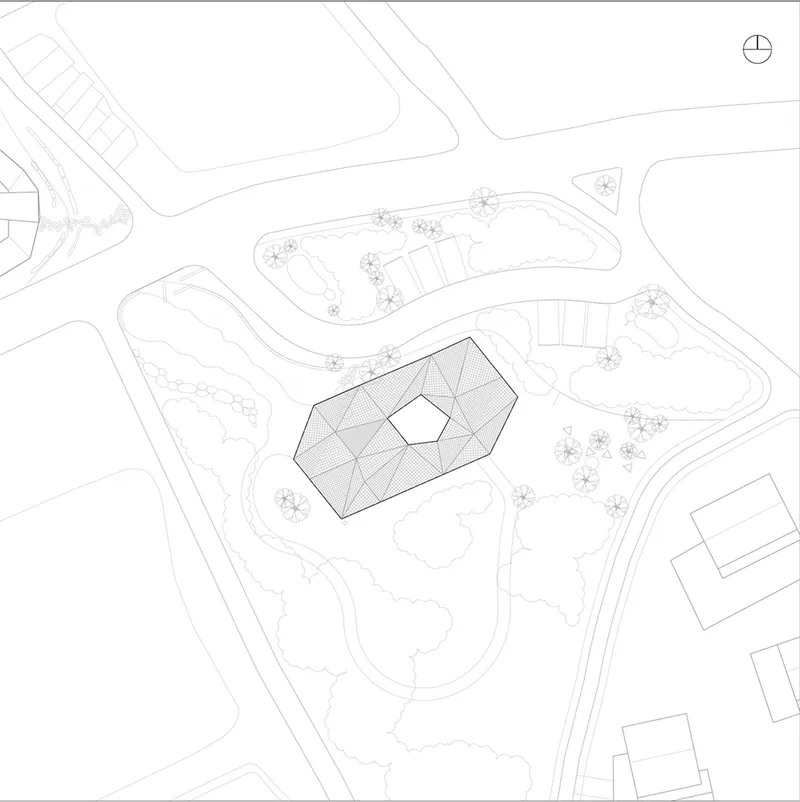
The architecture seamlessly integrates the natural beauty of the surrounding landscape with innovative design elements. The station’s form and structure echo the topography of the area, with a hexagonal plan and an undulating roof that mirrors the peaks of the surrounding mountains. The building features a cast-in-place concrete frame structure, with a roof constructed from undulating triangles that connect the architecture to the mountains beyond. The irregular column grids create a visual harmony with the natural geometry of the region, offering a contemporary interpretation of the surrounding landscape.
Spatial Design: Traditional Chinese Elements Reimagined
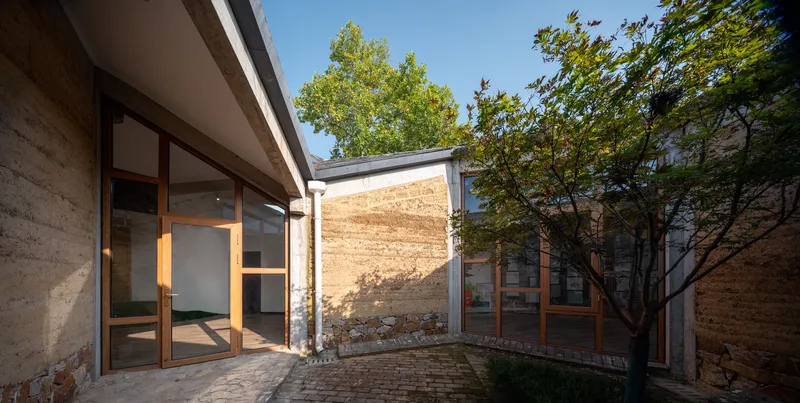
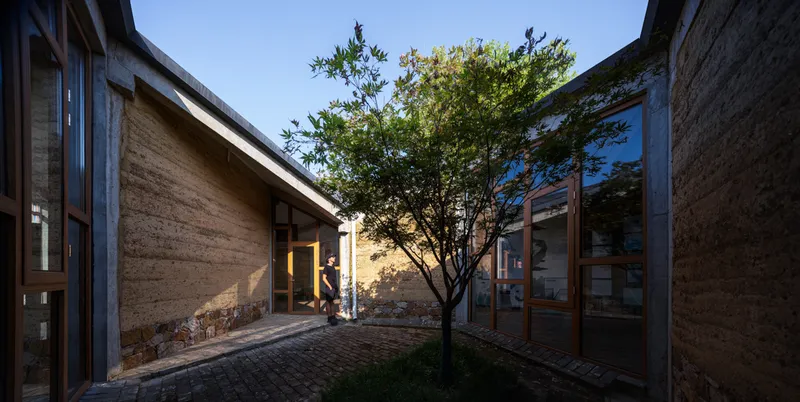
Drawing inspiration from traditional Chinese dwellings, the design of the Niumatang Cultural Station revolves around a central courtyard, reminiscent of the "回" (hui) shape commonly found in traditional compounds. This spatial arrangement not only fosters excellent natural light and ventilation but also provides an inviting layout for visitors and locals alike. The open-plan design of the building features varying heights and multiple functional areas, promoting flexibility and fluidity for the different activities hosted within.
The building's internal design focuses on maintaining a balance between form and function. The open space encourages movement and interaction, ensuring that visitors can freely explore and engage with the environment. The cultural exhibition spaces unfold around the inner courtyard, enhancing the visitor experience by providing a direct connection to the outdoors.
Materiality: A Harmonious Blend of Tradition and Innovation
The Niumatang Cultural Station is deeply rooted in the materials of the local landscape. During an initial visit to the village, the architect, Ren Tian, observed the use of adobe bricks in the construction of nearby houses, a traditional building method that draws on the natural surroundings. In response, the design incorporates raw earth as infill walls within the concrete frame structure, seamlessly blending local materials with modern techniques.
The roof, designed to complement the undulating landscape, is covered with slate tiles rather than the traditional clay tiles commonly found in the area. Slate was chosen for its aesthetic qualities and its ability to reflect the misty hues of the distant mountains. The varying shades of gray evoke a sense of tranquility, allowing the building to blend effortlessly with the natural surroundings. The base of the walls features dry-stacked rubble stone masonry, rooted in the local construction traditions and further connecting the building to its environment.
A Symbol of Sustainability and Connection
The Niumatang Cultural Station stands as a symbol of the harmonious relationship between architecture, nature, and culture. By integrating traditional materials with contemporary design elements, Atelier RenTian has created a building that not only serves the community but also celebrates the natural beauty and cultural heritage of the region. The station is a testament to the power of architecture to unite people with their environment, providing a space where culture, nature, and modernity converge.
All Photographs are works of Inter_mountain images



Popular Articles
Popular articles from the community


The Musturak Paradise: Senior Living Architecture for a Connected Future in Temara, Morocco
The Musturak Paradise reimagines senior living architecture in Temara via private homes, social spaces, culture, community, and shared care.

Conexión: Biophilic Design Reimagines High-Rise Living in Hong Kong
Conexión reimagines high-rise living in Hong Kong through biophilic design, green facades, shared spaces, daylight, water and nature within.

The Ocean Hive: Sustainable Architecture for a Self-Sufficient Civilization at Sea
The Ocean Hive imagines sustainable architecture at sea, where modular habitats, algae, wave power and ocean waste sustain a growing colony.

The Earth Pod: 3D Printed Homes for Resilient Refugee Communities
The Earth Pod reimagines refugee housing through 3D printed homes made from clay, combining resilience, self-sufficiency, and rapid shelter.

Similar Reads
You might also enjoy these articles


Hodi-Mandai Geram
Project Function: Preservation and revitalization of the Intangible heritage and socio-spatial identity of the Hodi by Housing, Cultural Memory Center, Sacred Grove, landscape, local tourism economy


Olio Towers: A Mid-Rise for Performers That Fuses Housing, Rehearsal, and Stage
Located blocks from Houston's Theater District, this modular tower stacks living units around a central performance atrium.

Oasis: Modular Green Housing Carved into Dhaka's Urban Fabric
A shortlisted Plugin Housing entry reclaims unauthorized settlements in Dhaka with stepped concrete volumes, green roofs, and ventilation-driven design.

Black Hole: A Floating Megastructure for the Post-Physical Era
Emiliano Mazzarotto envisions a spherical, self-scaling arena where e-sports, digital hotels, and holographic stadiums replace traditional public space.

Explore Cultural Architecture Competitions
Discover active competitions in this discipline



Challenge to reimagine the Iron Throne


Photograph architecture without architects


Illustrate the lost glory of Angkor Wat - Render Challenge


Bring back Drive In's
Comments (0)
Please login or sign up to add comments
No comments yet. Be the first to comment!