
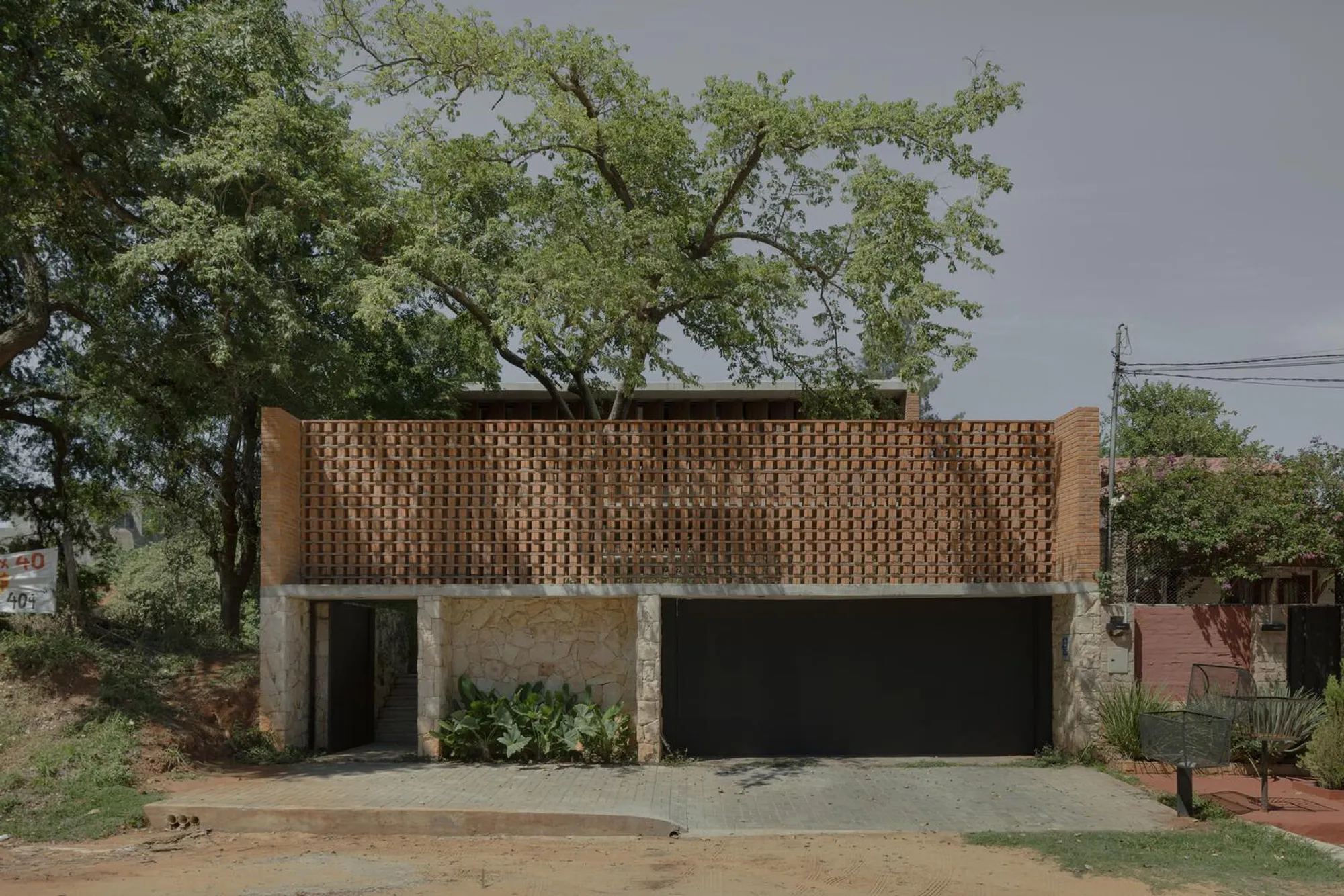
NoFe House by Equipo de Arquitectura: A Sustainable Brick Residence Rooted in Nature in Luque, Paraguay
Brick residence integrates courtyards, native vegetation, filtered light, and cross ventilation, responding to slope, climate, and local materials in Paraguay.


NoFe House is a contemporary residential architecture project that redefines sustainable living in Paraguay. Designed in 2022 by Equipo de Arquitectura, the 430-square-meter house explores the essential purpose of architecture: elevating human habitation beyond shelter and deepening our existential relationship with place, environment, and material.
Located in Luque, Paraguay, the residence integrates natural vegetation, passive design strategies, and local craftsmanship into a cohesive architectural language rooted in climate responsiveness and contextual sensitivity.
Architecture as an Extension of Environment
Architecture evolves alongside collective knowledge, yet its primary objective remains unchanged, to enrich the experience of dwelling. NoFe House embodies this philosophy by creating spaces that foster belonging, spatial continuity, and environmental integration.
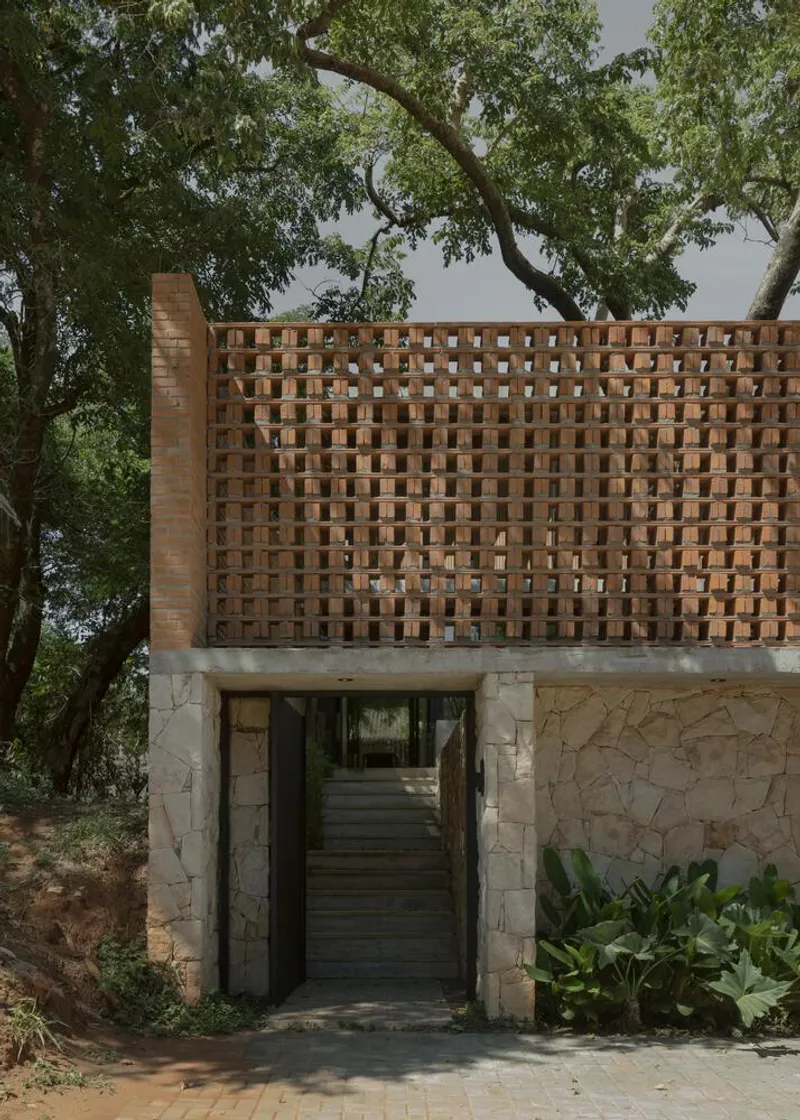
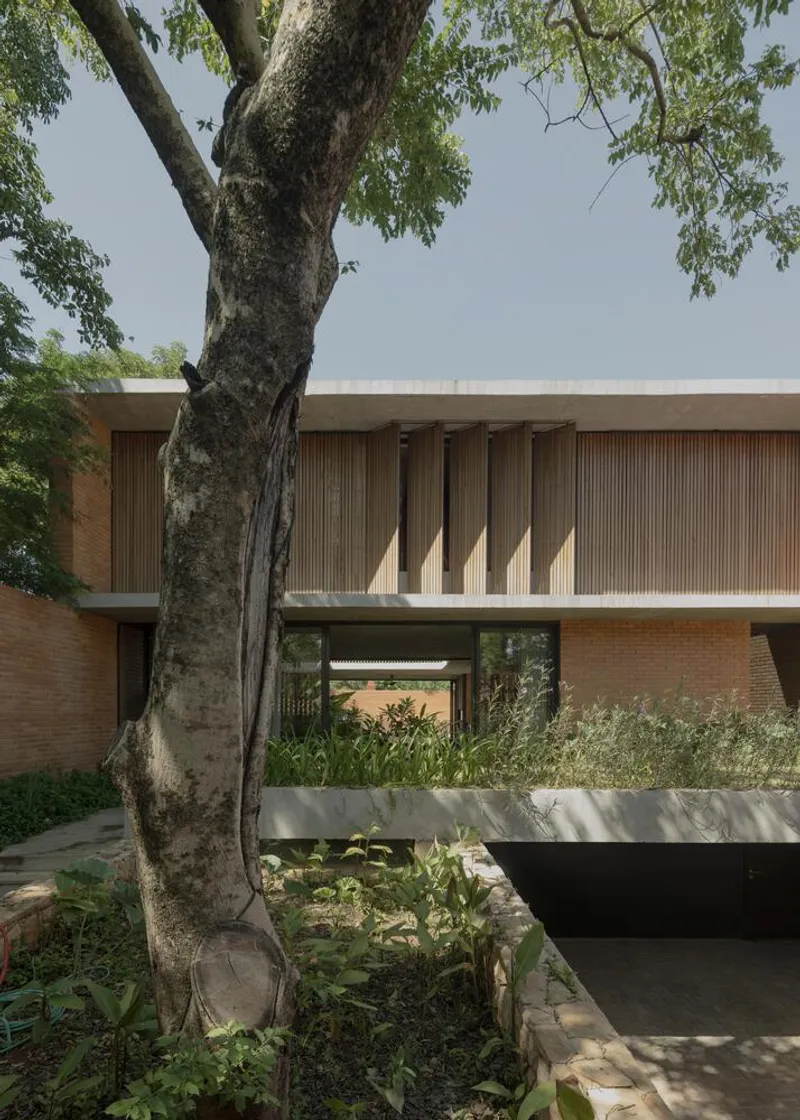
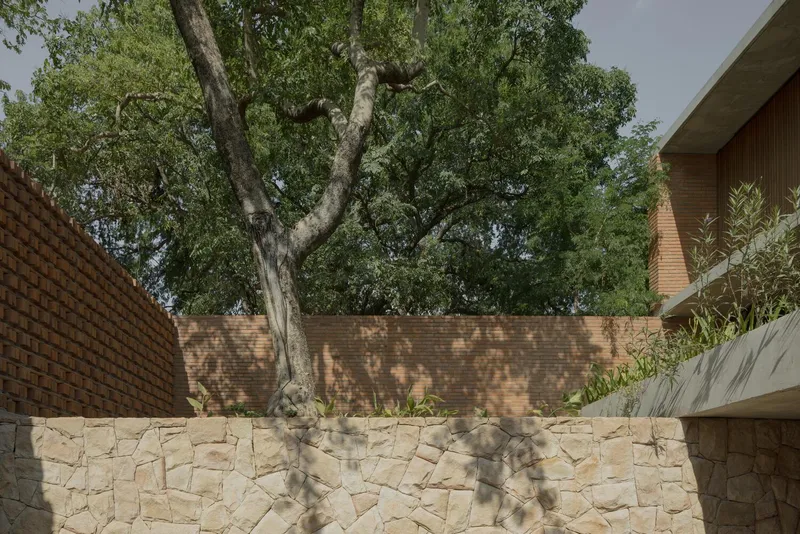
The design emphasizes a strong connection between built form and landscape. Rather than imposing itself on the site, the house responds to its significant slope and existing mature tree, shaping the project into a three-level dwelling that adapts naturally to the terrain.
This sensitive site strategy transforms a conventionally sized urban lot into a spatial system of interconnected volumes and courtyards, promoting light distribution, cross ventilation, biodiversity, and microclimate regulation.
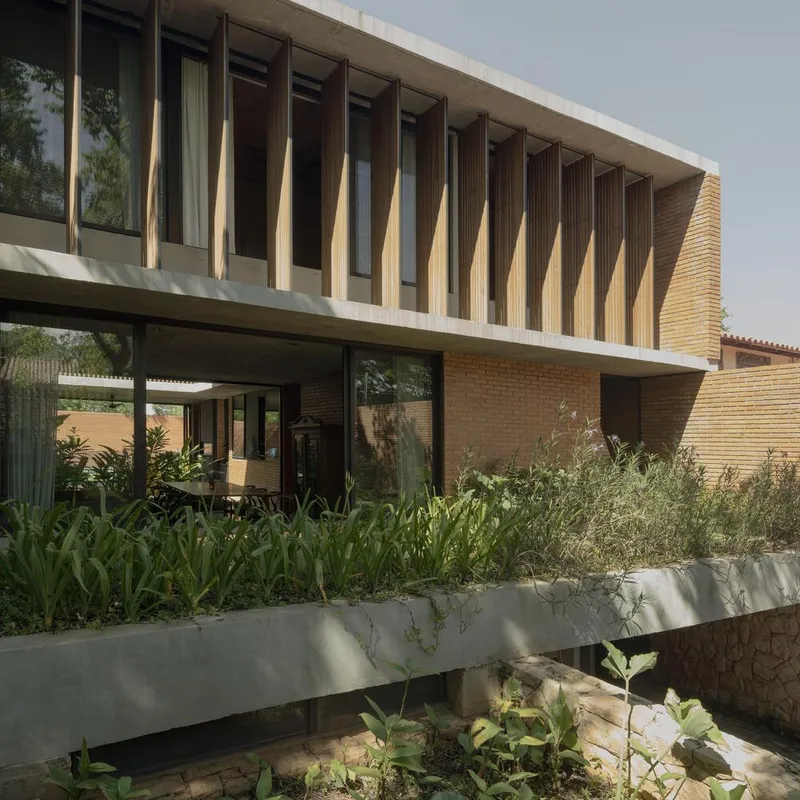
Biophilic Design and Native Landscaping
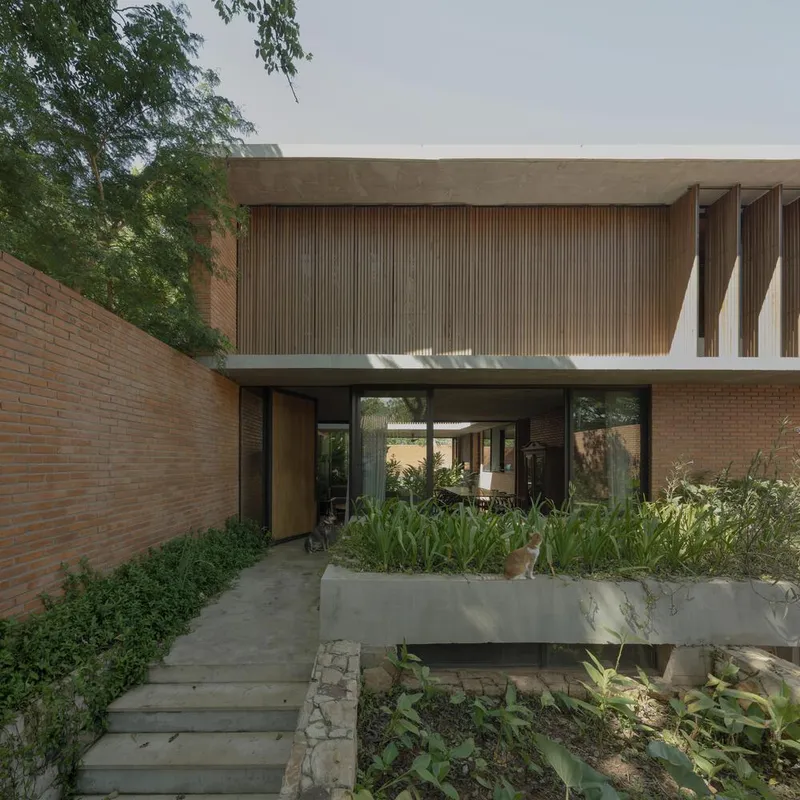
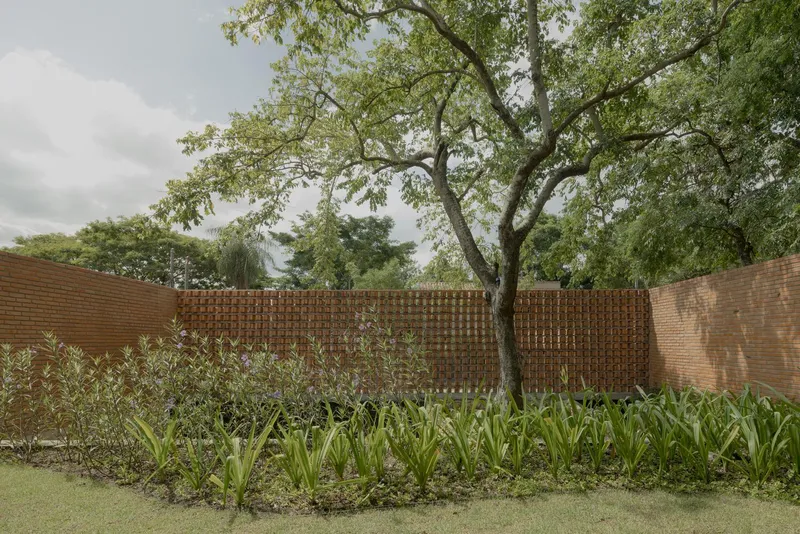
One of the defining features of NoFe House is its commitment to biophilic architecture and native vegetation. The landscaping strategy prioritizes local flora to protect biodiversity and strengthen the relationship between the house and its ecological context.
Vegetation plays a central architectural role rather than serving as decorative background. Courtyards and planted areas act as environmental lungs, improving air quality while reinforcing a sense of continuity between interior and exterior spaces. This integration of greenery enhances thermal comfort and creates a dynamic architectural experience shaped by seasonal change and natural cycles.
The fusion between artificial construction and natural systems becomes an architectural expression of coexistence: a built environment that breathes, adapts, and evolves.
Passive Design: Light, Ventilation, and Climate Responsiveness
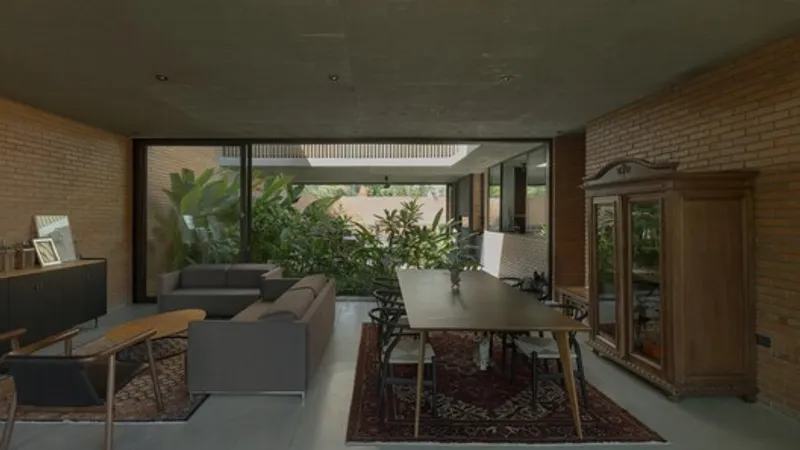
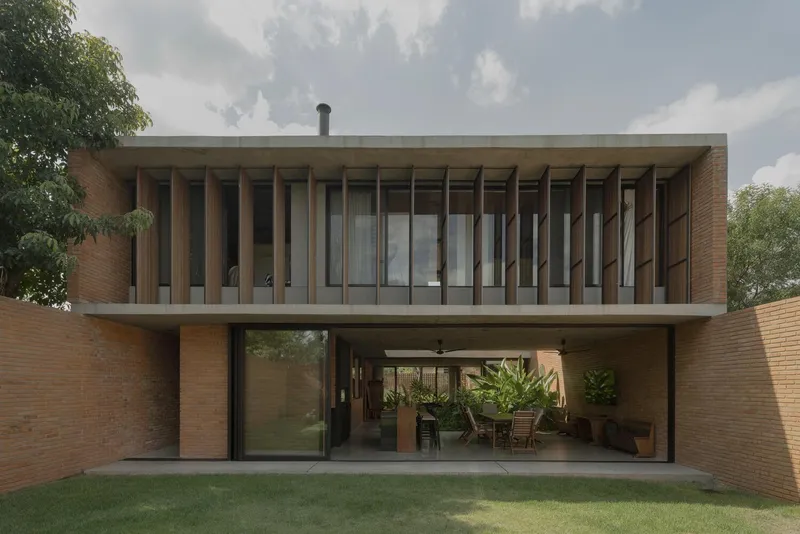
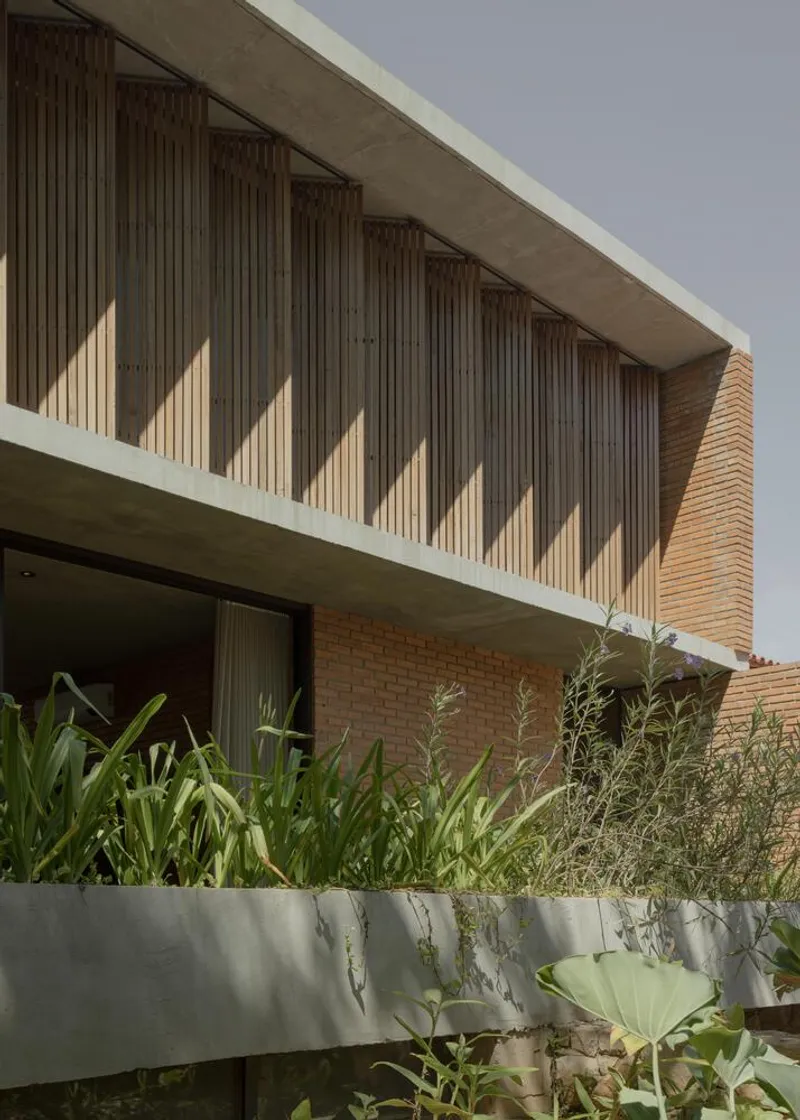
Climate-sensitive architecture is fundamental to the project. Controlled and filtered natural light animates the interiors, establishing a strong connection to time, movement, and seasonal variation.
Cross ventilation is implemented throughout all spaces, ensuring continuous oxygen renewal and regulating temperature and humidity during Paraguay’s warmer months. This passive cooling strategy reduces reliance on mechanical systems and improves long-term energy efficiency.
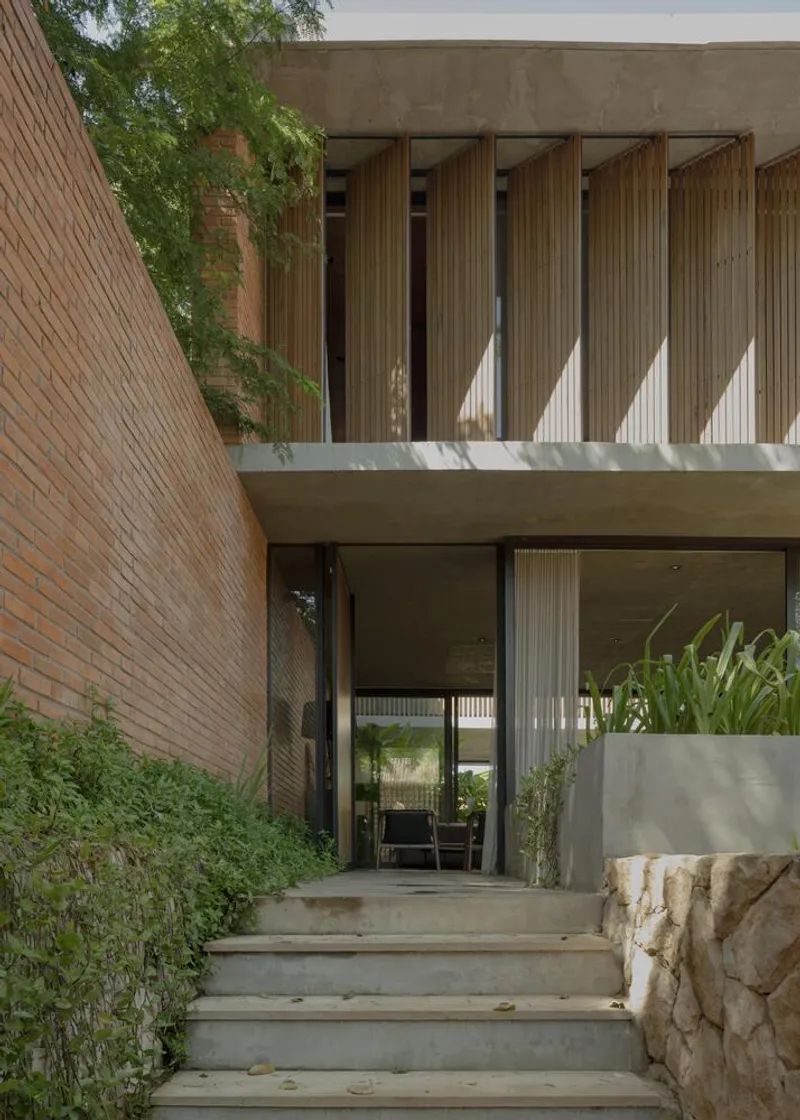
The architectural envelope carefully balances transparency and opacity. The social spaces on the first level are open and transparent, fostering spatial amplitude and visual continuity with the landscape. In contrast, the upper level: housing bedrooms, office, and laundry, adopts a more solid and private expression, responding to functional requirements and privacy needs.
Materiality and Local Craftsmanship
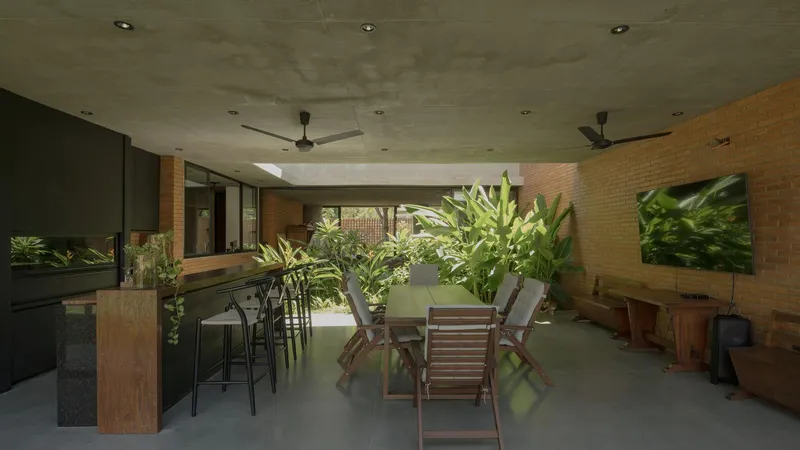
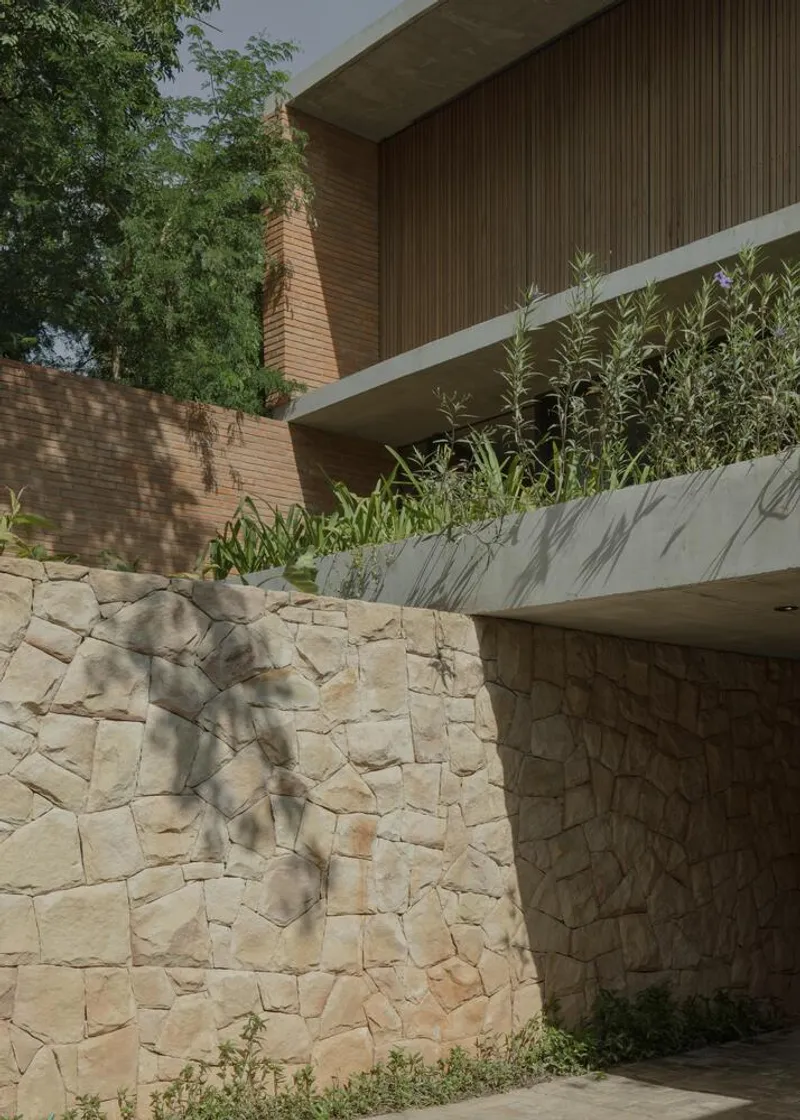
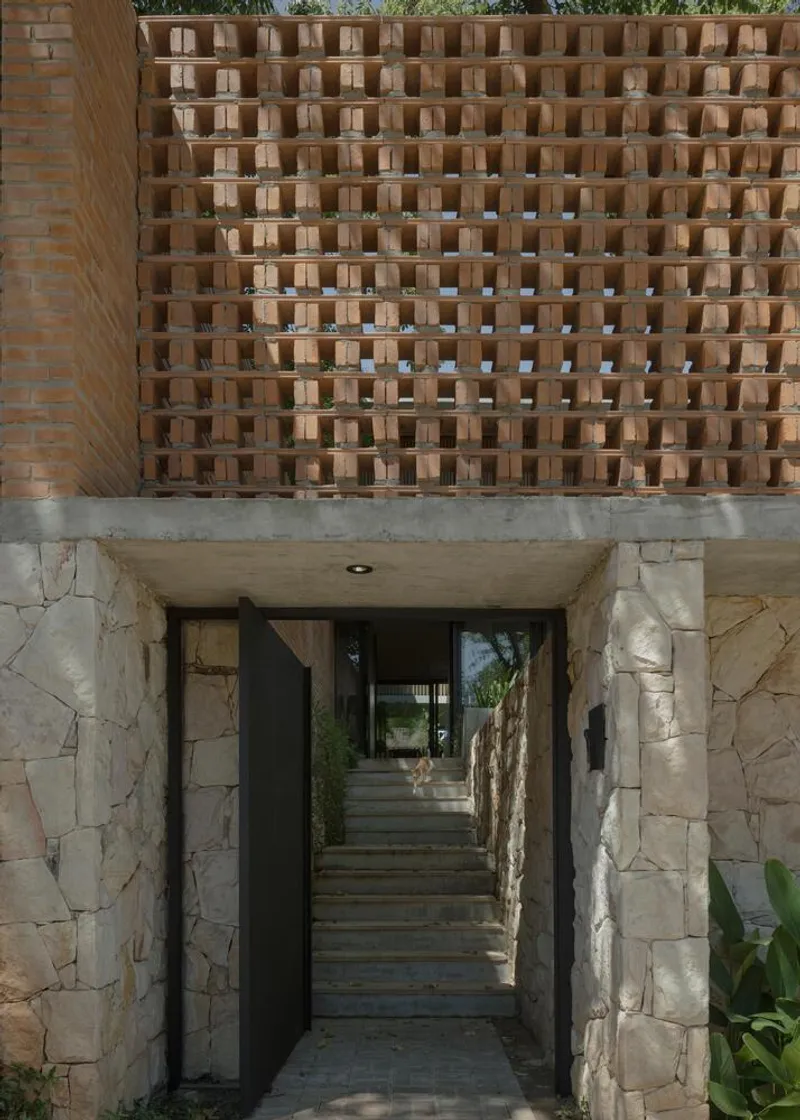
Material selection in NoFe House reflects both environmental responsibility and cultural identity. The project relies on natural, locally sourced materials including stone, brick, wood, and concrete, each used according to its structural and expressive logic.
- Stone anchors the base of the house, functioning as a retaining wall and grounding the structure to the earth.
- Brick defines the upper volumes, offering modularity, thermal mass, and spatial organization.
- Wood introduces lightness and flexibility, forming movable panels, doors, and custom furniture elements.
- Concrete provides structural freedom, allowing spatial configurations aligned with functional and environmental strategies.
These materials are crafted by local artisans, embedding traditional construction knowledge into a contemporary architectural framework. The result is a house that feels both modern and deeply contextual: an architecture shaped by place, climate, and cultural practice.
Spatial Organization Across Three Levels
Responding to the sloped terrain, the residence is organized vertically into three clearly defined levels:
- Lower Level: Parking and service areas
- First Level: Social spaces characterized by openness and transparency
- Second Level: Private areas requiring greater enclosure and privacy
Courtyards connect these levels spatially and environmentally, distributing natural light and air while reinforcing the house’s ecological integration. The sectional composition enhances airflow and daylight penetration, ensuring comfort and environmental performance throughout the year.
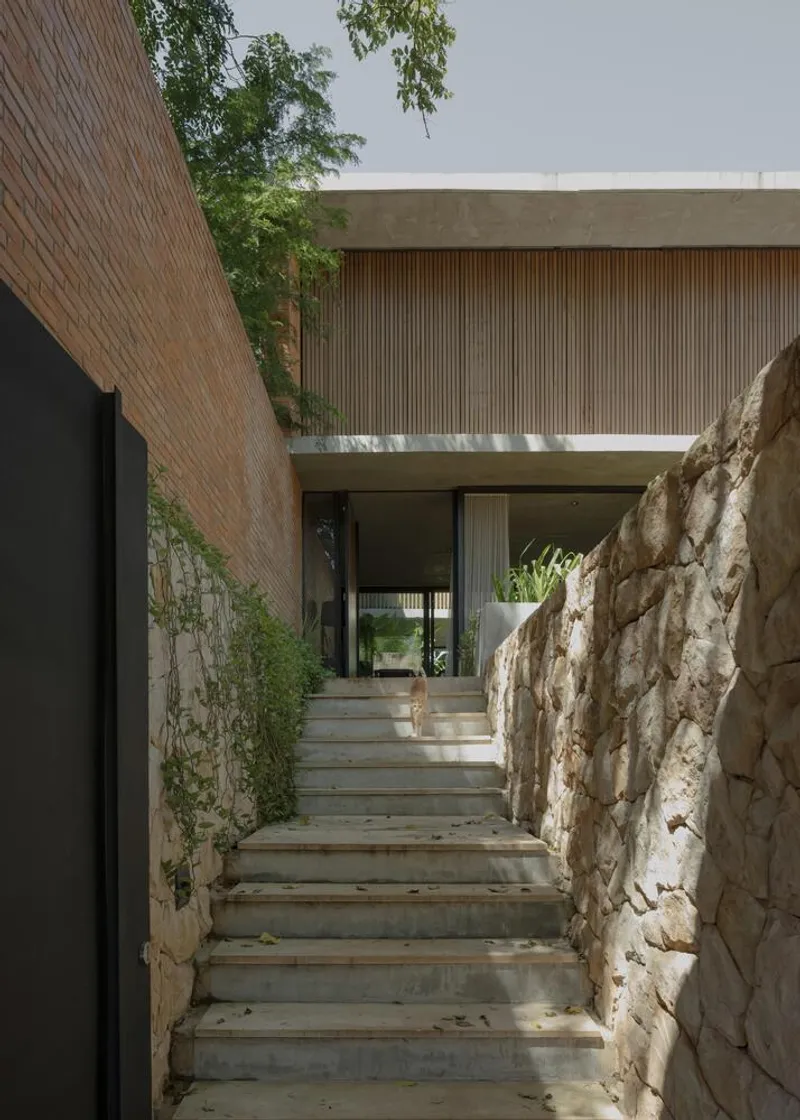
A Contemporary House Rooted in Local Reality
NoFe House demonstrates how contemporary residential architecture in Paraguay can respond directly to local climate, material culture, and biodiversity. By merging passive design strategies, native landscaping, and tectonic clarity, the project achieves spatial amplitude while maintaining protection from external exposure.
The house breathes, filters light, frames vegetation, and establishes a balanced dialogue between solidity and transparency. Through its material honesty and environmental intelligence, NoFe House stands as a model of sustainable architecture in Latin America: a residence that celebrates nature, craftsmanship, and the evolving meaning of dwelling.
All photographs are works of
Federico Cairoli




Popular Articles
Popular articles from the community


Lunar Spiral: Space Architecture Shaped by the Mathematics of the Universe
Lunar Spiral reimagines space architecture through Fibonacci geometry, lunar regolith, levitating habitats, and self-sustaining Moon living.

Play: Fragments of Their World
Familiar architecture becomes modular playground design, creating safe spaces where displaced children can learn, connect, imagine and play.

Conexión: Biophilic Design Reimagines High-Rise Living in Hong Kong
Conexión reimagines high-rise living in Hong Kong through biophilic design, green facades, shared spaces, daylight, water and nature within.

Co-life: Sustainable Architecture for Age-Friendly Community Living
Co-life reimagines sustainable architecture for seniors through courtyards, rammed earth, shared gardens, and spaces designed for belonging.

Similar Reads
You might also enjoy these articles

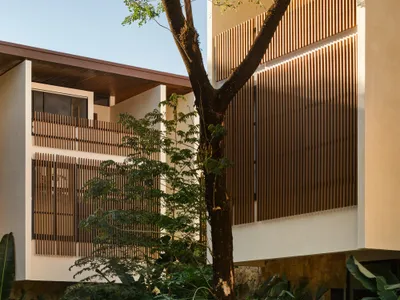
FAMM Arquitectura Organizes Ten Villas Around Courtyards and Jungle in Nosara, Costa Rica
El Molino pairs two elongated volumes with deep overhangs and timber louvers to build a compact coastal community five minutes from the beach.
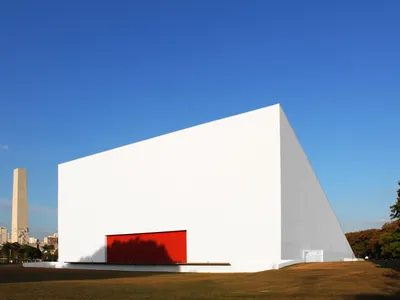
Oscar Niemeyer's Ibirapuera Park Pavilions Define São Paulo's Cultural Identity in Concrete and Curve
A constellation of modernist volumes set within São Paulo's most important urban park, conceived for the city's 400th anniversary in 1954.
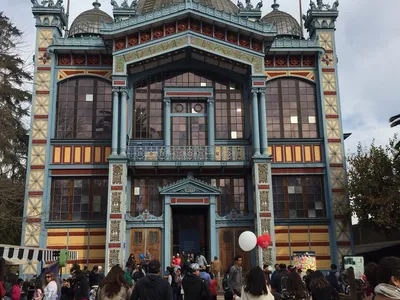
How Henri Picq's 1889 Paris Pavilion Traveled 11,000 Kilometers to Become Santiago's Artequín Museum
A prefabricated iron and glass pavilion built for the Paris Universal Exposition found a second life as a children's art museum in Chile.
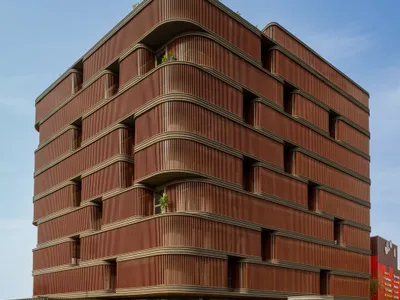
Sanjay Puri Architects Wraps a Jaipur Office Tower in Capsule-Shaped Green Buffers
A nine-level climate-responsive workplace near Jaipur Airport uses stacked planter terraces and aluminium screens to fight 40°C heat.

Explore Architecture Competitions
Discover active competitions in this discipline



Challenge to reimagine the Iron Throne


Photograph architecture without architects


Illustrate the lost glory of Angkor Wat - Render Challenge


Design challenge to reuse E-waste
Comments (0)
Please login or sign up to add comments
No comments yet. Be the first to comment!