
Nogal House by Raúl Almenara: A Contemporary Stone Dwelling Rooted in Nature
Nogal House in Ávila blends stone, glass, and nature, honoring a century-old walnut tree with sculptural architecture and sustainability.

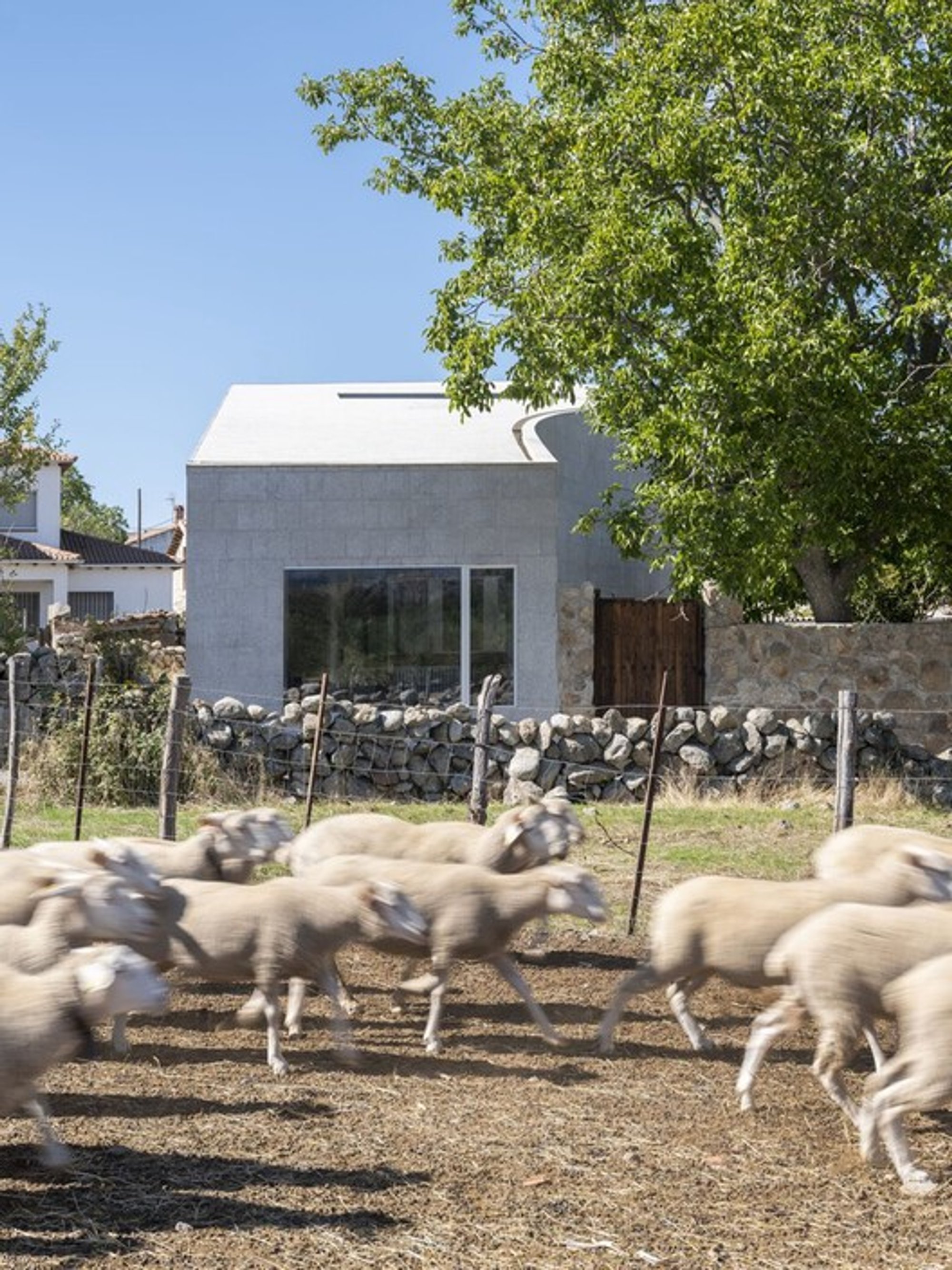
Nestled in the serene village landscape of Ávila, Spain, the Nogal House by architect Raúl Almenara represents the poetic fusion of architecture, landscape, and heritage. Designed in 2022, this 140 m² single-family residencetransforms an abandoned rural orchard into a sculptural, stone-like dwelling that pays tribute to its most precious inhabitant — a century-old walnut tree, the soul of the project.
A House Born from a Walnut Tree
The name Nogal House directly stems from the majestic walnut (nogal in Spanish) that dominates the orchard where the home is located. Deep-rooted, noble, and commanding in presence, the walnut tree inspired the organic form and stony character of the building.
Walnut trees are rare and sensitive, requiring specific climatic conditions: moderate rainfall, protection from frost, and temperate warmth. Finding such a tree thriving in Ávila is exceptional — making it the perfect centerpiece for a project that merges nature, sustainability, and contemporary design.
“Living under the shelter of a walnut tree is how I understand the experience in this house.” — Raúl Almenara
Architectural Concept: A Rock That Houses Life
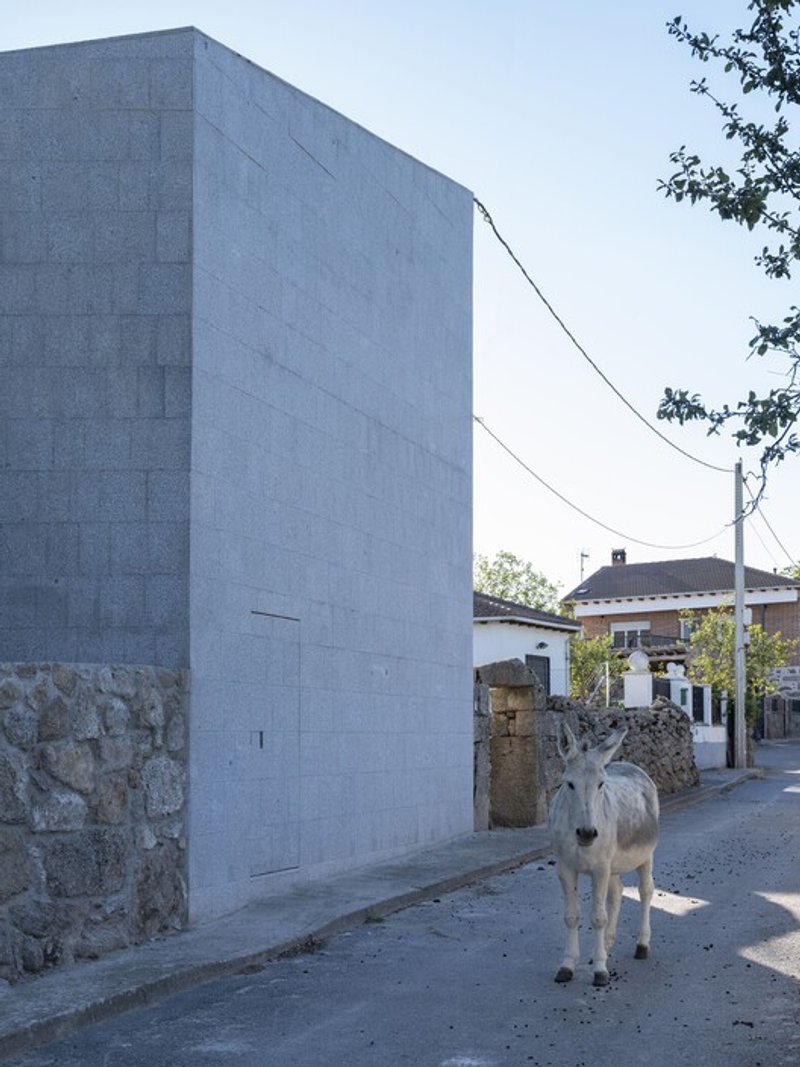
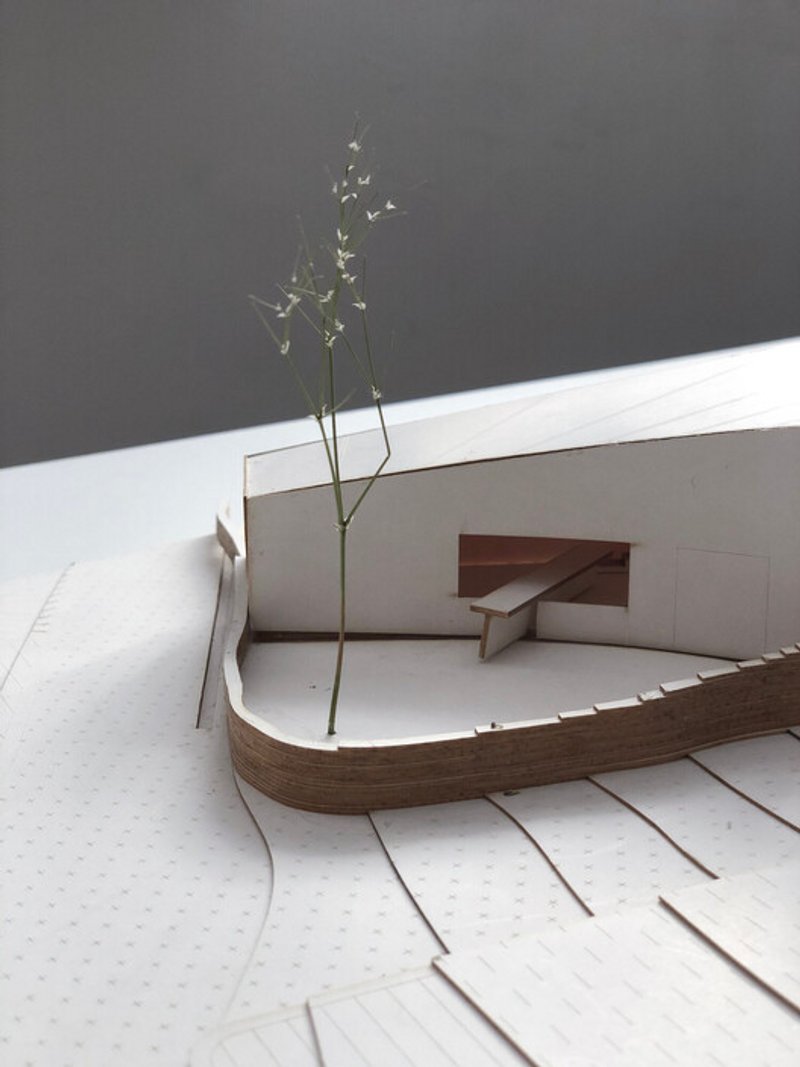
The Nogal House is conceived as a giant granite rock, seemingly born from the surrounding Ávila mountains. Its faceted form bends and curves to embrace the walnut tree, evoking the landscape’s rugged boulders that stand like sculptures in the vast plains of Ávila.
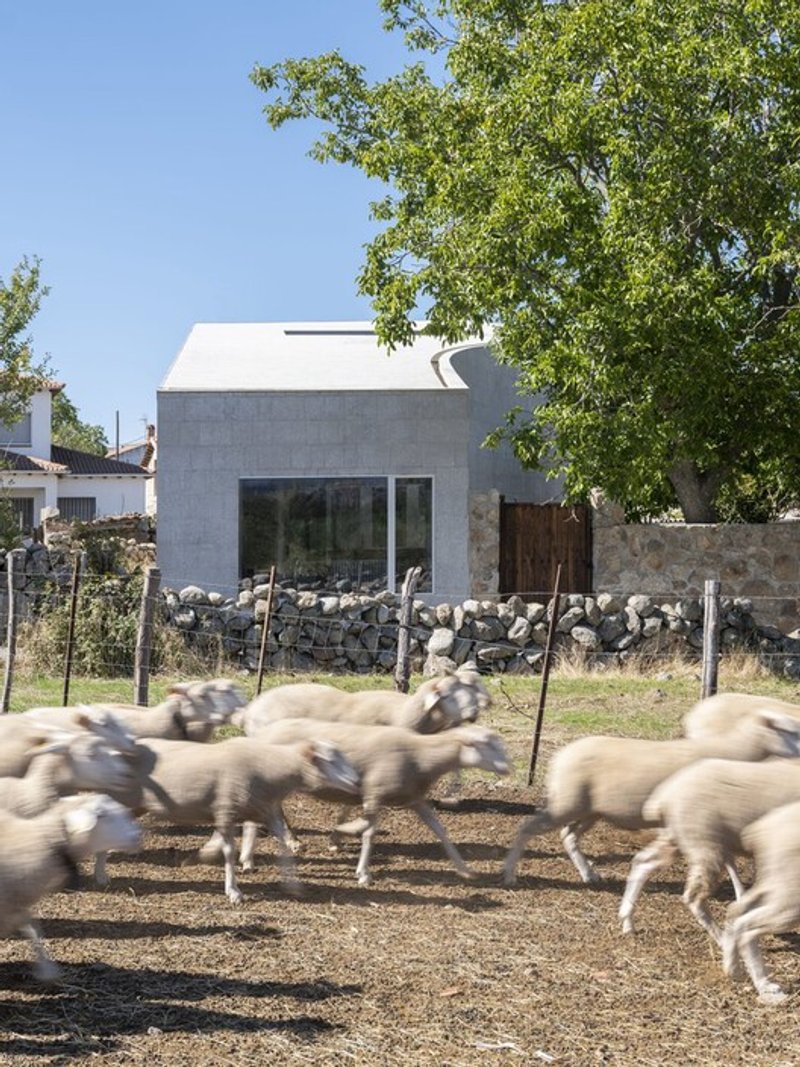
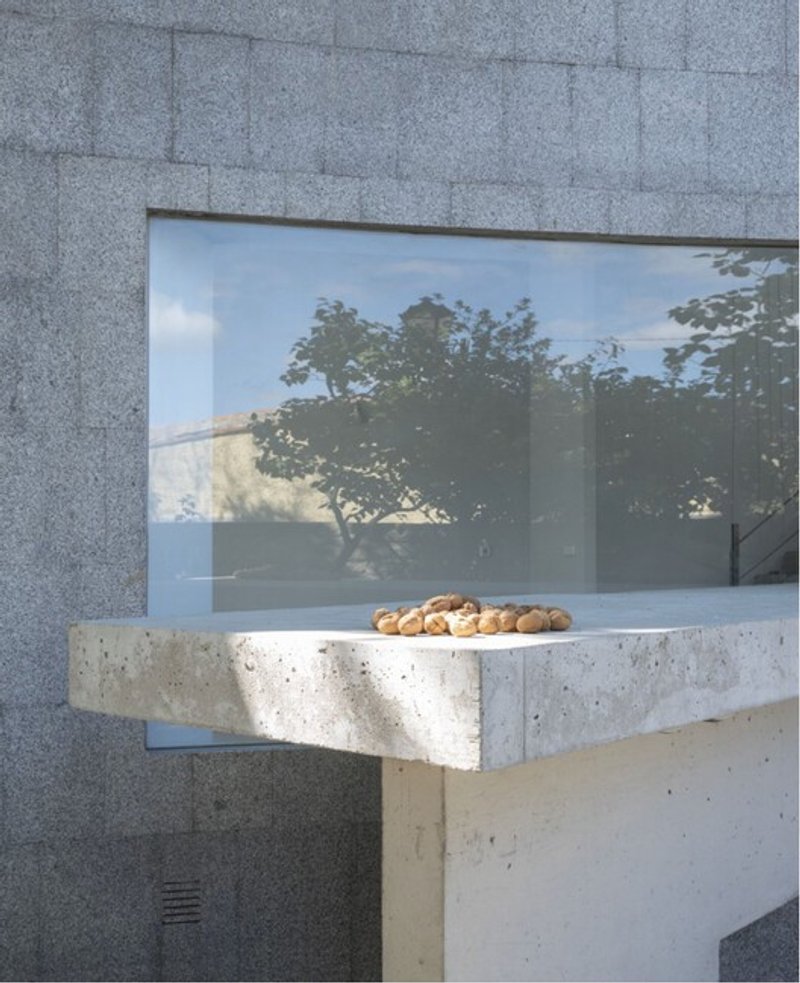
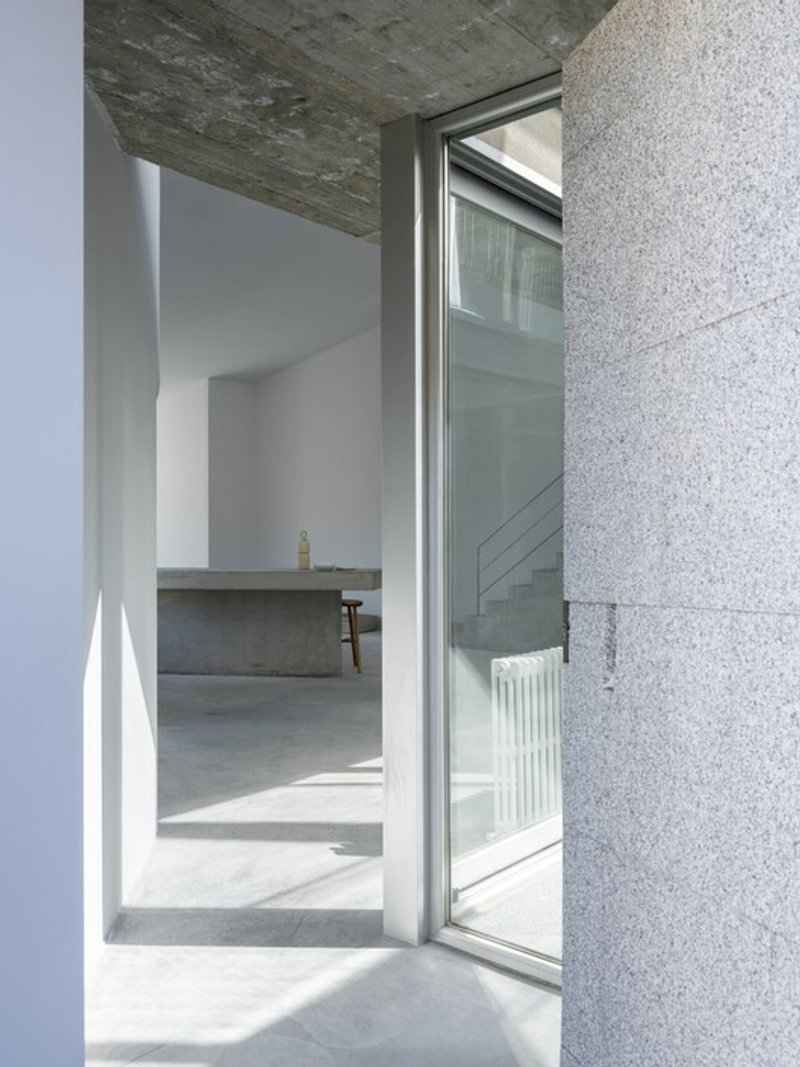
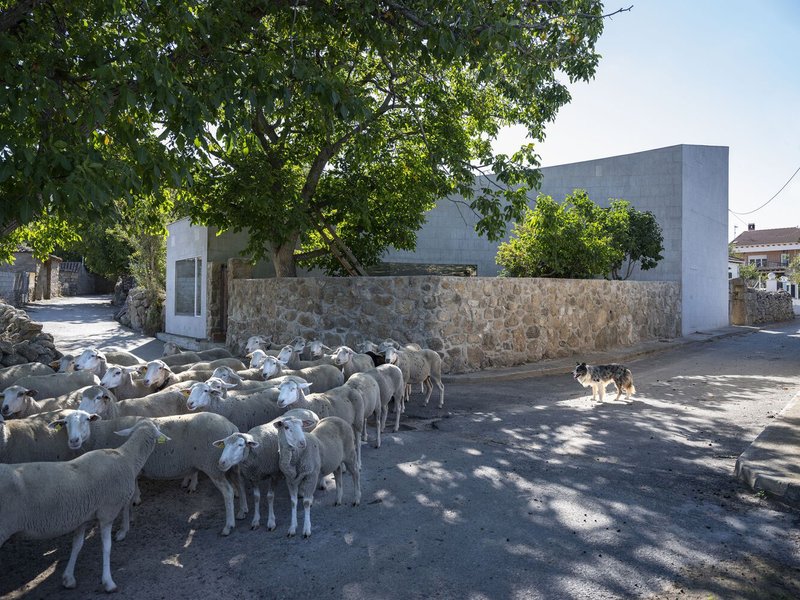
- Facade and Roof: Clad in local granite, the house appears as a seamless solid mass. The same stone extends over the roof and even conceals the doors, reinforcing the monolithic aesthetic.
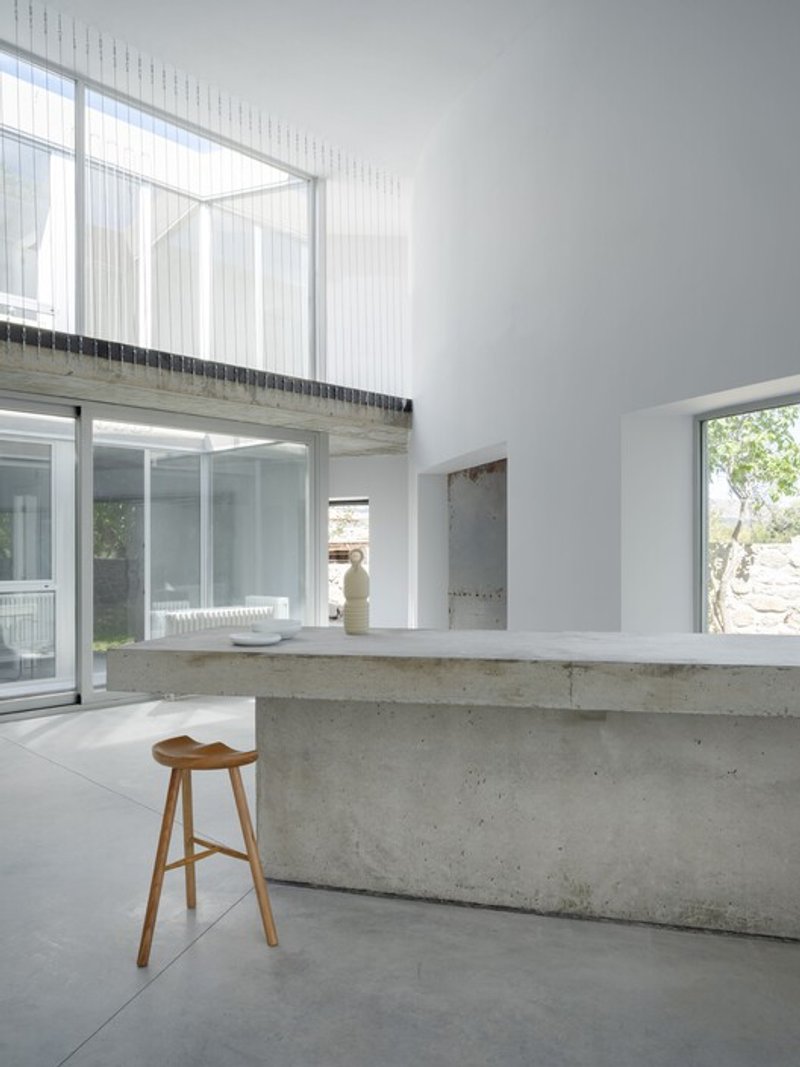
- Interior as Sculpture: Inside, the stone mass is “carved out” to create luminous, livable spaces, balancing the raw solidity of stone with the lightness of glass and metal.
The design reflects vernacular traditions with its sloping roof while embodying a 21st-century sculptural modernism.
Openings that Connect to Nature
Although the house is largely opaque, it establishes three monumental openings that carefully connect the interior to the environment:
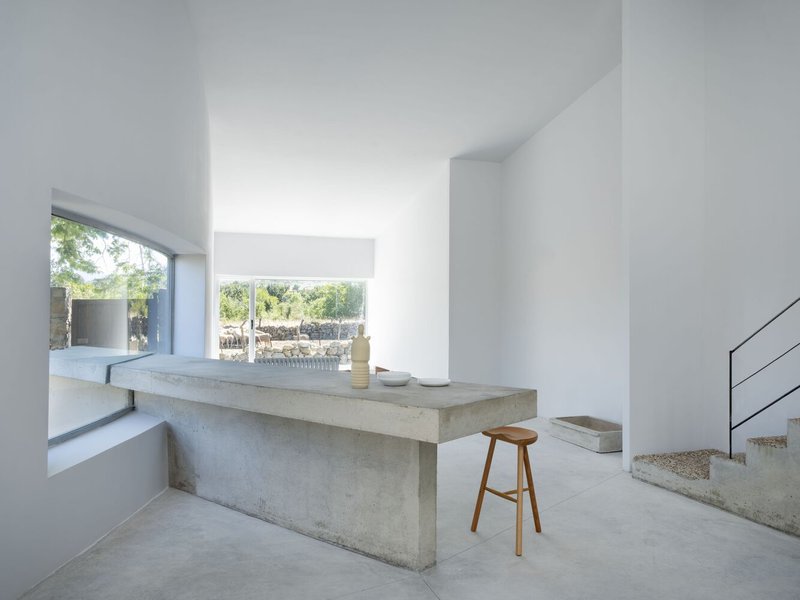
- The Walnut Tree Window – A custom, curved glass wall encircles the walnut tree, offering uninterrupted views and direct access to the garden. This opening also integrates a stone dining table that begins indoors and continues outside beneath the tree, uniting architecture and landscape in a single gesture.
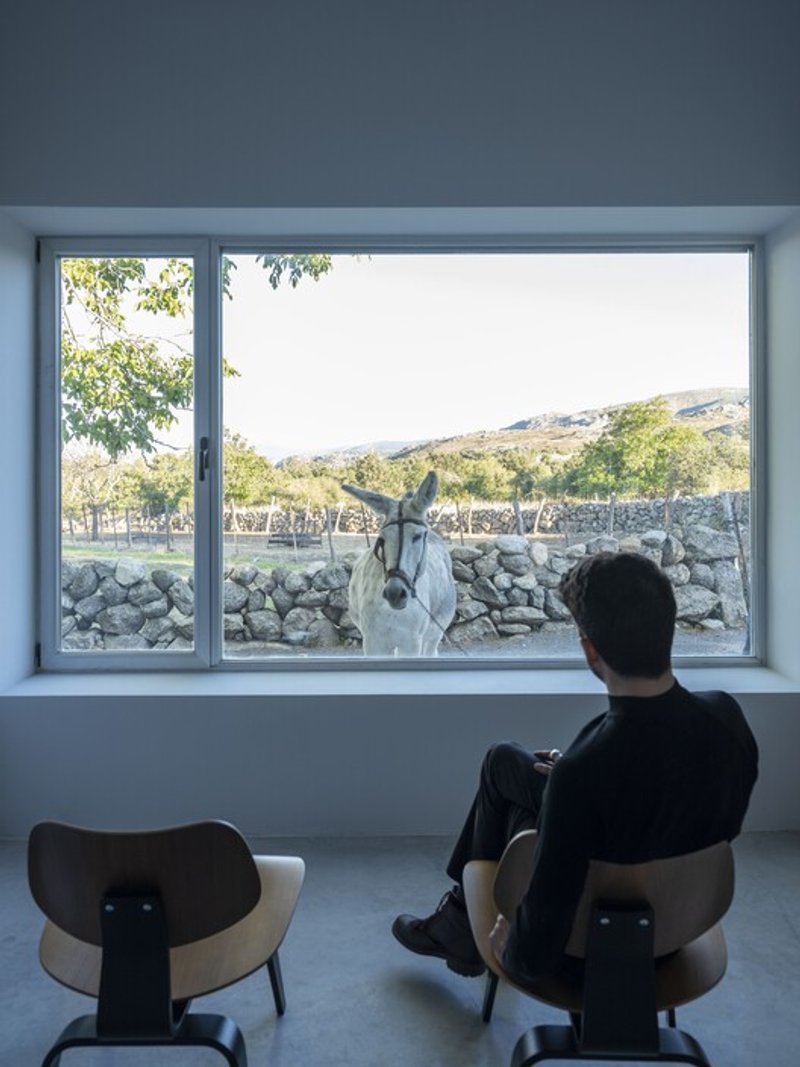
- The Landscape Window – Facing the open plains, this large aperture captures views of the region’s transhumance routes, where herds traditionally cross.
- The Sky Window – Oriented toward the heavens, this opening frames the stars. Bedrooms are positioned here, allowing inhabitants to fall asleep under the night sky.
Together, these apertures establish a dialogue between earth, tree, horizon, and sky, while shielding the home from its immediate urban context.
Spatial Organization: Public and Private
Upon entering the Nogal House, visitors encounter an interior courtyard, fully glazed and permeable, which becomes the heart of the domestic layout. Around this natural core, the program divides into public and private zones:
- Public Wing: A dramatic double-height space with a sloping roof accommodates the living, dining, and kitchen areas. The curved stone dining table becomes the centerpiece here, extending outdoors. A sunken winter living room lies slightly below, warmed by a sculptural fireplace that frames landscape views.
- Private Wing: Bedrooms are strategically elevated, offering privacy and views of the starry sky. Their placement reinforces the house’s concept of living in continuous contact with light, air, and natural rhythms.
Materiality: Stone, Glass, and Metal
The material palette of the Nogal House reflects restraint and symbolism.
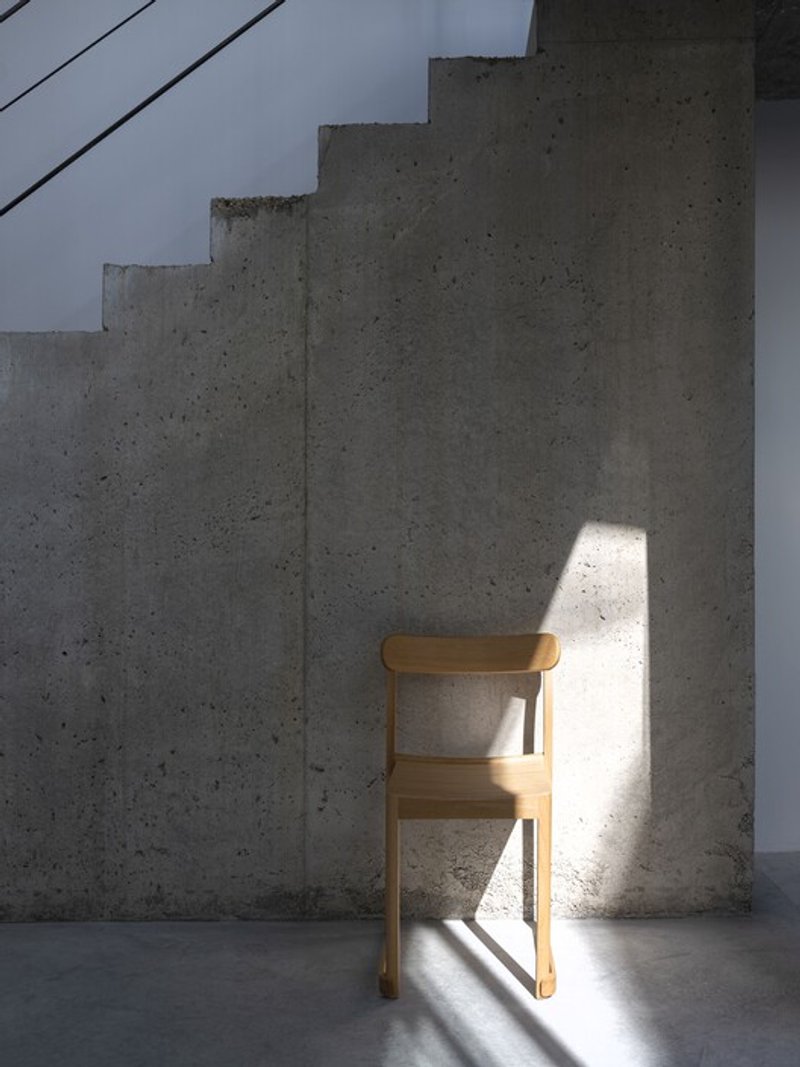
- Stone dominates — from granite cladding to concrete structure and even custom interior pieces like staircases made of compacted Abulense river pebbles.
- Glass opens the house to light, most notably in the monumental curved glazing, a handcrafted piece unique to this project.
- Metal appears in stainless steel cable railings, creating a delicate interplay of shadows that echo the walnut tree’s branches.
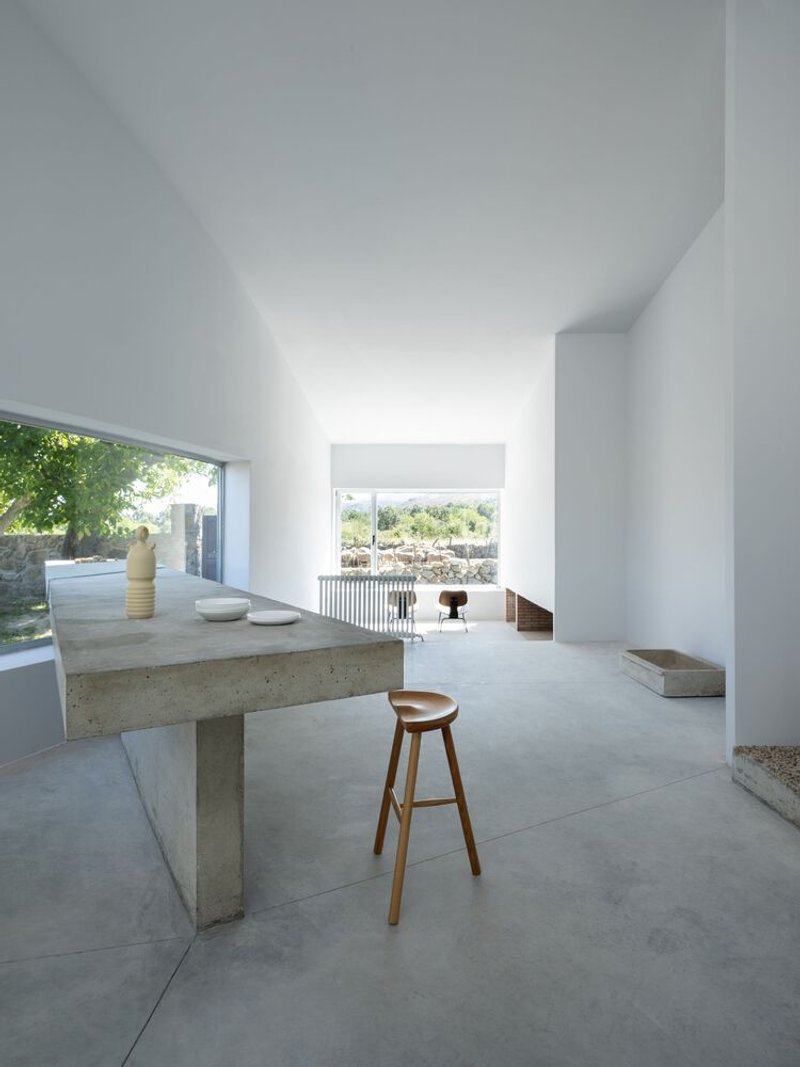
Interestingly, wood is avoided, allowing the walnut tree itself to remain the only true wooden presence, both physically and symbolically.
Living in Harmony with Nature
Nogal House is more than a dwelling; it is a philosophical statement about architecture’s relationship with nature. By embracing stone as permanence, glass as transparency, and the walnut tree as a living core, the project embodies a balance between the artificial and the organic.
It is a home of contrasts — solid yet open, heavy yet luminous, timeless yet contemporary. Above all, it is a place where life unfolds under the shelter of a walnut tree, a rare and poetic dialogue between human habitation and natural legacy.
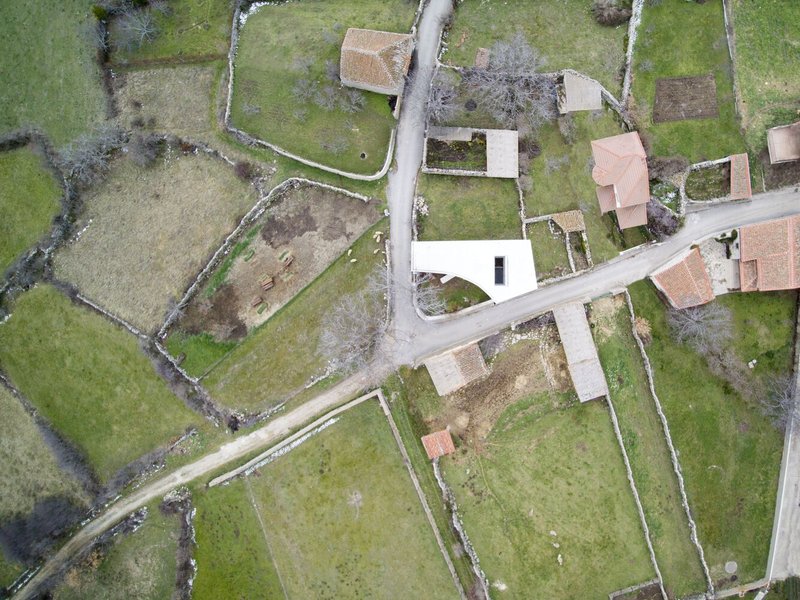
All photographs are works of Raúl Almenara


Popular Articles
Popular articles from the community

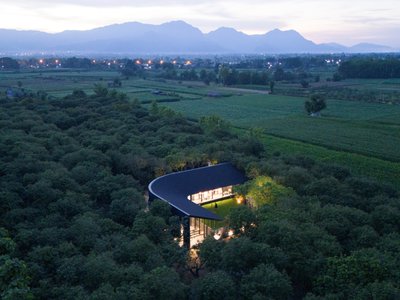
Cafe MADA: A Chiang Rai Pavilion in a Mango Orchard
BodinChapa Architects threaded a 254 m² black-roofed cafe through an existing mango orchard in Chiang Rai, Thailand, built around mature trees.
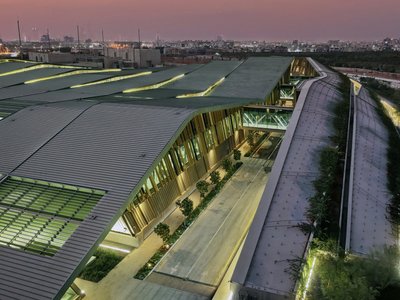
A Park Building That Wants to Be a Landscape
Omrania's Operations & Maintenance Building at King Salman Park dissolves industrial program into Riyadh's largest green infrastructure.

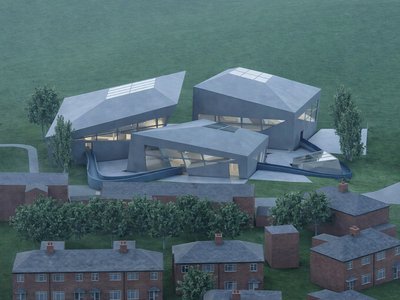
Filtering Space: A Gradual Spatial Experience
From urban intensity to spatial calm.
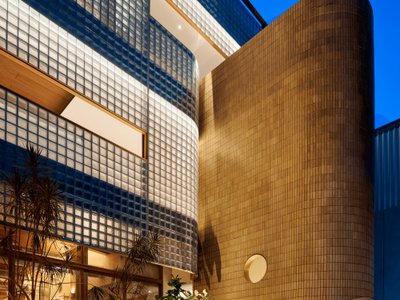
Gunawarman 35: Jakarta's Corner of Quiet Complexity
WOFF's mixed-use building in Jakarta pairs translucent glass block walls with a buff brick cylinder to hold coffee, wellness, and work under one roof.


Similar Reads
You might also enjoy these articles
Filtering Space: A Gradual Spatial Experience
From urban intensity to spatial calm.


The Ken Roberts Memorial Delineation Competition (Krob)
As the most senior architectural drawing competition currently in operation anywhere in the world, it draws hundreds of entries each year, awarding the very best submissions in a series of medium-based categories.


Waterfront Redevelopment and Urban Revitalization in Mumbai: Forging a New Dawn for Darukhana
A transformative waterfront redevelopment project reimagining Darukhana’s shipbreaking heritage into an inclusive urban future.

OUT-OF-MAP: A Call for Postcards on Feminist Narratives of Public Space
Rhizoma Design and Research Lab invites artists, designers, architects, researchers, and students to reflect on how feminist perspectives can reshape public space. Selected works will be exhibited in Barcelona, October 2026. Submissions open until 15 April 2026.

Explore Architecture Competitions
Discover active competitions in this discipline




The International Standard for Design Portfolios


The Global Benchmark for Architecture Dissertation Awards


The Global Benchmark for Graduation Excellence


Challenge to reimagine the Iron Throne
Comments (0)
Please login or sign up to add comments
No comments yet. Be the first to comment!