

Non-Commercial Cultural Hub by IPA Filip Kozarski + Roark Studio
Historic shipyard hall transformed into flexible cultural hub using reclaimed materials, preserving industrial character while supporting Gdańsk’s creative community.


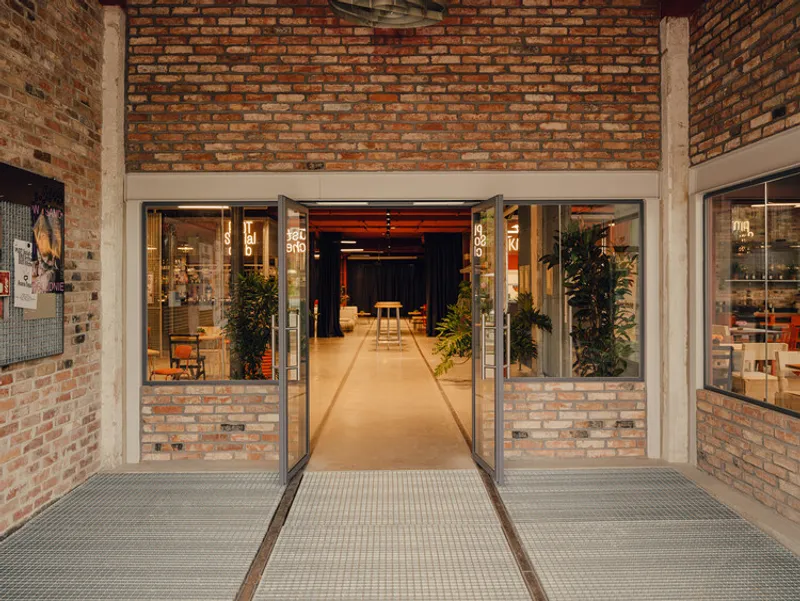
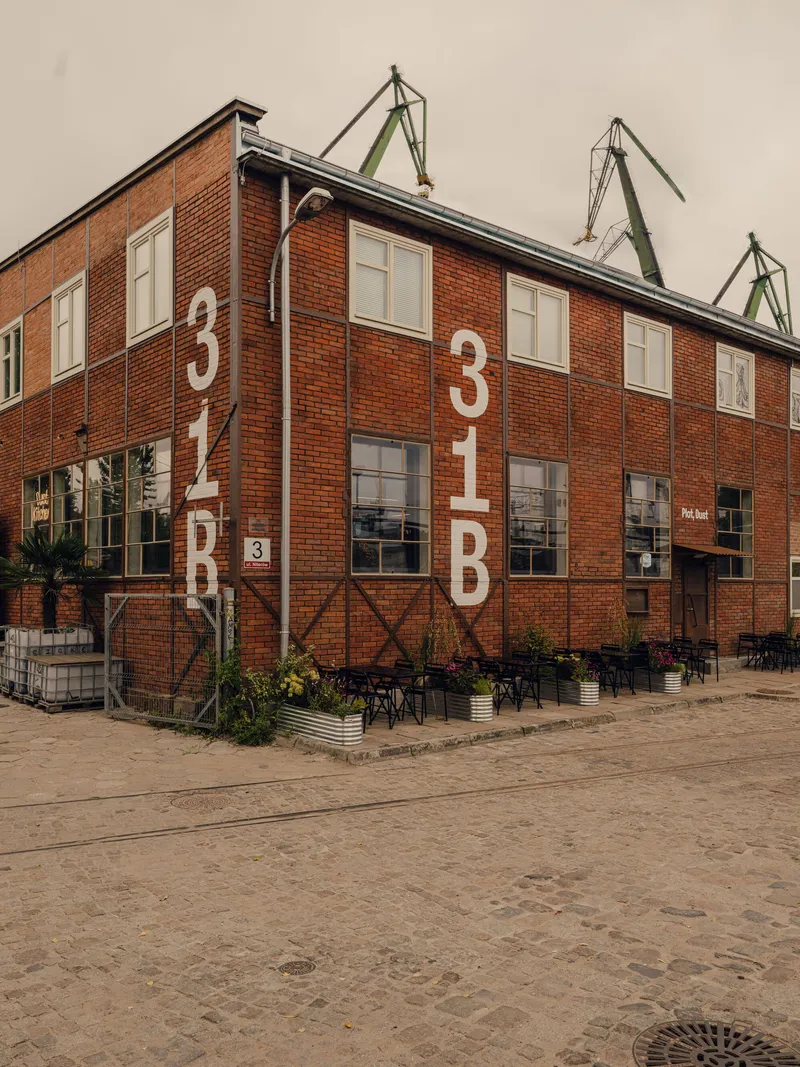
Located within Hall 31B of the historic Gdańsk Shipyard, Grid Arthub is a non-commercial cultural center that transforms a late 19th-century industrial structure into a vibrant creative hub. Designed by IPA Filip Kozarski in collaboration with Roark Studio, the 1,500-square-meter project embodies adaptive reuse architecture in Poland, preserving the building’s industrial identity while supporting Gdańsk’s growing creative community.
The shipyard is not only a site of industrial heritage but also a symbolic location connected to the Solidarity movement. This layered historical context informed the architects’ approach: rather than erasing traces of the past, the design embraces them.

Preserving Industrial Heritage Through Architectural Reuse
Hall 31B has served multiple functions over the decades, from wood-drying plant and mess hall to boxing gym and office space. The renovation strategy respected this evolution, allowing remnants of each era to remain visible.
The primary challenge was the building’s deteriorated condition. Instead of replacing damaged elements, the client and architects committed to a reuse-first design strategy. This constraint became the conceptual foundation of the project, positioning sustainability and circular design at its core.
Materials were sourced from:
- The hall itself
- Neighboring industrial buildings
- Institutions discarding architectural components
The result is a cohesive interior composed of elements that each retain their own narrative.
Reclaimed Materials as Design Language
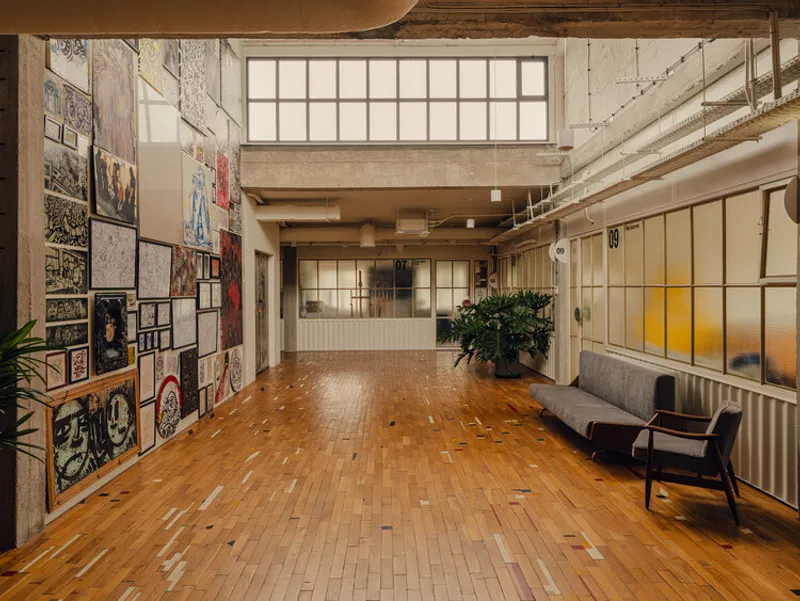
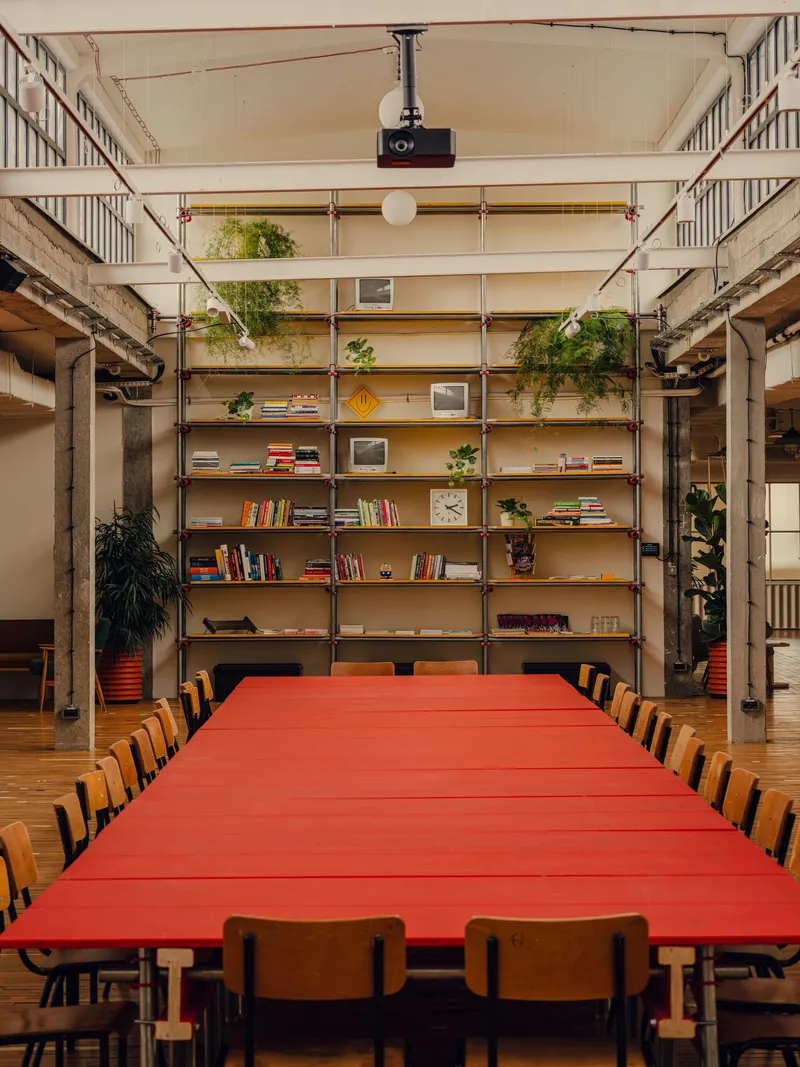
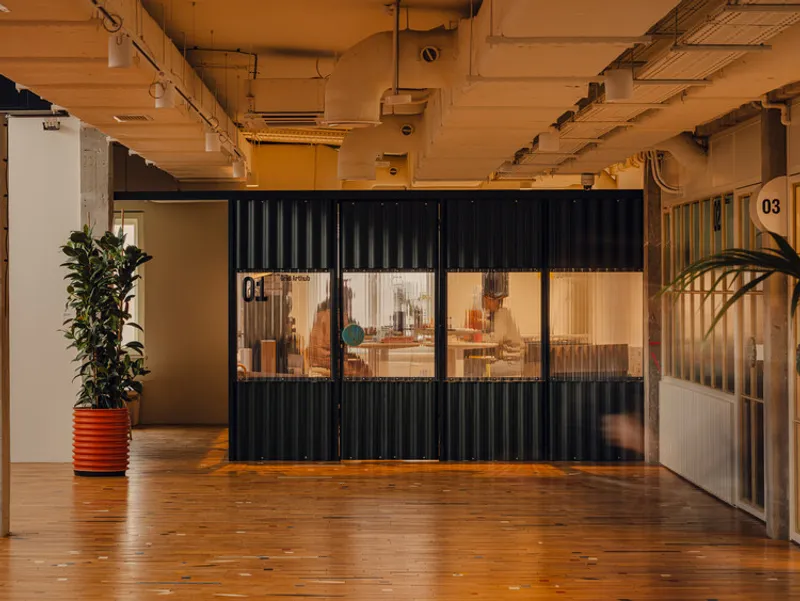
Circular construction principles define the spatial atmosphere of Grid Arthub. More than 1,000 square meters of reclaimed sports flooring were salvaged from the Olympic Training Center in Cetniewo. Carefully dismantled, cleaned, and reinstalled without sanding, the floor preserves painted lines and wear patterns, visible evidence of its previous life.
Additional reused elements include:
- Glass panels from dismantled roof skylights
- Stoneware tiles and stone offcuts repurposed for flooring
- Recycled plastic waste transformed into door handles, countertops, and partitions
- Interior accents made from shredded soft-drink crates sourced locally
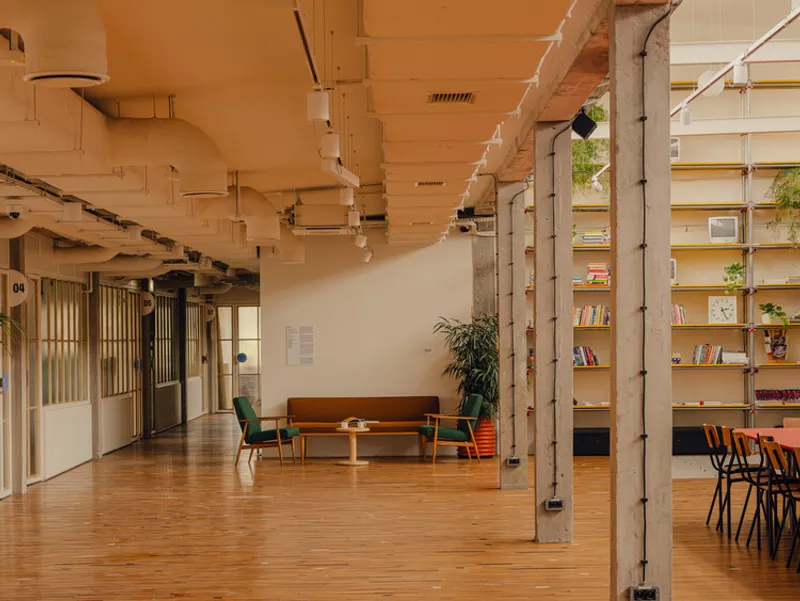
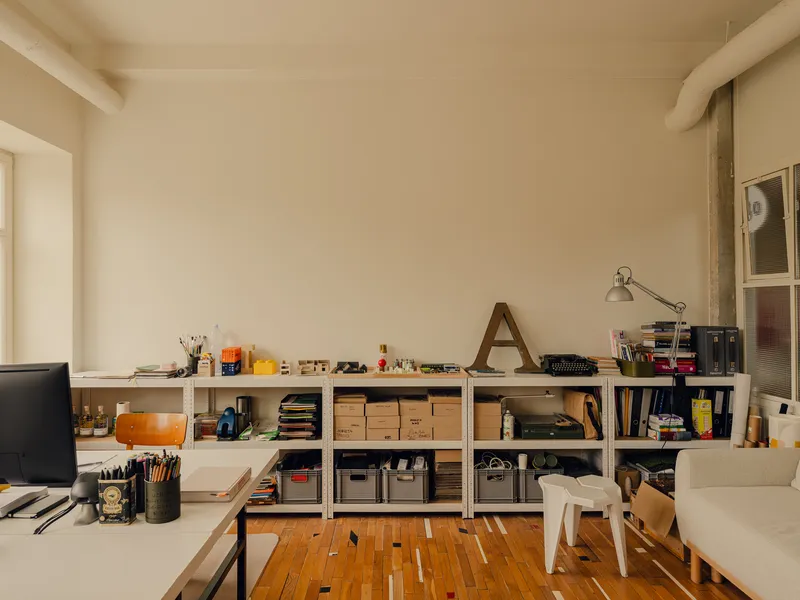
Furniture was largely hand-selected, reused, or fabricated on-site using DIY and open-source designs. This approach reinforces the project’s identity as a low-impact cultural renovation in Gdańsk.
Flexible Cultural Space for Creative Communities
The spatial organization prioritizes openness and adaptability. The first floor houses:
- Long-term artist studios
- Temporary residency spaces
- Communal coworking areas
Rigid partitions were intentionally avoided. Instead, modular shelving systems, communal worktables, and bulletin structures can be dismantled or reconfigured. This flexibility ensures the building can evolve alongside its users: artists, designers, and cultural practitioners.
Grid Arthub operates as a non-commercial creative workspace, offering long-term rental stability within a rapidly transforming post-industrial district.

Industrial Aesthetics with Contemporary Comfort
While preserving exposed brick, raw structural elements, and industrial textures, the renovation integrates essential upgrades:
- Efficient heating systems
- Improved water infrastructure
- Daylight-optimized workspaces
Lighting and wood interventions soften the robust industrial shell, creating a balanced atmosphere between durability and warmth. The project demonstrates how industrial building renovation can combine heritage preservation with contemporary functionality.


A Resilient Cultural Node in Gdańsk
Grid Arthub extends the adaptive legacy of the Gdańsk Shipyard. Once a site of shipbuilding and political transformation, the area now evolves into a cultural district. This project positions Hall 31B as a resilient architectural node: sustaining artistic production through reuse, flexibility, and community-centered design.
By prioritizing reclaimed materials, minimizing waste, and designing for adaptability, IPA Filip Kozarski and Roark Studio deliver a compelling model of sustainable cultural architecture in Europe.
- Adaptive reuse of 19th-century industrial hall
- 1,500 m² non-commercial cultural hub
- Extensive reclaimed and recycled materials
- Flexible studio and residency spaces
- DIY and open-source furniture solutions
- Preservation of industrial brick and structure
- Circular design and low-impact renovation strategies

All the photographs are works of
PION Studio



Popular Articles
Popular articles from the community


The Ocean Hive: Sustainable Architecture for a Self-Sufficient Civilization at Sea
The Ocean Hive imagines sustainable architecture at sea, where modular habitats, algae, wave power and ocean waste sustain a growing colony.

The Earth Pod: 3D Printed Homes for Resilient Refugee Communities
The Earth Pod reimagines refugee housing through 3D printed homes made from clay, combining resilience, self-sufficiency, and rapid shelter.

Conexión: Biophilic Design Reimagines High-Rise Living in Hong Kong
Conexión reimagines high-rise living in Hong Kong through biophilic design, green facades, shared spaces, daylight, water and nature within.

The Musturak Paradise: Senior Living Architecture for a Connected Future in Temara, Morocco
The Musturak Paradise reimagines senior living architecture in Temara via private homes, social spaces, culture, community, and shared care.


Similar Reads
You might also enjoy these articles

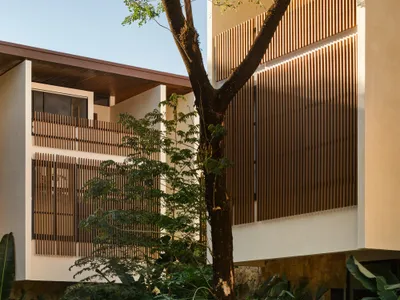
FAMM Arquitectura Organizes Ten Villas Around Courtyards and Jungle in Nosara, Costa Rica
El Molino pairs two elongated volumes with deep overhangs and timber louvers to build a compact coastal community five minutes from the beach.
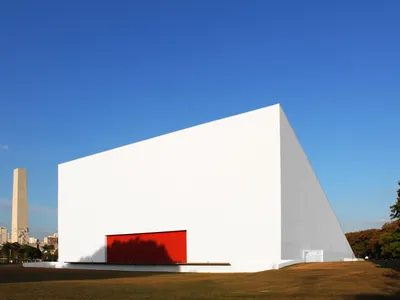
Oscar Niemeyer's Ibirapuera Park Pavilions Define São Paulo's Cultural Identity in Concrete and Curve
A constellation of modernist volumes set within São Paulo's most important urban park, conceived for the city's 400th anniversary in 1954.
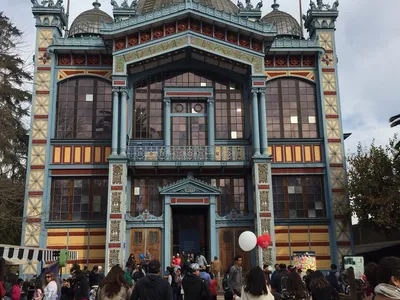
How Henri Picq's 1889 Paris Pavilion Traveled 11,000 Kilometers to Become Santiago's Artequín Museum
A prefabricated iron and glass pavilion built for the Paris Universal Exposition found a second life as a children's art museum in Chile.
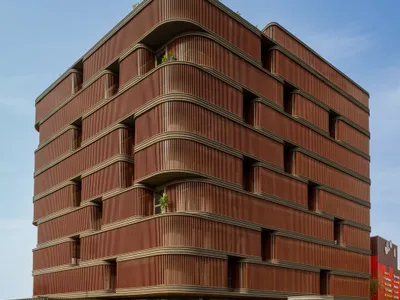
Sanjay Puri Architects Wraps a Jaipur Office Tower in Capsule-Shaped Green Buffers
A nine-level climate-responsive workplace near Jaipur Airport uses stacked planter terraces and aluminium screens to fight 40°C heat.


Explore Architecture Competitions
Discover active competitions in this discipline



Challenge to reimagine the Iron Throne


Photograph architecture without architects


Illustrate the lost glory of Angkor Wat - Render Challenge


Bring back Drive In's
Comments (0)
Please login or sign up to add comments
No comments yet. Be the first to comment!