

Oceanarium
A place to call home for marine life

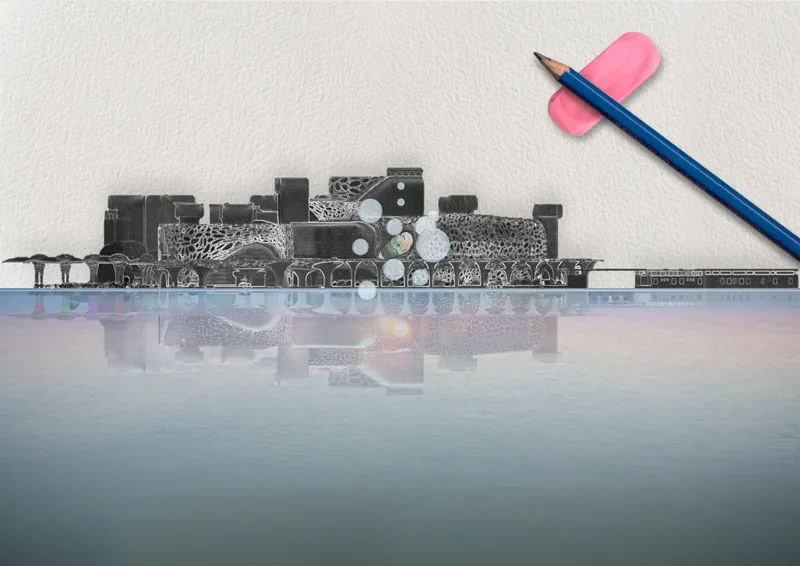
Underwater journey; based on various themes such as Jim Corbett forest, Elephanta Cave, the tropical ocean, and coral reef – sea rainforest, etc. Building divided them into three zones such as main display, recreational hell, and heaven zone. Focus on every marine aquatic life from salt to cold and warm waters, etc. Consist 278 aquariums display tanks; Housing over 224 different species of fish and creatures, found in three coasts the Malabar, the gulf of Khambhat, and the Lakshadweep islands.
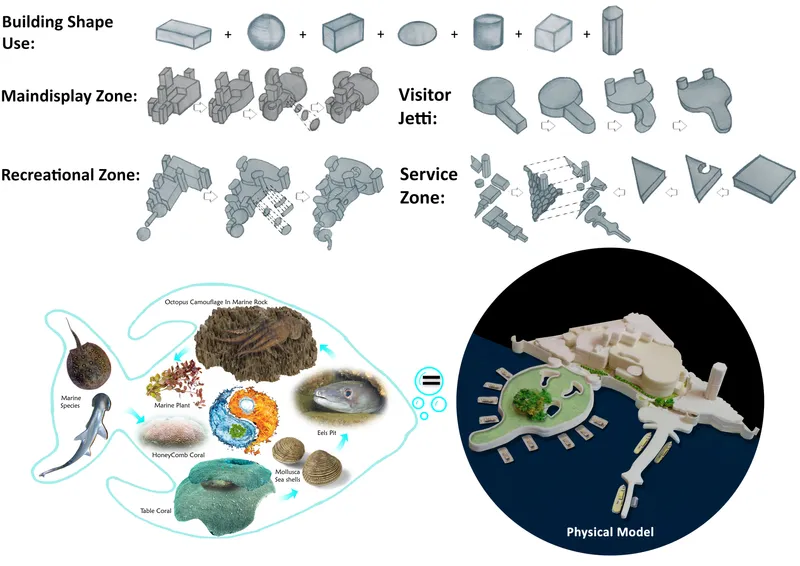
Seven geometric shapes with addition and subtraction, a basic building design method uses to create an ocean natural habitat. Accordingly; the table corals and marine rocks create a nest for thousands of marine species, which become the main body form of the overall structure. While Eels; create pits inside coral or marine rock hiding from its predator and only face emerge out. Furthermore, Mollusca live beside a marine rock to eat algae. Similarly, stingrays and baby sharks surround the nest or hide inside the sand. Eels, Mollusca, stingrays, and baby sharks become a unique element of the structure.
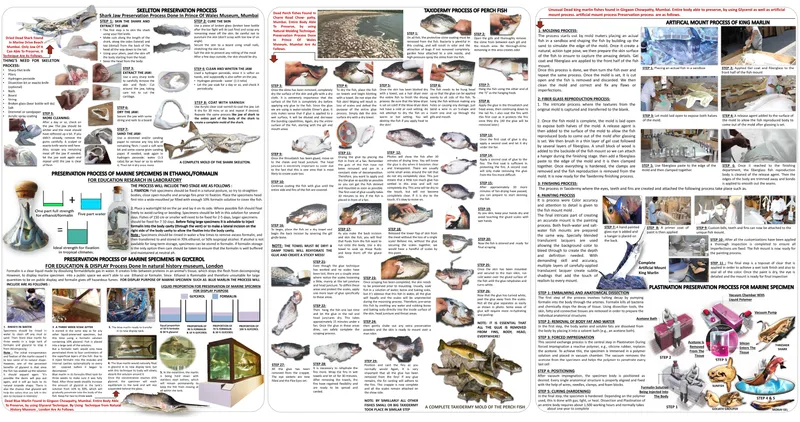
Moreover; design flow, carry visitor into the adventurous footstep from the shallow surface path towards the deep sea, which led them into the gate of hell. Eventually give a pathway towards the gate of heaven, which carries different entertainment for visitors. In adjoins towards design theme; the different types of taxidermy laboratories for preservation for exhibition and study purposes, with it Mangrove plantation technique for inside and outside the building.
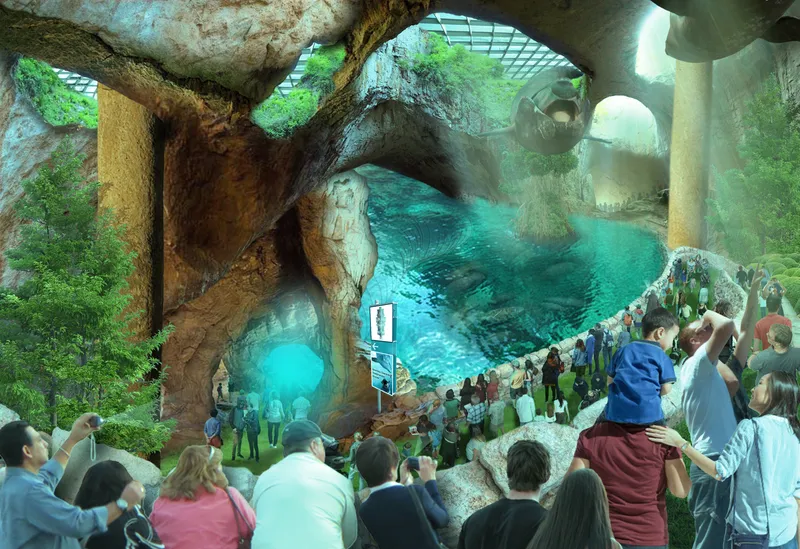
Design footprint focus on two principles; exclude opposite side display and secondly, move downward position to create a sweat-free walk in the overall oceanarium. Due to it, visitors and physically challenged staff provide elevators carrying a capacity of 36-64 people. While escalators and ramps; consist of adequate slopes and queues space all around aquariums to enhance moving. Accordingly; the four giant exhibits' height varies from 16.45 to 17.8m. While there are 274 small exhibits; height varies from 0.4 to 8m. The four giant tanks; consist long underwater ramp/tunnel; moving downward, the slope varies from 1:18.65 to 1:20 with a width of 3m, while regarding its length varies from 17 to 195.61m and 3m in height. Similarly, 6m diameter dome with 4 to 6m height. The interior range from grand to intimate, giving the exhibit spaces an array of diverse environments and moods with help of Projection film, interactivity, graphics, illustrations, signs, etc. aimed at all age groups so that every visitor regardless of background or interests has the best experience possible.
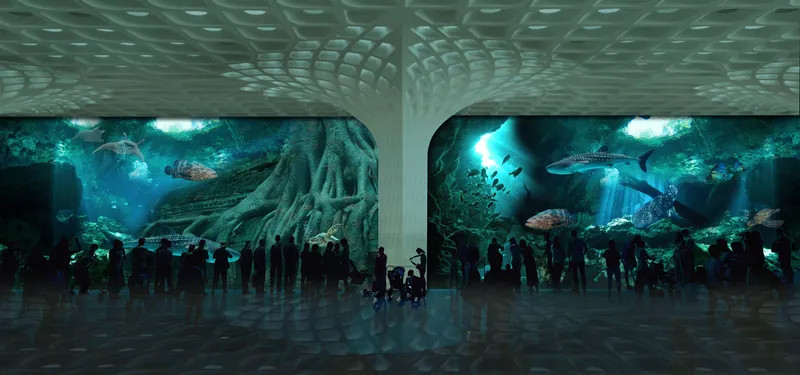
A mixture of translucent glass roof; provide illusion of oxygen bubble around the human body surface by using natural light, sound, advanced AV-technology, air conditioning, etc. Solar gain reduction through moving louvers, keeps the temperature and humidity under control. While south faces vertical solar panels, maintain building atmosphere and help to cut down solar gain and create electricity. With safety features such as fire alarm systems, extinguisher, smoke detectors, sprinklers, biometric face recognition and escapes staircase at every 30m distance.


Popular Articles
Popular articles from the community


Cube Design Draws an Ecological Corridor Between Two Shenzhen Hills with the Nankai Building
Beside Shenzhen's container docks, the Nankai Building pairs stacked balconies with a climbing green screen to connect two hillsides across its height.

Jaramillo Van Sluys Arquitectura and Urbanismo Turn a Demolished Registry Lot in Quito into an Orchard Plaza
In Quito's Centro Histórico, a 2,800 m² plaza exposes the San Agustín convent wall and redraws its lost Augustinian orchard in volcanic stone.

LT2A and OPEN Architectes Thread a Brick and Glass High School Through a Wooded Belgian Campus
In Braine-l'Alleud, a 3,000 m² wing for Collège Cardinal Mercier pairs pale brick with a glazed colonnade, deferring to a small chapel and a dense wood.

GROUP A Strips a 1969 Rotterdam Harbor Headquarters to Its Frame and Wraps It in Timber Louvers
In Rotterdam's M4H harbor district, Ferro Offices reuses a 1969 frame, adds one timber storey and reaches BREEAM-NL Outstanding.

Similar Reads
You might also enjoy these articles

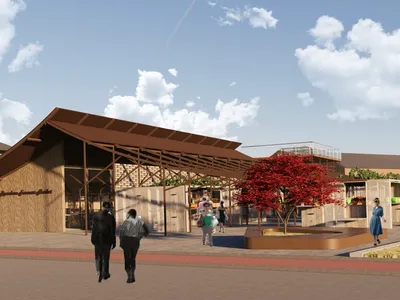
The Rhythm of Seasons
A Farmers' Market Connecting Nature and the City
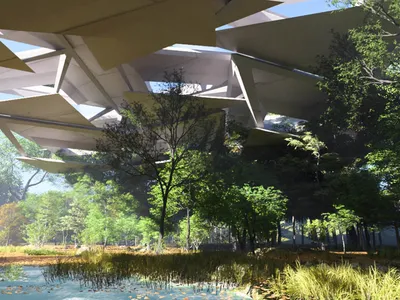

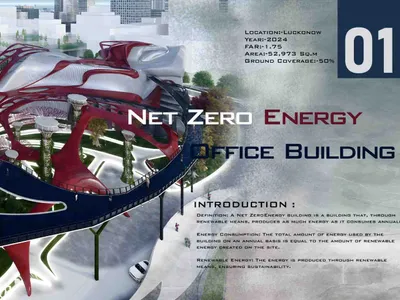
More Than a Building-Designing a Living System
More Than a Building-Designing a Living System
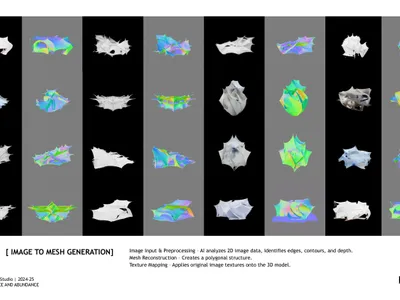
Base Beyond
DESERT COMPOUND ARID: TOURISM OF ABSENCE AND ABUNDANCE

Explore Oceanarium Competitions
Discover active competitions in this discipline


Challenge to design luxury tourism on rails

Challenge to reimagine the Iron Throne

Photograph architecture without architects

VR headsets Storefront design competition
Comments (0)
Please login or sign up to add comments
No comments yet. Be the first to comment!