
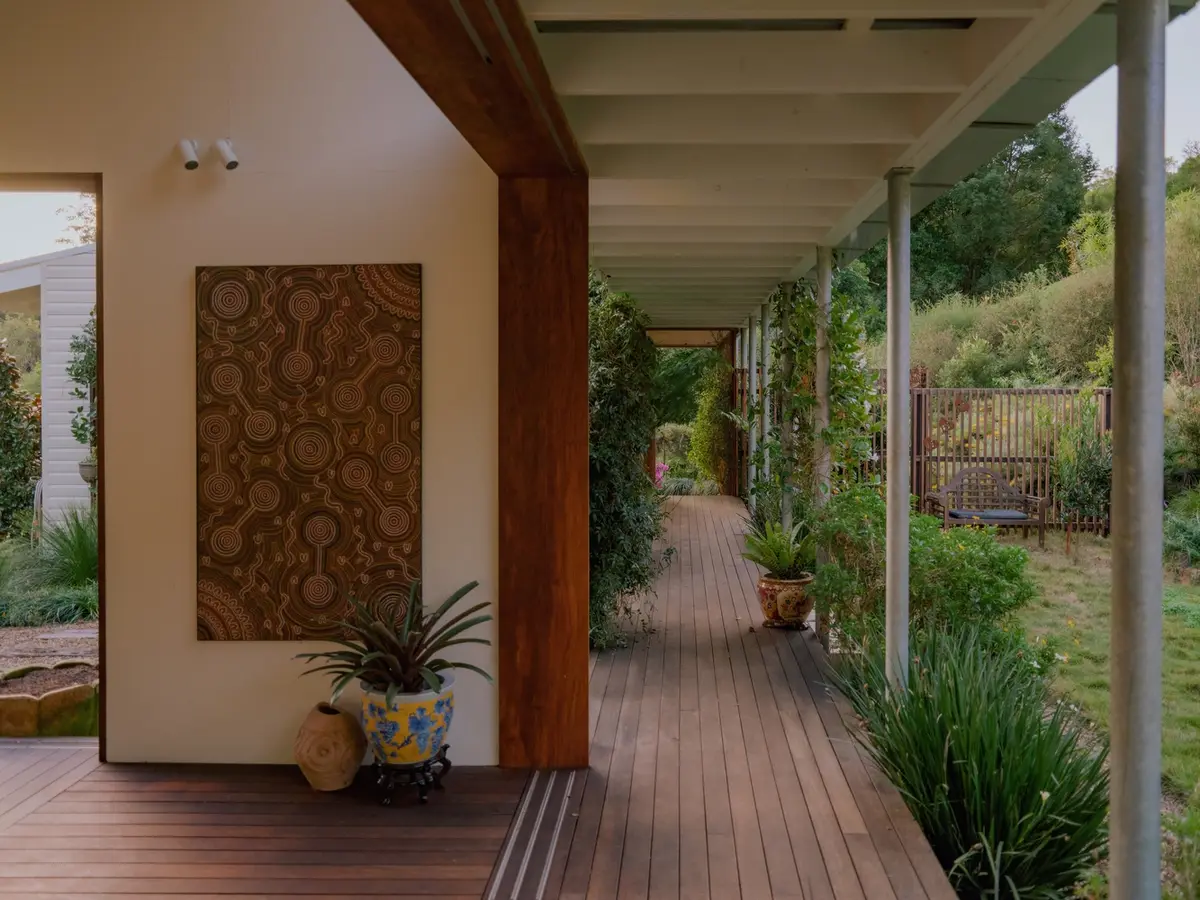
Off-Grid Sustainable House Design in Australia: Cooroy House by Henry Bennett and Dan Wilson
A sustainable, off-grid home in rural Australia blends courtyards, timber design, and ecological restoration into a low-impact architectural retreat.


A Modest Architectural Retreat in Harmony with the Landscape
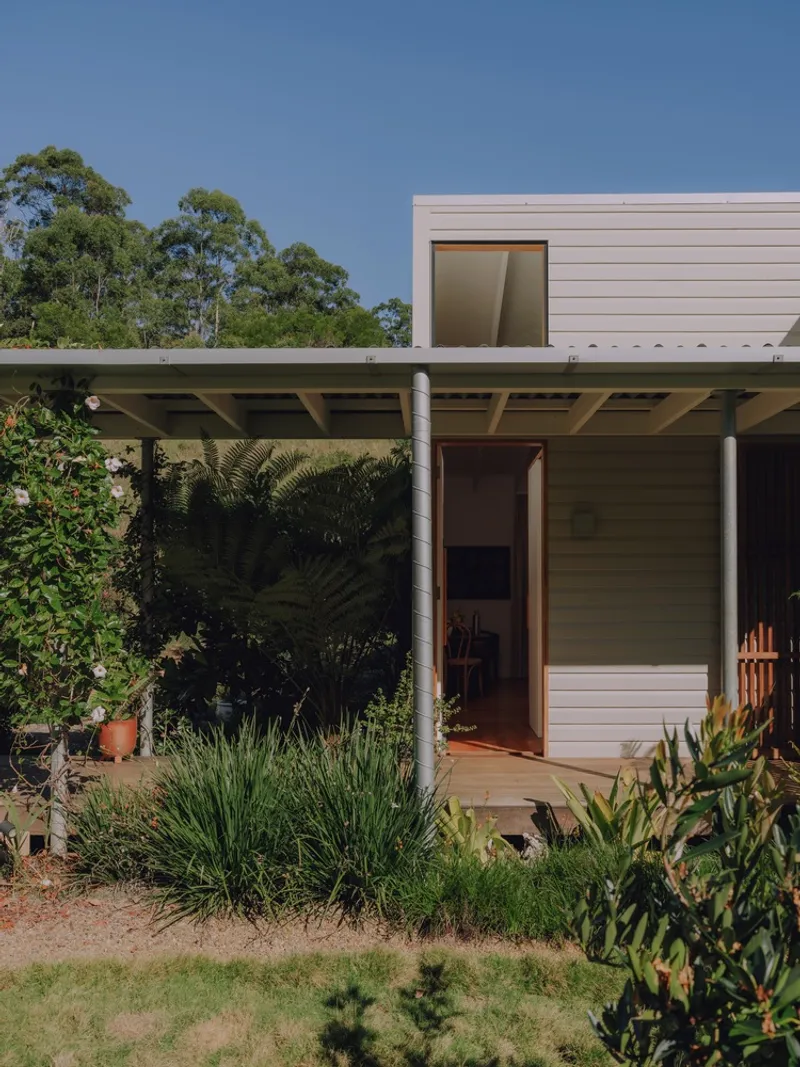
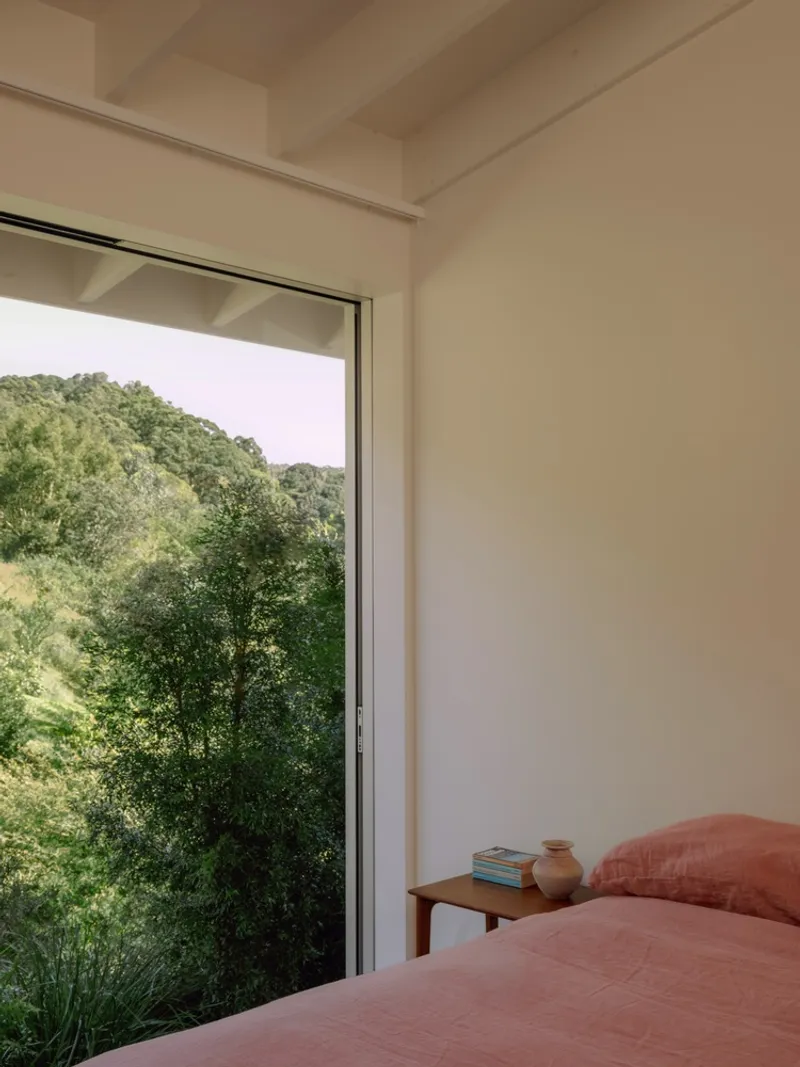
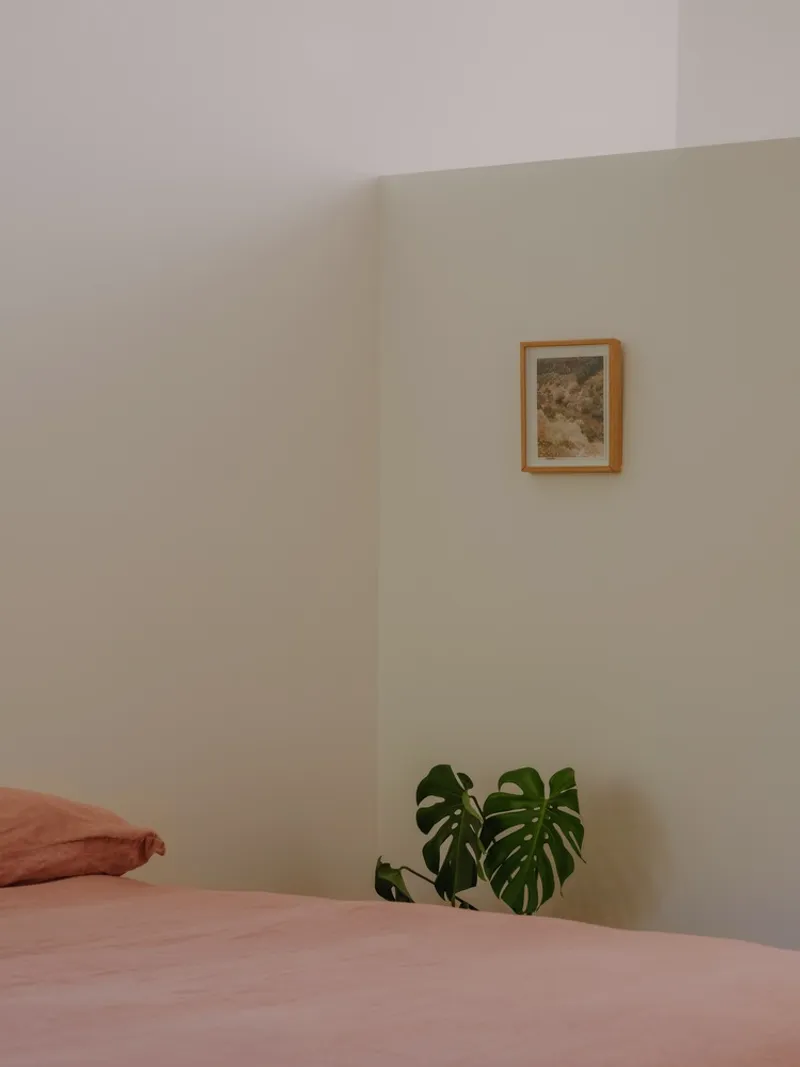
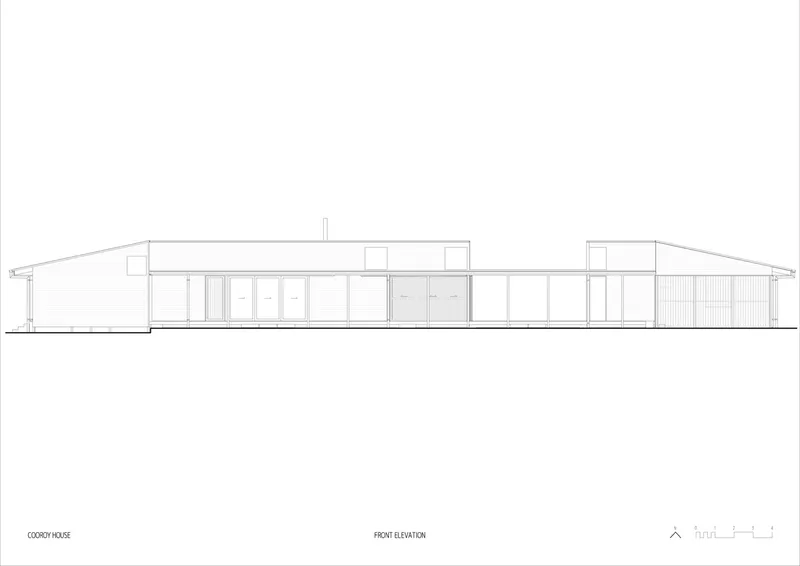
The Cooroy House, located in the hinterlands of Cooroy, Australia, is a refined example of off-grid sustainable house design that balances architectural restraint with ecological sensitivity. Designed by architects Henry Bennett and Dan Wilson, this 155-square-meter home embodies a minimalist yet highly intentional design strategy rooted in the vernacular of its region—taking inspiration from the timber and tin cottages that characterize the surrounding rural context.
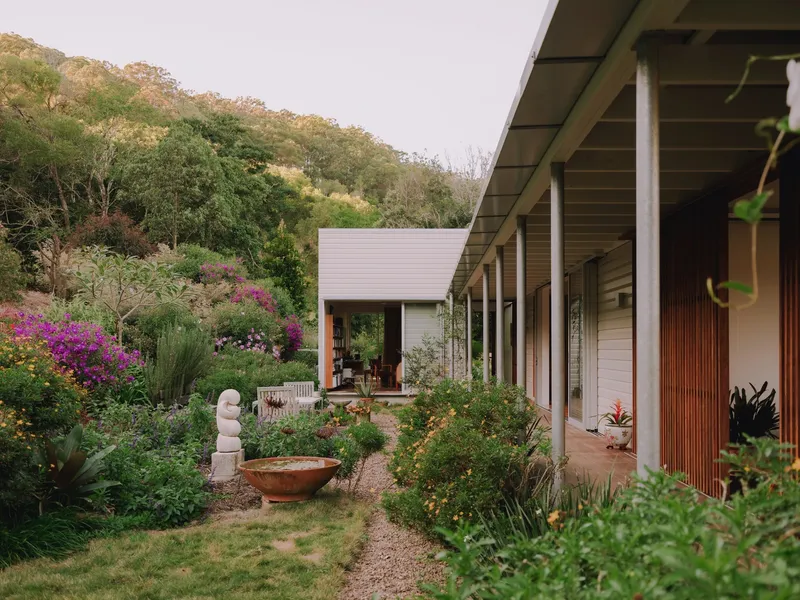
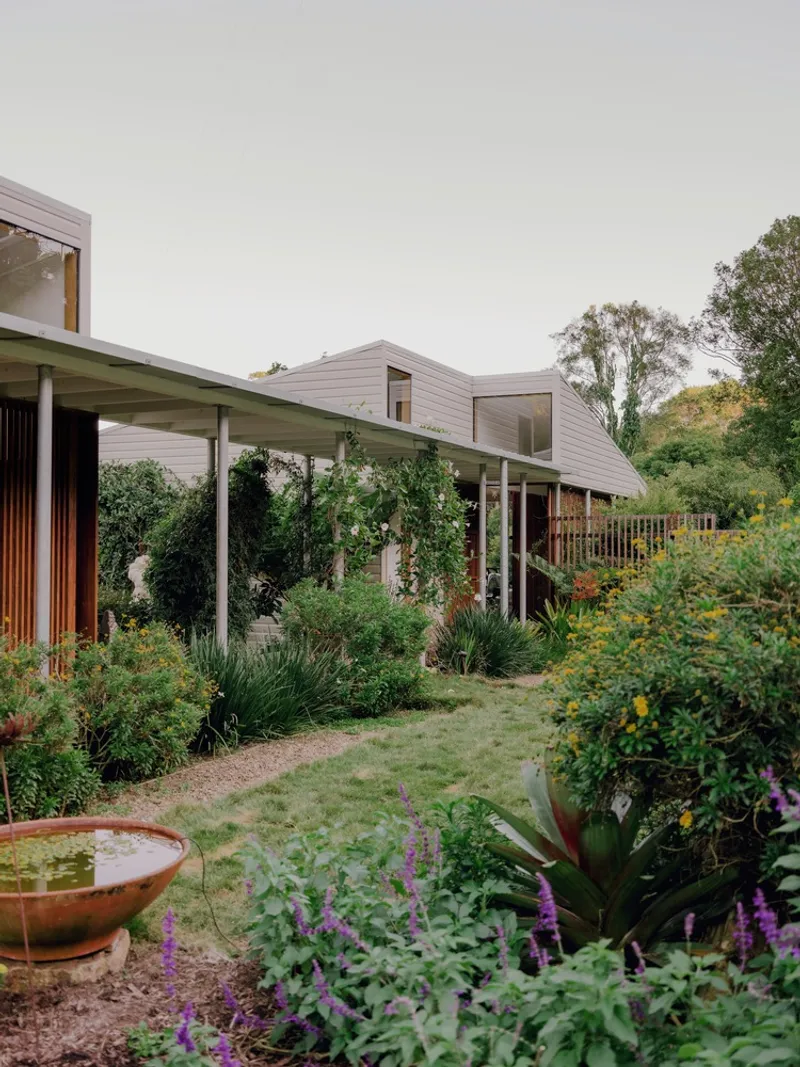
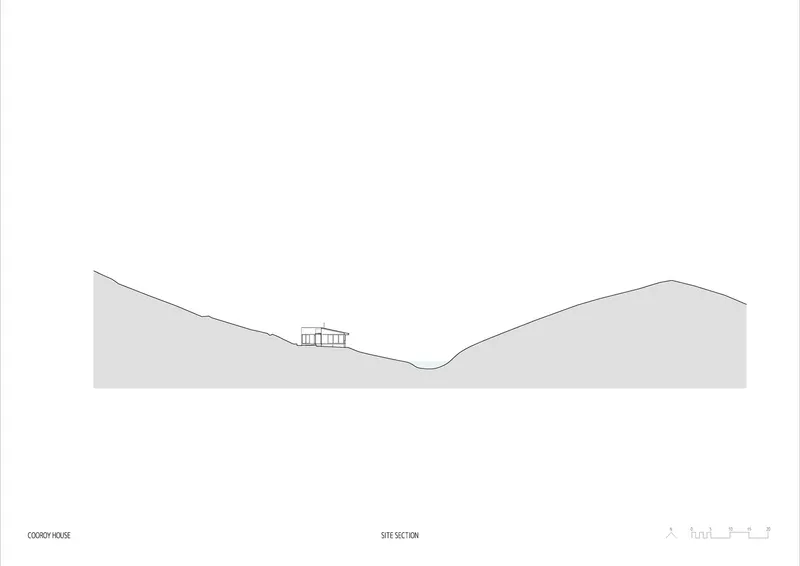
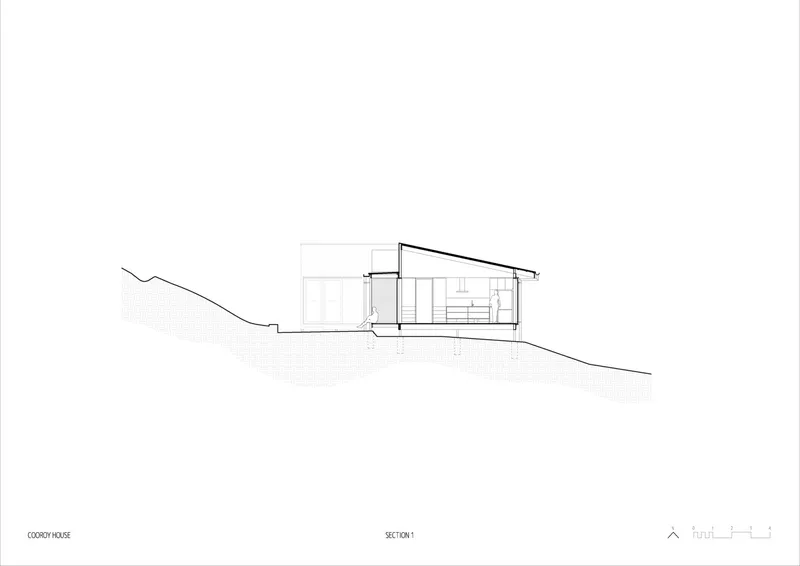
The project sits lightly on the land, elevated on a single platform to minimize disruption to the site’s natural topography. By embracing a low-impact approach from the outset, the architecture respects the sensitive ecosystem while providing the owners with a private and serene home immersed in the landscape. Built by Frog House and supported by structural engineering from Westera Partners, the home offers a powerful model for sustainable rural living.
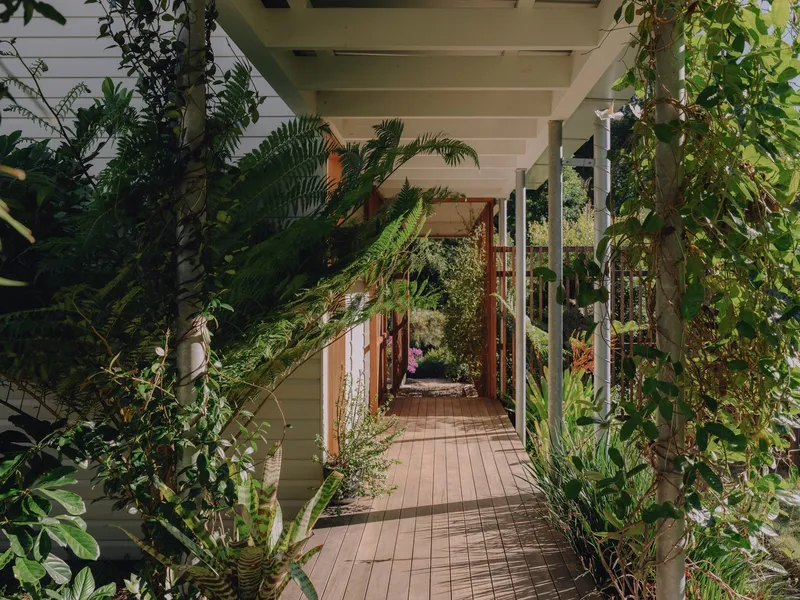
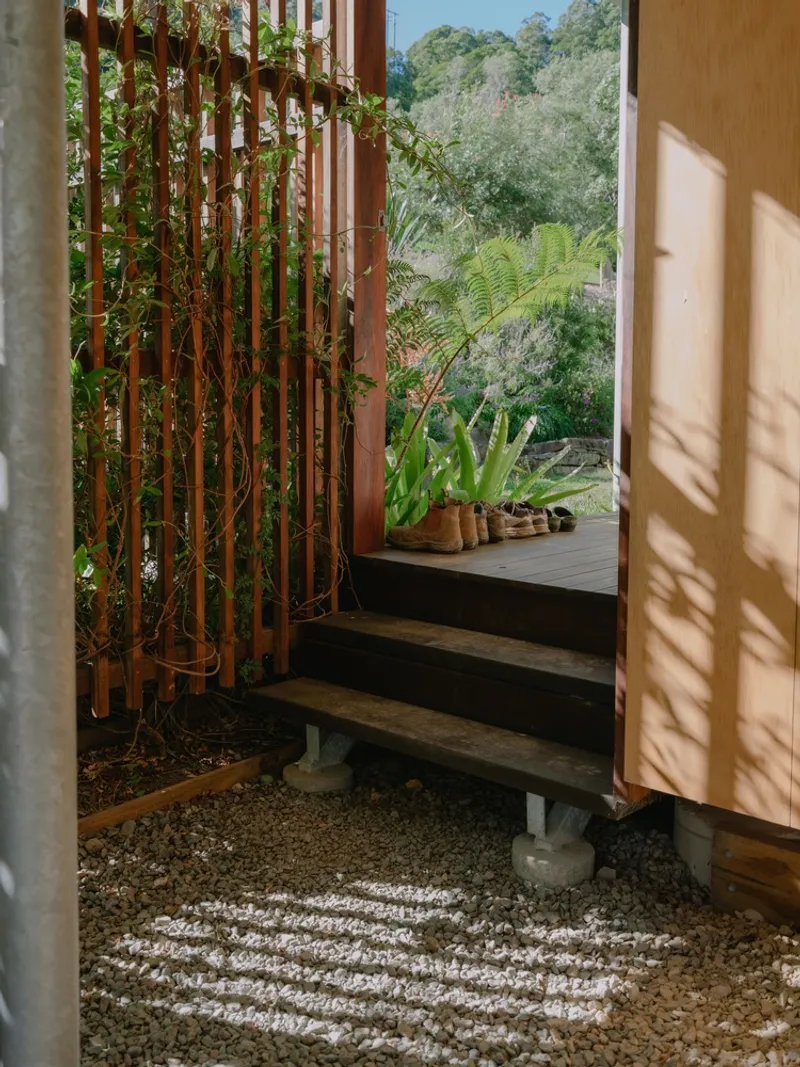
Spatial Composition Anchored by Courtyards and a Verandah Spine
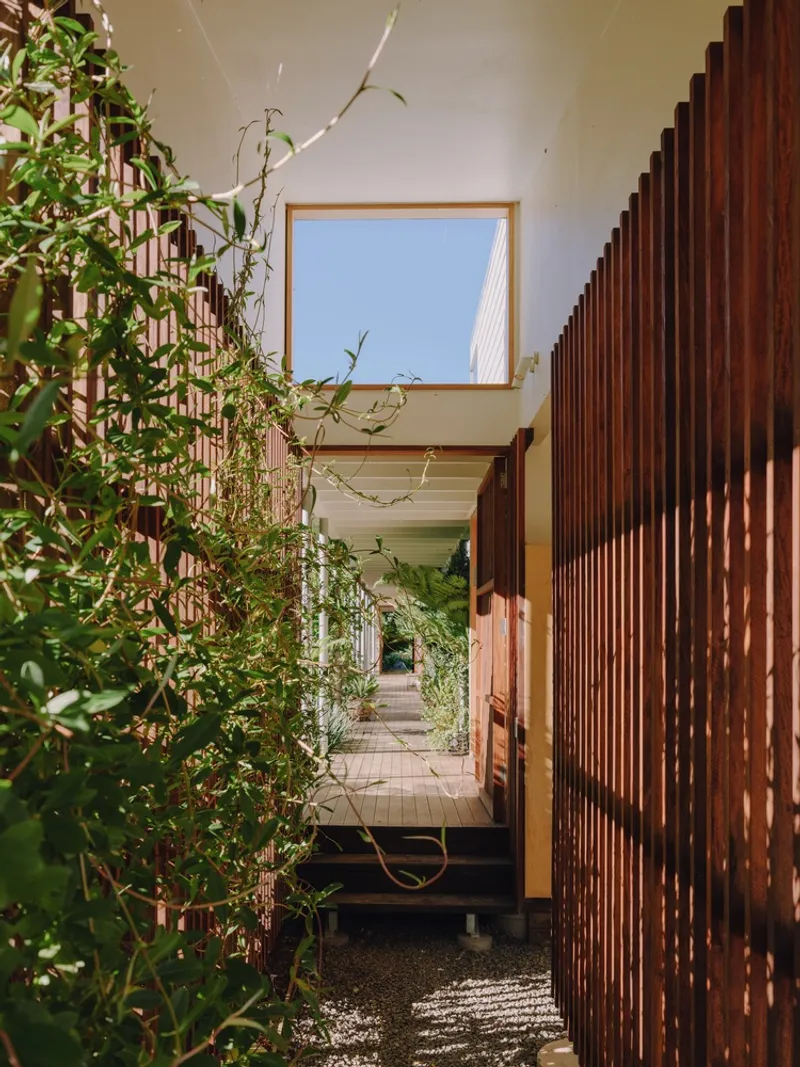
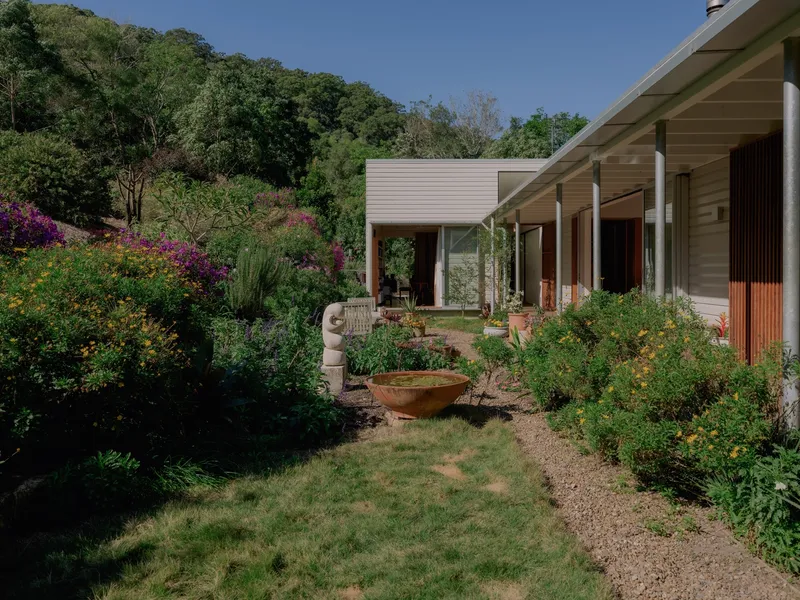
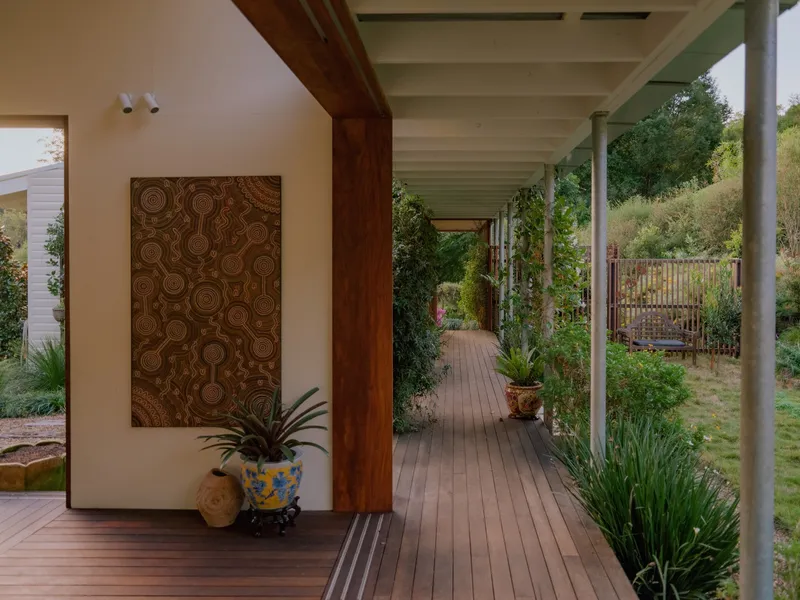
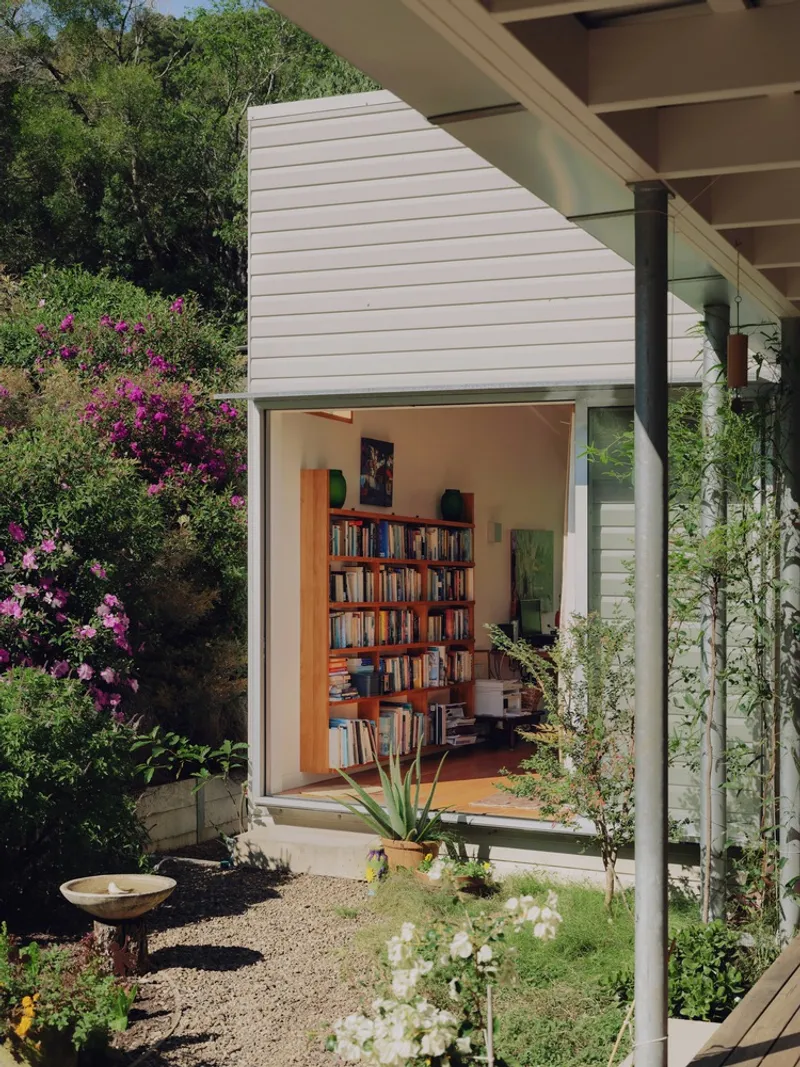
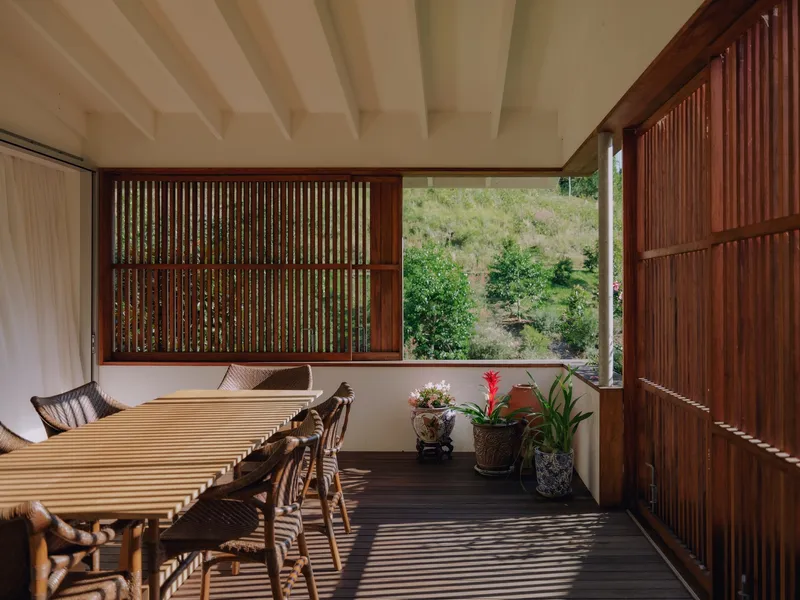
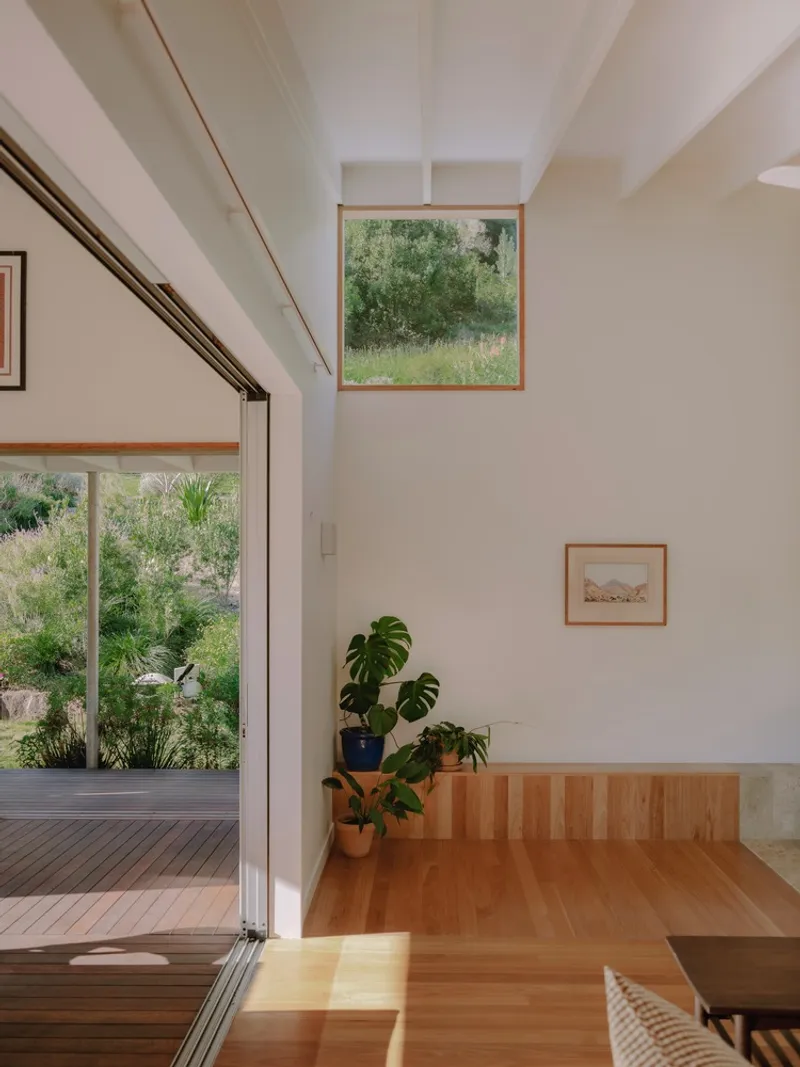
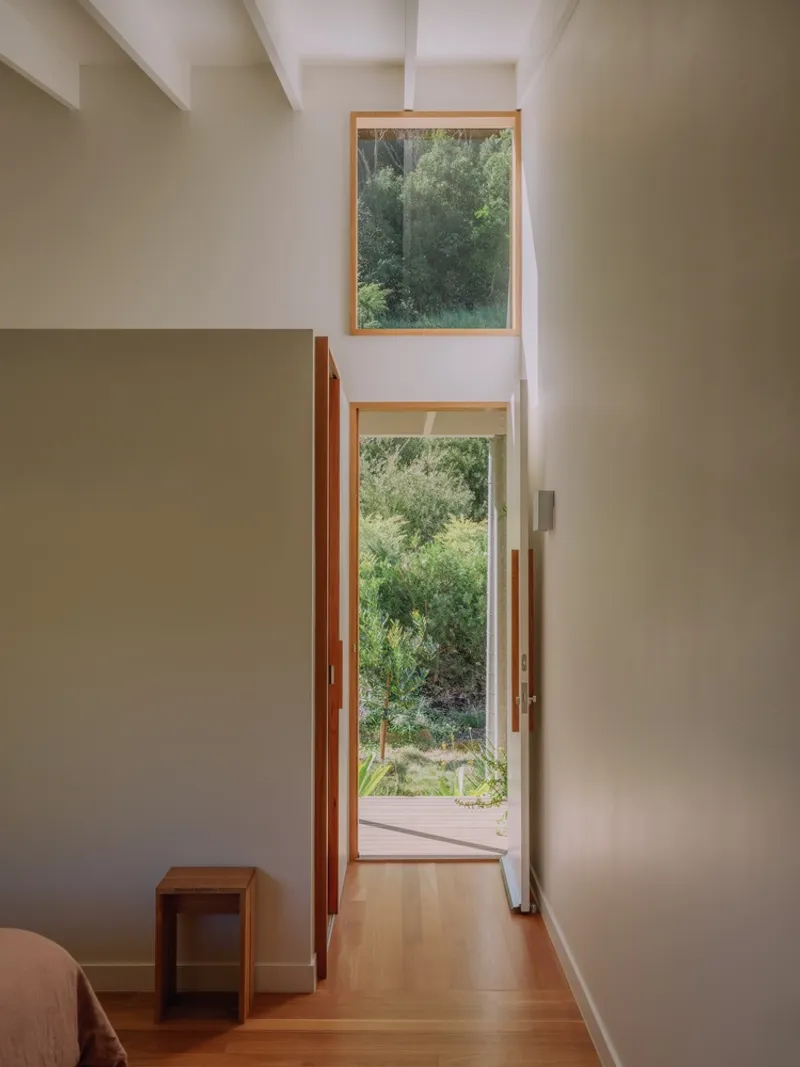
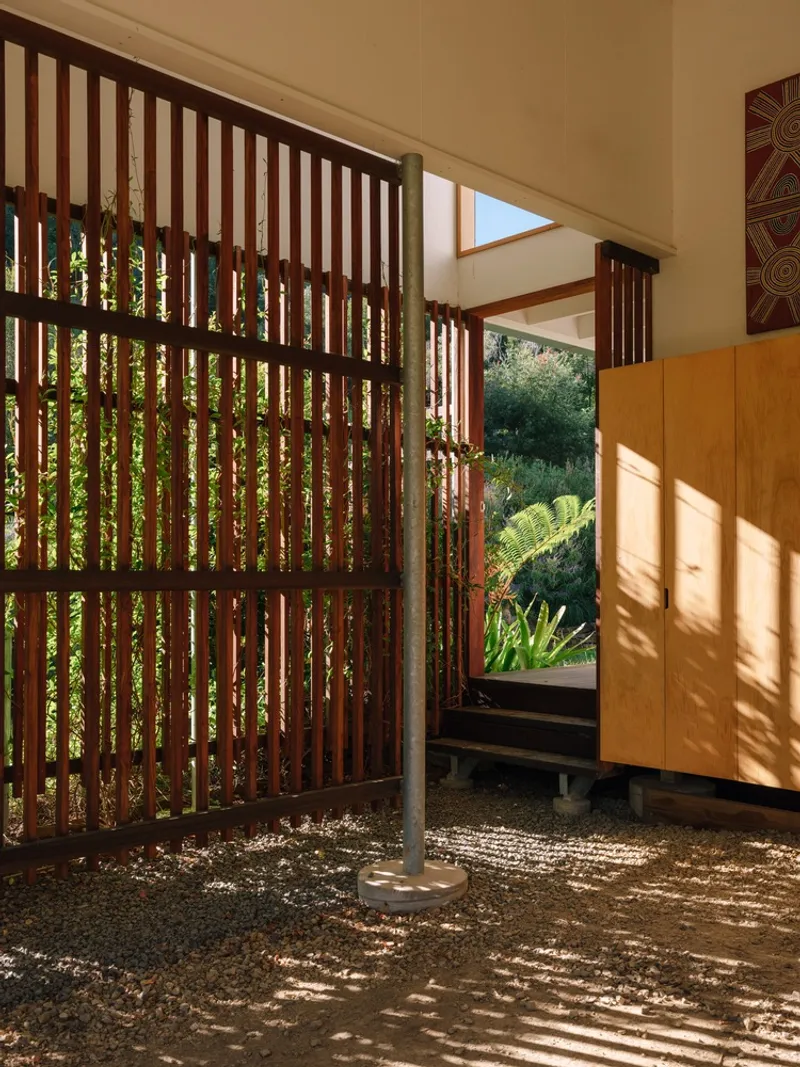
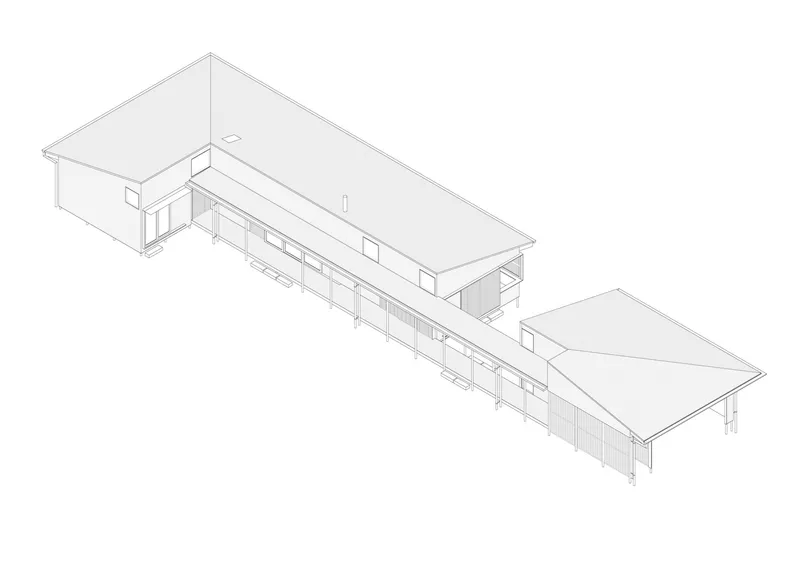
The spatial arrangement of Cooroy House is organized as a collection of pavilions connected by a continuous linear verandah. This outdoor spine not only structures circulation but also enhances the dwelling’s connection to the natural surroundings, ensuring constant sensory engagement with the elements—light, air, vegetation, and terrain.
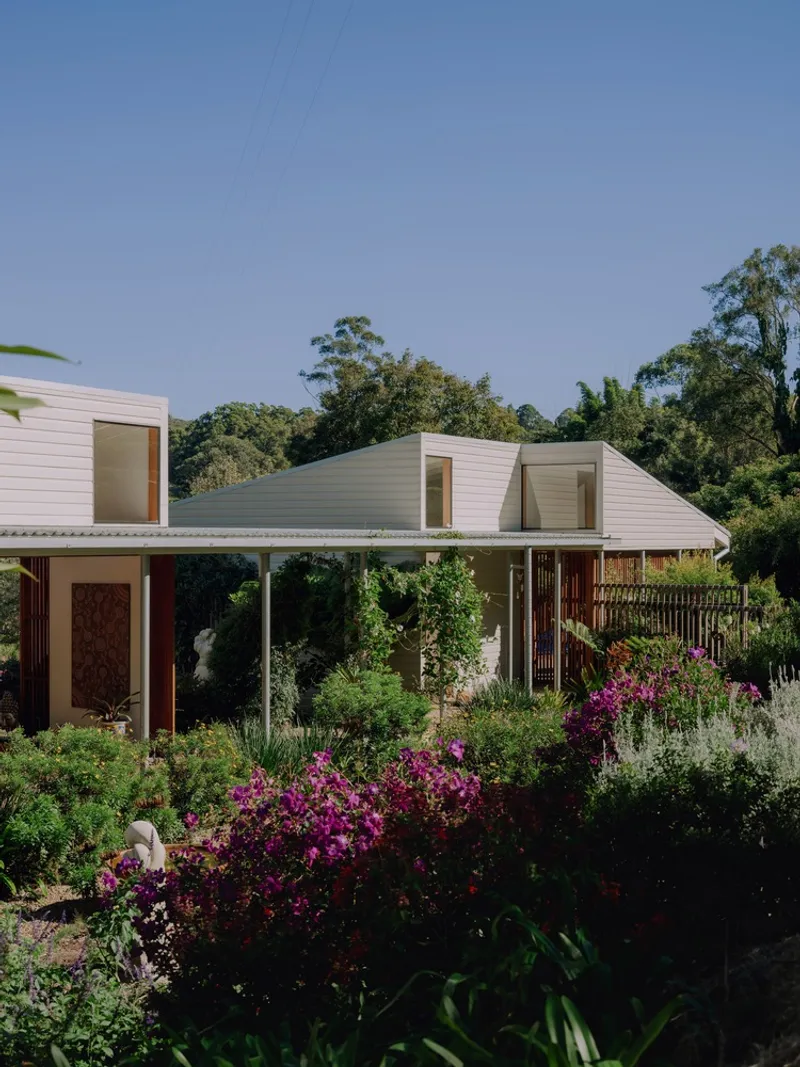
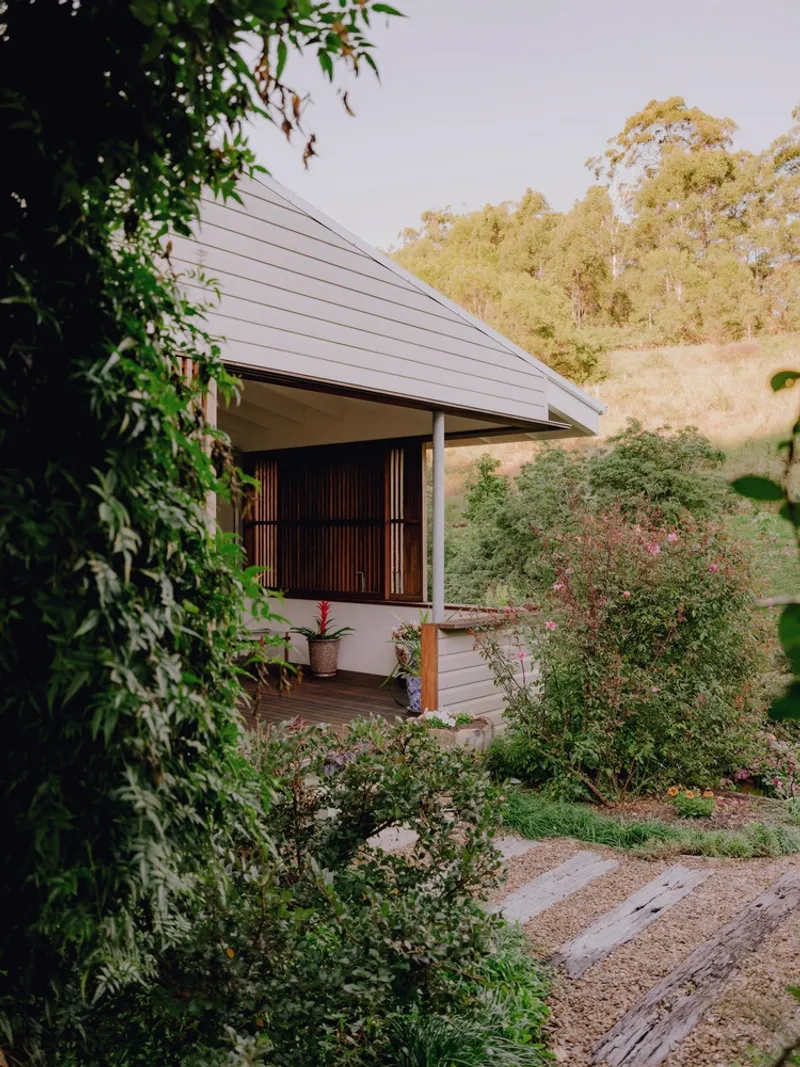
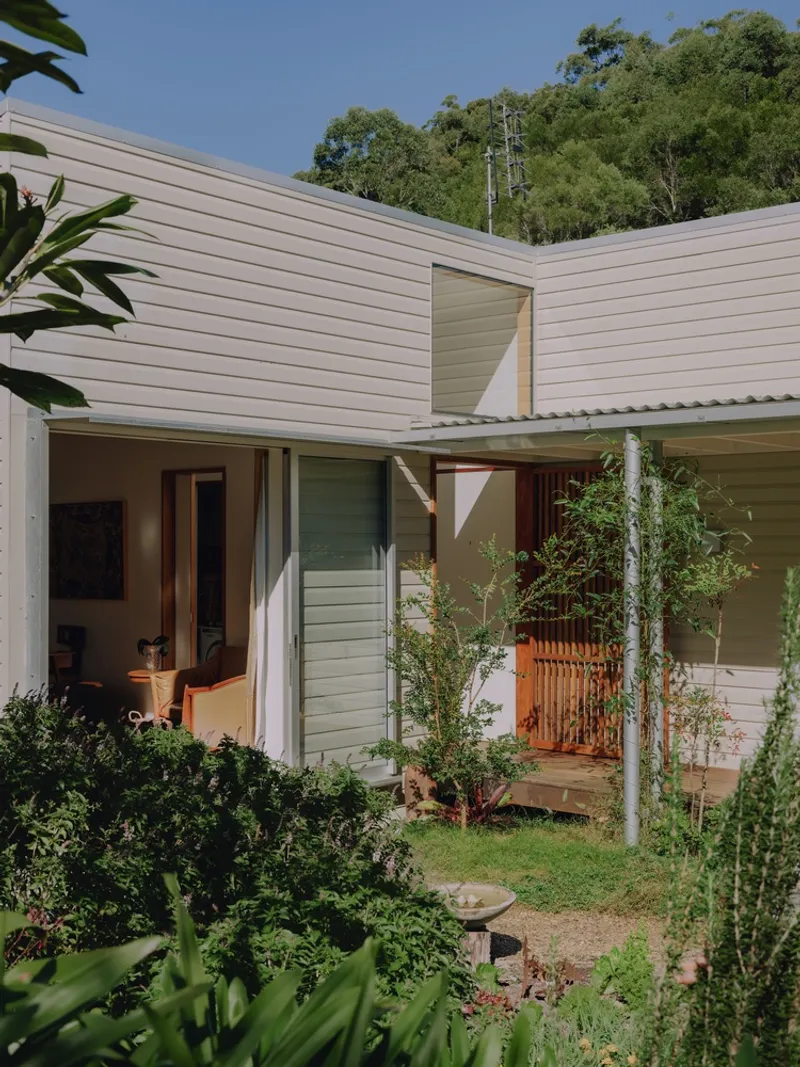
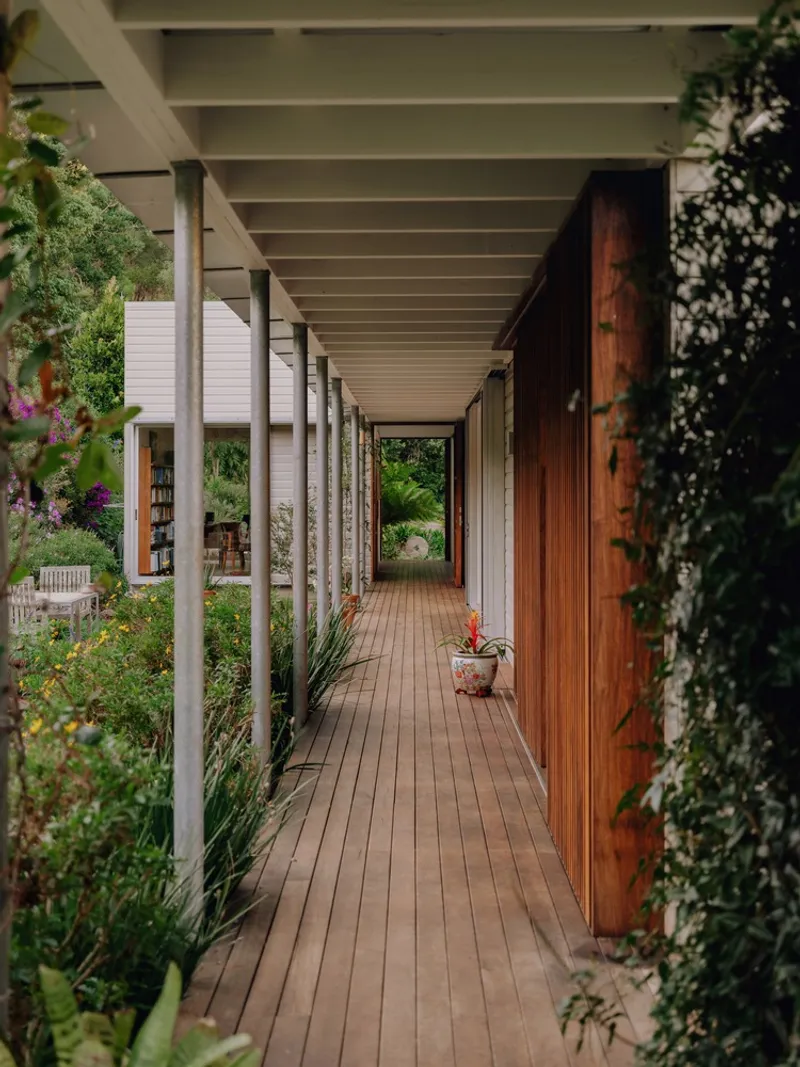
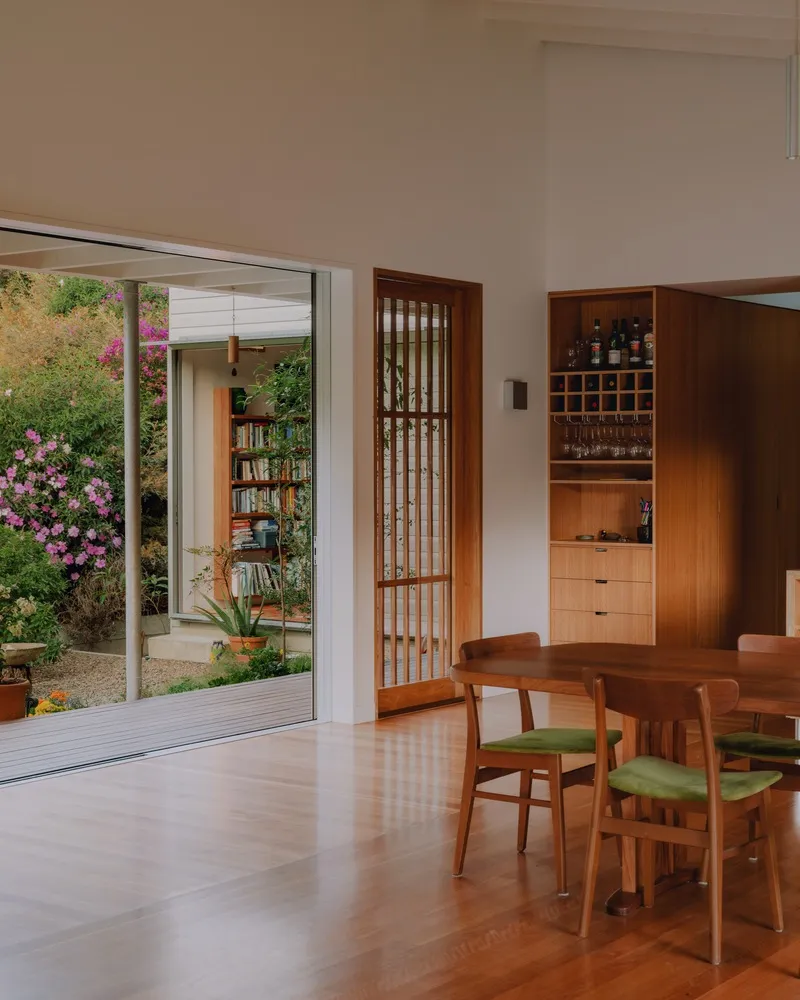
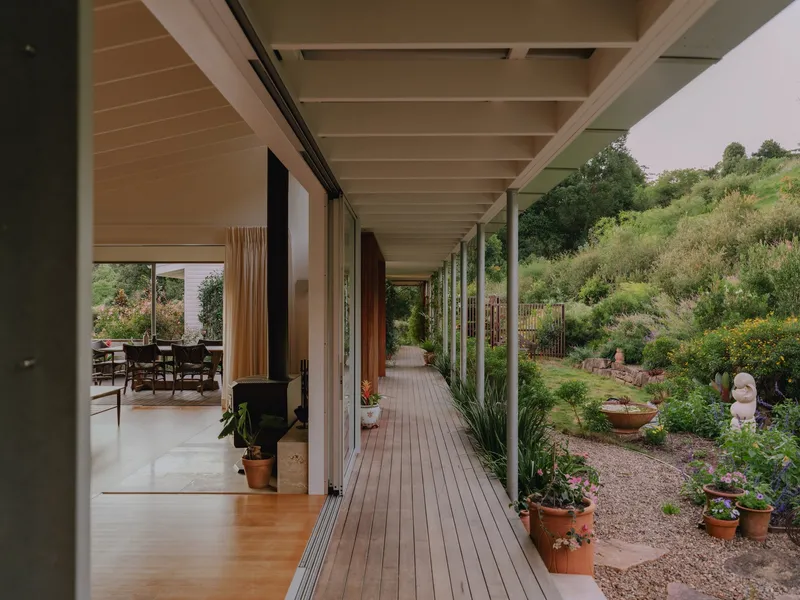
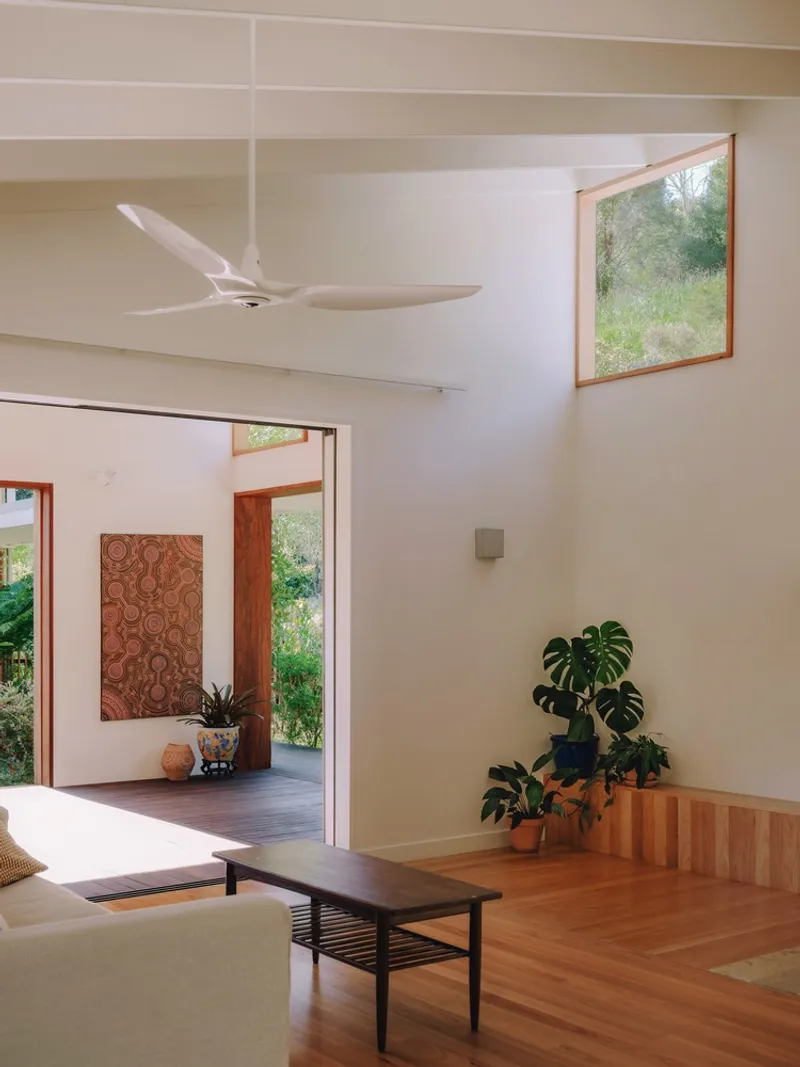
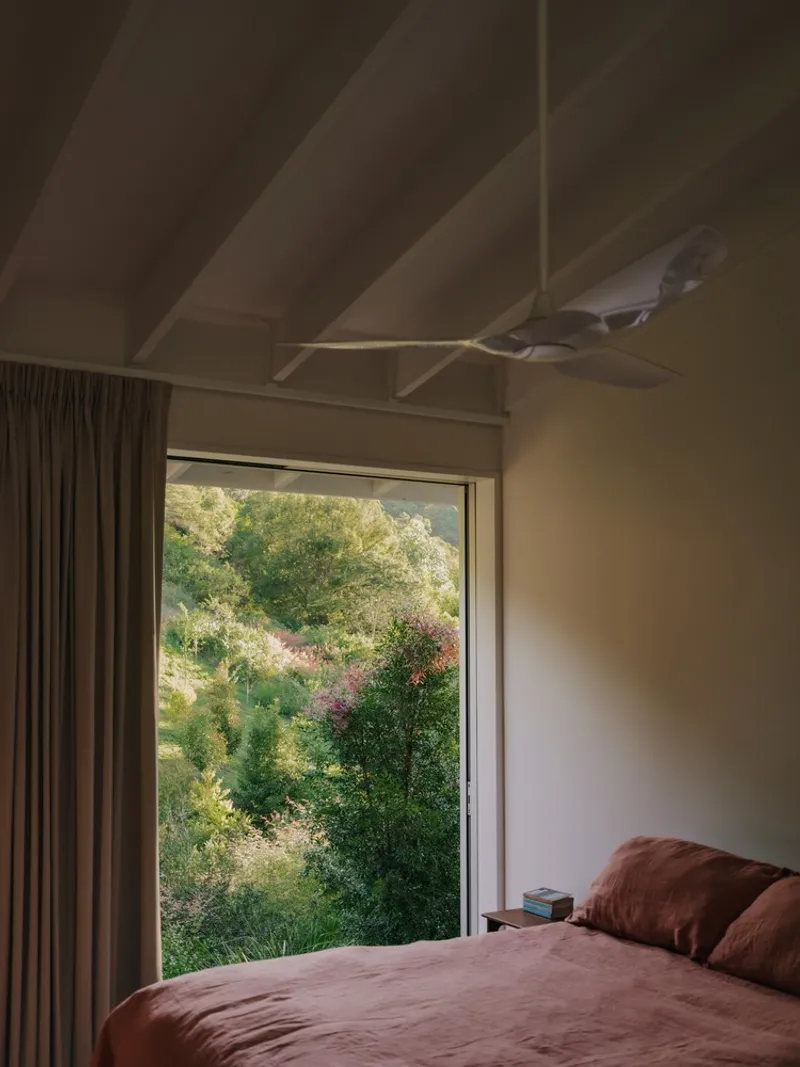
Framing a central courtyard that looks out over a sloped hillside, the house provides both openness and protection. The L-shaped layout maximizes exposure to the northeast, inviting winter sunlight deep into interior spaces while operable screens and vegetation shield the building from the harsher elements of the summer months. This balance of exposure and enclosure reinforces a passive environmental strategy that reduces dependence on mechanical systems.
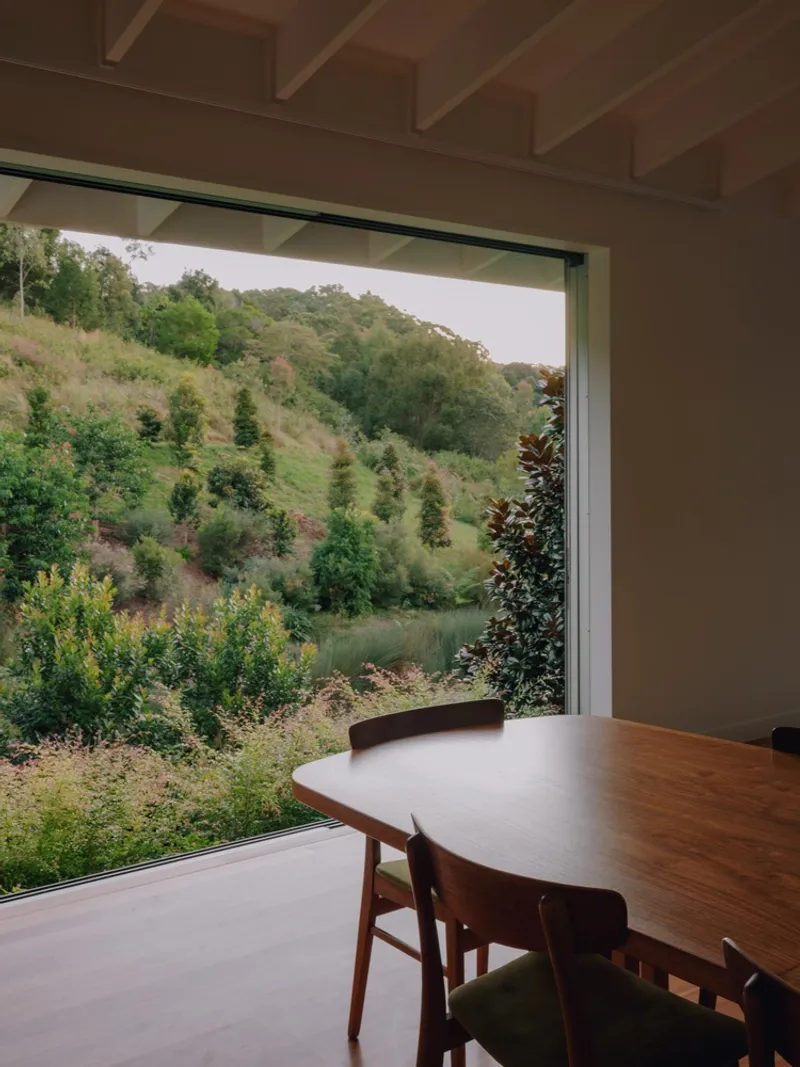
Climate Responsiveness and Energy Autonomy
A defining feature of the Cooroy House is its fully autonomous energy and water systems. Operating entirely off-grid, the house relies on solar power for electricity, a tank system for water collection, and a septic system for waste management. This off-grid strategy not only eliminates reliance on municipal infrastructure but also significantly reduces the home’s ecological footprint.
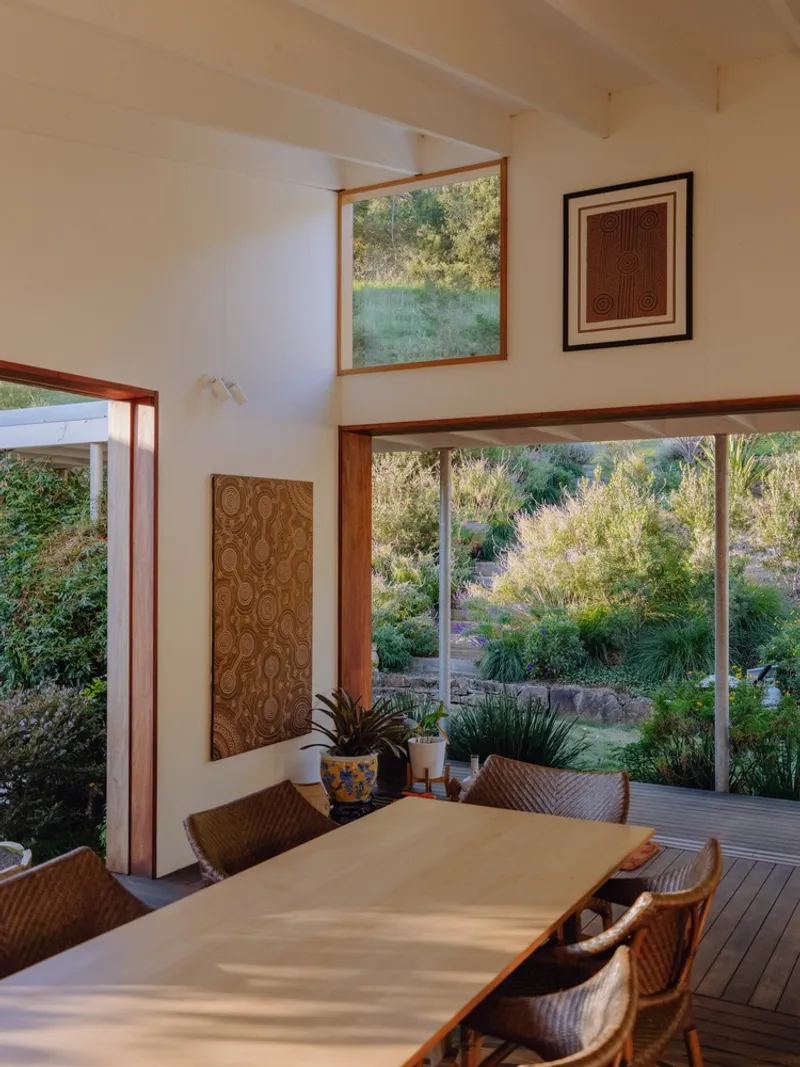
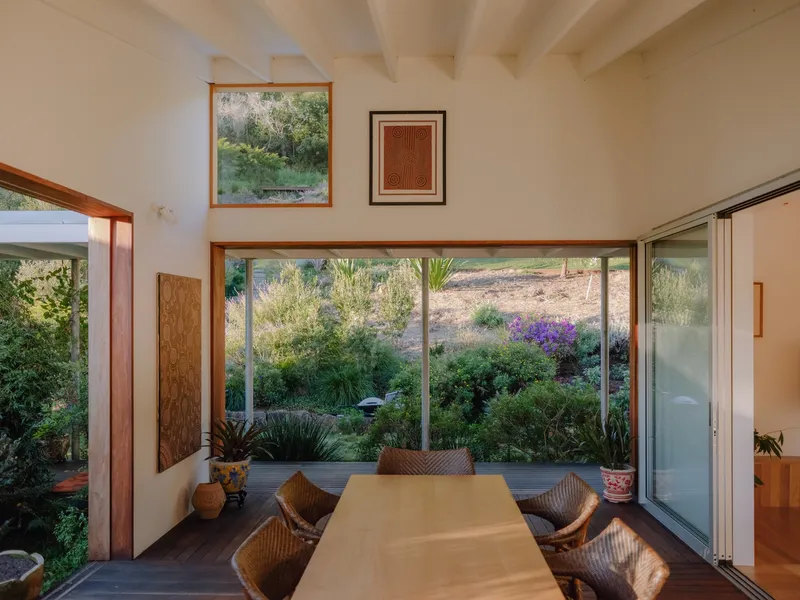
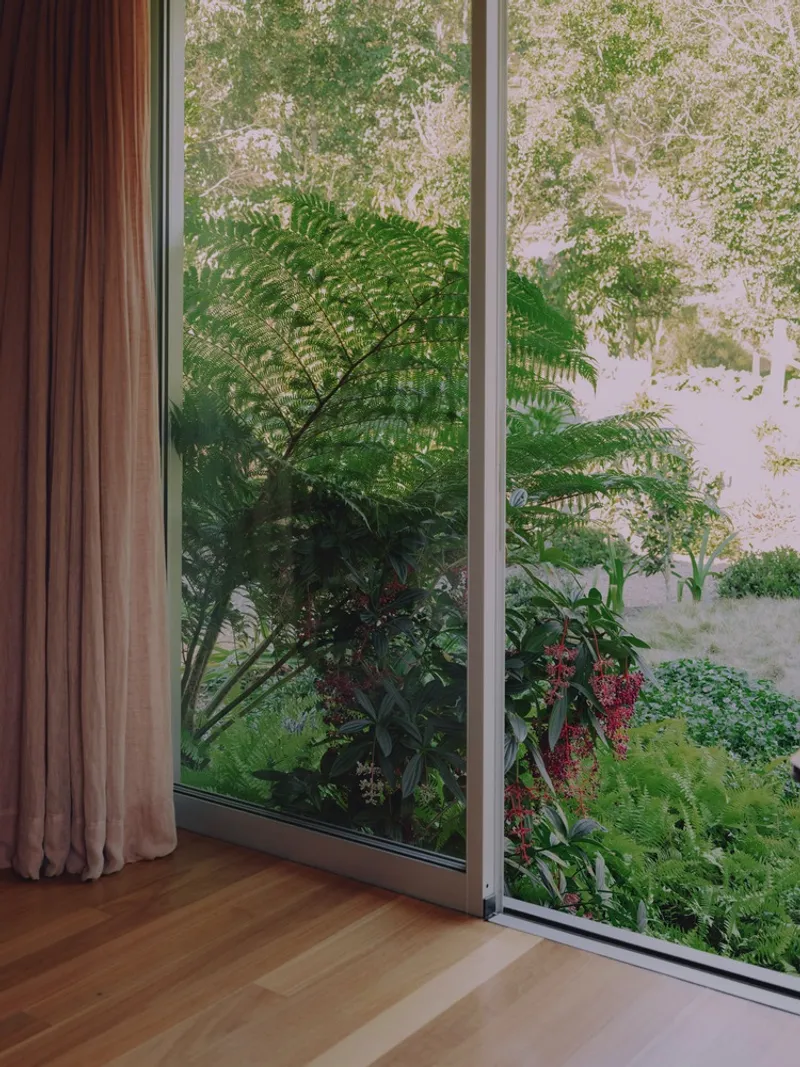
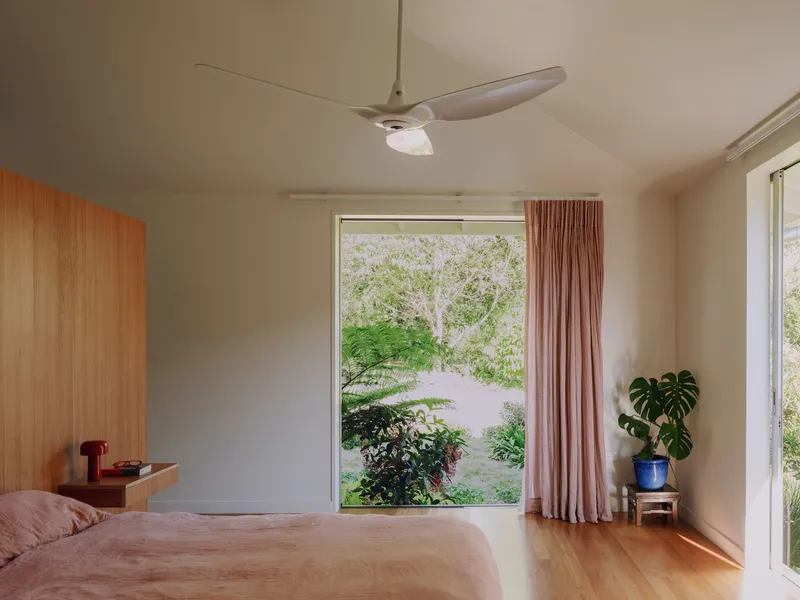
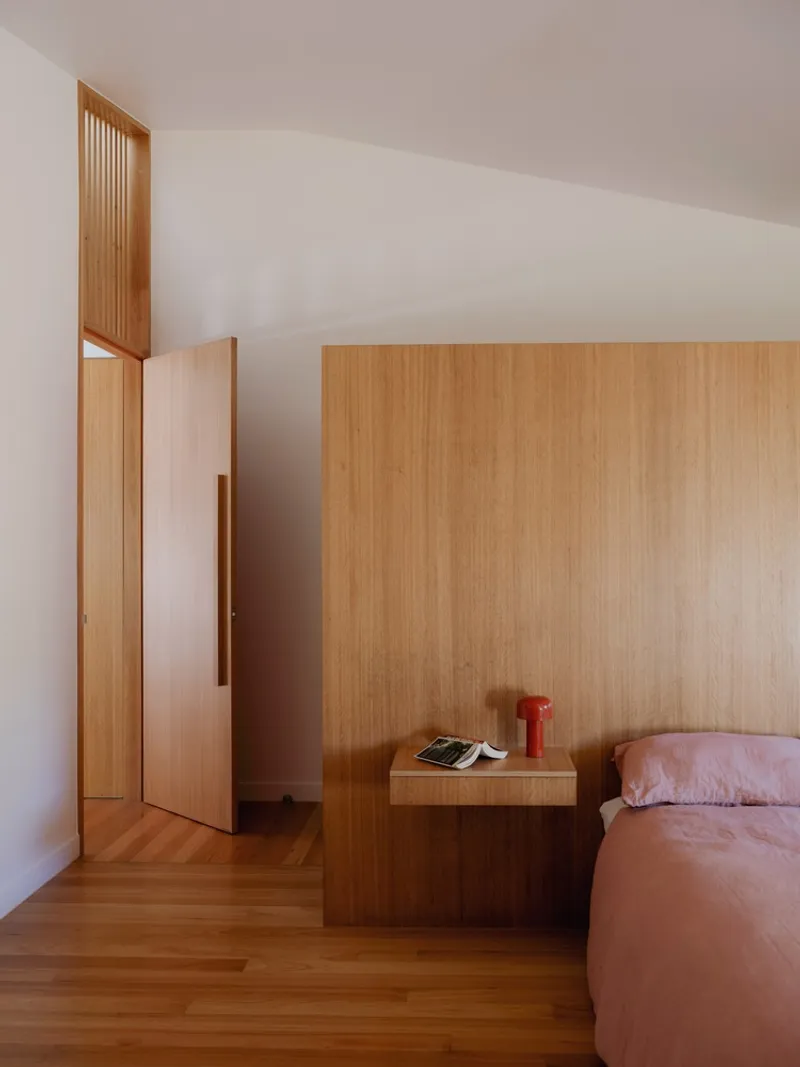
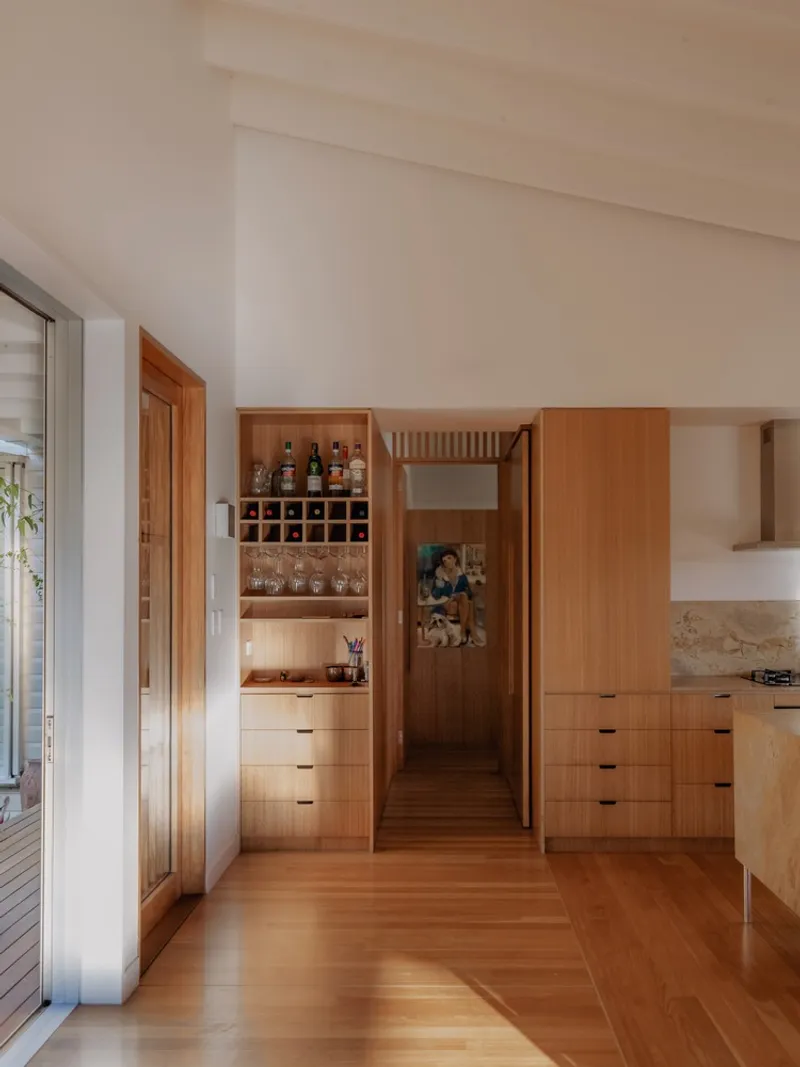
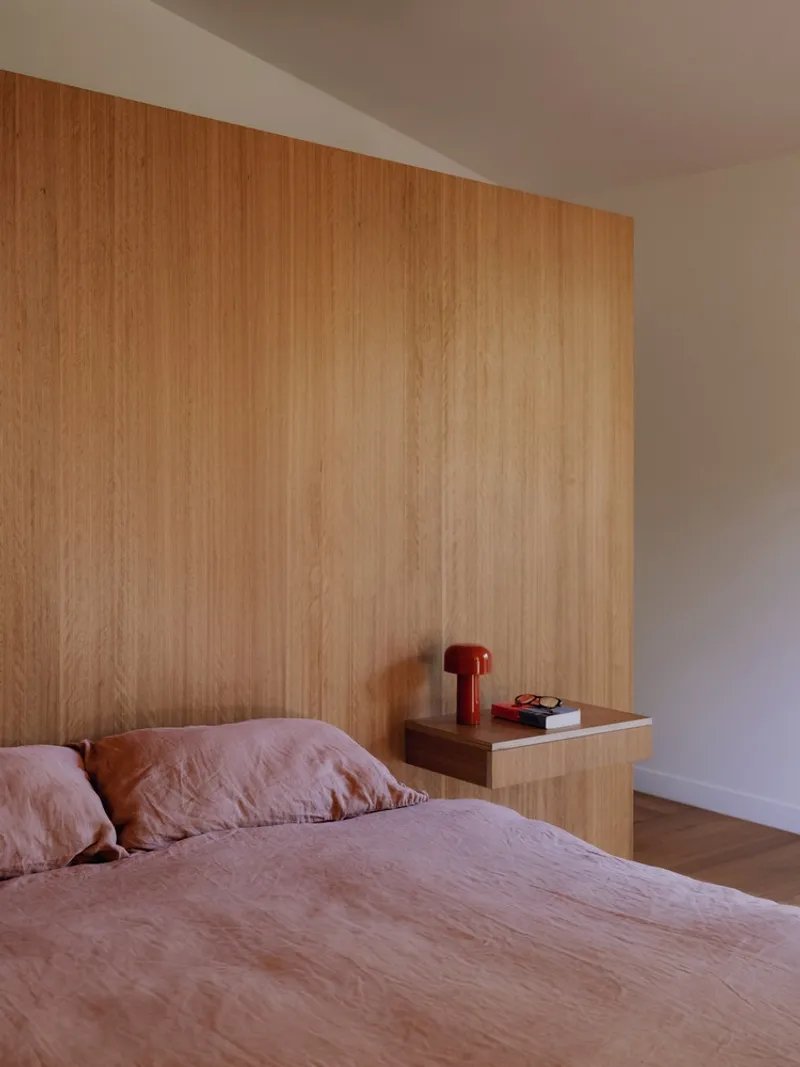
Further emphasizing sustainability, the use of concrete was limited strictly to foundational footings. The majority of the structure is composed of lightweight timber elements, aligning with the architectural language of the region and further reducing embodied carbon. The thoughtful use of materials, in combination with climate-oriented design, makes the Cooroy House a benchmark in environmentally responsible architecture.
Regeneration as a Living Practice
The story of Cooroy House extends beyond architecture to encompass land stewardship. Over the years, the homeowners have actively participated in the regeneration of the site. By removing invasive plant species and reintroducing endemic flora, they’ve helped to restore the ecological integrity of the landscape. This ongoing commitment underscores the house’s relationship to its context—not as a standalone structure, but as a participant in a larger environmental system.
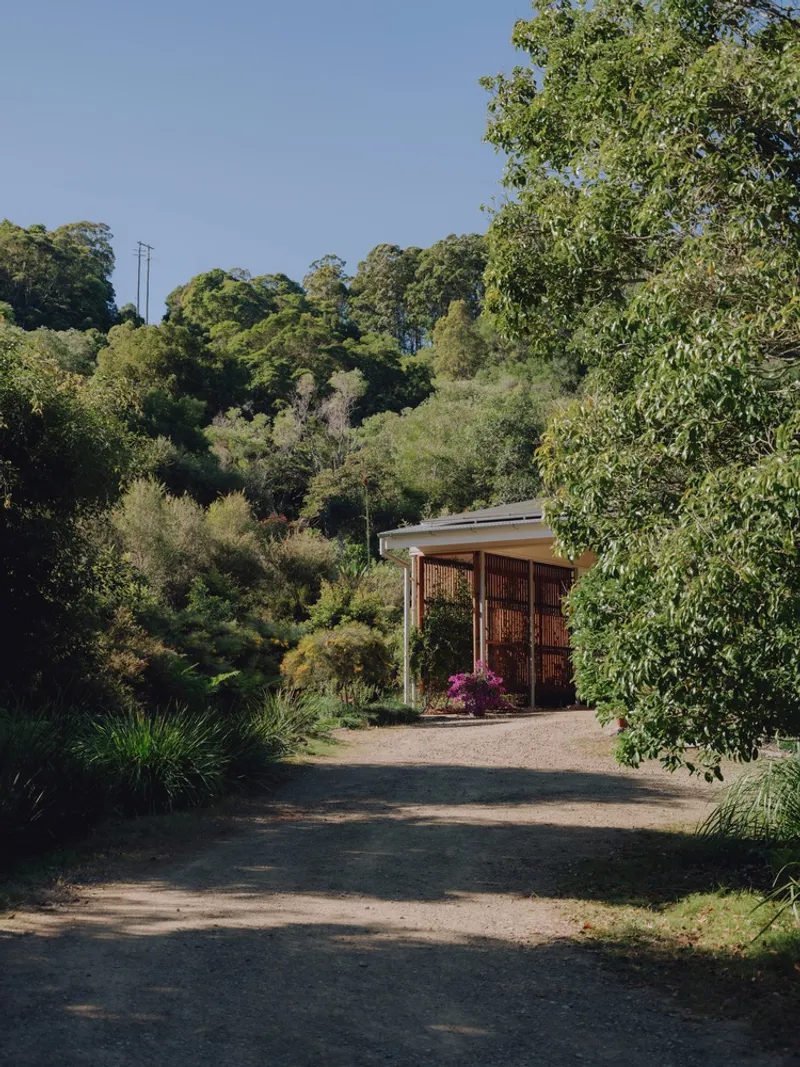
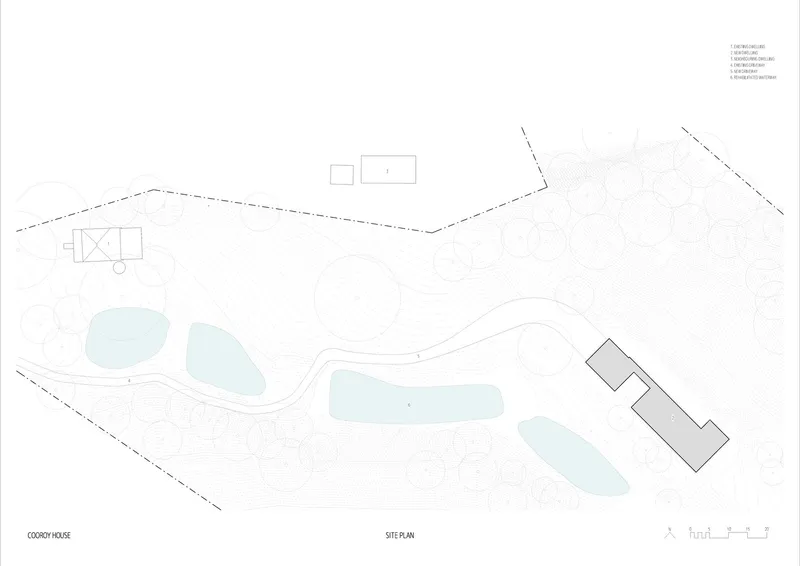
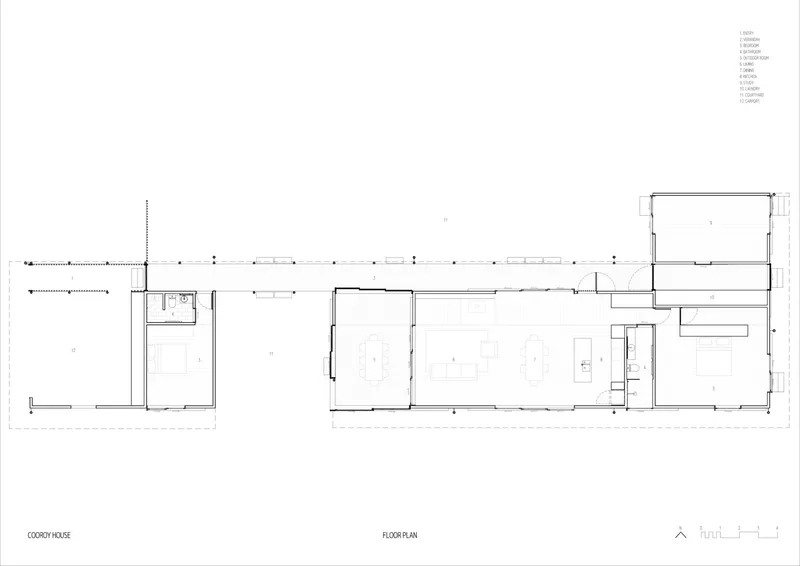
Cooroy House is not merely a place to live—it is a lifestyle statement rooted in simplicity, respect for nature, and long-term sustainability. It showcases how small-scale architecture, when carefully designed and responsibly executed, can serve as a model for future off-grid homes in Australia and beyond.
All Photographs are works of Yaseera Moosa


Popular Articles
Popular articles from the community


Architekt Andreas Gruber Scatters 23 Dark Timber Chalets Across a South Tyrolean Forest Edge
In Molini di Tures, Amonti Chalets breaks a resort into a hamlet of gabled timber houses, with parking, storage and services pushed into the slope.

longwave studio Reorganizes a 112 m² Tainan Apartment Around the Daily Routines of a Family and Two Cats
In Tainan, Taiwan, birch plywood, rust-red furniture and a freestanding plaster wall link arrival, storage, work and family life in one apartment.

Jaramillo Van Sluys Arquitectura and Urbanismo Turn a Demolished Registry Lot in Quito into an Orchard Plaza
In Quito's Centro Histórico, a 2,800 m² plaza exposes the San Agustín convent wall and redraws its lost Augustinian orchard in volcanic stone.

GROUP A Strips a 1969 Rotterdam Harbor Headquarters to Its Frame and Wraps It in Timber Louvers
In Rotterdam's M4H harbor district, Ferro Offices reuses a 1969 frame, adds one timber storey and reaches BREEAM-NL Outstanding.

Similar Reads
You might also enjoy these articles

Bamboo Housing Challenge 2026: Design Affordable, Sustainable Homes Using Bamboo
An international design competition by Bamboo U and IBUKU inviting architects and designers to reimagine affordable housing using bamboo — with the winning design built full-scale in Bali.

Computational Design & Education: Beegraphy Design Awards Introduces 7th Category (Featuring Jiyun's Innovative Approach)
Dive into Beegraphy’s 7th Design Awards category, where computational design meets education to create immersive, interactive learning tools, inspired by Jiyun’s work.

From Parametric Lighting to Urban Furniture: Join the 2nd Workshop in Beegraphy’s Computational Design Series
Dive into Cutting-Edge Design Techniques and Practical Applications with Industry Experts

Last Call: Unleash Your Architectural Genius in SHAK's Kindergarten Design Competition
Urgent call for architects to join SHAK's kindergarten design competition before the looming deadline

Explore Architecture Competitions
Discover active competitions in this discipline

Challenge to reimagine the Iron Throne

Photograph architecture without architects

Illustrate the lost glory of Angkor Wat - Render Challenge

Design challenge to reuse E-waste
Comments (0)
Please login or sign up to add comments
No comments yet. Be the first to comment!