
Olympic Village Housing in Saint-Denis: A Sustainable and Adaptive Architectural Landmark
Olympic Village Housing in Saint-Denis blends historic industrial buildings with sustainable, modern apartments, offices, terraces, gardens, and energy-efficient, timber-based construction.

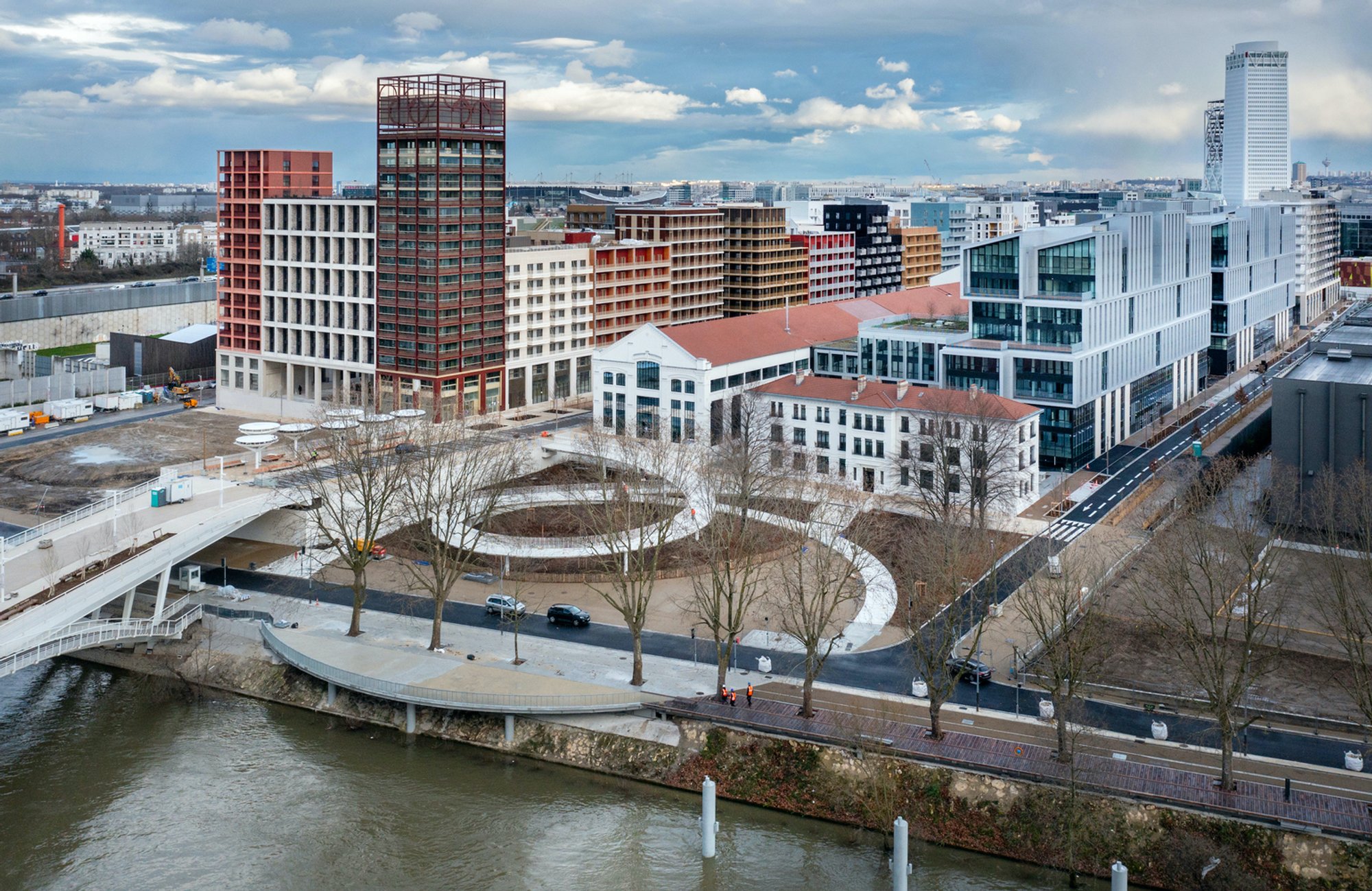
Located in the northern district of Saint-Denis along the banks of the Seine, the Olympic Village Housing project by chaixetmorel. stands as a remarkable example of contemporary, sustainable urban architecture. Completed in 2024 in collaboration with real estate developer VINCI Immobilier, the project covers an expansive 68,000 m² and combines residential apartments, athlete accommodations, service facilities, and office spaces within a thoughtfully preserved historical context.
Harmonizing Heritage and Contemporary Design
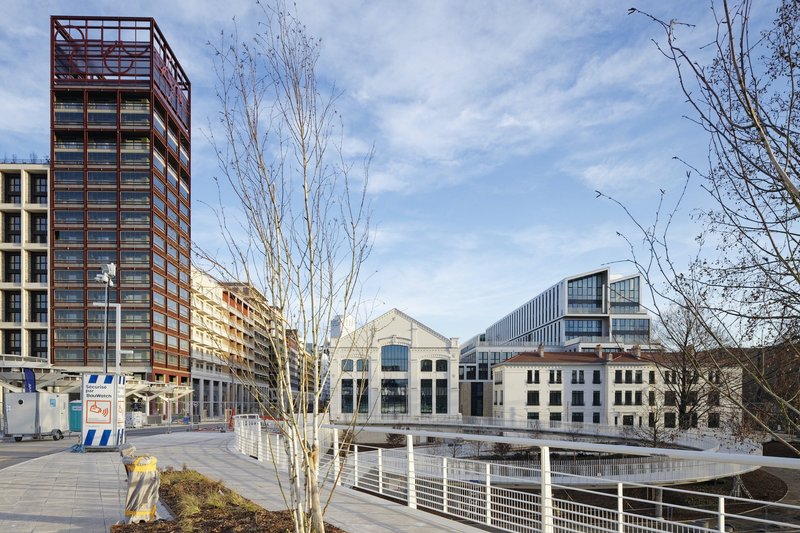
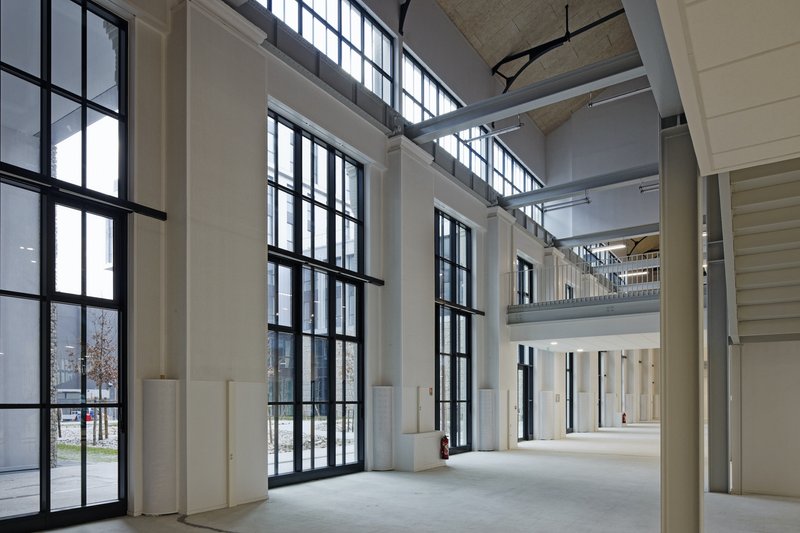
The architects faced the challenging task of preserving early 20th-century industrial architecture, including the Maxwell Hall and Copernic Pavilion, while adapting the site for both the Olympic Games and long-term office use. By maintaining these historic structures at the heart of the new campus, the project creates a harmonious dialogue between architectural heritage and modern construction. The campus is organized along a strong east-west axis that forms the backbone of the site, integrating existing buildings with newly constructed volumes to ensure functional continuity and visual cohesion.
Innovative and Sustainable Construction
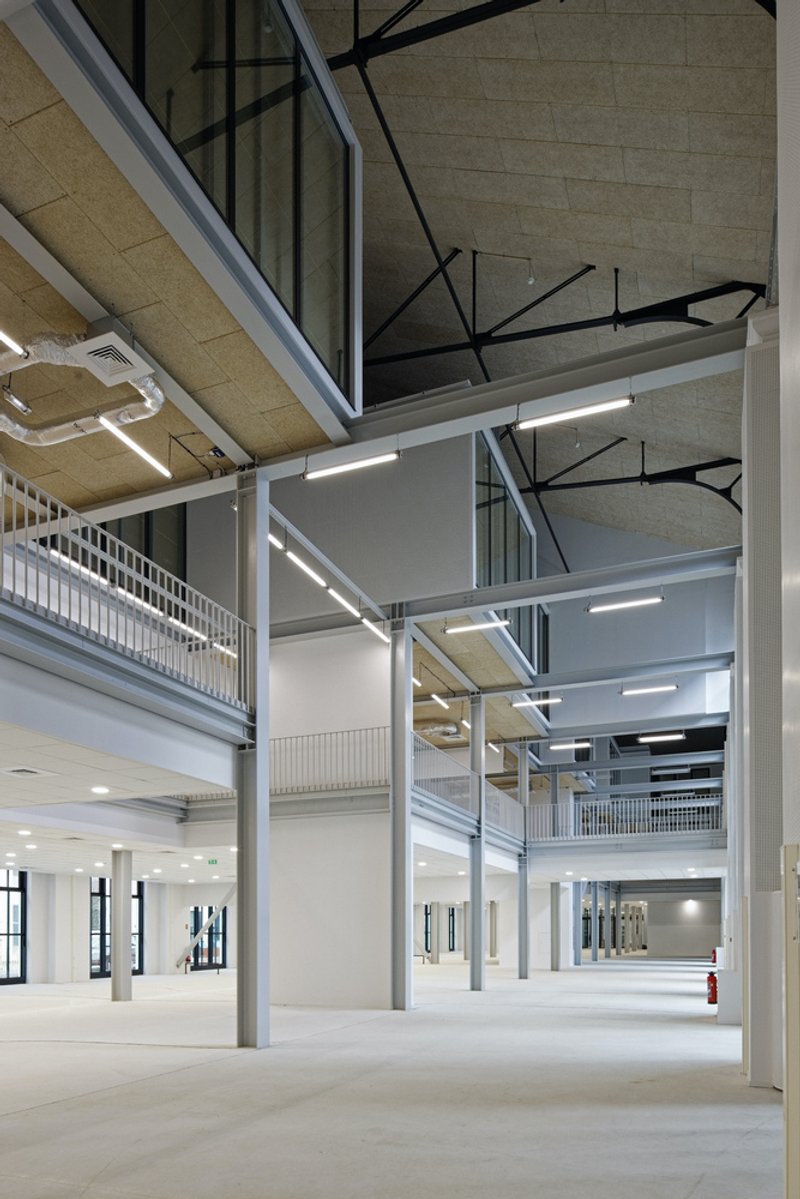
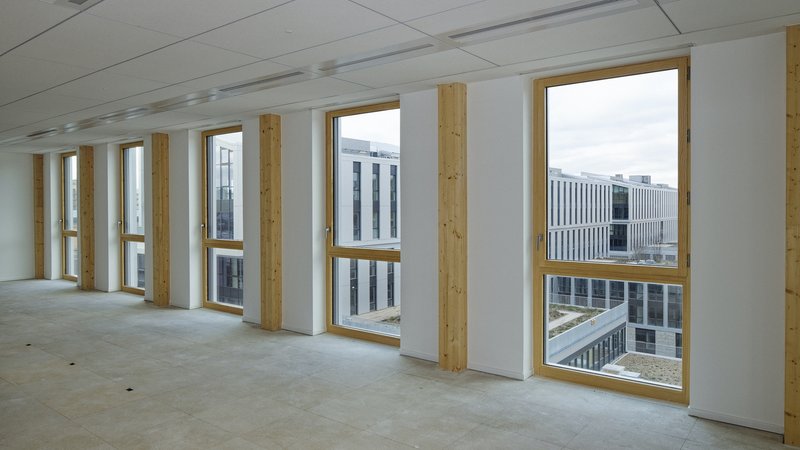
New buildings adopt a timber hybrid construction approach, emphasizing lightweight, sustainable materials. Reclaimed materials from on-site demolition, such as concrete reused in the wire ballast boxes of the plinth, and salvaged elements from other buildings, including raised office floors, contribute to a 40% reduction in CO₂ emissions during construction. Beyond construction, energy efficiency measures ensure significantly lower energy consumption during both the Olympic and post-Games office usage phases, reflecting a forward-thinking approach to sustainability.
Thoughtful Urban Integration and Residential Planning
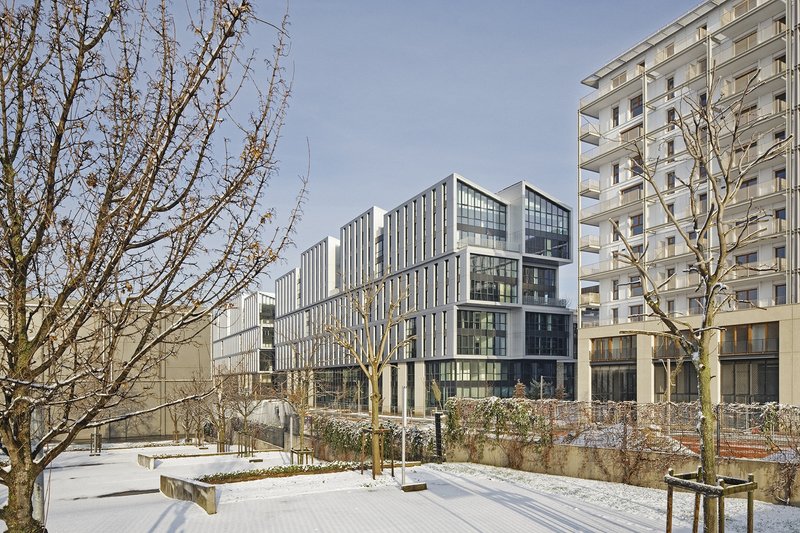
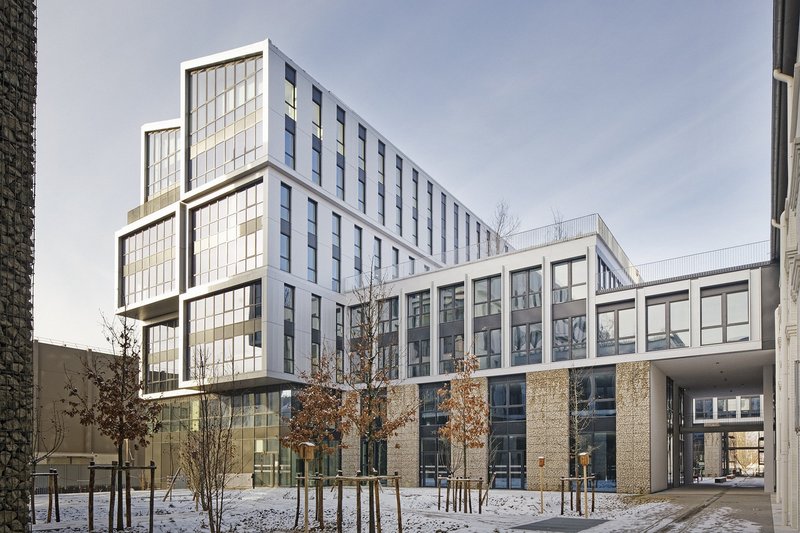
The Olympic Village is embedded within the existing urban fabric of Saint-Denis, complementing large-scale residential and commercial developments while respecting the site’s industrial legacy. Two seven-story buildings along Rue des Frères Lumière feature recessed gables facing the Copernic Pavilion, providing spacious terraces and generous open areas. Three-story connecting volumes link the main structures, offering accessible planted terraces and extensive garden courtyards that create sheltered, inviting outdoor spaces.
Creating Social and Environmental Value
The project aligns with the city’s ambitions to leverage the Olympic Games as a catalyst for social change and improved quality of life. The future Athletes’ Village sector, “Les Verrières”, houses athlete residences and support facilities, including offices, storage, and service areas. Meanwhile, Maxwell Hall and Copernic Pavilion accommodate reception areas, fitness spaces, delegation offices, and other essential Olympic functions. The design also integrates a multi-level biodiversity corridor, encompassing inner courtyards, planted terraces, viewpoints, and connecting roofs, enhancing environmental quality and user experience across the campus.
A Model for Adaptive and Sustainable Urban Architecture
By combining historic preservation, sustainable design, and adaptive reuse, the Olympic Village Housing in Saint-Denis exemplifies how large-scale projects can meet immediate event needs while providing long-term value. Its innovative design, energy-conscious construction, and commitment to green urbanism position it as a model for future Olympic villages, eco-districts, and urban regeneration projects.
All photographs are works of
Vincent Fillon, Anne Claude Barbier




Popular Articles
Popular articles from the community

Art 1 Office Strips Athens Back to Its Bones
Neiheiser Argyros transforms a 40-year-old Athens office building into a vivid, materially rich workplace anchored by red steel, exposed concrete, and roof
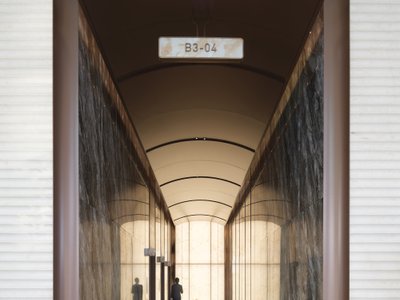
Guangzhou's Twin Towers Interiors Move Like Water
DuShe Architectural Design shapes the lobbies of a massive Guangzhou transit hub with undulating ceilings and deep geological materiality.
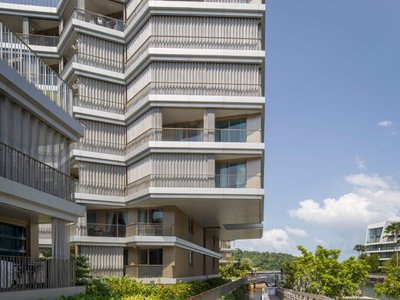
KCAP and DCA Architects Build a Stepped Urban Village on Singapore's King's Dock Waterfront
A 26,000 square meter residential development in Singapore trades tower isolation for terraced courtyards and a planted promenade along the harbor.

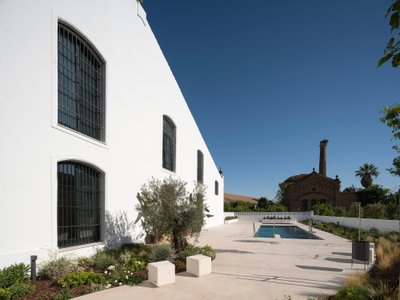
De la Riva Sherry Homes By Juan Vega Arquitectos
De la Riva Sherry Homes transform a historic winery into unique residences, blending industrial heritage, modern comfort, and community-focused courtyard living.


Similar Reads
You might also enjoy these articles
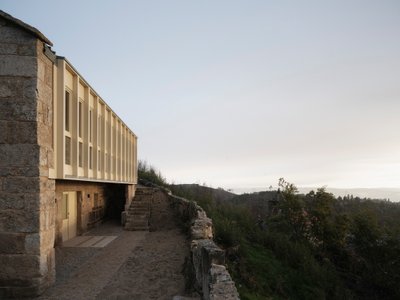
Three Architects Stitch a Social Center into a Crumbling Galician Hamlet
In Muimenta, Spain, timber and plywood volumes graft onto granite ruins to anchor a rural revitalization effort.
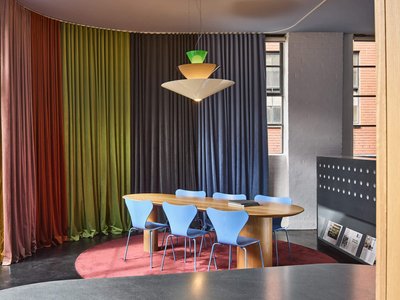
IF Architecture Designs Its Own Collingwood Studio as a Textile-Wrapped Incubator for Ideas
A 90-square-metre office in Melbourne's Collingwood uses layered curtains and color to turn a compact footprint into a laboratory for design.

CTA | Creative Architects Designs Triangular Floating Shelters for Vietnam's Flood-Ravaged Communities
A timber-louvered triangular shelter rises on concrete pontoons to keep Vietnamese families safe and together when floodwaters come.

Francisca Sottomayor and Fahrenheit.Works Build a Living Kitchen Where Plants Cook Alongside People
A multispecies dining installation in Porto transforms a communal table into a working ecosystem of herbs, fire, and shared meals.


Explore Architecture Competitions
Discover active competitions in this discipline




The International Standard for Design Portfolios


The Global Benchmark for Architecture Dissertation Awards


The Global Benchmark for Graduation Excellence


Challenge to reimagine the Iron Throne
Comments (0)
Please login or sign up to add comments
No comments yet. Be the first to comment!