
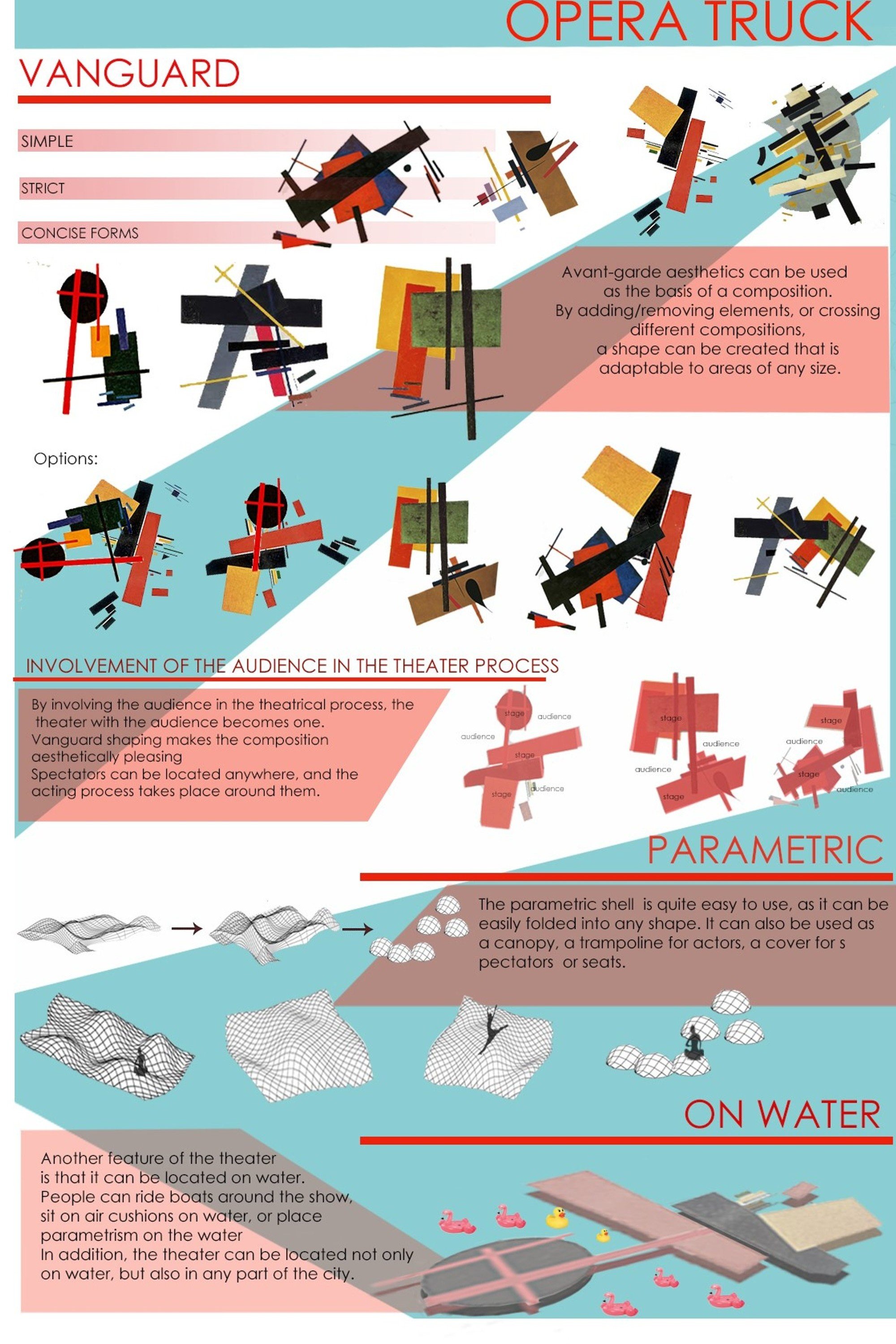
Opera Truck: Theater on the Water Redefining Modular Performance Architecture
A floating modular theater reimagining public performance architecture through adaptive urban design, water-based stages, and interactive cultural spaces.

In contemporary architecture, the relationship between performance and public space is evolving rapidly. Cities are no longer relying solely on fixed cultural institutions to host artistic experiences. Instead, architects and designers are exploring flexible, mobile, and immersive systems that can bring performance directly into urban life. “Opera Truck: Theater on the Water” explores this transformation through an experimental modular performance architecture project that activates parks, rivers, and public landscapes as temporary cultural stages.
Designed by Aliya Muhametshina, this shortlisted entry of the Opera Truck competition proposes a floating theatrical system that combines modular architecture, urban placemaking, and interactive performance design. Rather than treating theater as an isolated building, the project transforms performance into a dynamic spatial experience integrated with water, movement, and the surrounding city.
The proposal investigates how temporary architecture can create meaningful social interaction while responding to changing urban conditions. Through adaptable modules, scalable installations, and open public engagement, the project introduces a new vision for mobile cultural infrastructure.
Modular Performance Architecture in Public Space
The project is rooted in the idea that performance architecture should be accessible, flexible, and capable of adapting to different urban environments. Instead of a singular monumental structure, the design functions as a modular system that can transform according to the scale of an event, the character of a location, and the type of performance.
This approach aligns strongly with current discussions around modular architecture and adaptive urban design. Cities today require cultural spaces that can evolve quickly, occupy underused landscapes, and create temporary moments of gathering without permanent intervention.
The Opera Truck proposal responds to this need through a lightweight floating theater system capable of hosting street theater, installations, performances, festivals, and open-air artistic experiences.
The architecture becomes fluid rather than fixed. It adapts to audiences instead of forcing audiences into predetermined spatial conditions.
Theater on Water as an Urban Experience
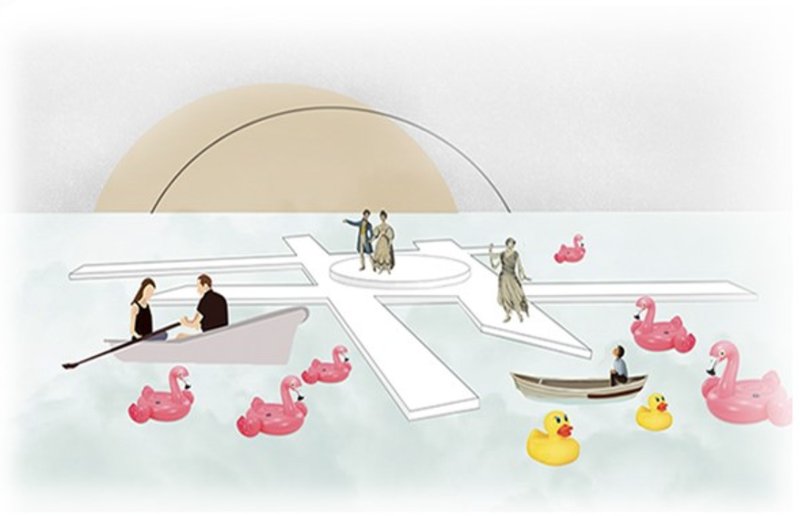
One of the most striking aspects of the proposal is its relationship with water. Instead of treating water merely as scenery, the project uses it as an active performance environment.
Theater platforms float across ponds and urban water bodies, allowing spectators to gather around the performance from multiple directions. This dissolves the traditional separation between stage and audience. Visitors can sit, walk, move through installations, or even interact with the performance landscape itself.
The proposal specifically studies several parks in Madrid as potential locations for intervention. These include Madrid Rio Park, El Retiro Park, Lago Casa de Campo Park, Lineal del Manzanares Park, and Tierno Galván Park.
The research behind the site selection reveals an important urban observation. Parks naturally attract large groups of people and already function as social condensers within the city. Many of these landscapes also contain ponds or water systems that can host floating performance platforms.
By introducing temporary modular theaters into these environments, the project activates existing public infrastructure instead of creating isolated cultural enclaves.
Flexible Placement Options Based on Scale
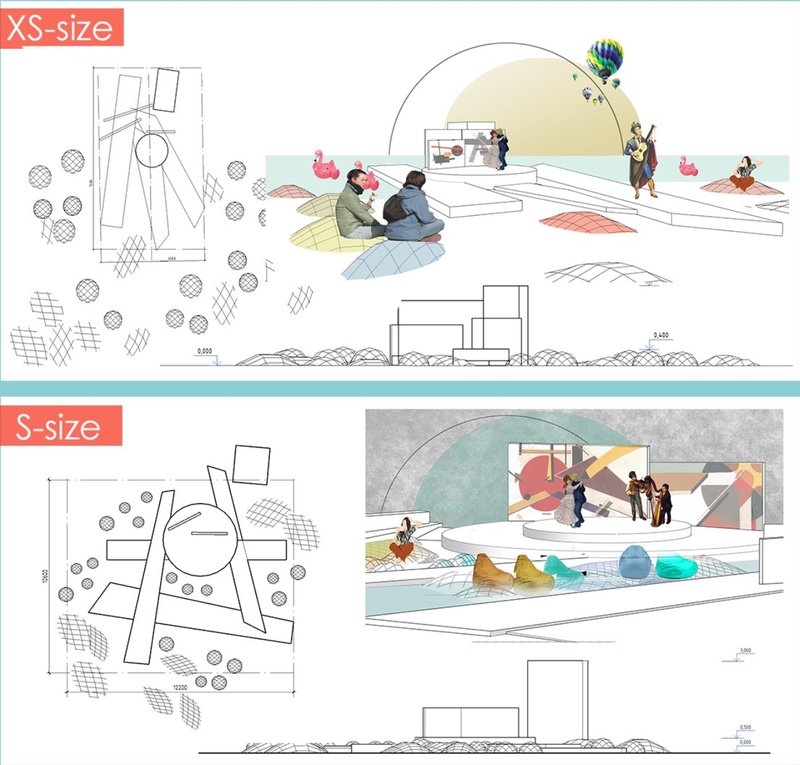
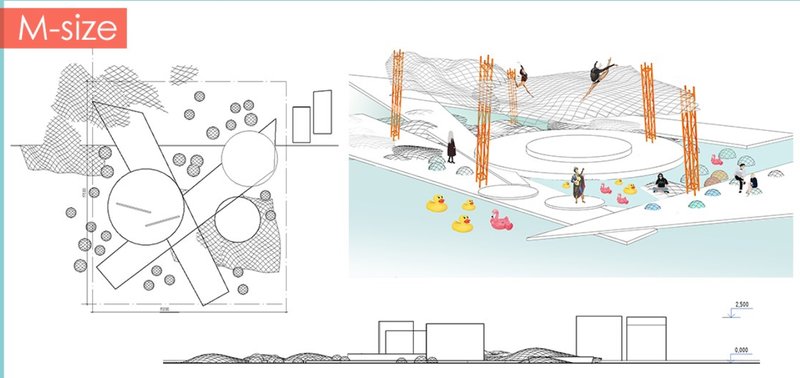
The project develops multiple theater configurations depending on the scale of performance and spatial requirements. Rather than a single fixed typology, the design system expands and contracts according to use.
The XS-size configuration creates intimate performances where audiences gather closely around small floating stages. These environments encourage direct interaction between performers and visitors, producing a highly immersive public experience.
The S-size version introduces larger scenic elements, modular seating arrangements, and expanded visual installations. This configuration supports medium-scale performances while maintaining spatial openness.
The M-size arrangement transforms the environment into a larger urban festival landscape. Elevated structures, suspended performance zones, and expanded circulation systems create a highly dynamic public stage.
This scalability demonstrates how modular architecture can support multiple urban conditions without losing coherence. The same design language adapts across varying audience sizes, spatial limitations, and event requirements.
Dissolving the Boundary Between Spectator and Performer
Traditional theater architecture often relies on hierarchy. The audience sits in fixed positions while performers occupy a separated stage. Opera Truck challenges this model completely.
The project proposes an immersive spatial arrangement where performance unfolds around the audience rather than in front of it. Visitors become participants within a continuously shifting environment.
Floating pathways, modular seating elements, interactive nets, elevated platforms, and transformable installations create an atmosphere where movement itself becomes part of the performance.
This strategy reflects broader architectural conversations surrounding experiential design and participatory public space. The architecture does not simply contain activity. It actively shapes social interaction.
The use of open configurations also allows performances to remain visible and accessible to casual visitors. Someone walking through a park unexpectedly becomes part of a theatrical event, reinforcing the democratic nature of public performance architecture.
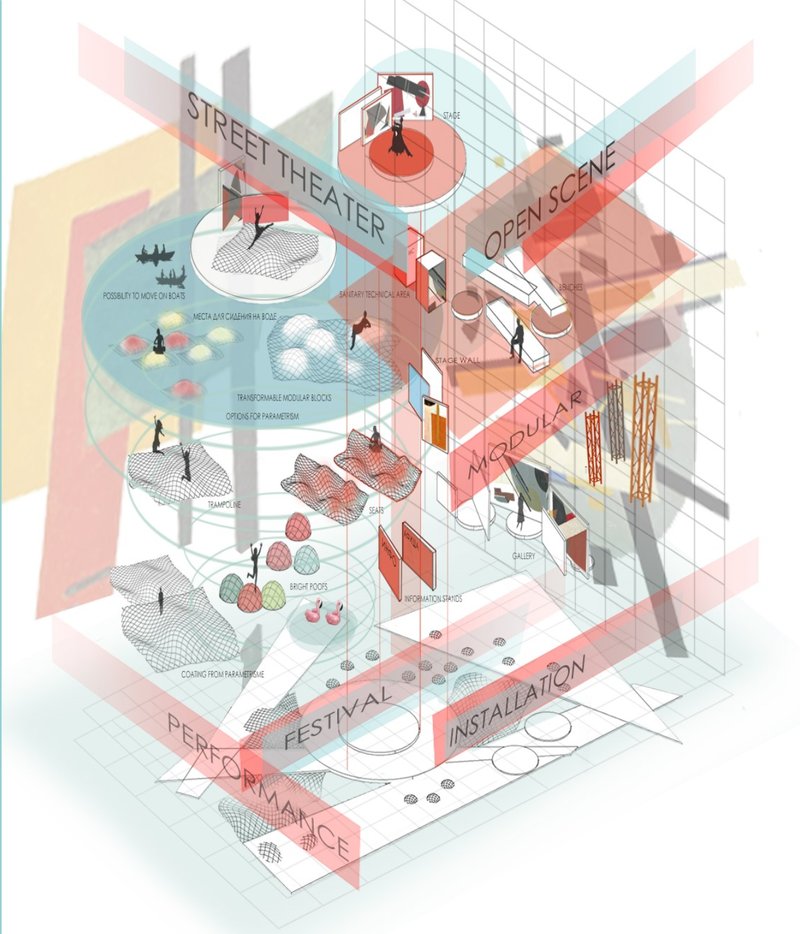
Parametric and Transformable Spatial Systems
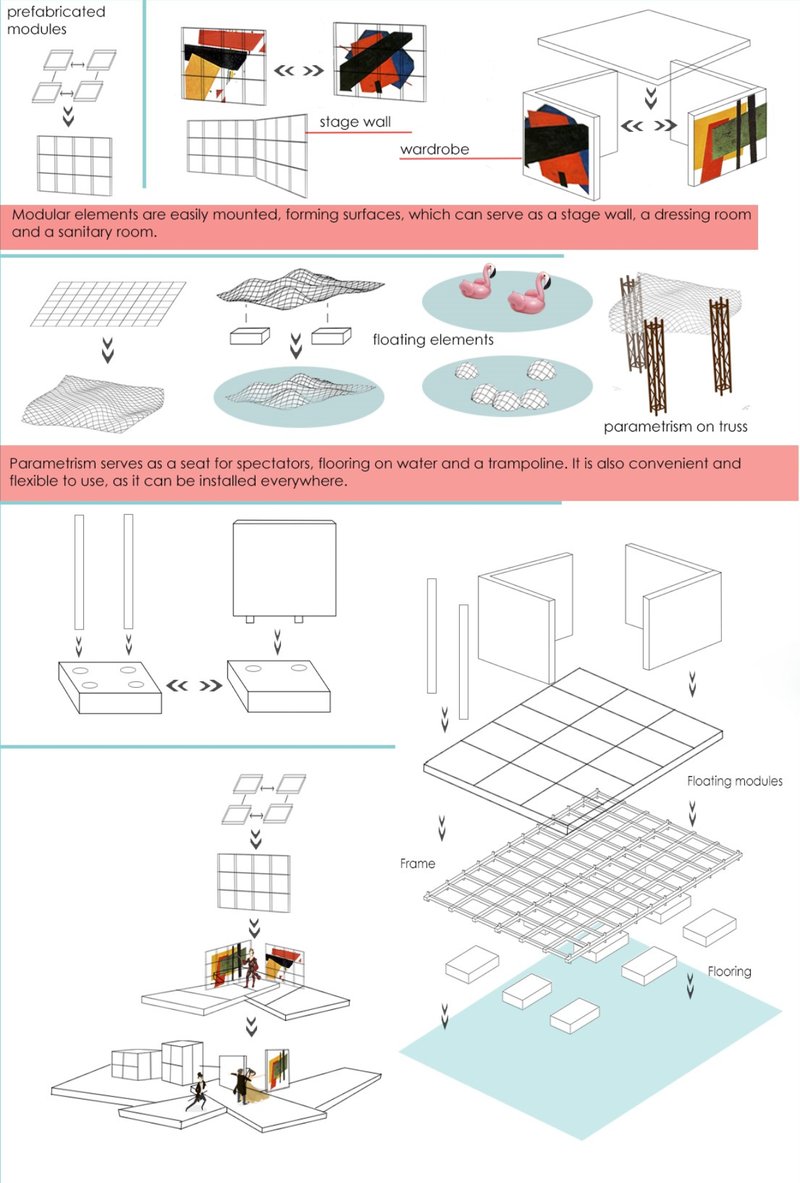
The visual language of the proposal strongly references parametric design methodologies and experimental modular systems.
Curved nets, transformable blocks, suspended structures, floating platforms, and adaptable stage elements create a highly flexible spatial environment capable of constant reconfiguration.
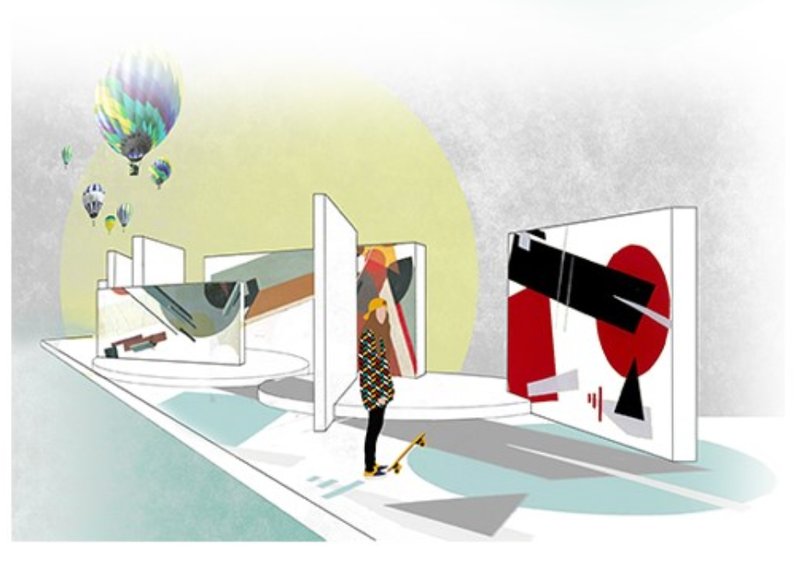
The project explores how lightweight architectural systems can generate temporary atmospheres while remaining visually expressive. Elements such as trampoline surfaces, modular seating systems, bright roofing components, and movable stage walls contribute to a playful and adaptable public environment.
This flexibility becomes especially important for temporary urban interventions. Instead of constructing permanent buildings, the project proposes reusable architectural systems that can travel, expand, contract, and evolve according to cultural programming.
Such an approach aligns with contemporary sustainable architecture practices by reducing material permanence while maximizing spatial adaptability.
Public Performance as Urban Activation
Opera Truck positions performance architecture as a tool for urban activation.
In many contemporary cities, public spaces struggle to maintain continuous social engagement. Temporary cultural interventions offer an opportunity to reactivate parks, waterfronts, and underused landscapes.
The project demonstrates how architecture can generate temporary communities through shared cultural experiences. By combining performance, installation art, modular staging, and interactive landscapes, the proposal transforms passive public environments into active cultural destinations.
Importantly, the project avoids exclusivity. The performances remain open, visible, and integrated into everyday urban movement.
This accessibility reinforces the role of architecture as a social connector rather than an isolated object.
The Future of Mobile Cultural Infrastructure
Projects like Opera Truck reflect a growing global interest in mobile and adaptive cultural infrastructure. As cities continue to evolve, cultural institutions are increasingly moving beyond static buildings toward flexible systems capable of responding to changing public needs.
Temporary architecture, modular urbanism, and portable performance systems represent a future where cultural experiences can emerge anywhere within the city.
Opera Truck embraces this future through a visually experimental and socially engaging architectural proposal. By combining floating theaters, modular systems, interactive landscapes, and public participation, the project reimagines how architecture can bring art directly into everyday urban life.
Rather than asking people to travel to a theater, the theater itself travels into the city.
A New Vision for Performance Architecture
Theater on the Water ultimately proposes more than a temporary stage system. It introduces a broader architectural vision centered around flexibility, interaction, and urban inclusivity.
The project demonstrates how modular performance architecture can create temporary cultural ecosystems that merge art, landscape, and public participation into a unified spatial experience.
Its floating platforms, adaptable configurations, and immersive environments challenge conventional definitions of theater architecture while opening new possibilities for public cultural engagement.
As cities continue searching for innovative ways to activate public spaces and strengthen social interaction, projects like Opera Truck reveal how architecture can become both infrastructure and performance simultaneously.
Designed by Aliya Muhametshina, this shortlisted entry of the Opera Truck competition presents an exciting exploration of modular urban theater, temporary architecture, and the future of immersive public performance spaces.




Popular Articles
Popular articles from the community

20 Most Popular Office Building Projects of 2025
From biophilic workspaces in India to net-positive energy offices in New Delhi, 20 office building projects that defined architecture in 2025.

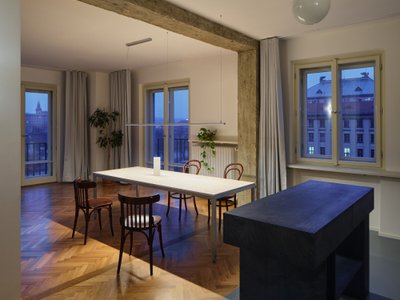
Prokop Hartl Turns a 1930s Prague Corner Apartment into a Lesson in Structural Honesty
A 115 m² renovation on the Vltava River celebrates exposed concrete, restored parquet, and a mirrored column as its centerpiece.
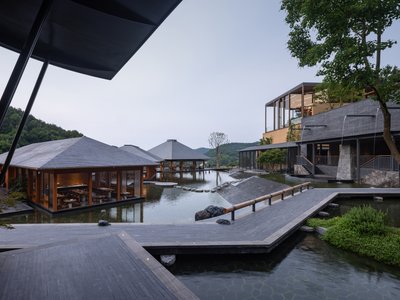
Atelier LAI Scatters a Timber Resort Across a Terraced Anhui Valley
Nanshan Junning Resort uses wood joinery and topographic sensitivity to settle 6,700 square meters into a ten-meter slope near Hefei.
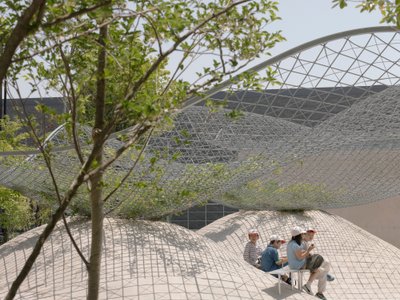
MIDW Casts a Pavilion Roof from the Earth Itself at the 2025 Osaka Expo
On a fragile reclaimed island, excavated soil becomes formwork for a concrete canopy that will eventually disappear into wisteria.

Similar Reads
You might also enjoy these articles
Beyond the City of the Dead: Reimagining Aldo Rossi's Modena Cemetery as a Cultural Hub
A speculative adaptive reuse proposal transforms one of Italian architecture's most iconic funerary monuments into a layered civic and cultural complex.
Twilight Crossing: A Pedestrian Bridge That Performs with Light and Water
Angel Gamboa's tensile cable bridge transforms a lakeside crossing into a choreographed sequence of color, reflection, and framed views at dusk.
Digital Façade Design for our cities’ urban fronts
Prima Facie - Result Story





Comments (0)
Please login or sign up to add comments
No comments yet. Be the first to comment!