
Otto Church Transformation by Nidus: Harmonizing Heritage and Contemporary Living in Düsseldorf
Otto Church in Düsseldorf is transformed by Nidus, blending heritage architecture with modern living, preserving history while creating warm, functional spaces.

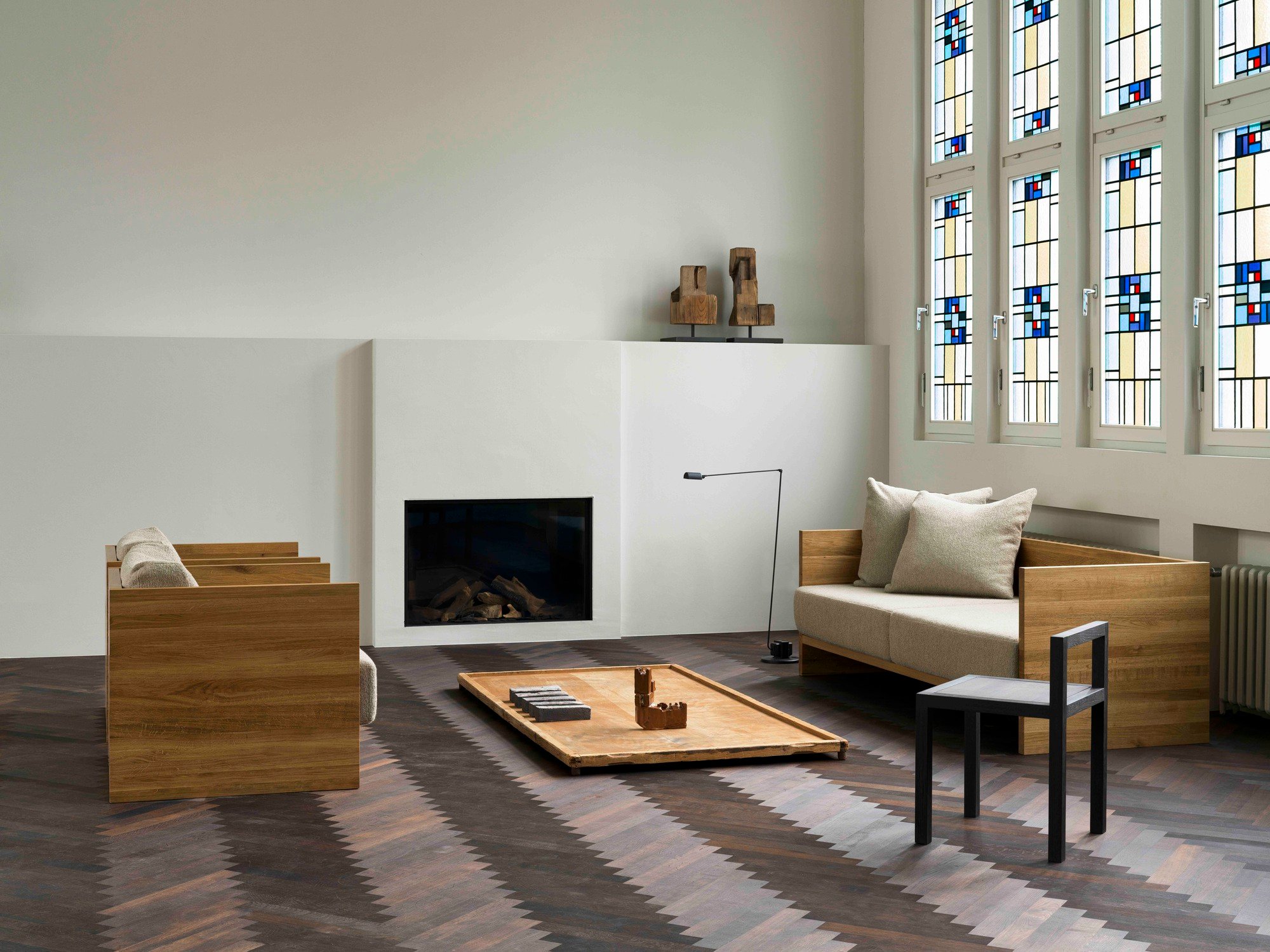
Located in Düsseldorf’s Gerresheim district, Otto Church is a remarkable example of post-war architecture transformed into a contemporary residential space by Nidus Architects. Originally built in 1977 by influential architect Herrmann Rauch, the church exemplified restrained design, with clean forms, abundant natural light, and a commanding spatial presence.
As the social function of the church diminished over time, its original purpose became less relevant, prompting a sensitive and innovative adaptive reuse. Rather than a disruptive intervention, the transformation focused on preserving heritage while introducing modern functionality, converting the sacred space into a warm, livable residence.
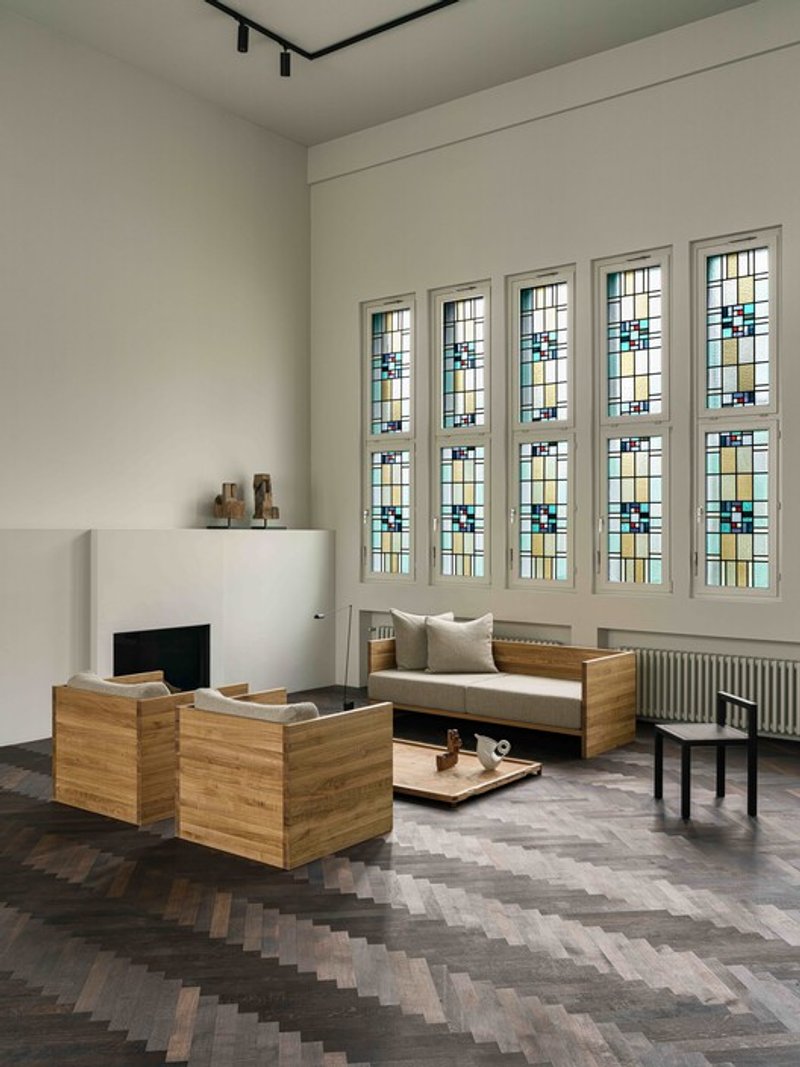
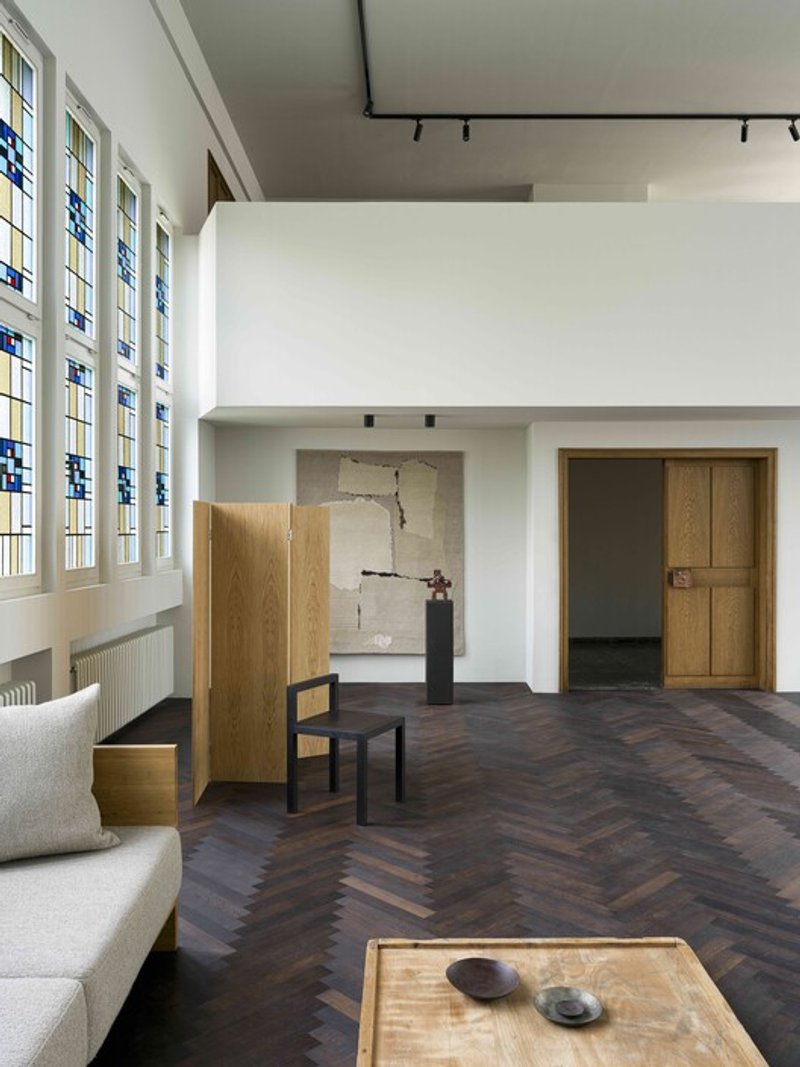
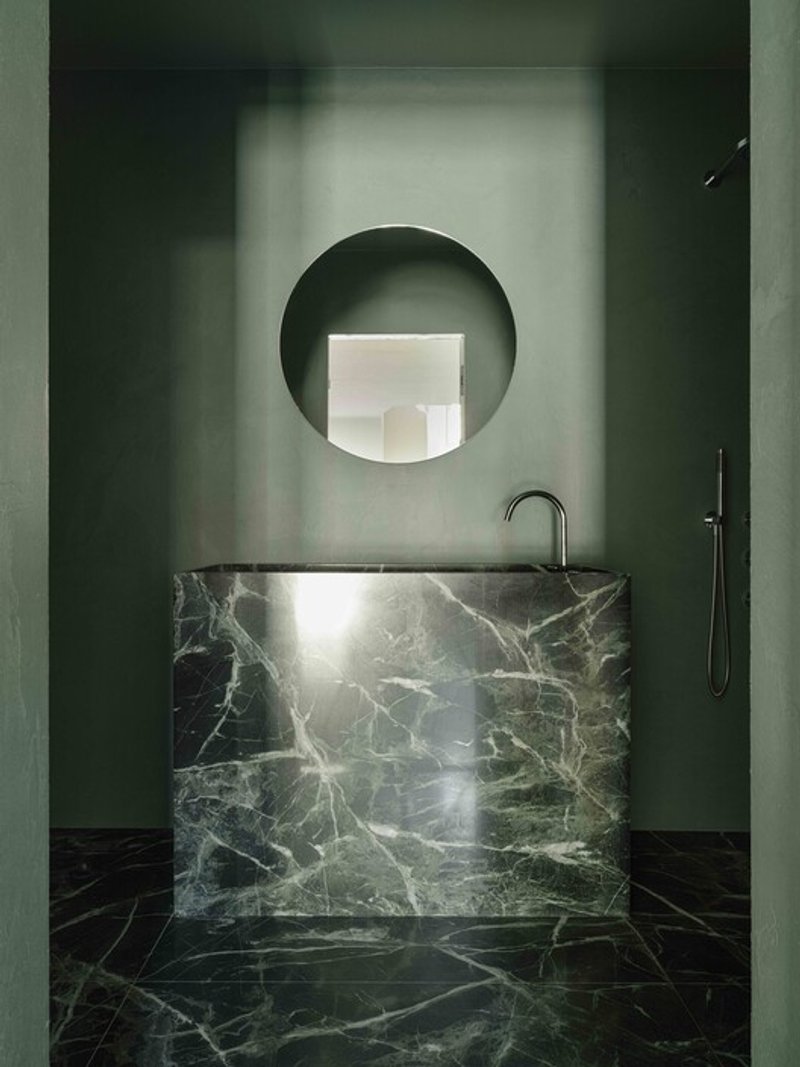
The design philosophy was guided by restraint, continuity, and material honesty. Key elements of the church: soaring ceilings, colored glass windows, and deliberate structural clarity, were maintained and celebrated in the new layout. Original features, such as the oak doors and green marble from the former stairwell, were carefully retained and integrated into bathrooms and living areas, creating a tactile dialogue between past and present.
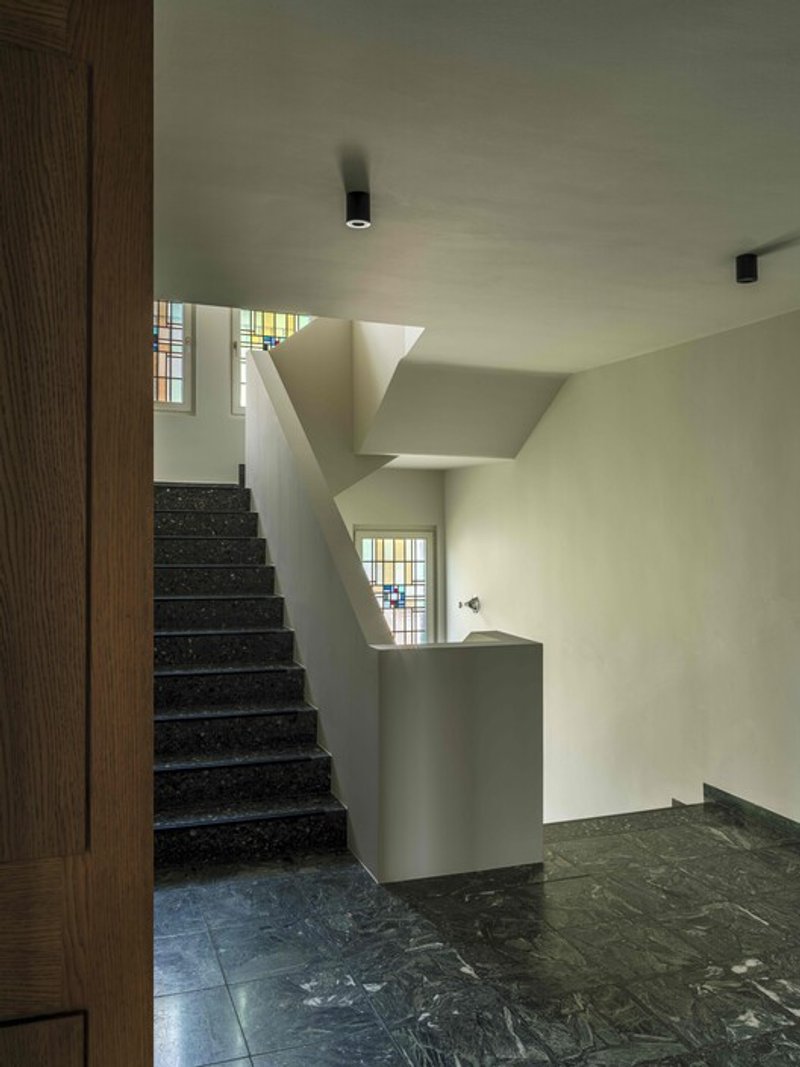
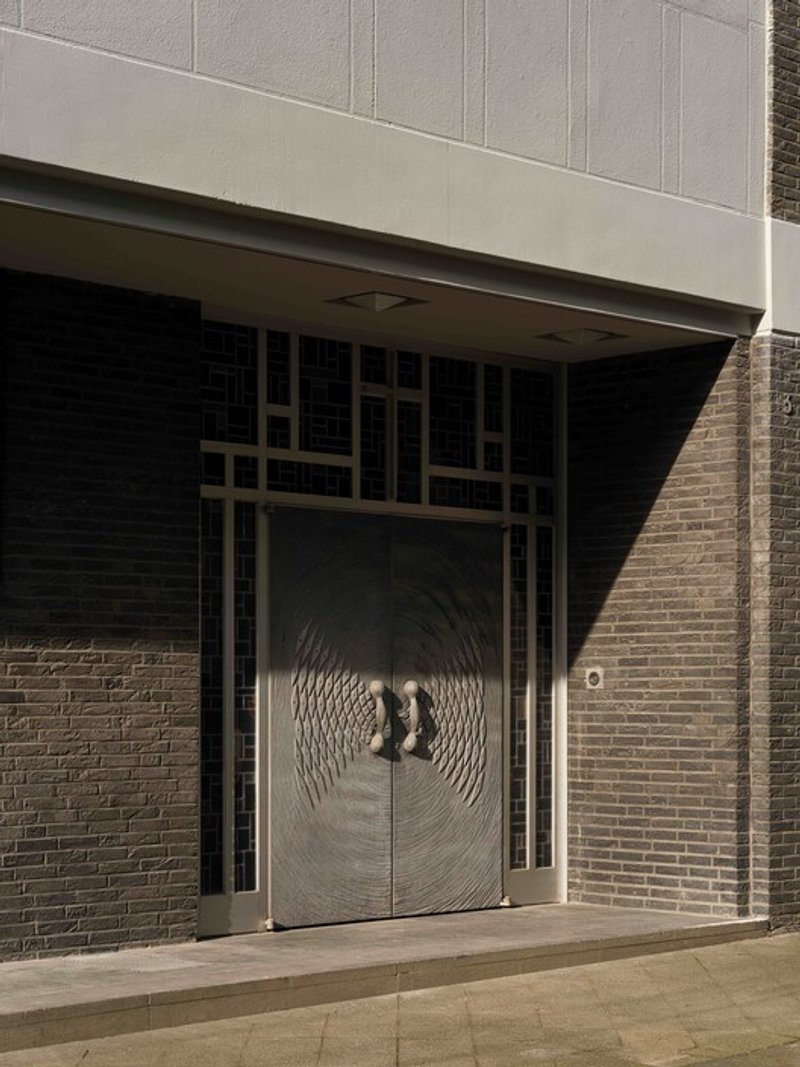
The material palette emphasizes subtle warmth and cohesion: smoked oak parquet floors add depth, wood accents enhance intimacy, and neutral tones harmonize with existing architectural qualities. Concrete and brick surfaces preserve the building’s structural honesty while highlighting the building’s minimalist elegance.
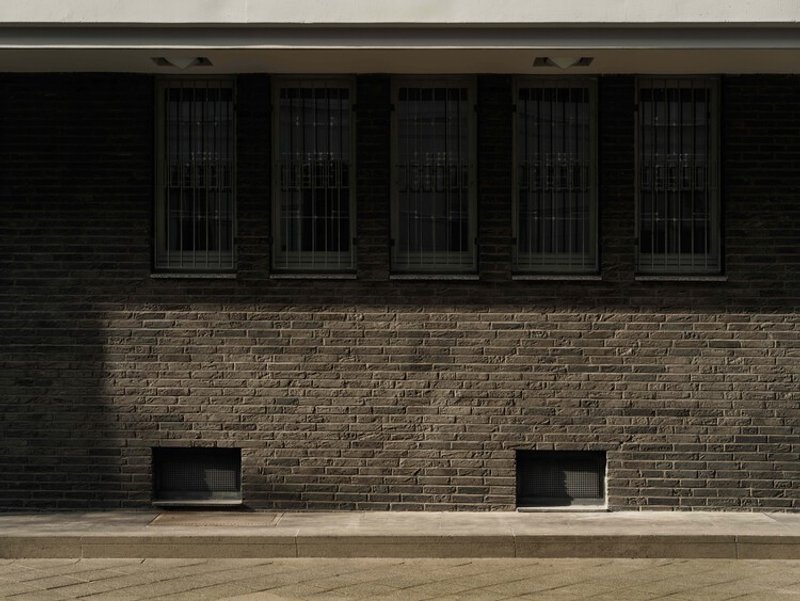
Natural light remains a central design element. Sunlight filters through preserved colored glass, creating dynamic patterns and enhancing the sense of calm throughout the residence. Spatial planning prioritizes openness and flow, allowing former sacred volumes to function as living, dining, and communal areas.
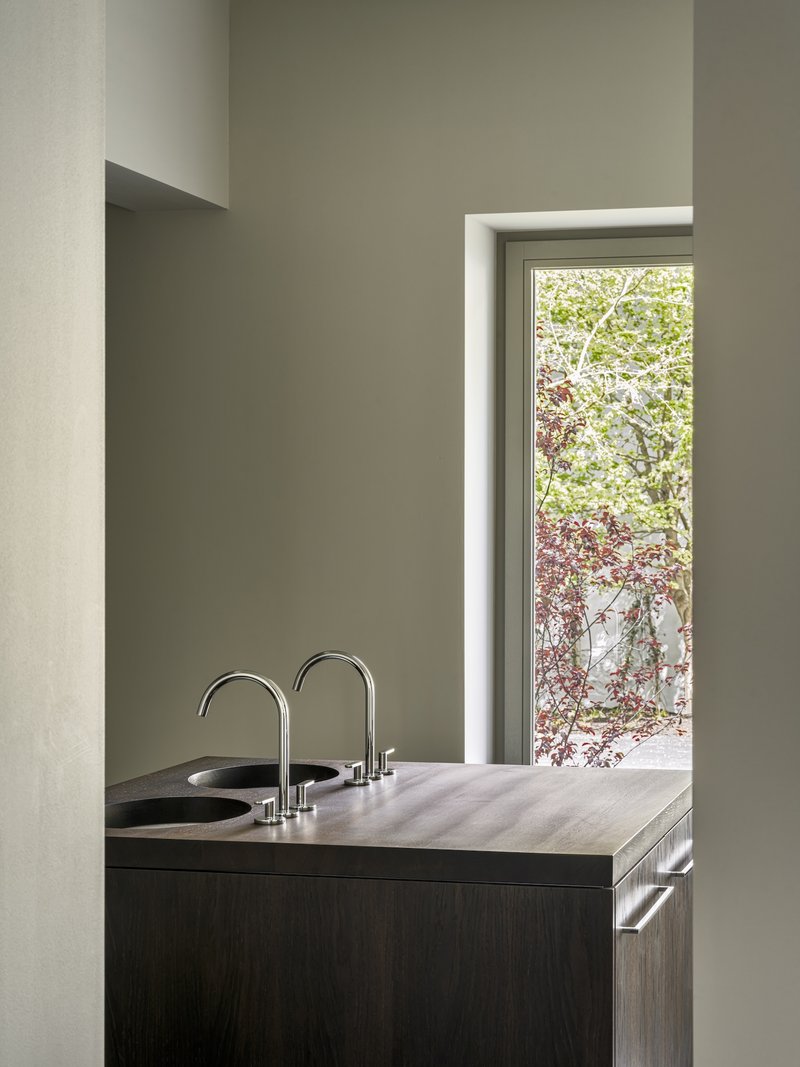
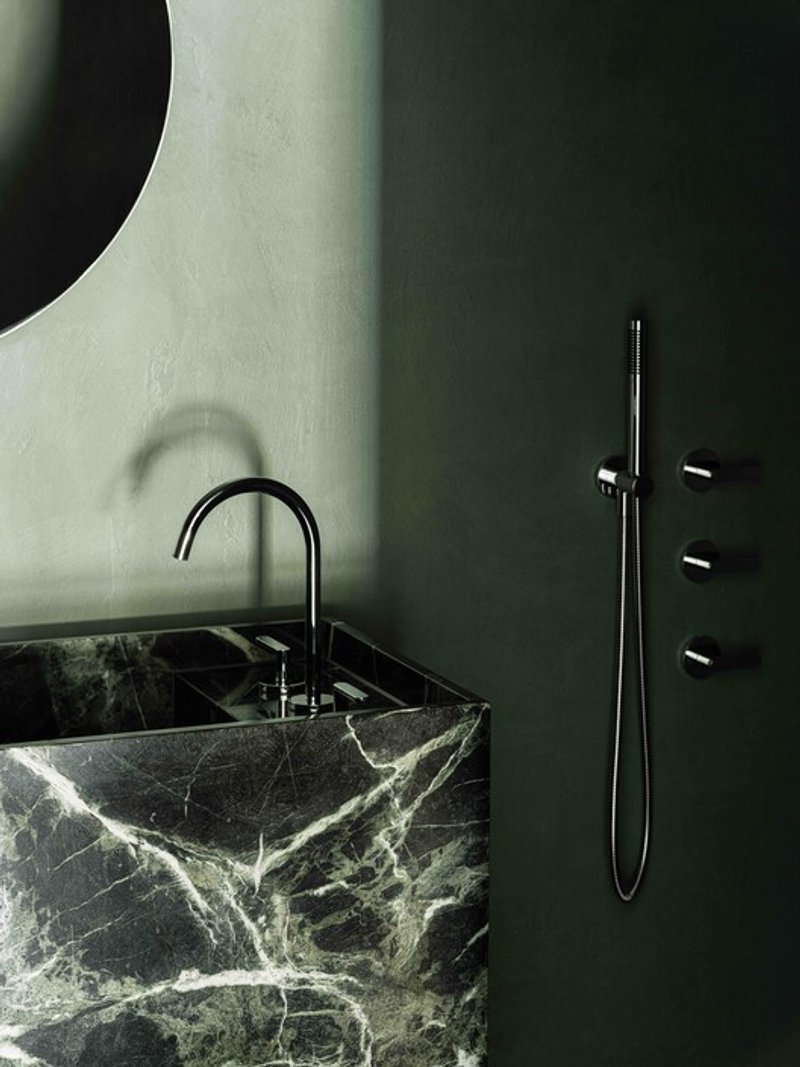
The transformation of Otto Church demonstrates the power of adaptive reuse in architecture. It is a testament to the principle that meaningful architectural evolution comes from recognizing and amplifying inherent qualities, rather than imposing novelty. Through careful preservation, material sensitivity, and thoughtful interventions, Nidus has created a home that honors history while serving contemporary living needs.
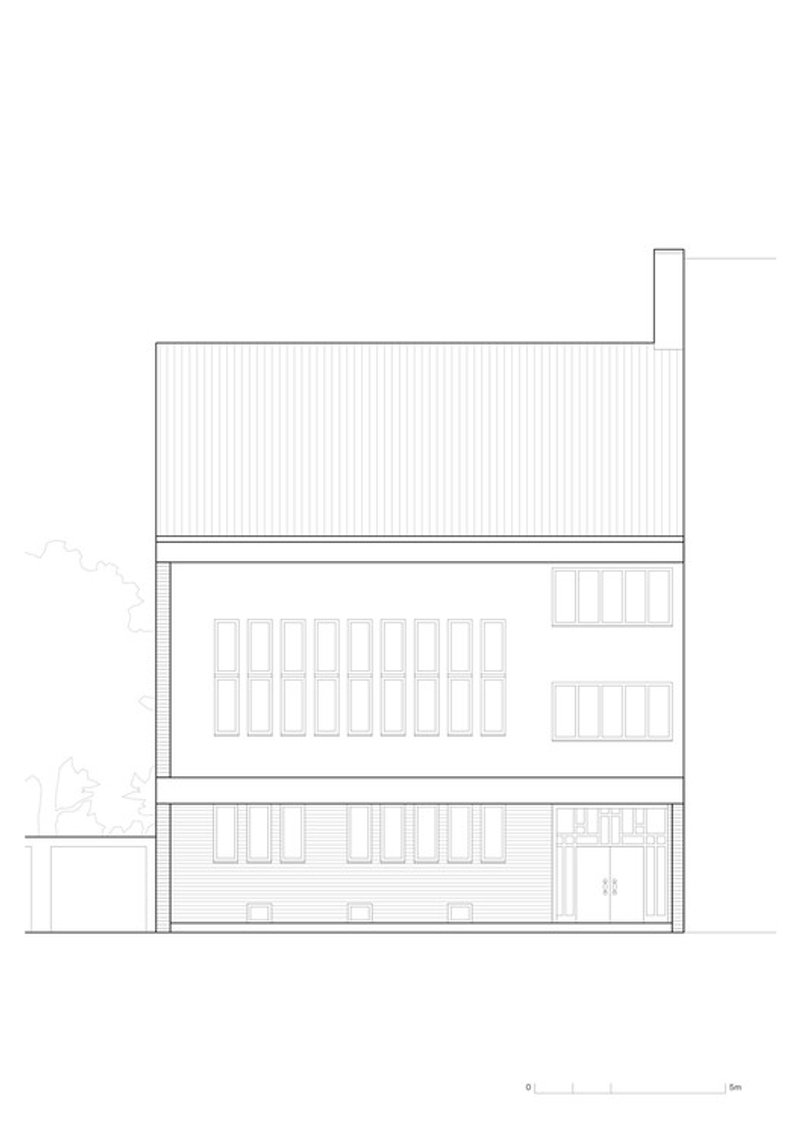
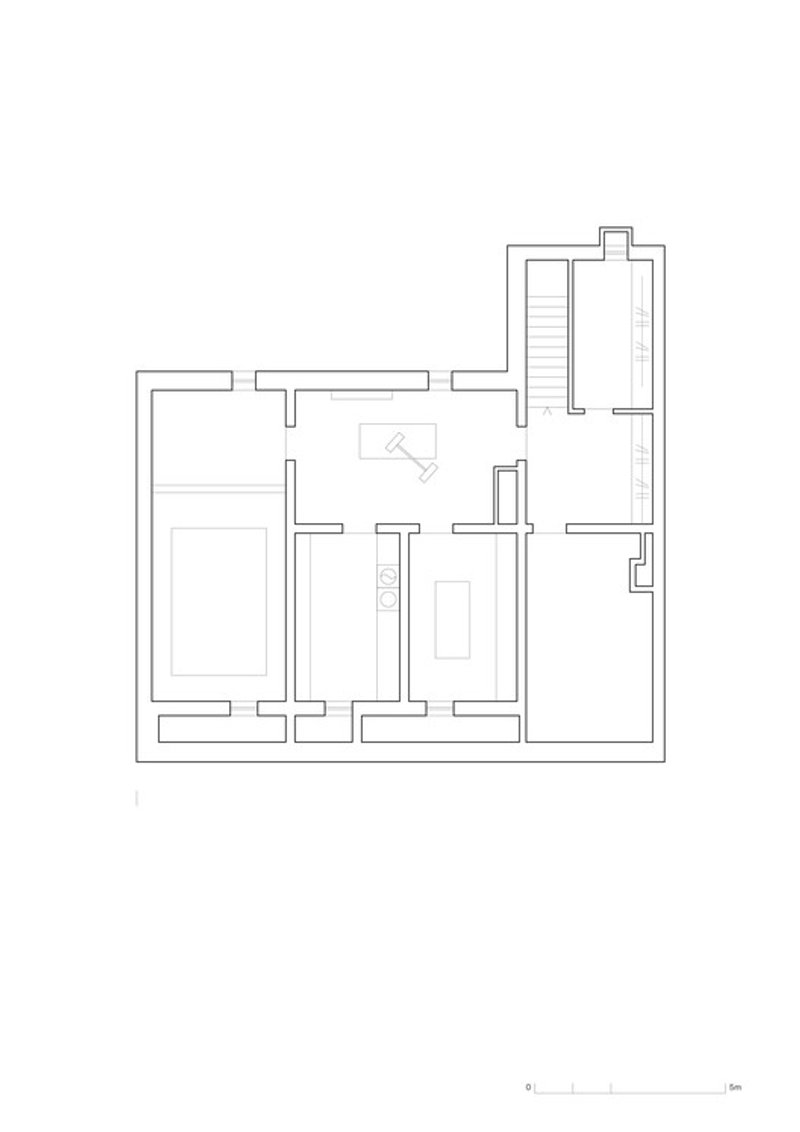
All the photographs are works of Piet-Albert Goethals


Popular Articles
Popular articles from the community

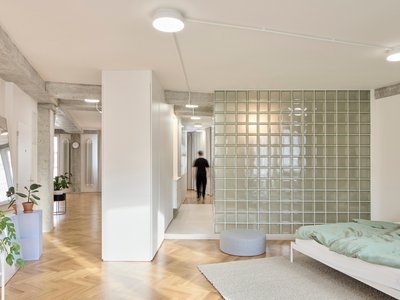
RDTH architekti Rips Out Nearly Every Wall in a Prague Apartment and Replaces Them with Furniture
A 101-square-meter post-war flat in Prague trades rigid partitions for a single rotated furniture block, curtains, and glass concrete.
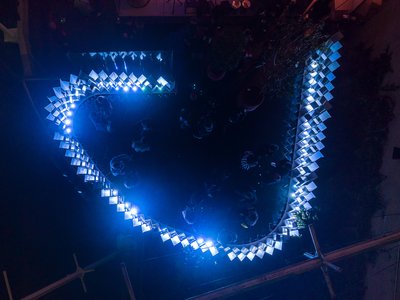
Rojkind Arquitectos and Think Parametric Build a Glueless Pavilion from 67 Interlocking Panels
A serpentine fiber-cement installation in Chapultepec Park celebrates a decade of architectural media in Mexico City.

20 Most Popular Office Building Projects of 2025
From biophilic workspaces in India to net-positive energy offices in New Delhi, 20 office building projects that defined architecture in 2025.
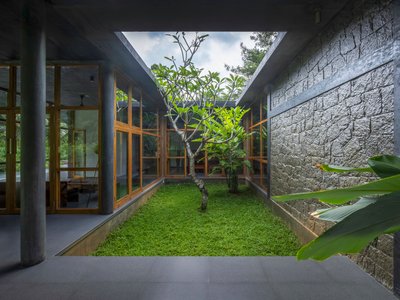
3dor Concepts Wraps a Kerala Home in Mirrored Concrete Arcs Around a Courtyard Tree
In the Western Ghats foothills of Thamarassery, a 270 m² single-story house uses two curved volumes to frame nature as its center.


Similar Reads
You might also enjoy these articles
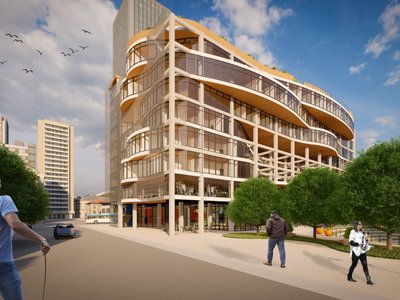
Olio Towers: A Mid-Rise for Performers That Fuses Housing, Rehearsal, and Stage
Located blocks from Houston's Theater District, this modular tower stacks living units around a central performance atrium.
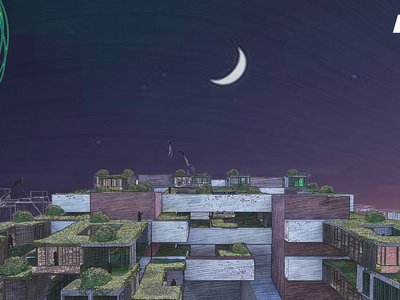
Oasis: Modular Green Housing Carved into Dhaka's Urban Fabric
A shortlisted Plugin Housing entry reclaims unauthorized settlements in Dhaka with stepped concrete volumes, green roofs, and ventilation-driven design.

Black Hole: A Floating Megastructure for the Post-Physical Era
Emiliano Mazzarotto envisions a spherical, self-scaling arena where e-sports, digital hotels, and holographic stadiums replace traditional public space.
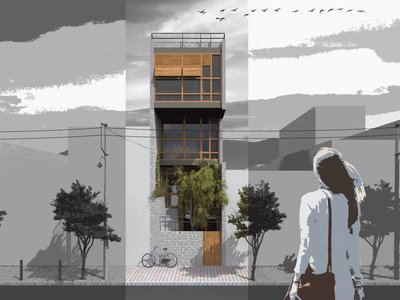
Compact & Sustainable Living in Piraeus: A Four-Level Family Home Built Around Light and Air
A narrow townhouse in one of Greece's densest port cities uses a central atrium and passive strategies to house three generations under one roof.


Explore Architecture Competitions
Discover active competitions in this discipline




The International Standard for Design Portfolios


The Global Benchmark for Architecture Dissertation Awards


The Global Benchmark for Graduation Excellence


Challenge to design an urban locus of culture and heritage
Comments (0)
Please login or sign up to add comments
No comments yet. Be the first to comment!