
Over Bakery by atelier tao+c: Revitalizing Community Spaces through Adaptive Reuse and Urban Dialogue
Over Bakery by atelier tao+c transforms a former warehouse into a transparent, community-rooted bakery blending heritage, light, and street life.


Location: Chang Ning District, Shanghai, China Architects:atelier tao+c Year Completed: 2022 Project Area: 80 m² Photography: Wen Studio Manufacturers Featured: USM, Artek, mumo, ziinlife Project Type: Retail Architecture / Bakery Interior / Adaptive Reuse
A Bakery Embedded in the Fabric of Urban Memory
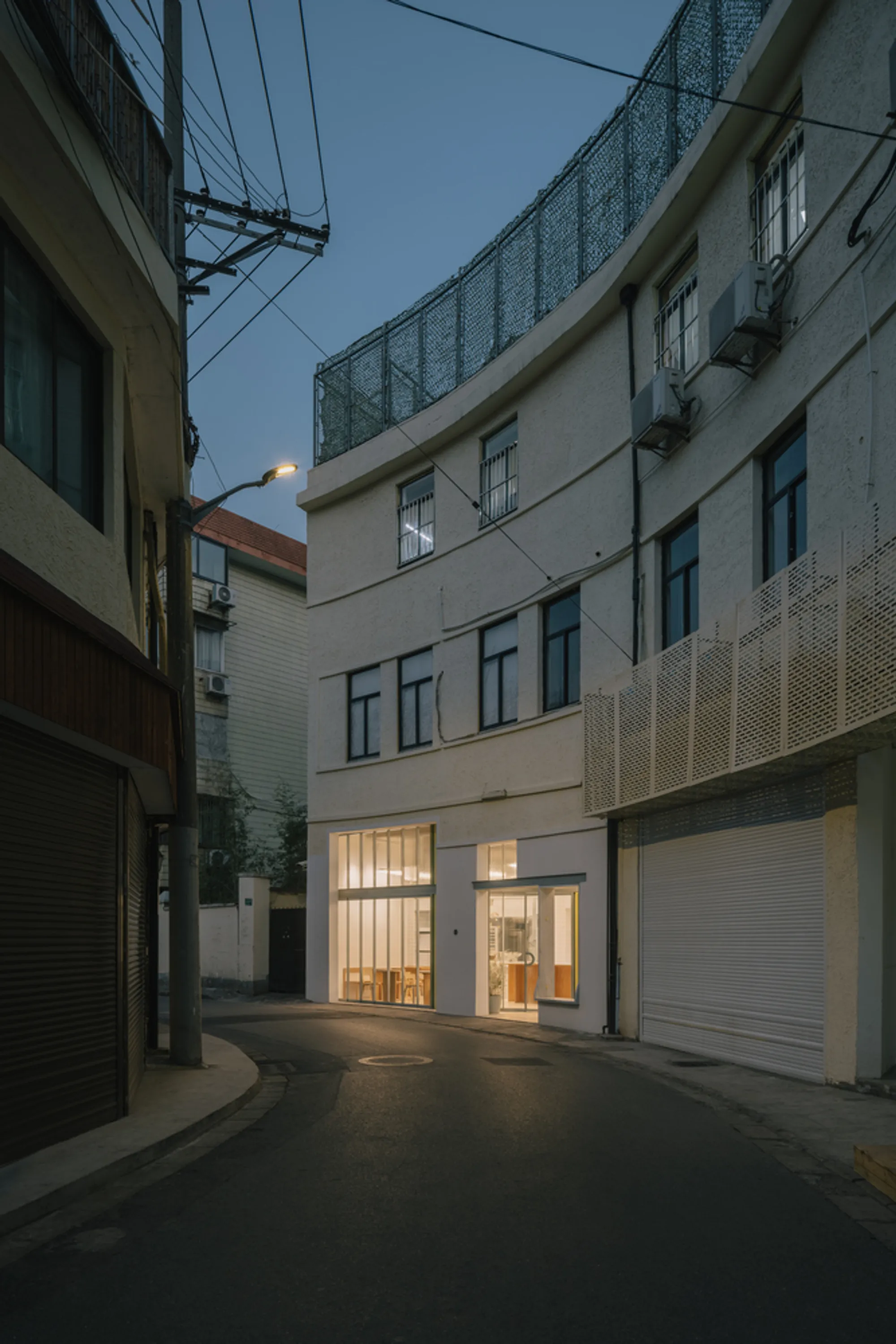
Tucked away in the twisted corners of Lixi Road—a narrow, 730-meter-long artery in Chang Ning District, Shanghai—Over Bakery by atelier tao+c offers more than baked goods. It is a refined architectural intervention that weaves together urban heritage, community life, and spatial transformation in just 80 square meters.
Once an inconspicuous warehouse occupying a street-level unit of a three-story office building, the space has undergone a subtle yet poetic renovation. The project doesn't merely insert a new program into an old shell—it reinterprets the local urban narrative, bridging historical architecture and contemporary urban living.
Site Context: Lixi Road as Living Infrastructure
Lixi Road itself is not just a backdrop but a protagonist in this architectural story. Its irregular form and narrow width create a sequence of shifting corners where old residences, community housing, and new commercial developments coexist. The architects recognize the organic evolution of the street—not as a planned infrastructure but as a product of accumulated architectural decisions over time.
This context guided the design’s sensitive approach. Rather than overhaul, the design celebrates the imperfections and memory embedded in the site, echoing the idea that buildings shape streets, not the other way around.
Design Approach: Light Touch, Strong Presence
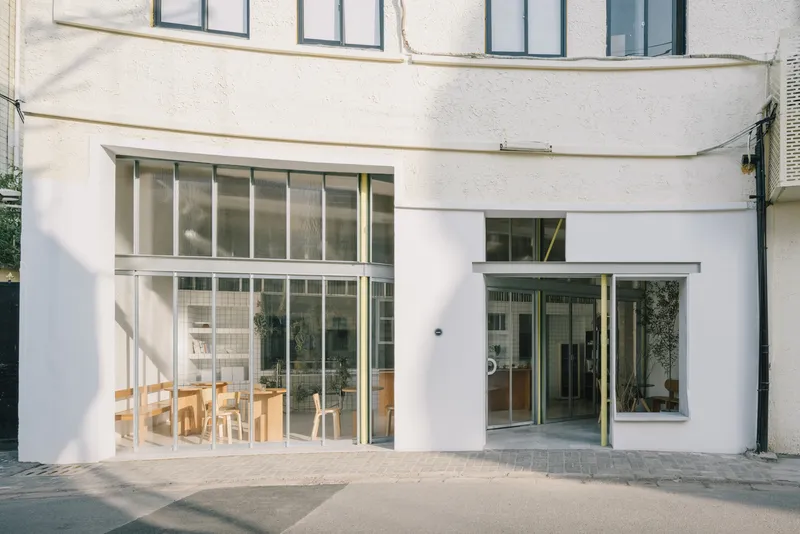
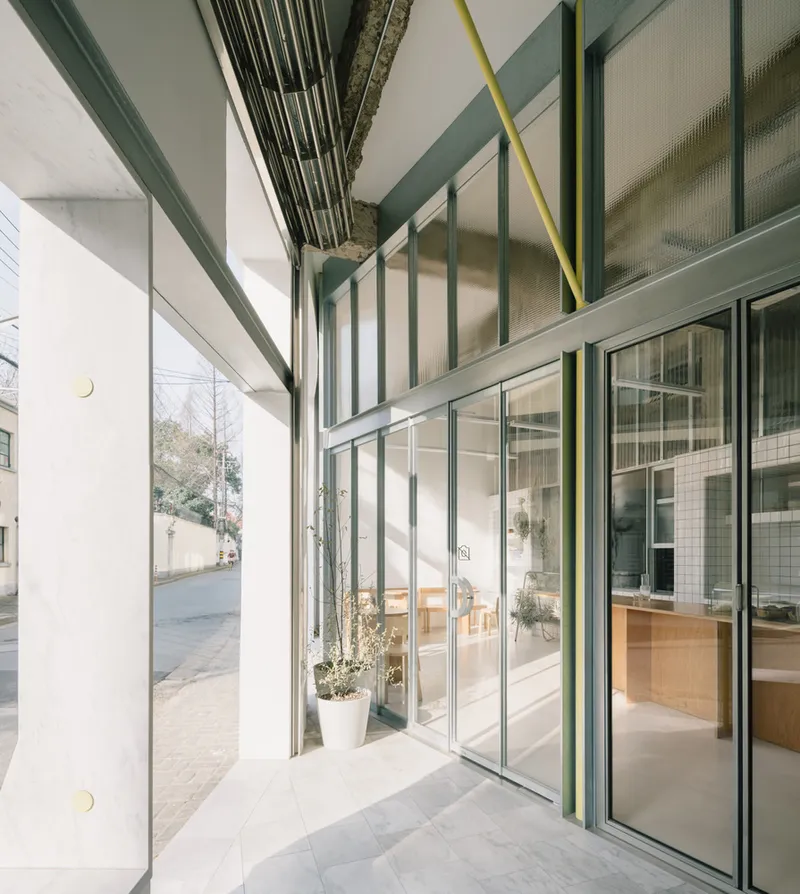
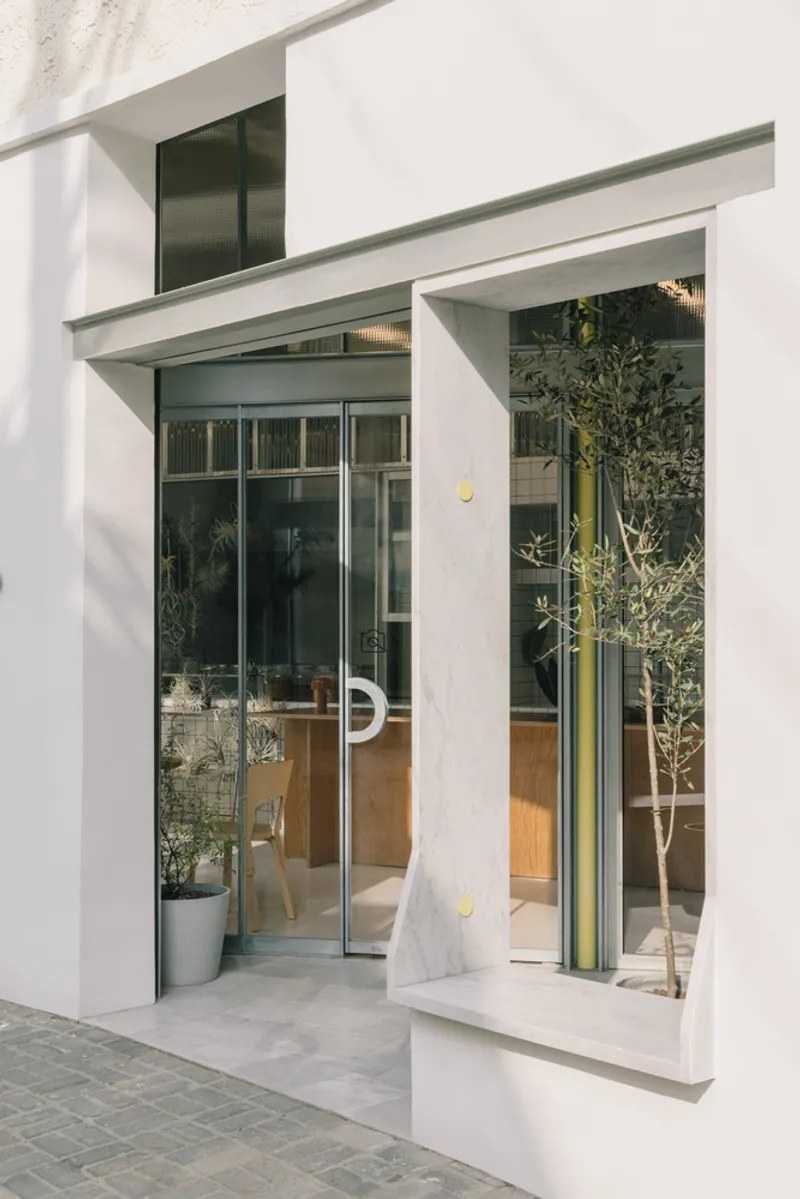
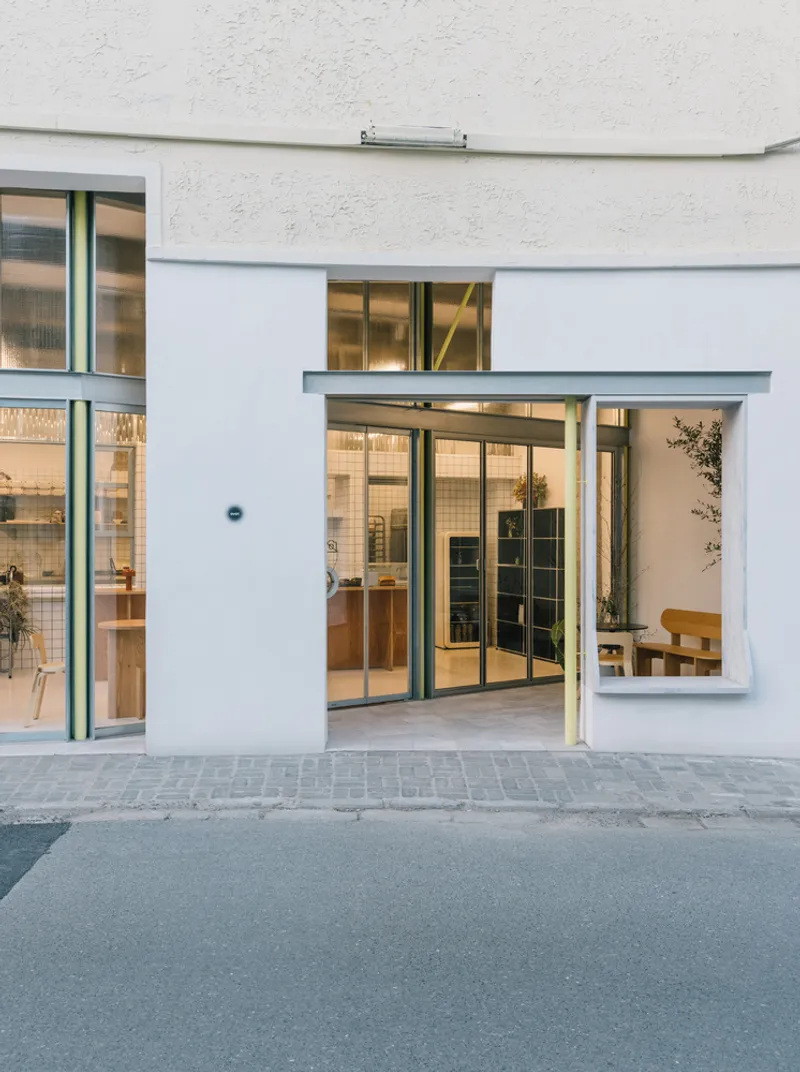
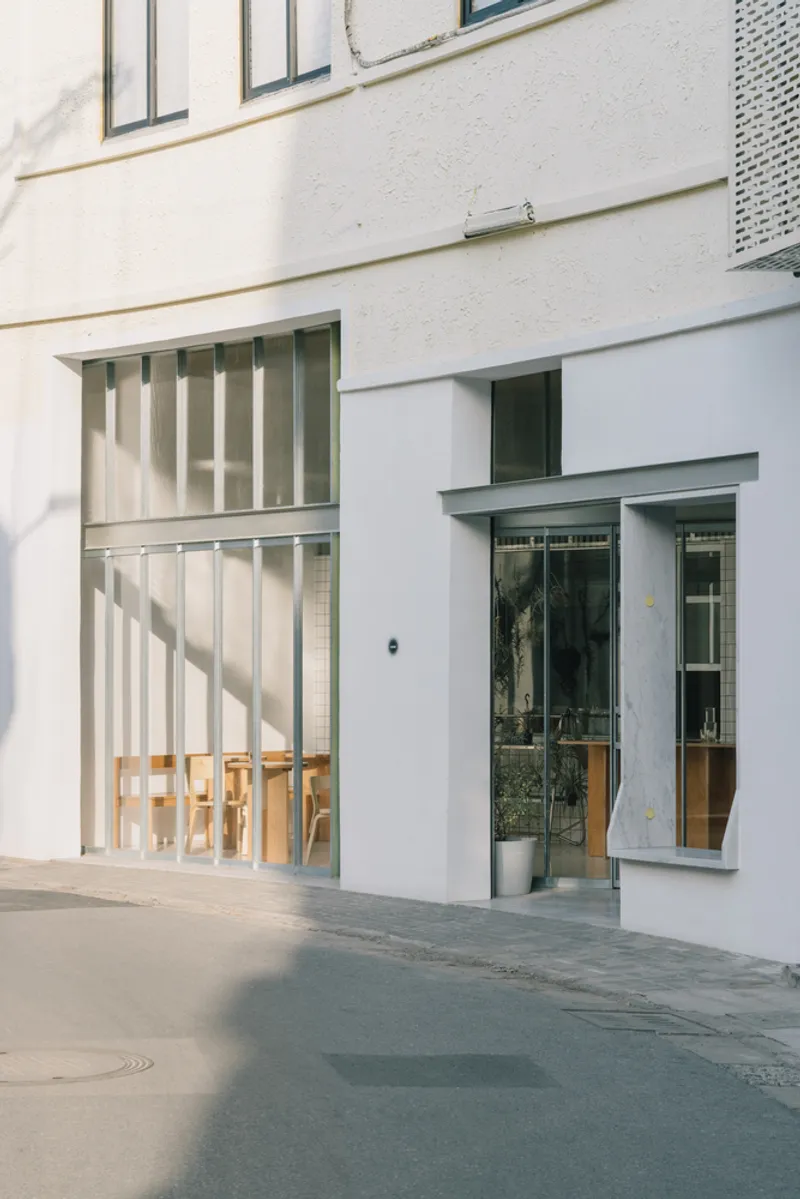
atelier tao+c retained the structure’s existing façade but intervened with a precise spatial recalibration. The south façade, which subtly curves inward along the street, was modified with a transparent glass screen—angled to create an intermediate threshold that blurs the line between street and storefront. This subtle gesture expands the public sidewalk into the interior, forming a shared urban edge where pedestrians and customers overlap.
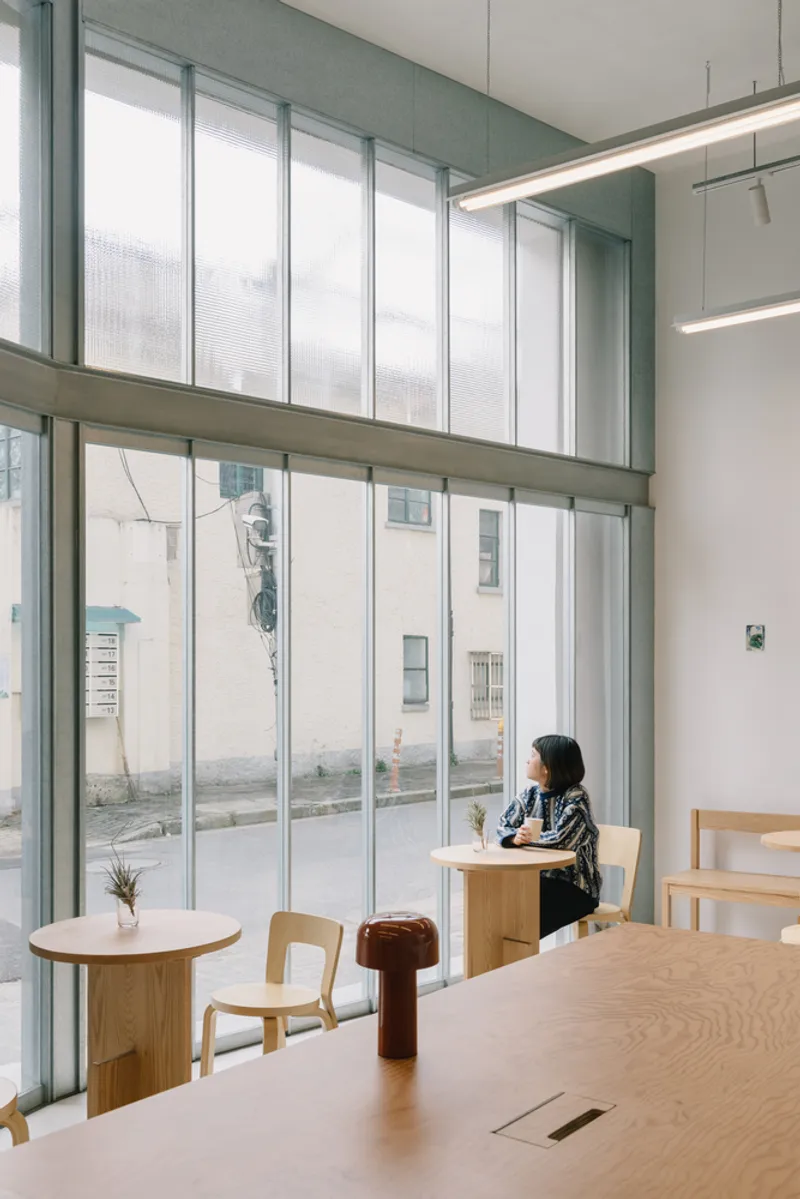
The previous warehouse door was converted into street-facing window seats, and the former window was repurposed as a welcoming doorway. This reconfiguration invites passersby—joggers, dog walkers, and neighbors—into a casual relationship with the bakery, making it both a neighborhood fixture and a moment of pause in the city’s rhythm.

Materials, Light, and Atmosphere
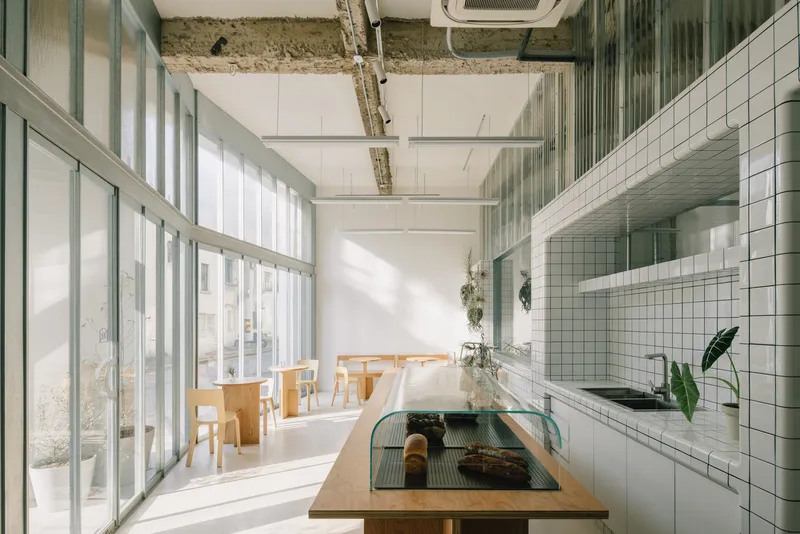
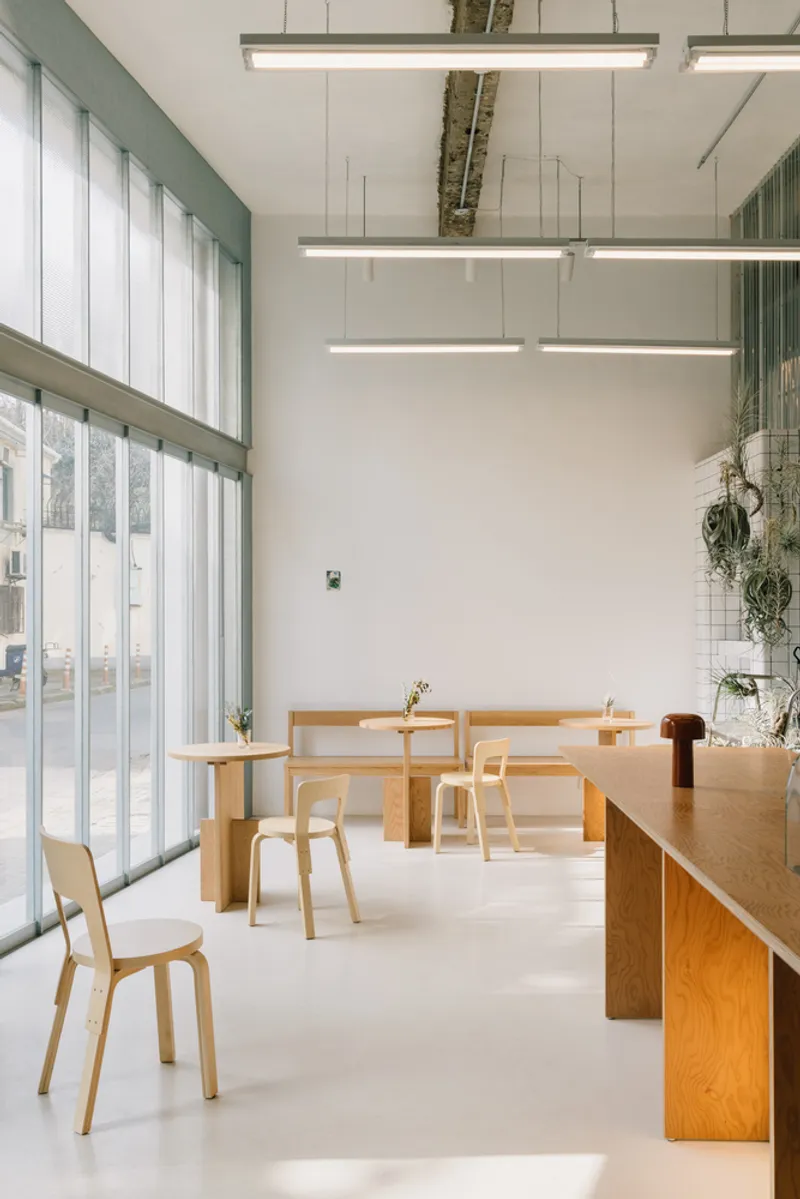
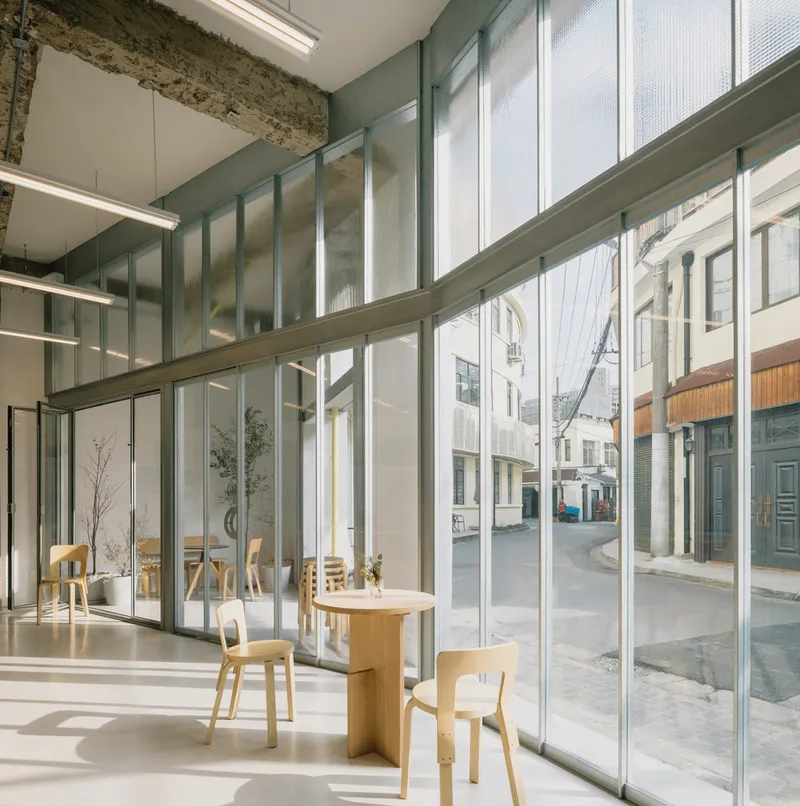
Natural light floods the interior through continuous glass elevations, creating a concave mirror effect that reflects and refracts the street life outside. The transparency not only lights up the intimate interior but also creates a porous visual dialogue with the street, allowing the bakery to feel open, vibrant, and deeply connected to its surroundings.
Inside, the space is minimal but warm, with carefully selected furniture and detailing by brands like USM, Artek, mumo, and ziinlife—blending Scandinavian simplicity with Asian urban sensibility.
A Space that Breathes with the City
What makes Over Bakery exceptional is its capacity to be more than a retail interior—it’s a micro-urban gesture that activates the sidewalk, absorbs the weather, reflects the time of day, and anchors communal interactions. The design demonstrates that small-scale adaptive reuse can have outsized impacts when rooted in local narratives and everyday life.




Popular Articles
Popular articles from the community

EW PARK: Sustainable Architecture Reimagines the Future of Urban Parking
EW PARK reimagines city parking as a modular wooden tower combining automation, solar energy, electric mobility, and adaptable urban design.

Co-Life: Senior Housing Design That Reconnects Older Adults With the City
Co-Life reimagines senior housing design through healing gardens, shared streets, workshops, and a sustainable community across generations.

AL-JANNAH: Sustainable Architecture and Permaculture for Afghan Widows
AL-JANNAH uses sustainable architecture and permaculture to create resilient oasis of housing, learning, work and renewal for Afghan widows.

Hill & Cross Opera: Sculptural Opera House Architecture Shaped by Tallinn’s Landscape and Identity
Hill & Cross Opera reimagines opera house architecture in Tallinn through its sculptural hill, civic plaza, glass wave and a luminous cross.


Similar Reads
You might also enjoy these articles


Hodi-Mandai Geram
Project Function: Preservation and revitalization of the Intangible heritage and socio-spatial identity of the Hodi by Housing, Cultural Memory Center, Sacred Grove, landscape, local tourism economy


Olio Towers: A Mid-Rise for Performers That Fuses Housing, Rehearsal, and Stage
Located blocks from Houston's Theater District, this modular tower stacks living units around a central performance atrium.

Oasis: Modular Green Housing Carved into Dhaka's Urban Fabric
A shortlisted Plugin Housing entry reclaims unauthorized settlements in Dhaka with stepped concrete volumes, green roofs, and ventilation-driven design.

Black Hole: A Floating Megastructure for the Post-Physical Era
Emiliano Mazzarotto envisions a spherical, self-scaling arena where e-sports, digital hotels, and holographic stadiums replace traditional public space.


Explore Interior Design Competitions
Discover active competitions in this discipline


Challenge to design luxury tourism on rails


Challenge to reimagine the Iron Throne


Photograph architecture without architects


VR headsets Storefront design competition
Comments (0)
Please login or sign up to add comments
No comments yet. Be the first to comment!