
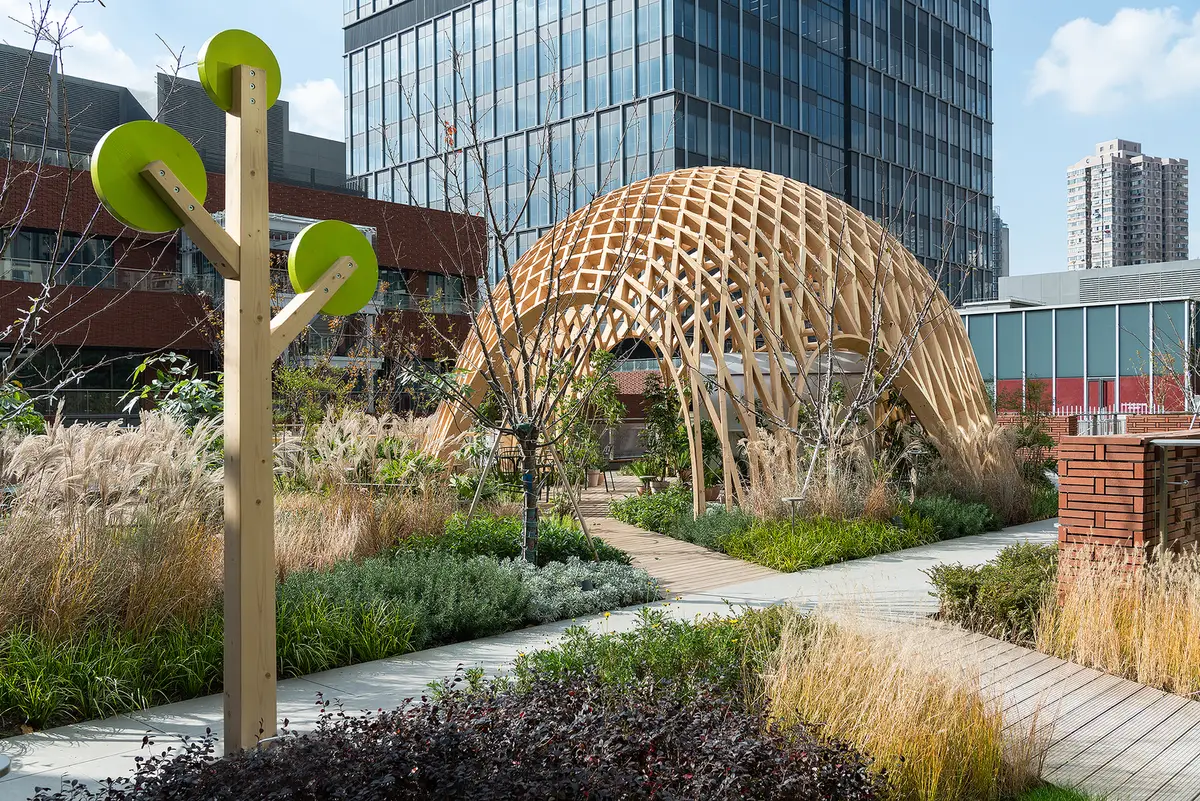
PAC Place-Making by Nota Architects: Transforming Urban Spaces in Shanghai
PAC Place-Making by Nota Architects transforms Shanghai’s urban landscape with sustainable design, biophilic architecture, community engagement, and adaptive public spaces.


A Visionary Urban Hub in Jing’an District
PAC Place-Making is a groundbreaking commercial complex designed by Nota Architects and developed by Keppel in the heart of Shanghai’s Jing’an District. Spanning 19,000 square meters, this mixed-use urban space is envisioned as a vibrant community hub that seamlessly integrates nature, architecture, and social interaction. By employing modern placemaking principles, the project transforms physical spaces into engaging environments that foster meaningful human connections.
Co-Creation and Community Engagement
At the core of PAC Place-Making is a participatory design process that involves nearby residents, local business owners, and key opinion leaders (KOLs). Through interactive discussions, stakeholders shared their insights on lifestyle trends, environmental needs, and sustainability-driven urban design. The findings highlighted a strong demand for public green spaces, biophilic design, and adaptable urban infrastructure, shaping the strategic vision of the project.
A Multi-Layered Spatial Experience
Visitors are welcomed into PAC Place-Making through an immersive journey of discovery, where each space unfolds into the next through carefully curated design interventions:
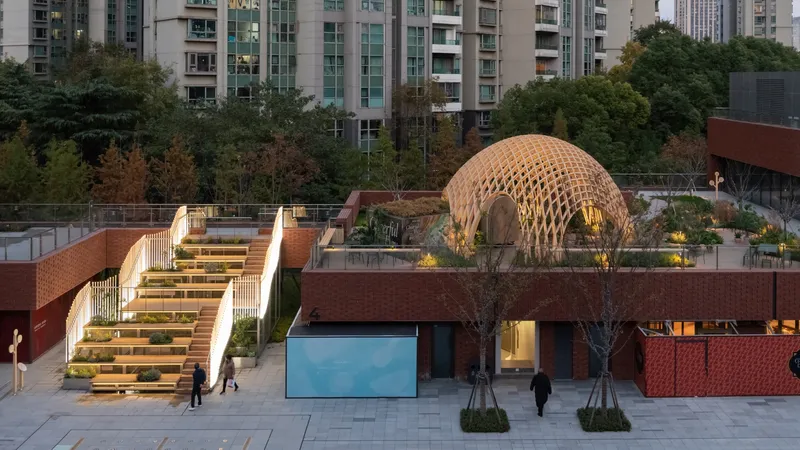
- Central Waterscape & Wooden Rooftop: A tranquil entrance with a flowing water feature and an organic wooden canopy sets the tone for the space.
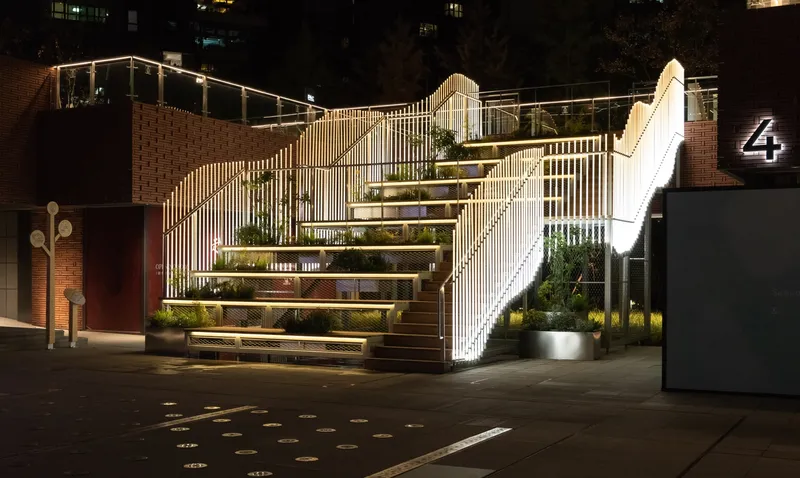
- Ascending Mist Auditorium Hillside: A poetic architectural element that leads visitors to an elevated platform, enhancing spatial exploration.
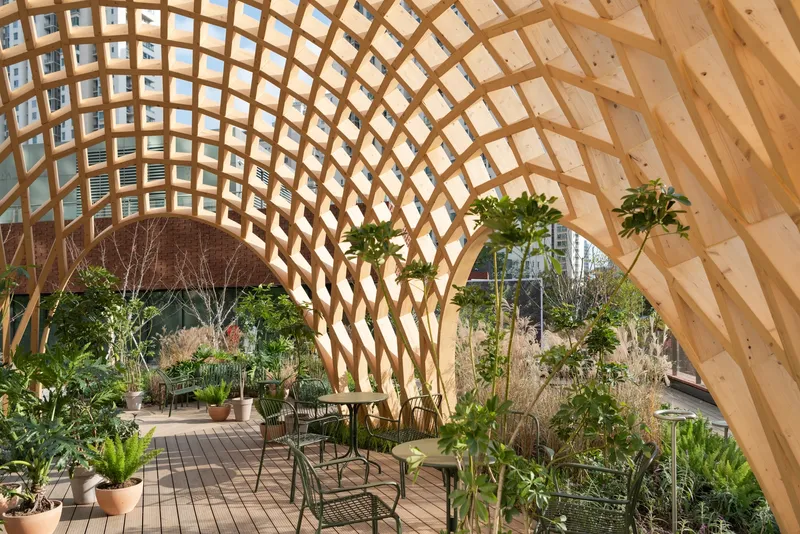
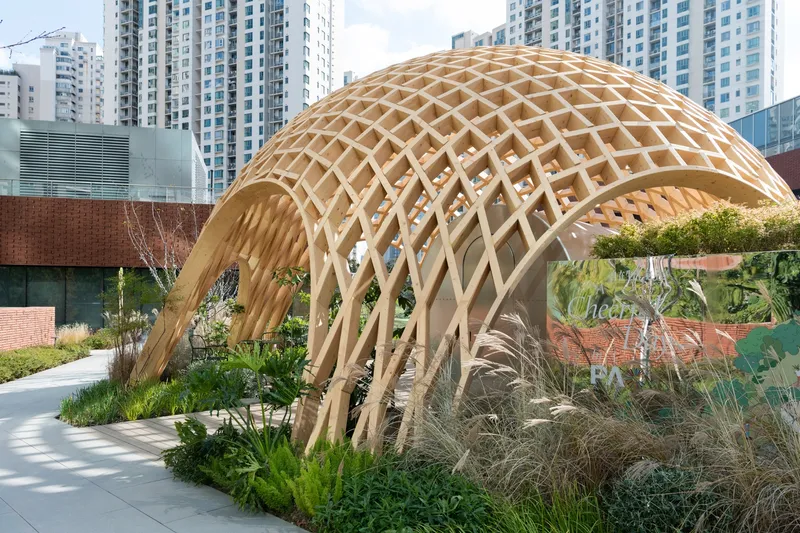
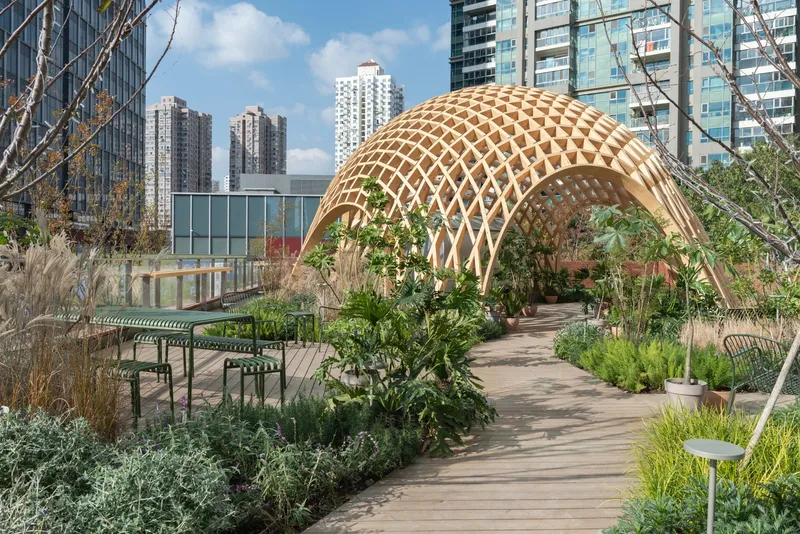
- Sunlit Jungle Café & Eggshell Timber Dome: A biophilic retreat beneath a wooden lattice structure that provides an inviting social space for relaxation.
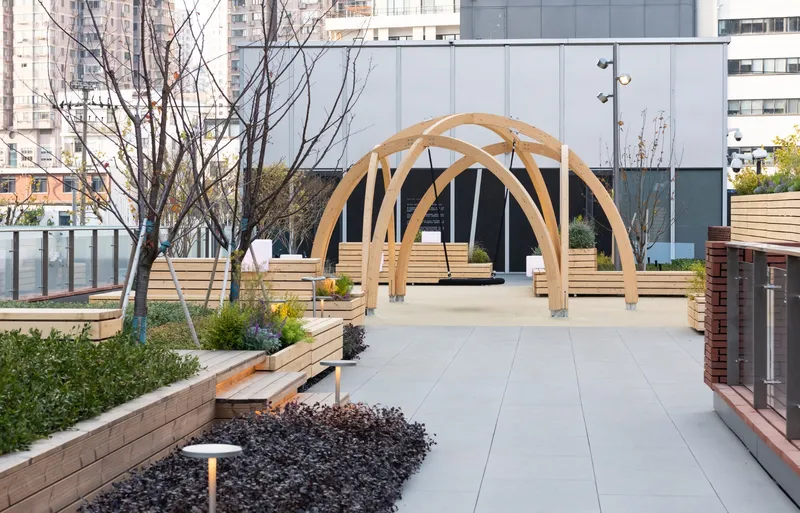
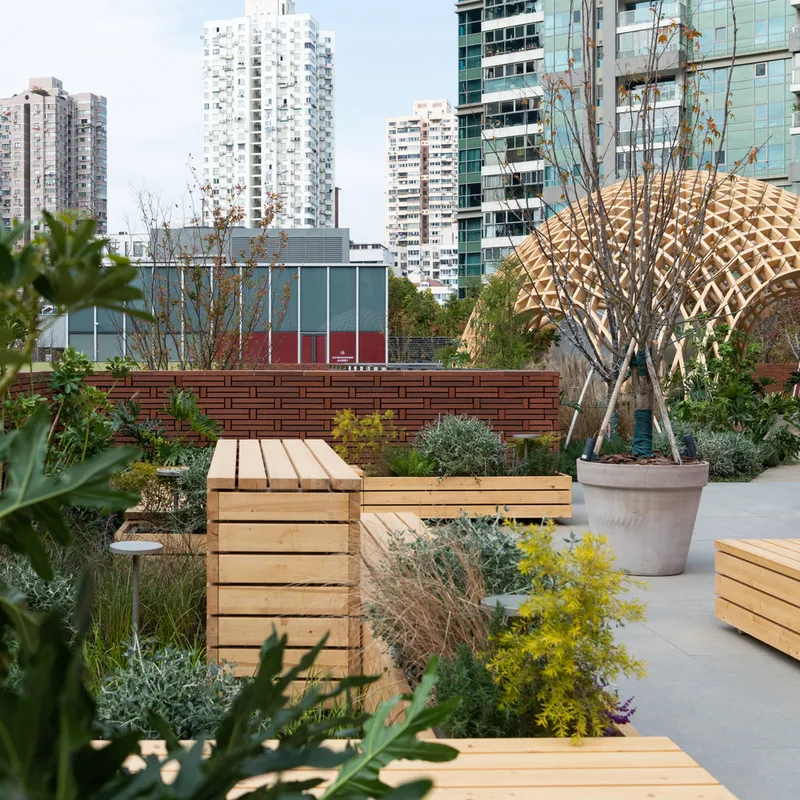
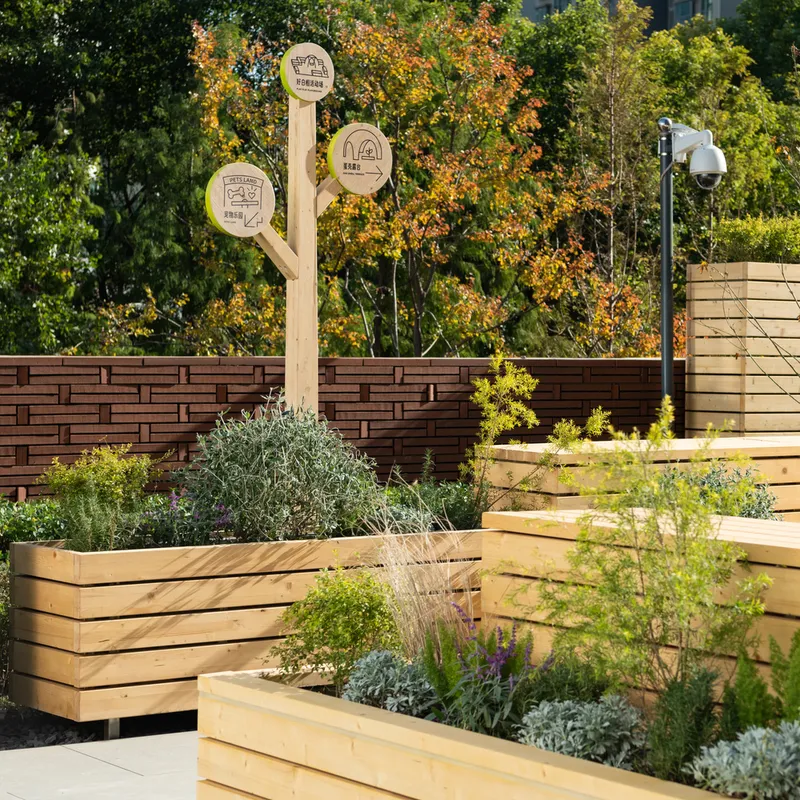
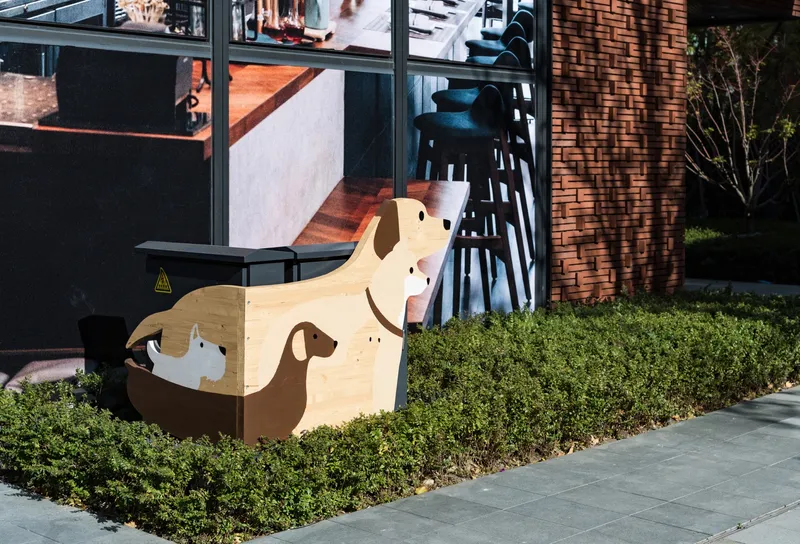
- Pet-Friendly Wooden Platforms: Designated resting areas for pet owners and their furry companions, promoting an inclusive urban landscape.
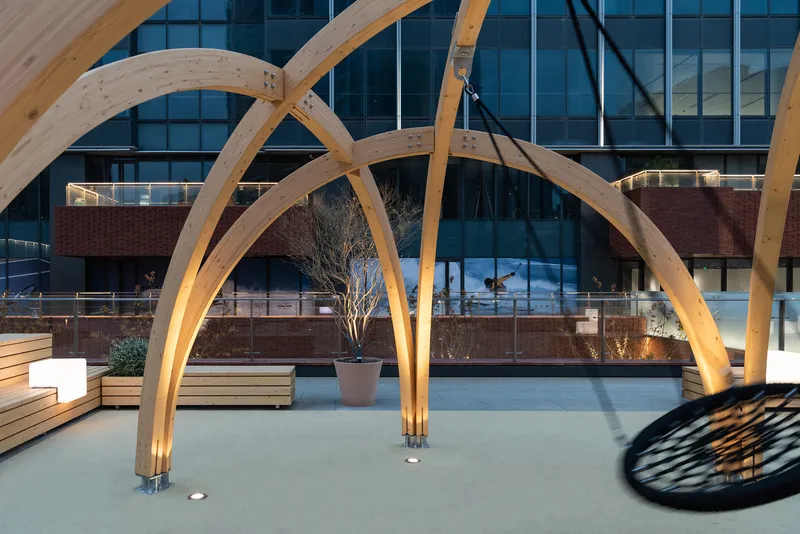
- Children’s Play Area & Winding Pathways: A carefully integrated timber dome structure housing a playful environment with swings, ensuring a safe and engaging space for families.
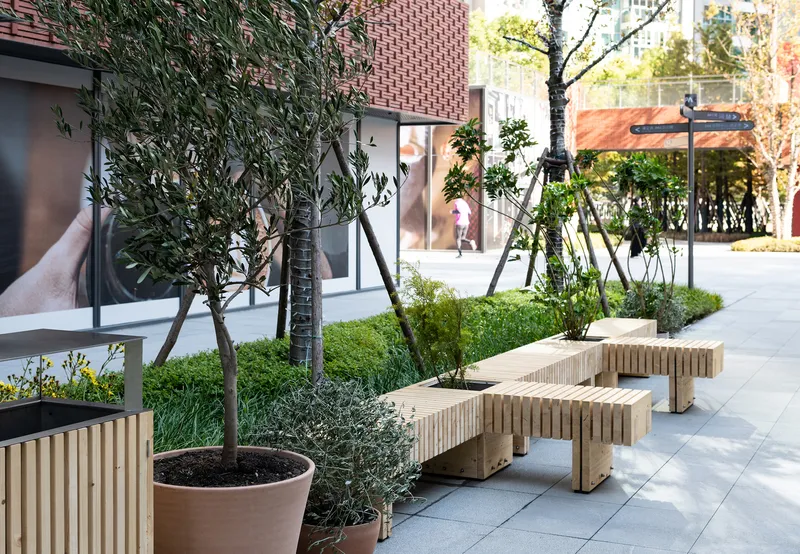
The dynamic interplay between greenery, water, and built forms creates an adaptive streetscape that is at once familiar and surprising, enhancing the connection between visitors and their surroundings.
Sustainability and Adaptive Urbanism
Guided by the principles of Adhocism, the design follows a sustainable lifecycle approach—from concept to construction and ongoing operations. The project incorporates biophilic design strategies, focusing on three essential elements:
- Mimicry: Inspired by organic forms and natural patterns to create harmonious spaces.
- Green Integration: Maximizing the use of green elements to enhance well-being and urban biodiversity.
- Timber Structure: Utilizing environmentally responsible materials that promote low-carbon construction methods.
The Eggshell Timber Dome, a key architectural feature, employs a Zollinger timber structure, renowned for its minimal material consumption and modular assembly efficiency. The structure consists of over 700 precision-cut wooden components, assembled on-site using CNC processing technology. Sustainably sourced Finnish spruce and thermally modified wood enhance both durability and comfort.
Additionally, innovative upcycling techniques ensure that existing infrastructure elements are repurposed—such as transforming electrical boxes into interactive signboards or dog-walking stations—reinforcing a circular design methodology.
Urban Activation & Long-Term Impact
Beyond its architectural appeal, PAC Place-Making is designed to function as a "Third Place"—an essential gathering space beyond home and work that nurtures both community engagement and personal reflection. The management team continuously refines event programming, operational strategies, and streetscape enhancements to foster an evolving urban environment.
Through a comprehensive Tenant Guideline system, the project maintains a balance between visual order and dynamic flexibility, ensuring that storefronts, displays, and interactive installations contribute to an aesthetically coherent yet lively public space.
Shaping the Future of Urban Living
PAC Place-Making by Nota Architects sets a new benchmark for sustainable urban development, participatory design, and human-centric placemaking. By fostering a strong connection between people, nature, and architecture, this innovative project transforms Shanghai’s Jing’an District into a model of future-forward, community-driven urbanism.
All Photographs are works of Qian Shiyun, Keppel, Wang Pengfei,


Popular Articles
Popular articles from the community


Manzana Morphosis: Stretching Barcelona's Grid into a Living Landscape for 2050
A radical reworking of the Eixample manzana turns density into a tool for generous public space, vertical ecology, and environmental performance.

Tsunami Convergenics: Turning Catastrophic Ocean Forces into Underwater Housing Infrastructure
A speculative underwater settlement off the coast of Onagawa, Japan, treats tsunamis and typhoons as energy sources rather than threats.

Cloaked Colonization: A Mobile Underwater Habitat That Moves Like a Fish
Micah Abaya's shortlisted EHC Pacific entry reimagines ocean settlement as a dispersed network of self-sustaining architectural organisms.

Faces of the Soviet Avant-Garde: Turning Moscow's Street Names into an Open-Air Museum
A network of sculptural installations across a Moscow residential district transforms forgotten architect names into spatial encounters with cultural memor

Similar Reads
You might also enjoy these articles


Hodi-Mandai Geram
Project Function: Preservation and revitalization of the Intangible heritage and socio-spatial identity of the Hodi by Housing, Cultural Memory Center, Sacred Grove, landscape, local tourism economy


Olio Towers: A Mid-Rise for Performers That Fuses Housing, Rehearsal, and Stage
Located blocks from Houston's Theater District, this modular tower stacks living units around a central performance atrium.

Oasis: Modular Green Housing Carved into Dhaka's Urban Fabric
A shortlisted Plugin Housing entry reclaims unauthorized settlements in Dhaka with stepped concrete volumes, green roofs, and ventilation-driven design.

Black Hole: A Floating Megastructure for the Post-Physical Era
Emiliano Mazzarotto envisions a spherical, self-scaling arena where e-sports, digital hotels, and holographic stadiums replace traditional public space.

Explore Placemaking Competitions
Discover active competitions in this discipline

Challenge to reimagine the Iron Throne

Photograph architecture without architects

Illustrate the lost glory of Angkor Wat - Render Challenge

Design challenge to reuse E-waste
Comments (0)
Please login or sign up to add comments
No comments yet. Be the first to comment!