

Pagola 3023 Apartments: Redefining Urban Residential Architecture in Montevideo
Pagola 3023 Apartments in Montevideo blend innovative design with urban context, featuring courtyards and dynamic facades.


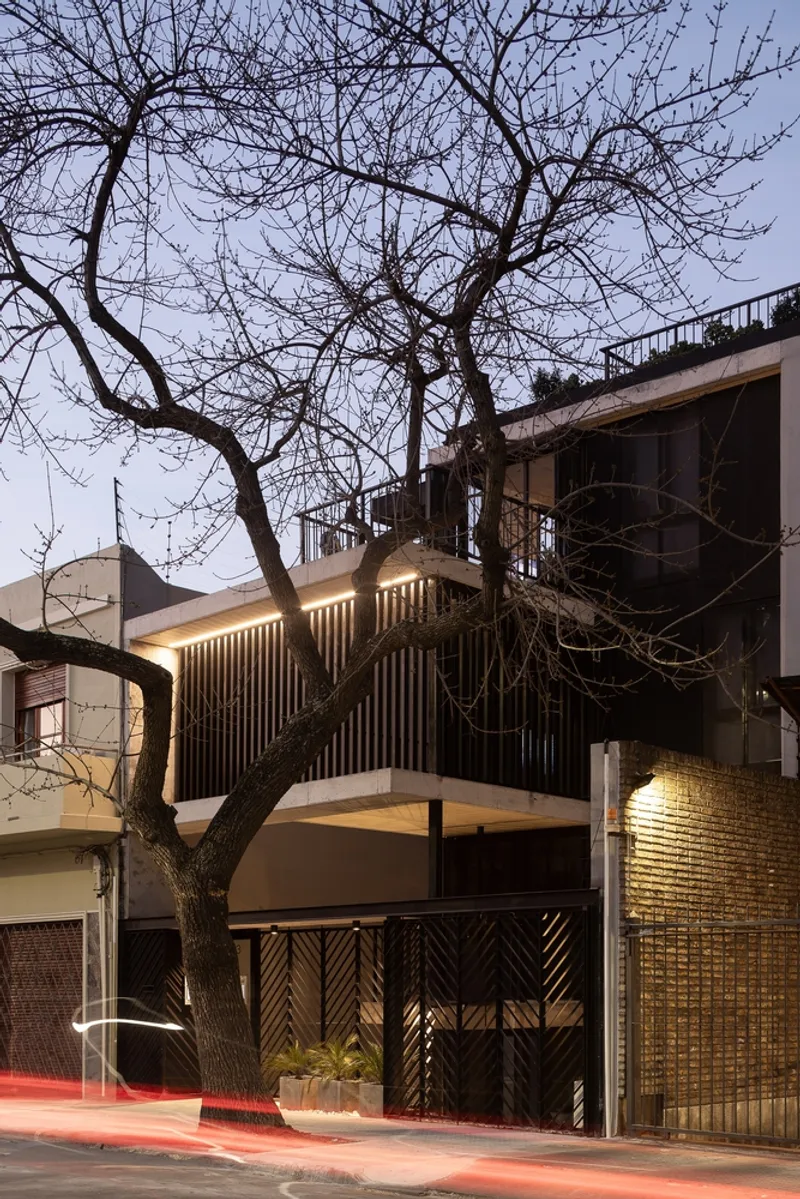
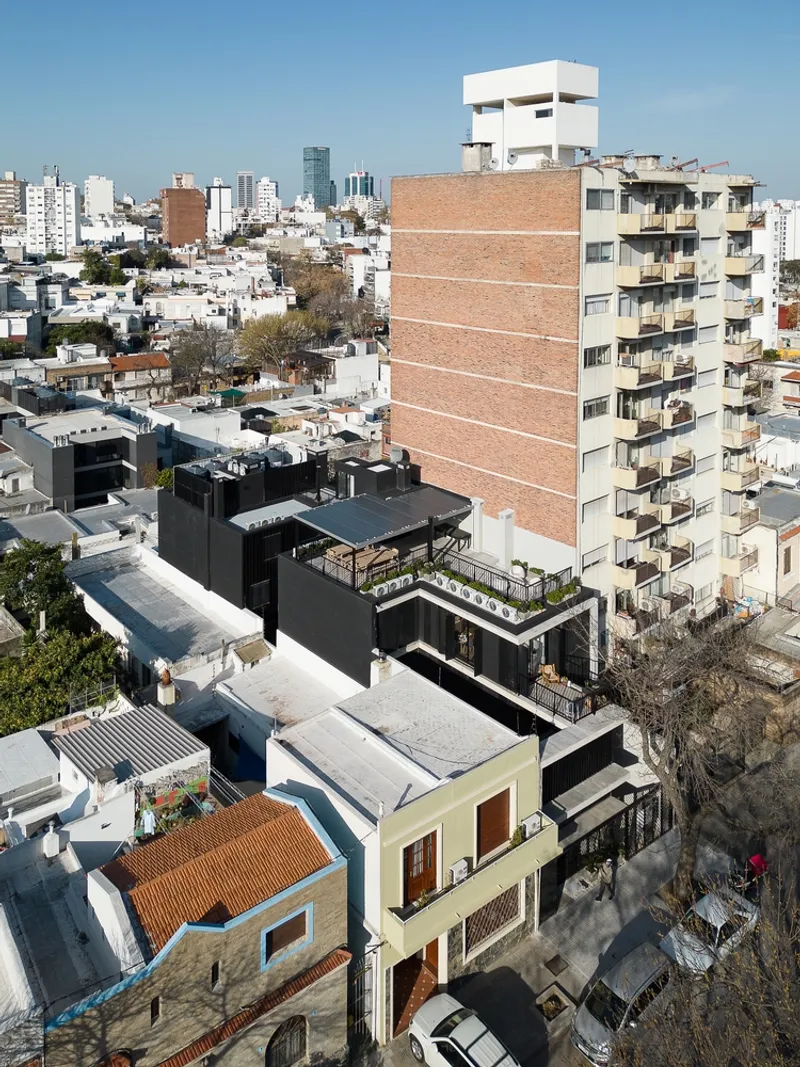
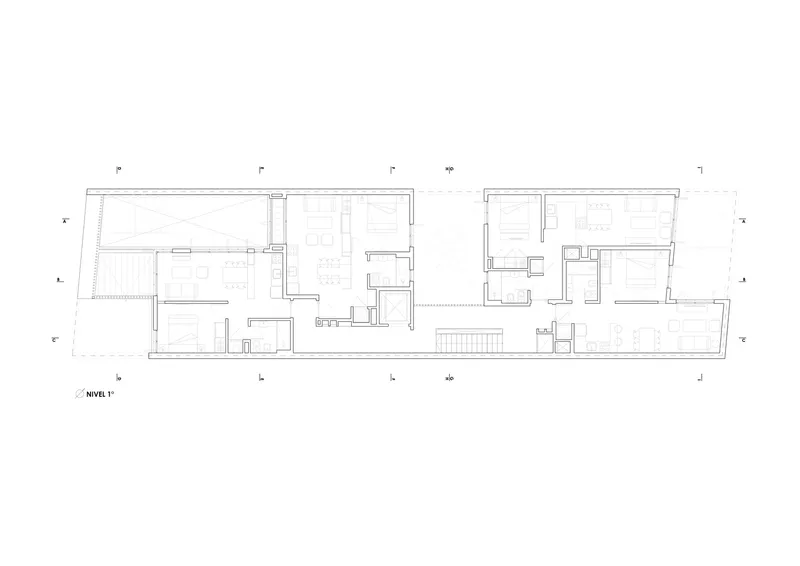
Nestled in the low-density area of Pocitos, Montevideo, the Pagola 3023 Apartments, a collaborative design effort by Pablo Szames Arquitecto and AGVA studio, emerges as a modern reinterpretation of urban residential architecture. Spanning 529 m² and captured through the lens of Marcos Guiponi, this project unveils a unique integration of living spaces within the urban fabric, offering 15 units that include 2 studio lofts and 13 one-bedroom apartments across four levels, with an additional rooftop level featuring a solarium and barbecue areas.

Dialoguing with Urban Context
The building's design is a thoughtful response to its urban context, striking a balance between the neighboring two-level house and a ten-story building. It aims to serve as a nodal point of topological integration, enhancing the streetscape with its volumetric design and permeable façade. The architects have crafted a structure that is not only a residential space but also a piece of the urban puzzle, contributing to the architectural diversity of the Pocitos neighborhood.



A Trio of Courtyards: A Spatial Narrative
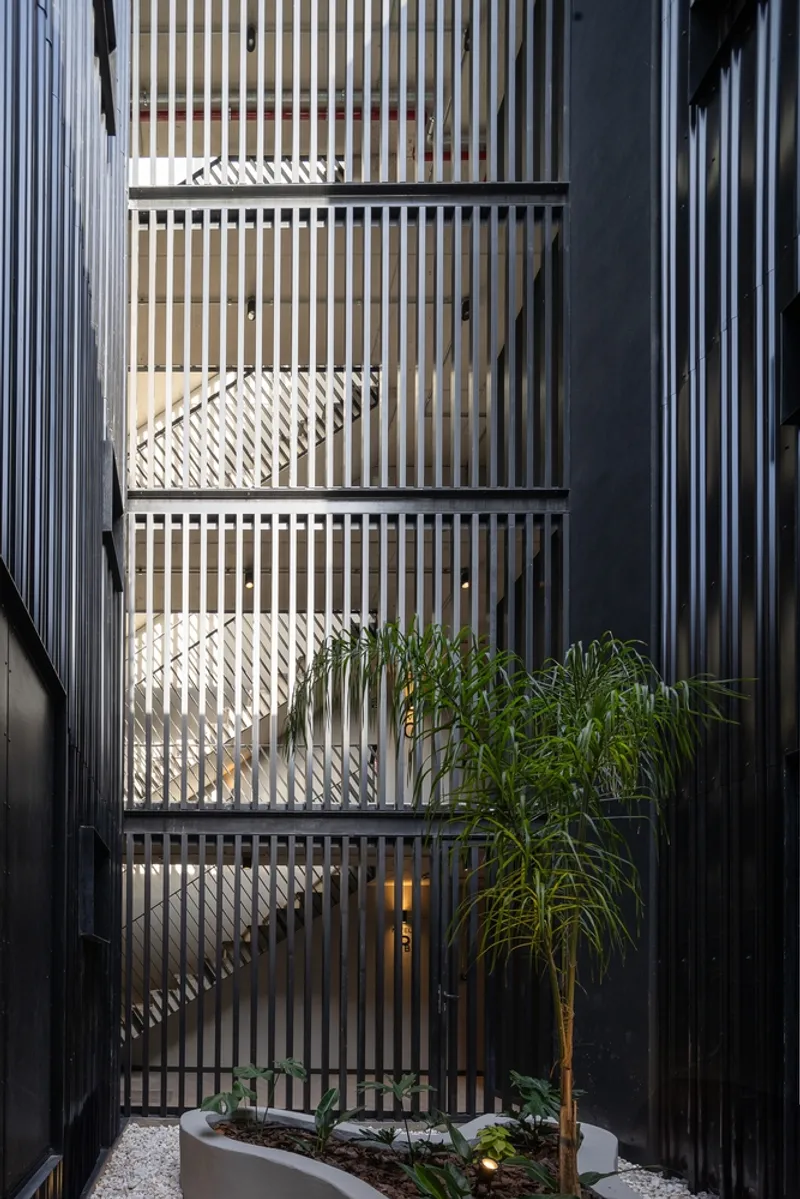
Central to the design are three courtyards: an access courtyard, a central contemplative courtyard, and a private courtyard, around which the building articulates. These voids are not mere empty spaces but are thoughtfully designed to qualify and give character to both the contained and adjacent areas, fostering a sense of community and privacy within the urban setting.



Blurring the Boundaries
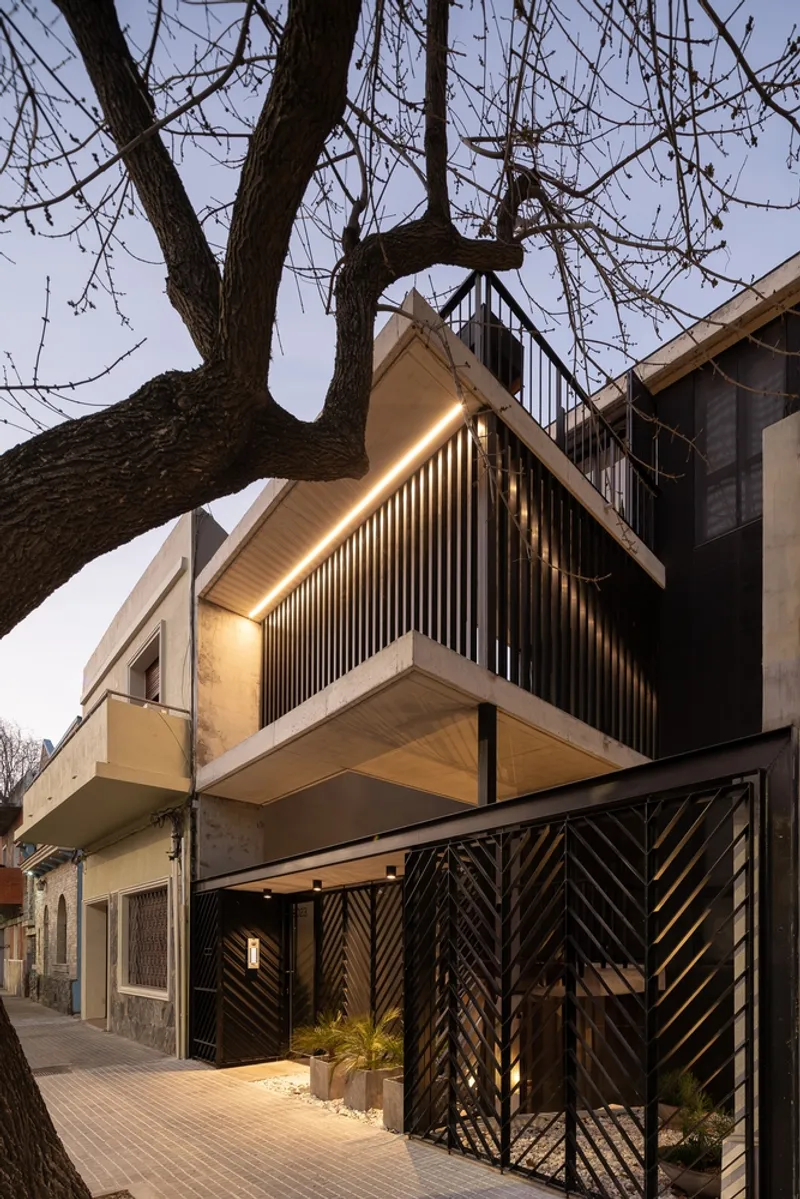
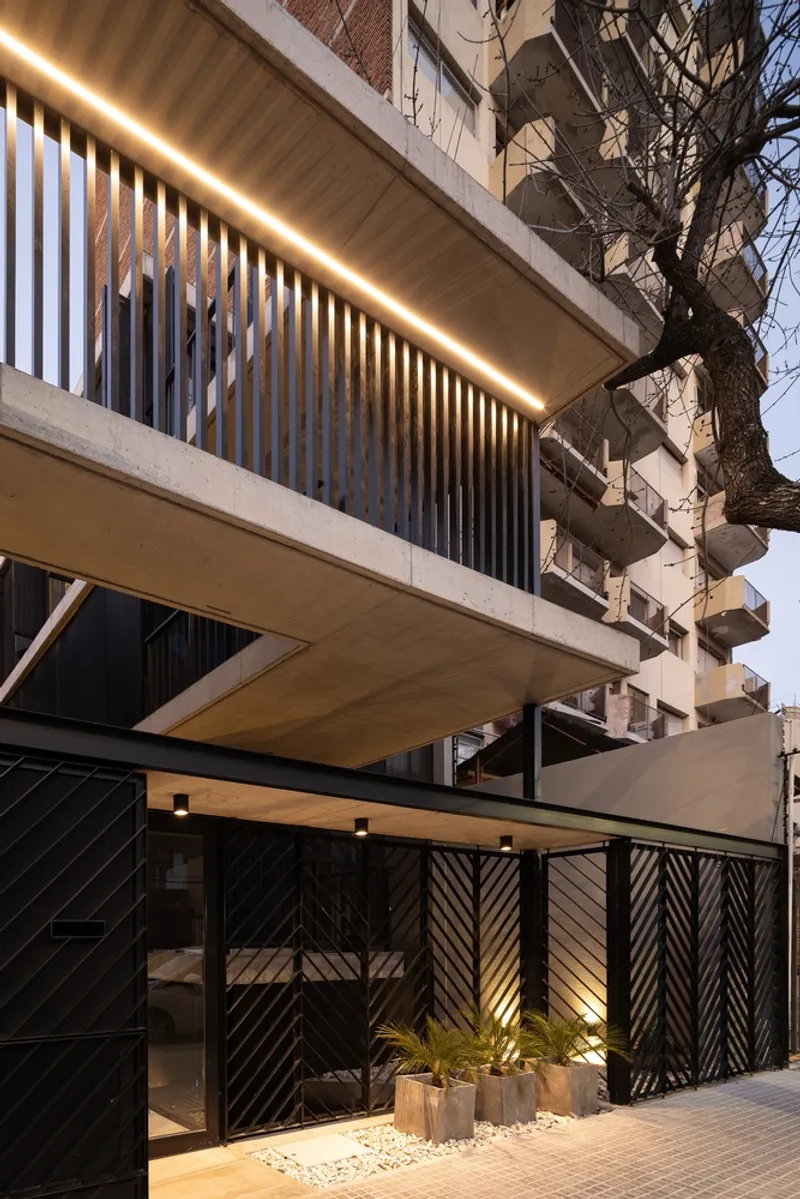
The Pagola 3023 Apartments are an exploration of the threshold between the public and private realms. The entrance through a garden courtyard, situated half a level below the sidewalk, extends through open covered spaces, effectively blurring the boundary between the interior and exterior. This approach not only enhances the residents' experience but also contributes to a dynamic interaction with the urban environment.


Materiality and Light
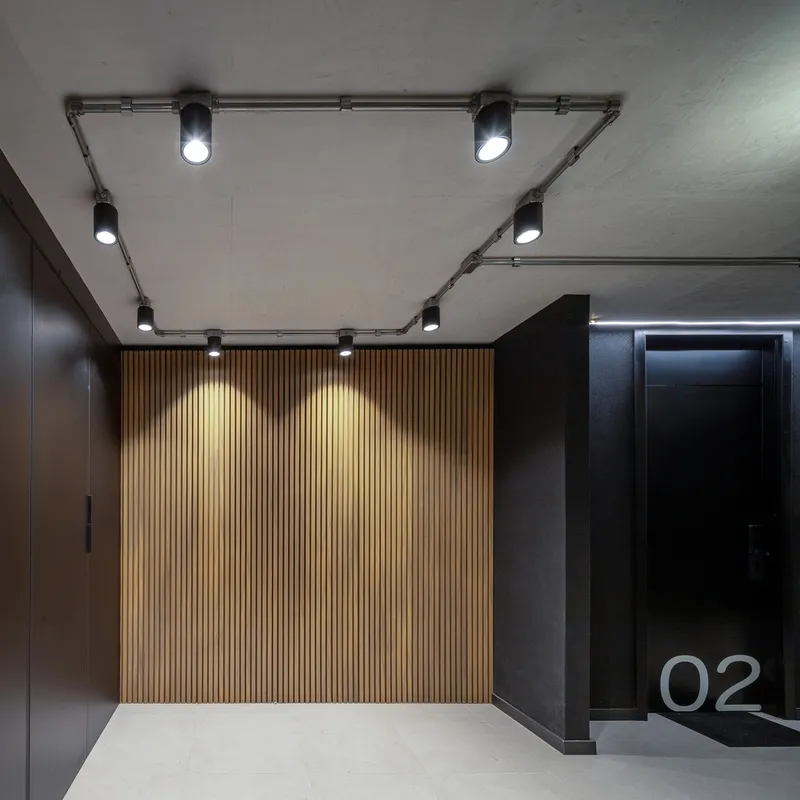
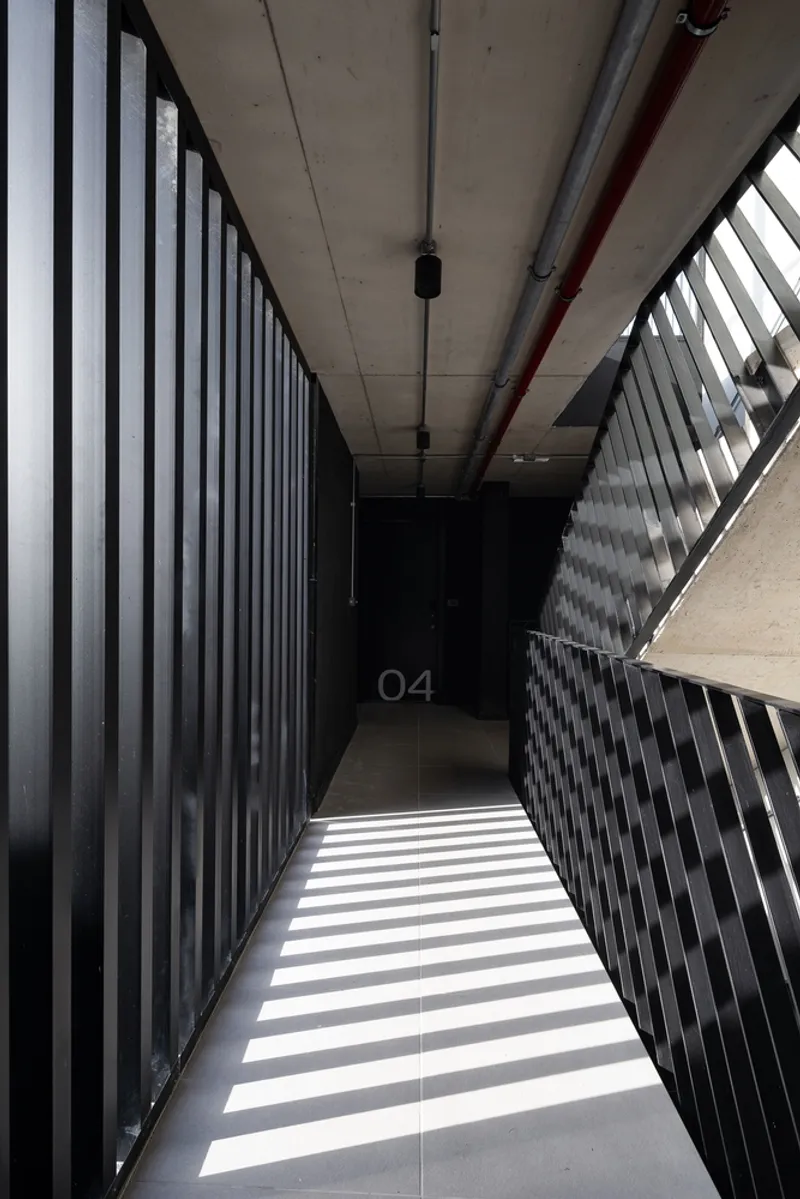
The choice of materials—exposed concrete slabs supported by black perforated metal folding panels—plays a crucial role in shaping the building's identity. These elements are designed to permeate, filter, and modulate interior light and privacy concerning the exterior, embodying the architects' vision of a living façade controlled by its users. This material strategy not only addresses functional requirements but also adds a layer of visual intrigue to the building's exterior.


A New Urban Residential Model
The Pagola 3023 Apartments stand as a testament to innovative urban residential architecture, offering a nuanced blend of privacy, community, and interaction with the urban landscape. Through its thoughtful design and strategic use of courtyards and materials, the project sets a new benchmark for residential architecture in Montevideo, reflecting a deep understanding of the city's architectural language and the needs of its residents.


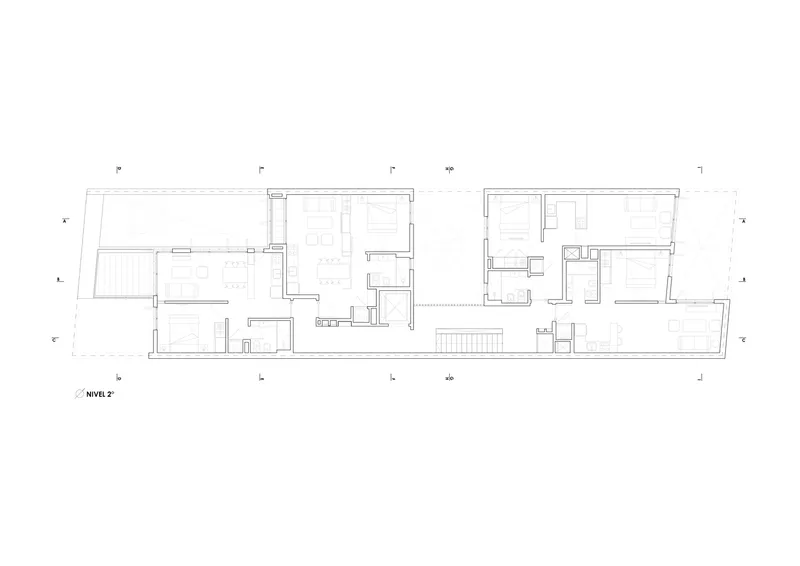


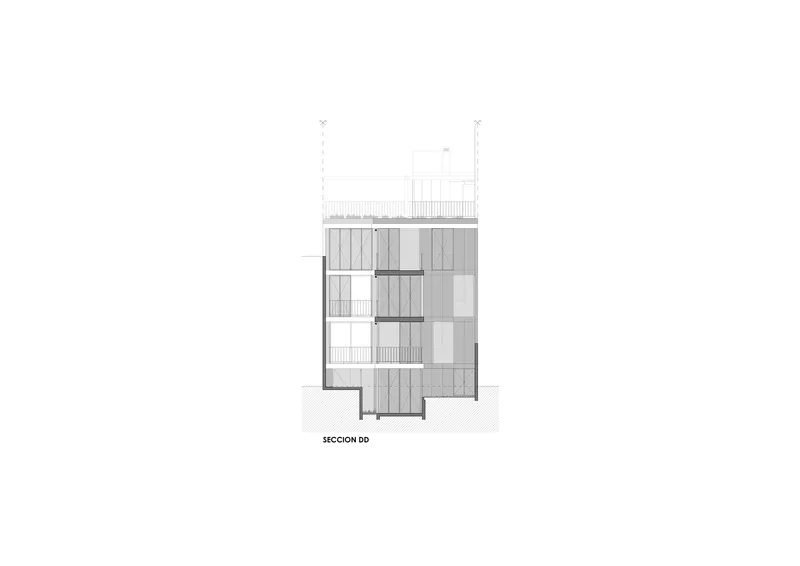

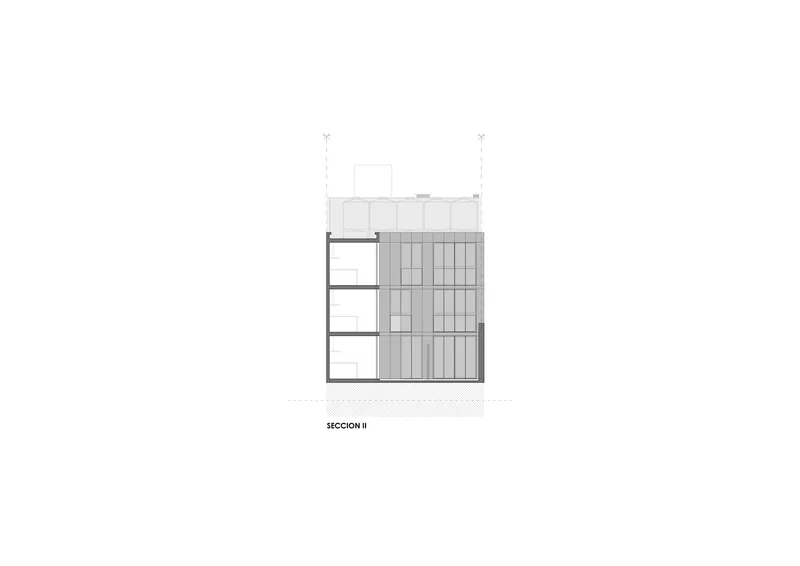

All photographs are work of Marcos Guiponi




Popular Articles
Popular articles from the community


The Musturak Paradise: Senior Living Architecture for a Connected Future in Temara, Morocco
The Musturak Paradise reimagines senior living architecture in Temara via private homes, social spaces, culture, community, and shared care.

The Earth Pod: 3D Printed Homes for Resilient Refugee Communities
The Earth Pod reimagines refugee housing through 3D printed homes made from clay, combining resilience, self-sufficiency, and rapid shelter.

Co-life: Sustainable Architecture for Age-Friendly Community Living
Co-life reimagines sustainable architecture for seniors through courtyards, rammed earth, shared gardens, and spaces designed for belonging.

Co-Life: Senior Housing Design That Reconnects Older Adults With the City
Co-Life reimagines senior housing design through healing gardens, shared streets, workshops, and a sustainable community across generations.

Similar Reads
You might also enjoy these articles


Hodi-Mandai Geram
Project Function: Preservation and revitalization of the Intangible heritage and socio-spatial identity of the Hodi by Housing, Cultural Memory Center, Sacred Grove, landscape, local tourism economy


Olio Towers: A Mid-Rise for Performers That Fuses Housing, Rehearsal, and Stage
Located blocks from Houston's Theater District, this modular tower stacks living units around a central performance atrium.

Oasis: Modular Green Housing Carved into Dhaka's Urban Fabric
A shortlisted Plugin Housing entry reclaims unauthorized settlements in Dhaka with stepped concrete volumes, green roofs, and ventilation-driven design.

Black Hole: A Floating Megastructure for the Post-Physical Era
Emiliano Mazzarotto envisions a spherical, self-scaling arena where e-sports, digital hotels, and holographic stadiums replace traditional public space.


Explore Architecture Competitions
Discover active competitions in this discipline



Challenge to reimagine the Iron Throne


Photograph architecture without architects


Illustrate the lost glory of Angkor Wat - Render Challenge


Design challenge to reuse E-waste
Comments (0)
Please login or sign up to add comments
No comments yet. Be the first to comment!