
Pali Farmhouse: A Model of Sustainable Farmhouse Design in Rural Maharashtra
Pali Farmhouse exemplifies sustainable farmhouse design, integrating local materials, passive cooling, and traditional craftsmanship to create an eco-friendly rural retreat.


Blending Tradition and Sustainability in Contemporary Rural Architecture
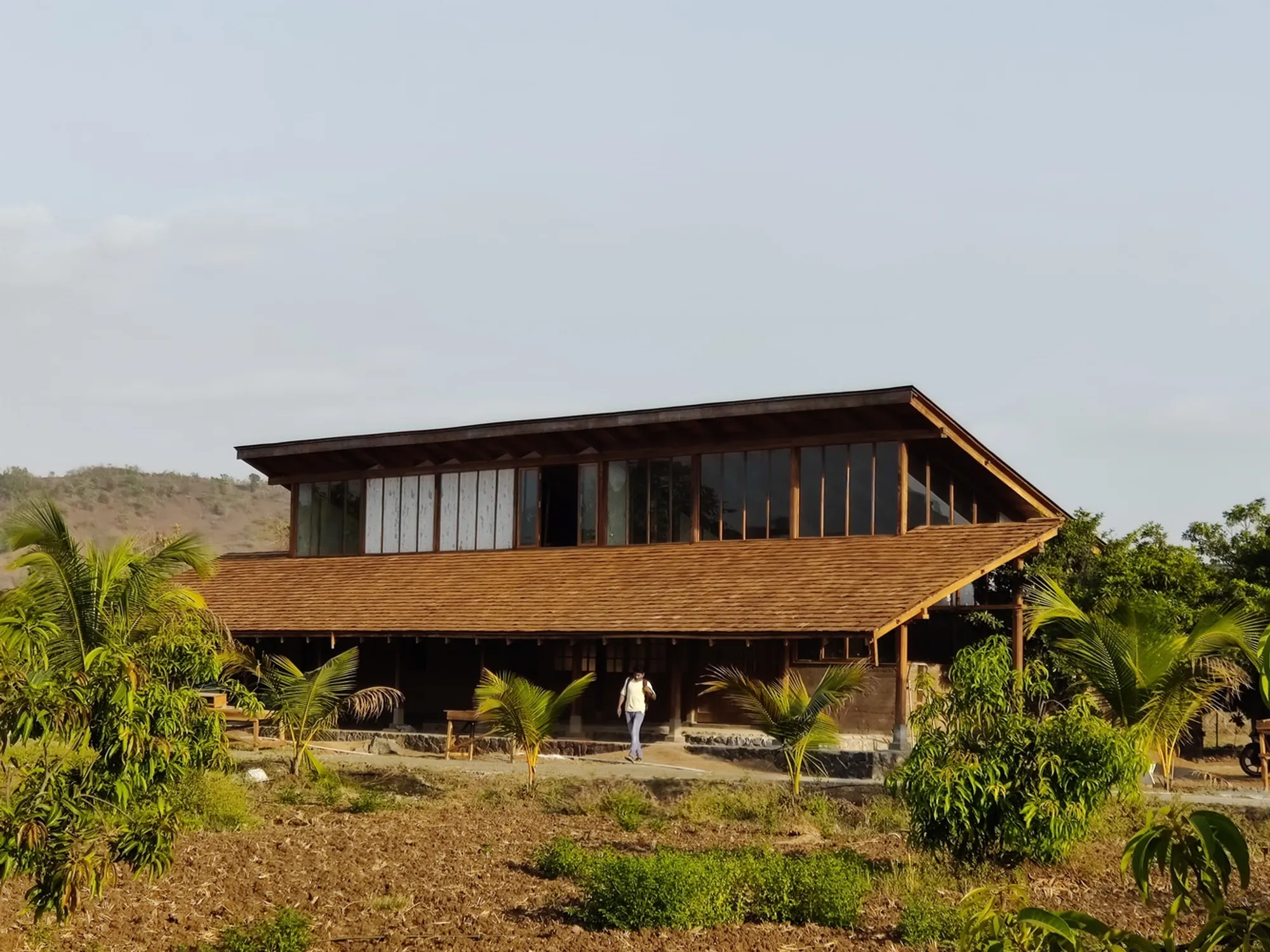
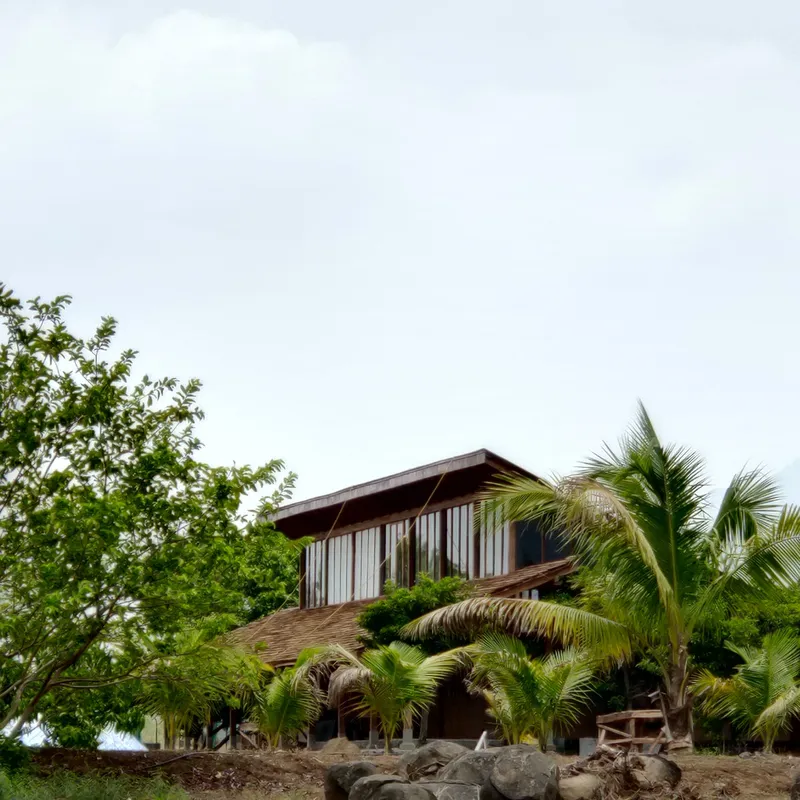
Pali Farmhouse, designed by Metis Practice, is a striking example of sustainable farmhouse design that seamlessly integrates with the rural landscape of Maharashtra’s Deccan region. Surrounded by a flourishing grove of chickoo trees, the farmhouse embodies a deep connection to nature while providing a versatile space for community engagement. The architectural vision merges traditional building techniques with modern sustainable strategies, creating a self-sufficient retreat that enhances the local ecosystem.
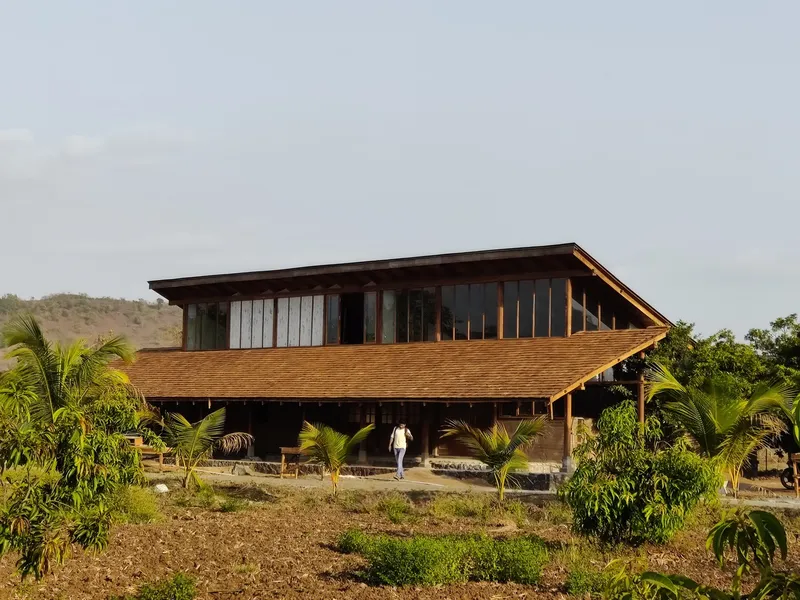
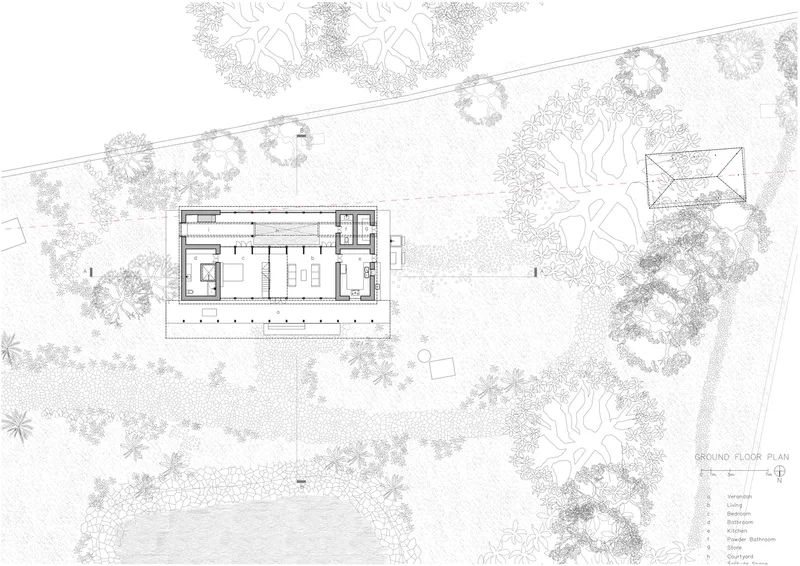
Situated in a climate characterized by intense heat and seasonal rainfall, the design prioritizes climate responsiveness, passive cooling, and minimal environmental impact. The expansive structure consists of multipurpose communal spaces and a single attached bedroom, fostering a flexible environment suited for yoga, dance, theater, and agricultural activities within the local community.
A Climate-Responsive Architectural Approach
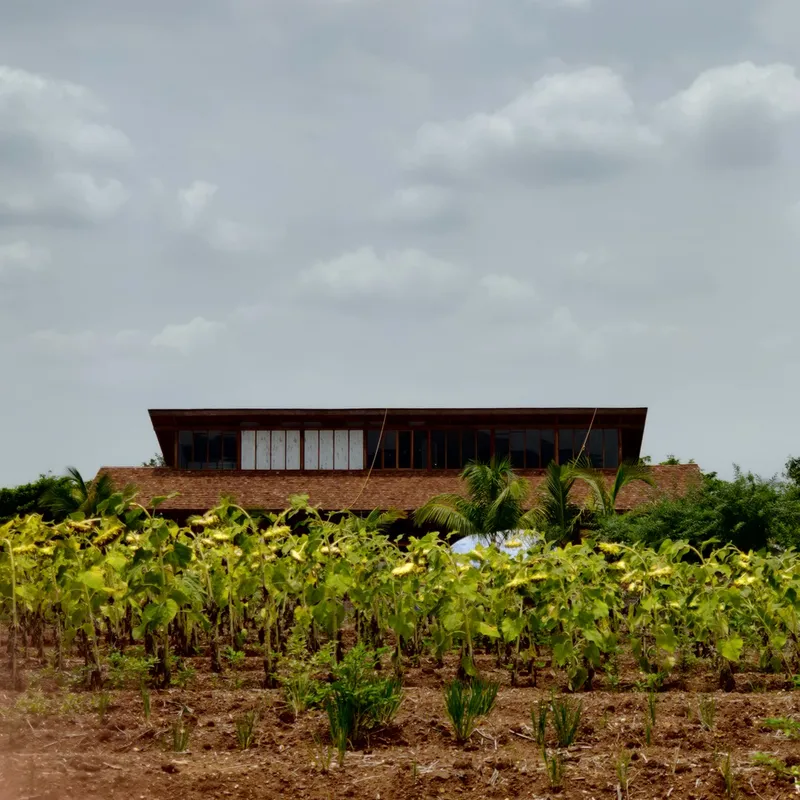
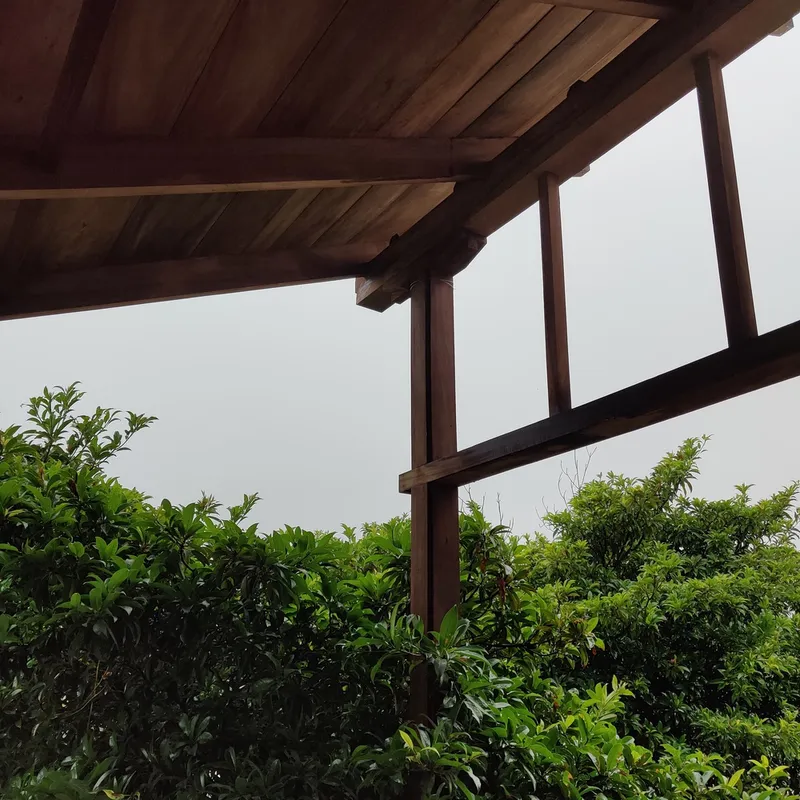
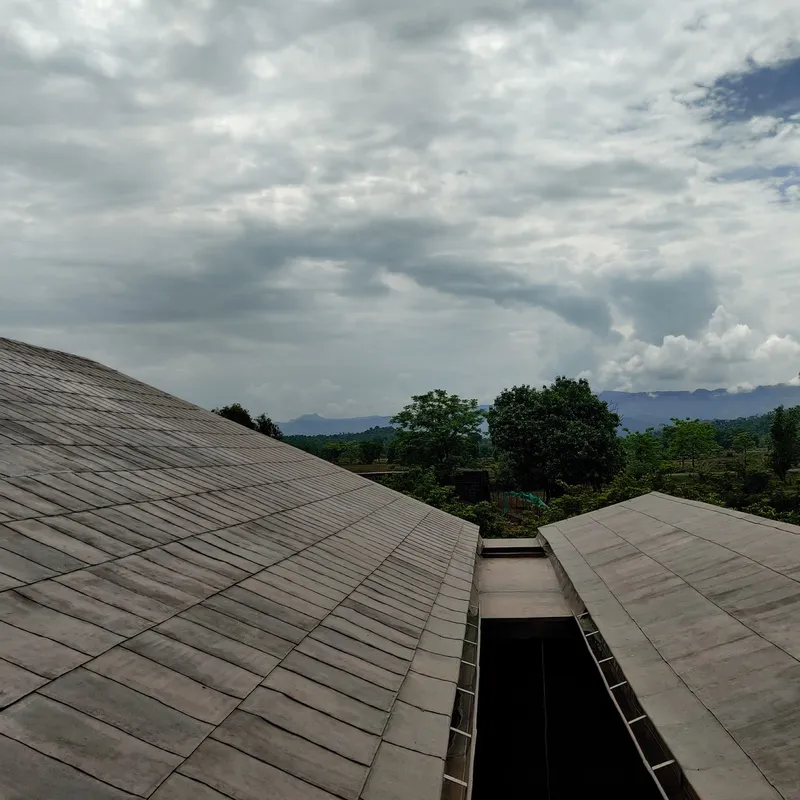
The farmhouse’s orientation and spatial organization are meticulously designed to enhance comfort and efficiency. The roof rises above the treetops, strategically positioned to capture the cool north light while shielding against the harsh sun. A deep veranda on the northern side provides shade and promotes cross-ventilation, while a narrower veranda on the southern side encloses a courtyard and water feature, further contributing to natural cooling.
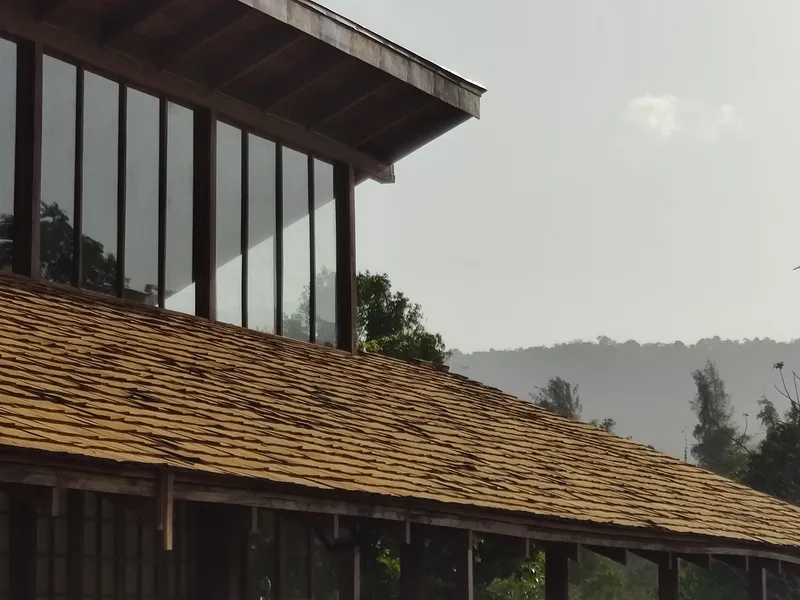
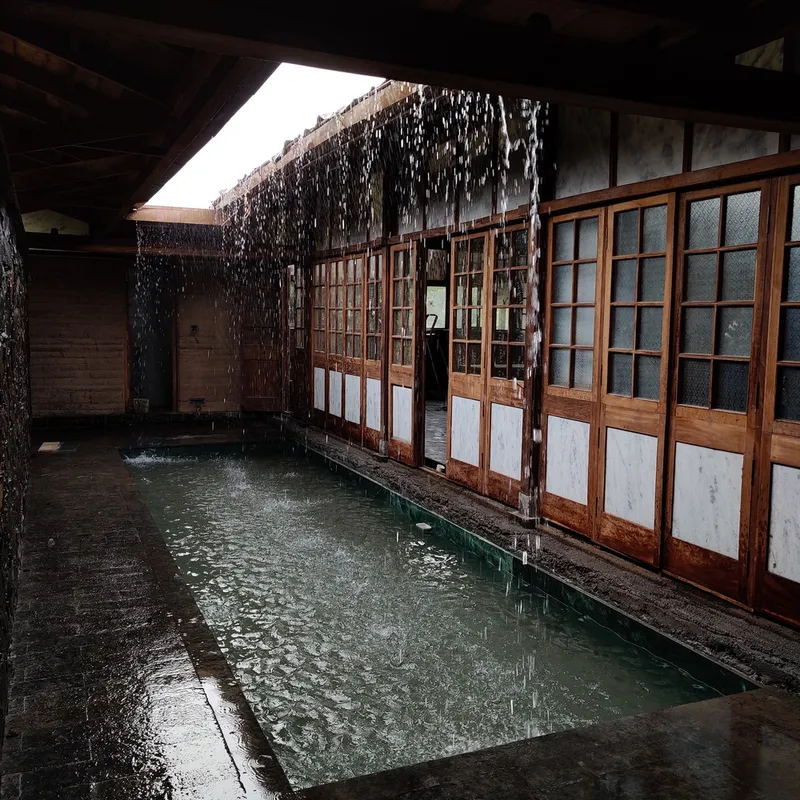
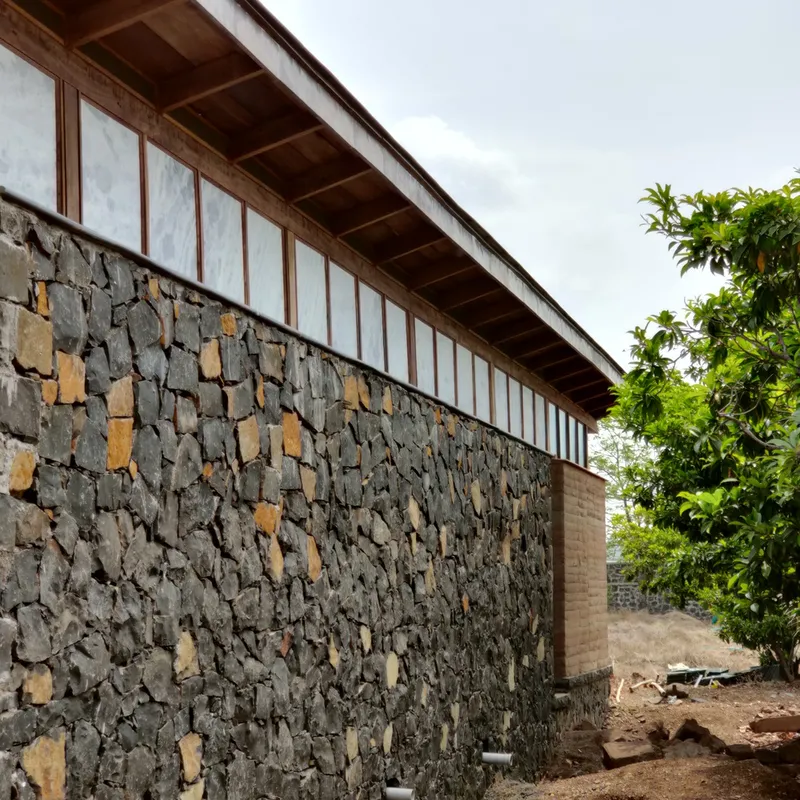
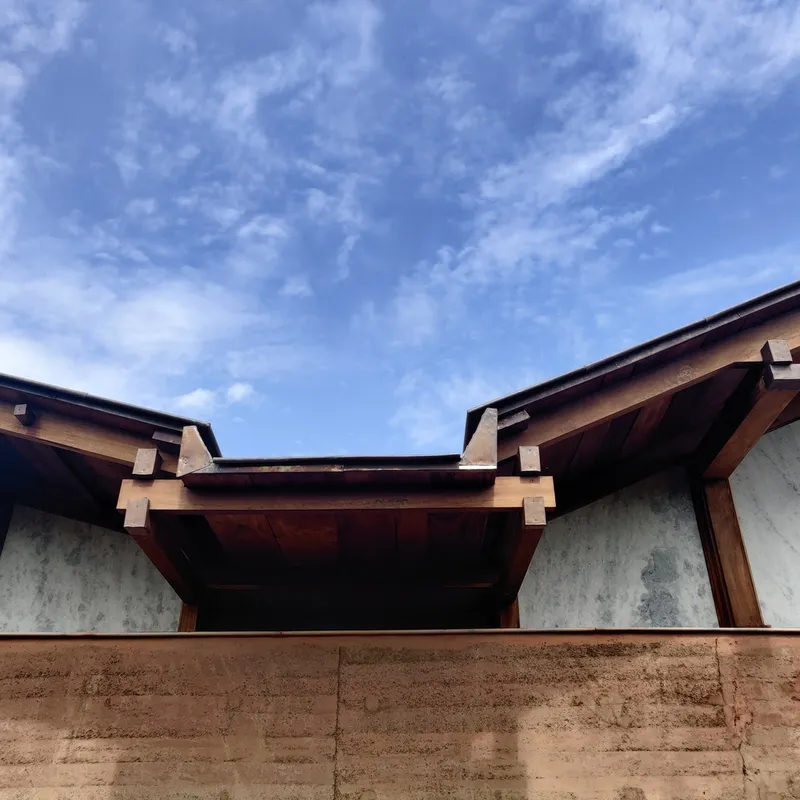
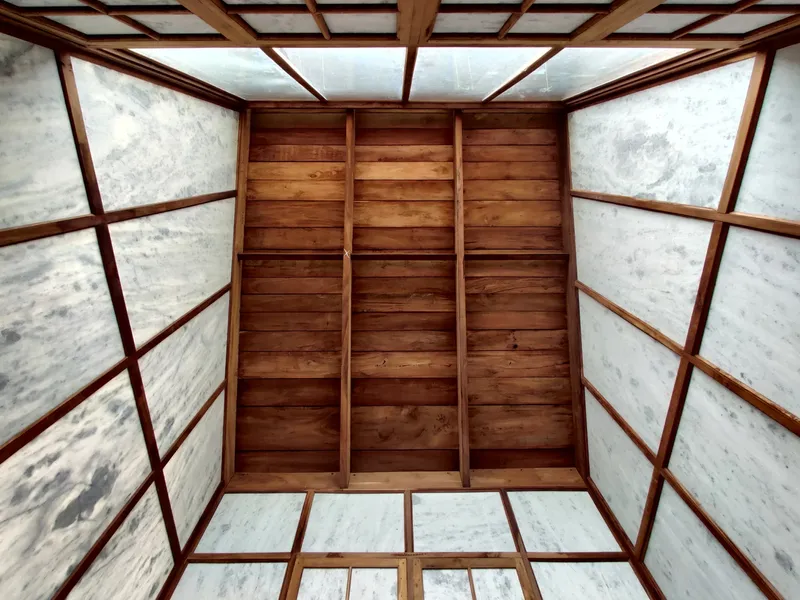
By utilizing locally available materials and indigenous construction techniques, the farmhouse minimizes its ecological footprint. A sturdy basalt foundation and plinth transition into robust basalt walls and layered rammed earth structures. These massive elements echo the aesthetic of ancient ruins, anchoring the building in its natural setting. A carefully integrated wooden framework extends from the structure, incorporating wooden decking, copper roof tiles, and wooden shingles that enhance both durability and visual appeal.
Handcrafted Architecture with Local Expertise
A defining feature of Pali Farmhouse is its construction process, which brought together skilled craftsmen from different regions of India. This collaborative approach not only ensures high-quality craftsmanship but also fosters cultural exchange and preserves traditional building knowledge. Every material, from the locally quarried basalt to the handcrafted wooden elements, reflects a commitment to sustainable and regenerative design principles.
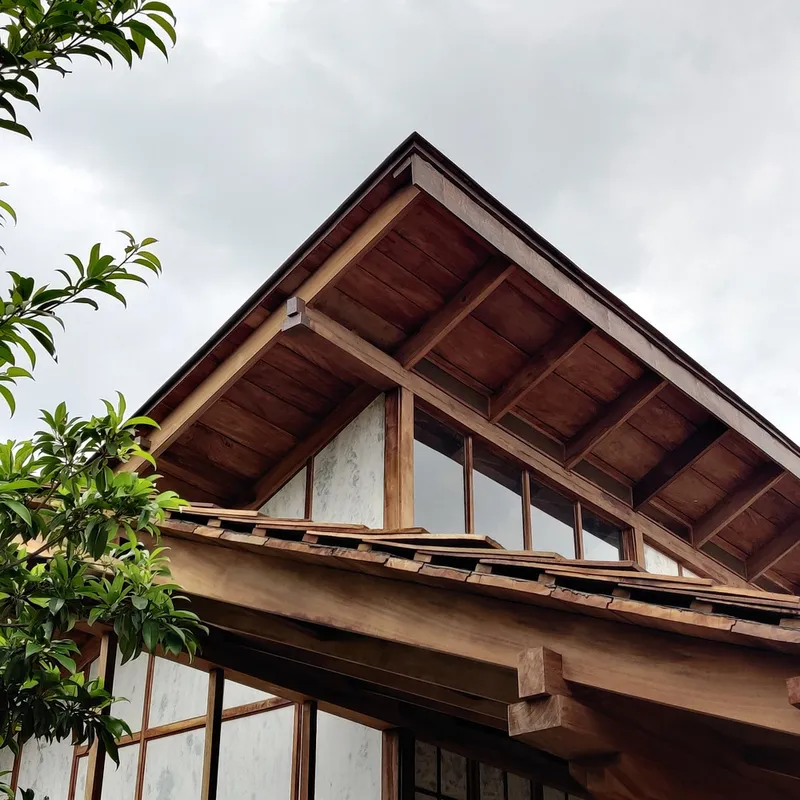
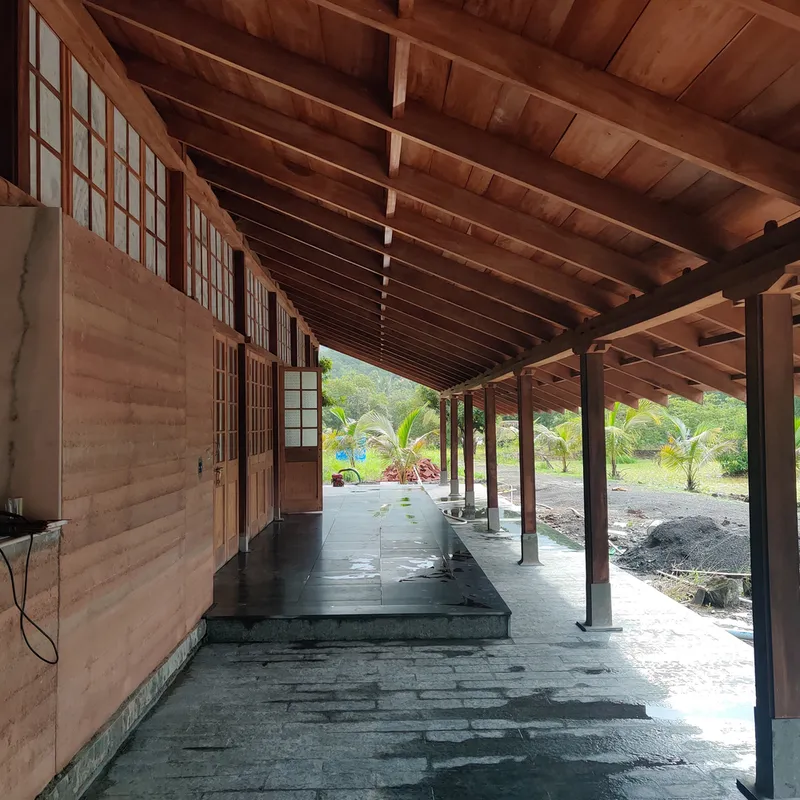
The farmhouse functions as a living entity, harmonizing with its environment rather than disrupting it. The deep verandas and open spaces create seamless indoor-outdoor transitions, allowing inhabitants to experience the changing seasons in an immersive way. Natural air circulation, facilitated by the open courtyard and shaded walkways, eliminates the need for artificial cooling, reducing energy consumption significantly.
Sustainable Farmhouse Design as a Blueprint for the Future
Pali Farmhouse stands as an exemplar of sustainable farmhouse design, demonstrating how contemporary architecture can be deeply rooted in tradition while embracing ecological responsibility. By employing local materials, passive cooling techniques, and community-driven craftsmanship, the project sets a precedent for rural architectural development that prioritizes harmony with nature.
As urbanization continues to encroach upon rural landscapes, projects like Pali Farmhouse serve as vital reminders of the importance of sustainable and culturally sensitive design. Through its thoughtful planning and execution, this farmhouse not only provides a retreat for its inhabitants but also acts as a model for future architectural interventions in rural settings.
All Photographs are works of Vrinda Seksaria, Santosh Thorat, Nikita Mendonca




Popular Articles
Popular articles from the community


Conexión: Biophilic Design Reimagines High-Rise Living in Hong Kong
Conexión reimagines high-rise living in Hong Kong through biophilic design, green facades, shared spaces, daylight, water and nature within.

Co-Life: Senior Housing Design That Reconnects Older Adults With the City
Co-Life reimagines senior housing design through healing gardens, shared streets, workshops, and a sustainable community across generations.

Lunar Spiral: Space Architecture Shaped by the Mathematics of the Universe
Lunar Spiral reimagines space architecture through Fibonacci geometry, lunar regolith, levitating habitats, and self-sustaining Moon living.

Play: Fragments of Their World
Familiar architecture becomes modular playground design, creating safe spaces where displaced children can learn, connect, imagine and play.


Similar Reads
You might also enjoy these articles


Hodi-Mandai Geram
Project Function: Preservation and revitalization of the Intangible heritage and socio-spatial identity of the Hodi by Housing, Cultural Memory Center, Sacred Grove, landscape, local tourism economy


Olio Towers: A Mid-Rise for Performers That Fuses Housing, Rehearsal, and Stage
Located blocks from Houston's Theater District, this modular tower stacks living units around a central performance atrium.

Oasis: Modular Green Housing Carved into Dhaka's Urban Fabric
A shortlisted Plugin Housing entry reclaims unauthorized settlements in Dhaka with stepped concrete volumes, green roofs, and ventilation-driven design.

Black Hole: A Floating Megastructure for the Post-Physical Era
Emiliano Mazzarotto envisions a spherical, self-scaling arena where e-sports, digital hotels, and holographic stadiums replace traditional public space.

Explore Sustainable Farm Competitions
Discover active competitions in this discipline



Challenge to reimagine the Iron Throne


Photograph architecture without architects


Illustrate the lost glory of Angkor Wat - Render Challenge


Design challenge to reuse E-waste
Comments (0)
Please login or sign up to add comments
No comments yet. Be the first to comment!