

Park Lybra Headquarters by Park Associati: A Benchmark in Biophilic Office Architecture
Park Lybra Headquarters exemplifies biophilic office architecture through a sustainable, nature-integrated workplace in the heart of Milan.


A New Urban Narrative in the Heart of Milan
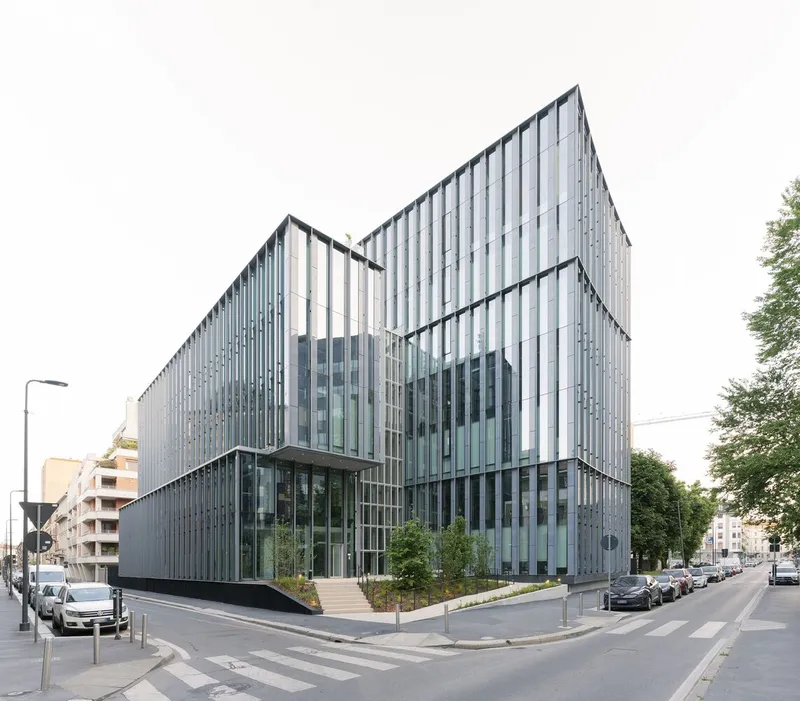
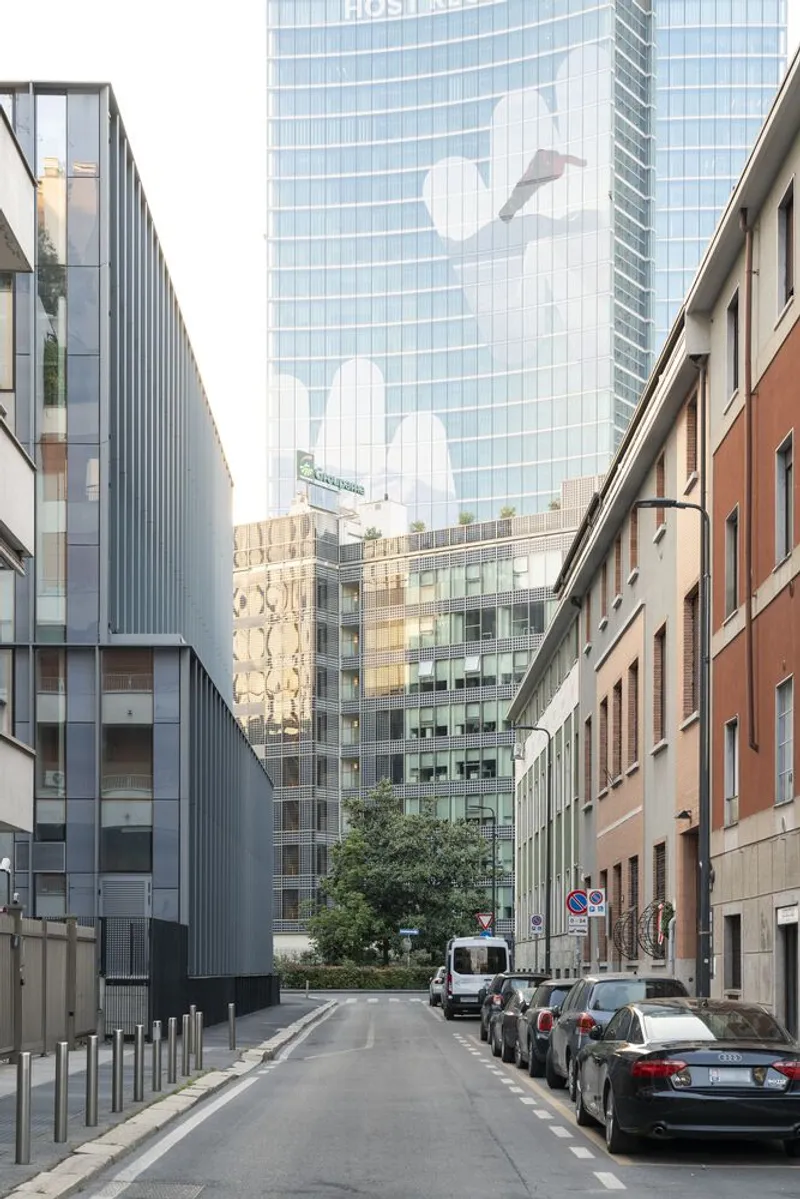
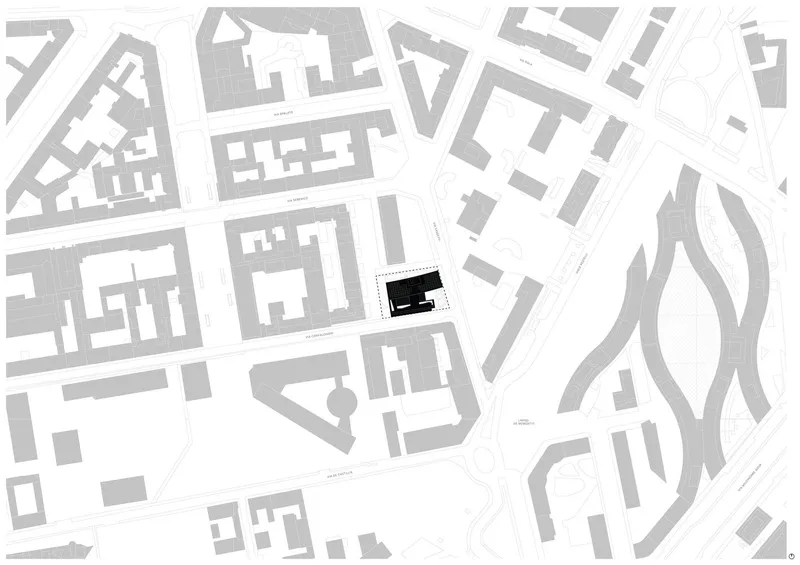
Set between Milan’s Porta Nuova business district and the dynamic Isola neighborhood, the Park Lybra Headquarters by Park Associati redefines the role of contemporary workplaces through an architectural lens deeply rooted in biophilic office architecture. Designed as the new headquarters for SAP Italy, the 8,345-square-meter complex reflects a vision of urban integration, ecological awareness, and emotional connectivity. The project responds not only to spatial demands but also to the psychological and environmental well-being of its users.
Architectural Balance Between Urban Scales
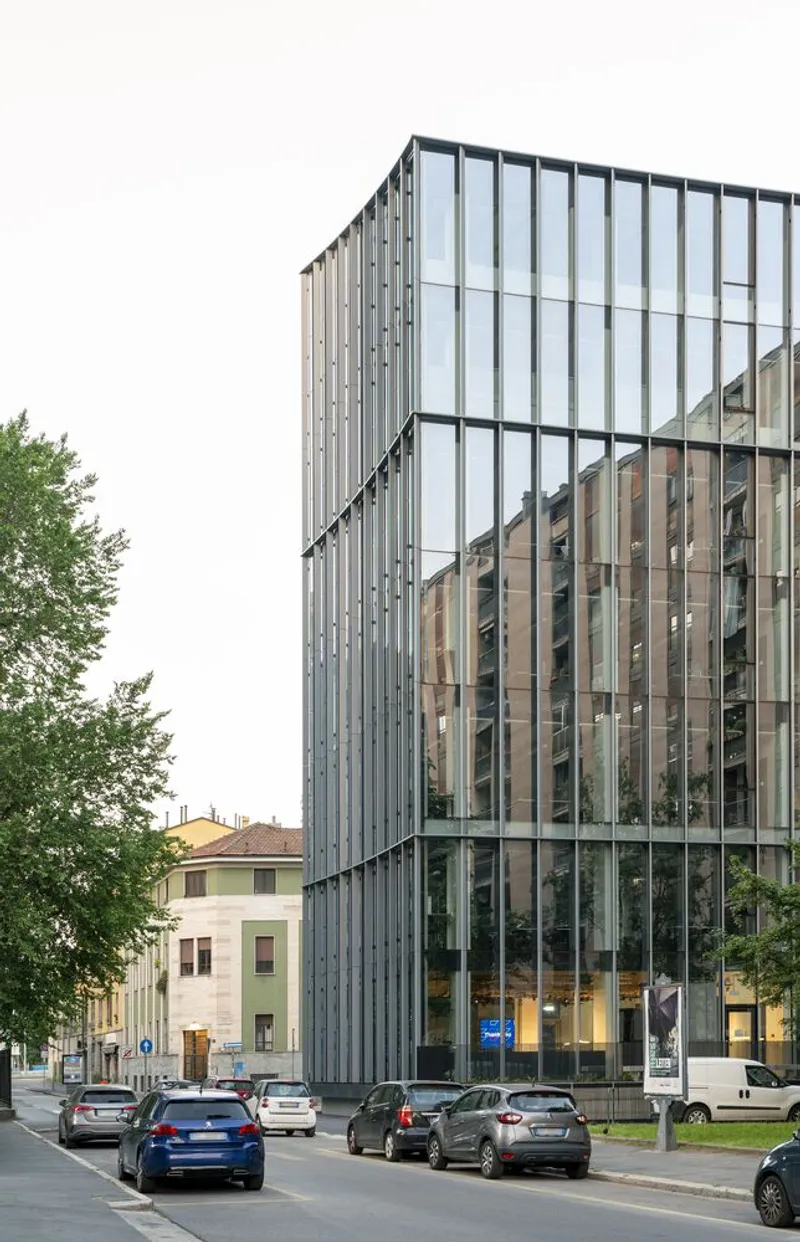
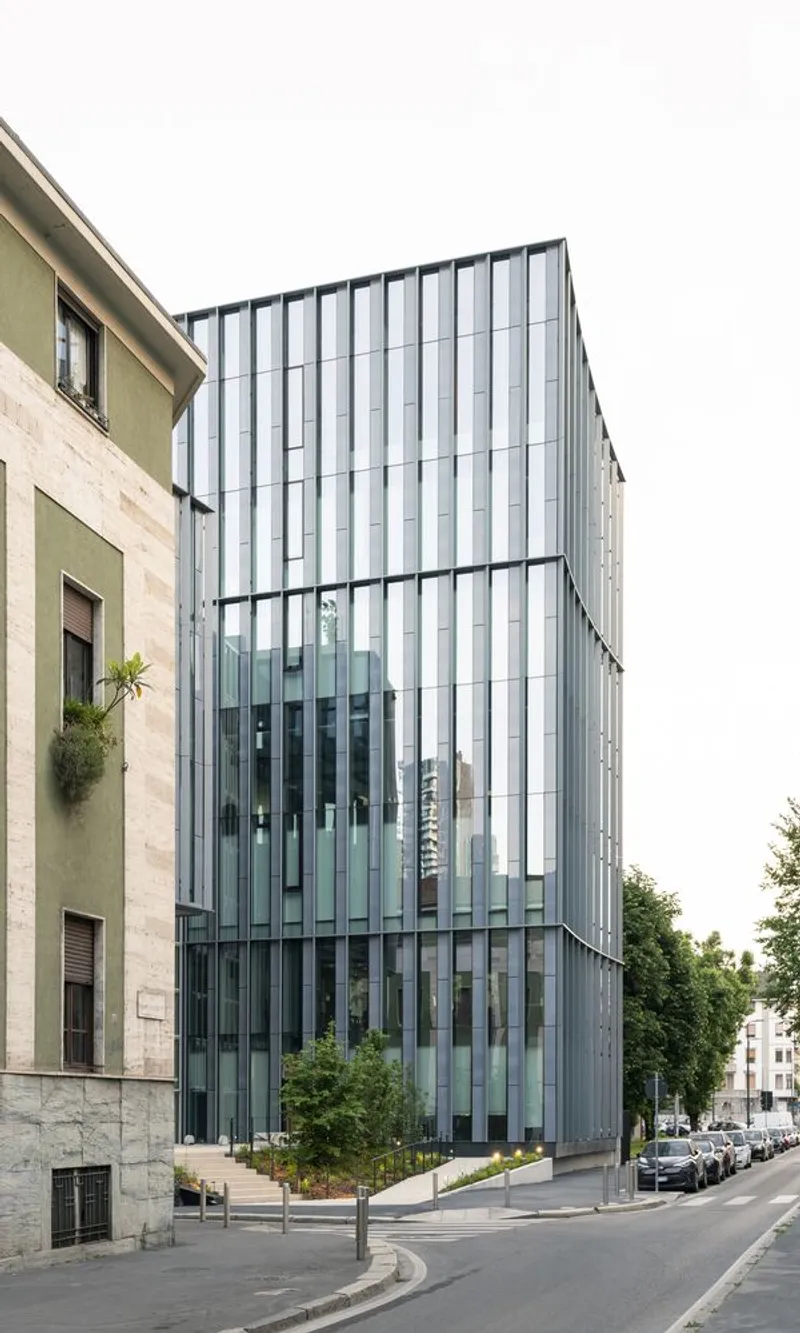
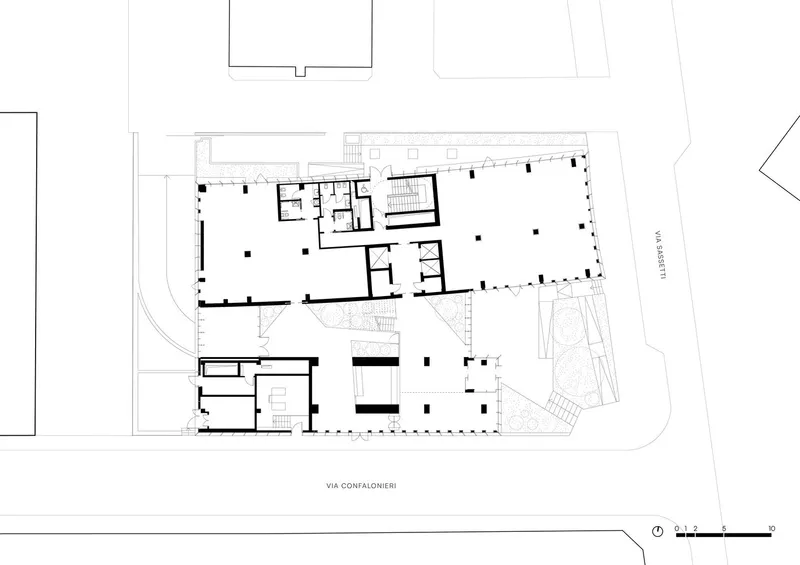
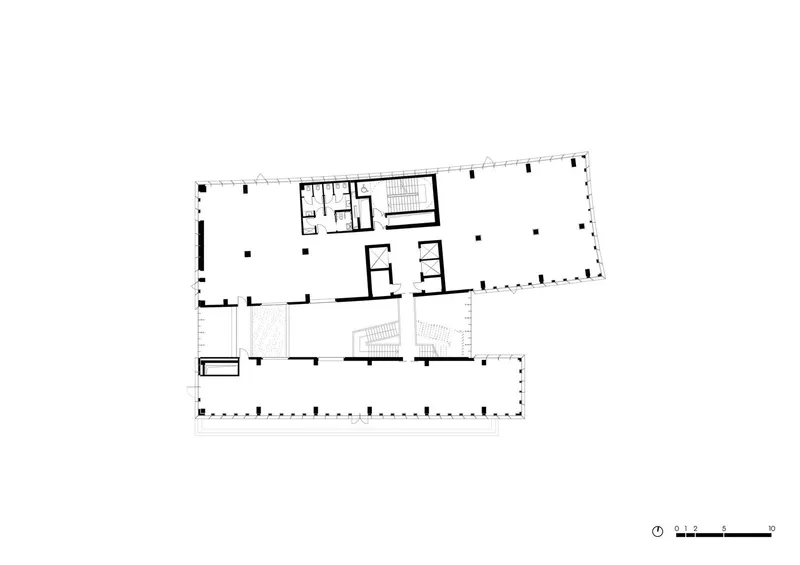
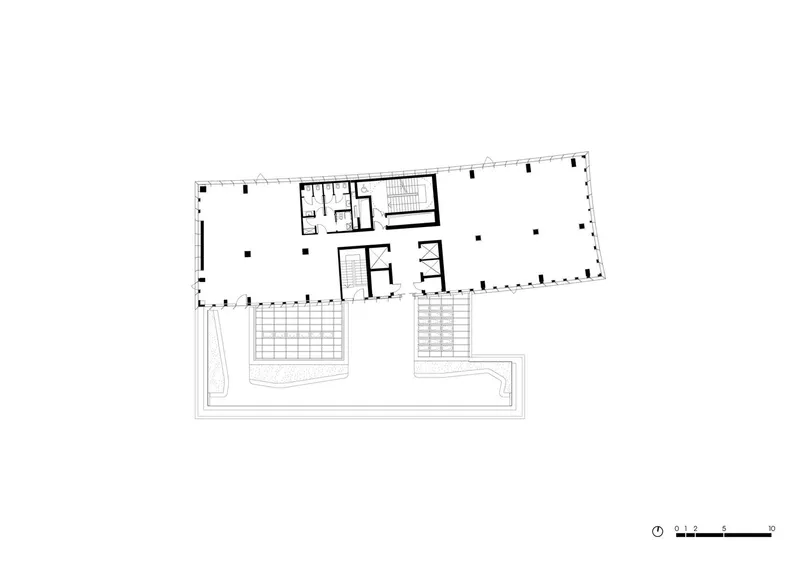
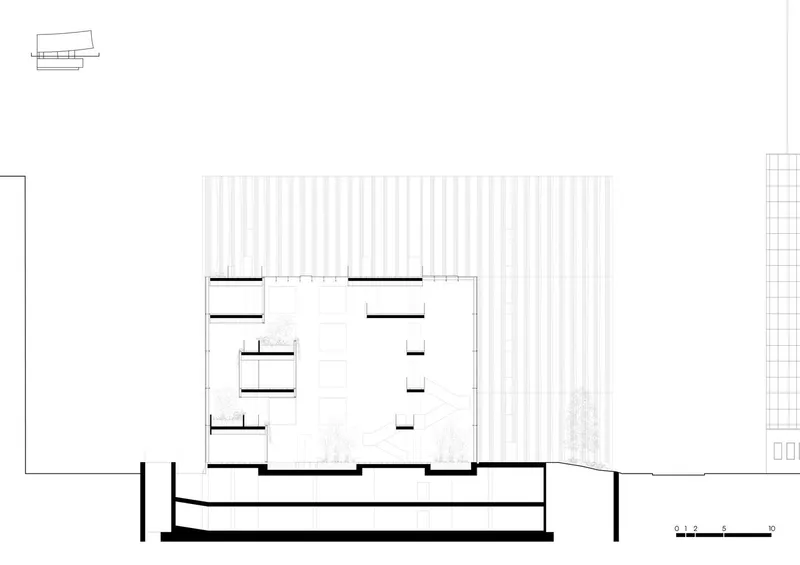
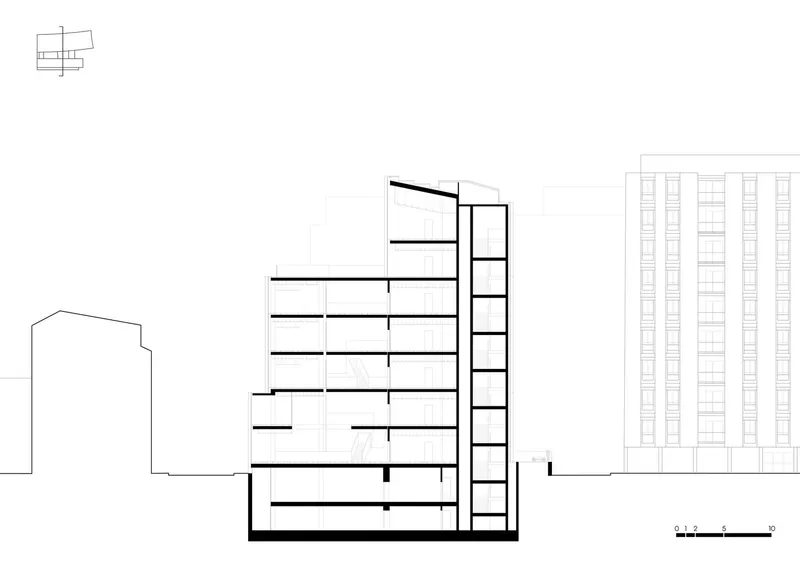
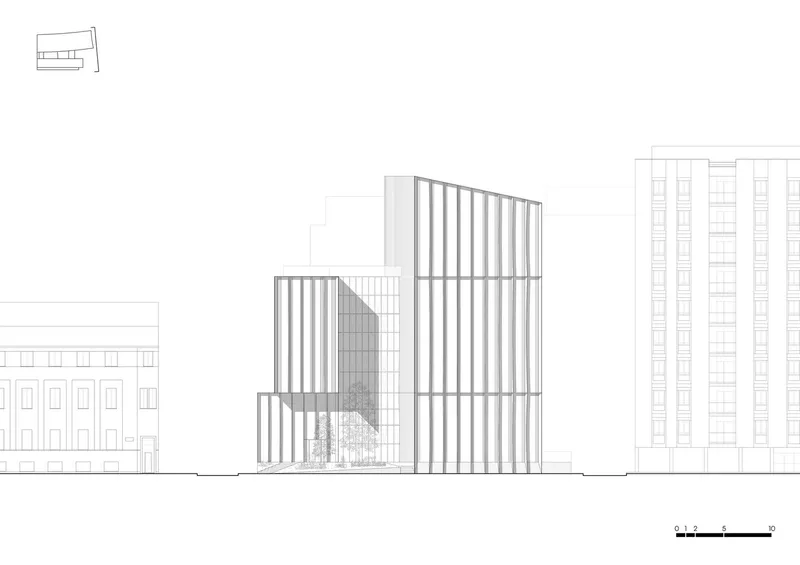
The headquarters draws its name—Lybra—from the Latin word for balance, a central theme of the architectural concept. This balance manifests physically in the building's composition: two distinct volumes of differing scale and language are brought into harmony through spatial choreography. The lower, recessed structure gently responds to the smaller-scale residential context of Isola, while the taller volume confidently aligns with the vertical skyline of Porta Nuova.
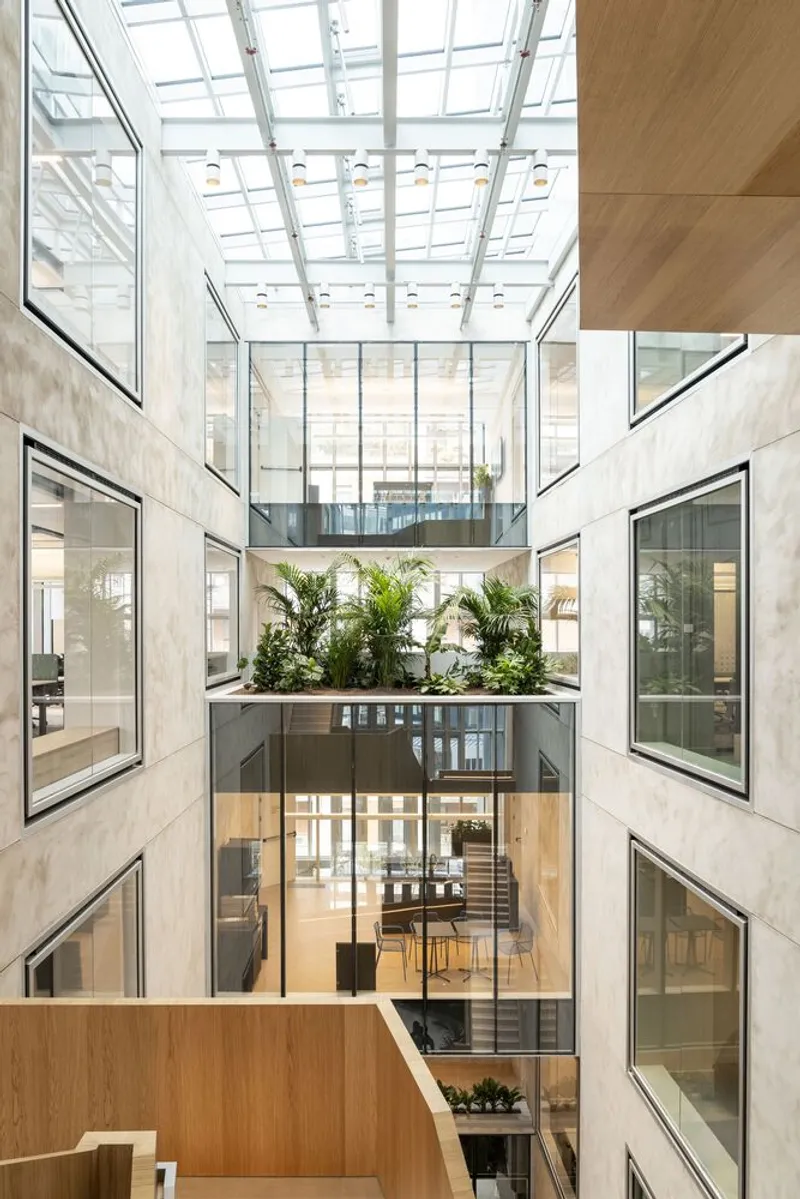
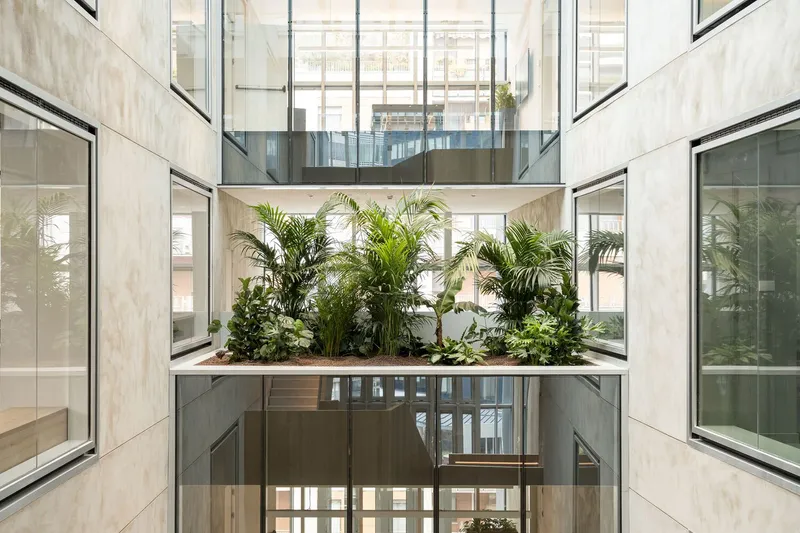
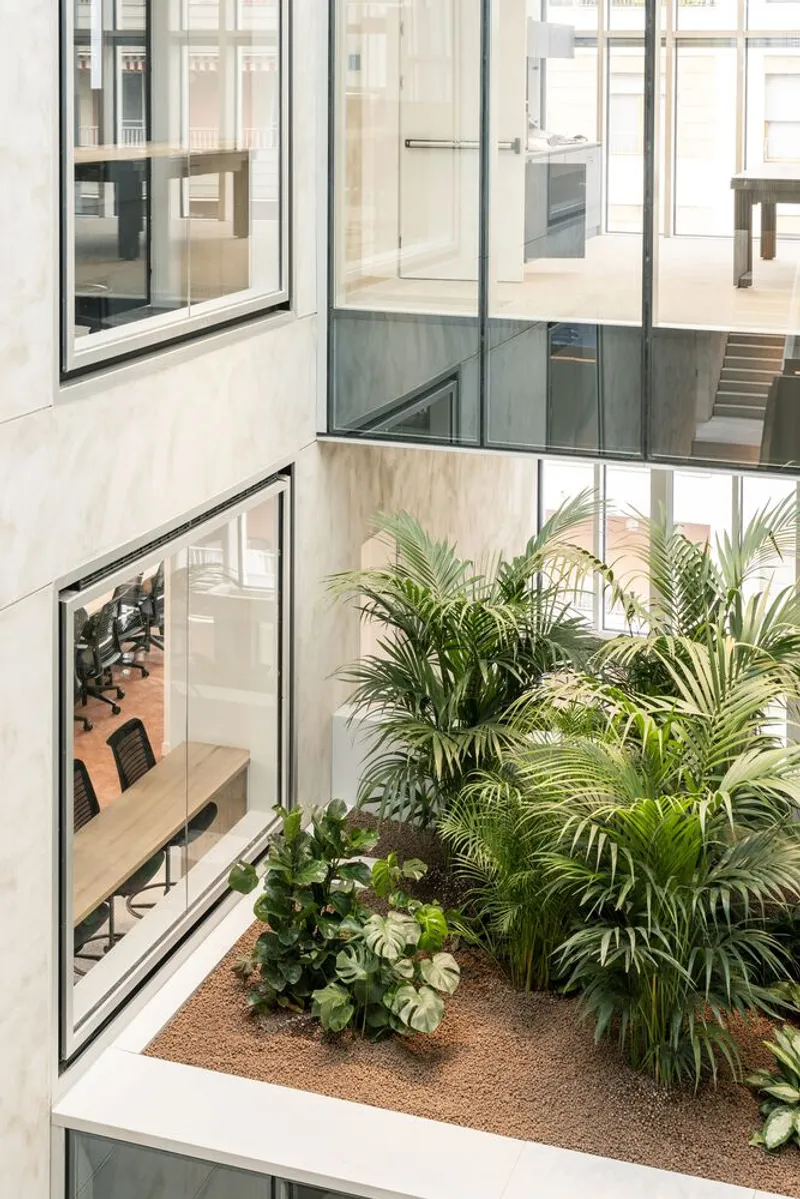
Bridging these forms is the Green Void, a vertical greenhouse space that serves as the symbolic and functional heart of the building. This bioclimatic atrium is more than just connective tissue; it is a spatial experience of nature, light, and material tactility, inviting interaction, movement, and contemplation.
The Green Void: A Core of Light, Nature, and Connection
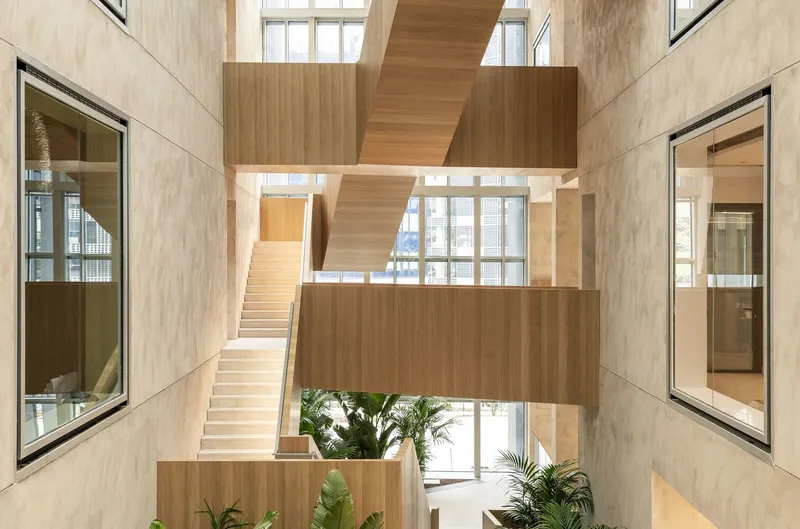
The Green Void is the defining architectural gesture of Lybra. Enclosed in glass and bathed in natural zenithal light, it houses lush tropical vegetation and a monumental wooden staircase that spirals upward across floors. This void is not merely an interior courtyard or atrium; it is a biophilic core—a vertically flowing space that fosters well-being through the presence of greenery, daylight, and sensory material finishes.
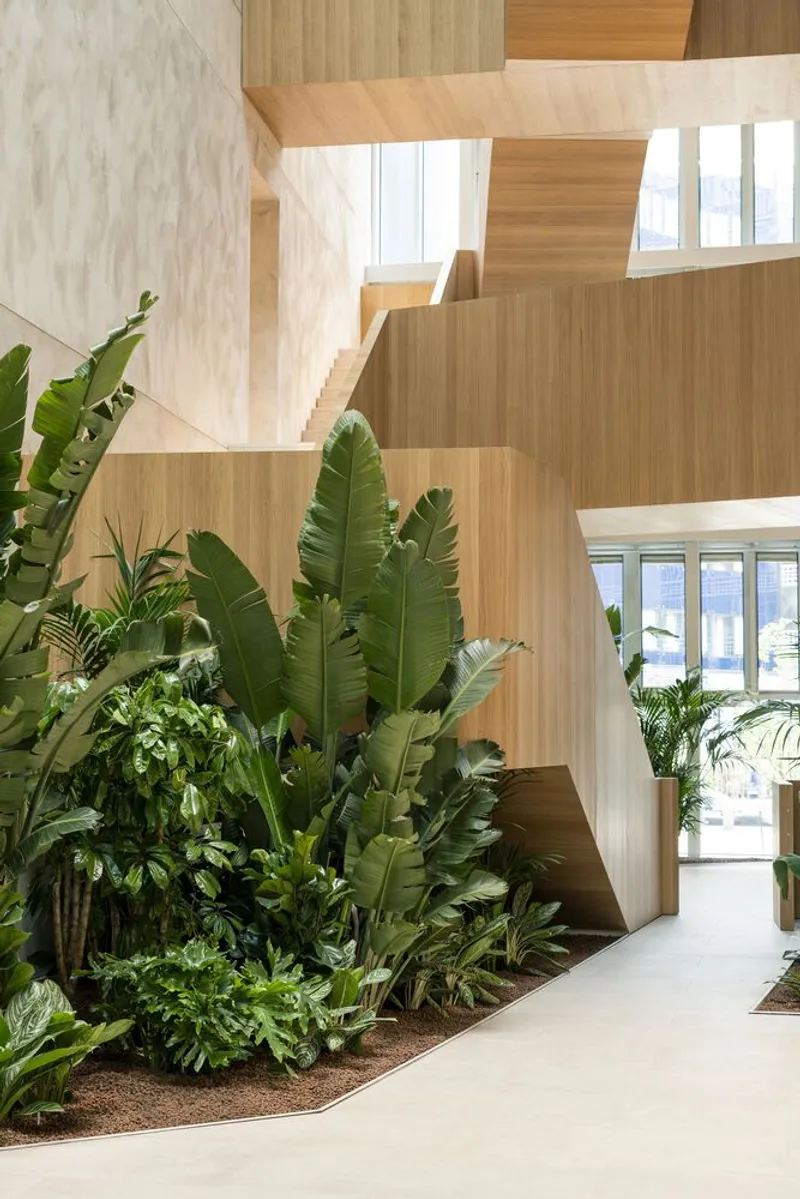
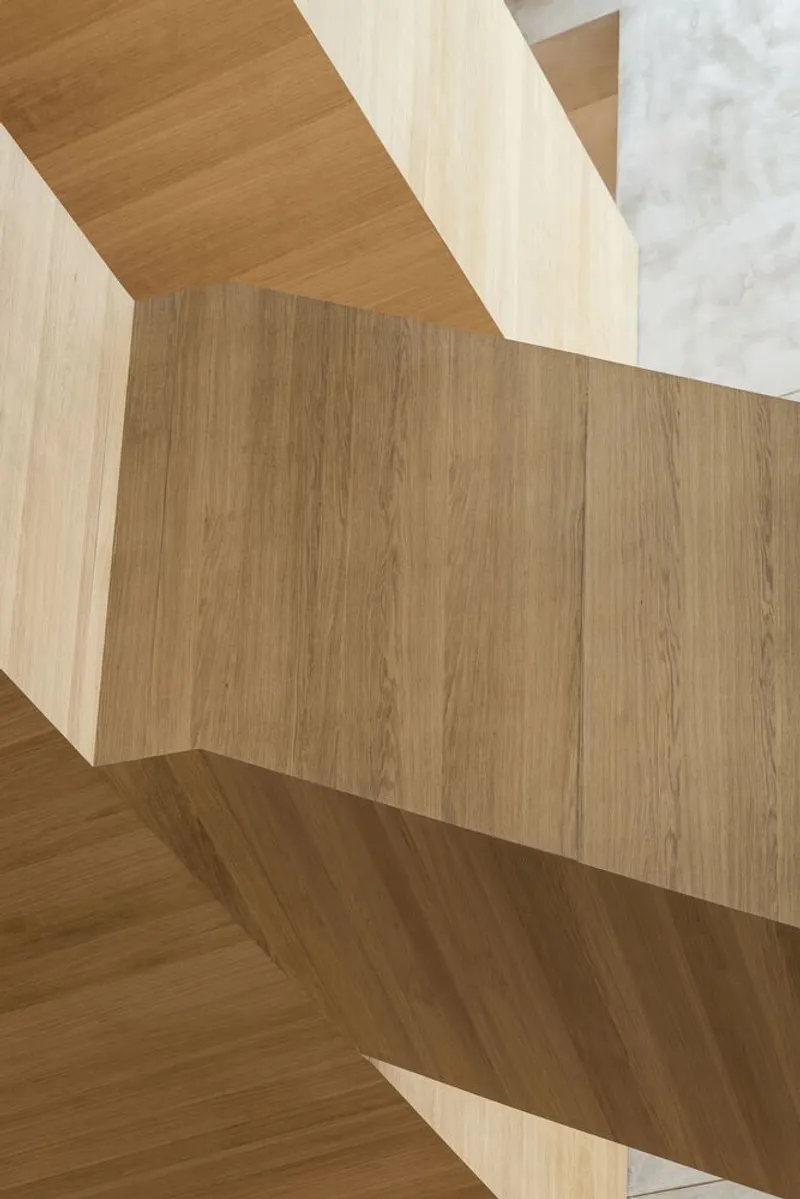
The stair not only connects levels but functions as a narrative element that encourages mindful movement. Its form follows the rhythm of light and verticality, making each ascent an immersive spatial journey. Park Associati has framed this space not as a transition zone, but as an environmental apparatus that unifies the project.
Urban Porosity and Public Activation
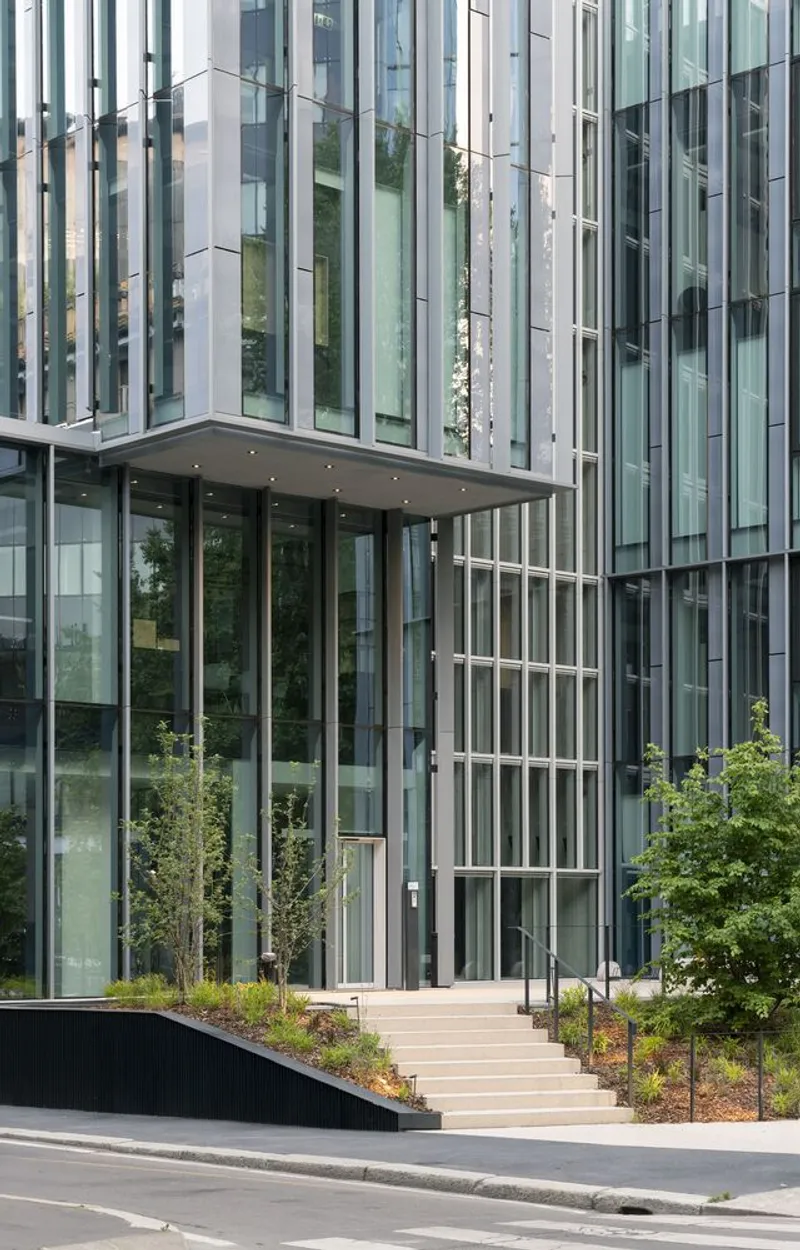
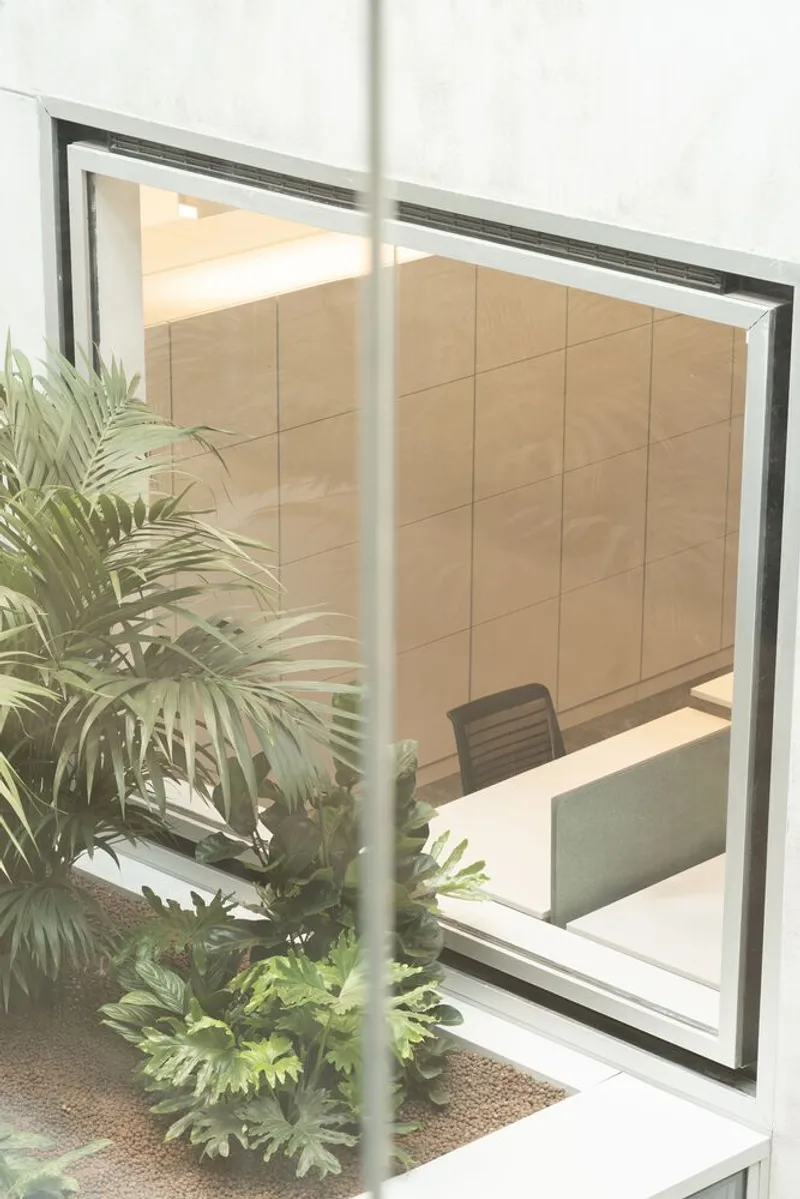
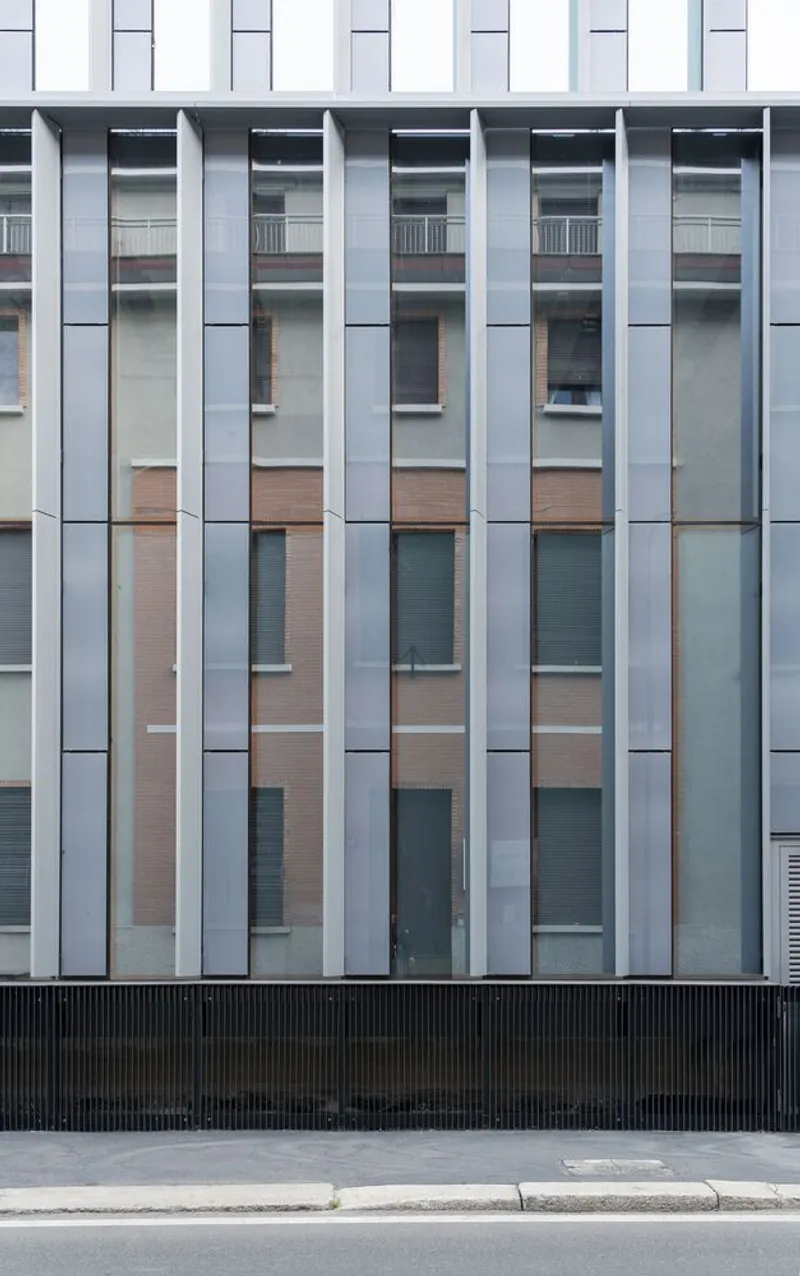
The design replaces architectural mass with urban porosity, opening the site to the city. A public plaza is introduced at the corner of the site, reinstating access to a previously closed-off area. This gesture of transparency and inclusion furthers the project's goal of acting as a connective force within the city—linking private corporate space with public realm, architecture with nature, and built form with human experience.
A Greenhouse Aesthetic and Energy Harvesting Façade
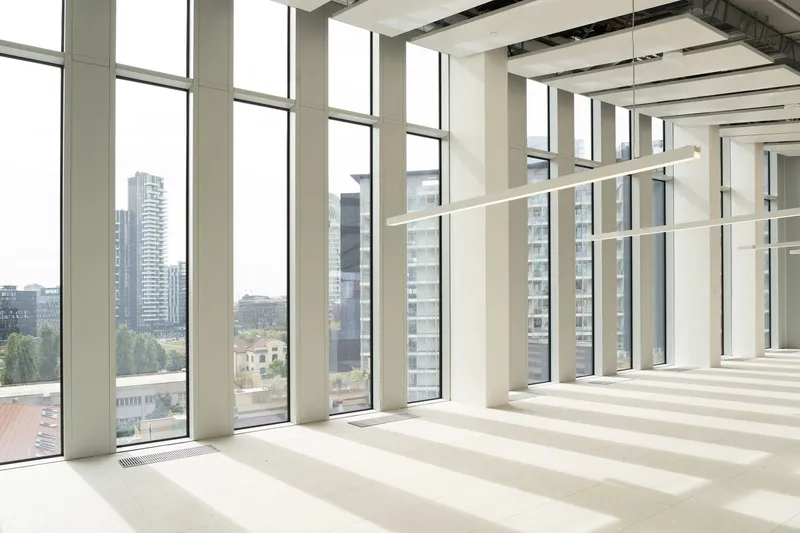
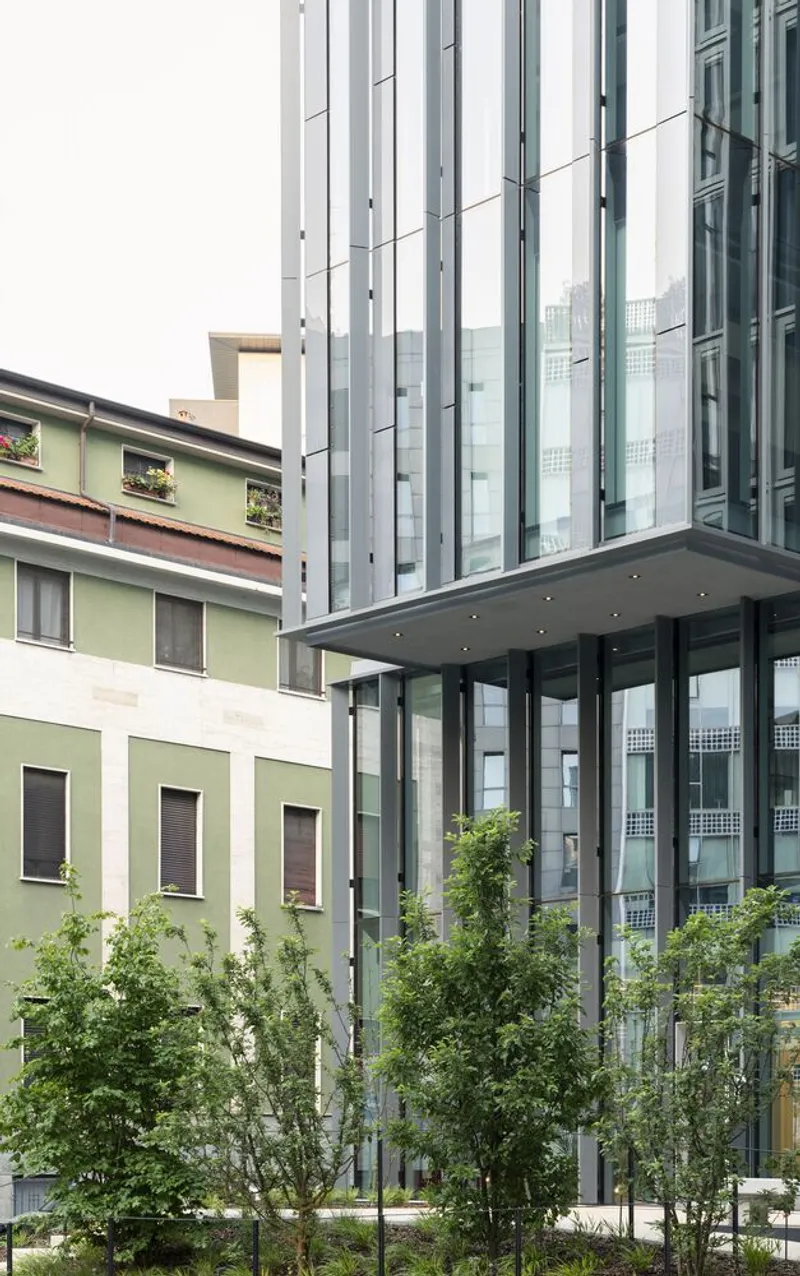
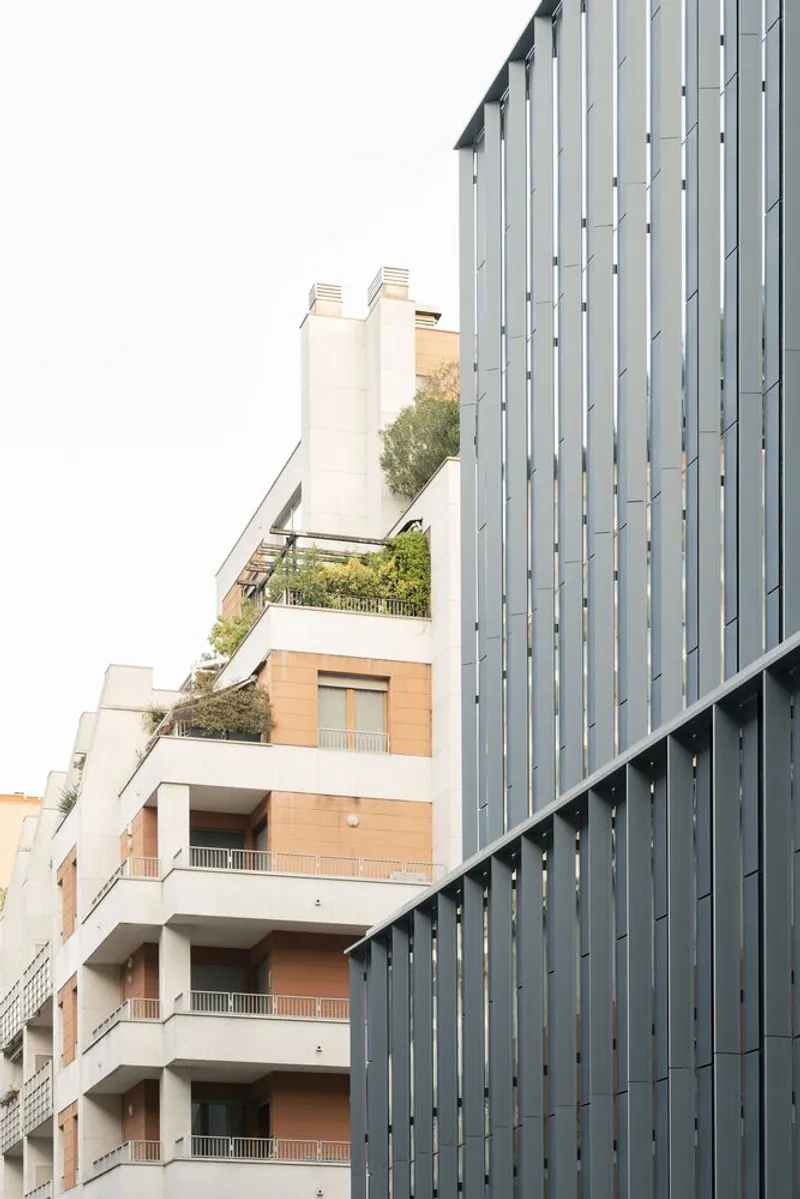
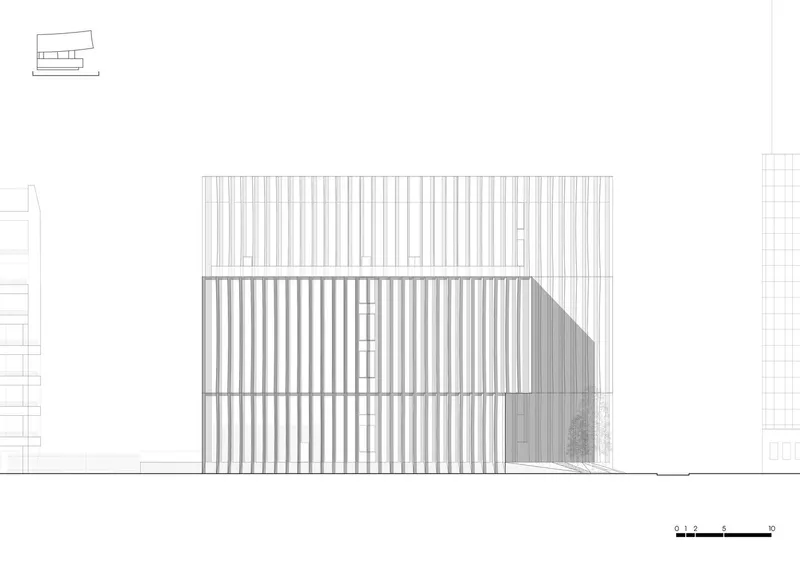
Visually, Lybra is inspired by the typology of historic greenhouses. The façade plays with a rhythmic layering of transparency and opacity through glazed surfaces that occupy over two-thirds of the building’s envelope. These glass surfaces are not merely decorative—they are embedded with high-efficiency photovoltaic modules in silk-screened panels, combining clean energy generation with architectural refinement.
This energy-harvesting façade is seamlessly integrated into the building’s identity, allowing sustainability to be perceived not as an add-on but as intrinsic to the architectural language. The careful balance between technical innovation and aesthetic subtlety exemplifies a new direction for office buildings in urban centers.
A Model of Biophilic Office Architecture in Milan
Lybra is a milestone in biophilic office architecture, a design that not only meets the needs of corporate functionality but elevates the user experience through environmental sensitivity. Passive solar strategies, natural ventilation, and tactile materials work together with the Green Void and photovoltaic integration to foster a space of regeneration and connectivity.
The project demonstrates that office buildings can be dynamic environments that prioritize mental and physical health, environmental performance, and civic responsibility. Lybra doesn’t just house work—it reimagines it through balance, transparency, and the restorative presence of nature.
Contributing to Milan’s Sustainable Urban Future
Park Lybra Headquarters adds a meaningful layer to Milan’s evolving architectural narrative. It respects urban contrasts while mediating them through design. It balances mass with void, efficiency with experience, and glass with greenery. As cities worldwide seek models for workplace design that are human-centered and ecologically responsible, Lybra stands as a forward-thinking precedent.
All Photographs are works of Nicola Colella


Popular Articles
Popular articles from the community

Temporary Home for Dogs: A Reversed Zoo Rethinks Animal Shelter Architecture
In Bucharest, a sinuous corridor and freed landscape flip the logic of containment, designing a shelter that works to make itself unnecessary.

Extended Shell: Retrofitting Kolkata's Balconies as Living Urban Thresholds
A modular retrofit system recovers the social and environmental intelligence of Kolkata's historic verandas for contemporary Park Street residents.
Cloaked Colonization: A Mobile Underwater Habitat That Moves Like a Fish
Micah Abaya's shortlisted EHC Pacific entry reimagines ocean settlement as a dispersed network of self-sustaining architectural organisms.

Opera on the Sea: Driftwood Logic Shapes a Timber Opera House on Estonia's Coast
Trevor Orgill's opera house translates the entangled drift of floating timber into a civic building where wood, water, and music converge.

Similar Reads
You might also enjoy these articles

FAMM Arquitectura Organizes Ten Villas Around Courtyards and Jungle in Nosara, Costa Rica
El Molino pairs two elongated volumes with deep overhangs and timber louvers to build a compact coastal community five minutes from the beach.
Oscar Niemeyer's Ibirapuera Park Pavilions Define São Paulo's Cultural Identity in Concrete and Curve
A constellation of modernist volumes set within São Paulo's most important urban park, conceived for the city's 400th anniversary in 1954.
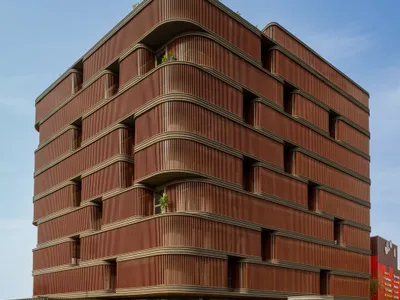
Sanjay Puri Architects Wraps a Jaipur Office Tower in Capsule-Shaped Green Buffers
A nine-level climate-responsive workplace near Jaipur Airport uses stacked planter terraces and aluminium screens to fight 40°C heat.
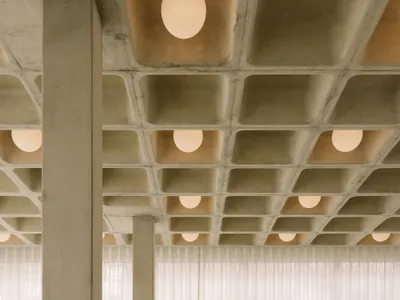
RHO Converts a Berlin Spree-Side Industrial Courtyard into Enkime's 1,000 m² Agency Headquarters
A social media agency's new home in Charlottenburg trades glossy branding for concrete waffle ceilings, glazed tile, and sheer curtains.

Explore Biophilic Competitions
Discover active competitions in this discipline

Challenge to reimagine the Iron Throne

Photograph architecture without architects

Illustrate the lost glory of Angkor Wat - Render Challenge

Design challenge to reuse E-waste
Comments (0)
Please login or sign up to add comments
No comments yet. Be the first to comment!