
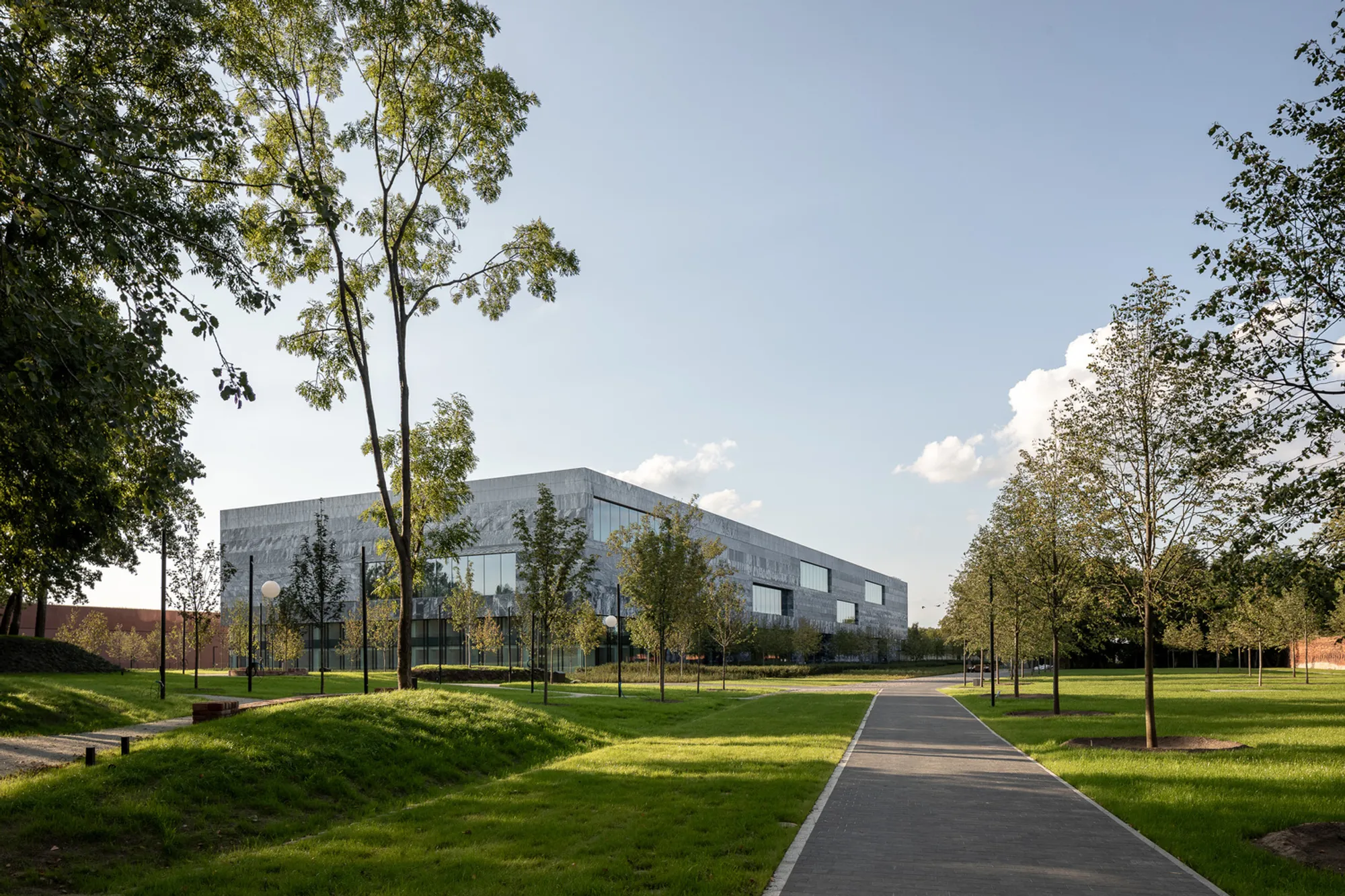
Polish History Museum by WXCA: A Monumental Fusion of Architecture and Memory in Warsaw
Polish History Museum by WXCA is a monumental stone-clad cultural hub, blending heritage, architecture, and public space in Warsaw.


A New Cultural Landmark at the Warsaw Citadel
Completed in 2023, the Polish History Museum, designed by WXCA, stands as a bold new chapter in Warsaw’s cultural and architectural legacy. Situated within the historic Warsaw Citadel, this monumental museum is not just a repository of national heritage—it’s a symbol of collective memory, civic pride, and architectural innovation. The project is a centerpiece in the ambitious Citadel of Museums, a growing cultural complex that redefines the role of museums in public urban life.
Citadel of Museums: A Vision of Urban and Cultural Integration
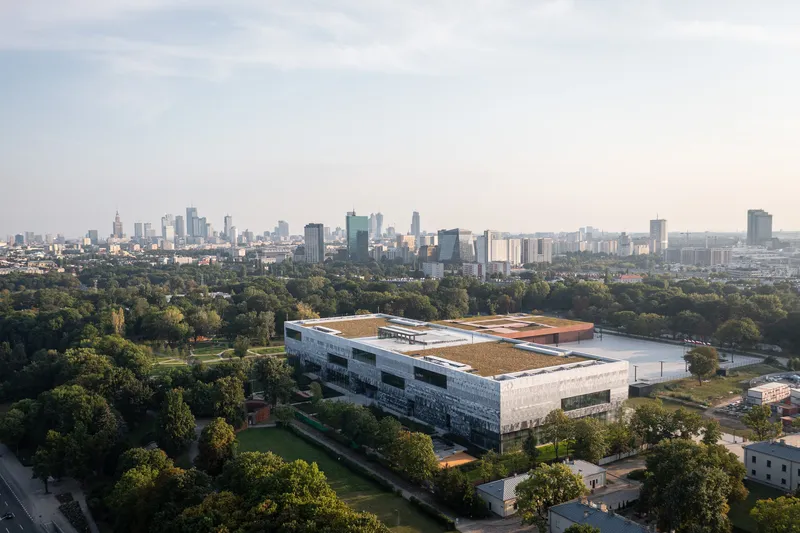
The architectural journey of the museum began in 2016, following WXCA’s earlier success in 2009, when they won an international competition to design the Polish Army Museum—also located on the 19th-century fortress site. The vision was to create a multi-institutional museum district, akin to other major European cultural hubs. The Warsaw Citadel now houses the Polish History Museum, the Polish Army Museum, the Katyn Museum, and the historic X Pavilion, establishing it as one of Europe’s most comprehensive museum campuses.
A Historical Narrative Expressed Through Architecture
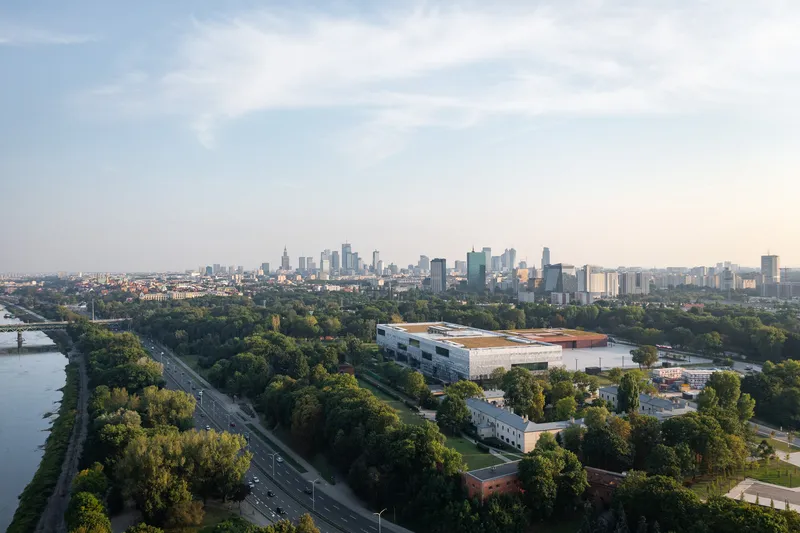
WXCA’s architectural language for the Polish History Museum draws deeply from the historical layers embedded in the Citadel’s terrain. The design takes cues from the 18th-century urban grid of the former Polish Royal Foot Guard barracks, around which the complex is structured. Three major buildings define the site: the centrally located Polish History Museum and two symmetrical wings housing the Polish Army Museum to the north and south, enclosing a representative plaza that echoes historical military formations.
More than 30 acres of public parkland weave through and around the buildings, integrating cultural space with green urban infrastructure.
Architecture of Stone: A Metaphor for the Past
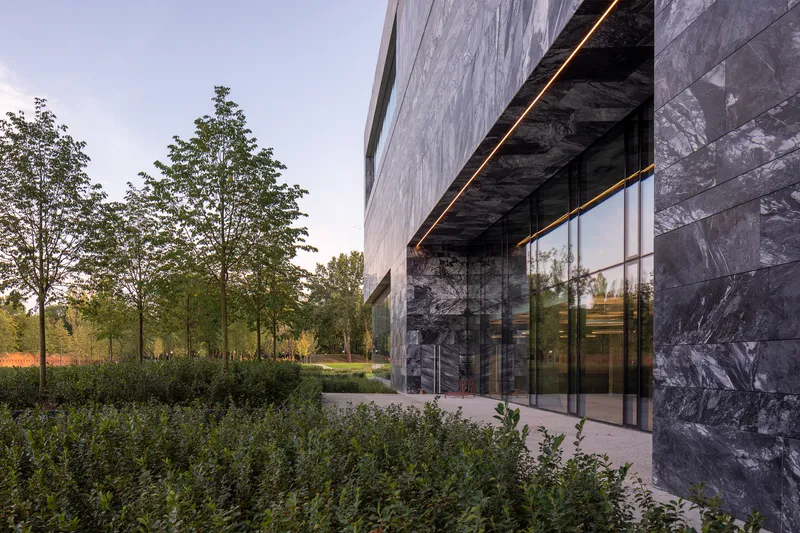
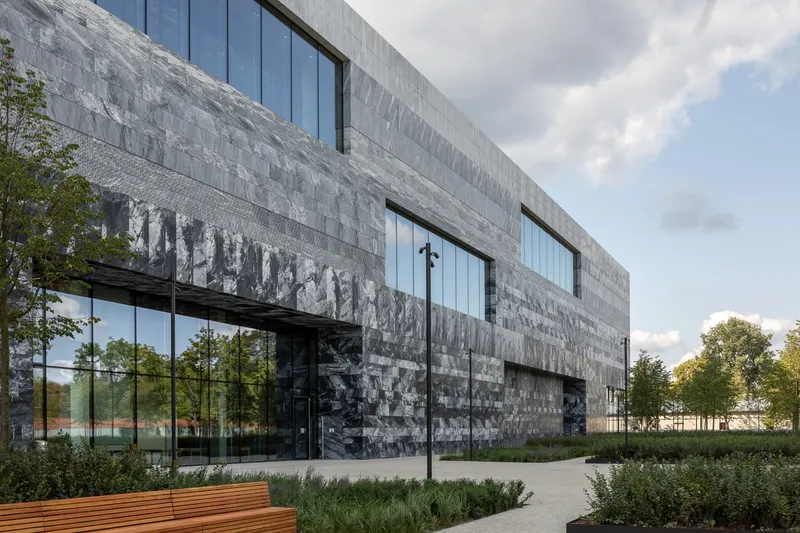
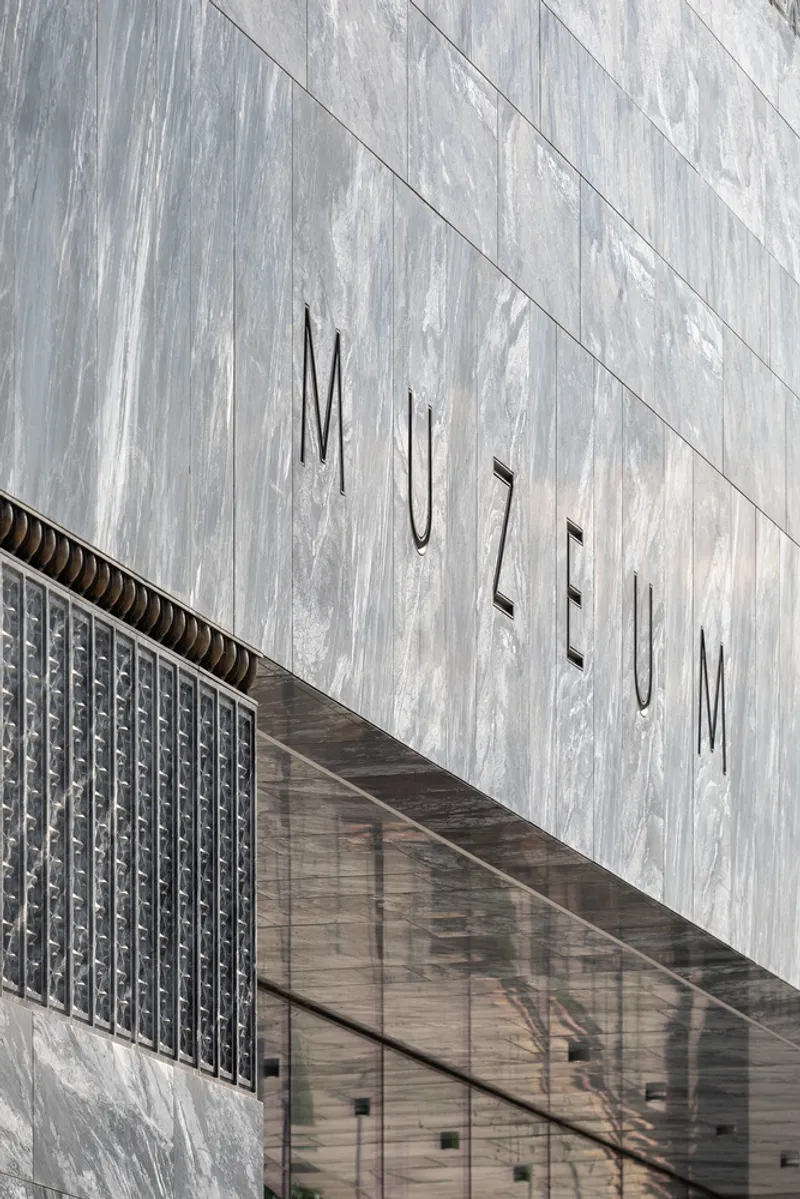
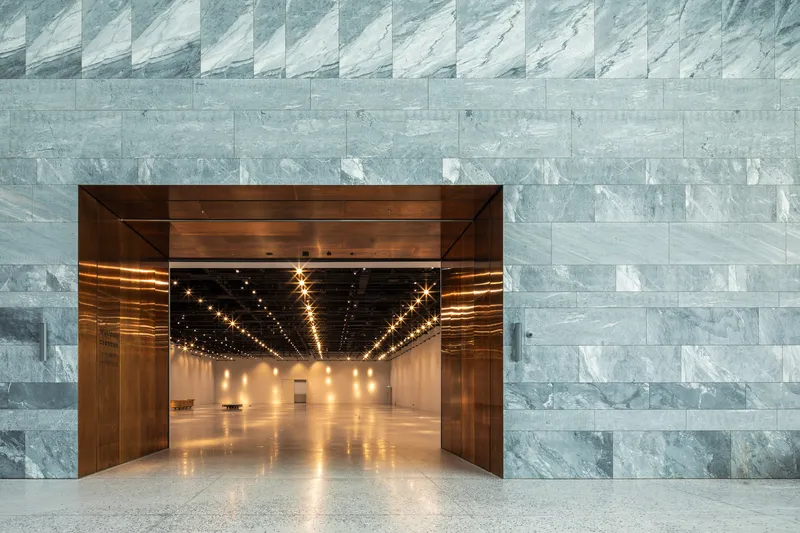
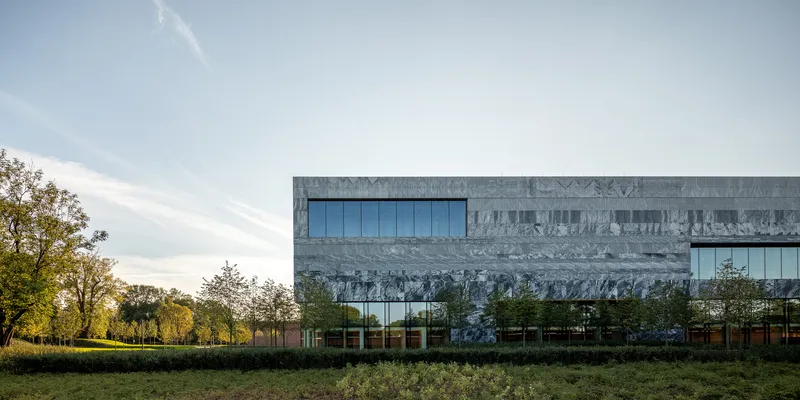
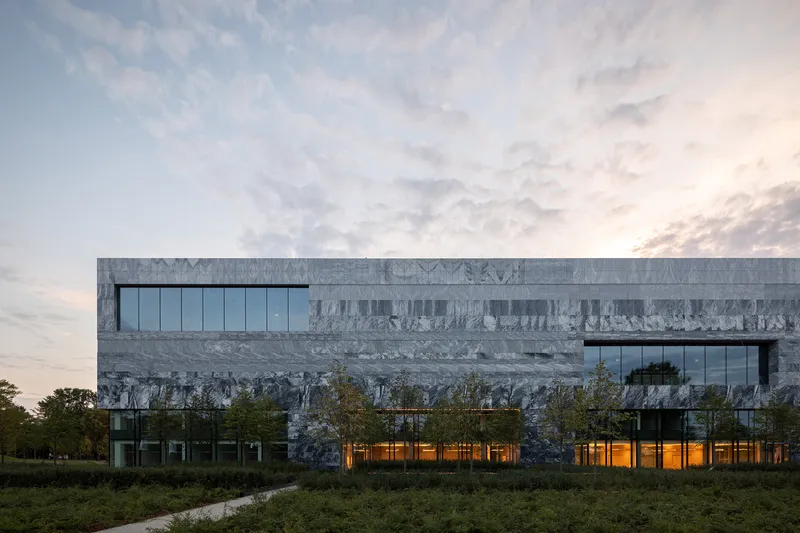
The museum’s exterior is a masterful interplay of stone and symbolism. The façade is composed of large slabs, each strategically arranged to create a dynamic visual rhythm. WXCA used six distinct stoneworking techniques to produce varied textures and tonalities across the surface—inviting tactile engagement and evoking the stratification of history.
Rather than replicating historical forms, the museum’s ornamentation reinterprets architectural motifs from Poland’s past. These include abstract references to the Gniezno Doors, the Gothic crystal vaults seen in Gdańsk’s churches, the baroque intricacies of St. Sigismund’s Chapel in Kraków, and even modernist echoes from Spodek Arena in Katowice. These elements serve as spatial artifacts, bridging eras through geometric reinterpretation.
Inside the Museum: A Multifunctional Cultural Ecosystem
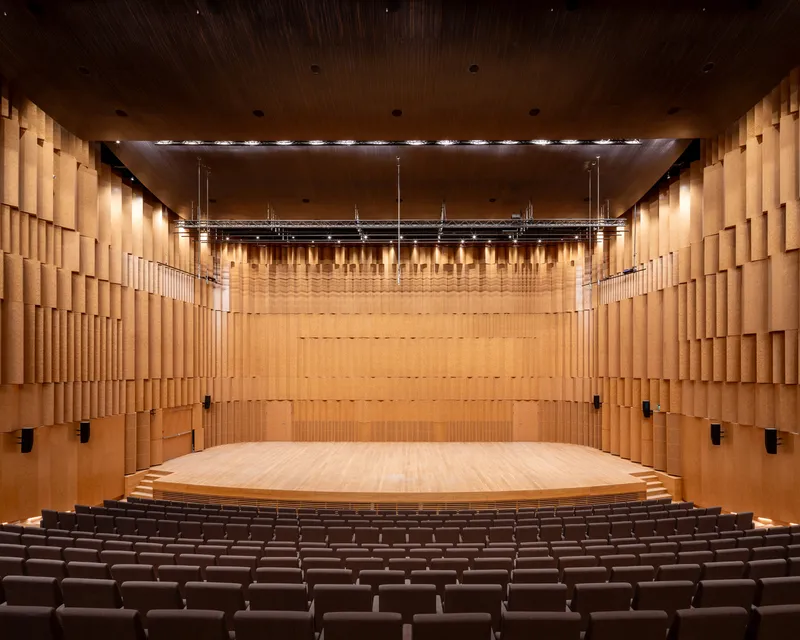
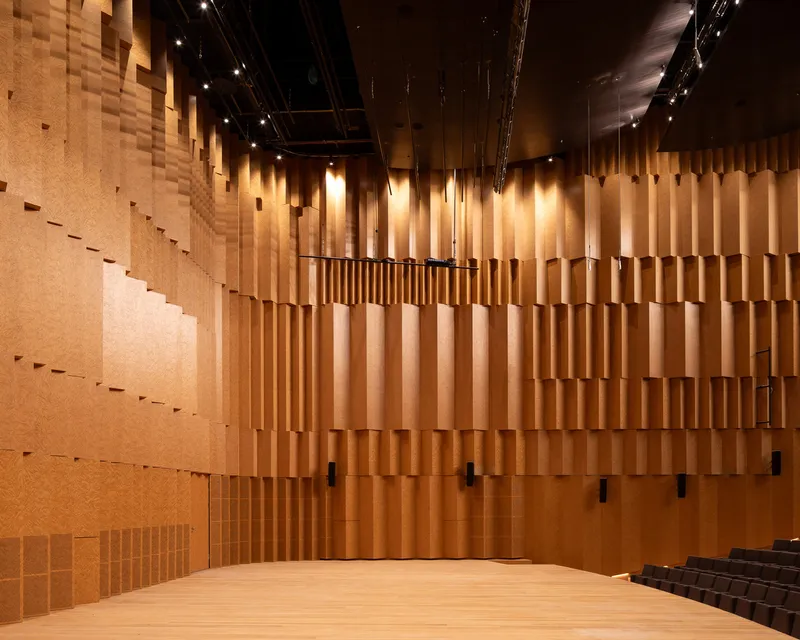
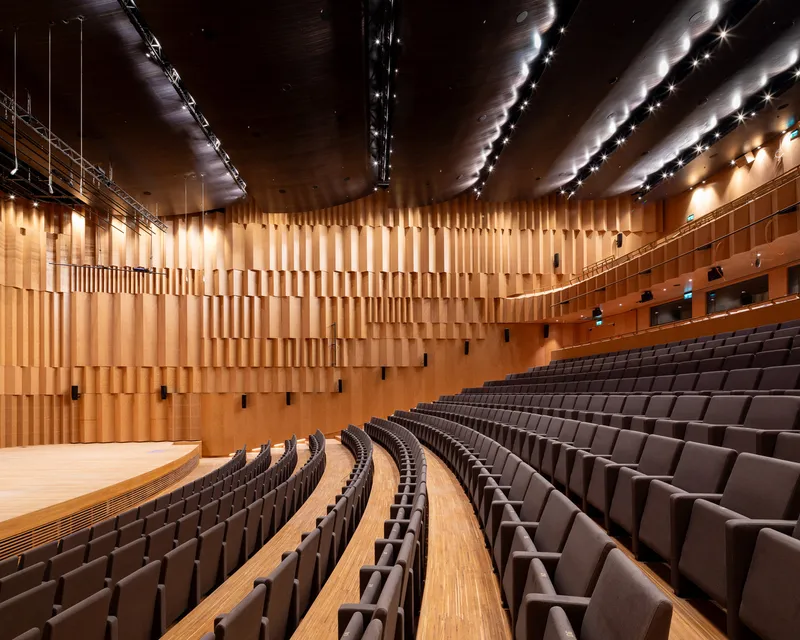
With nearly 45,000 square meters of interior space, the Polish History Museum is designed not only to exhibit but to activate public life. It includes expansive exhibition areas, conservation labs, and storage for historical collections. It also incorporates a 600-seat concert hall, a cinema and theatre, a library, conference facilities, and several catering zones.
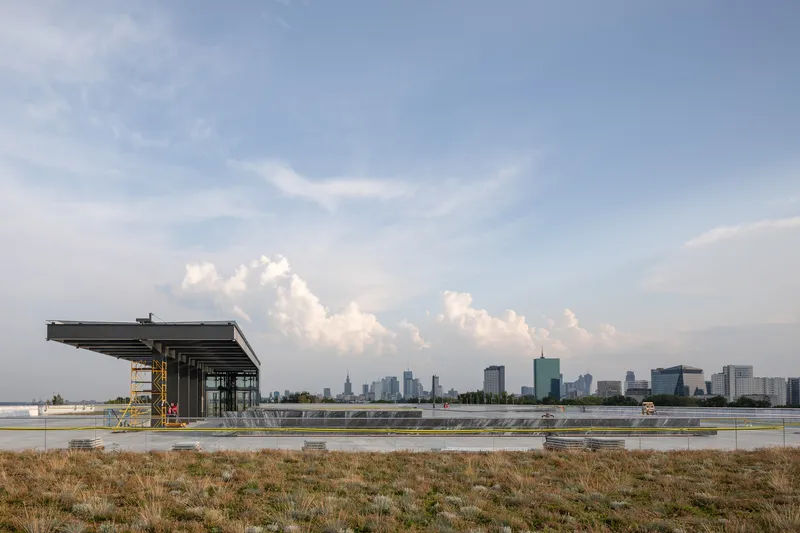
A panoramic viewing terrace atop the building offers sweeping views of the city skyline and the Vistula River, tying the museum visually and symbolically to the city it commemorates.
A Growing Civic and Cultural Destination
Together with the recently opened Polish Army Museum South Building, the X Pavilion, and the Katyn Museum, the Polish History Museum forms the nucleus of what is fast becoming one of the largest and most advanced museum complexes in Europe. The first phase of construction also included the creation of a large urban square, an underground parking structure, and a newly designed entrance gate along Wisłostrada.




Popular Articles
Popular articles from the community


Riyadh For All: Intergenerational Urban Design for Active Aging in Rabat
Riyadh For All reimagines urban design in Rabat with intergenerational co-living, adaptive courtyards, and Moroccan cultural exchange today.

The Ocean Hive: Sustainable Architecture for a Self-Sufficient Civilization at Sea
The Ocean Hive imagines sustainable architecture at sea, where modular habitats, algae, wave power and ocean waste sustain a growing colony.

Conexión: Biophilic Design Reimagines High-Rise Living in Hong Kong
Conexión reimagines high-rise living in Hong Kong through biophilic design, green facades, shared spaces, daylight, water and nature within.

The Musturak Paradise: Senior Living Architecture for a Connected Future in Temara, Morocco
The Musturak Paradise reimagines senior living architecture in Temara via private homes, social spaces, culture, community, and shared care.


Similar Reads
You might also enjoy these articles


Hodi-Mandai Geram
Project Function: Preservation and revitalization of the Intangible heritage and socio-spatial identity of the Hodi by Housing, Cultural Memory Center, Sacred Grove, landscape, local tourism economy


Olio Towers: A Mid-Rise for Performers That Fuses Housing, Rehearsal, and Stage
Located blocks from Houston's Theater District, this modular tower stacks living units around a central performance atrium.

Oasis: Modular Green Housing Carved into Dhaka's Urban Fabric
A shortlisted Plugin Housing entry reclaims unauthorized settlements in Dhaka with stepped concrete volumes, green roofs, and ventilation-driven design.

Black Hole: A Floating Megastructure for the Post-Physical Era
Emiliano Mazzarotto envisions a spherical, self-scaling arena where e-sports, digital hotels, and holographic stadiums replace traditional public space.


Explore Architecture Competitions
Discover active competitions in this discipline



Challenge to reimagine the Iron Throne


Photograph architecture without architects


Illustrate the lost glory of Angkor Wat - Render Challenge


Design challenge to reuse E-waste
Comments (0)
Please login or sign up to add comments
No comments yet. Be the first to comment!