
Popadich House: A Sustainable Timber House Design in New Zealand’s Native Landscape
A sustainable timber house in New Zealand that blends family living with ecological restoration and low-impact design strategies.


A Home for Living, Working, and Ecological Regeneration
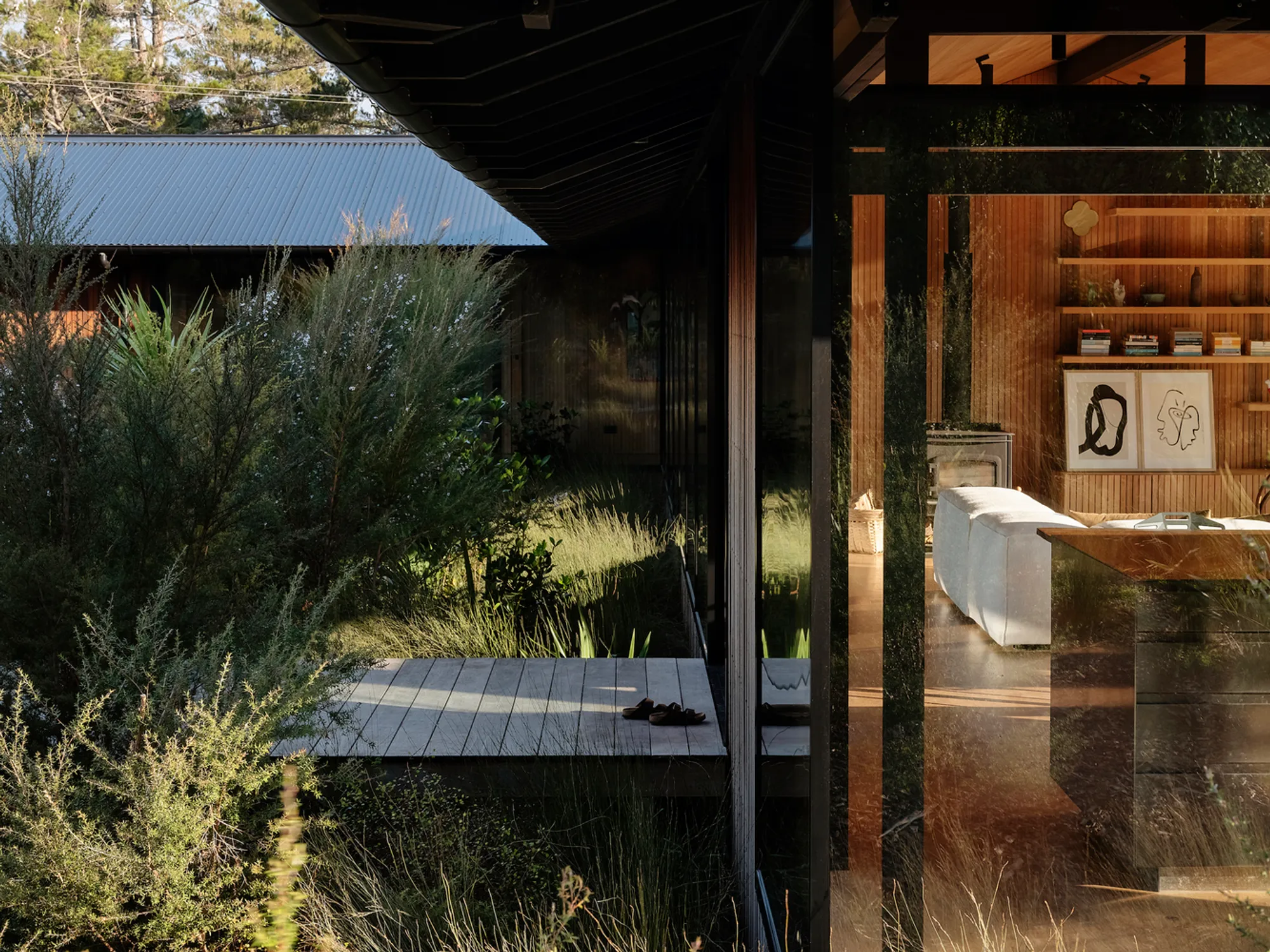
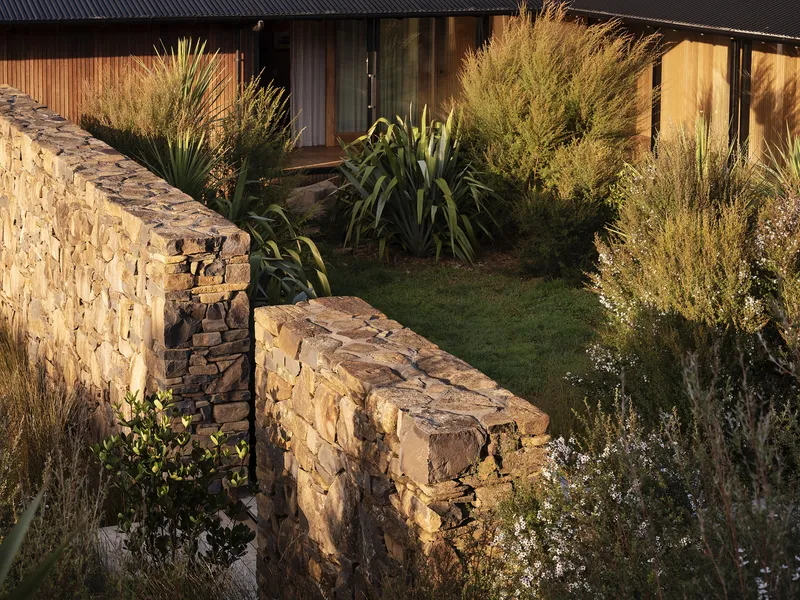
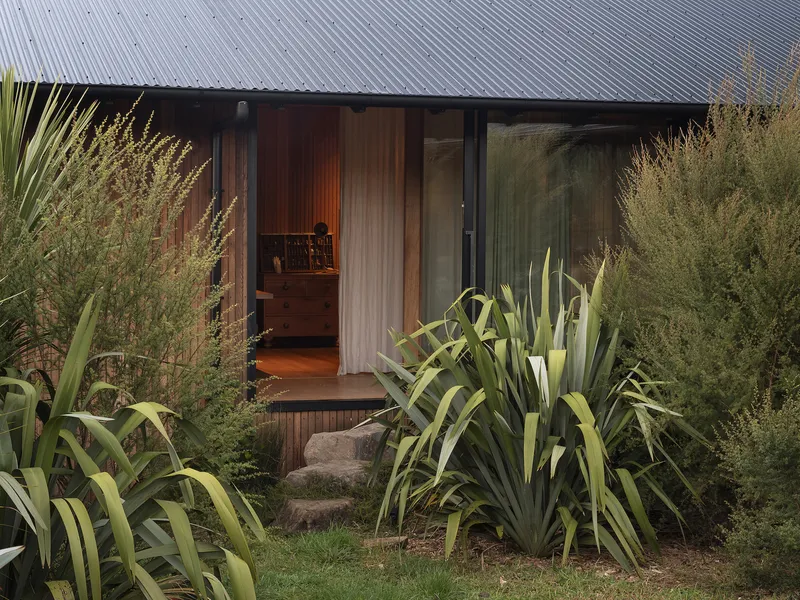
Located in the serene rural setting of New Zealand, the Popadich House by Davor Popadich Architects is a thoughtful expression of sustainable timber house design. The project emerges as a harmonious blend of family living, workspace functionality, and ecological stewardship, tailored to meet the lifestyle of a busy family with three school-aged children and two working parents. The site, once retired grazing land overtaken by invasive weeds, has undergone a transformative native restoration initiative, which continues alongside efforts in pest control, replanting, and permaculture-based food production.
Design Philosophy Rooted in Nature
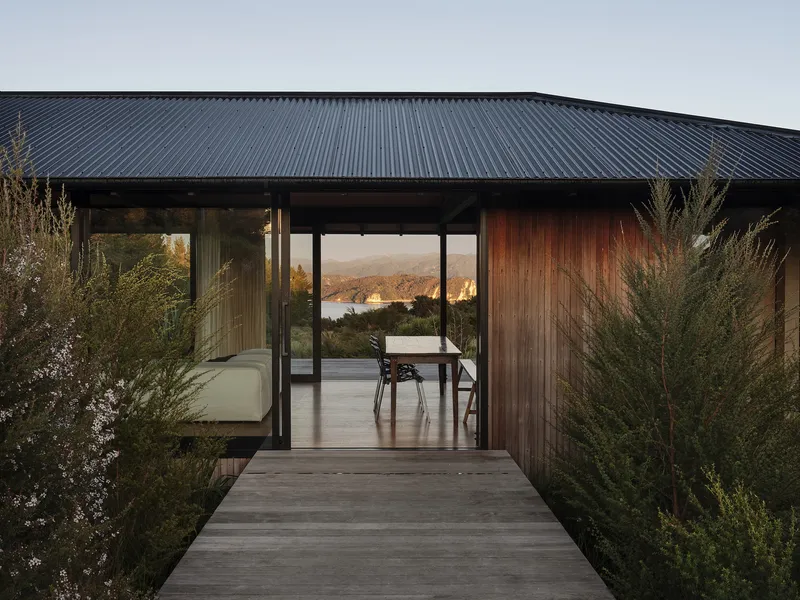
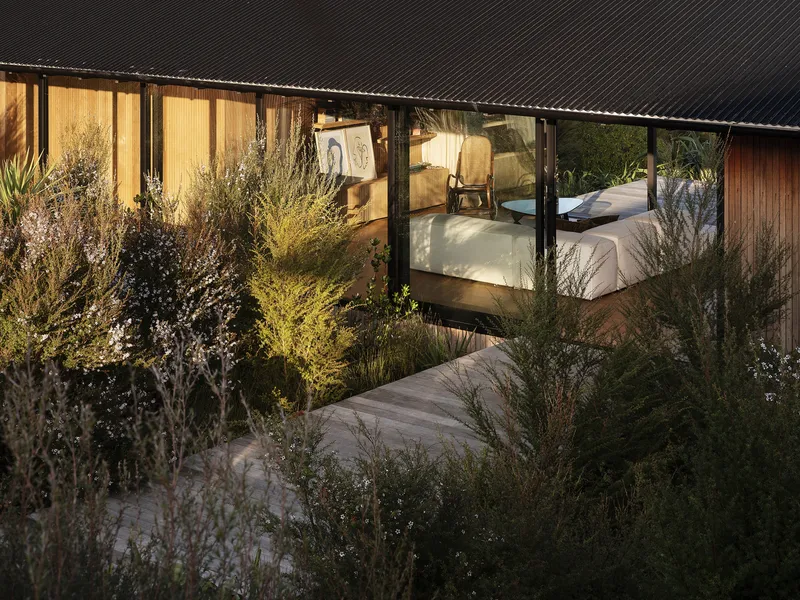
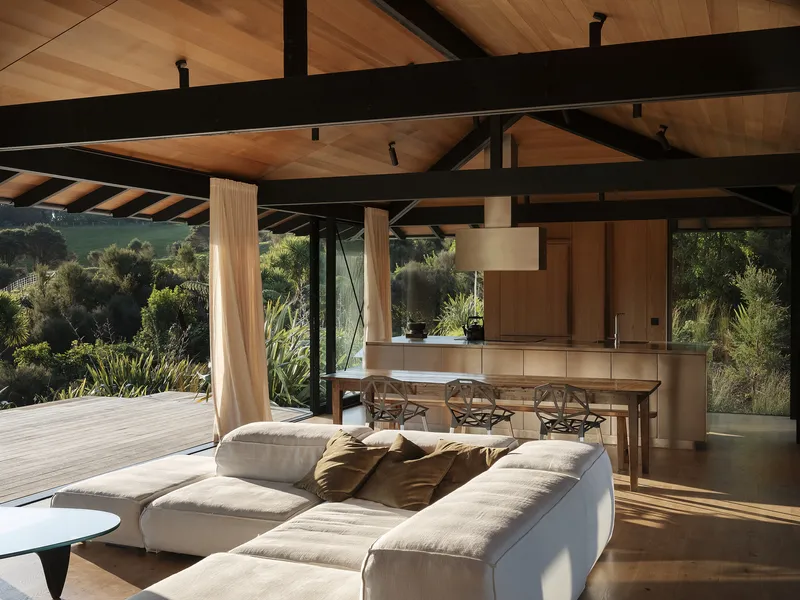
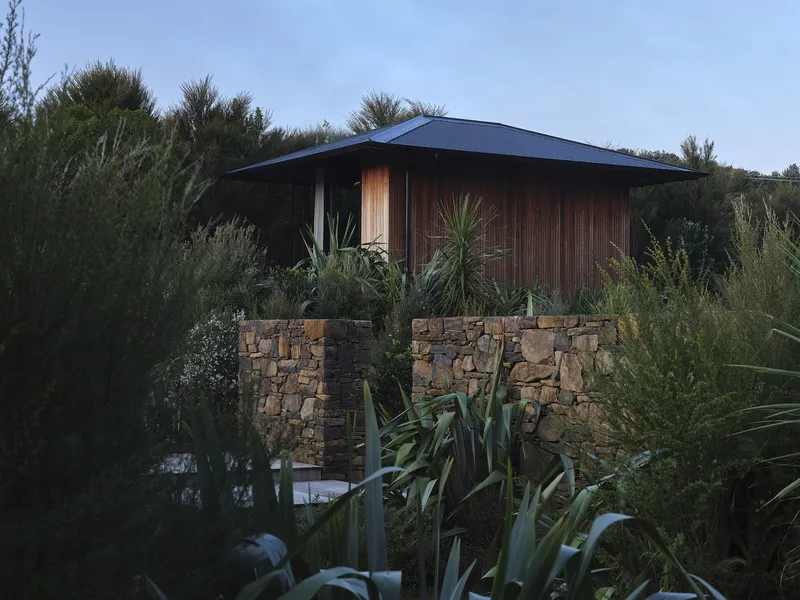
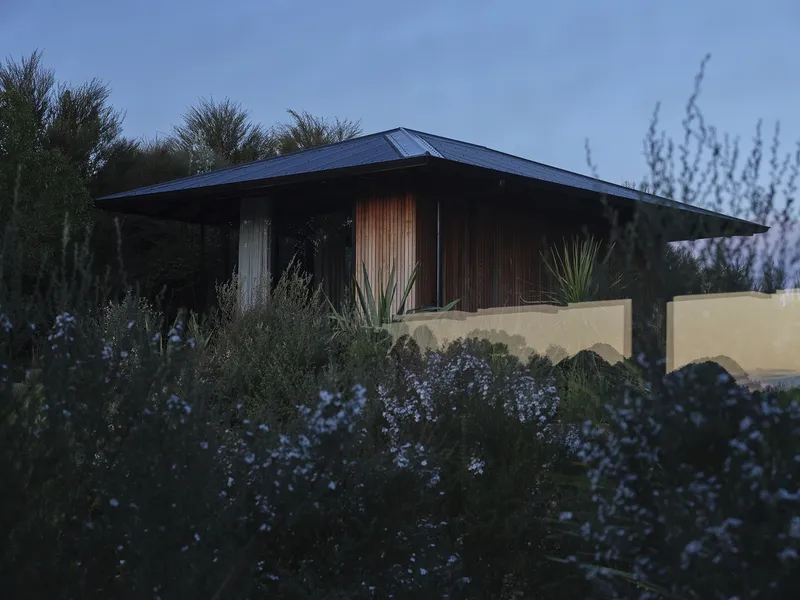
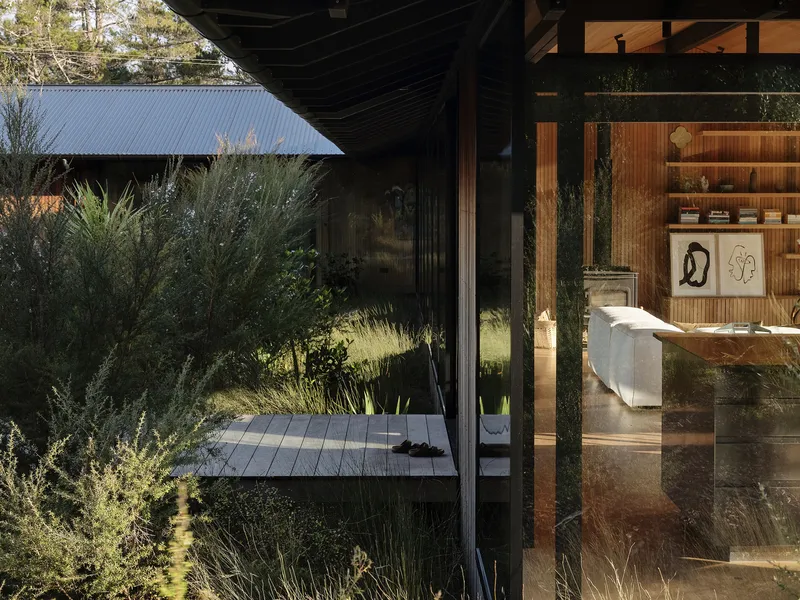
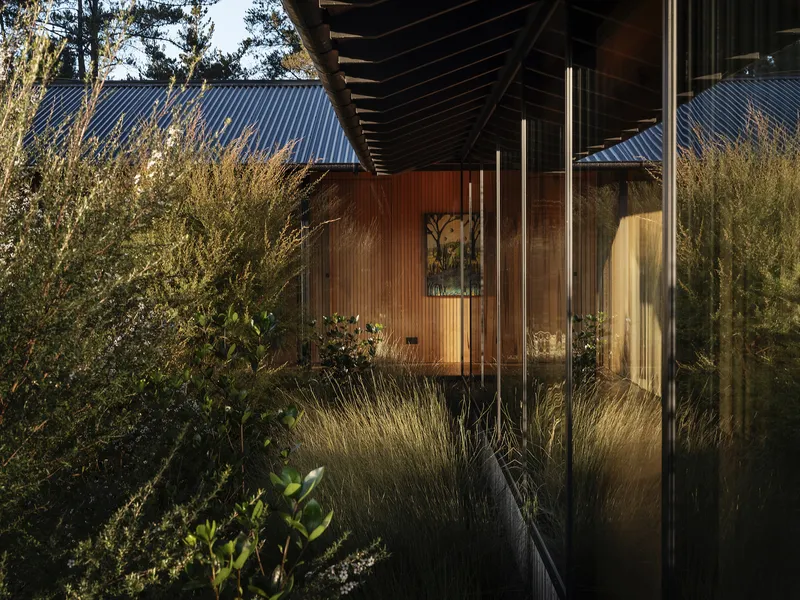
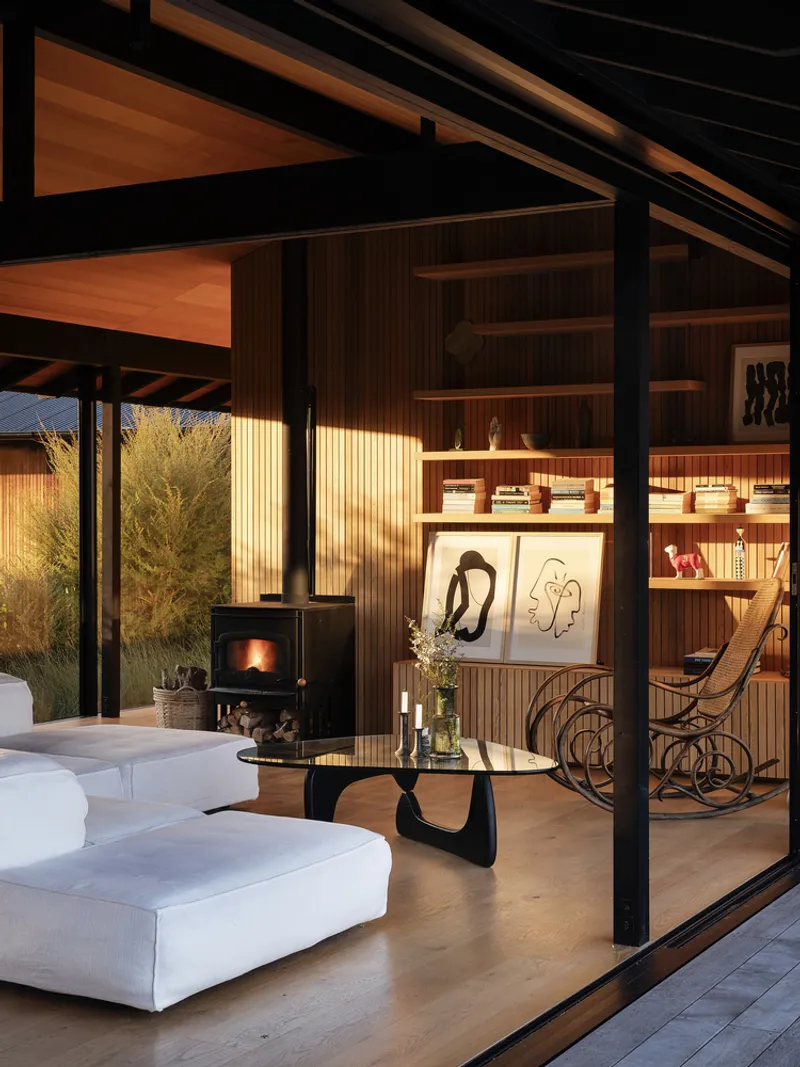
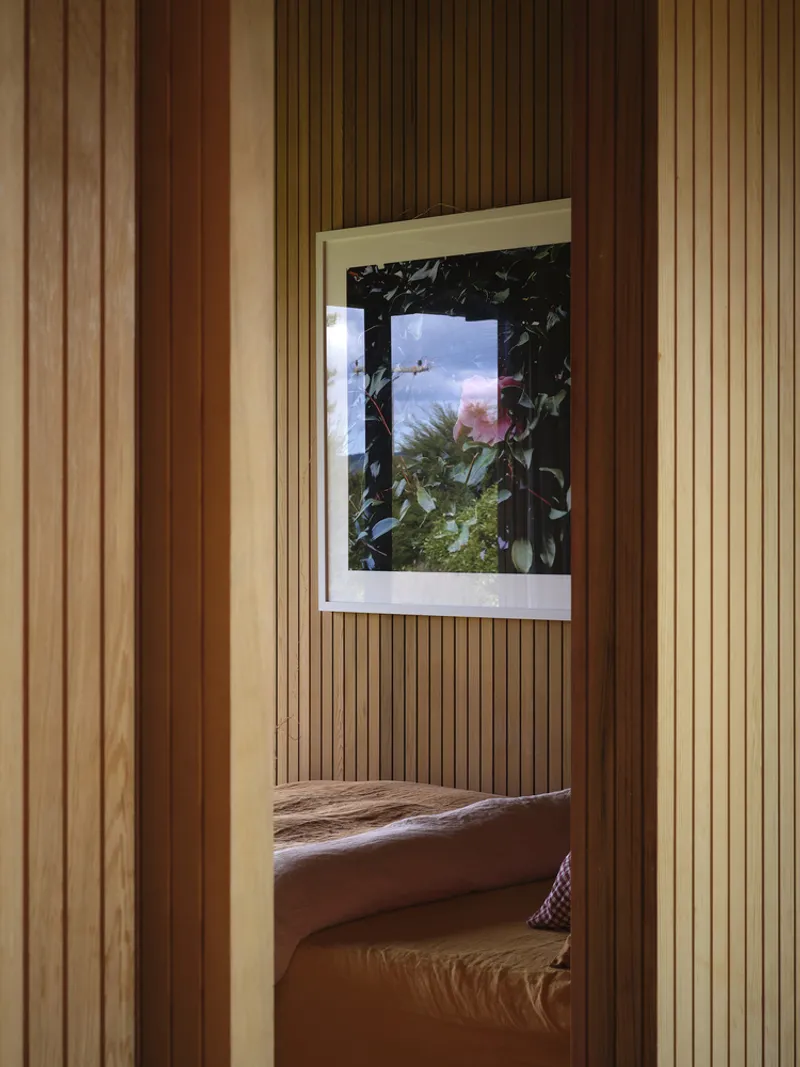
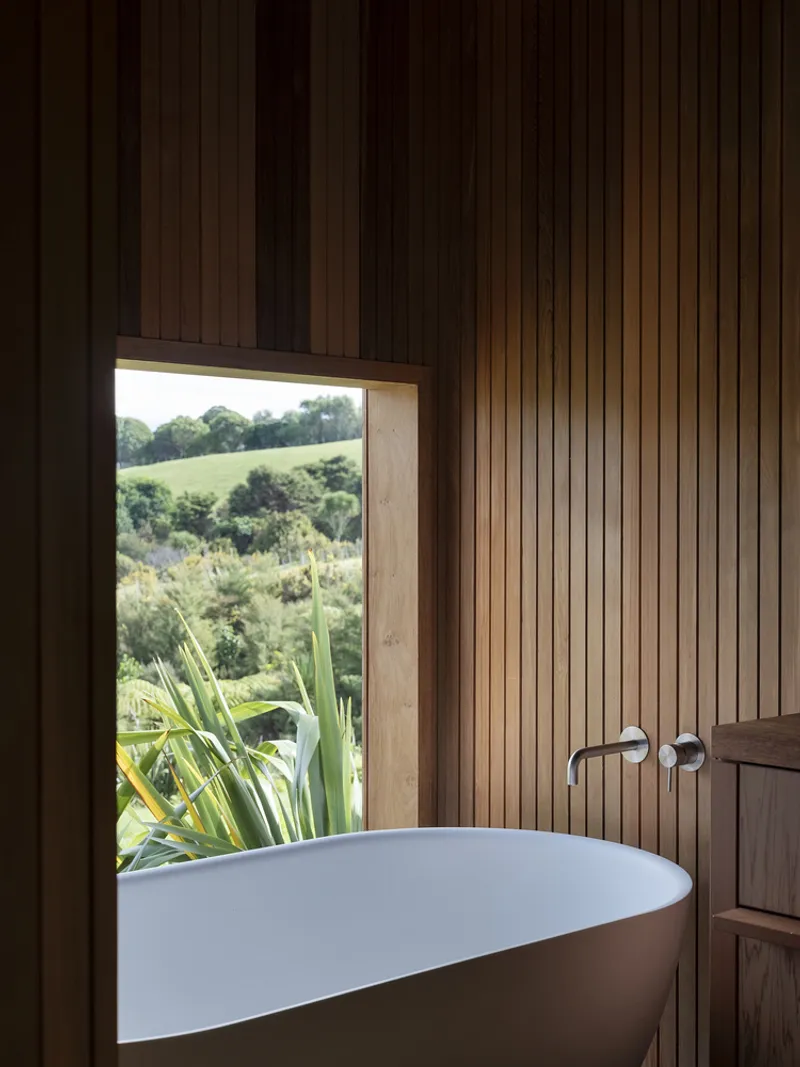
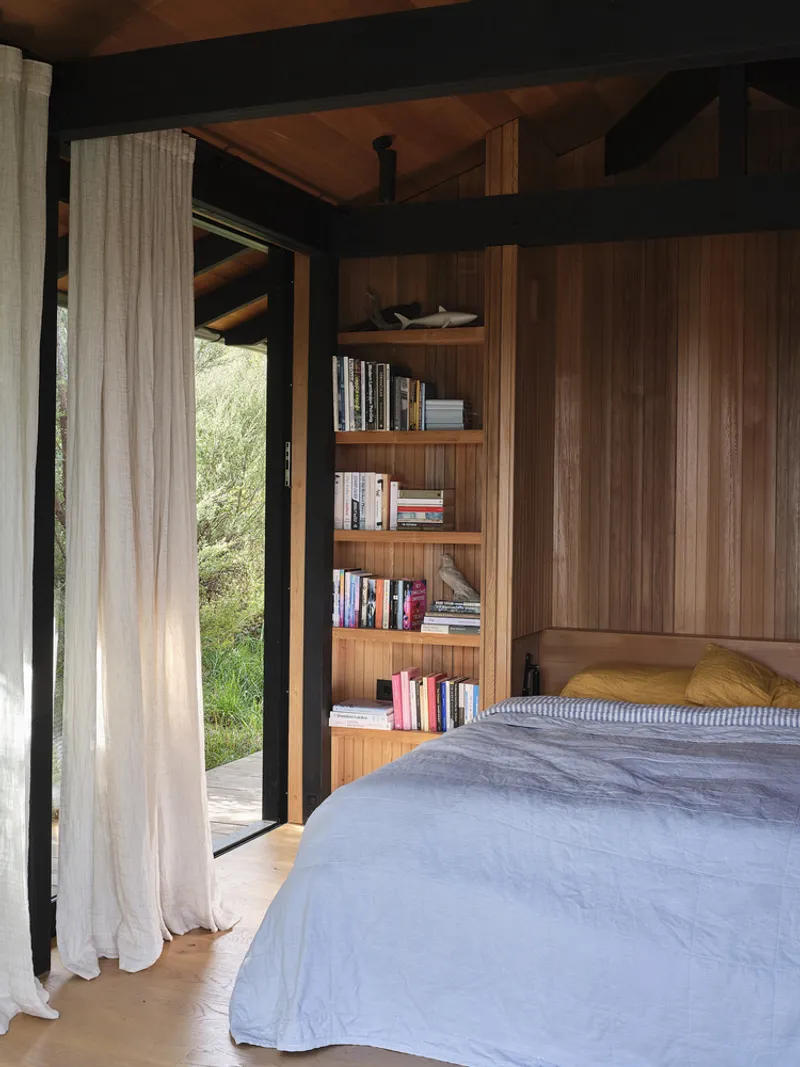
The architectural intent behind the Popadich House centers on a deep respect for nature and environmental balance. The home was conceived as a contemporary shelter—an integral extension of its surrounding landscape. Wrapped around a central courtyard, the low-profile form and extended eaves respond intelligently to New Zealand’s frequent rain and wind conditions, while large openings offer seamless indoor-outdoor transitions. The structure embraces natural light, fresh air, and unobstructed views toward the garden and valley, enabling the family to feel immersed in the land’s evolving biodiversity.
Timber as a Low-Carbon Building Strategy
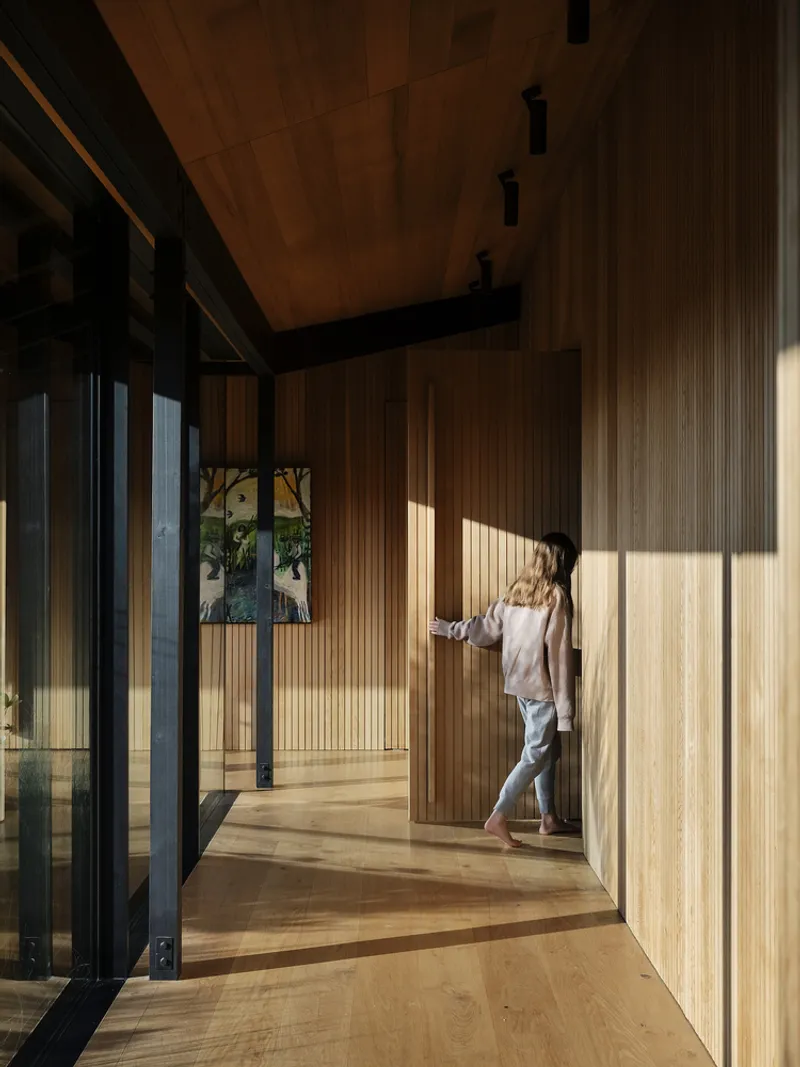
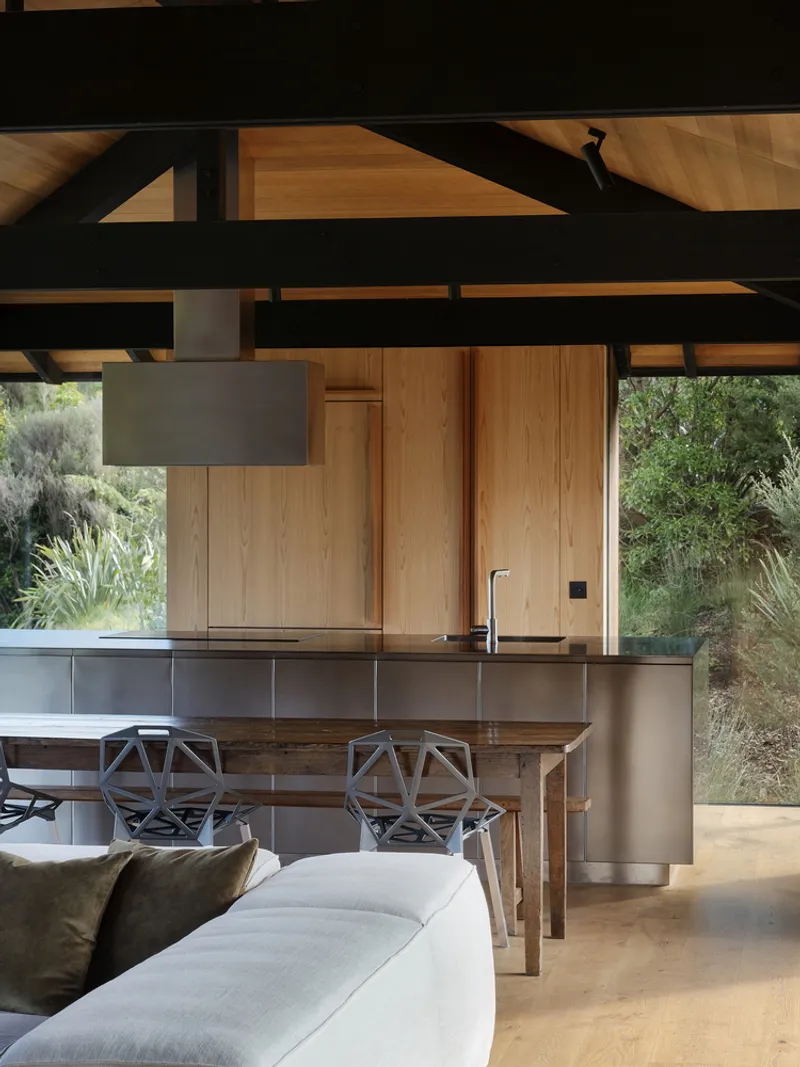
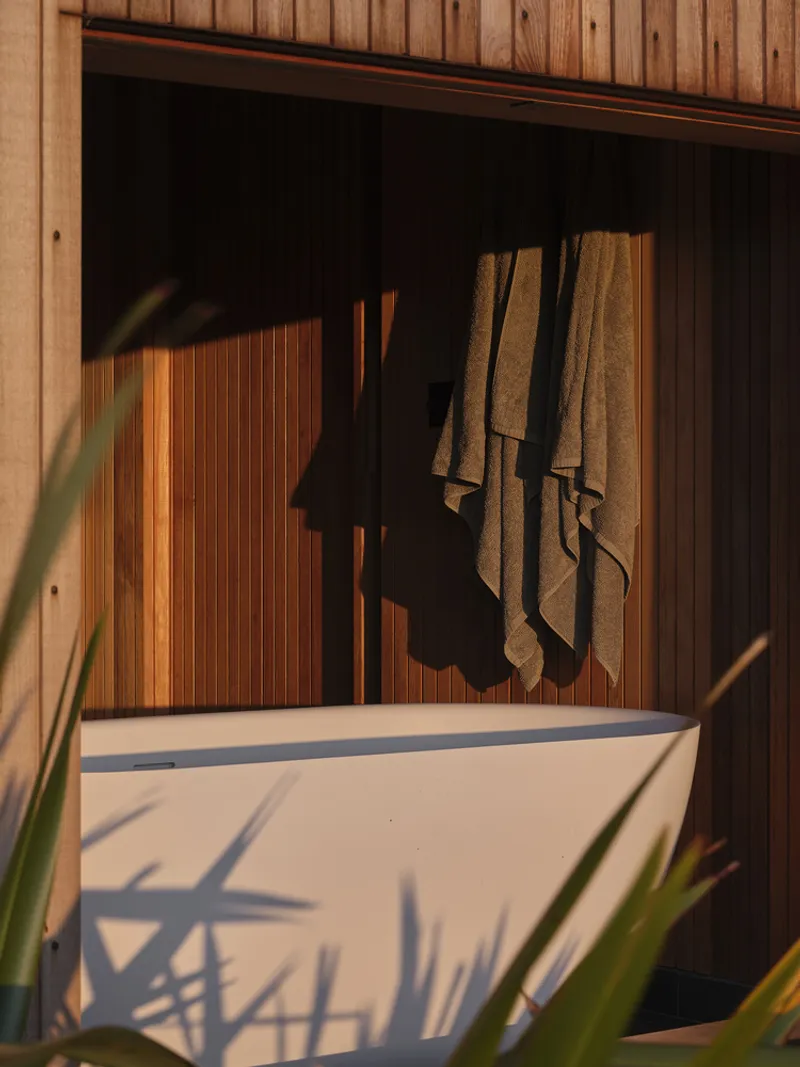
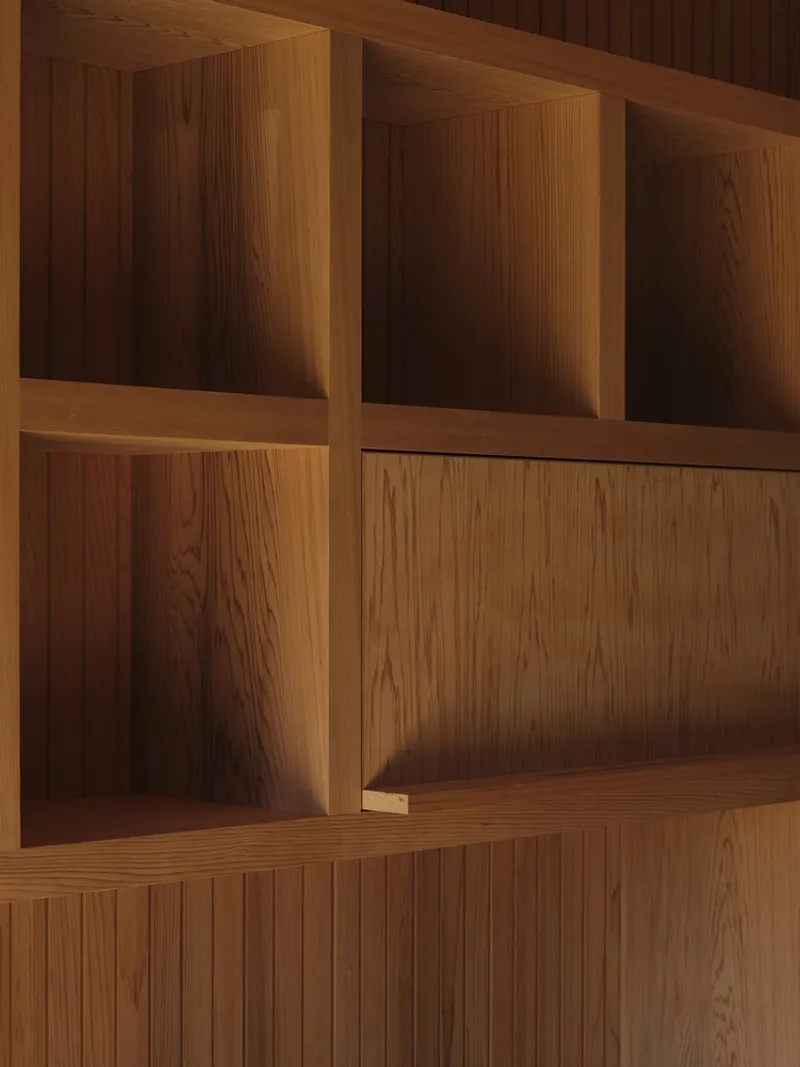
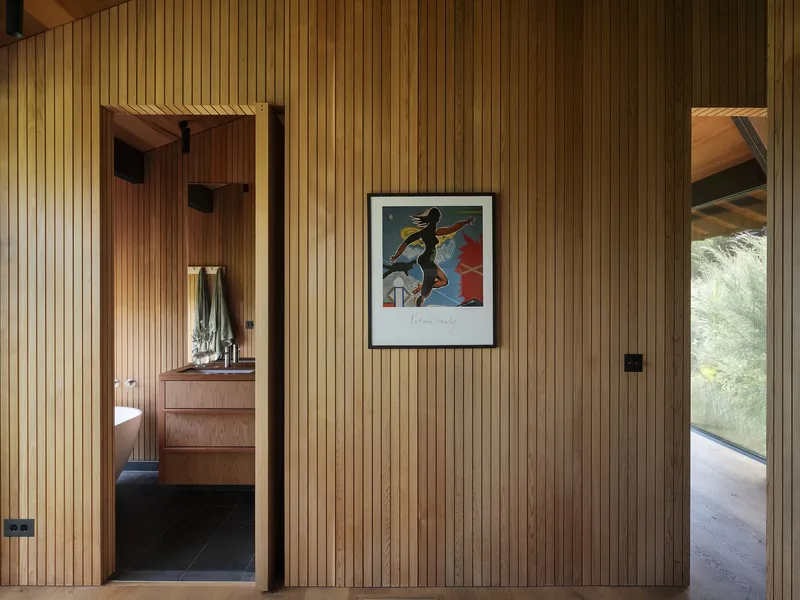
At the heart of the design is the use of low-carbon timber construction. This method not only minimizes the building’s ecological footprint but also celebrates a refined architectural language defined by warmth, repetition, and rhythm. The structural framework employs modulated and repetitive elements, reducing offcut waste. All timber used—walls, ceilings, and floors—remains untreated and durable, providing a healthy indoor environment and a material honesty that resonates throughout the interiors. Offcuts were repurposed thoughtfully as kindling for the fireplace and mulch for the growing orchard.
Sustainable Systems and Environmental Integration
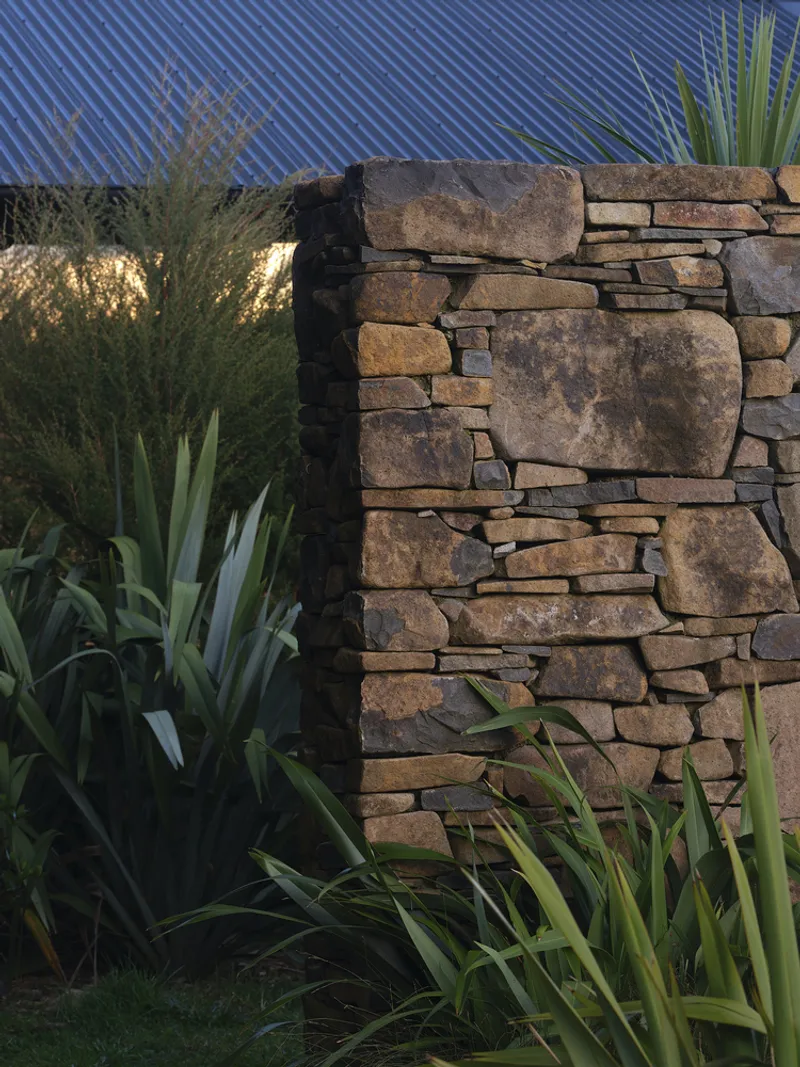
The landscape design upholds the same environmentally conscious principles. Excavated soil from construction was retained and reused on site, avoiding waste and reducing vehicle movements. Exterior ground surfaces are permeable and follow natural topographies and water flow paths, ensuring minimal disruption to existing hydrology. Rainwater harvesting systems with a 75,000-liter capacity provide resilience during dry spells, while wastewater is processed and distributed among the native plantings to support the ongoing regeneration of the land.
Architecture in Service of Place and Purpose
Popadich House is not simply a dwelling but a long-term commitment to living responsibly and regeneratively. Every architectural decision reinforces its role as a home that protects, supports, and enriches both its inhabitants and its natural surroundings. It exemplifies a modern approach to sustainable timber house design—one that prioritizes ecological harmony, resourcefulness, and the wellness of future generations.
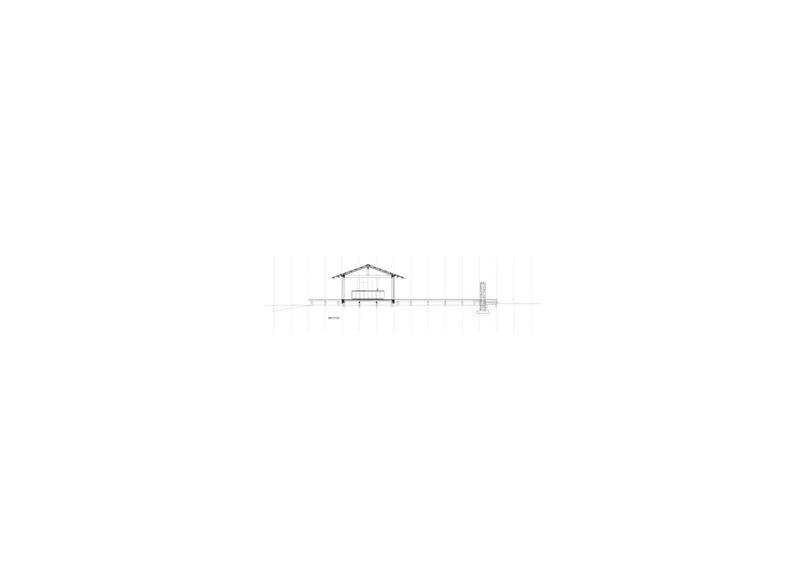
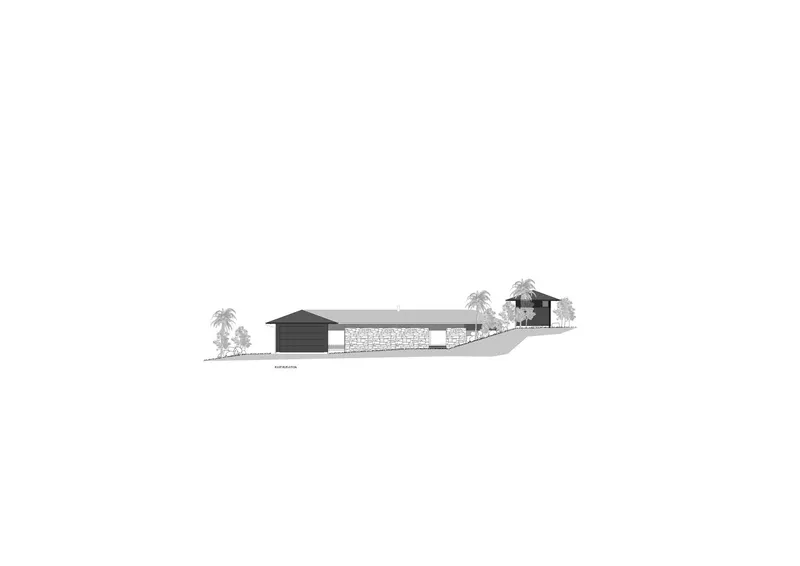
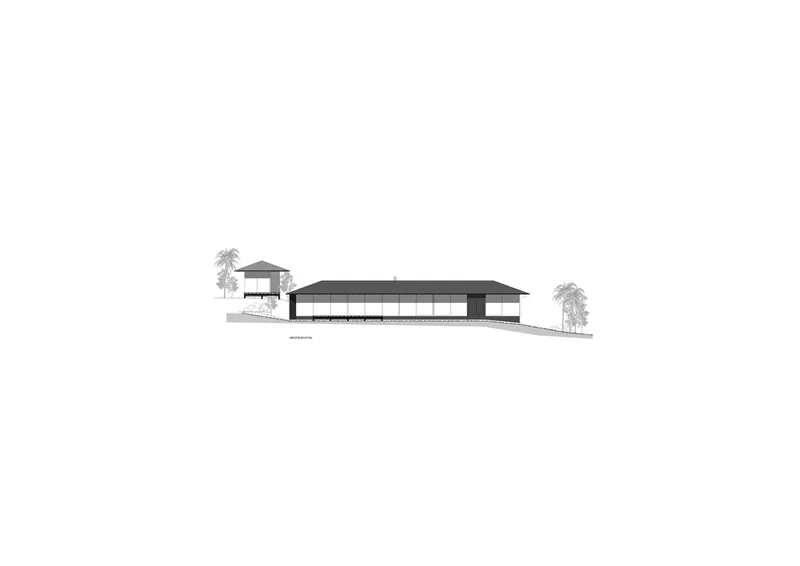
All photographs are works of Sam Harnett




Popular Articles
Popular articles from the community


Conexión: Biophilic Design Reimagines High-Rise Living in Hong Kong
Conexión reimagines high-rise living in Hong Kong through biophilic design, green facades, shared spaces, daylight, water and nature within.

Co-Life: Senior Housing Design That Reconnects Older Adults With the City
Co-Life reimagines senior housing design through healing gardens, shared streets, workshops, and a sustainable community across generations.

EW PARK: Sustainable Architecture Reimagines the Future of Urban Parking
EW PARK reimagines city parking as a modular wooden tower combining automation, solar energy, electric mobility, and adaptable urban design.

Riyadh For All: Intergenerational Urban Design for Active Aging in Rabat
Riyadh For All reimagines urban design in Rabat with intergenerational co-living, adaptive courtyards, and Moroccan cultural exchange today.


Similar Reads
You might also enjoy these articles

Bamboo Housing Challenge 2026: Design Affordable, Sustainable Homes Using Bamboo
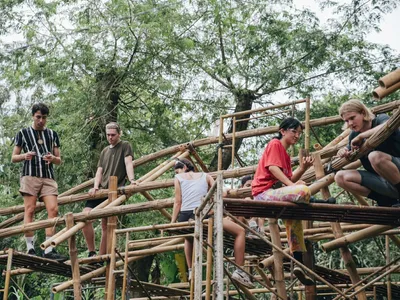
An international design competition by Bamboo U and IBUKU inviting architects and designers to reimagine affordable housing using bamboo — with the winning design built full-scale in Bali.

Computational Design & Education: Beegraphy Design Awards Introduces 7th Category (Featuring Jiyun's Innovative Approach)
Dive into Beegraphy’s 7th Design Awards category, where computational design meets education to create immersive, interactive learning tools, inspired by Jiyun’s work.

From Parametric Lighting to Urban Furniture: Join the 2nd Workshop in Beegraphy’s Computational Design Series
Dive into Cutting-Edge Design Techniques and Practical Applications with Industry Experts

Last Call: Unleash Your Architectural Genius in SHAK's Kindergarten Design Competition
Urgent call for architects to join SHAK's kindergarten design competition before the looming deadline


Explore Architecture Competitions
Discover active competitions in this discipline



Challenge to reimagine the Iron Throne


Photograph architecture without architects


Illustrate the lost glory of Angkor Wat - Render Challenge


Design challenge to reuse E-waste
Comments (0)
Please login or sign up to add comments
No comments yet. Be the first to comment!